Ghumoopedia — Explore, Discover, Experience
Sign in
Patalkot, near Parasia

City guide · Madhya Pradesh

Parasia

Parasia is a municipality and tehsil in Chhindwara district, in southern Madhya Pradesh. Formerly known as Dongar Parasia, it serves as a local centre for administration, shopping and services for surrounding settlements.

Famous for

  • Pench Valley coal mining
  • Chhindwara district town
  • Former name Dongar Parasia
  • Local trading centre

Why Parasia matters

Parasia is a municipality and tehsil in Chhindwara district, in southern Madhya Pradesh. Formerly known as Dongar Parasia, it serves as a local centre for administration, shopping and services for surrounding settlements. Its identity is closely connected with the coal-mining belt of the Pench Valley, which has influenced employment and the town’s modern growth.

Visitors are more likely to come for local connections, work or as part of a wider journey through Chhindwara district than for a concentrated set of major tourist attractions. Parasia offers a glimpse of everyday life in a district town, with neighbourhood markets, places of worship and links to nearby rural areas. It can also be used as a base for exploring the broader region, though travellers should plan separate transport for countryside visits. The town’s main points of interest are its role in the district and its association with mining, rather than a widely known craft, landmark or signature product.
Famous for: crafts, trade & products

Parasia is best known in the region for its association with coal mining in the Pench Valley. Mining has been an important part of the local economy and has shaped the town’s links with nearby settlements. The area is also an administrative and trading centre for everyday needs. There is no widely established, distinctive textile, handicraft or GI-tagged product that defines Parasia in the way a specialist craft town might.

For visitors, the practical places to look for locally made goods and daily necessities are the town’s neighbourhood shops and markets. These are useful for ordinary provisions and a sense of local commerce, rather than for a dedicated souvenir trade. Food stalls and small eateries may offer familiar Madhya Pradesh dishes, though menus vary. Mining-related activity is part of the area’s identity, but it is not a visitor attraction by default; access to operational sites should not be assumed. Travellers seeking specialist crafts or a broader range of regional products can look in larger centres such as Chhindwara, while checking locally for current availability.

History

Parasia’s earlier name, Dongar Parasia, remains part of its historical identity. The available account of the town’s past is most clearly reflected in its change from a settlement known by that name into a municipal and tehsil centre within Chhindwara district. Its administrative role connects it with the surrounding rural area and the district’s wider network of towns.

The growth of coal mining in the Pench Valley became an important influence on Parasia’s modern development. Mining brought employment and strengthened links between the town and nearby communities, while municipal services and local trade expanded around the needs of residents and workers. The area was part of the broader Central Provinces during the colonial period, but specific dates or detailed accounts of local rulers and events should not be inferred without reliable documentation. In present-day Madhya Pradesh, Parasia’s identity rests chiefly on its local administrative role and its association with the coal belt.

Food, festivals & culture

Daily life in Parasia reflects the mix of town and rural influences found across Chhindwara district. Hindi is widely used; Marathi and regional tribal languages, including Gondi, may also be heard in the wider area. Meals are centred on familiar central Indian home cooking, and local eateries may serve dishes such as poha, dal-based meals and sweets such as jalebi. These are regional favourites rather than products unique to Parasia.

Holi in spring, Navratri in autumn and Diwali in autumn are among the major festivals observed, alongside religious occasions marked by local communities. Celebrations commonly bring families together and may include worship, visiting relatives and neighbourhood gatherings. The town has places of worship serving different communities, though no single monument is established as its defining cultural landmark. Music and dance at celebrations vary with family and community traditions; in the surrounding district, tribal performance traditions also form part of the region’s cultural life.

Visiting the city

The cooler months, roughly October to March, are generally the most comfortable time to visit. Summers can be hot, while monsoon travel may bring wet roads. The nearest major airport is Dr. Babasaheb Ambedkar International Airport in Nagpur. Parasia has a railway station; Chhindwara is another important station in the district. Check current rail connections before planning a journey.

Within town, local auto-rickshaws and other road transport are practical options; arrange separate transport for visits beyond the centre. Explore the market area and established neighbourhoods on foot where convenient, and ask locally about access to places of worship or nearby countryside. Parasia is primarily a working town, so it suits visitors interested in regional life or district connections more than those seeking a resort-style stay.

Trips from the city

Nearest places to visit from Parasia

Our closest destination guides, by straight-line distance.

Patalkot

31 km away · Chhindwara district

Patalkot

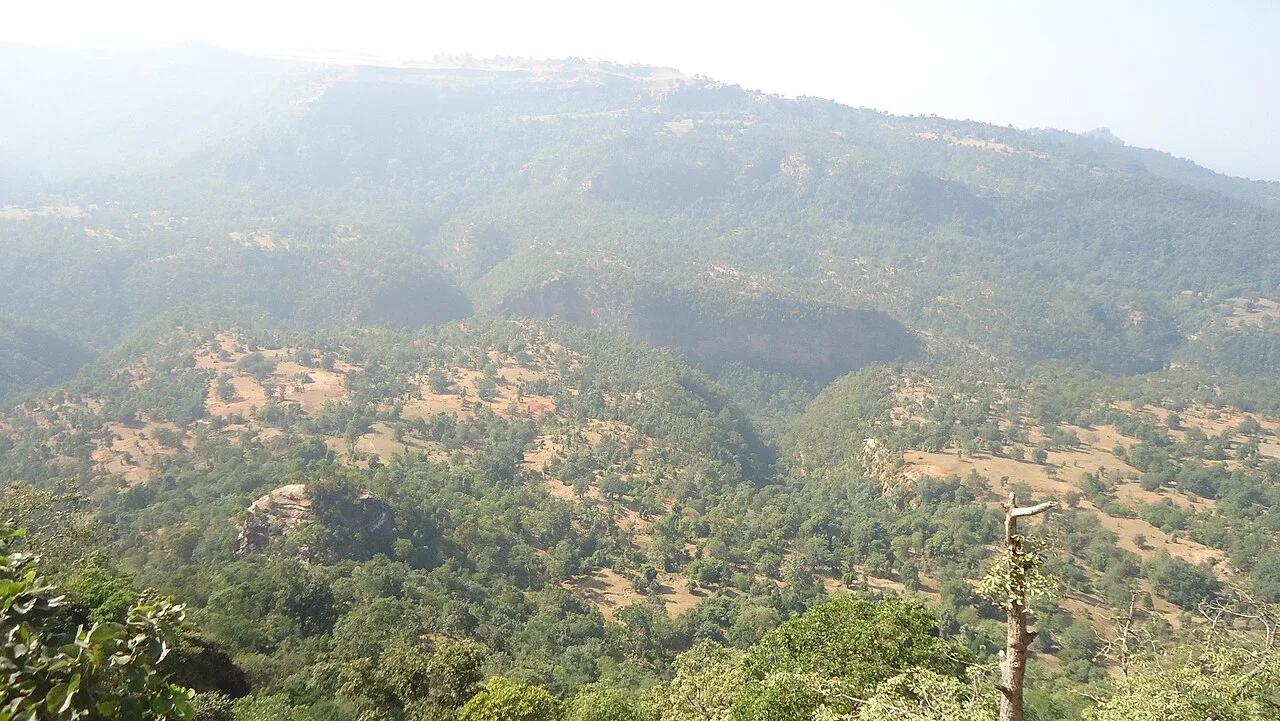
Patalkot is a valley within Tamia tehsil, Chhindwara district, Madhya Pradesh, about 78 km from the district headquarters. Visitors are drawn by its tribal culture and rich herbal resources.

Jatashankar

46 km away · Hoshangabad district

Jatashankar

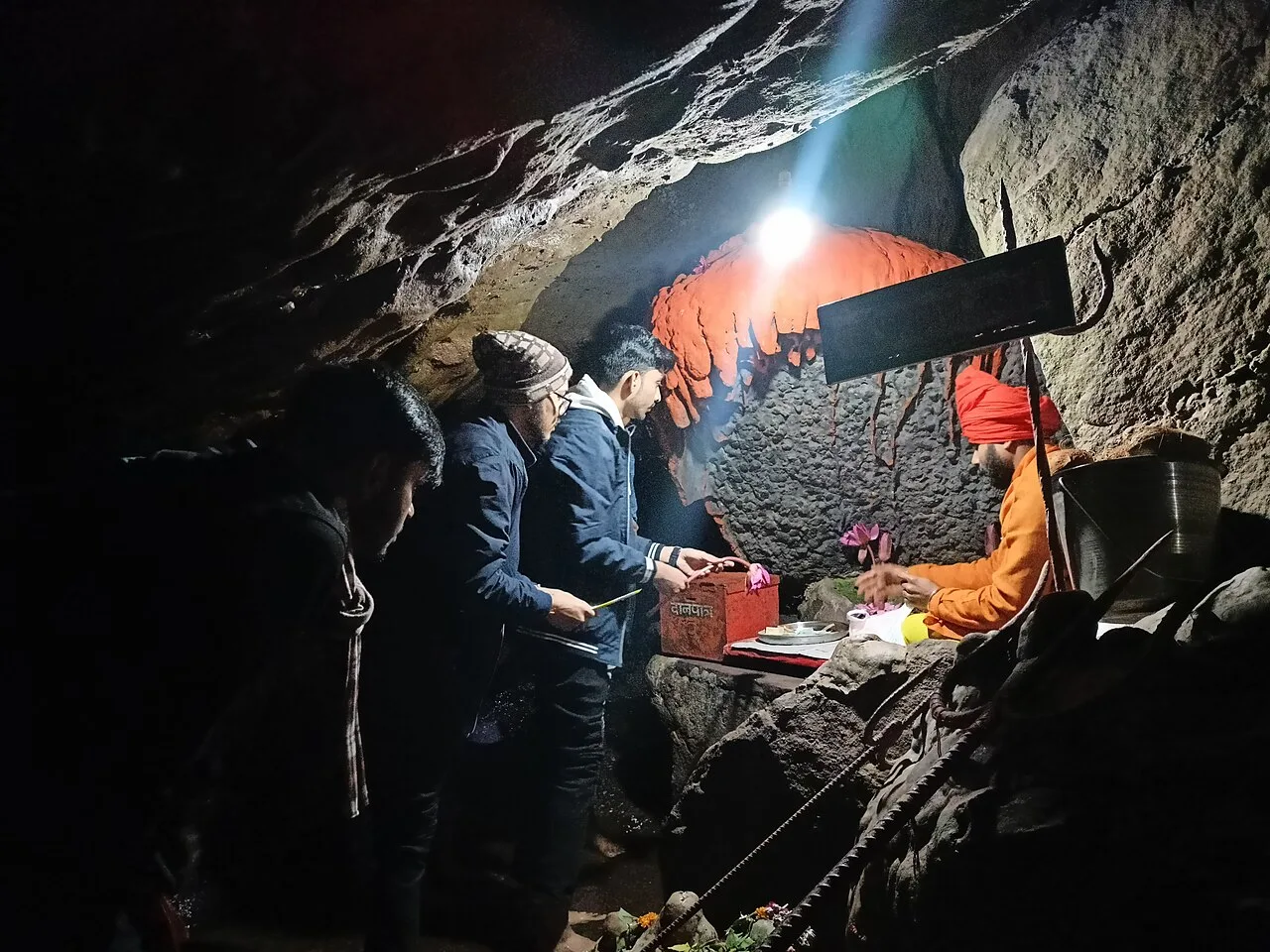
Jatashankar, also called Jata Shankar, is a cave shrine dedicated to Shiva north of Pachmarhi in Madhya Pradesh, visited by pilgrims to worship its natural lingams.

Pachmarhi Hill Station

47 km away · Hoshangabad district

Pachmarhi Hill Station

Pachmarhi is a hill station in Madhya Pradesh’s Satpura range, known as the Queen of Satpura. Visitors come for its elevated setting and its location within protected natural areas.

Dhupgarh Peak

49 km away · Hoshangabad district

Dhupgarh Peak

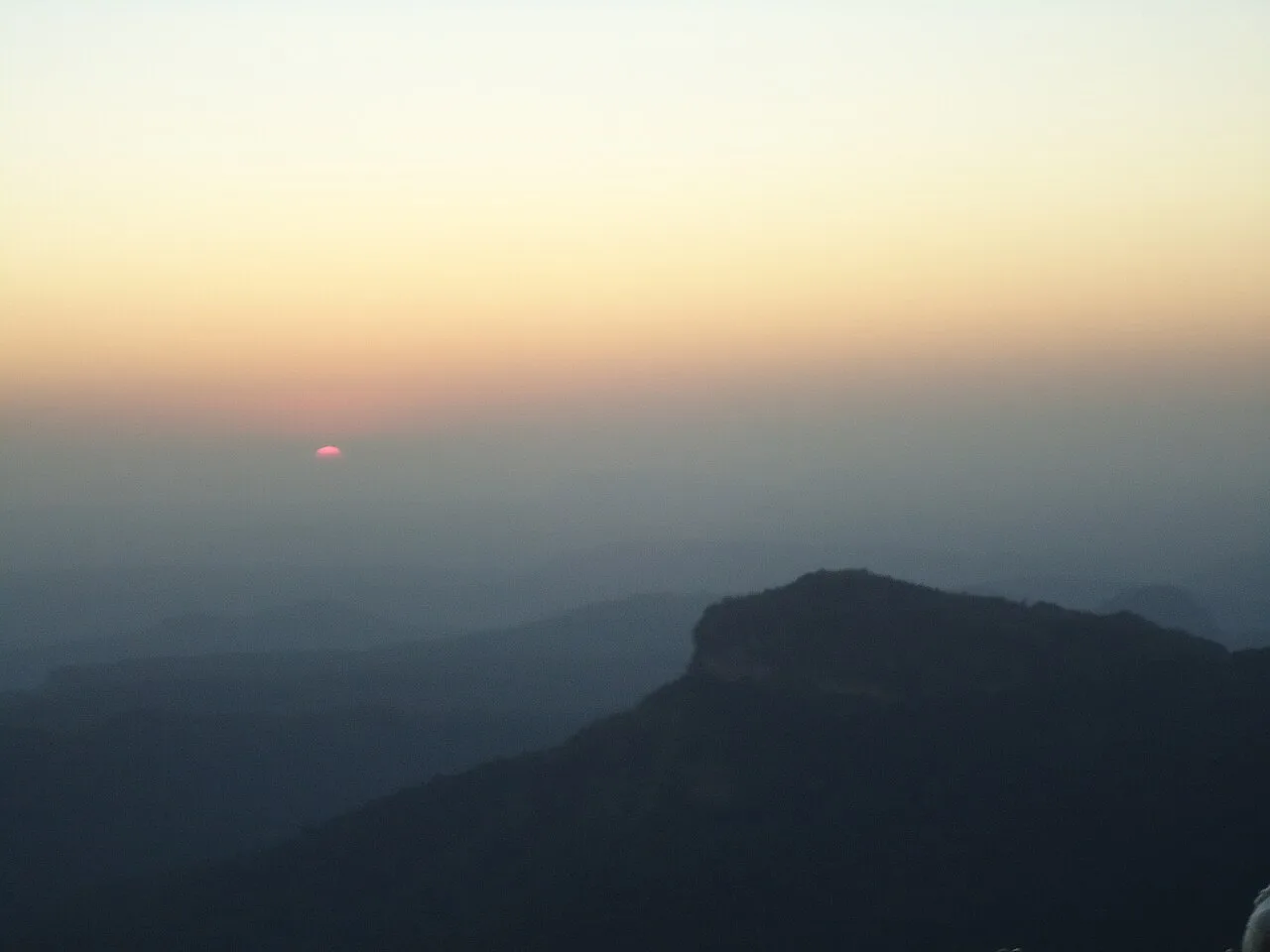
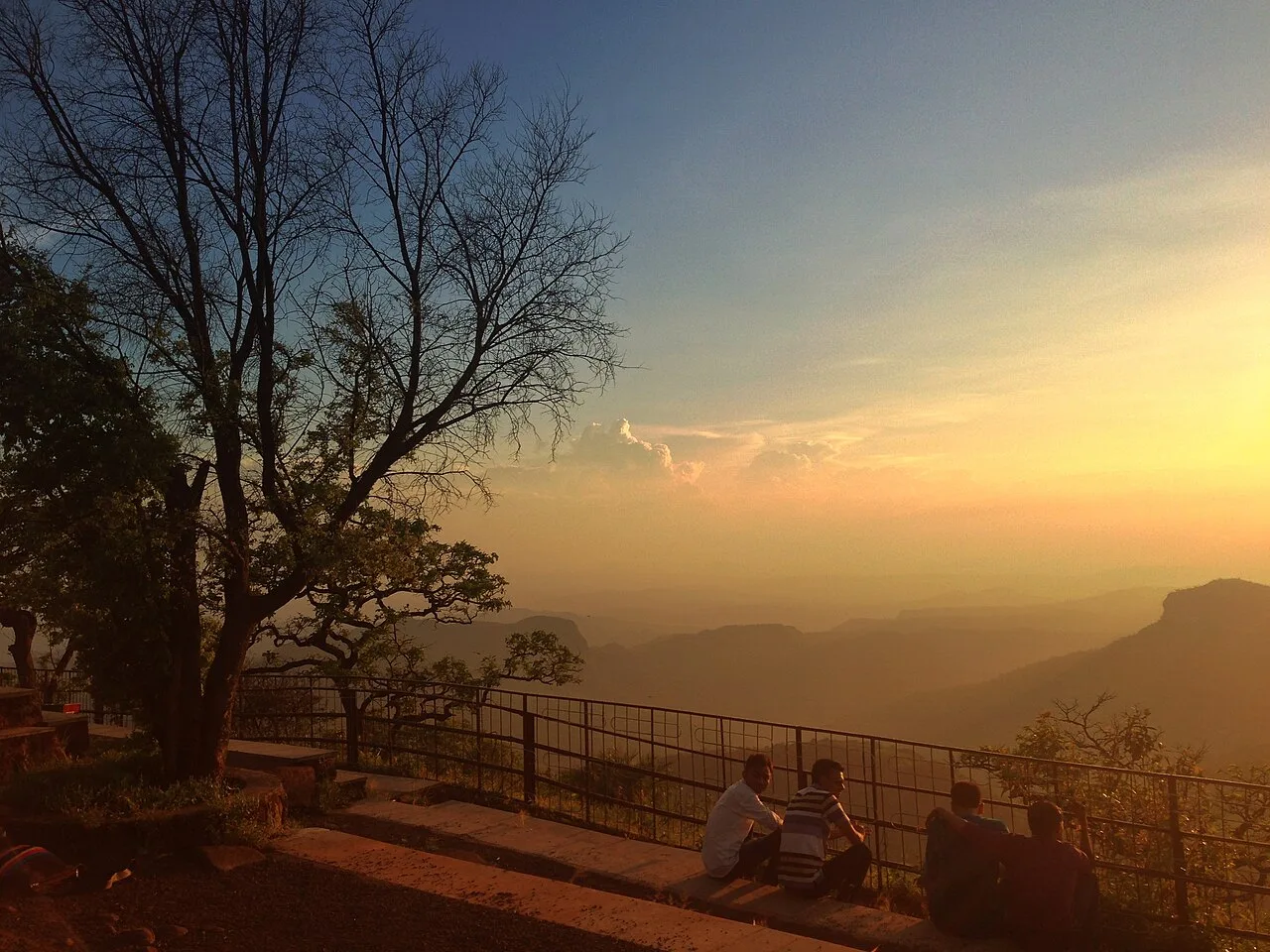
Dhupgarh, also known as Dhoopgarh, is a summit in Madhya Pradesh’s Satpura Range. Visitors go to the peak in Pachmarhi to watch the sun set.

Satpura Tiger Reserve

64 km away · Hoshangabad district

Satpura Tiger Reserve

In Madhya Pradesh’s Narmadapuram district, Satpura Tiger Reserve takes its name from the Satpura Range. Visitors come to experience its abundant plant life and wildlife.

Chauragarh Temple

65 km away · Hoshangabad district

Chauragarh Temple

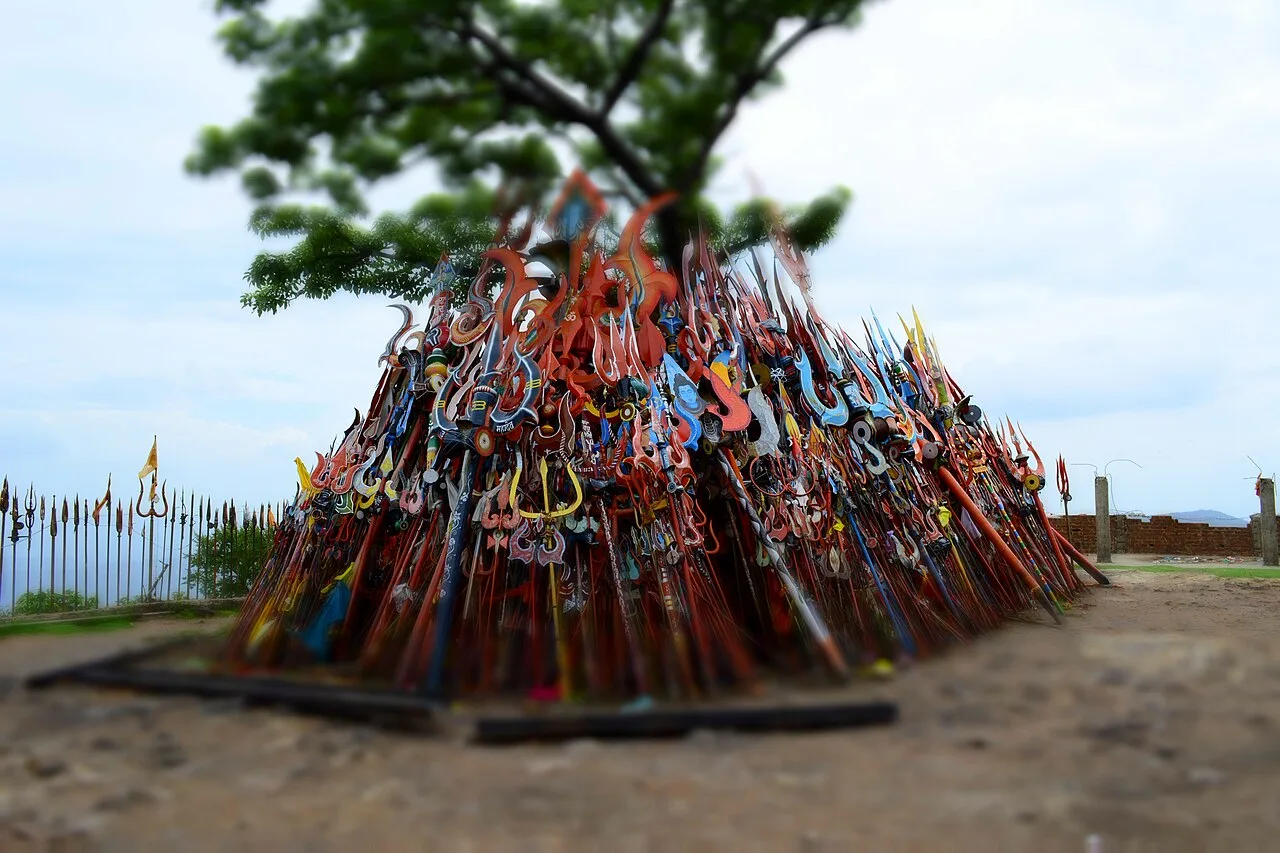
Chauragarh Temple is a historic religious and fort complex in Madhya Pradesh, set on a Satpuda peak. Visitors come to see its shrine, fort remains and structures associated with Gond rulers.

Pench Tiger Reserve

75 km away · Seoni district

Pench Tiger Reserve

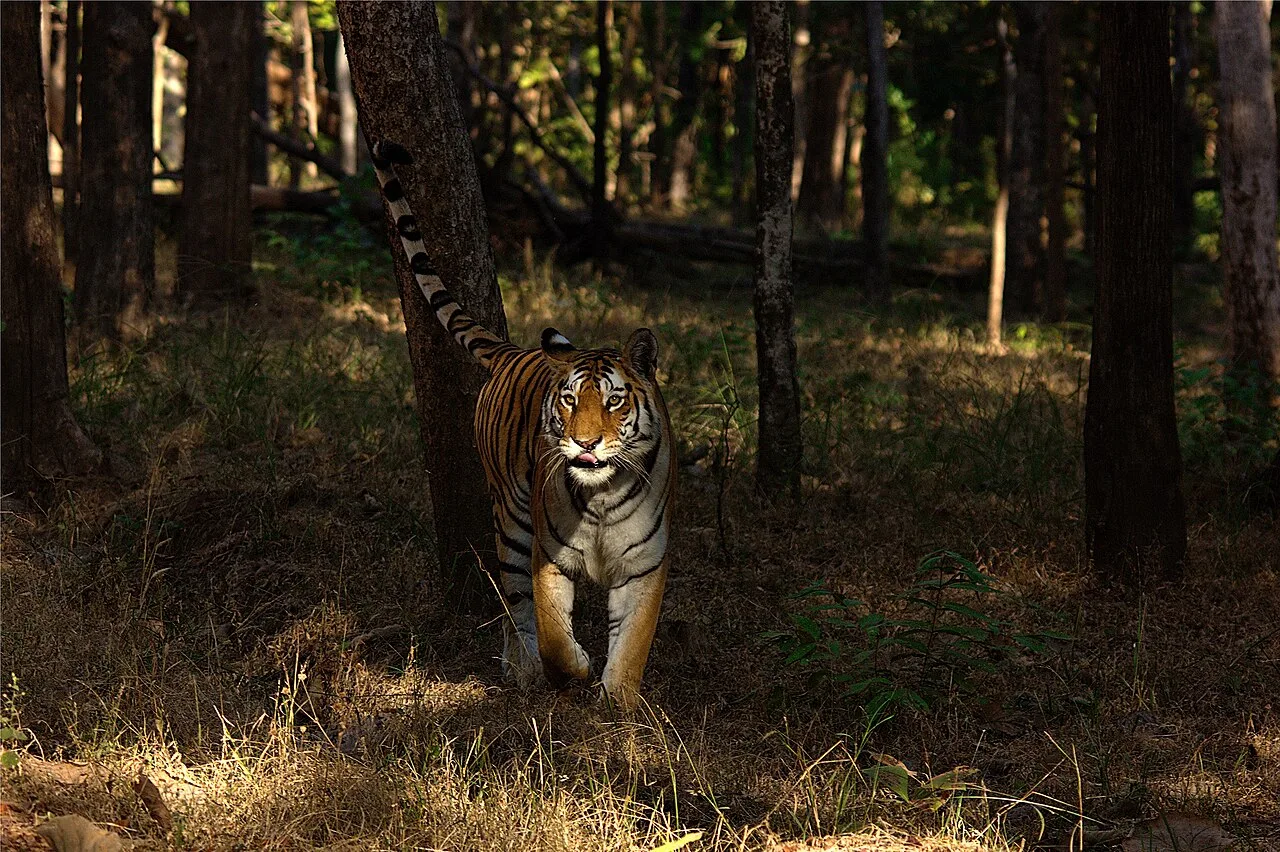
Pench Tiger Reserve is a protected tiger landscape shared by Madhya Pradesh and Maharashtra. Visitors come to explore its wildlife habitat and look for tigers.

Pench National Park

81 km away · Seoni district

Pench National Park

Pench National Park is a protected area in Madhya Pradesh and a core component of Pench Tiger Reserve. Visitors come to explore the park within the wider reserve.

Map

Parasia on the map

  1. 1Patalkot
  2. 2Jatashankar
  3. 3Pachmarhi Hill Station
  4. 4Dhupgarh Peak
  5. 5Satpura Tiger Reserve
  6. 6Chauragarh Temple
  7. 7Pench Tiger Reserve
  8. 8Pench National Park

Madhya Pradesh

Other cities to explore