Ghumoopedia — Explore, Discover, Experience
Sign in
Hanuwantiya Island, near Satwas

City guide · Madhya Pradesh

Satwas

Satwas is a small town in Dewas district and the administrative headquarters of Satwas Tehsil. Its importance is mainly regional: government services, everyday shopping and connections to surrounding villages make it a practical centre for this part of Madhya Pradesh.

Famous for

  • Satwas tehsil headquarters
  • Rural Dewas district hub
  • Access to Nemawar
  • Route to Indira Sagar Dam

Why Satwas matters

Satwas is a small town in Dewas district and the administrative headquarters of Satwas Tehsil. Its importance is mainly regional: government services, everyday shopping and connections to surrounding villages make it a practical centre for this part of Madhya Pradesh. The tehsil includes many villages, so Satwas serves residents who travel into town for routine needs as well as visitors passing through the area.

Satwas is better understood as a base for nearby destinations than as a large tourist centre in its own right. Nemawar, a pilgrimage destination on the Narmada, and Indira Sagar Dam are among the places people may combine with a visit; Omkareshwar is a longer excursion. A temple near Barwaha is another regional point of interest. The town’s position between Dewas and settlements to its east also makes it useful for road journeys across the district. Visitors can experience a quieter small-town setting, while arranging transport and sightseeing plans in advance.
Famous for: crafts, trade & products

Satwas is not widely identified with a particular textile, saree tradition, handicraft, GI-tagged product or large-scale industry. Its everyday importance is more local: as a tehsil headquarters and a service centre for nearby villages, it supports routine shopping and access to administrative services. The town’s shops and market area are the most practical places to look for daily necessities and locally traded goods, though visitors should not expect a specialist craft bazaar or a dedicated souvenir market.

For a broader selection of regional products, travellers can compare shops in larger towns on their route, such as Dewas or Indore. Ask sellers about the origin of any item marketed as locally made, since there is no well-established Satwas-specific craft or product label to rely on. Nearby pilgrimage and reservoir destinations are more prominent reasons to travel through the area than shopping. Visitors seeking regional food products or handicrafts may find more choice in larger urban centres, then use Satwas as a stop for local services and a view of everyday town life.

History

Satwas’s documented profile is chiefly administrative: it is a town and Nagar Panchayat, and the headquarters of a tehsil in Dewas district. Its growth has been tied to the needs of nearby villages and to its role as a local centre for public services, commerce and road travel. A detailed, well-established account of the town’s own founding or major historical events is not readily available, so specific origin stories should be treated with caution.

The wider Dewas and Malwa region experienced Maratha influence and later came under British paramountcy, with princely-state politics shaping the area before independence. Those regional changes provide context, but they should not be taken as evidence of a particular ruler’s residence or a major historic event in Satwas itself. In modern Madhya Pradesh, Satwas has developed as a tehsil centre within Dewas district and as a Nagar Panchayat serving its surrounding settlements. Its present significance is primarily civic and regional rather than monumental.

Food, festivals & culture

Daily life in Satwas reflects the small-town and village traditions of western Madhya Pradesh. Hindi is widely used; Malvi and Nimari influences are also part of the broader regional language landscape. Meals are likely to feature familiar central Indian staples such as wheat-based breads, lentils and seasonal vegetables. Poha, jalebi and savoury namkeen are common across the wider region, but Satwas is not especially known for a distinct signature dish or sweet.

Holi in spring, Navratri and Dussehra in autumn, and Diwali after the monsoon are important occasions across the region; Eid is also observed by Muslim residents. Celebrations may include family gatherings, worship and community events, with the scale varying from year to year. Neighbourhood temples and other local places of worship serve residents’ daily religious needs. For larger pilgrimage visits, travellers often look beyond town toward destinations such as Nemawar or Omkareshwar. Folk music and dance belong to the wider Malwa cultural setting, though performances are not a guaranteed visitor attraction in Satwas.

Visiting the city

The most comfortable time to visit is generally October to March, when daytime conditions are milder. Summer can be very hot, so plan outdoor travel for early or late in the day and carry water. The monsoon brings rain and greener surroundings, but road conditions can vary. Satwas has no major airport; Indore’s Devi Ahilya Bai Holkar Airport is a principal air gateway, with Bhopal another option depending on the journey. Harda railway station is a practical rail connection to check, while Dewas station may suit some routes; verify current connections before travelling.

Within town, local transport and hired vehicles are the simplest ways to get around. Explore the central market and civic area for everyday town life, then arrange a vehicle for nearby rural and pilgrimage destinations. There are no established tourist neighbourhoods, so confirm local transport and accommodation arrangements ahead of time.

Trips from the city

Nearest places to visit from Satwas

Our closest destination guides, by straight-line distance.

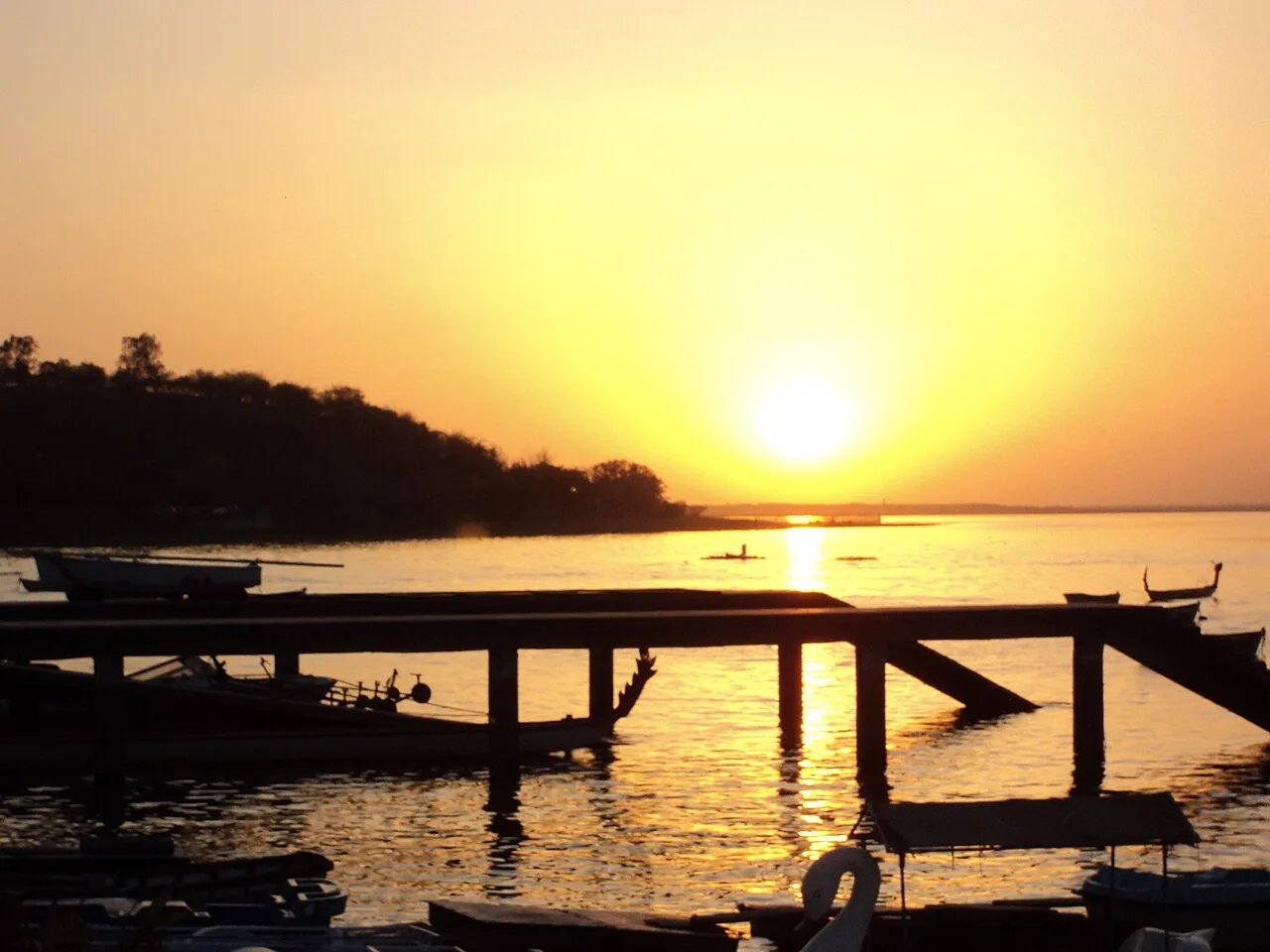
Hanuwantiya Island

45 km away · Khandwa district

Hanuwantiya Island

Hanuwantiya Island is a tourism destination in Khandwa district, Madhya Pradesh. Visitors come to the island, which the state tourism corporation developed as a hub for tourism.

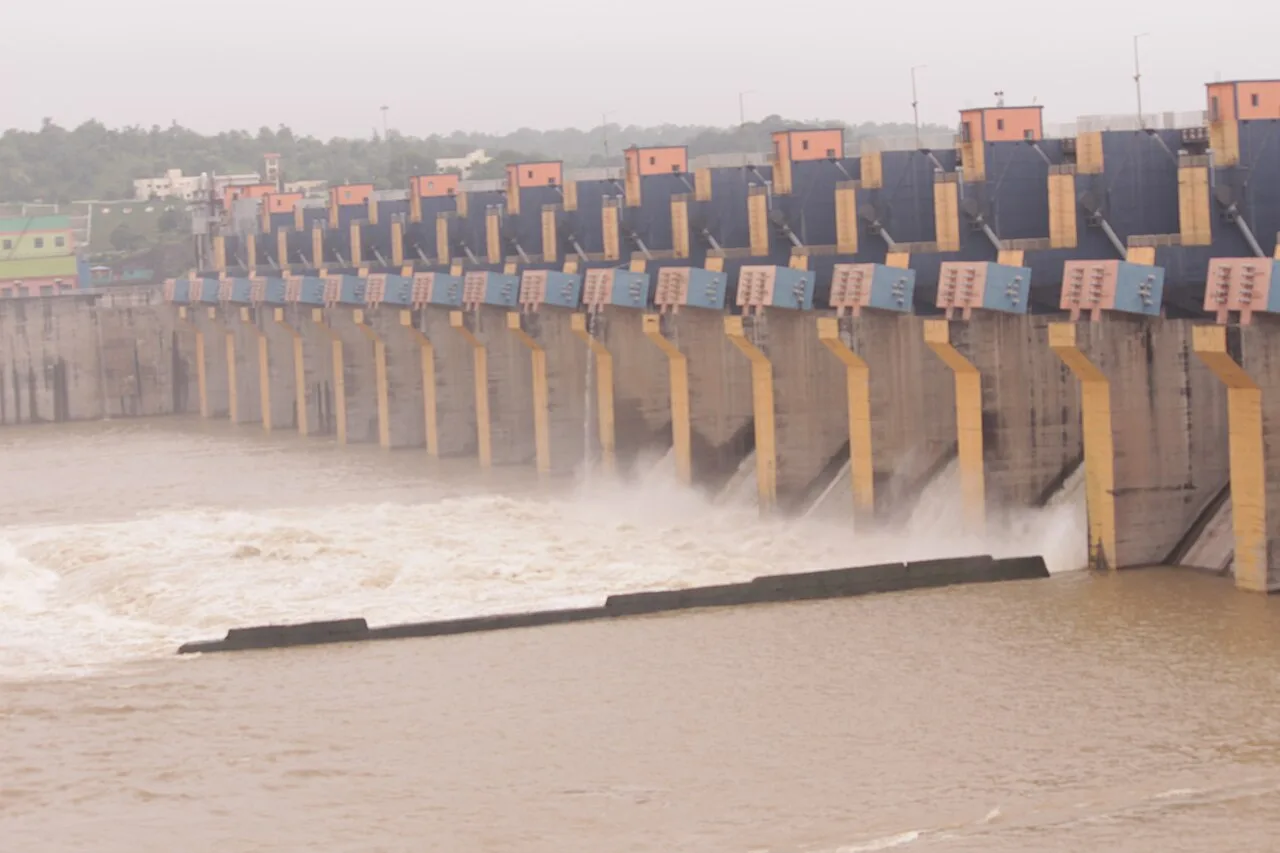
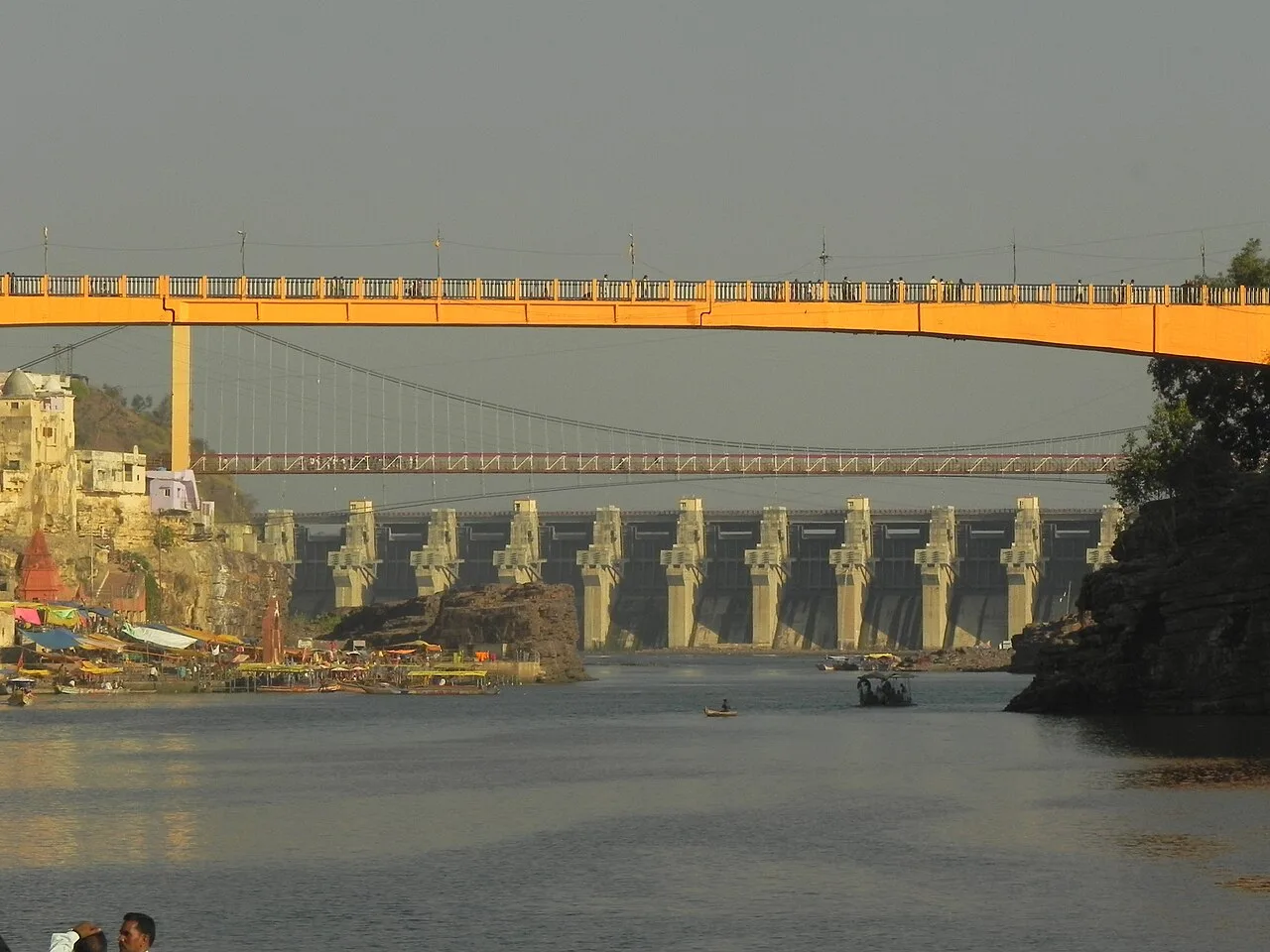
Omkareshwar Dam

63 km away · Khandwa district

Omkareshwar Dam

Omkareshwar Dam is a gravity dam on the Narmada in Madhya Pradesh, upstream of Mandhata. Visitors can view the structure and its associated hydroelectric station, built alongside an irrigation project.

Omkareshwar Temple

64 km away · Omkareshwar district

Omkareshwar Temple

Omkareshwar is a Shiva shrine on Mandhata island in Madhya Pradesh, revered as one of the twelve Jyotirlingas. Pilgrims visit its two associated sanctuaries.

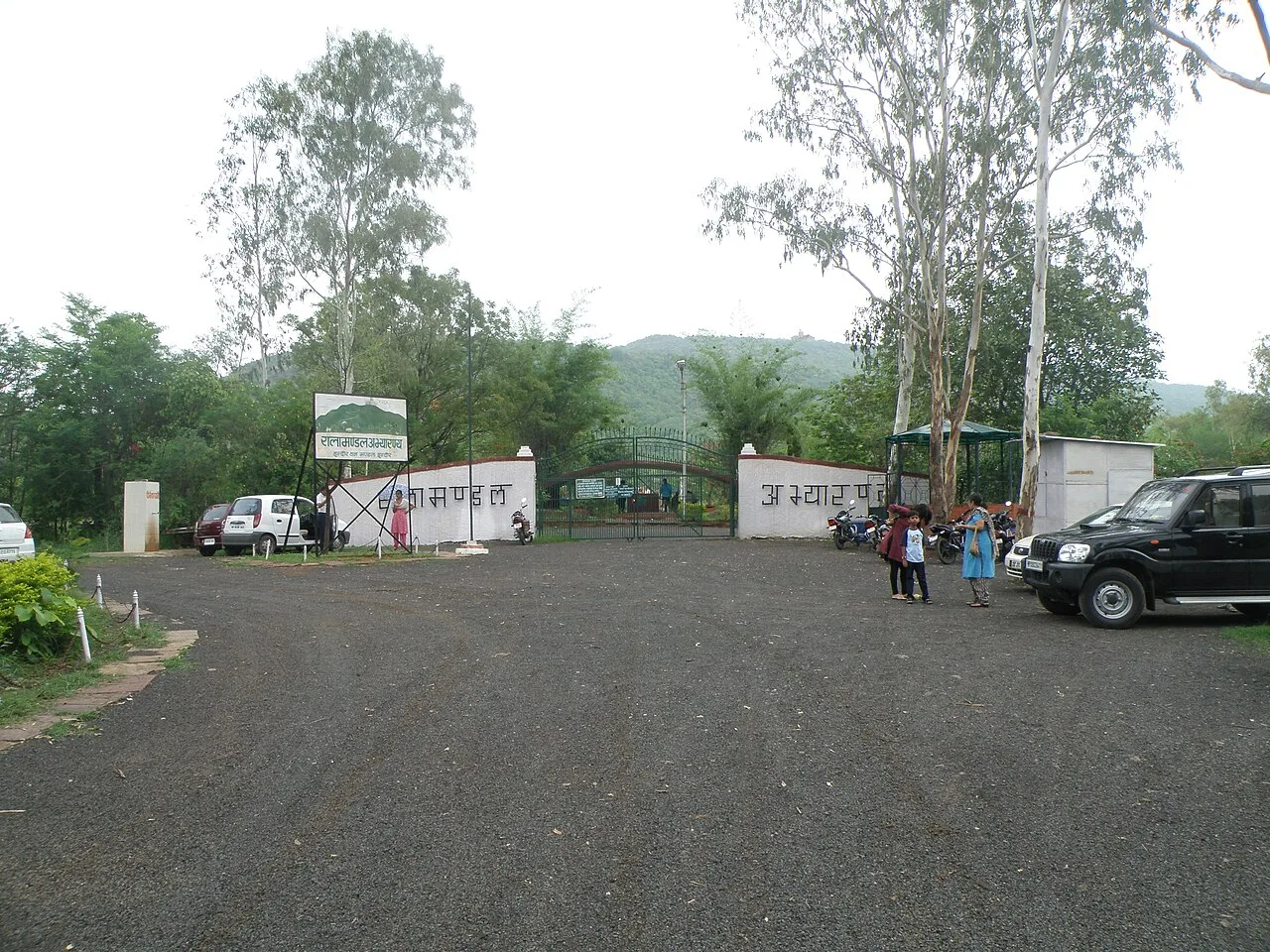
Ralamandal Wildlife Sanctuary

80 km away · Indore district

Ralamandal Wildlife Sanctuary

Established in 1989, Ralamandal Wildlife Sanctuary is a five-square-kilometre protected area in Indore district, Madhya Pradesh. Visitors come to see its birds, other wildlife and old hunting lodge.

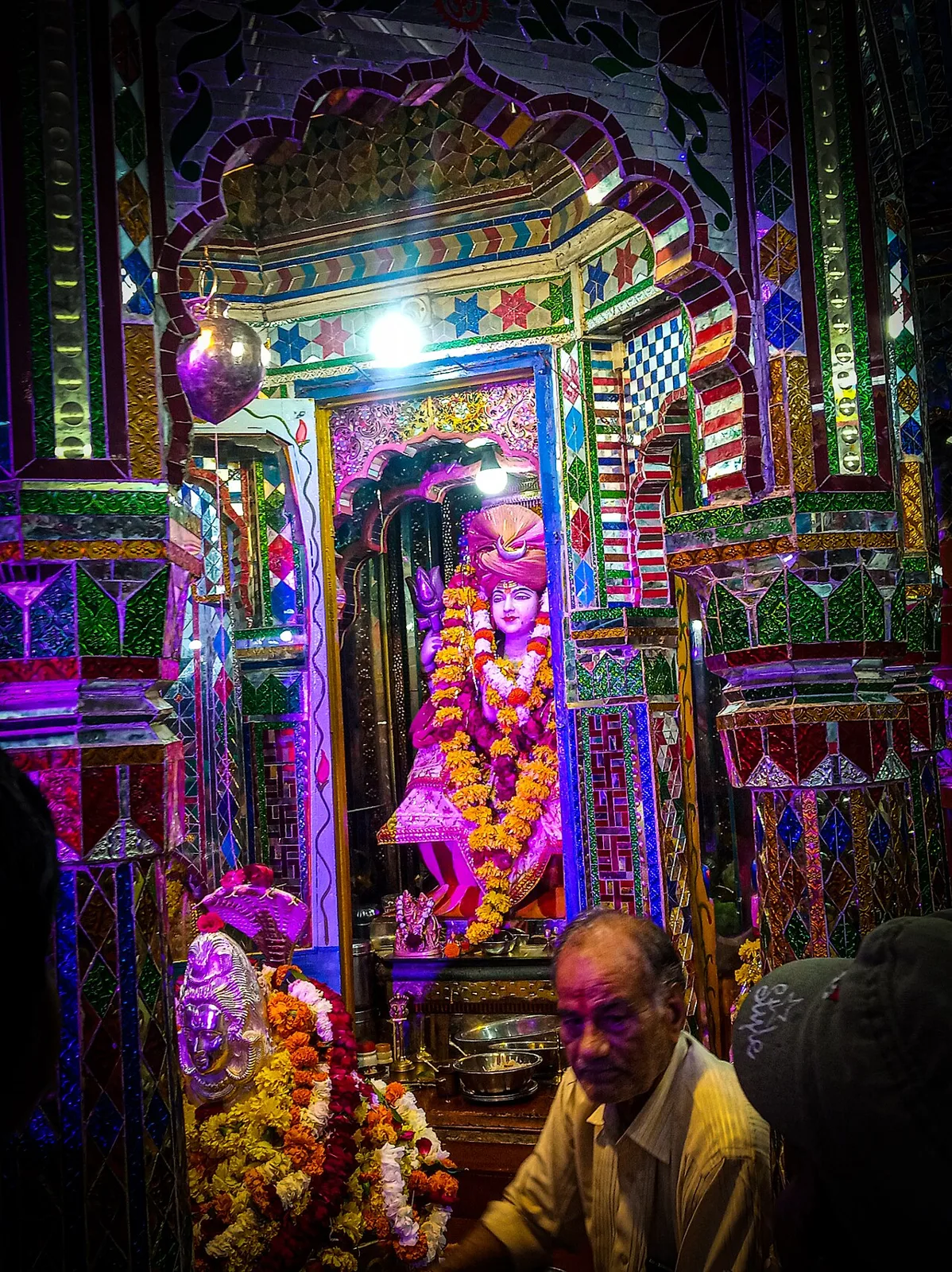
Kanch Mandir

87 km away · Indore district

Kanch Mandir

Kanch Mandir is a well-known Jain temple in Indore, built by Sir Seth Hukumchand Jain. Visitors come to see the place of worship whose name means Temple of Glass.

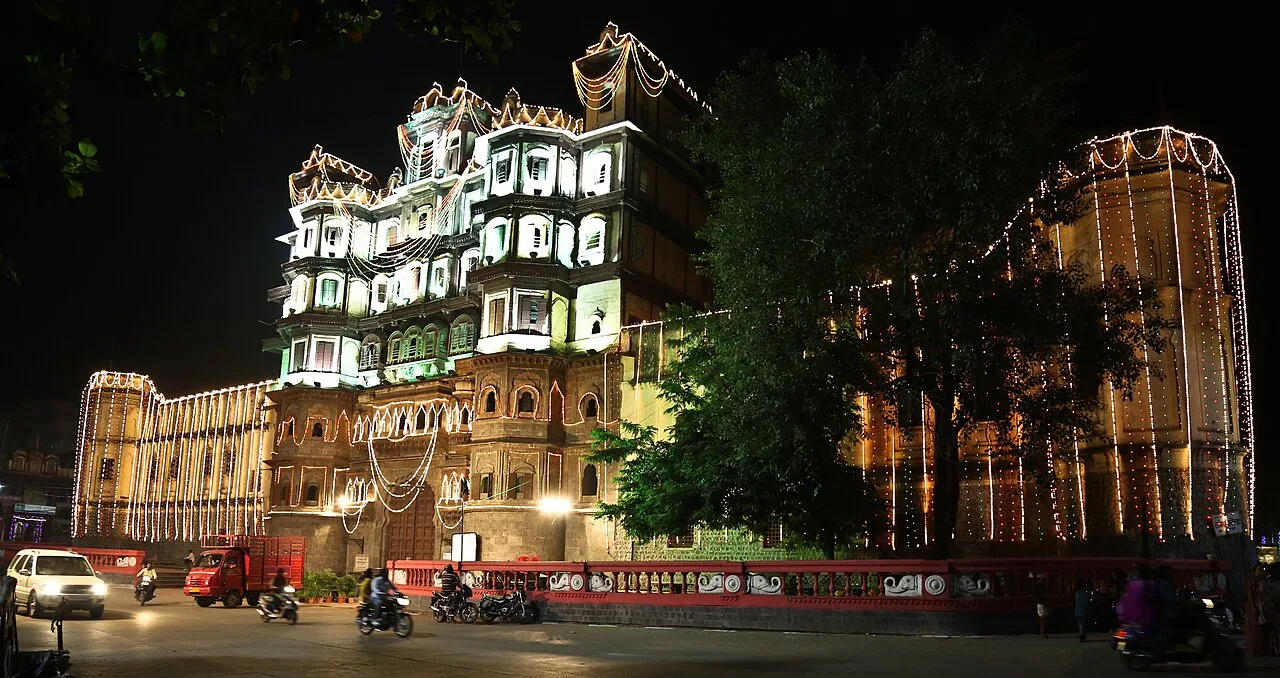
Rajwada

87 km away · Indore district

Rajwada

Rajwada is a historic, seven-storey Holkar residence in Indore. Visitors come for its period architecture, dynastic history and the garden with fountains and a waterfall.

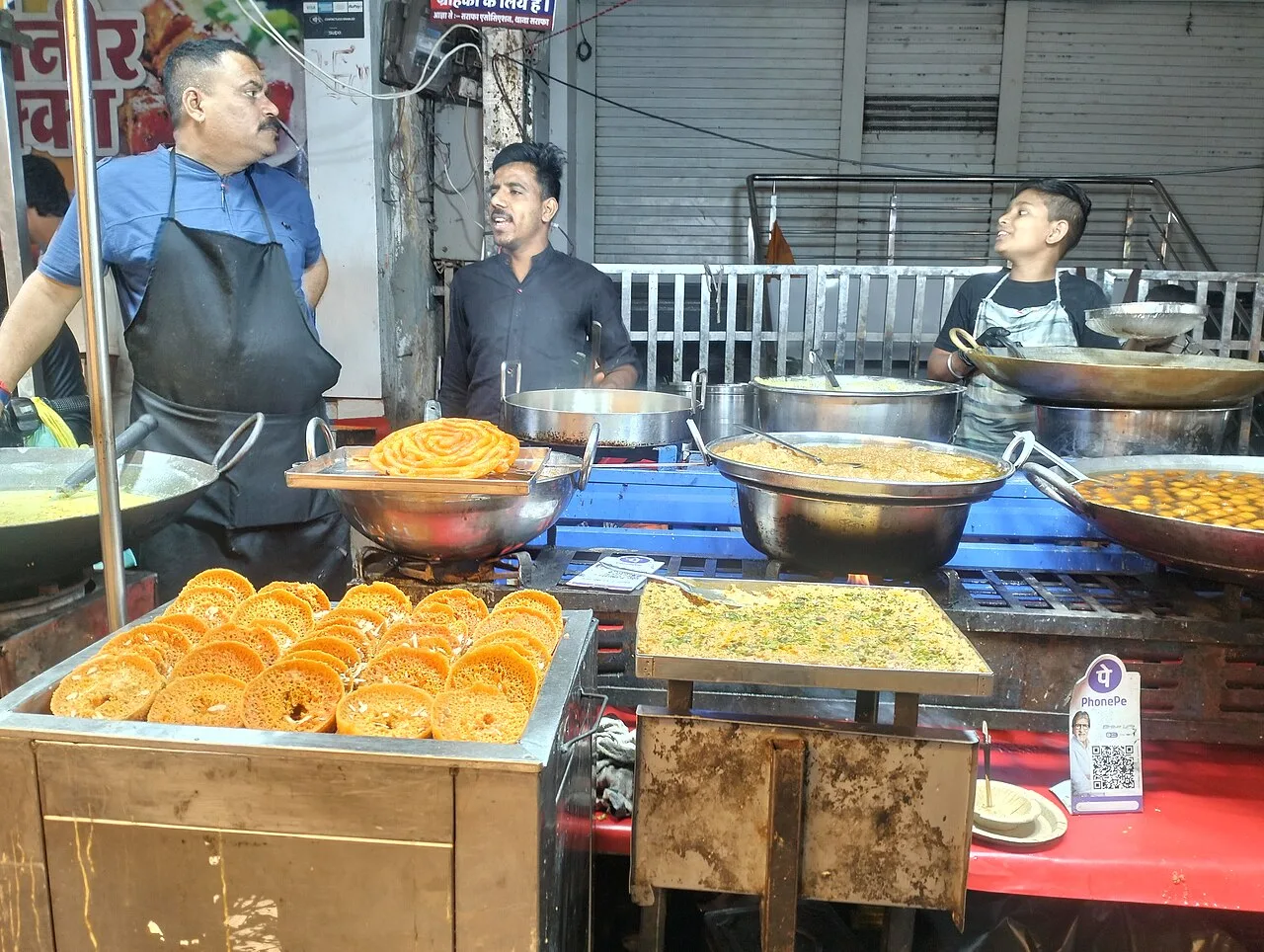
Sarafa Bazaar

88 km away · Indore district

Sarafa Bazaar

In central Indore, Sarafa Bazaar is a jewellery-trading area by day that becomes a street-food destination at night, drawing visitors for its varied cuisine and evening atmosphere.

Bhoj Wetland, Bhopal

104 km away · Sehore district

Bhoj Wetland, Bhopal

Bhoj Wetland is a two-lake complex in Bhopal, Madhya Pradesh. Visitors are drawn to its wetland habitats, varied wildlife and waterbirds.

Map

Satwas on the map

  1. 1Hanuwantiya Island
  2. 2Omkareshwar Dam
  3. 3Omkareshwar Temple
  4. 4Ralamandal Wildlife Sanctuary
  5. 5Kanch Mandir
  6. 6Rajwada
  7. 7Sarafa Bazaar
  8. 8Bhoj Wetland, Bhopal

Madhya Pradesh

Other cities to explore