Ghumoopedia — Explore, Discover, Experience
Sign in

City guide · Madhya Pradesh

Narayangarh

Narayangarh is a small town in Mandsaur district, in Madhya Pradesh’s Malwa region. Its importance today comes chiefly from its role as a local service and agricultural centre.

Famous for

  • Quality opium production
  • Garlic cultivation
  • Soybean farming
  • Isabgol cultivation
  • Wheat-growing countryside
  • Small town lake

Why Narayangarh matters

Narayangarh is a small town in Mandsaur district, in Madhya Pradesh’s Malwa region. Its importance today comes chiefly from its role as a local service and agricultural centre. Farming shapes the surrounding landscape and economy, with garlic, soybean, isabgol, wheat and opium among the crops associated with the area. The town is particularly noted for the quality of its opium production, an agricultural specialty rather than a visitor attraction in itself.

For travellers, Narayangarh offers a quieter glimpse of everyday life in a rural part of western Madhya Pradesh. A small lake provides a local point of interest, while the town centre and nearby fields give a sense of its close ties to agriculture. It is not widely known as a major monument or resort destination, so visits are best approached as a short stop or as part of a wider journey through Mandsaur district. Its value lies in its local character, farming traditions and position within the region.
Famous for: crafts, trade & products

Narayangarh is best known for agricultural produce rather than for a particular textile, handicraft or manufactured product. Garlic, soybean, isabgol and wheat are important crops in the surrounding farming economy; the town is also associated with quality opium production. These products connect local livelihoods to agricultural trade across the district and wider Malwa region.

There is no widely established local GI-tagged craft or signature textile associated with Narayangarh. Visitors looking to understand its trade are more likely to encounter an everyday town market and agricultural activity than specialist craft shops or a dedicated tourist bazaar. The central market area is a practical place to look for ordinary provisions and seasonal produce, though availability changes with harvests. For bulk crops and formal agricultural trading, buyers should seek current local guidance rather than expect a visitor-facing market or named outlet. Narayangarh’s identity is consequently rooted in cultivation and rural commerce, not a single branded product or craft tradition.

History

Narayangarh’s history is best understood within the wider Malwa region and the changing political fortunes of Mandsaur district. Malwa came under successive regional powers, including the sultanates, the Mughals and Maratha-era rulers. During the colonial period, the broader region was shaped by British influence and princely-state administration; nearby Mandsaur is associated with the 1818 treaty involving the Holkar state. These regional developments provide context, but should not be taken as evidence that Narayangarh itself was a major seat of power.

In the modern period, the town’s growth has been closely tied to agriculture and its role as a local centre for surrounding settlements. It is now administered as a nagar panchayat, with elected ward representation. Its contemporary character reflects the practical needs of a farming community: local services, trade and connections to district towns. A detailed town-specific chronology of rulers, colonial buildings or major historic events is not widely established, so visitors should not expect a large, well-documented heritage circuit.

Food, festivals & culture

Daily life in Narayangarh reflects the agrarian rhythms of the Malwa region. Hindi is widely used, alongside Malwi speech in local conversation. Meals draw on familiar regional and central Indian foods; visitors may find dishes such as dal bafla, poha and seasonal preparations, though these are regional favourites rather than dishes unique to the town. Local shops and eateries are the best way to discover what is being prepared during a visit.

Diwali, usually in autumn, Holi in spring and Navratri, observed in the autumn and spring, are among the major festivals celebrated in the region. Makar Sankranti is also marked in winter. Celebrations commonly centre on family, community gatherings and worship. The town’s religious life can be encountered at local temples and mosques, though there is no widely known, major pilgrimage site identified with Narayangarh. Folk music and dance traditions belong to the wider Malwa cultural landscape and are most likely to be experienced during community or festival occasions rather than as scheduled performances.

Visiting the city

The cooler months, roughly October to March, are generally the most comfortable time to visit. Summers can be hot, while the monsoon brings rain and greener fields. The nearest major airport is Maharana Pratap Airport in Udaipur; check onward road connections before travelling. Mandsaur railway station is the main railhead commonly used for reaching the district, with the final leg made by road.

Local movement is easiest by auto-rickshaw, taxi or a hired vehicle, depending on availability. In town, explore the central market area and the small lake; a drive through nearby agricultural countryside offers a sense of the local landscape. Narayangarh is compact and is better suited to a brief, unhurried stop than a multi-day sightseeing itinerary. Confirm local transport and road conditions before setting out, particularly during the monsoon.

Trips from the city

Nearest places to visit from Narayangarh

Our closest destination guides, by straight-line distance.

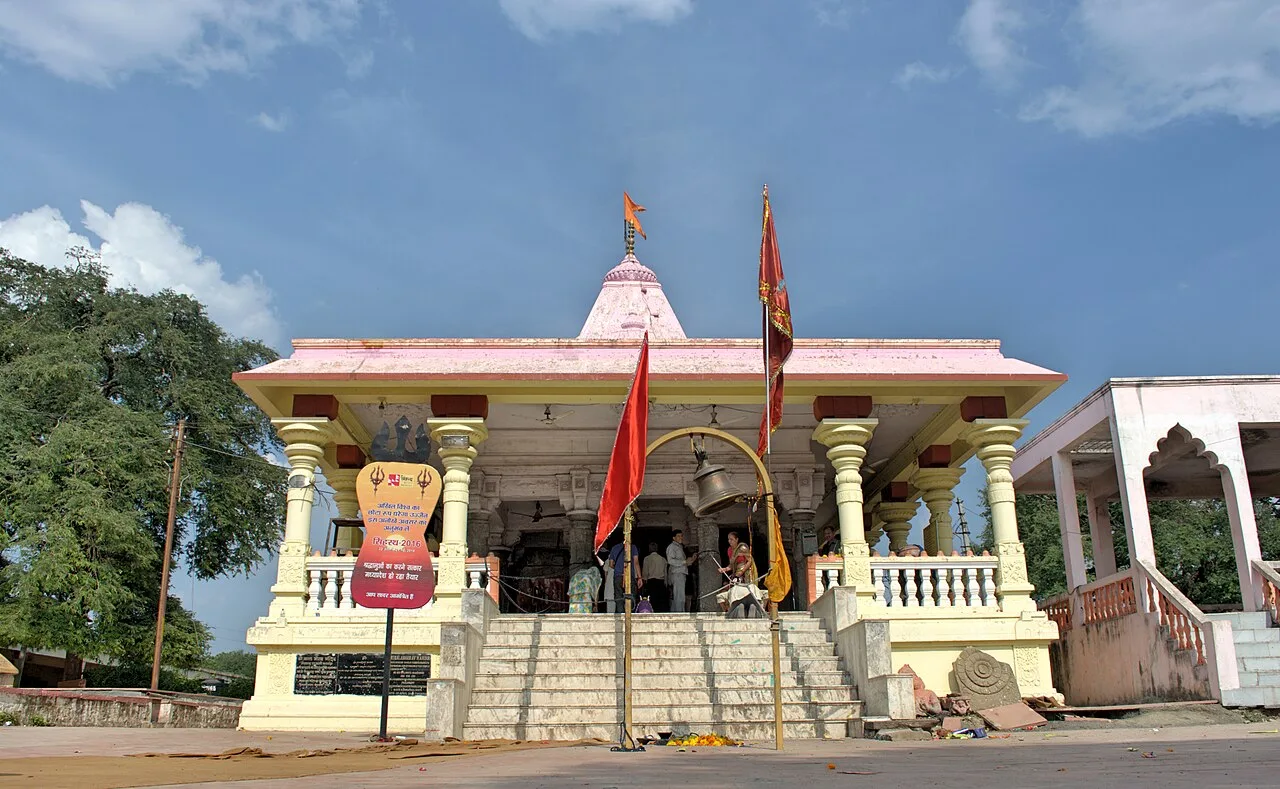
Kal Bhairav Temple

138 km away · Ujjain district

Kal Bhairav Temple

A Hindu shrine in Ujjain, Madhya Pradesh, Kal Bhairav Temple honours the city’s guardian deity. Worshippers visit its setting by the Shipra River, and liquor is among the offerings made there.

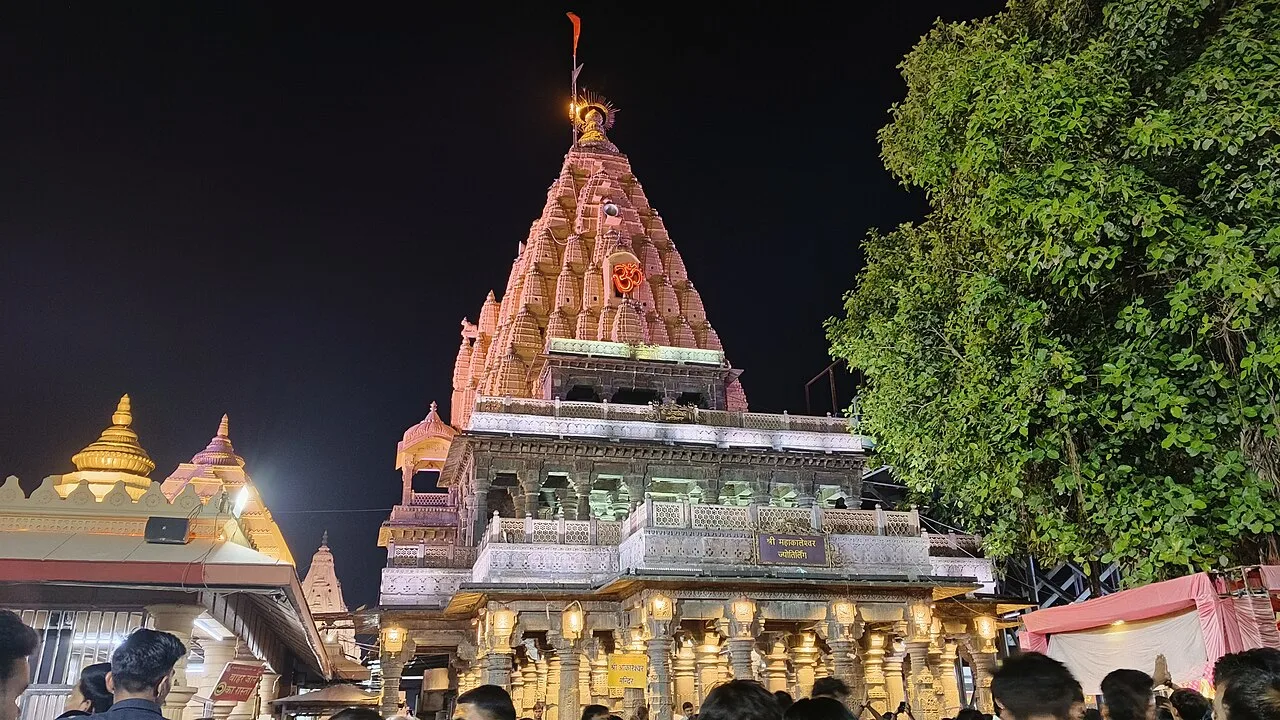
Mahakaleshwar Jyotirlinga

141 km away · Ujjain district

Mahakaleshwar Jyotirlinga

Mahakaleshwar Jyotirlinga is a Shiva temple in Ujjain, revered as one of twelve especially sacred Jyotirlinga shrines. Visitors come to worship its lingam, which is believed to be Swayambhu.

Bhojshala

189 km away · Dhar district

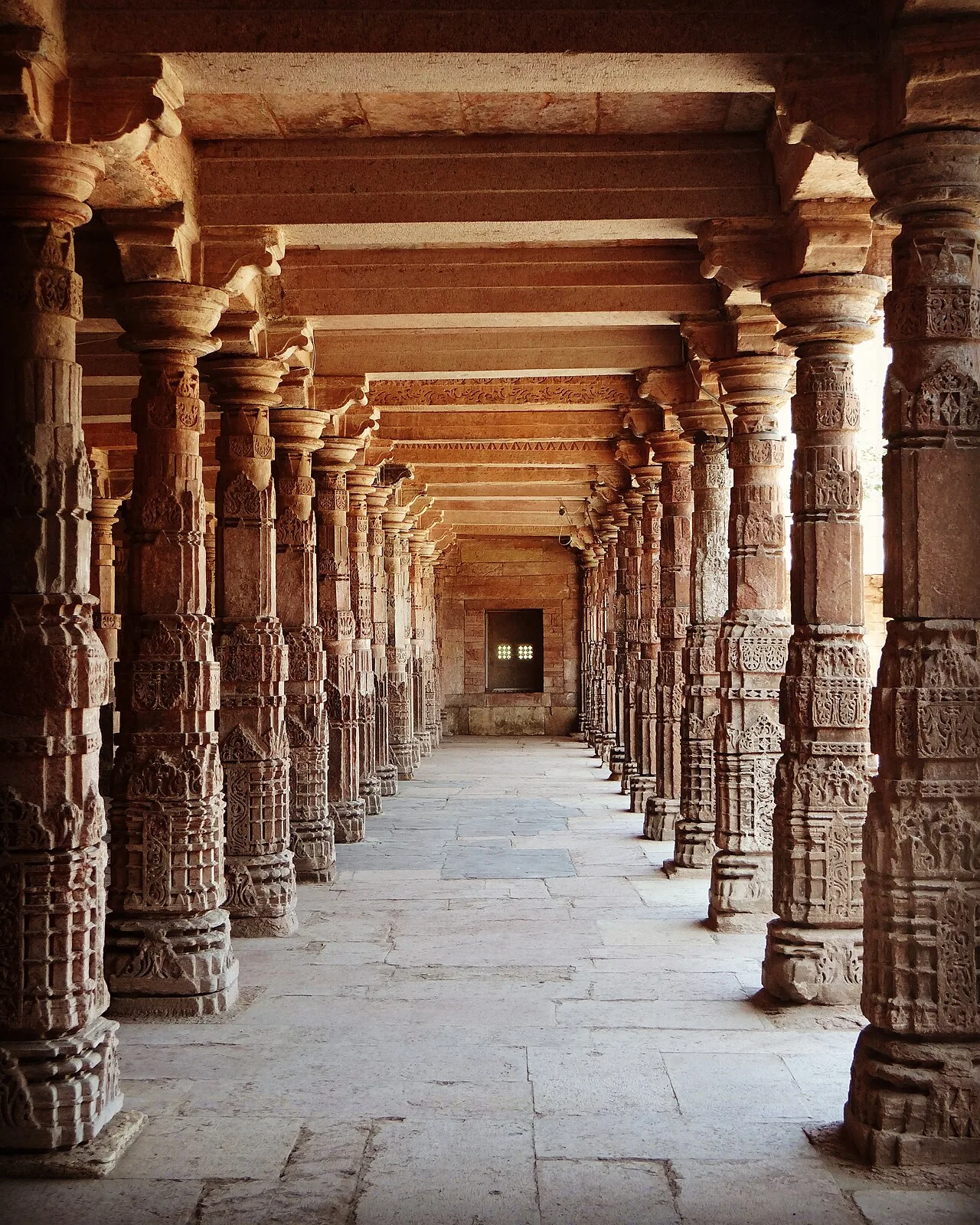
Bhojshala

Bhojshala is a historic complex in Dhar, Madhya Pradesh, associated with Sanskrit learning under the Paramāras. Visitors come to see its architecture, inscriptions and archaeological remains, as well as its layered religious history.

Kanch Mandir

189 km away · Indore district

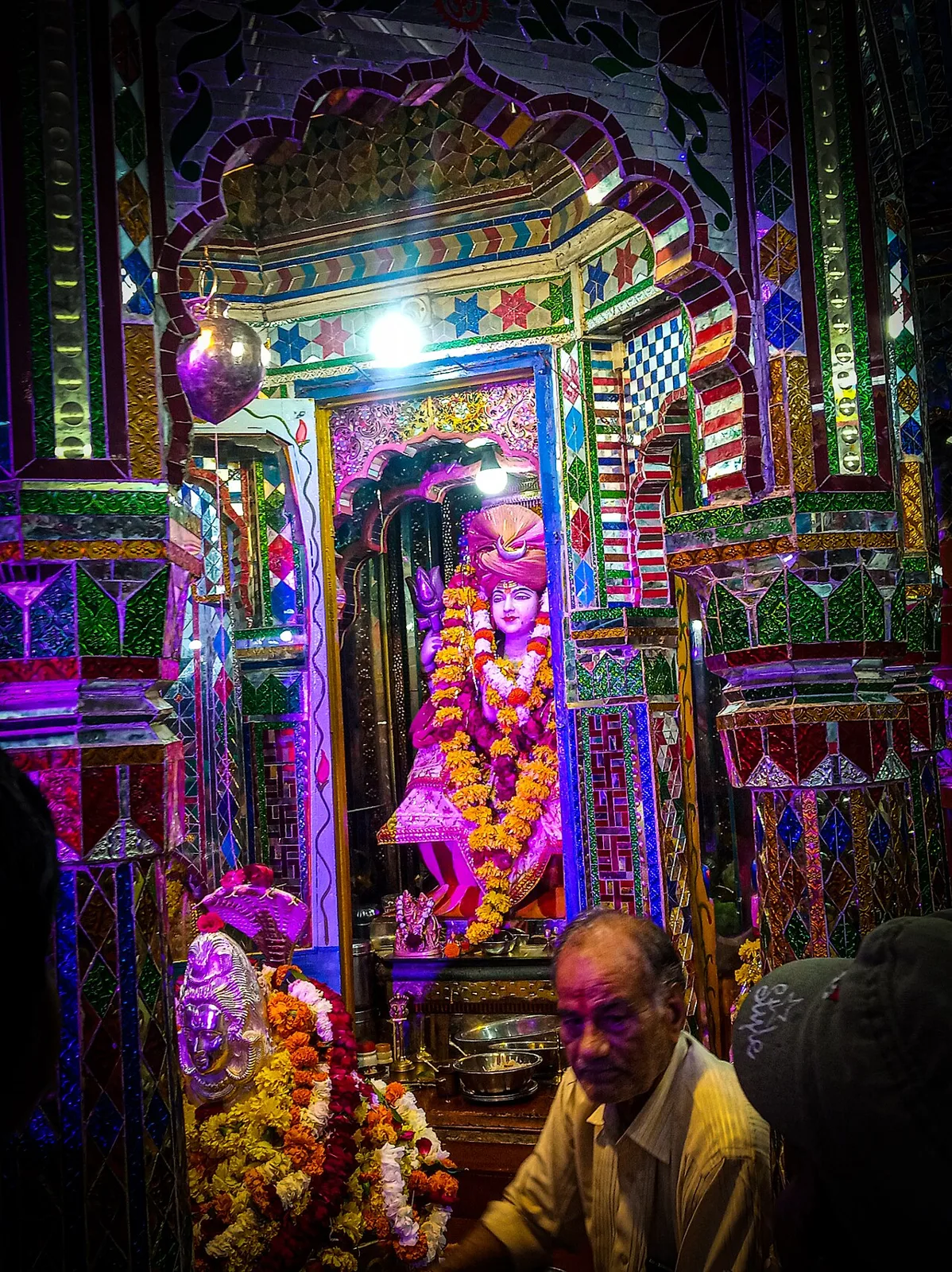
Kanch Mandir

Kanch Mandir is a well-known Jain temple in Indore, built by Sir Seth Hukumchand Jain. Visitors come to see the place of worship whose name means Temple of Glass.

Rajwada

191 km away · Indore district

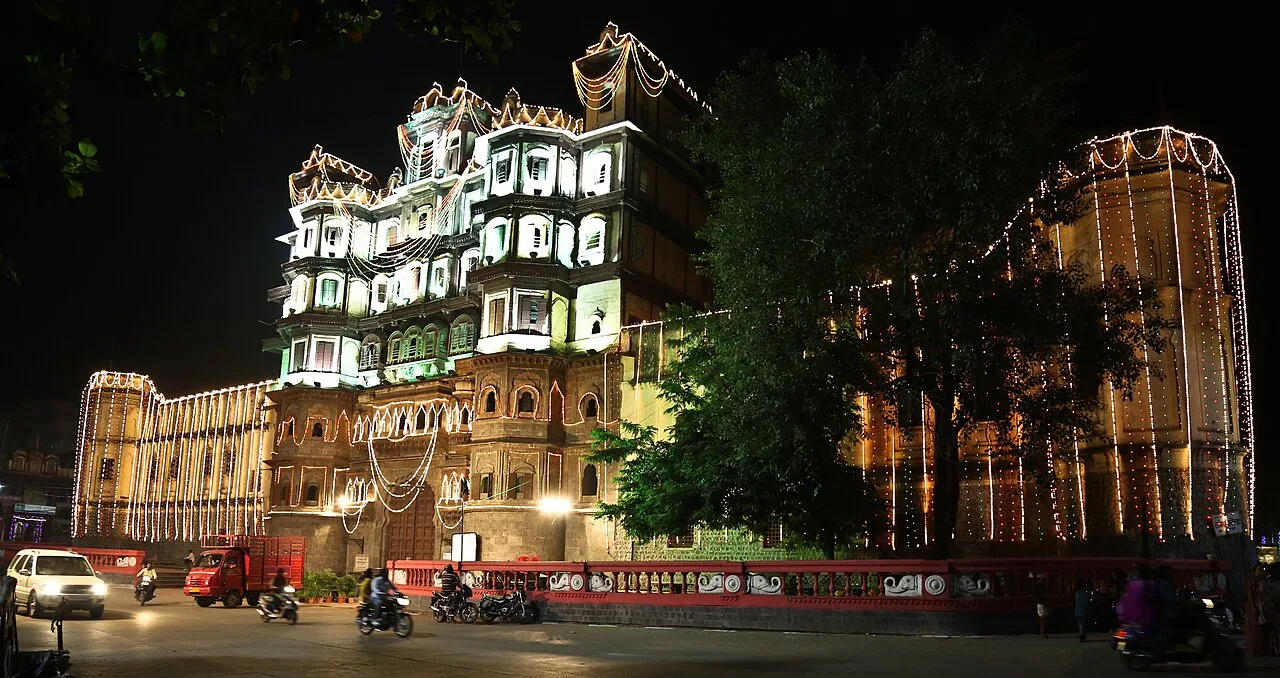
Rajwada

Rajwada is a historic, seven-storey Holkar residence in Indore. Visitors come for its period architecture, dynastic history and the garden with fountains and a waterfall.

Sarafa Bazaar

191 km away · Indore district

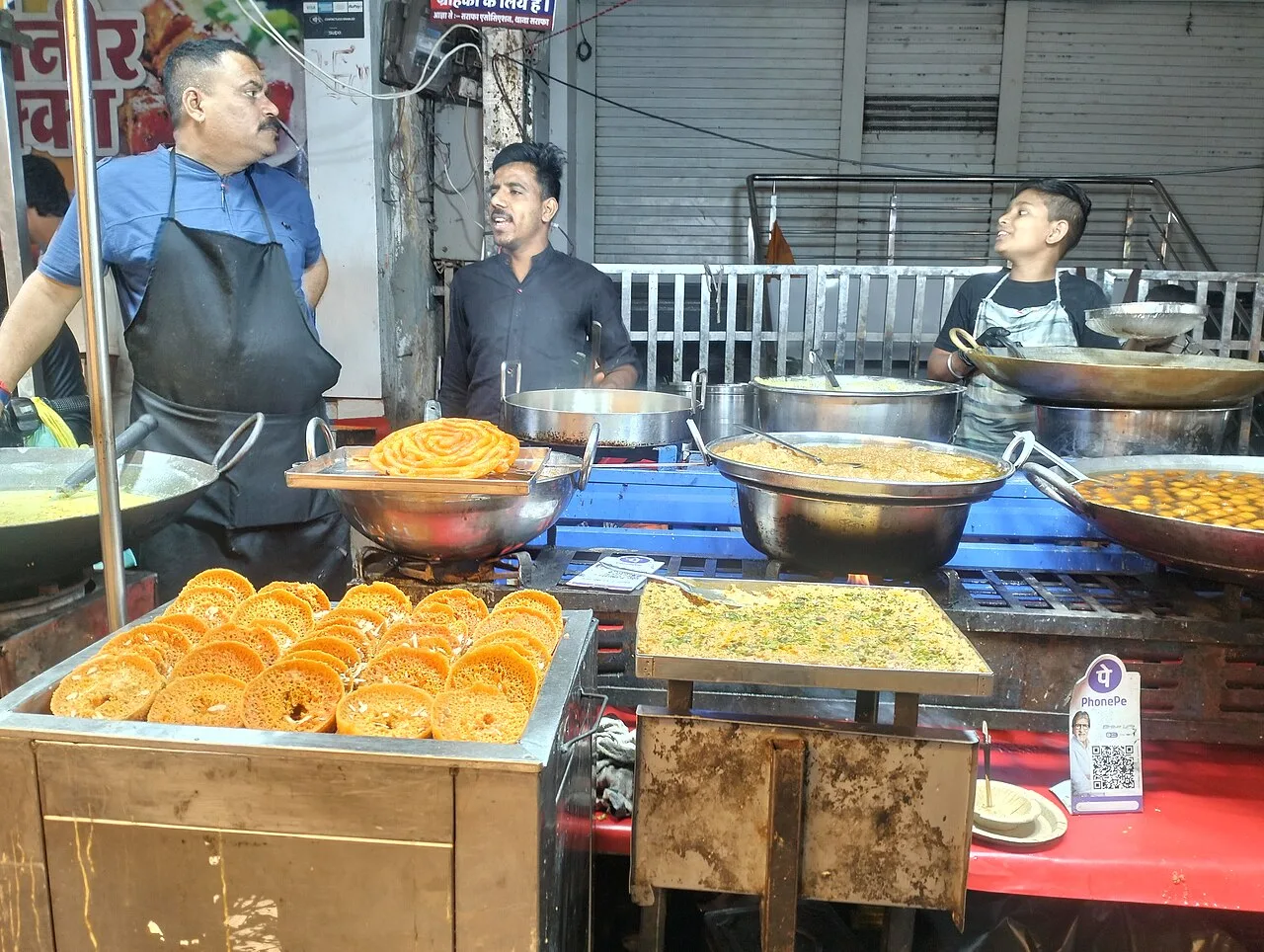
Sarafa Bazaar

In central Indore, Sarafa Bazaar is a jewellery-trading area by day that becomes a street-food destination at night, drawing visitors for its varied cuisine and evening atmosphere.

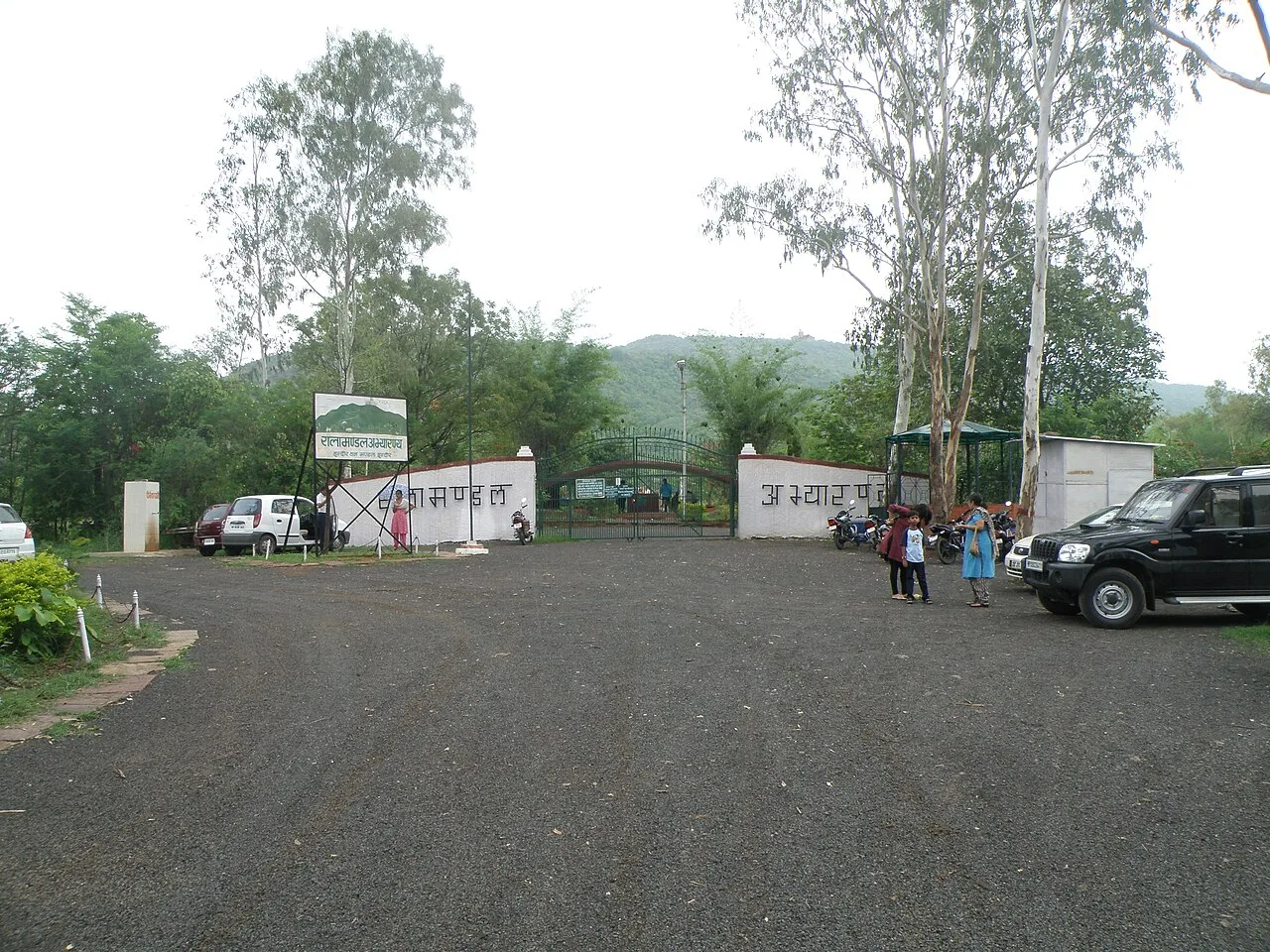
Ralamandal Wildlife Sanctuary

201 km away · Indore district

Ralamandal Wildlife Sanctuary

Established in 1989, Ralamandal Wildlife Sanctuary is a five-square-kilometre protected area in Indore district, Madhya Pradesh. Visitors come to see its birds, other wildlife and old hunting lodge.

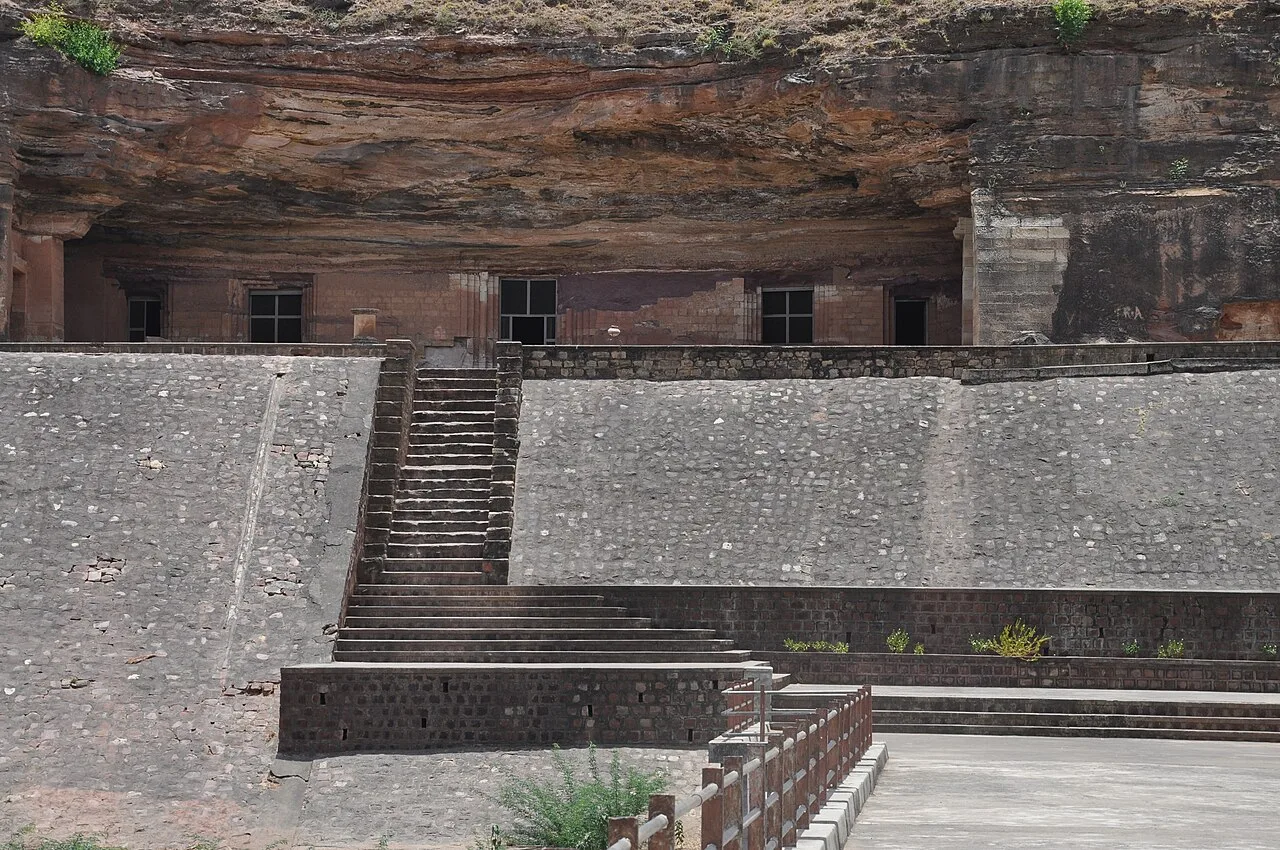
Bagh (Bagh Print Village)

213 km away · Dhar district

Bagh (Bagh Print Village)

In Madhya Pradesh’s Dhar district, Bagh is a settlement associated with the Bagh Caves, whose Buddhist rock-cut chambers and murals attract visitors.

Map

Narayangarh on the map

  1. 1Kal Bhairav Temple
  2. 2Mahakaleshwar Jyotirlinga
  3. 3Bhojshala
  4. 4Kanch Mandir
  5. 5Rajwada
  6. 6Sarafa Bazaar
  7. 7Ralamandal Wildlife Sanctuary
  8. 8Bagh (Bagh Print Village)

Madhya Pradesh

Other cities to explore