Ghumoopedia — Explore, Discover, Experience
Sign in

City guide · Madhya Pradesh

Kotma

Kotma is a municipality in Anuppur district, in eastern Madhya Pradesh. Its importance today comes less from a concentration of landmark attractions than from its role as a local service and market town within a coal-producing region.

Famous for

  • Kotma coalfield
  • Coal mining and collieries
  • Anuppur district town
  • Rail-linked regional market

Why Kotma matters

Kotma is a municipality in Anuppur district, in eastern Madhya Pradesh. Its importance today comes less from a concentration of landmark attractions than from its role as a local service and market town within a coal-producing region. Residents and people from nearby settlements use the town for everyday shopping, transport and access to civic services. Coal mining is the area’s most prominent economic association, and rail links connect Kotma with other towns in the region.

For visitors, Kotma is chiefly a practical stop rather than a destination known for a major monument, signature craft or celebrated food. The surrounding region offers a sense of eastern Madhya Pradesh’s working towns and coalfield landscape. Travellers passing through can explore the town centre and local market, while those planning excursions farther afield should arrange onward transport and check conditions locally. Kotma’s character is shaped by its municipal role, railway connections and proximity to mining activity.

Famous for: crafts, trade & products

Kotma is best known economically for coal mining in the surrounding coalfield. The mining connection is more significant to the town’s identity than any widely recognized textile, handicraft or specialty-product tradition. Mining is an industrial activity, and working sites are not visitor attractions; access may be restricted, so visitors should not approach mine premises without authorization.

For everyday purchases, the town’s general market and shops are the natural places to look for groceries, household goods, clothing and locally available produce. These serve residents and nearby communities rather than functioning as a specialist craft or souvenir district. Kotma is not especially known for a GI-tagged product, a distinctive saree weave or a signature handicraft. Visitors hoping to buy regional goods can ask shopkeepers about products from the wider Anuppur area, but availability varies. The town’s strongest trade identity remains its role as a local commercial centre alongside the coal economy.

History

Kotma’s growth is best understood through its development as a town in the coal-bearing eastern part of Madhya Pradesh. Mining and the transport links needed to serve the wider region have contributed to its modern economic character. The railway has also helped connect the town with neighbouring settlements and larger centres, supporting movement of people and goods.

Kotma is now a municipality in Anuppur district. Its history is not chiefly associated with a major royal court or a prominent surviving colonial-era monument, and a detailed sequence of local rulers or founding dates should not be assumed. Its modern story is instead tied to civic growth, regional commerce and the importance of coal production nearby. As the surrounding area developed, Kotma served as a practical centre for residents and workers, with shops, public services and transport links supporting daily life. The town’s identity continues to reflect this combination of municipal administration and mining-region connections.

Food, festivals & culture

Kotma shares the food traditions of eastern Madhya Pradesh: everyday meals commonly include wheat or rice, lentils, seasonal vegetables and simple accompaniments. Sweets and snacks are available from local shops, but the town is not widely associated with a single signature dish. Visitors can ask locally about seasonal or household specialties rather than expect a dedicated food district.

Hindi is widely used in public life, alongside regional speech varieties heard across the area. Diwali, Holi and Navratri are among the major festivals observed, with celebrations following their usual calendar seasons: Diwali in autumn, Holi at the end of winter and Navratri in spring or autumn. Religious observances take place at local temples and other neighbourhood places of worship. Music and dance are generally part of festival and community gatherings; there is no widely documented Kotma-specific performance tradition that defines the town. The cultural experience is therefore rooted mainly in everyday regional customs and local celebrations.

Visiting the city

The cooler months, roughly October to March, are generally the most comfortable time to visit. Summers can be hot, while the monsoon brings rain that may affect road journeys. Kotma railway station is the main rail point for reaching the town. Bilaspur Airport is a nearby airport to check when planning flights; services and onward connections should be confirmed before travel.

Within Kotma, local autos and other hired vehicles can help with short trips, while walking suits parts of the town centre. The central market and the area around the station offer a useful first look at everyday town life. For travel beyond town, arrange a vehicle in advance, especially if visiting mining-region surroundings; industrial sites may have restricted access. Kotma works best as a practical stop or base for regional journeys rather than as a monument-focused city break.

Trips from the city

Nearest places to visit from Kotma

Our closest destination guides, by straight-line distance.

Amarkantak

63 km away · Amarkantak district

Amarkantak

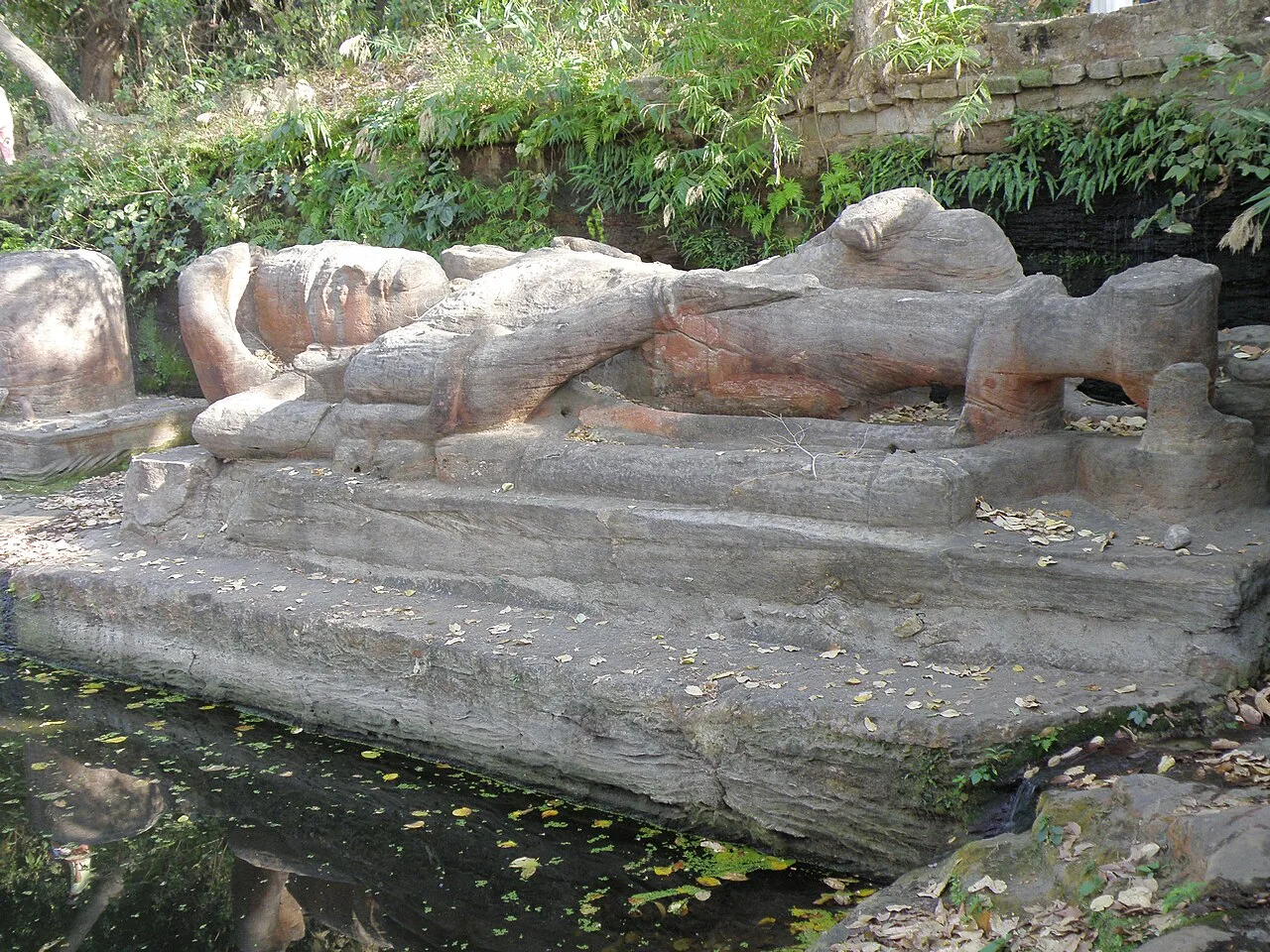
Amarkantak is a pilgrimage town and Nagar Panchayat in Anuppur, Madhya Pradesh, known for its river sources and religious associations, including the place linked to Kabir’s meditation.

Sanjay National Park

81 km away · Sidhi district

Sanjay National Park

In Sidhi district, Madhya Pradesh, Sanjay National Park forms part of the Sanjay-Dubri Tiger Reserve. Visitors can explore this protected area and its national-park landscape.

Bandhavgarh Fort

110 km away · Bandhavgarh district

Bandhavgarh Fort

Bandhavgarh Fort is a historic stronghold in Umaria district, Madhya Pradesh, within Bandhavgarh National Park, drawing interest for its landscape and long political history.

Bandhavgarh National Park

117 km away · Bandhavgarh district

Bandhavgarh National Park

Bandhavgarh National Park, in Umaria district, Madhya Pradesh, is a protected area with extensive forests and diverse wildlife. Visitors are drawn especially by its tigers and other animals.

Govindgarh Palace, Rewa

147 km away · Rewa district

Govindgarh Palace, Rewa

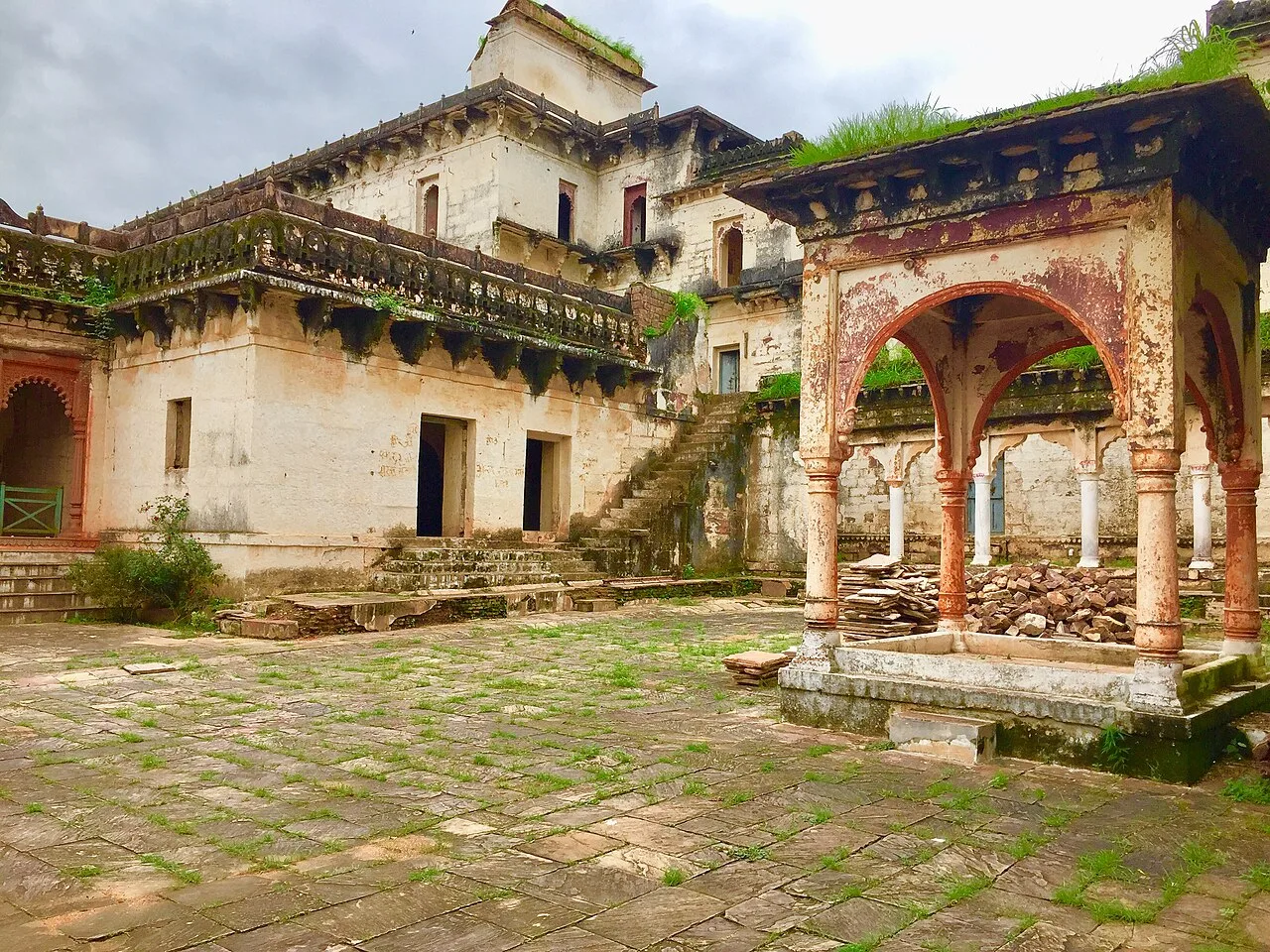
Govindgarh Palace, also called Govindgarh Fort, is a nineteenth-century royal residence in Rewa district. Visitors come to see the palace and its lakeside setting in Govindgarh, Madhya Pradesh.

Maihar Sharda Temple

171 km away · Satna district

Maihar Sharda Temple

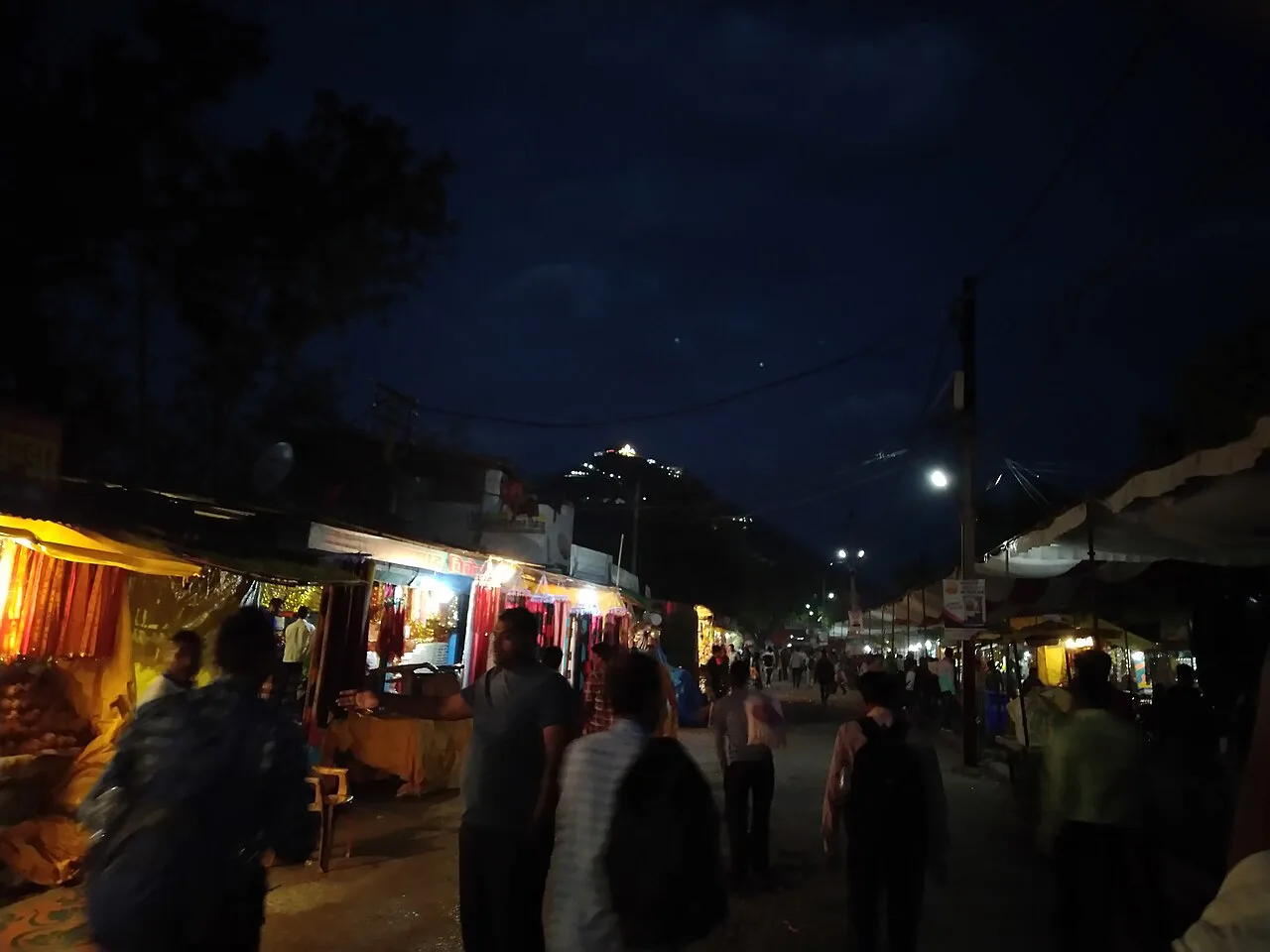
Maihar Sharda Temple is a religious shrine in Madhya Pradesh, associated with Maa Sharda and counted among the Shakti Peeth. Worshippers visit for its religious significance.

Kanha Tiger Reserve

175 km away · Kanha district

Kanha Tiger Reserve

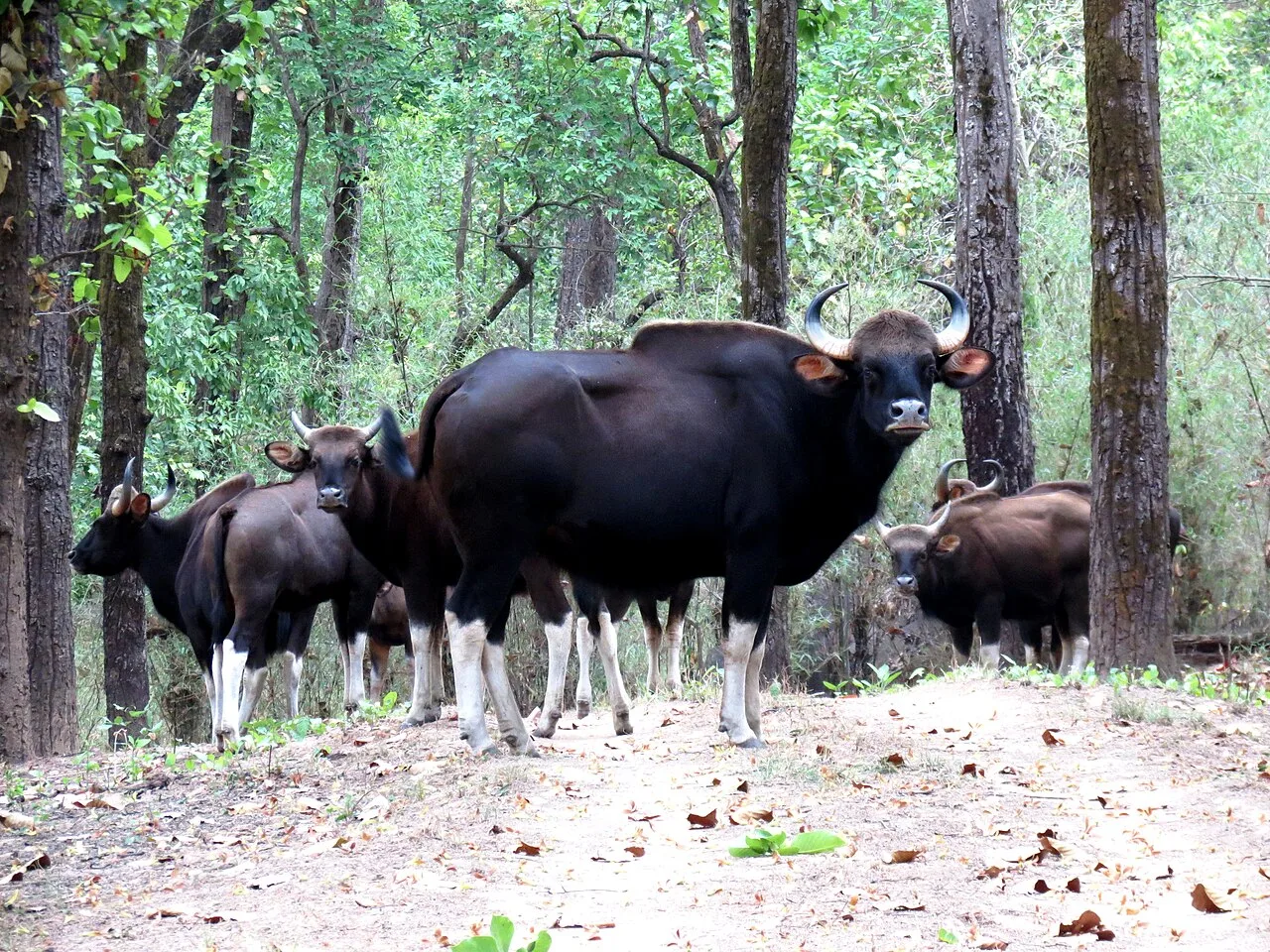
Situated in Madhya Pradesh, Kanha Tiger Reserve is a major protected area that draws visitors interested in Bengal tigers, barasingha and other wildlife, including leopards, sloth bears and dholes.

Bharhut Stupa Remains

180 km away · Satna district

Bharhut Stupa Remains

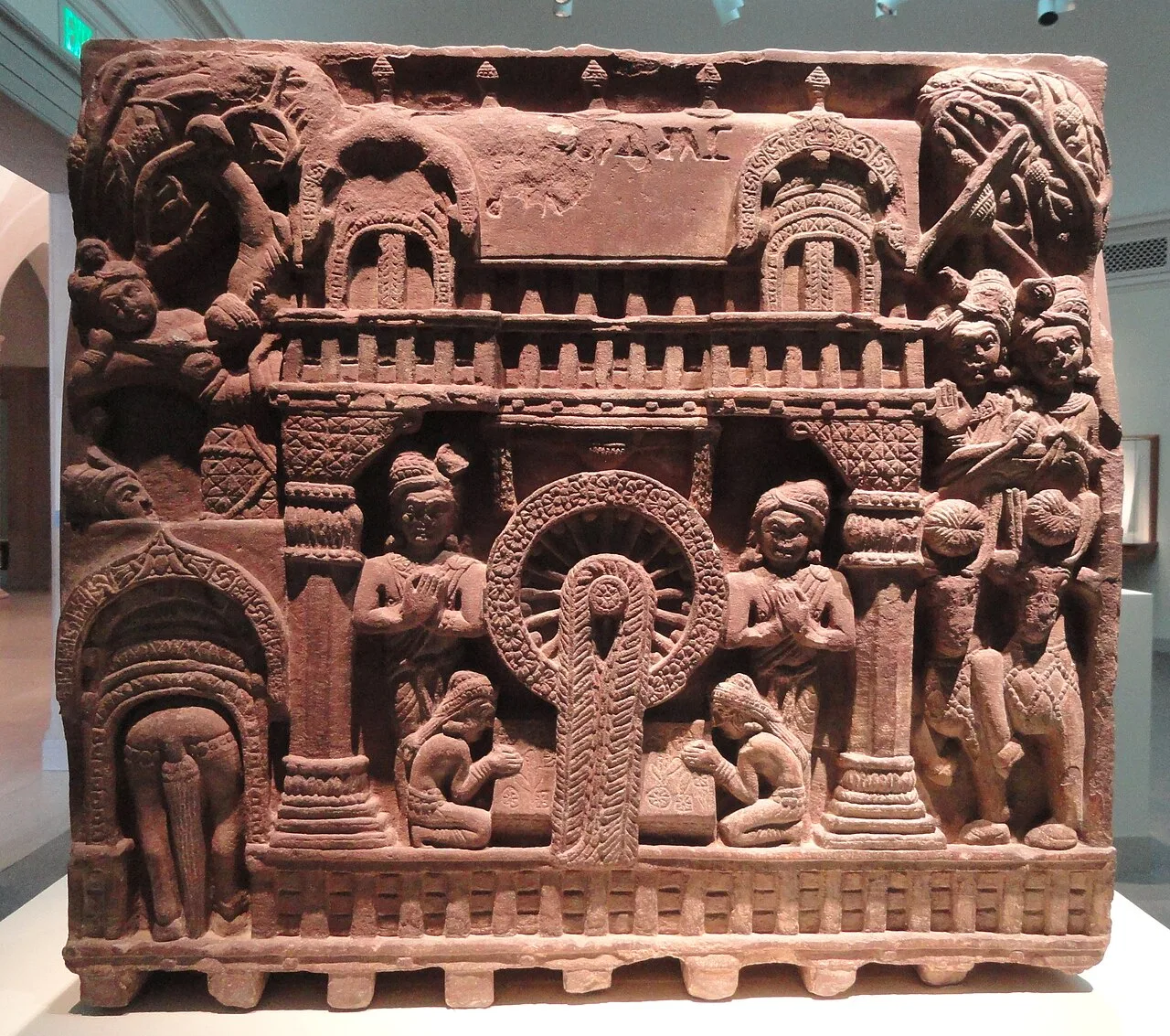
Bharhut Stupa Remains are the surviving traces of a Buddhist stupa in Madhya Pradesh. Visitors come to learn about its early carvings, labelled relief panels and history, though most sculptures are now held elsewhere.

Map

Kotma on the map

  1. 1Amarkantak
  2. 2Sanjay National Park
  3. 3Bandhavgarh Fort
  4. 4Bandhavgarh National Park
  5. 5Govindgarh Palace, Rewa
  6. 6Maihar Sharda Temple
  7. 7Kanha Tiger Reserve
  8. 8Bharhut Stupa Remains

Madhya Pradesh

Other cities to explore