Ghumoopedia — Explore, Discover, Experience
Sign in

City guide · Uttar Pradesh

Gangoh

Gangoh is a historic town in Saharanpur district, positioned between western Uttar Pradesh and Haryana. It serves as a local centre for the surrounding countryside, where farming and trade connect villages with larger towns such as Saharanpur, Karnal and Shamli.

Famous for

  • Shaikh Abdul Quddus mausoleum
  • Mughal-era mosques
  • Gangohi scholarly heritage
  • Sugarcane and mango farming

Why Gangoh matters

Gangoh is a historic town in Saharanpur district, positioned between western Uttar Pradesh and Haryana. It serves as a local centre for the surrounding countryside, where farming and trade connect villages with larger towns such as Saharanpur, Karnal and Shamli. The fertile lands around Gangoh produce wheat, rice, sugarcane and mangoes, giving agriculture a strong place in the area's economy and everyday life.

Visitors interested in the town's history can explore its older quarters, historic mosques and the mausoleum of Shaikh Abdul Quddus, a prominent local landmark. Gangoh is also associated with Maulana Rashid Ahmad Gangohi, a religious scholar and co-founder of Darul Uloom Deoband. Rather than a major urban sightseeing destination, it offers a glimpse of a small regional town shaped by religious learning, farming and trade. A proposed Shamli–Ambala six-lane expressway is intended to improve connections across western Uttar Pradesh, Haryana and Punjab; it should be treated as a future project, not a current route.
Famous for: crafts, trade & products

Gangoh is better known for its agricultural surroundings and religious history than for a signature textile, handicraft or industrial product. The nearby countryside grows wheat, rice and sugarcane, as well as mangoes. These crops support local commerce and are the most grounded starting point for understanding the town's trade. Visitors can look for seasonal produce and everyday goods in Gangoh's general bazaars, though no particular specialist market or distinctive local product is established here as a visitor attraction.

The town is associated with Maulana Rashid Ahmad Gangohi, whose scholarly legacy is linked to Darul Uloom Deoband. The seminary itself is in Deoband, not Gangoh. Gangoh's historic religious landmarks, including the mausoleum of Shaikh Abdul Quddus and old mosques, are more notable than a documented craft tradition. There is no widely established Gangoh-specific GI-tagged product to seek out. Travellers hoping to buy local goods should ask locally about seasonal farm produce rather than expect a dedicated craft bazaar or branded speciality.

History

Gangoh's settlement is traditionally described as having an older quarter associated with the legendary Raja Gang and a newer one connected with the saint Shaikh Abdul Quddus. His mausoleum, in the western part of town, is reported to have been built under the Mughal emperor Humayun in 1537. Historic accounts also describe old mosques associated with the reigns of Akbar and Jahangir. Gangoh appears in the Ain-i-Akbari as a pargana within the Saharanpur sarkar, reflecting its administrative importance in the Mughal period.

In 1857, during the uprising against East India Company rule, the town and its surroundings were affected by conflict involving rebel Gurjar forces and British officers. Gangoh is also associated with Maulana Rashid Ahmad Gangohi, a scholar who took part in resistance to Company rule and later became known for his religious learning. Under British administration, the town was managed as a municipality. It remains a municipal town in Saharanpur district, serving nearby villages and an agricultural hinterland.

Food, festivals & culture

Gangoh shares the food traditions of western Uttar Pradesh: wheat-based rotis, rice, lentils, vegetables and seasonal produce are everyday staples. Sugarcane and mangoes are important crops around the town, but no particular sweet or prepared dish is established as a Gangoh speciality. For regional flavours, visitors can try ordinary local eateries and ask what is in season rather than look for a signature food trail.

Khari boli is widely spoken in the surrounding rural area; Hindi and Urdu are also used in the town. Hindu and Muslim communities contribute to its religious and social life, with festivals such as Holi and Diwali in spring and autumn, and Eid celebrations following the Islamic lunar calendar. Muharram is also observed by Muslim communities. The mausoleum of Shaikh Abdul Quddus and the town's old mosques are important religious landmarks. Local musical and performance traditions belong to the wider region; a specific Gangoh-only dance or music form is not widely documented.

Visiting the city

October to March is generally the most comfortable period to visit, with milder weather than the hot summer months. Gangoh is reached by road from Saharanpur and nearby towns. The nearest major rail connection is Saharanpur Junction; check onward road options before travelling. Jolly Grant Airport in Dehradun is a nearby air option, while Delhi has a larger range of flights but is farther away.

Within town, hired or shared road transport can help with local journeys; arrange a vehicle for visiting sites beyond the centre. Explore the older quarters, the western suburb around Shaikh Abdul Quddus's mausoleum and the central bazaar for a sense of local life. Gangoh is a modest-sized regional stop rather than a destination with a formal sightseeing circuit, so allow time to ask locally about access to historic places and nearby villages.

Trips from the city

Nearest places to visit from Gangoh

Our closest destination guides, by straight-line distance.

Hastinapur Heritage Town

100 km away · Meerut district

Hastinapur Heritage Town

Hastinapur is a town in Uttar Pradesh’s Meerut district, known for its place in Hindu accounts of the Kuru kingdom and its Jain associations with three Tirthankaras.

Okhla Bird Sanctuary

135 km away · Gautam Buddh Nagar district

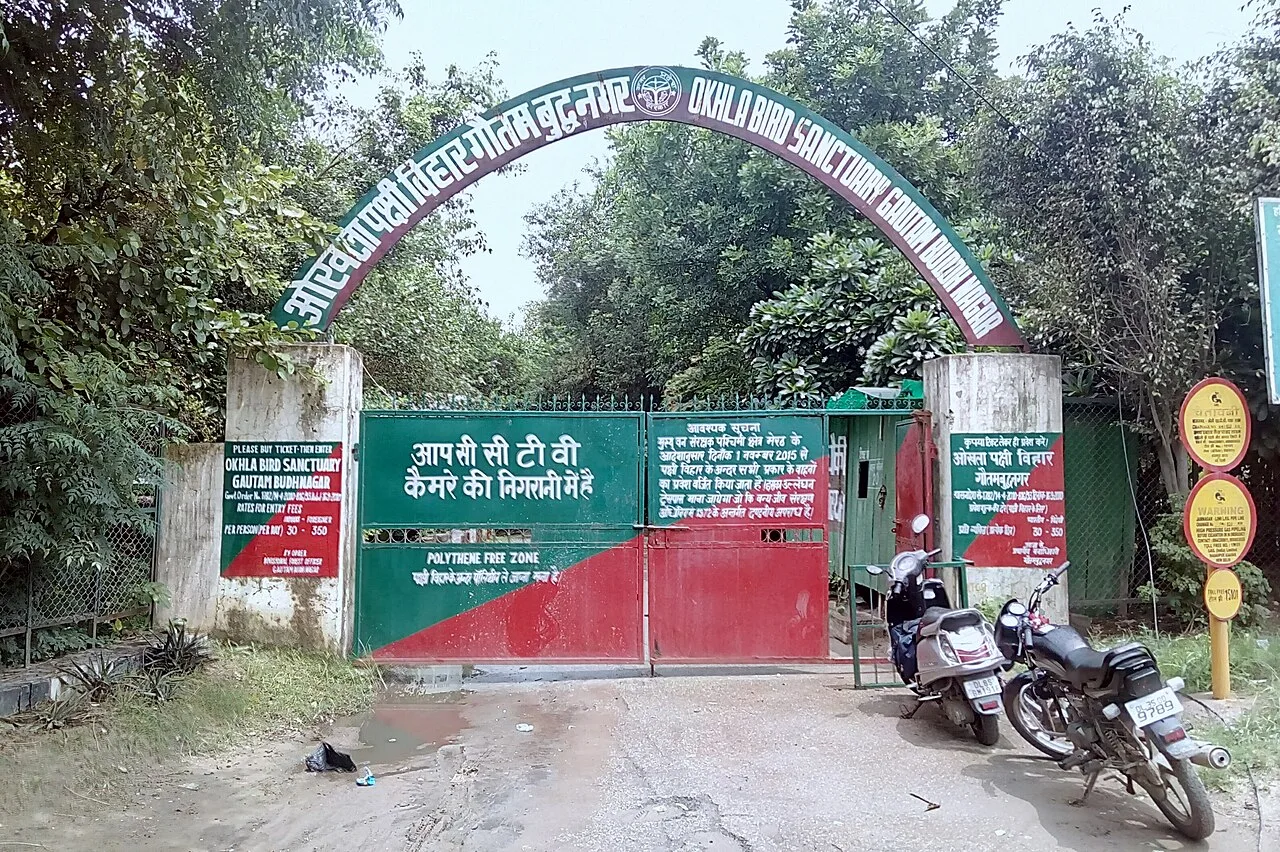
Okhla Bird Sanctuary

At the Yamuna’s crossing from Delhi into Uttar Pradesh, Okhla Bird Sanctuary protects a barrage-created wetland that visitors come to explore and watch its varied birdlife.

Rampur Raza Library

202 km away · Rampur district

Rampur Raza Library

In Rampur, Uttar Pradesh, the Rampur Raza Library preserves Indo-Islamic cultural heritage dating to the late eighteenth century. Visitors come to see its manuscripts, artworks, historical records and varied printed collection.

Barsana Radha Rani Temple

237 km away · Mathura district

Barsana Radha Rani Temple

Barsana Radha Rani Temple stands in Barsana, a town in Uttar Pradesh’s Mathura district. Visitors come to worship Radha at a temple central to the town’s religious importance.

Banke Bihari Temple

248 km away · Mathura district

Banke Bihari Temple

Banke Bihari Temple is a Hindu place of worship in Vrindavan, Mathura district, visited by devotees to honour Banke Bihari, regarded as Radha and Krishna united.

Vrindavan Town

248 km away · Mathura district

Vrindavan Town

Vrindavan is a historic town in Uttar Pradesh’s Mathura district, within Braj Bhoomi. Visitors come for its Hindu associations with Krishna and its many temples to Krishna and Radha.

ISKCON Temple, Vrindavan

249 km away · Mathura district

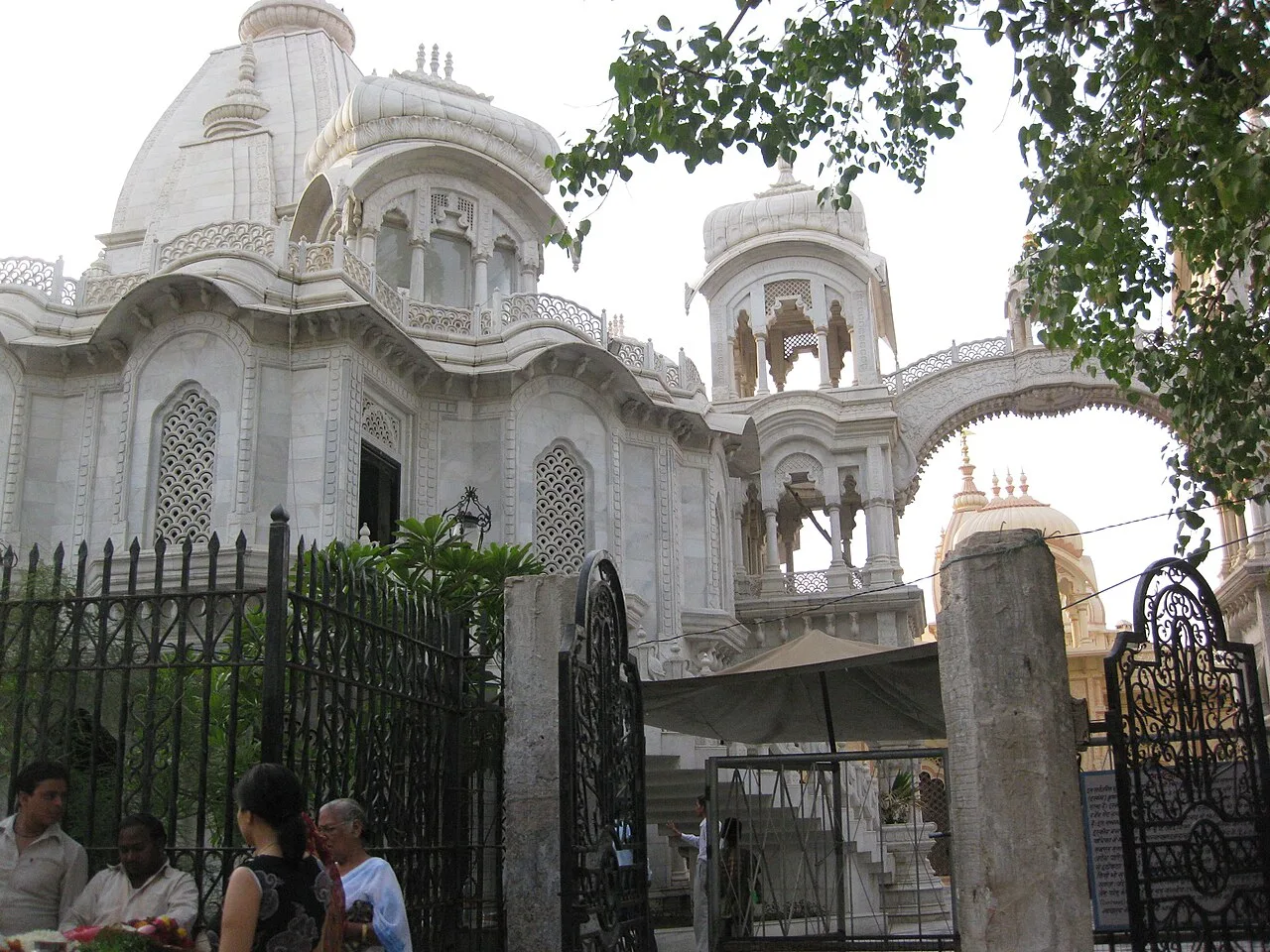
ISKCON Temple, Vrindavan

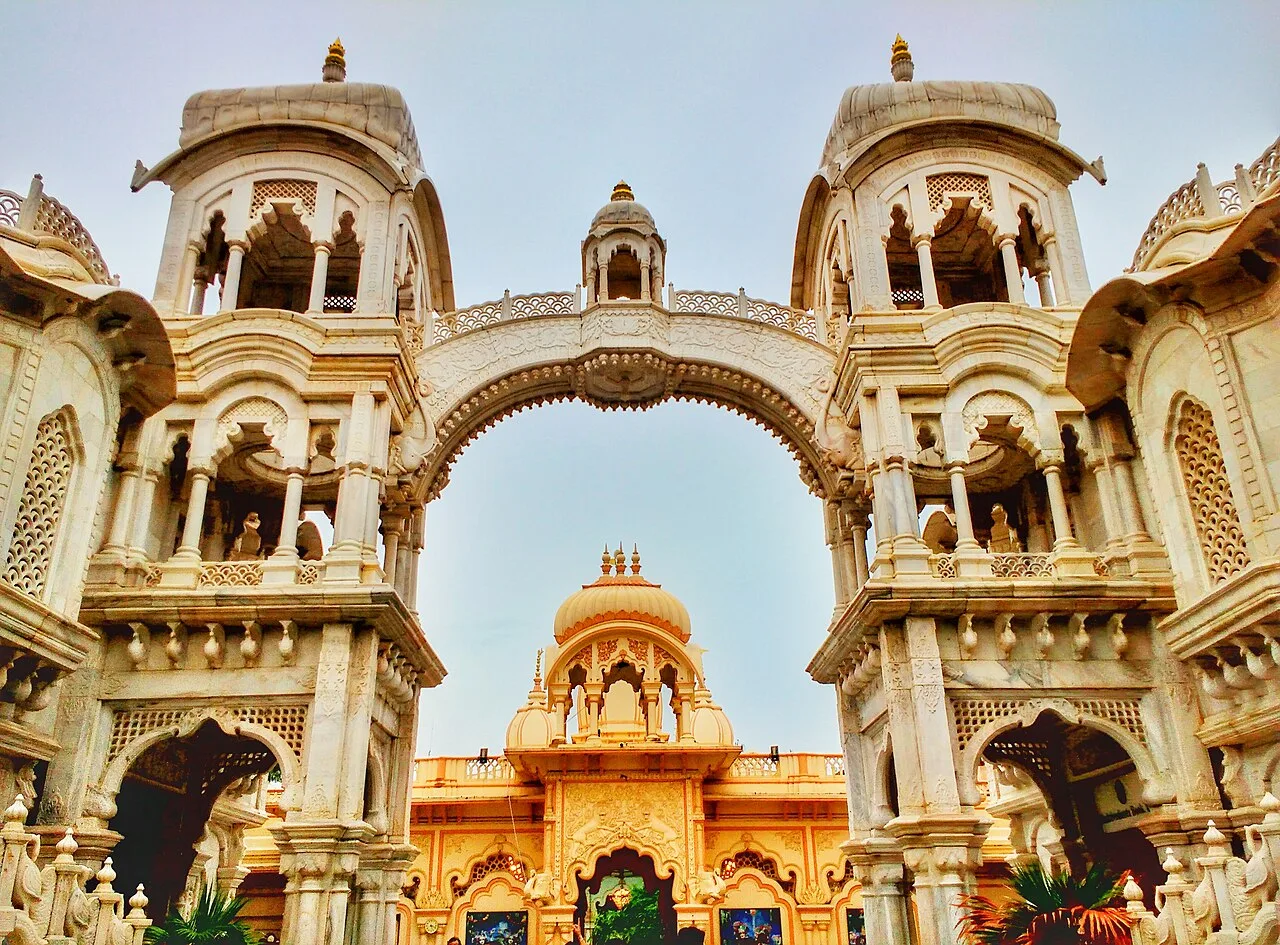
In Vrindavan, Uttar Pradesh’s Mathura district, this Gaudiya Vaishnava temple is devoted to Krishna and Balarama. Visitors come to worship these deities and the other figures honoured there.

Prem Mandir

249 km away · Mathura district

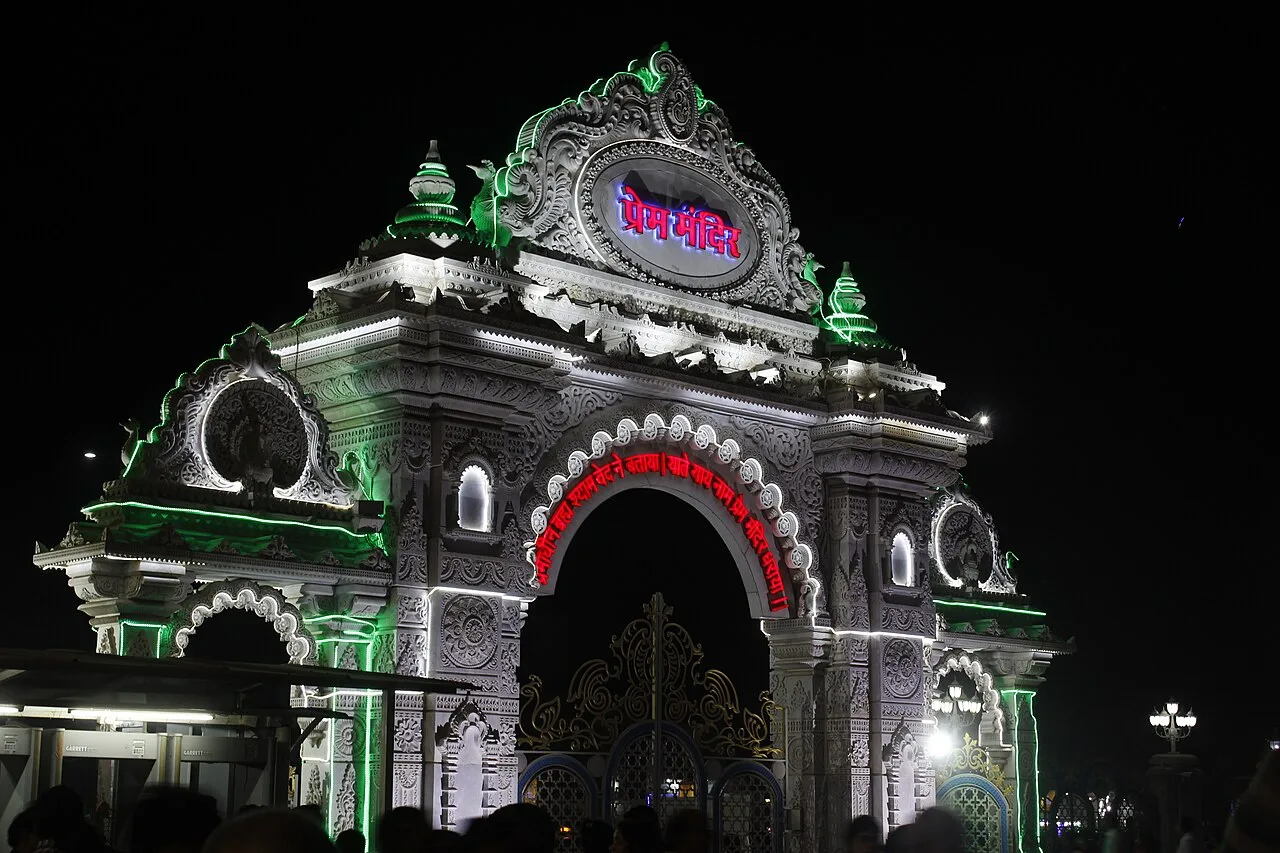
Prem Mandir

Prem Mandir is a Hindu temple in Vrindavan, Mathura district, Uttar Pradesh. Visitors come to see its dedications to Radha Krishna and Sita Ram, as well as a tribute to four earlier Jagadgurus.

Map

Gangoh on the map

  1. 1Hastinapur Heritage Town
  2. 2Okhla Bird Sanctuary
  3. 3Rampur Raza Library
  4. 4Barsana Radha Rani Temple
  5. 5Banke Bihari Temple
  6. 6Vrindavan Town
  7. 7ISKCON Temple, Vrindavan
  8. 8Prem Mandir

Uttar Pradesh

Other cities to explore