Ghumoopedia — Explore, Discover, Experience
Sign in

City guide · Uttar Pradesh

Maudaha

Maudaha is a town in the Bundelkhand region of Uttar Pradesh and a tehsil centre in Hamirpur district. Its importance today is chiefly local: it serves nearby communities and offers a starting point for exploring this part of Bundelkhand.

Famous for

  • Badi Devi Temple
  • Bundelkhand heritage
  • Chandel-period roots
  • Nehru–Azad 1937 visit
  • Madhu and honey association

Why Maudaha matters

Maudaha is a town in the Bundelkhand region of Uttar Pradesh and a tehsil centre in Hamirpur district. Its importance today is chiefly local: it serves nearby communities and offers a starting point for exploring this part of Bundelkhand. The town’s best-known landmark is Badi Devi Temple, associated with the Maratha period and built in a Maratha architectural style. Maudaha also has a place in the region’s political history: Jawaharlal Nehru and Maulana Azad visited in 1937 as Congress activities were being organised in the district.

Visitors are most likely to come for the temple, the town’s layered history and a glimpse of everyday life in a smaller Bundelkhand centre. Maudaha is also associated with the word “Madhu”, meaning honey, in accounts of its past. It is not widely identified with a major craft or a nationally recognised product, so its appeal lies more in its historical associations and regional setting than in a specialised shopping or resort scene.
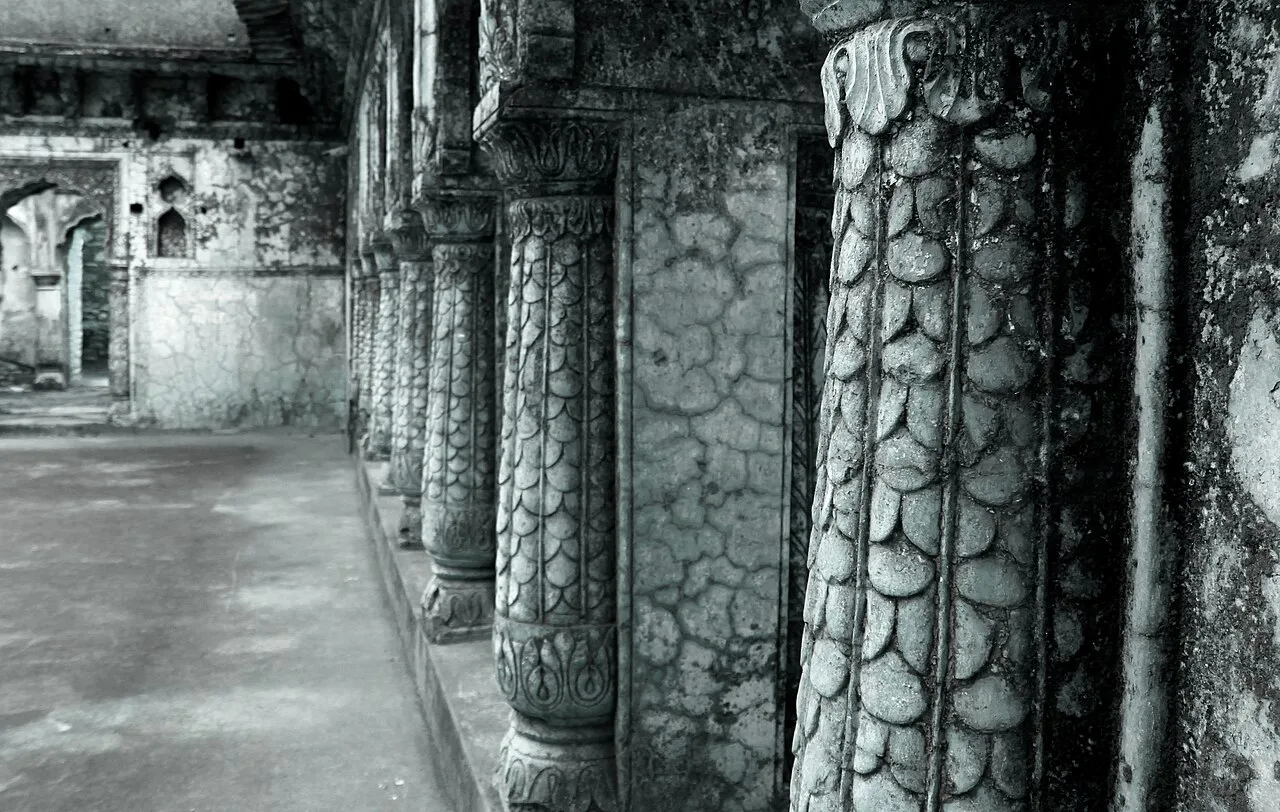
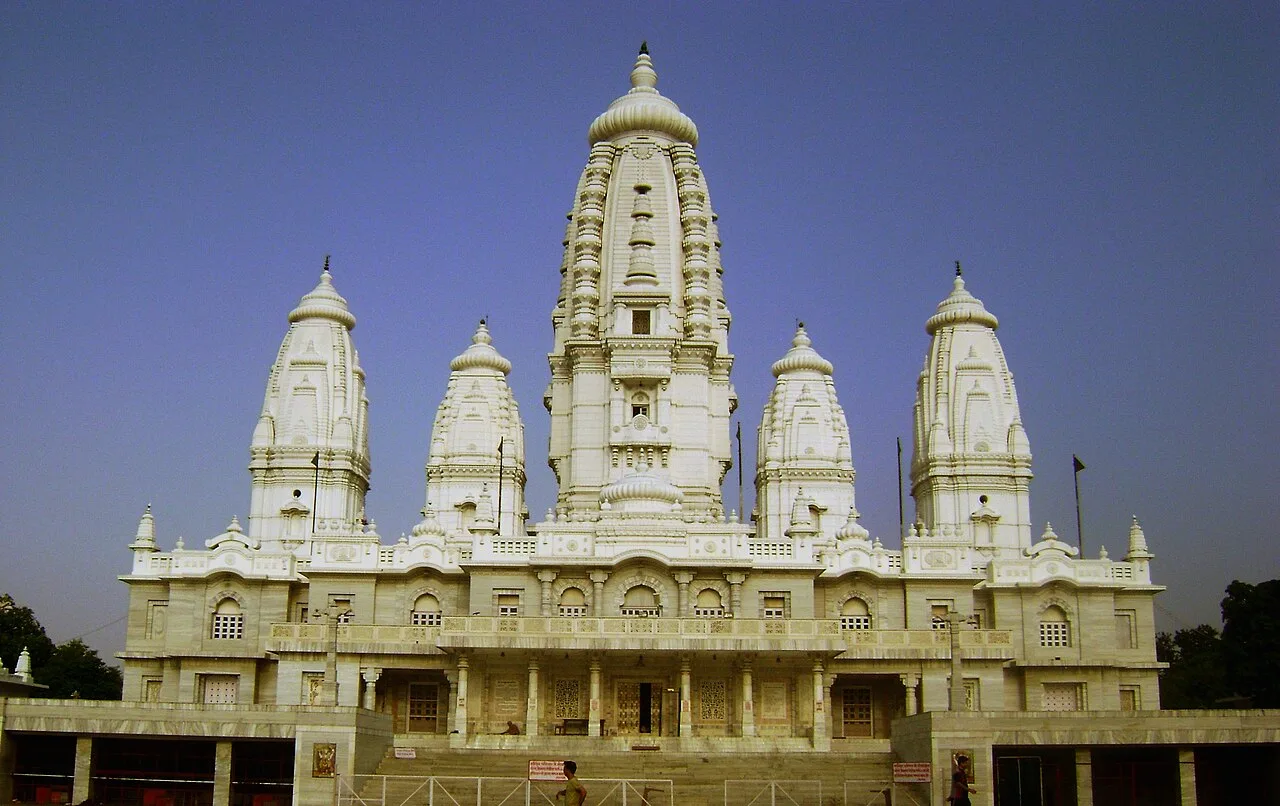
Famous for: crafts, trade & products

Maudaha is not widely documented as a centre for a distinctive textile, handicraft, industrial product or GI-tagged speciality. The town’s strongest recognised association is Badi Devi Temple, a historical place of worship linked to Maratha-era architecture. Its older connection with “Madhu”, or honey, is a historical association rather than evidence of a specialised honey trade today.

The central bazaar and local commercial streets are the practical places to look for everyday goods, groceries and locally available seasonal produce. They serve residents and surrounding settlements rather than functioning as a prominent destination market for regional crafts. Visitors hoping to buy Bundelkhand handloom, specialised artisan work or a particular local food product should check availability in person; such goods are not established as signature Maudaha products. The town is better approached as a local service and market centre, with its historical and religious landmarks providing the clearest reasons to pause. For a broader selection of regional products, travellers may need to explore larger towns in the district or elsewhere in Bundelkhand.

History

Maudaha’s past is associated with the Chandel period, and local historical accounts connect the place with “Madhu”, meaning honey. A prominent landmark from a later chapter is Badi Devi Temple, built during the reign of Peshwa Bajirao I in the Maratha architectural style. The temple remains an important marker of the town’s religious and architectural heritage.

During British rule, Maudaha took part in the elections held under the Government of India Act of 1935. In 1937, Jawaharlal Nehru and Maulana Azad visited the town while Congress activities were being organised in Hamirpur district. This episode connects Maudaha to the wider political mobilisation of the period. In modern Uttar Pradesh, the town functions as a municipal board and as a tehsil within Hamirpur district. Its present-day role is primarily administrative and local, while its older layers of history are reflected in its temple and regional associations.

Food, festivals & culture

Maudaha shares the broader cultural character of Bundelkhand. Hindi is widely used, and Bundeli is part of the region’s speech and oral tradition. Everyday meals are shaped by home cooking and locally available ingredients; visitors may encounter grain-based dishes, pulses and seasonal vegetables, though no single food or sweet is firmly established as Maudaha’s signature speciality.

Holi, usually celebrated in spring, and Diwali, in autumn, are important parts of the annual festive calendar. Navratri is also observed, with worship and gatherings centred on the goddess. Badi Devi Temple is the town’s best-known religious landmark; other places of worship reflect the everyday devotional life of the community. Folk songs and performance traditions associated with Bundelkhand, including Rai dance, belong to the wider regional culture, although specific performances are not guaranteed during a visit. Festival customs and events can vary from year to year, so travellers interested in a particular celebration should check locally.

Visiting the city

The cooler months, broadly from October to March, are generally the most comfortable time to visit. Summers in Bundelkhand can be very hot, while the monsoon brings rain that may affect road journeys. Kanpur Airport at Chakeri is a practical nearby air gateway; check current flight connections before planning. Maudaha railway station serves the town, and onward journeys can also be made by road.

Within Maudaha, locally available auto-rickshaws and other road transport can help with short trips; confirm arrangements on arrival. The town centre and central bazaar offer a sense of daily life, while Badi Devi Temple is the main historical stop. Maudaha is compact enough to explore at a relaxed pace, but visitors should allow time for onward travel and verify local transport availability, particularly for trips to smaller settlements around the tehsil.

Trips from the city

Nearest places to visit from Maudaha

Our closest destination guides, by straight-line distance.

Kalinjar Fort

85 km away · Banda district

Kalinjar Fort

Travellers visit Kalinjar for its extensive fortifications, its association with Chandela rule and its long religious history, including sacred structures dating to the Gupta period.

JK Temple

90 km away · Kanpur Nagar district

JK Temple

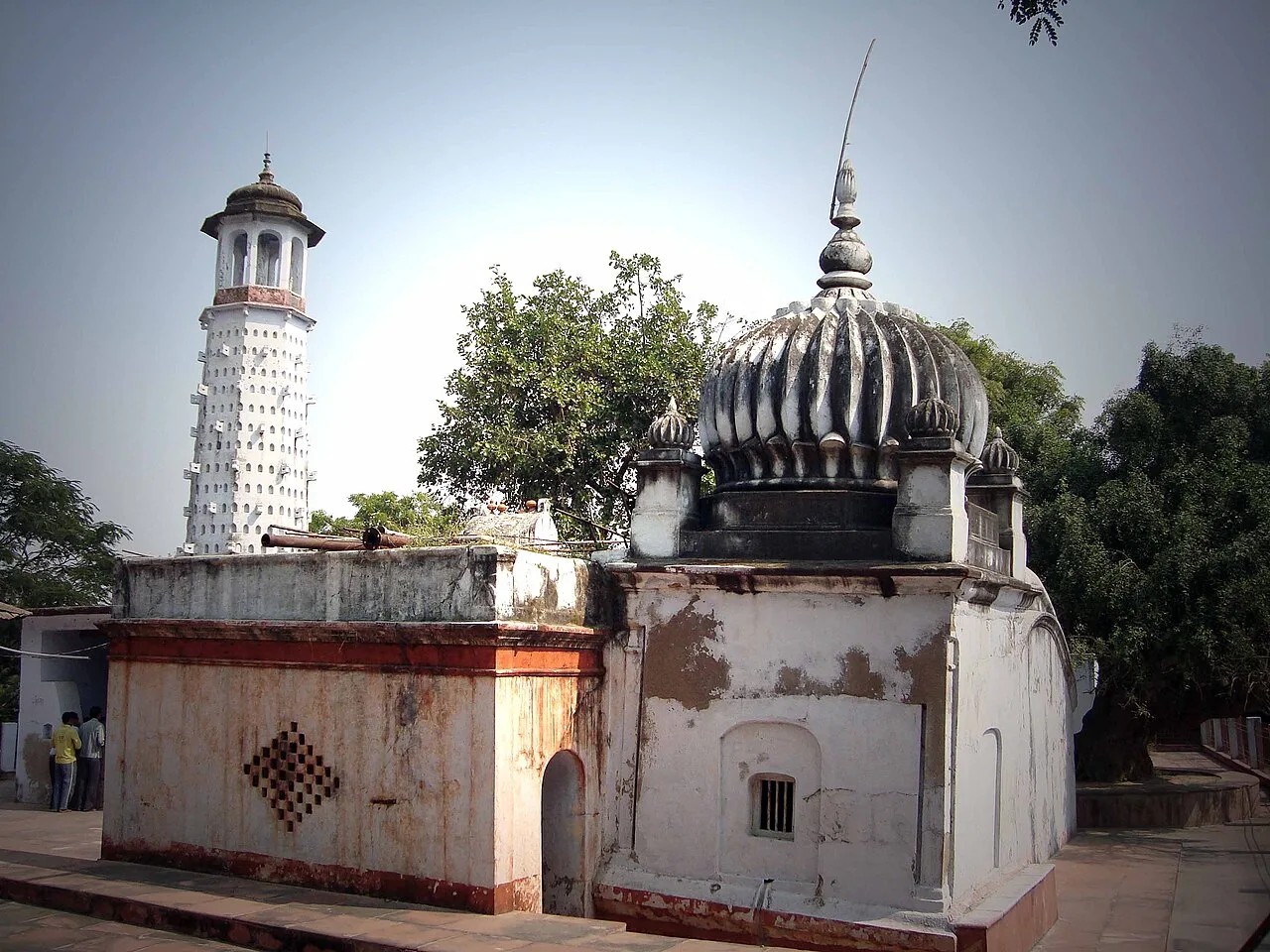
Known also as the Juggilal Kamlapat Temple and Radhakrishna Temple, this Hindu place of worship in Kanpur draws visitors for its combination of traditional and modern architectural features.

Bithoor Ghats

105 km away · Kanpur Nagar district

Bithoor Ghats

Bithoor Ghats are part of Bithoor, a town in Uttar Pradesh beside the Ganges. People visit for its importance as a Hindu pilgrimage centre and its connection with Nana Sahib and the 1857 uprising.

Nawabganj Bird Sanctuary

117 km away · Unnao district

Nawabganj Bird Sanctuary

Nawabganj Bird Sanctuary, renamed Shahid Chandra Shekhar Azad Bird Sanctuary in 2015, is a wetland reserve in Unnao district, visited for its migratory birds, deer park, watchtowers and boats.

Samaspur Bird Sanctuary

132 km away · Raebareli district

Samaspur Bird Sanctuary

In Uttar Pradesh’s Raebareli district, Samaspur is a wetland reserve where visitors can see resident birds, long-distance migrants and a variety of fish.

Kaushambi Archaeological Site

134 km away · Kaushambi district

Kaushambi Archaeological Site

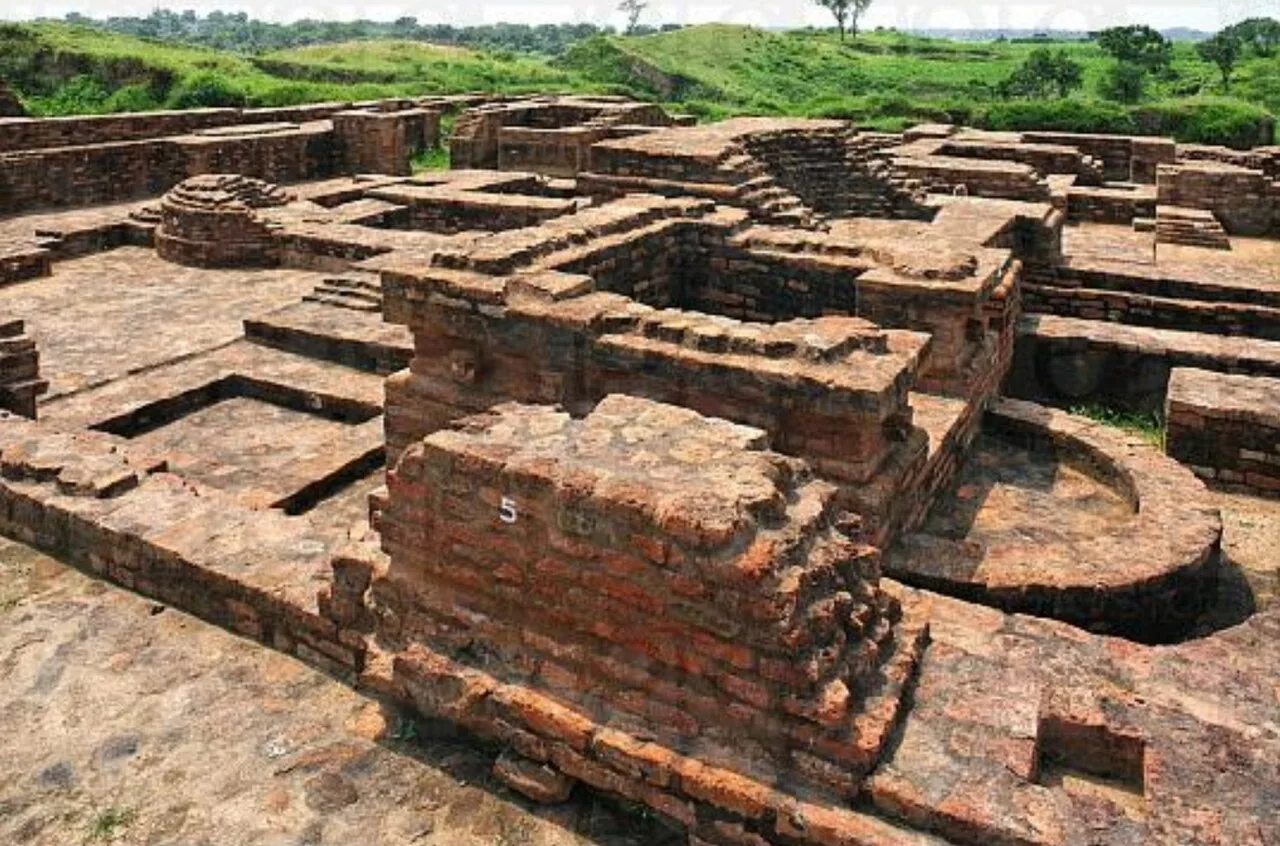
Kaushambi Archaeological Site is associated with an ancient city that served as the Vatsa kingdom’s capital and a trading centre on the Ganges Plain, attracting interest for its historical significance.

Dilkusha Kothi

153 km away · Lucknow district

Dilkusha Kothi

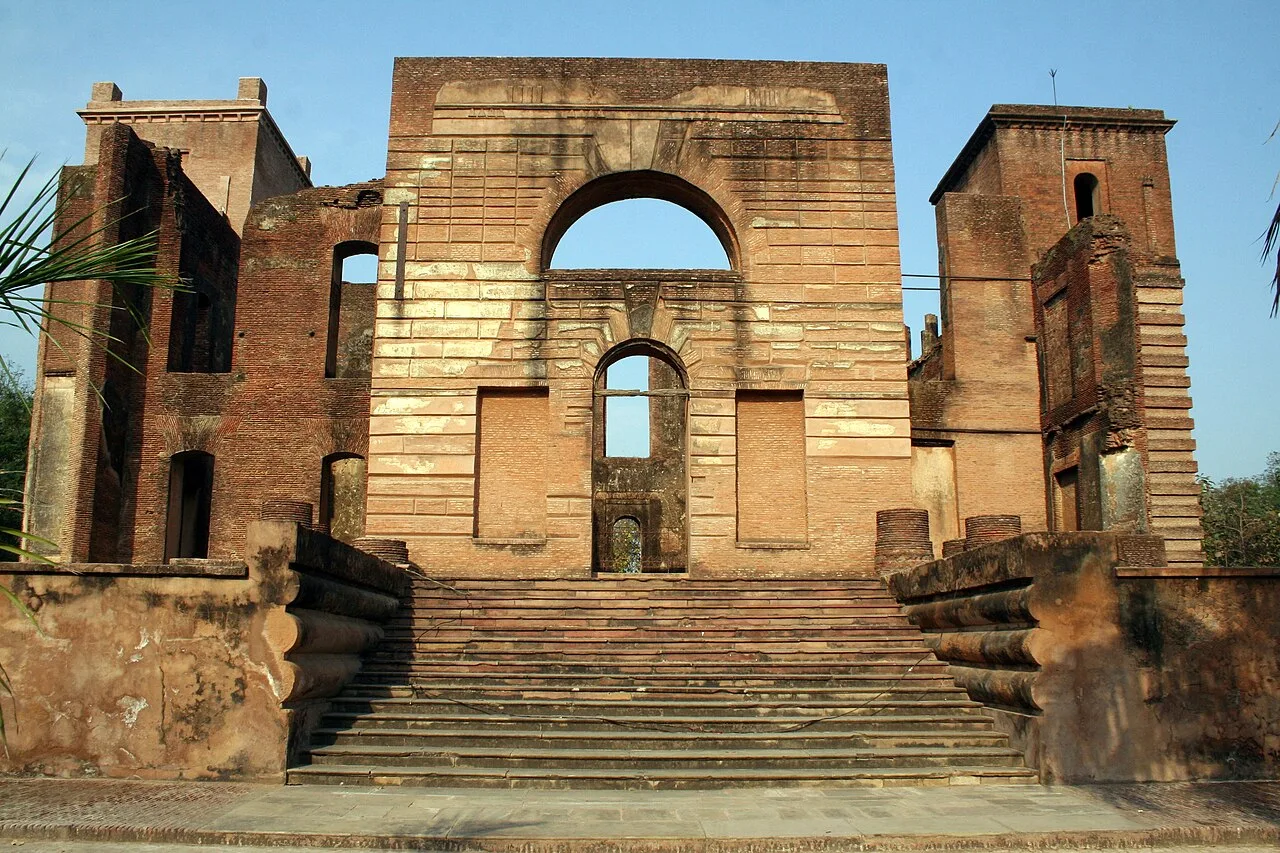
Dilkusha Kothi is an eighteenth-century English Baroque residence in Lucknow, now a monument of surviving towers, outer walls and gardens, visited for its historic remains and links to the 1857 siege.

Rumi Darwaza

153 km away · Lucknow district

Rumi Darwaza

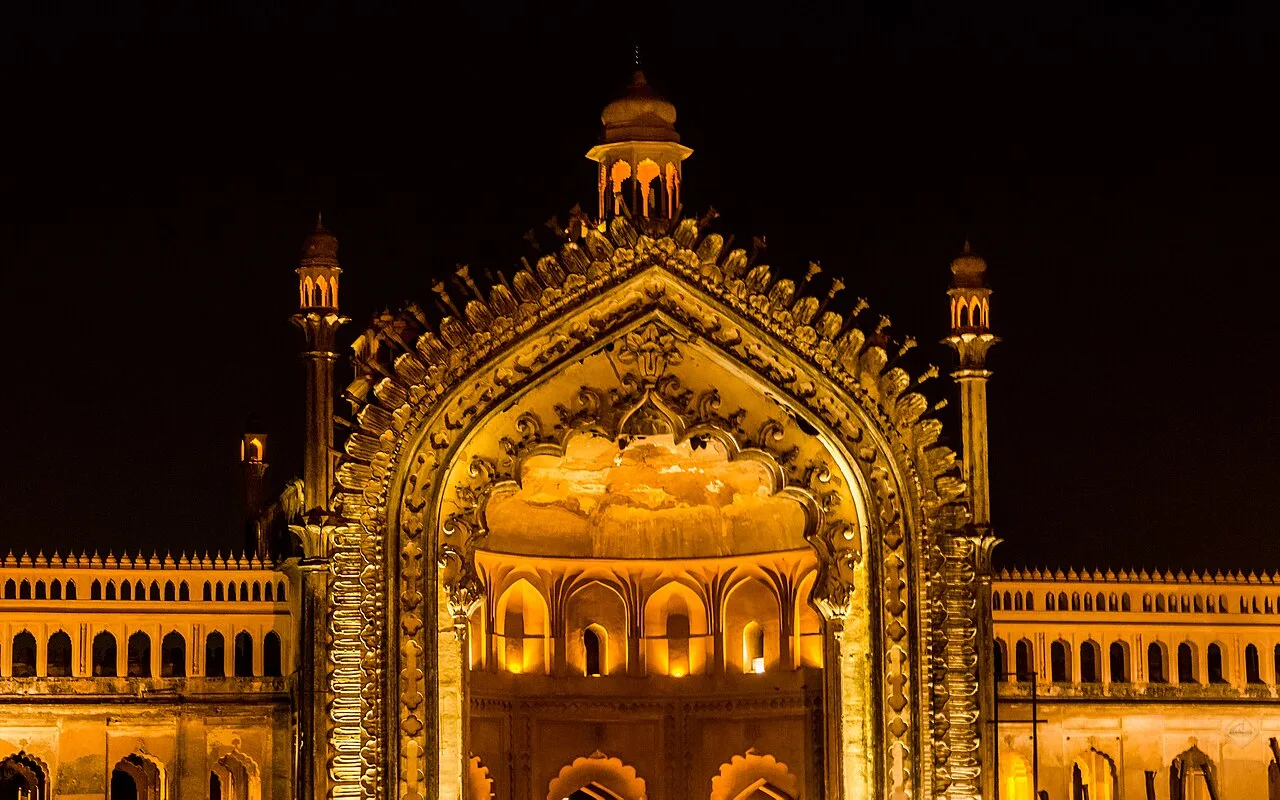
Rumi Darwaza is an 18th-century gateway in Lucknow, known for its Awadhi design and links to the city’s past. Visitors come to see its architecture and historic setting.

Map

Maudaha on the map

  1. 1Kalinjar Fort
  2. 2JK Temple
  3. 3Bithoor Ghats
  4. 4Nawabganj Bird Sanctuary
  5. 5Samaspur Bird Sanctuary
  6. 6Kaushambi Archaeological Site
  7. 7Dilkusha Kothi
  8. 8Rumi Darwaza

Uttar Pradesh

Other cities to explore