Ghumoopedia — Explore, Discover, Experience
Sign in
Chandra Prabha Wildlife Sanctuary, near Ghosi

City guide · Uttar Pradesh

Ghosi

Ghosi is a tehsil town and Nagar Panchayat in Mau district, in eastern Uttar Pradesh’s Purvanchal region. It serves as a local centre for surrounding villages, with markets, schools and religious institutions supporting everyday life across the area.

Famous for

  • Mufti Amjad Ali Aazmi's homeland
  • Islamic scholarship and madrasas
  • Wheat and barley farming
  • Brigadier Mohammad Usman heritage
  • Purvanchal market town

Why Ghosi matters

Ghosi is a tehsil town and Nagar Panchayat in Mau district, in eastern Uttar Pradesh’s Purvanchal region. It serves as a local centre for surrounding villages, with markets, schools and religious institutions supporting everyday life across the area. Its roads connect it with Mau, Azamgarh, Gorakhpur and Varanasi, making it a useful stop for travellers exploring the district and the wider region.

Ghosi is especially known as the birthplace of Islamic scholar Mufti Amjad Ali Aazmi and for its longstanding tradition of religious learning. Madrasas sit alongside colleges and other educational institutions, giving the town a distinctive scholarly character. Its heritage also includes the military service of Brigadier Mohammad Usman, who was born in Bibipur village in Ghosi tehsil and was killed in the 1947–48 India–Pakistan war. Visitors may be drawn to the town’s dargahs, mosques, local bazaars and connections to nearby historic villages. Agriculture remains important in the surrounding countryside, where wheat and barley are among the principal crops.
Famous for: crafts, trade & products

Ghosi is not especially associated with a widely recognised signature textile, handicraft or GI-tagged product. Its everyday trade is centred on the town bazaar and local shops, which serve residents and villages across the tehsil. Visitors can browse for routine household goods, clothing, groceries and seasonal farm produce, though availability varies by shop and season. Wheat and barley are important crops in the surrounding agricultural belt; these are mainly part of local and regional trade rather than a distinct visitor-focused specialty.

The town’s better-known institutions are educational. Jamia Amjadia Razvia and its women’s institution, Jamia Shams ul Uloom and its women’s institution, and other madrasas contribute to Ghosi’s reputation for Islamic learning. Sarvodaya College, Ram Lagan College, Shams ul Uloom Inter College and Jaish Kisan College are among its educational institutions. These are places of study, not necessarily visitor attractions, so visits should be arranged respectfully. For a sense of local commerce, explore the central bazaar; for the town’s scholarly character, look to its educational and religious quarters. There is no established craft market or specialist shopping district that defines Ghosi.

History

Ghosi’s early history is associated with the Bhar community, followed by the expansion of the Sharqi rulers of Jaunpur in the fifteenth century. The region later passed through the authority of the Delhi Sultanate and came under Mughal control in the sixteenth century. Under Mughal administration, it formed part of the wider Jaunpur region. In later centuries, local estates and agrarian interests shaped the countryside; after the Battle of Buxar in 1764, the area came under East India Company control. Indigo factories operated in the wider region during British rule.

Ghosi and nearby places also took part in the freedom movement. During the Quit India period, resistance in Amila in 1942 led to arrests and harsh punishment by the colonial authorities. Brigadier Mohammad Usman, born in Bibipur, later became a celebrated Indian Army officer. Ghosi was once part of Azamgarh district and became part of Mau district when it was formed in 1988. Today it functions as a tehsil and Nagar Panchayat, serving the surrounding rural communities.

Food, festivals & culture

Ghosi’s cultural life reflects the religious and linguistic diversity of eastern Uttar Pradesh. Hindi and Bhojpuri are widely used in daily conversation, while Urdu has an important place in religious teaching, literature and community life. Mosques, madrasas and dargahs are part of the town’s landscape, alongside temples and other places of worship. Visitors should dress modestly and follow local customs, particularly at religious sites.

Eid al-Fitr and Eid al-Adha are important celebrations for Muslim communities, while Muharram is observed through religious gatherings and processions. Holi, Diwali and other Hindu festivals are celebrated across the town and nearby villages, with the calendar bringing activity to markets and neighbourhoods throughout the year. Regional home cooking commonly features wheat-based breads, rice, lentils, vegetables and seasonal ingredients; sweets and snacks are available from local shops, though Ghosi is not known for a distinctive signature dish. Bhojpuri folk songs and devotional music form part of the wider cultural setting, especially during festivals and community occasions.

Visiting the city

October to March is generally the most comfortable period to visit, with cooler weather than the hot summer months and less disruption from the monsoon. The nearest major airport with regular commercial services is Lal Bahadur Shastri International Airport in Varanasi. Mau Junction is the main railway hub for reaching Ghosi; Ghosi also has a local railway station. Check current road and rail connections before setting out, as services can change.

Auto-rickshaws and shared local transport are useful for getting around town, while road transport links Ghosi with Mau and neighbouring centres. The central bazaar offers a glimpse of everyday town life. Visitors interested in its religious and educational heritage can explore the area around local mosques, dargahs and madrasas, being mindful that many are active community spaces. Bibipur and Amila, in the wider tehsil, have historical associations and can be visited as part of a respectful trip into the surrounding countryside.

Trips from the city

Nearest places to visit from Ghosi

Our closest destination guides, by straight-line distance.

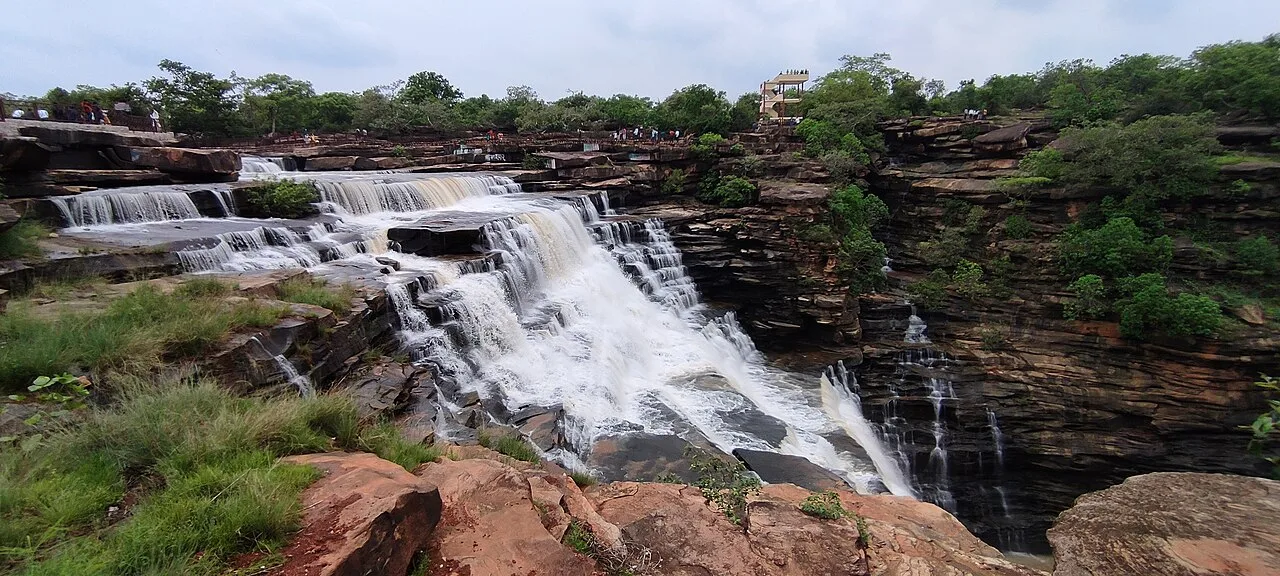
Chandra Prabha Wildlife Sanctuary

53 km away · Chandauli district

Chandra Prabha Wildlife Sanctuary

In Uttar Pradesh’s Chandauli district, Chandraprabha is a wildlife sanctuary in central India. Visitors come to explore the sanctuary, which lies around 70 kilometres from Varanasi.

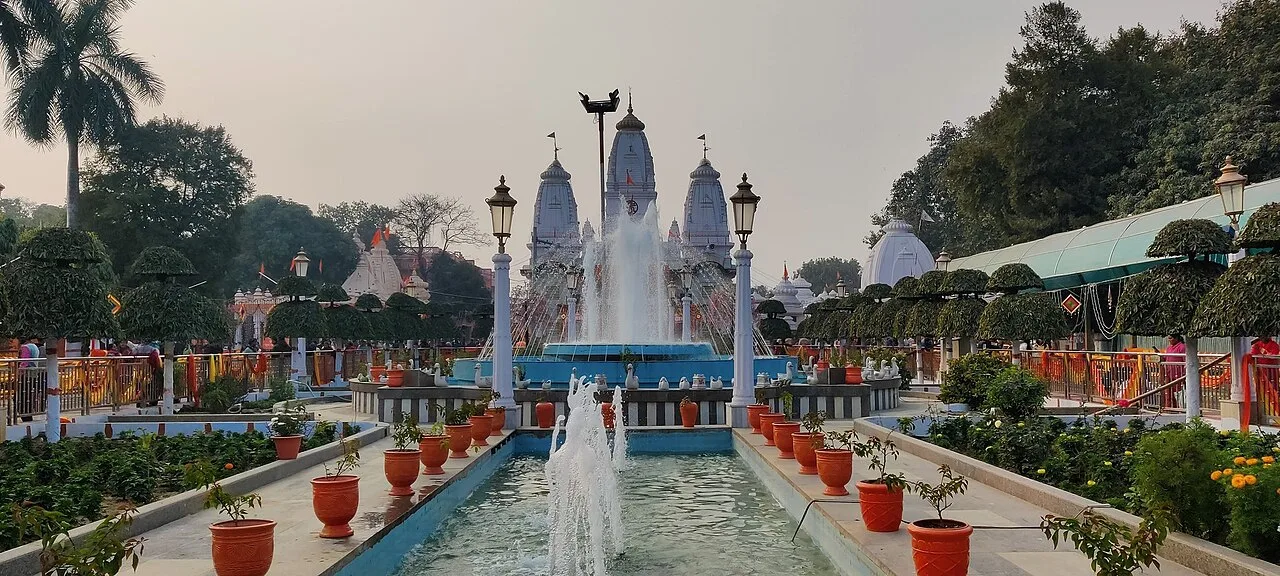
Gorakhnath Math

76 km away · Gorakhpur district

Gorakhnath Math

Gorakhnath Math is a Hindu temple and Nath monastic centre in Gorakhpur, Uttar Pradesh. People visit for its religious role and the cultural and social activities held on its premises.

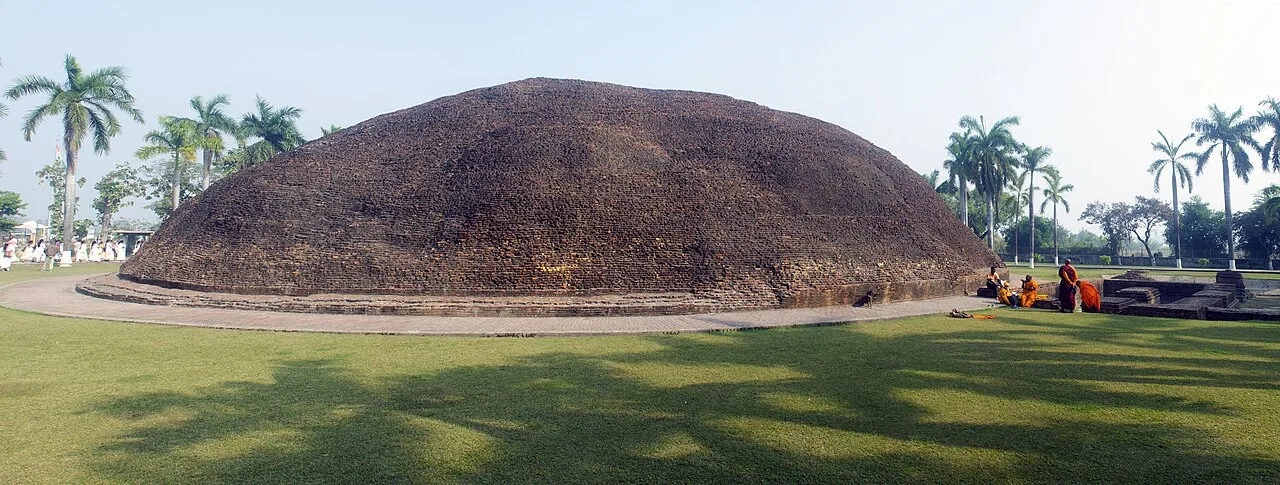
Kushinagar Buddhist Site

79 km away · Kushinagar district

Kushinagar Buddhist Site

The Kushinagar Buddhist Site is a pilgrimage destination associated with Gautama Buddha’s parinirvana. Visitors come to this Uttar Pradesh town because of its importance in Buddhist belief.

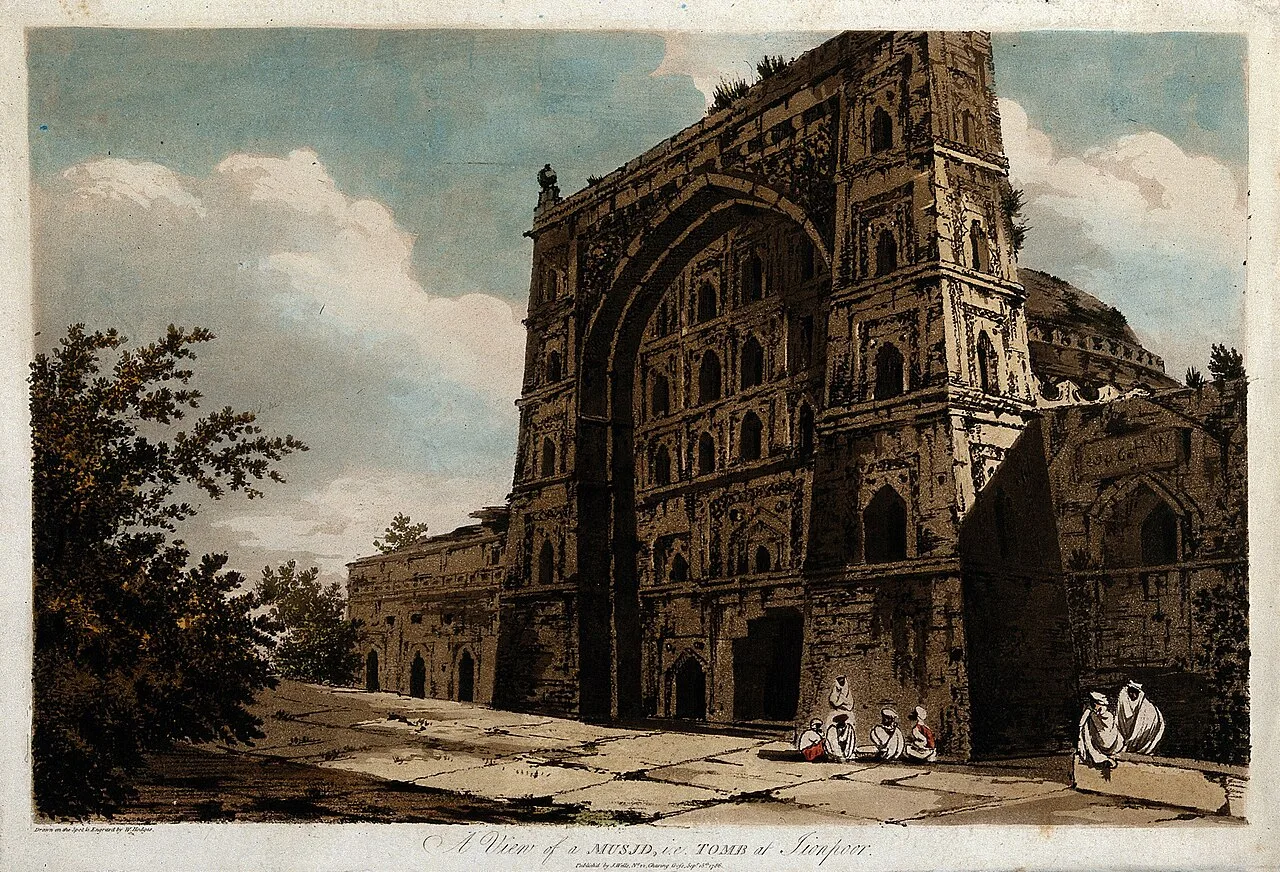
Atala Mosque

94 km away · Jaunpur district

Atala Mosque

Atala Mosque, a 15th-century place of worship in Jaunpur, Uttar Pradesh, is visited by those wishing to see a historic mosque near the city’s Shahi Qila and Jama Mosque.

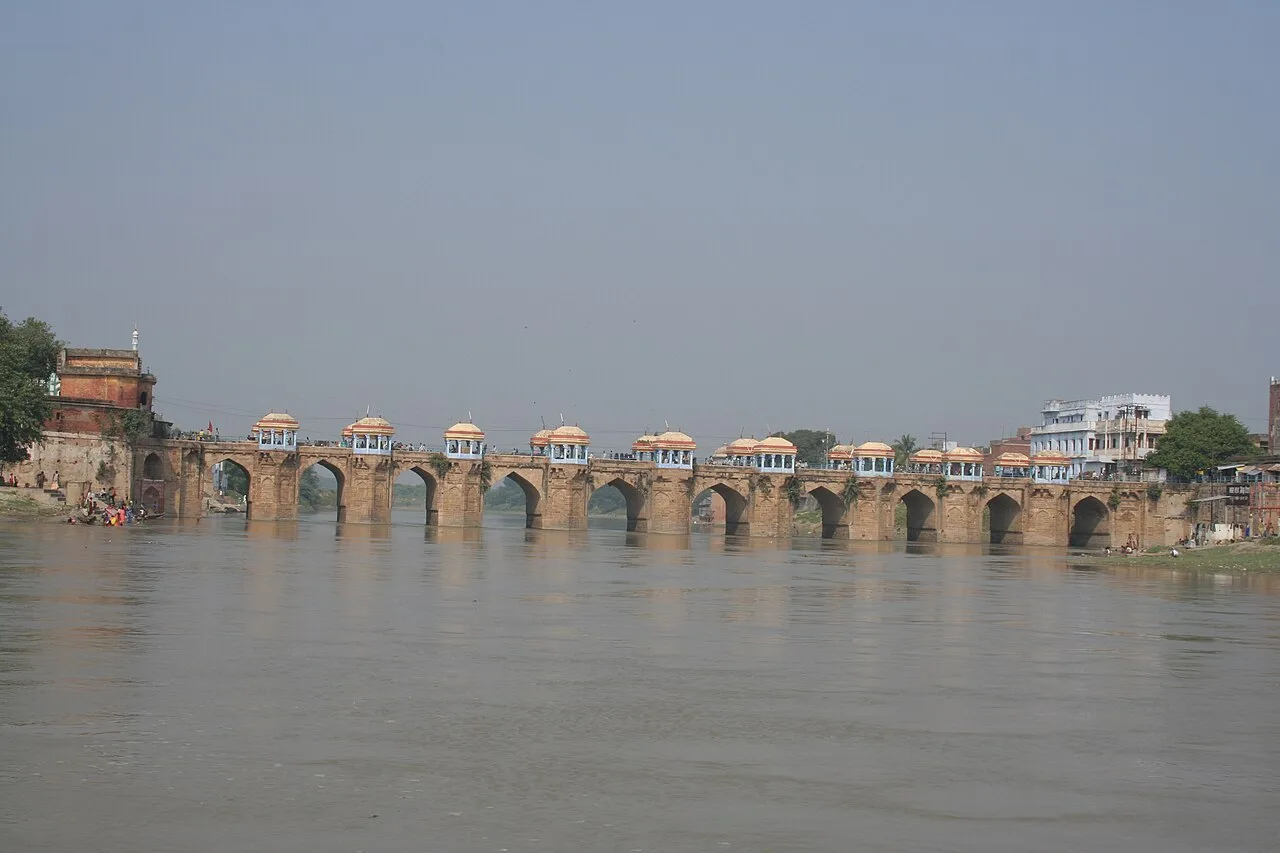
Shahi Bridge

94 km away · Jaunpur district

Shahi Bridge

Shahi Bridge is a 16th-century crossing over the Gomti in Jaunpur, Uttar Pradesh. Visitors come to see the historic bridge, which is also known by several other names.

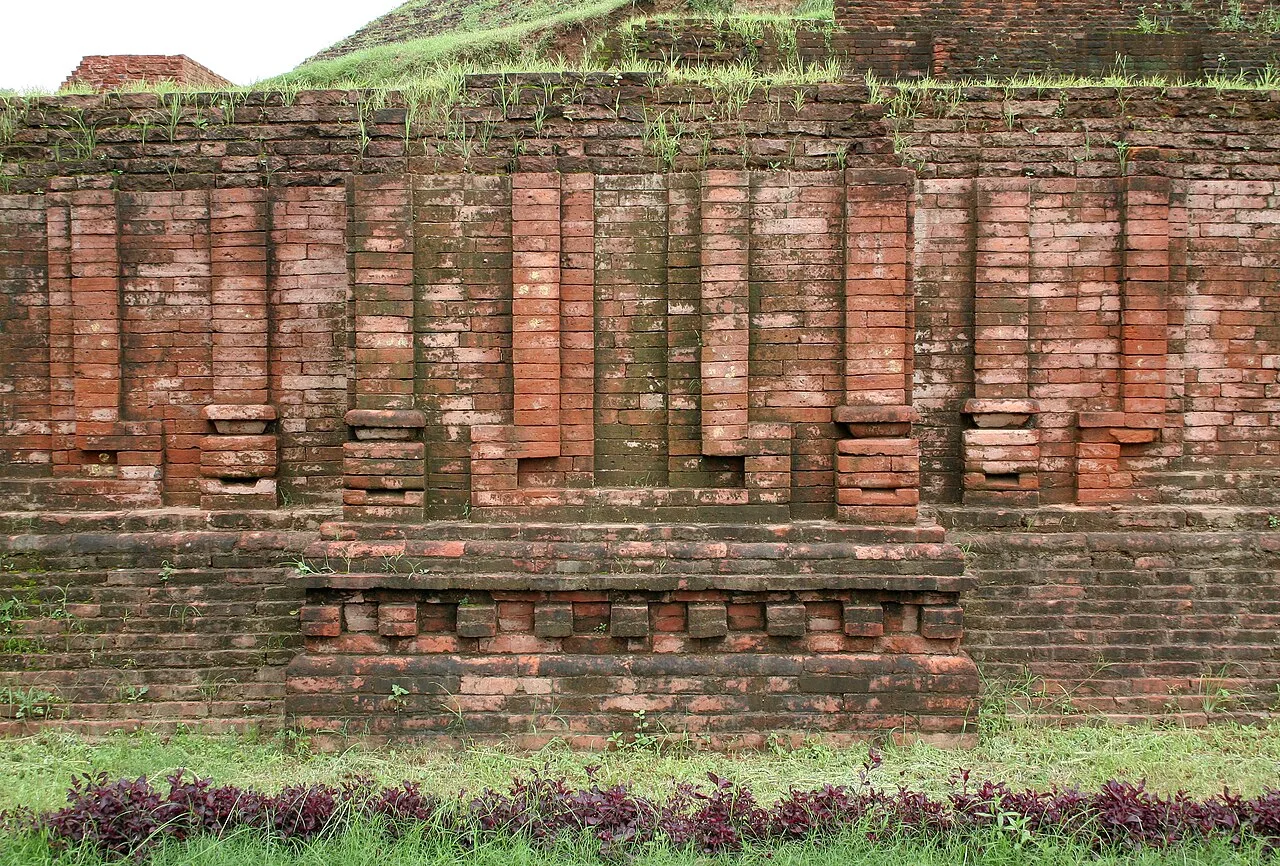
Chaukhandi Stupa

96 km away · Varanasi district

Chaukhandi Stupa

Chaukhandi Stupa is a Buddhist monument at Sarnath in Uttar Pradesh’s Varanasi district. Visitors come to see this nationally important site, recognised by the Archaeological Survey of India in 2019.

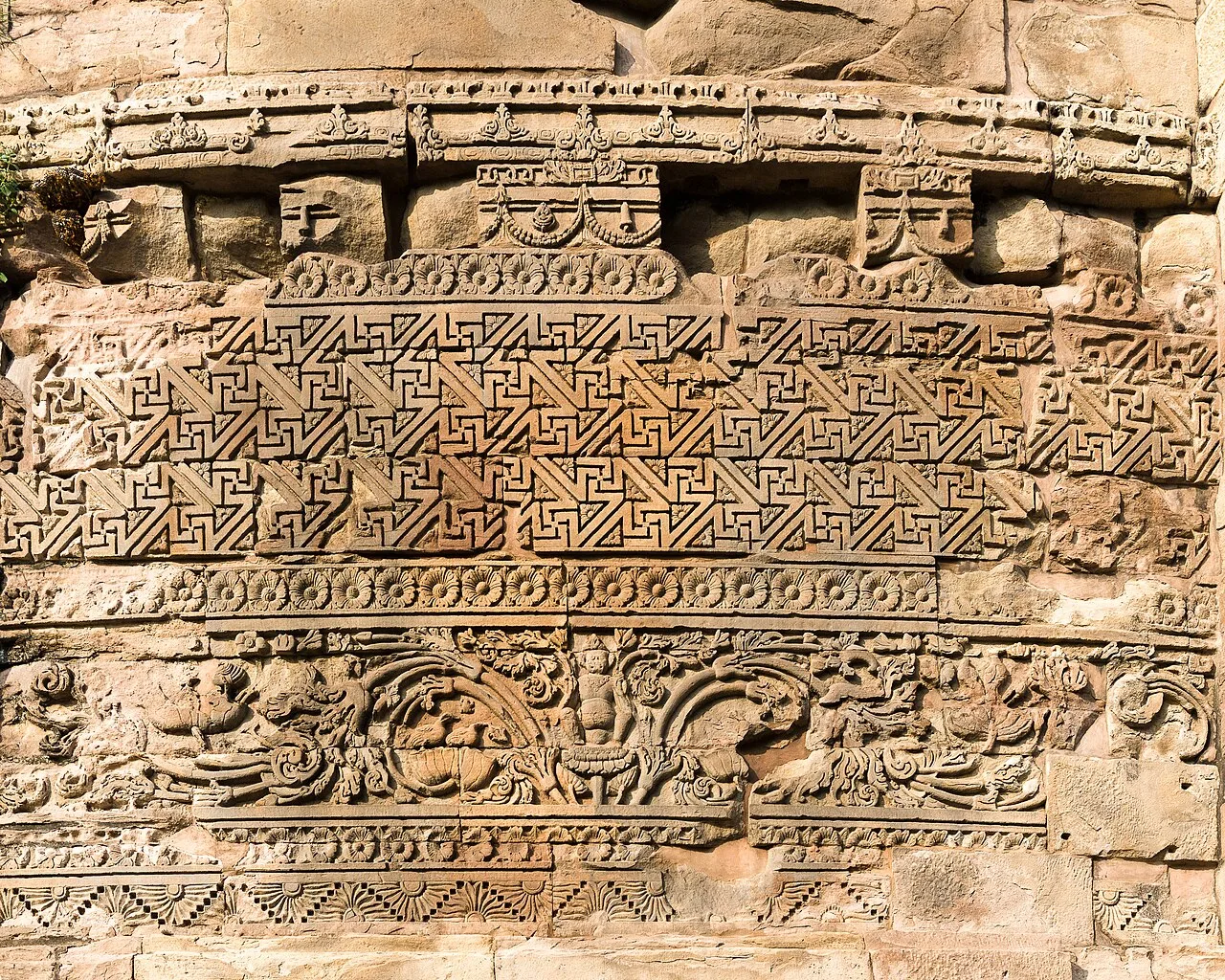
Dhamek Stupa

96 km away · Varanasi district

Dhamek Stupa

Dhamek Stupa is a large Buddhist monument at Sarnath in Uttar Pradesh, associated with the Buddha’s first teaching and visited as an important pilgrimage place.

Sarnath Buddhist Site

96 km away · Varanasi district

Sarnath Buddhist Site

Sarnath is a Buddhist pilgrimage town near Varanasi, remembered as the place where Gautama Buddha first taught after his enlightenment. Visitors come to see its important religious and historical associations.

Map

Ghosi on the map

  1. 1Chandra Prabha Wildlife Sanctuary
  2. 2Gorakhnath Math
  3. 3Kushinagar Buddhist Site
  4. 4Atala Mosque
  5. 5Shahi Bridge
  6. 6Chaukhandi Stupa
  7. 7Dhamek Stupa
  8. 8Sarnath Buddhist Site

Uttar Pradesh

Other cities to explore