Ghumoopedia — Explore, Discover, Experience
Sign in

City guide · Uttar Pradesh

Mahoba

Mahoba is a historic town in Uttar Pradesh’s Bundelkhand region and the administrative centre of Mahoba district. Its importance reaches back to the Chandela dynasty, which made the town a regional capital.

Famous for

  • Chandela heritage
  • Pratihara-style Sun temple
  • Gokhar Hill Jain images
  • Mahoba Desawari Paan
  • Alha-Udal ballads

Why Mahoba matters

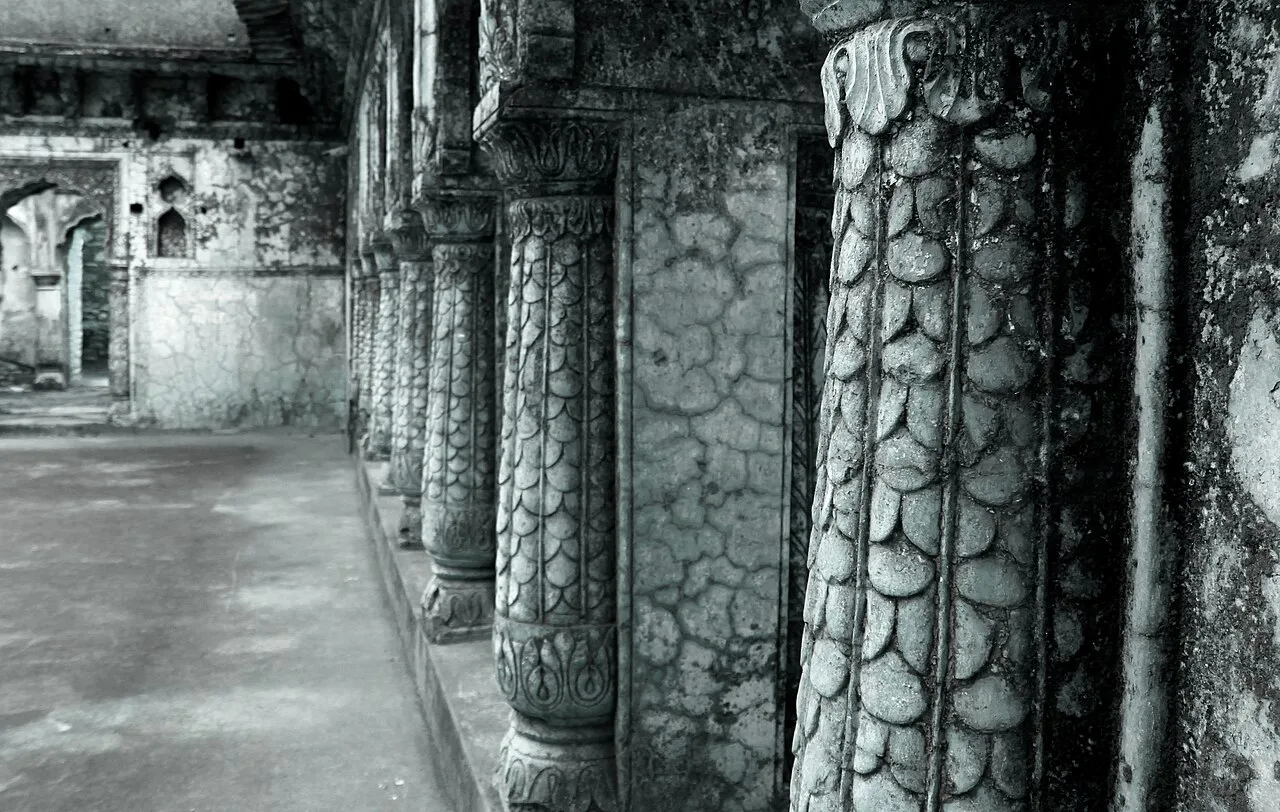
Mahoba is a historic town in Uttar Pradesh’s Bundelkhand region and the administrative centre of Mahoba district. Its importance reaches back to the Chandela dynasty, which made the town a regional capital. Today, visitors come for the remains of that era, including a ninth-century granite Sun temple built in the Pratihara style and the rock-cut Jain images on Gokhar Hill. The town’s lakes, temple sites and rocky surroundings give it a character distinct from the better-known temple complex at nearby Khajuraho.

Mahoba also serves as a practical base for exploring Bundelkhand. Rail and road links connect it with regional centres and historic places such as Kulpahar, Charkhari and Kalinjar, while Khajuraho, Orchha and Jhansi are longer excursions. Local identity is closely tied to the stories of Chandela ruler Paramardi and the warrior brothers Alha and Udal, whose deeds live on in Bundeli oral ballads. The area is also known for Desawari paan, grown in the surrounding region and traded through local markets.
Famous for: crafts, trade & products

Mahoba’s best-known regional product is Desawari paan, a distinctive betel leaf associated with the district and recognised with a geographical indication. It is cultivated in the surrounding area and can be sought from paan sellers and produce traders in town markets. Buying it locally is a way to encounter a living agricultural tradition, although availability varies by season. Ask sellers about the leaf’s origin if you are looking specifically for the district-grown variety.

Mahoba is not widely known as a major saree or handicraft centre, so visitors should not expect a specialised textile bazaar. The rocky Bundelkhand landscape and granite are prominent features of the area, and stone is part of the local economy, but products and retail outlets are not organised as a visitor craft trail. For everyday goods and regional produce, explore the central market streets and neighbourhood shops; for paan, look for established local vendors. The town’s principal draw remains its historical sites rather than a large-scale manufacturing or shopping district. Nearby towns and larger regional centres offer broader choices for textiles and crafts.

History

Mahoba rose to prominence under the Chandela dynasty, which ruled much of Bundelkhand and used the town as a capital. Its surviving temples, reservoirs and other historic remains reflect the dynasty’s influence in the region. A notable monument is the ninth-century granite Sun temple, built in the Pratihara style. The town’s medieval history is also remembered through Paramardi, a Chandela ruler, and the brothers Alha and Udal, whose battles against Prithviraj Chauhan became celebrated in Bundeli oral tradition.

After Chandela power declined, control across Bundelkhand shifted among later regional rulers and larger powers, including the Mughals and Marathas. During British rule, Mahoba became part of the colonial administration of the Bundelkhand region, and rail and road connections strengthened its links with nearby towns. In independent India it continued as a local transport and market centre. Mahoba district was established in 1995, giving the town a renewed administrative role as its district headquarters. Its modern development sits alongside a heritage landscape that remains central to local identity.

Food, festivals & culture

Mahoba’s everyday food reflects Bundelkhand and wider North Indian cooking: wheat and millet breads, lentils, seasonal vegetables and simple savoury snacks are common. The town is particularly associated with Desawari paan, which is grown in the surrounding district and sold by local vendors. Sweet shops and eateries serve familiar regional and North Indian favourites; menus vary, so ask locally about seasonal specialities rather than expecting a single signature dish.

Hindi is widely used, while Bundeli is heard in conversation and in folk performance. The Alha ballad tradition, recounting the exploits of Alha and Udal, is one of the region’s most distinctive cultural inheritances. Hindu festivals such as Holi, Diwali, Navratri and Dussehra are observed through the year, with the dates following the lunar calendar; Maha Shivaratri is also important to many devotees. The town’s religious landscape includes Hindu temple sites and the Jain images carved into Gokhar Hill. Local worship and festival activity are often centred on neighbourhood shrines and family gatherings.

Visiting the city

October to March is generally the most comfortable period to visit, with cooler weather for exploring temples and hills. Summers can be very hot, while the monsoon brings rain that may affect outdoor plans. Khajuraho Airport is the nearest airport commonly used by visitors; check current flight connections before travelling. Mahoba Junction is the town’s main railway station, and state highways provide road links with nearby Bundelkhand destinations.

Auto-rickshaws and local taxis can help with short trips, while a hired vehicle is useful for visiting sites beyond the town. Explore the old town and central market for local life, then allow time for Gokhar Hill, the Sun temple and the historic lake-and-temple surroundings. Mahoba can also serve as a base for excursions to Kulpahar, Charkhari and Kalinjar. Carry water and sun protection when visiting exposed heritage sites.

Trips from the city

Nearest places to visit from Mahoba

Our closest destination guides, by straight-line distance.

Kalinjar Fort

69 km away · Banda district

Kalinjar Fort

Travellers visit Kalinjar for its extensive fortifications, its association with Chandela rule and its long religious history, including sacred structures dating to the Gupta period.

Jhansi Fort

132 km away · Jhansi district

Jhansi Fort

Jhansi Fort is a historic stronghold on Bangira in Jhansi, Uttar Pradesh. Visitors can explore its links to the Karhade Brahmin rulers and the town’s later British-era history.

JK Temple

138 km away · Kanpur Nagar district

JK Temple

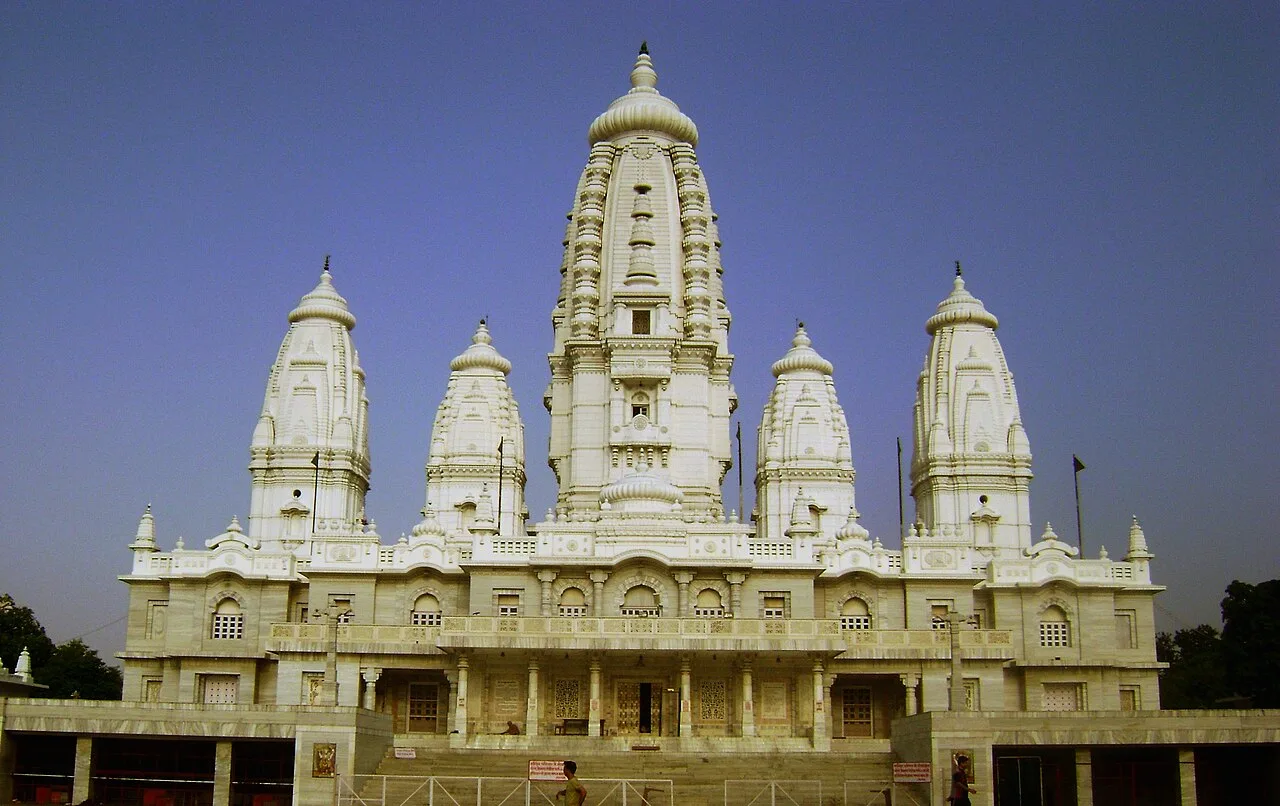
Known also as the Juggilal Kamlapat Temple and Radhakrishna Temple, this Hindu place of worship in Kanpur draws visitors for its combination of traditional and modern architectural features.

Bithoor Ghats

152 km away · Kanpur Nagar district

Bithoor Ghats

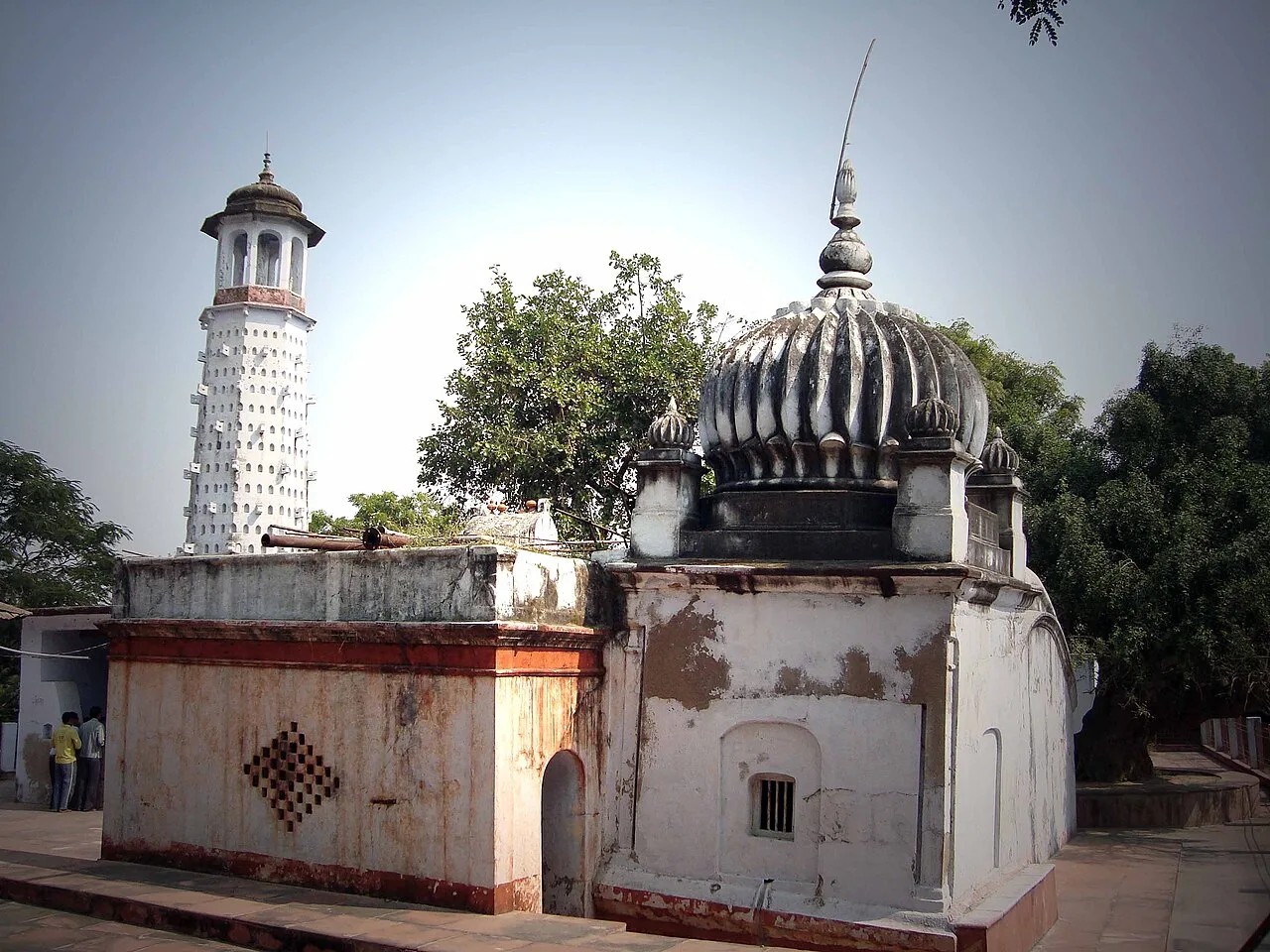
Bithoor Ghats are part of Bithoor, a town in Uttar Pradesh beside the Ganges. People visit for its importance as a Hindu pilgrimage centre and its connection with Nana Sahib and the 1857 uprising.

Kaushambi Archaeological Site

153 km away · Kaushambi district

Kaushambi Archaeological Site

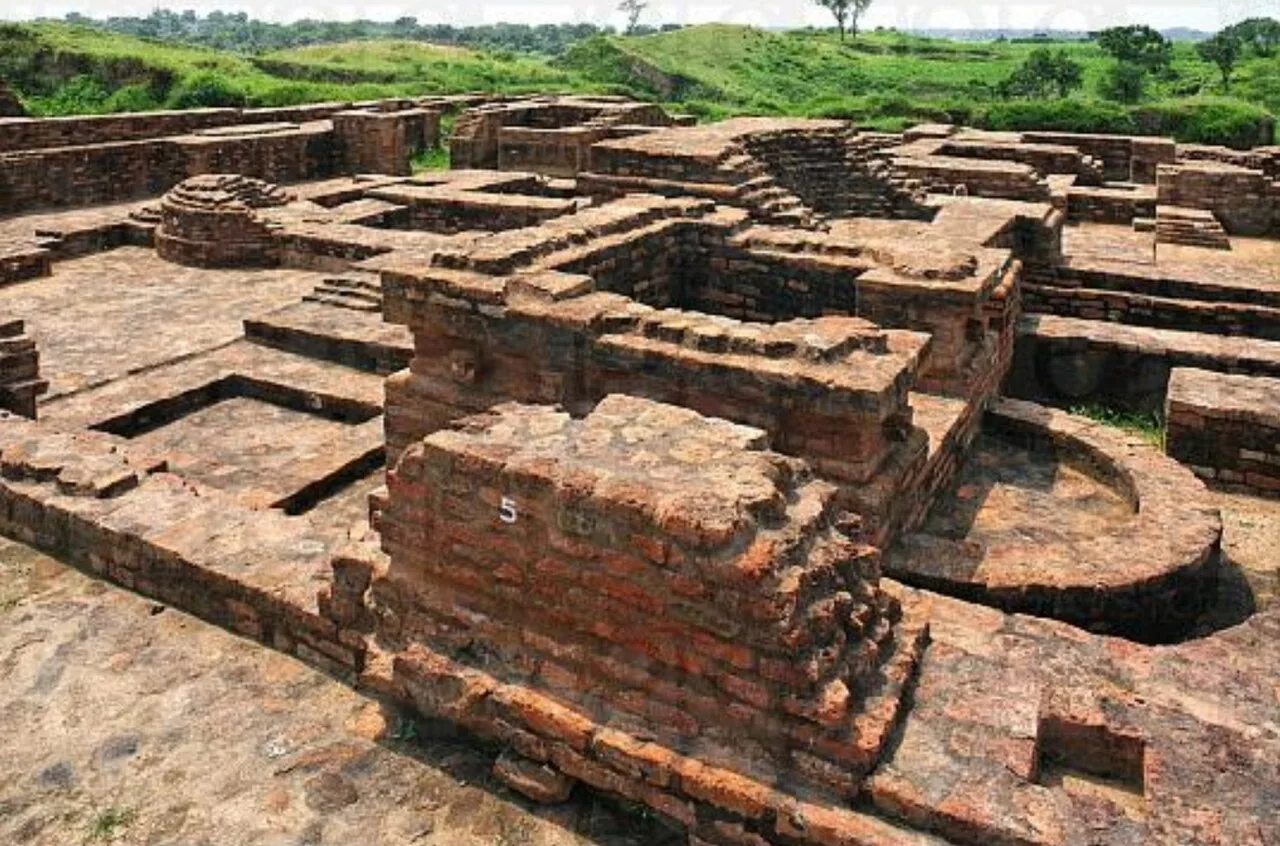
Kaushambi Archaeological Site is associated with an ancient city that served as the Vatsa kingdom’s capital and a trading centre on the Ganges Plain, attracting interest for its historical significance.

Nawabganj Bird Sanctuary

167 km away · Unnao district

Nawabganj Bird Sanctuary

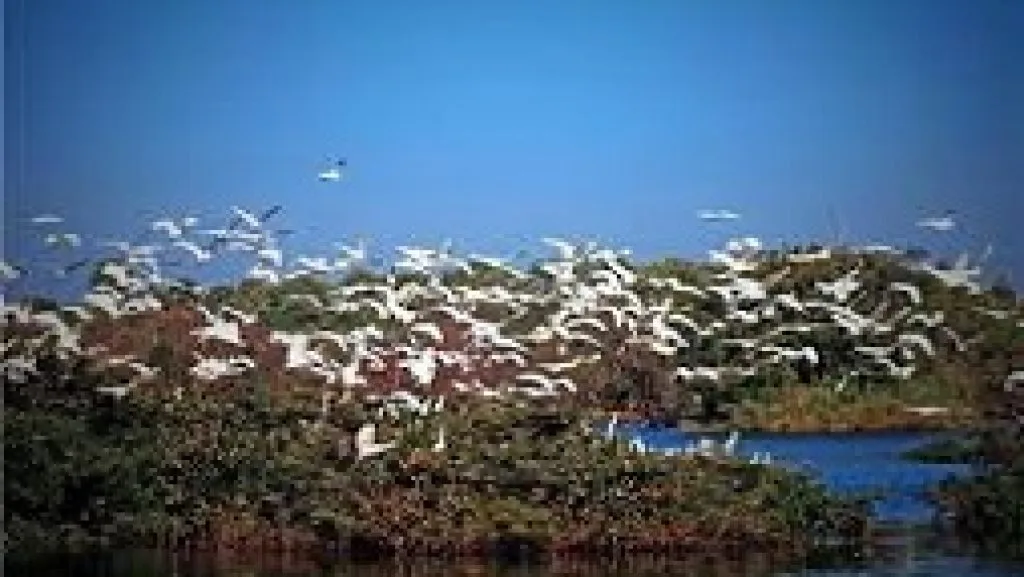
Nawabganj Bird Sanctuary, renamed Shahid Chandra Shekhar Azad Bird Sanctuary in 2015, is a wetland reserve in Unnao district, visited for its migratory birds, deer park, watchtowers and boats.

Samaspur Bird Sanctuary

171 km away · Raebareli district

Samaspur Bird Sanctuary

In Uttar Pradesh’s Raebareli district, Samaspur is a wetland reserve where visitors can see resident birds, long-distance migrants and a variety of fish.

Shringverpur

180 km away · Prayagraj district

Shringverpur

The Uttar Pradesh village of Shringverpur is also known as Shringaverpur or Singraur; its alternate names help visitors identify the settlement in references using different spellings.

Map

Mahoba on the map

  1. 1Kalinjar Fort
  2. 2Jhansi Fort
  3. 3JK Temple
  4. 4Bithoor Ghats
  5. 5Kaushambi Archaeological Site
  6. 6Nawabganj Bird Sanctuary
  7. 7Samaspur Bird Sanctuary
  8. 8Shringverpur

Uttar Pradesh

Other cities to explore