Ghumoopedia — Explore, Discover, Experience
Sign in
Jetavana, near Bahraich

City guide · Uttar Pradesh

Bahraich

Bahraich is a district headquarters in northeastern Uttar Pradesh, set on the Saryu River and roughly 125 kilometres northeast of Lucknow. Its location near the Nepal border gives it importance as a regional centre for administration, trade and road travel.

Famous for

  • Ghazi Saiyyad Salar Masud Dargah
  • Nepal-border location
  • Saryu River setting
  • Suheldev local heritage

Why Bahraich matters

Bahraich is a district headquarters in northeastern Uttar Pradesh, set on the Saryu River and roughly 125 kilometres northeast of Lucknow. Its location near the Nepal border gives it importance as a regional centre for administration, trade and road travel. The surrounding district connects it with communities and markets across the Terai and the northern plains.

The city’s best-known place of pilgrimage is the Dargah of Ghazi Saiyyad Salar Masud, which attracts visitors and devotees from across the region. Bahraich is also a practical base for exploring the wider district, including the forests and wetlands of Katarniaghat Wildlife Sanctuary; that excursion requires travel beyond the city. Local accounts of Raja Suheldev add another layer to Bahraich’s heritage. For travellers, the city offers a mix of religious visits, busy everyday markets and access to a borderland landscape shaped by river, forest and agriculture.
Famous for: crafts, trade & products

Bahraich is better known as a regional trading and administrative centre than as a specialist textile or handicraft hub. Markets serve the surrounding agricultural belt, with everyday commerce in food grains, pulses, vegetables and other seasonal produce. Retail shops and small businesses are concentrated in the central bazaars and along the main roads; the area around the railway station is another useful place for everyday shopping and services.

Visitors looking for locally made goods can browse these markets for household items, clothing, snacks and practical travel supplies, but should not expect a single signature craft or a widely recognised city-specific souvenir. No particular Bahraich textile, handicraft or GI-tagged product is especially established in the city’s public identity. Forest and wildlife attractions belong mainly to the wider district, rather than to the urban shopping scene. For a sense of local trade, walk through the central market streets; for provisions and transport-related services, shops near the station and major road corridors are convenient. Ask locally about seasonal produce, since availability changes through the year.

History

Bahraich’s past is closely tied to its position in the fertile northern plains and to stories of pilgrimage and regional rule. The city’s most prominent historic site is the Dargah of Ghazi Saiyyad Salar Masud. Traditions connect Salar Masud with the eleventh century, though accounts of his life and the events associated with him belong partly to religious and local memory. The story of Raja Suheldev is also strongly associated with the area and is remembered in regional heritage narratives.

Bahraich later formed part of the kingdom of Awadh. After the British annexed Awadh in 1856, the district came under colonial administration, and the upheaval of 1857 affected the region. Under British rule, Bahraich developed as an administrative and market centre serving nearby rural settlements. Following Independence, its role as the district headquarters continued, while roads, rail connections and public institutions strengthened its links with Lucknow, neighbouring districts and the Nepal frontier.

Food, festivals & culture

Bahraich’s food reflects the everyday cooking of eastern Uttar Pradesh and the broader Awadh region. Meals commonly include wheat breads, rice, lentils, seasonal vegetables and meat dishes; tea and familiar Indian sweets are easy to find in market areas. Small eateries and sweet shops around the central bazaars are good places to sample local daily fare, though individual menus vary.

Holi, Diwali, Eid and Muharram are observed by the city’s Hindu and Muslim communities, alongside other religious occasions. The Dargah of Ghazi Saiyyad Salar Masud is an important pilgrimage site and draws a large gathering for its annual fair, held in the warm season. Hindi and Urdu are widely used, with Awadhi heard in everyday conversation. Devotional singing and qawwali are associated with shrine settings, while folk music and dance traditions are part of the wider region’s celebrations. Temples, mosques and the dargah together reflect the city’s varied religious life.

Visiting the city

October to March is generally the most comfortable time to visit, with milder days than the very hot summer; winter mornings can be foggy. The nearest major airport is Chaudhary Charan Singh International Airport in Lucknow. Bahraich Railway Station is the city’s main rail station. Lucknow is also an important road gateway, and buses and other road services connect Bahraich with nearby towns.

Within the city, auto-rickshaws and cycle-rickshaws are useful for short journeys; confirm the route before setting out. Explore the Dargah precinct, central bazaar streets and the areas around the station for everyday city life. The Saryu’s banks offer a change of pace where access is convenient. Katarniaghat Wildlife Sanctuary is a district excursion, not a city neighbourhood, so plan separate road transport and check local conditions before travelling.

Trips from the city

Nearest places to visit from Bahraich

Our closest destination guides, by straight-line distance.

Jetavana

44 km away · Shravasti district

Jetavana

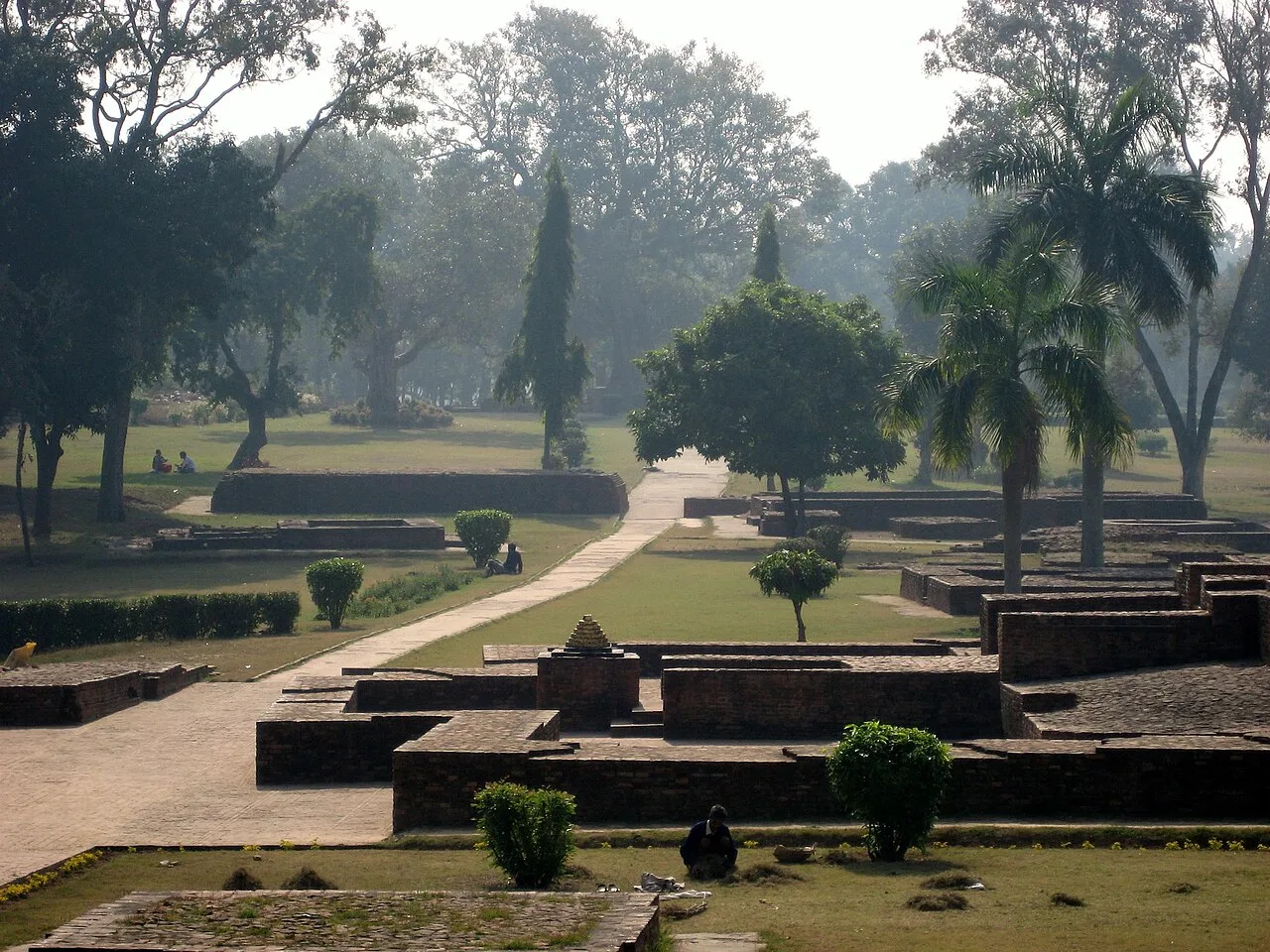
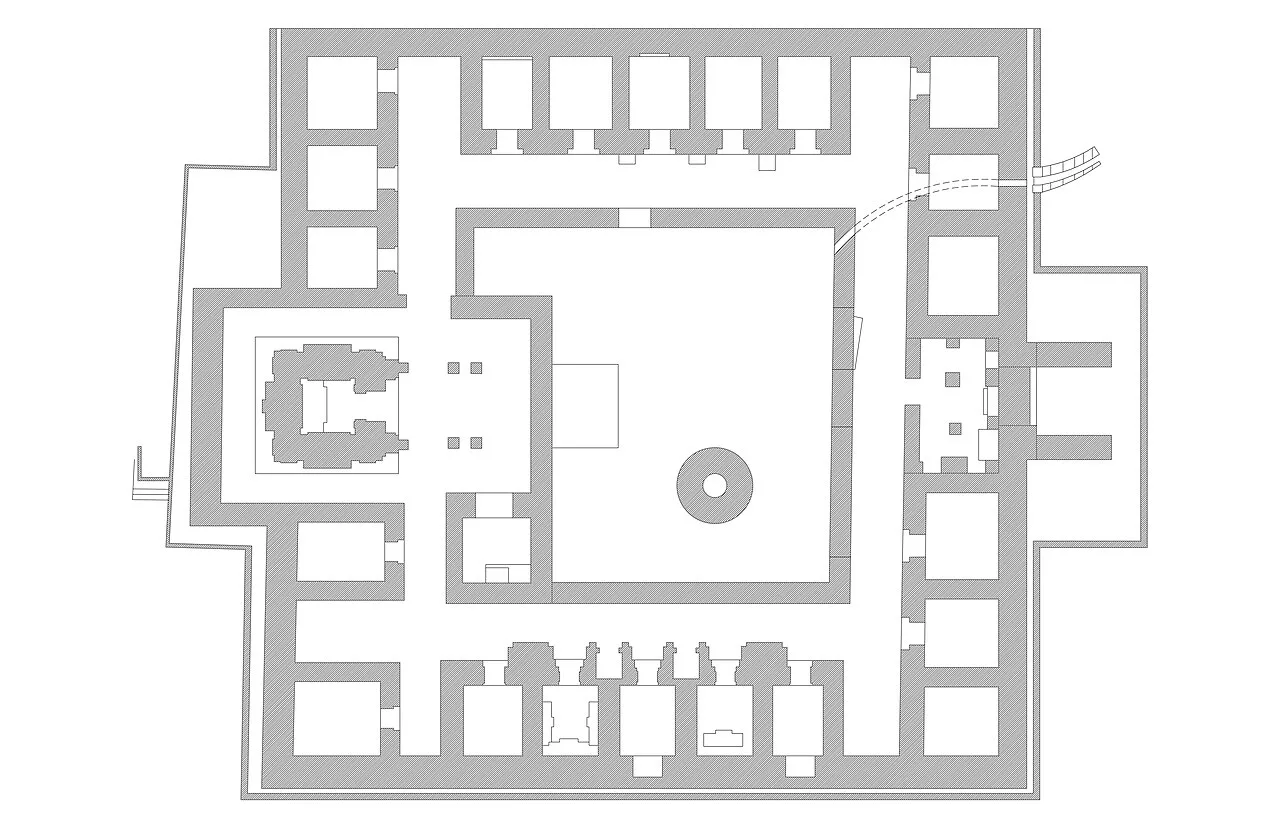
Jetavana is a Buddhist monastic site near ancient Savatthi, in Uttar Pradesh’s Shravasti district. Visitors explore its close association with the Buddha, who stayed there and delivered many teachings.

Shravasti Buddhist Site

45 km away · Shravasti district

Shravasti Buddhist Site

Shravasti is an ancient town and Buddhist archaeological site in Uttar Pradesh, known for its links to the Buddha’s teachings, disciples and miracles, as well as its importance to other religions.

Katarniaghat Wildlife Sanctuary

94 km away · Bahraich district

Katarniaghat Wildlife Sanctuary

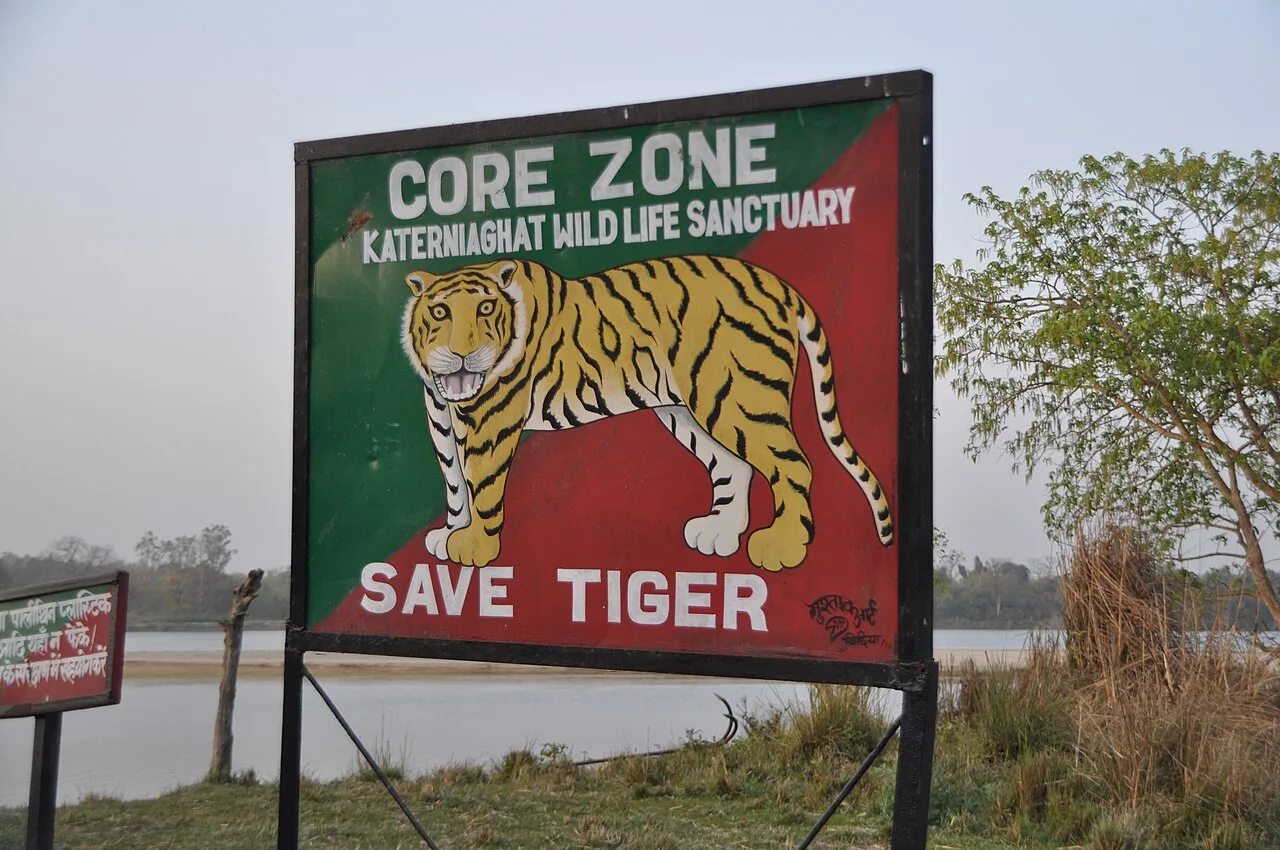
Katarniaghat Wildlife Sanctuary is a protected area in Uttar Pradesh’s Bahraich district, visited by people interested in wildlife and its connection with the Dudhwa Tiger Reserve.

Ambedkar Memorial Park

101 km away · Lucknow district

Ambedkar Memorial Park

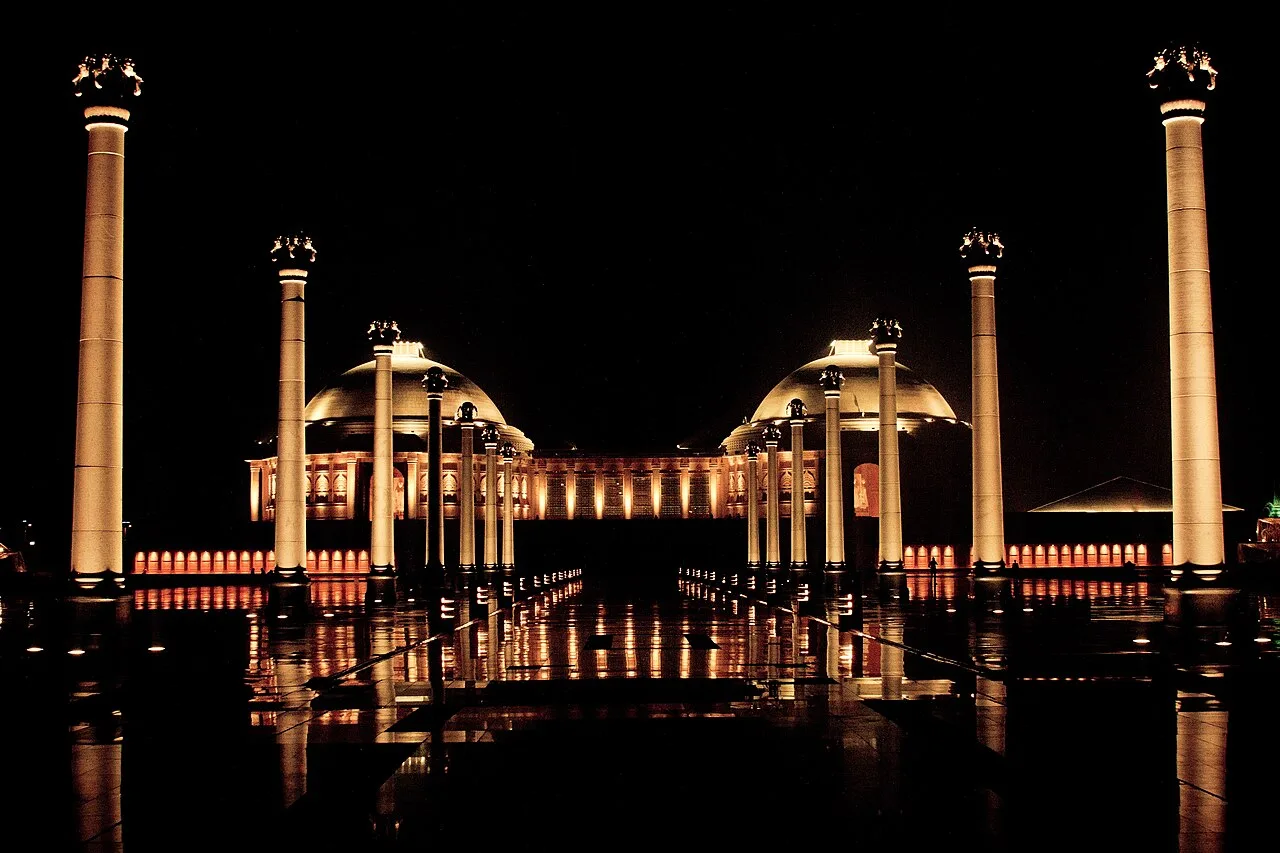
Dr. Bhimrao Ambedkar Samajik Parivartan Sthal in Gomti Nagar, Lucknow, is a public memorial honouring B. R. Ambedkar and other leaders. Visitors come to view its commemorative features, including 124 monumental elephants.

Janeshwar Mishra Park

102 km away · Lucknow district

Janeshwar Mishra Park

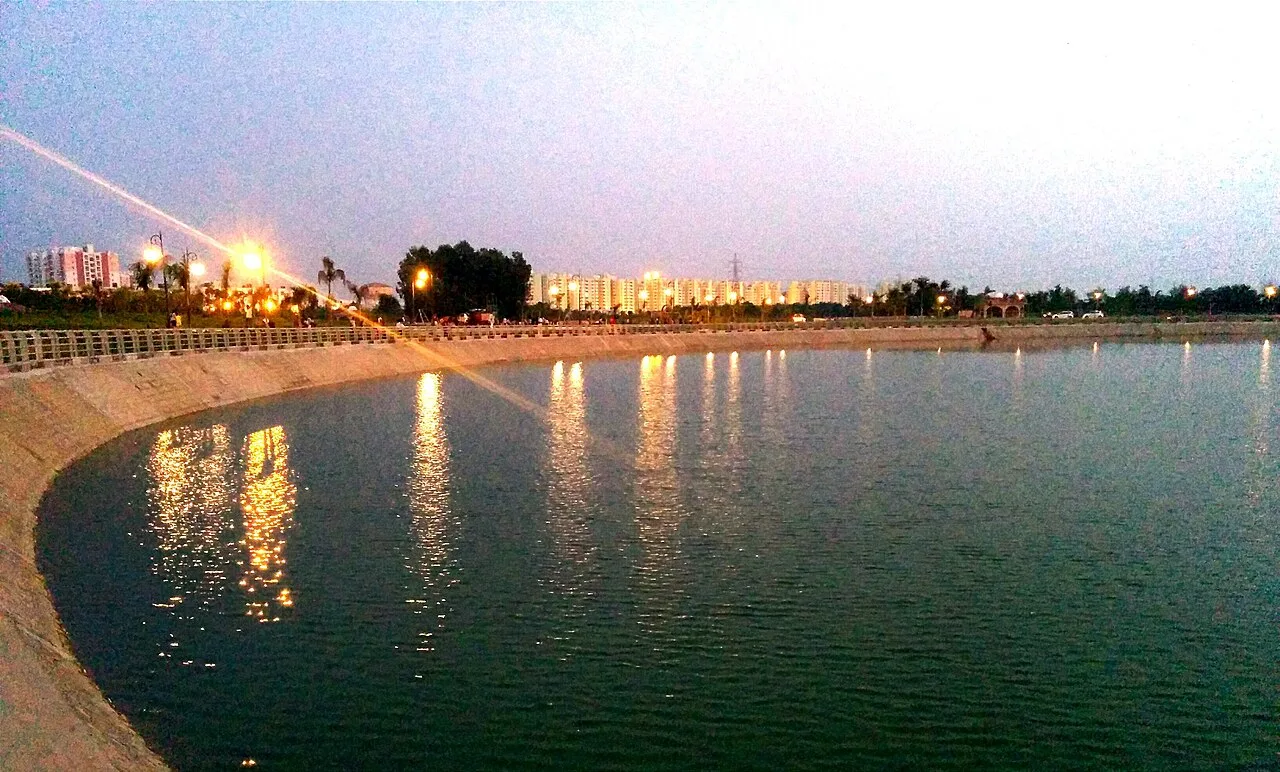
Located in Gomti Nagar, Lucknow, Janeshwar Mishra Park is a vast urban green space named for Samajwadi Party politician Janeshwar Mishra; visitors come to spend time in this city park.

Bara Imambara

103 km away · Lucknow district

Bara Imambara

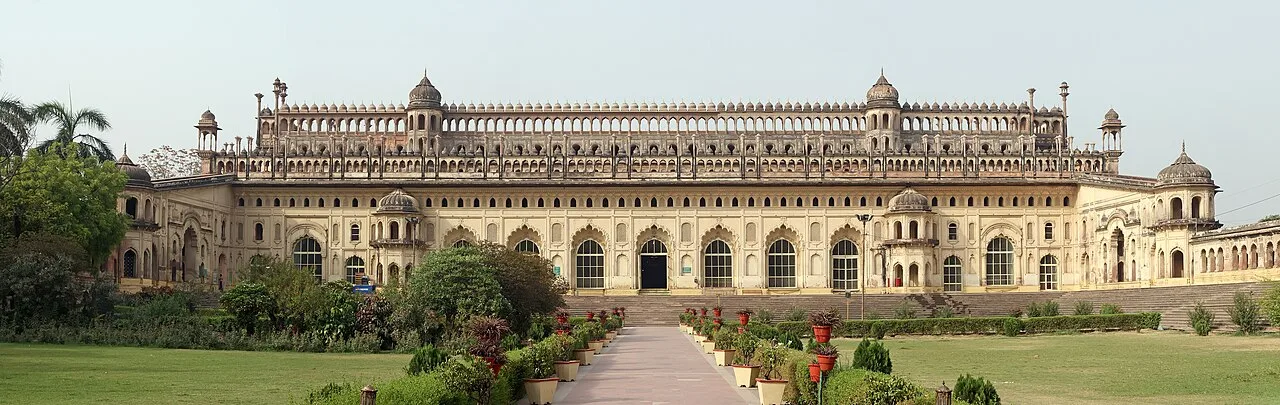
Bara Imambara, also known as the Asafi Imambara, is a religious complex in Lucknow. Visitors come to see its imambara and mosque and its status as a nationally important monument.

Hazratganj Market

103 km away · Lucknow district

Hazratganj Market

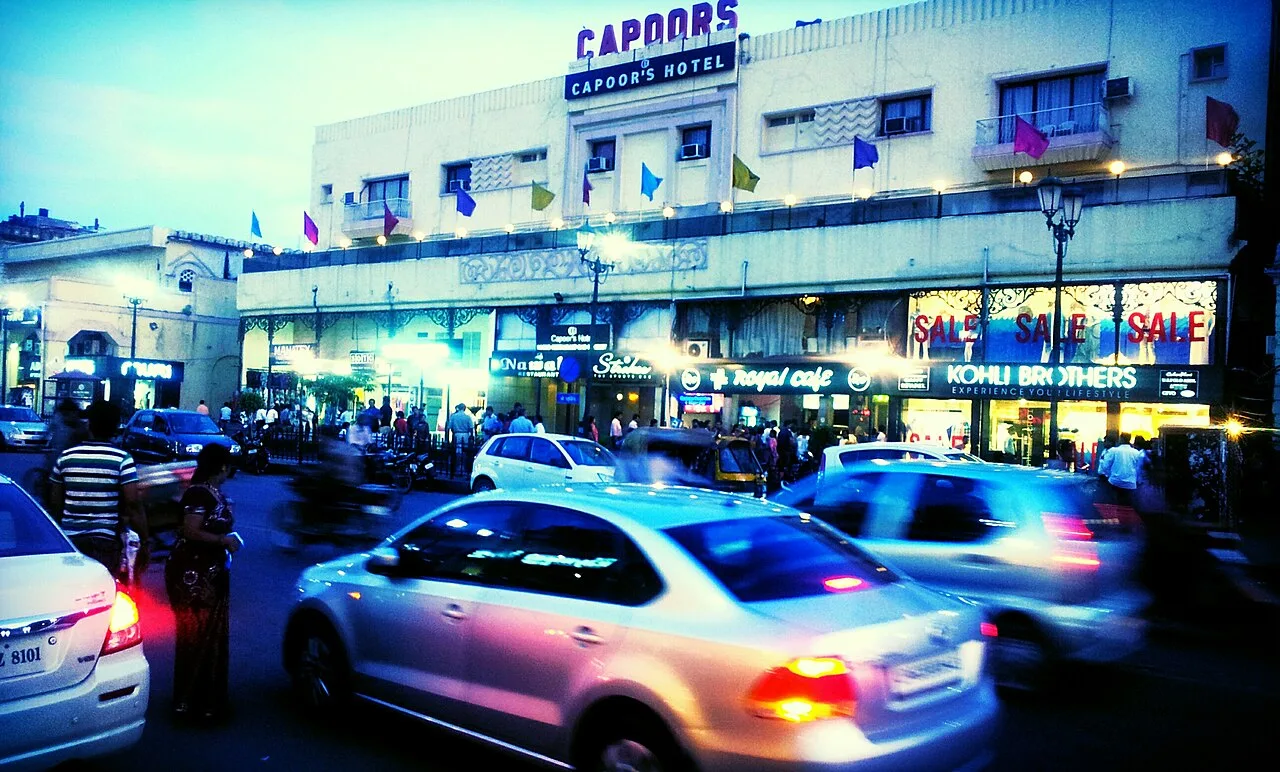
Hazratganj Market is a commercial and shopping area in Lucknow, Uttar Pradesh. Visitors come for its bazaars, retail and dining options, entertainment venues and access to the metro.

Husainabad Clock Tower

103 km away · Lucknow district

Husainabad Clock Tower

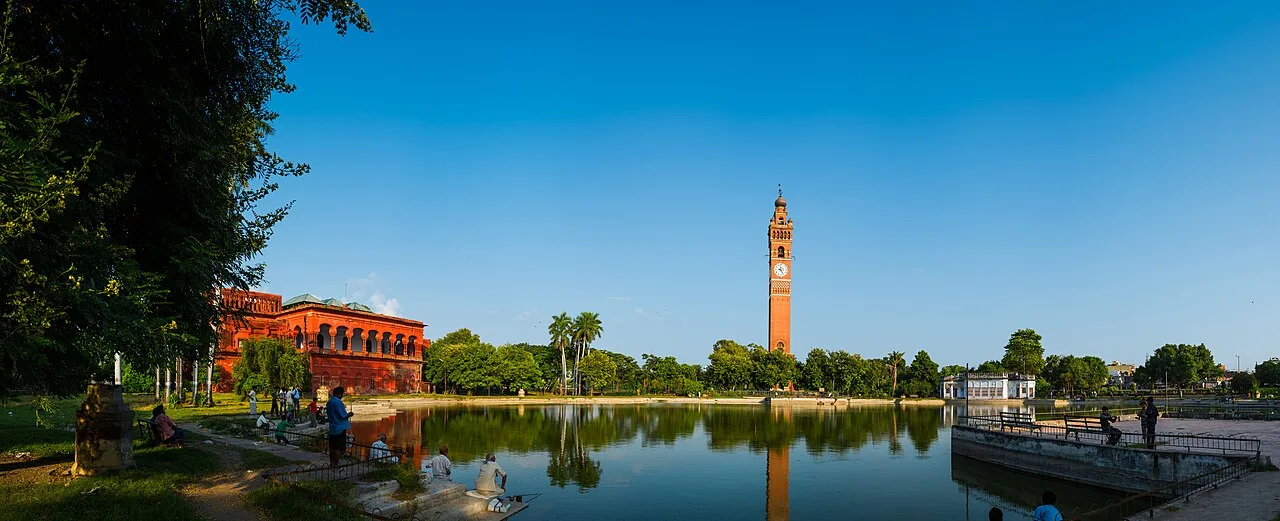
Husainabad Clock Tower is a historic structure in Lucknow, Uttar Pradesh, built to commemorate an official’s arrival. Visitors come to see its combination of Mughal and Victorian architectural features.

Map

Bahraich on the map

  1. 1Jetavana
  2. 2Shravasti Buddhist Site
  3. 3Katarniaghat Wildlife Sanctuary
  4. 4Ambedkar Memorial Park
  5. 5Janeshwar Mishra Park
  6. 6Bara Imambara
  7. 7Hazratganj Market
  8. 8Husainabad Clock Tower

Uttar Pradesh

Other cities to explore