Ghumoopedia — Explore, Discover, Experience
Sign in
Buland Darwaza, near Kheragarh

City guide · Uttar Pradesh

Kheragarh

Kheragarh is a small town and nagar panchayat in Agra district, about 40 kilometres from Agra. Its importance is primarily local: it serves residents of the surrounding countryside with civic administration, shops and everyday services.

Famous for

  • Town in Agra district
  • Nagar panchayat centre
  • Proximity to Agra

Why Kheragarh matters

Kheragarh is a small town and nagar panchayat in Agra district, about 40 kilometres from Agra. Its importance is primarily local: it serves residents of the surrounding countryside with civic administration, shops and everyday services. For visitors, its location offers a quieter stop beyond Agra’s major tourist circuit and a chance to see a smaller settlement in the district.

Kheragarh is not widely associated with a nationally recognised monument, signature craft or major visitor attraction, so it is best approached as a local town rather than a destination with a formal sightseeing circuit. Travellers may find it useful as a base or brief stop while exploring the wider region, but should look to Agra for prominent heritage sites, larger museums and well-established tourist services. The town’s best-known distinguishing features are its administrative role and its connection to Agra district.
Famous for: crafts, trade & products

There is no widely documented textile, saree tradition, handicraft, GI-tagged product or signature food product specifically associated with Kheragarh. The town is better understood as a local service and trading centre for nearby villages. Everyday provisions and locally made goods are most likely to be found in its general bazaar and neighbourhood shops; specialist shopping and a broader choice of regional products are available in Agra.

Agriculture is important across the surrounding countryside, and local shops serve routine household and farm-related needs. However, particular crops, industries or market specialities should not be treated as defining products of Kheragarh without local confirmation. Visitors seeking Agra’s better-known crafts, souvenirs or specialist markets can make the journey to the city rather than expect a concentrated tourist-shopping district here. Kheragarh’s civic institutions and shops primarily meet local needs, rather than functioning as visitor attractions.

History

Kheragarh’s documented profile is chiefly that of a town and nagar panchayat in Agra district. A detailed, widely established chronology of the settlement—covering its founding, named rulers or landmark events—is not readily available, so specific origin stories should be treated cautiously.

The wider district has long been shaped by Agra’s importance as a regional centre. Agra’s Mughal-era monuments and later colonial administration influenced the history of the district, but that broader story does not by itself establish particular events or buildings in Kheragarh. During the modern period, Kheragarh has functioned as a local administrative and service centre for nearby communities. Its present identity is therefore more closely tied to municipal governance and everyday regional connections than to a prominent royal or colonial heritage site.

Food, festivals & culture

Daily life in Kheragarh reflects the customs of the Agra district and its rural surroundings. Hindi is widely used, and Braj-influenced speech may be heard in the wider region. Home cooking and local eateries generally follow familiar western Uttar Pradesh and north Indian tastes, including breads, lentils, vegetables and seasonal dishes. Agra is the better-known destination for regional food specialities and sweets; no particular dish is uniquely established as Kheragarh’s signature.

Hindu festivals such as Holi, Diwali and Navratri are commonly observed in the region, with their dates varying by the lunar calendar; Eid is also celebrated by Muslim communities. Worship is centred on neighbourhood temples and mosques, alongside family and community observances. Religious gatherings and seasonal celebrations provide opportunities for devotional singing and local music. There is no widely documented Kheragarh-specific dance or performance tradition that defines the town for visitors.

Visiting the city

The cooler months, broadly from October to March, are usually more comfortable for travel in this part of Uttar Pradesh; summers can be very hot, while monsoon weather may affect road journeys. Agra Airport is the nearest airport, and Agra Cantt is the main railway station most useful for reaching the area. From Agra, Kheragarh can be reached by road; local taxis and other regional transport can help with the onward journey.

Within town, walking or locally available short-distance transport is practical for everyday areas. The bazaar and civic centre offer a sense of local life, though Kheragarh does not have a formal visitor district or widely recognised sightseeing route. For major heritage attractions, museums and broader dining choices, plan time in Agra. Check current transport connections locally before setting out.

Trips from the city

Nearest places to visit from Kheragarh

Our closest destination guides, by straight-line distance.

Buland Darwaza

23 km away · Agra district

Buland Darwaza

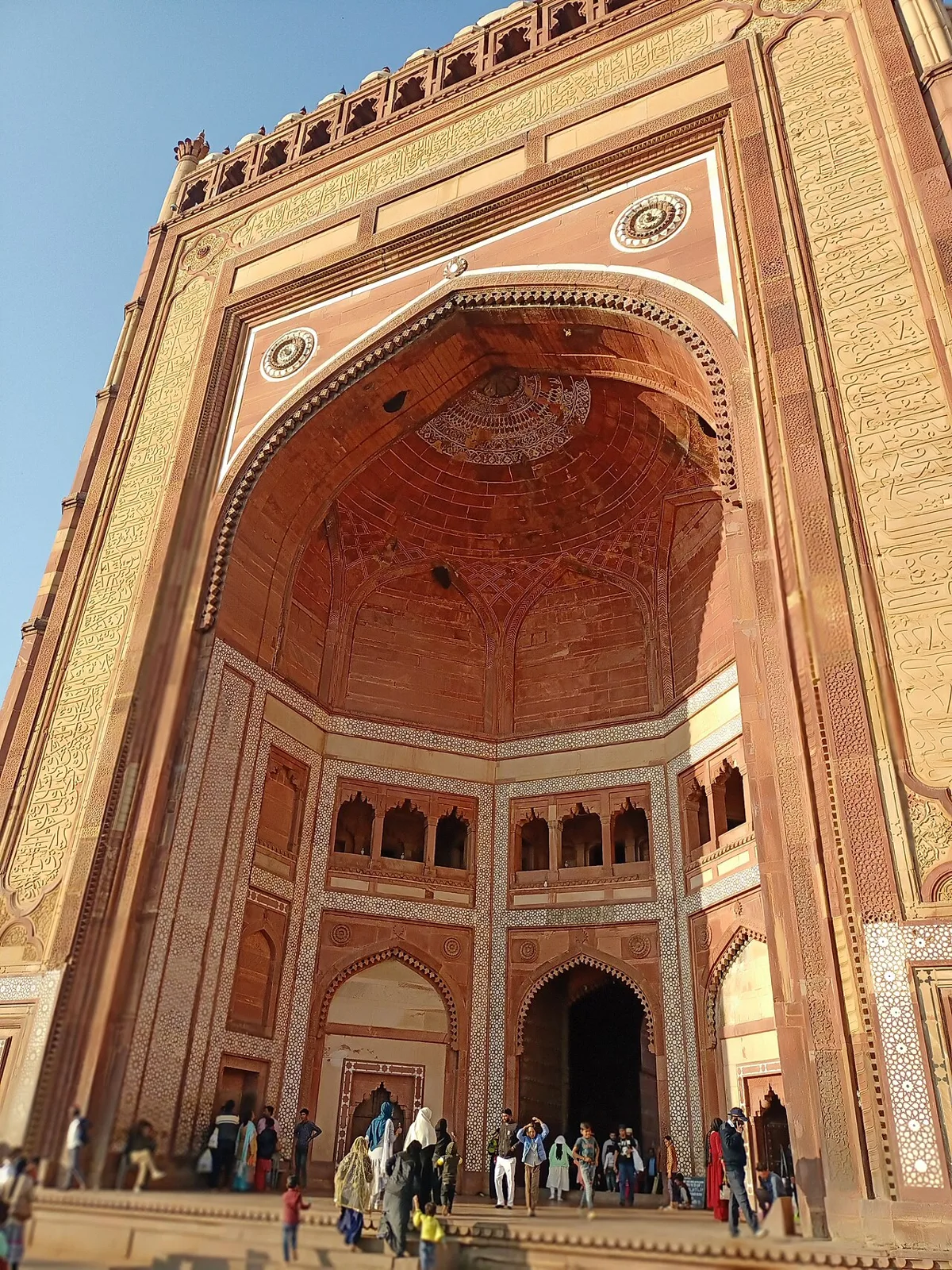
Buland Darwaza is a Mughal gateway at Fatehpur Sikri, raised under Akbar to mark his victory in Gujarat. Visitors see its architectural scale and its place at the entrance to the Jama Masjid.

Fatehpur Sikri

23 km away · Agra district

Fatehpur Sikri

Fatehpur Sikri is a town in Uttar Pradesh’s Agra district, known for its short-lived role as Akbar’s Mughal capital. Visitors come to see its historic palace complex and religious buildings.

Panch Mahal, Fatehpur Sikri

23 km away · Agra district

Panch Mahal, Fatehpur Sikri

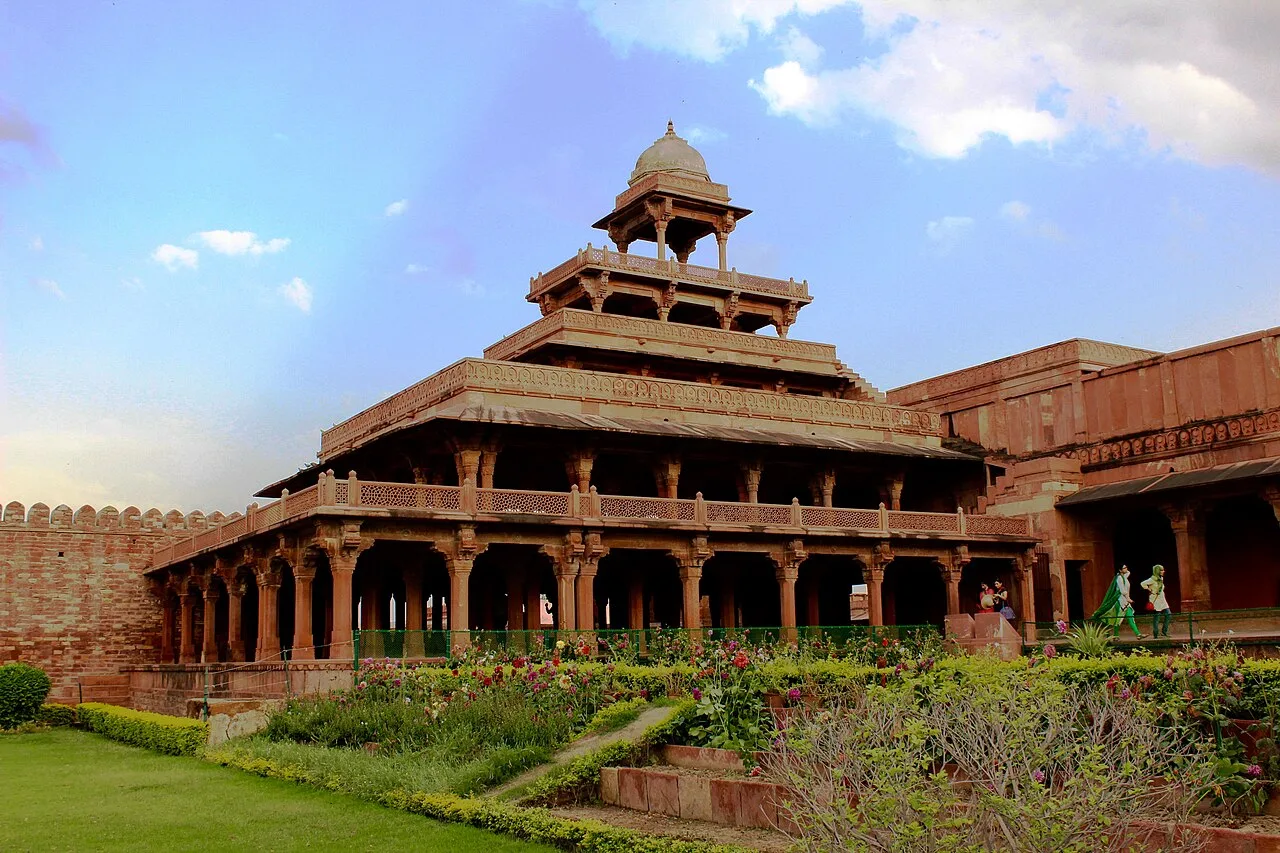
Panch Mahal is a five-level palace at Fatehpur Sikri, commissioned by Akbar. Visitors see its tiered, carved architecture and learn about its possible role in royal recreation beside the Anoop Talab.

Tomb of Salim Chishti

23 km away · Agra district

Tomb of Salim Chishti

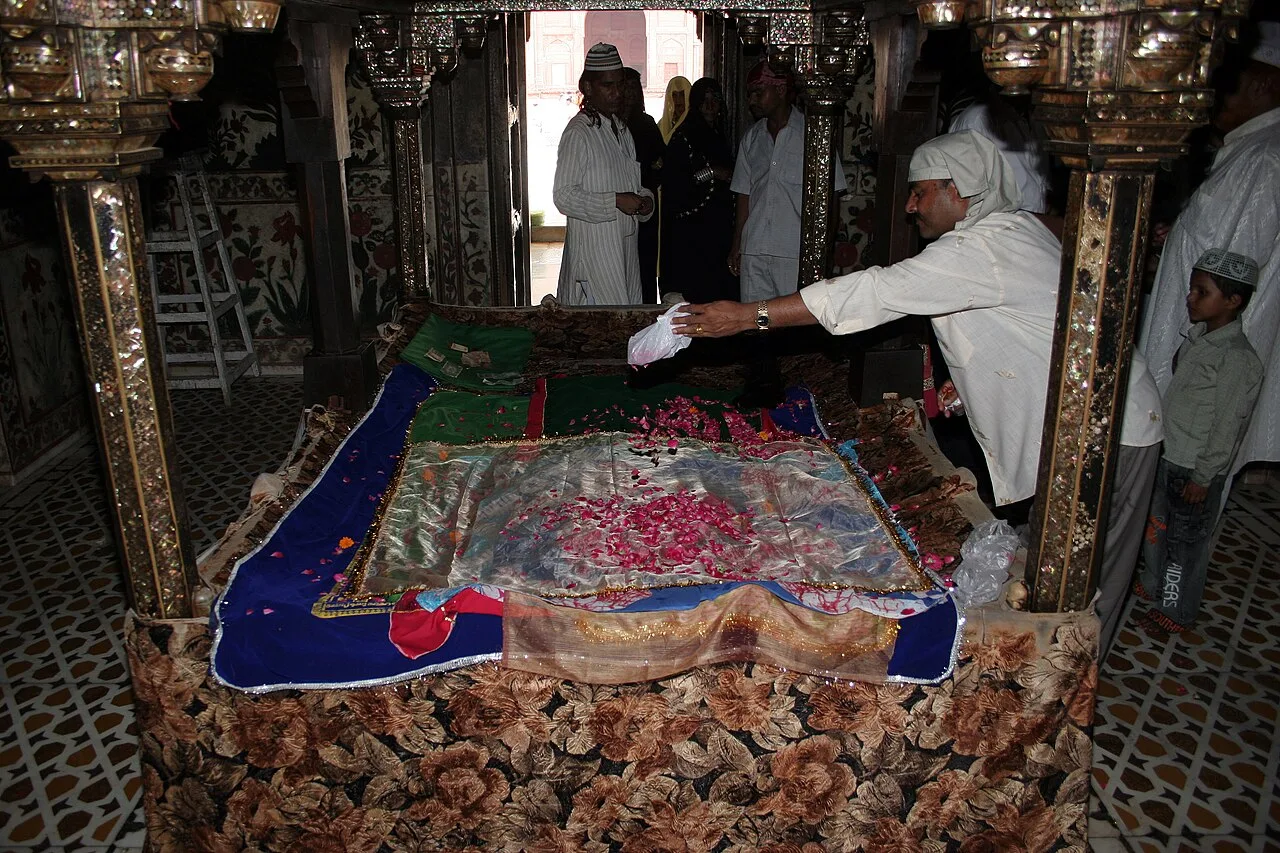
This mausoleum in Fatehpur Sikri honours Sufi saint Salim Chishti. Visitors come to see its Mughal architecture and the shrine linked to Akbar’s prophecy of an heir.

Agra Fort

33 km away · Agra district

Agra Fort

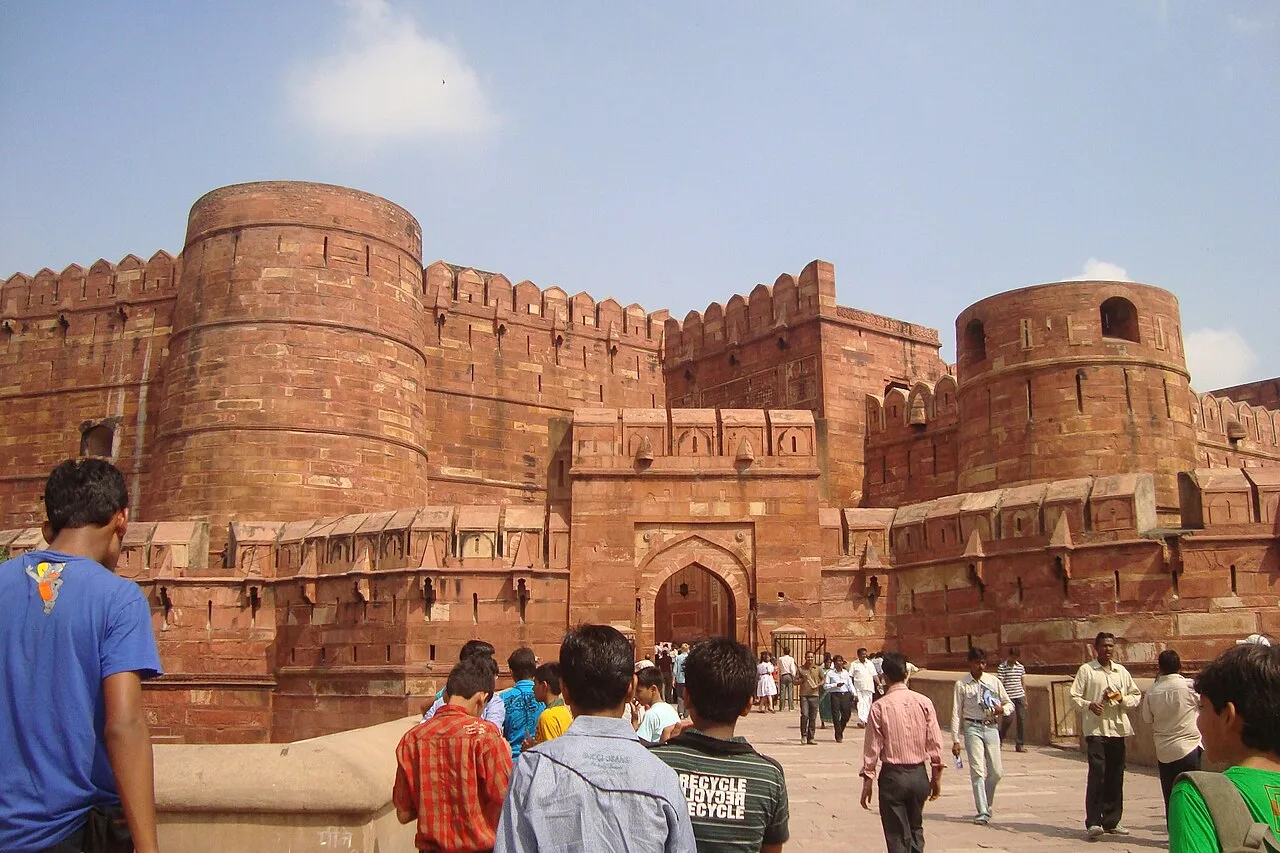
Agra Fort is a major Mughal-era stronghold in Agra, rebuilt by Akbar and later expanded by Shah Jahan. Visitors come to see its palaces, mosques and historic gateways.

Akbar's tomb

33 km away · Agra district

Akbar's tomb

The burial monument of Mughal ruler Akbar, this Agra site is visited for its historic association and buildings that combine red sandstone construction with white marble details.

33 km away · Agra district

Guru ka Taal Gurdwara

Guru ka Taal Gurdwara, near Sikandra in Agra, is a Sikh pilgrimage site honouring the ninth Guru, Tegh Bahadur. People visit to remember his martyrdom and the defence of religious freedom.

Jama Masjid, Agra

33 km away · Agra district

Jama Masjid, Agra

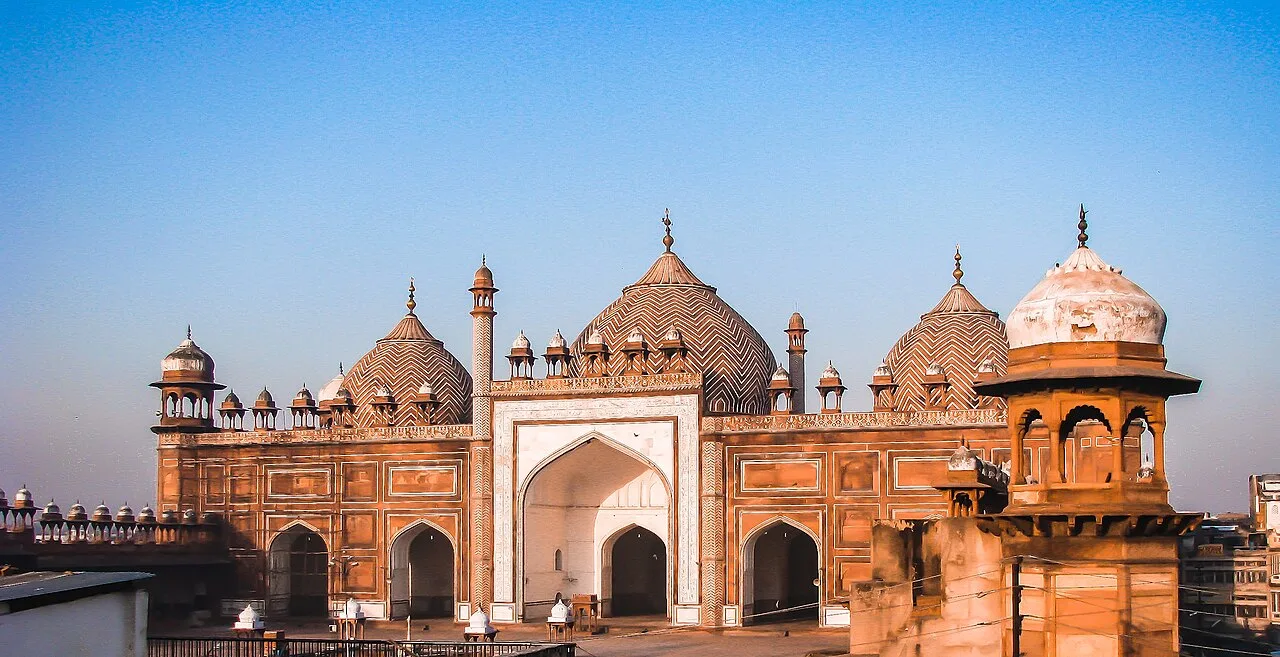
Jama Masjid is a seventeenth-century mosque in Agra, built by Jahanara Begum during Shah Jahan’s reign. Visitors come to see the city’s principal mosque, situated near Agra Fort.

Map

Kheragarh on the map

  1. 1Buland Darwaza
  2. 2Fatehpur Sikri
  3. 3Panch Mahal, Fatehpur Sikri
  4. 4Tomb of Salim Chishti
  5. 5Agra Fort
  6. 6Akbar's tomb
  7. 7Guru ka Taal Gurdwara
  8. 8Jama Masjid, Agra

Uttar Pradesh

Other cities to explore