Ghumoopedia — Explore, Discover, Experience
Sign in
Chini Ka Rauza, near Jalesar

City guide · Uttar Pradesh

Jalesar

Jalesar is a municipal town in Etah district, western Uttar Pradesh. Its importance comes from its role as a local trading and service centre, its road links with nearby towns, and its distinctive metalworking tradition.

Famous for

  • Jalesar metal craft
  • Brass bells and ghungroos
  • Traditional metalworking workshops
  • Awagarh Fort nearby

Why Jalesar matters

Jalesar is a municipal town in Etah district, western Uttar Pradesh. Its importance comes from its role as a local trading and service centre, its road links with nearby towns, and its distinctive metalworking tradition. The town is especially associated with brass and other metal products, including bells and ghungroos, and offers visitors a chance to see a craft that remains part of everyday local enterprise.

Jalesar also makes a useful stop for exploring the surrounding area. It lies on National Highway 321G and is connected by road with Agra, Hathras, Aligarh, Etah and Firozabad. Awagarh Fort, about 15 kilometres away, is a nearby excursion for travellers interested in local history. Jalesar’s past is recorded in the Ain-i-Akbari, which described it as a revenue mahal under the Mughal administration of Agra. Today, its appeal is less about large visitor attractions than the combination of working craft traditions, regional connections and a glimpse of life in a smaller Uttar Pradesh town.
Famous for: crafts, trade & products

Jalesar is best known for its metal craft, particularly brass bells, ghungroos and related objects. The craft is recognised as Jalesar Dhatu Shilp, a Geographical Indication-tagged tradition. Local artisans make products in workshops and small manufacturing units, where metal is shaped, finished and tuned for different uses. The sound and finish of bells can vary according to their size and purpose, making the craft as much about skilled workmanship as about producing a decorative object.

To look for this work, explore the town’s market streets and ask locally for metalware workshops or makers; production is not confined to a single visitor-focused craft complex. Shops and makers may offer bells, small decorative pieces and other metal goods, though stock and availability vary. Jalesar is not widely identified with a major textile or saree tradition, and visitors should not assume that every metal product is handmade or locally produced. If buying directly from an artisan, ask about the material, finish and intended use. The craft is the town’s clearest link between local livelihoods and its identity beyond the Etah district.

History

Jalesar appears in the Ain-i-Akbari, compiled around 1595, as a mahal within the Mughal-era sarkar of Agra. The record assigned it an assessed revenue of 6,835,400 dams and listed a military obligation of 5,000 infantry and 400 cavalry. These figures place the settlement within the revenue and administrative networks of the Mughal Empire, though they do not by themselves describe the town’s size or everyday life.

Jalesar later formed part of the changing political and administrative landscape of northern India under British rule. Detailed accounts of its local colonial-era development are limited, so its history is most clearly traced through its regional role and surviving craft traditions rather than through claims of major courtly or imperial events. In modern Uttar Pradesh, it developed as a municipal town and local market centre in Etah district. Road links and rail connections have strengthened its relationship with nearby towns, while metalworking remains an important part of its contemporary identity. Awagarh Fort, a short drive away, offers another point of interest in the area’s history.

Food, festivals & culture

Jalesar shares the food traditions of western Uttar Pradesh and the wider Braj region. Everyday meals commonly feature wheat breads, lentils, seasonal vegetables and familiar North Indian snacks such as kachori or samosa. Tea and locally available sweets are easy to find in market areas, but Jalesar is not especially known for a single signature dish. Visitors looking for a particular speciality should ask residents or shopkeepers what is freshly made.

Hindi is widely used, and Braj Bhasha is also heard in the region. Hindu festivals such as Holi, usually celebrated in spring, and Diwali in autumn are important in the local calendar; Dussehra and Navratri are also observed. Muslim residents mark occasions including Eid, with dates following the lunar calendar. Worship takes place at neighbourhood temples and mosques. Devotional singing and bhajans are part of the broader regional culture, while the ringing of metal bells and ghungroos reflects Jalesar’s craft identity. Festival activity and religious observances are often centred on local places of worship and family gatherings.

Visiting the city

The cooler months, roughly October to March, are generally the most comfortable time to visit. The nearest airport is Agra Airport, also known as Kheria Airport; check current flight availability before planning around it. Jalesar Road railway station serves the town, with rail links towards nearby centres including Tundla and Etah. The town is connected by road with Agra, Awagarh, Etah, Hathras, Aligarh and Firozabad.

Auto-rickshaws and local road transport are practical for getting around, while a car or taxi is useful for visiting Awagarh Fort, about 15 kilometres away. In Jalesar, explore the market streets and metalworking areas to look for local craft shops and workshops. The central bazaar is also a convenient place to sample everyday snacks and observe the town’s daily rhythm. Road conditions and transport options can vary, so allow flexibility for onward travel.

Trips from the city

Nearest places to visit from Jalesar

Our closest destination guides, by straight-line distance.

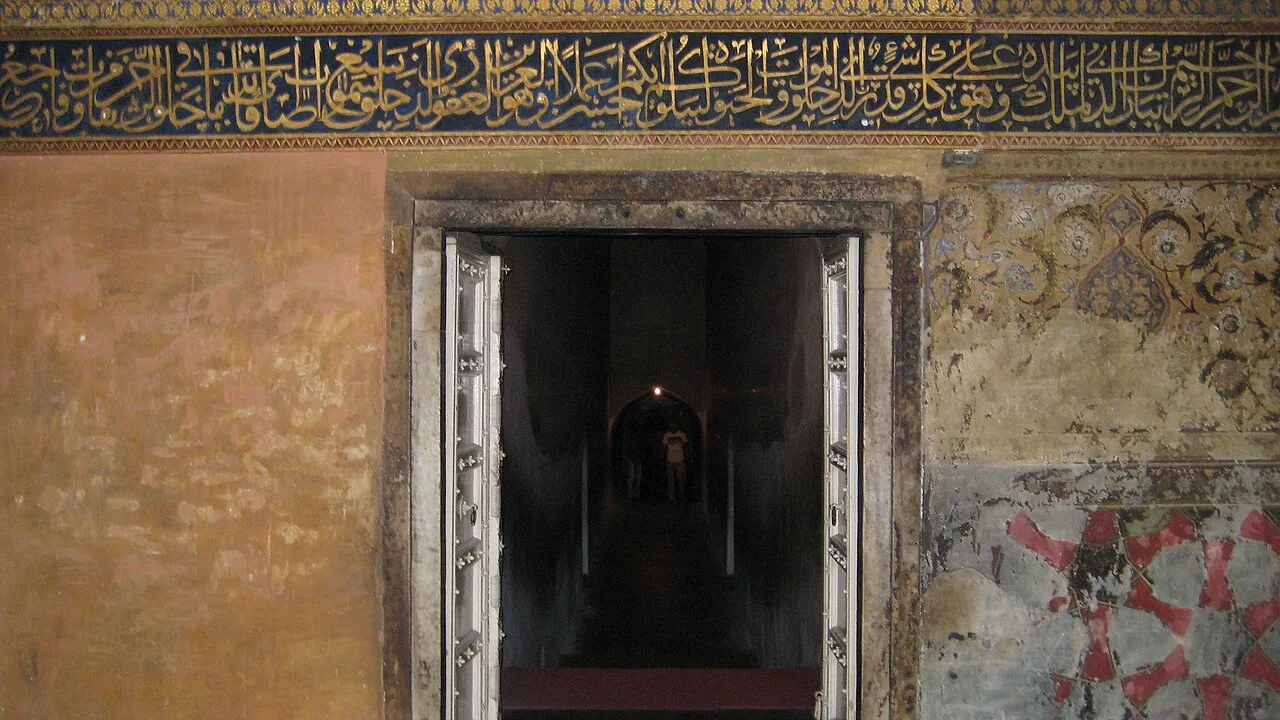
Chini Ka Rauza

40 km away · Agra district

Chini Ka Rauza

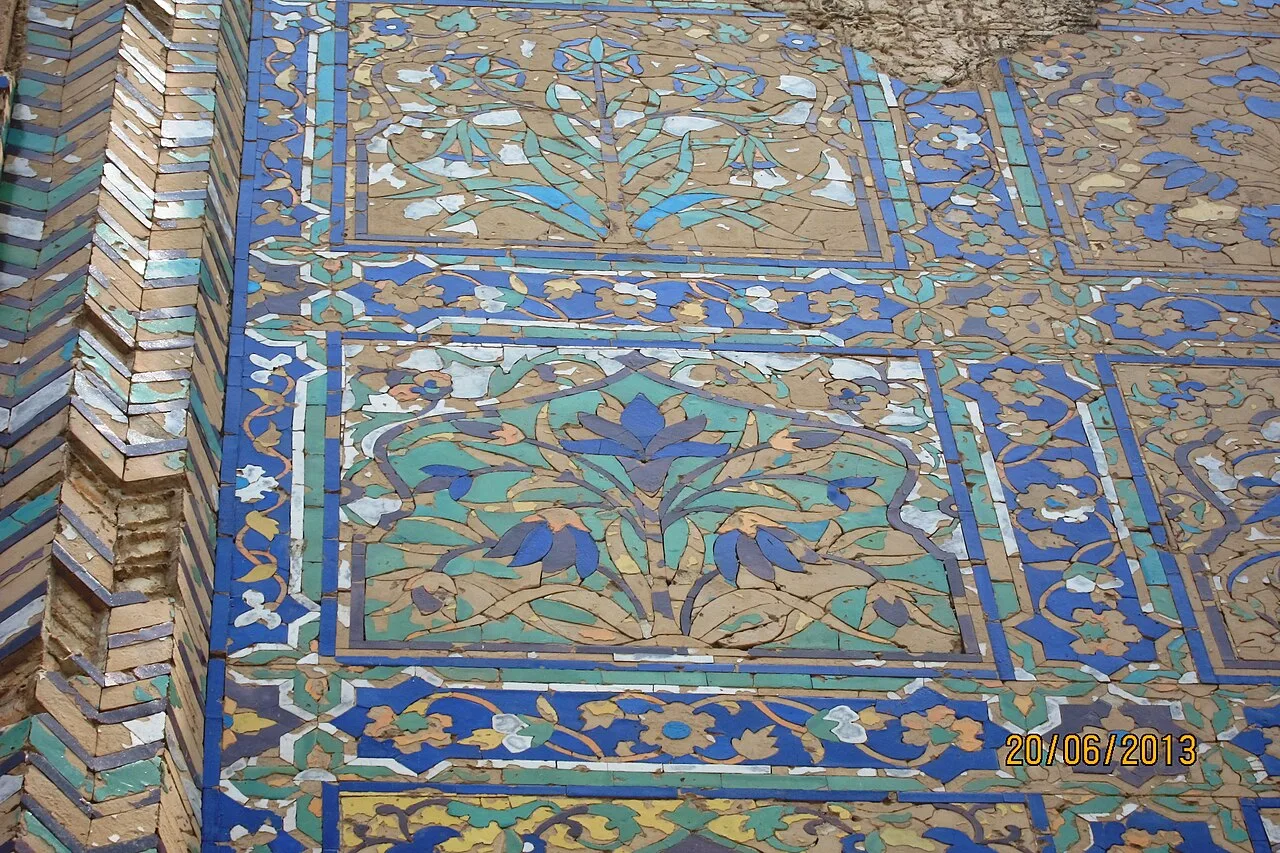
Chini Ka Rauza is a funerary monument in Agra, built in 1635 for Afzal Khan Shirazi, a scholar, poet and Shah Jahan’s grand vizier. Visitors come to see its glazed tiles and learn about its history.

Itmad Ud Daulah

41 km away · Agra district

Itmad Ud Daulah

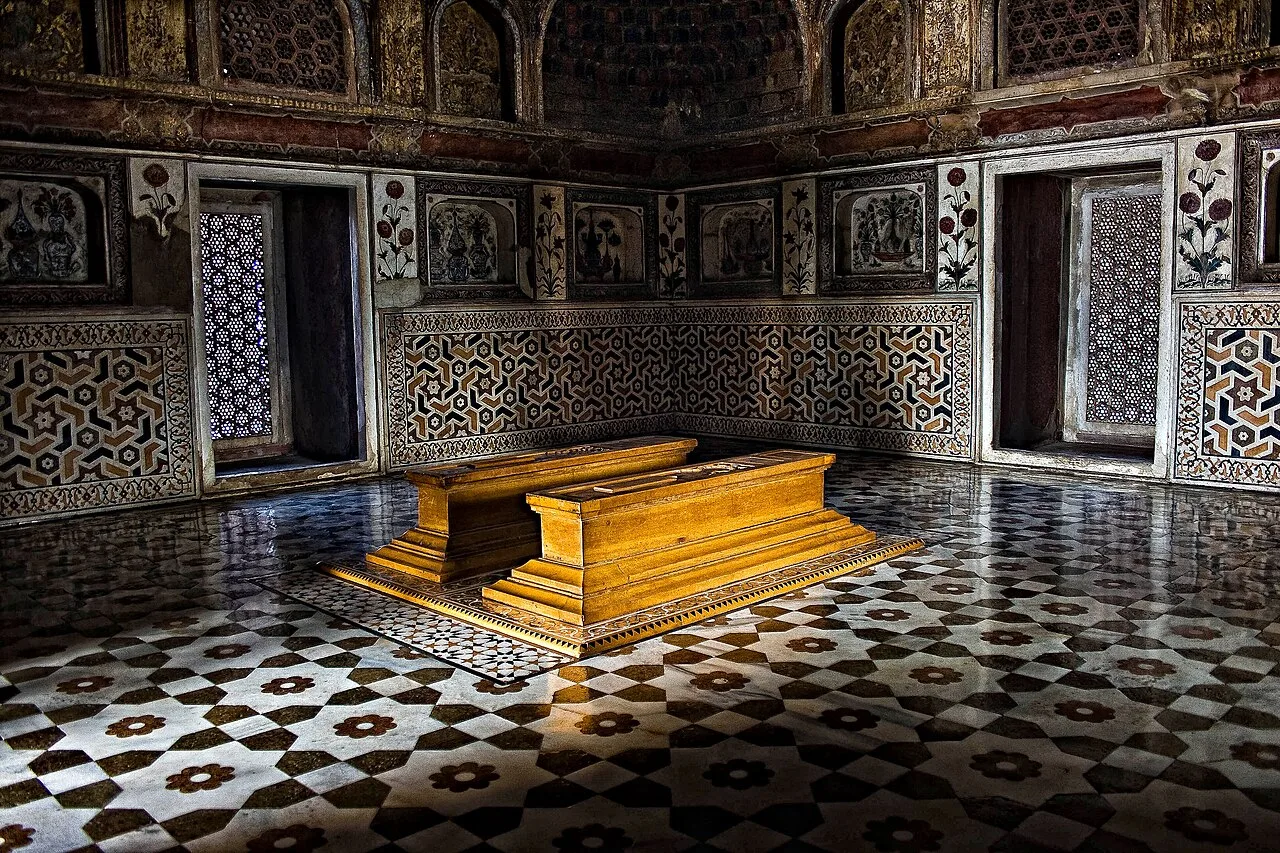
A Mughal marble mausoleum in Agra, Itmad Ud Daulah attracts visitors for its garden setting, intricate decoration and place in the evolution of Mughal architecture.

Mehtab Bagh

42 km away · Agra district

Mehtab Bagh

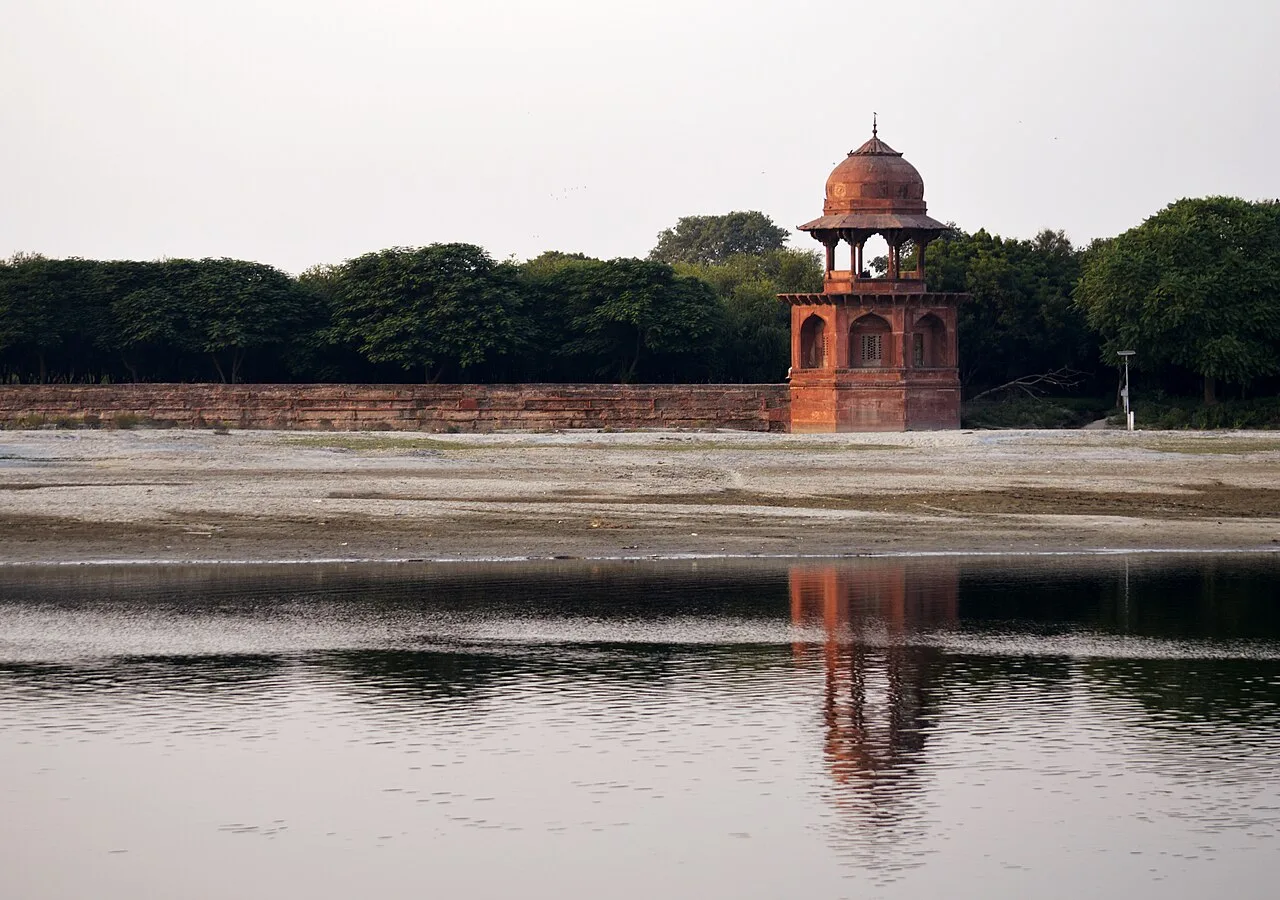
Mehtab Bagh is a square charbagh garden in Agra, Uttar Pradesh, across the Yamuna from the Taj Mahal. Visitors come to see its carefully aligned setting opposite the monument.

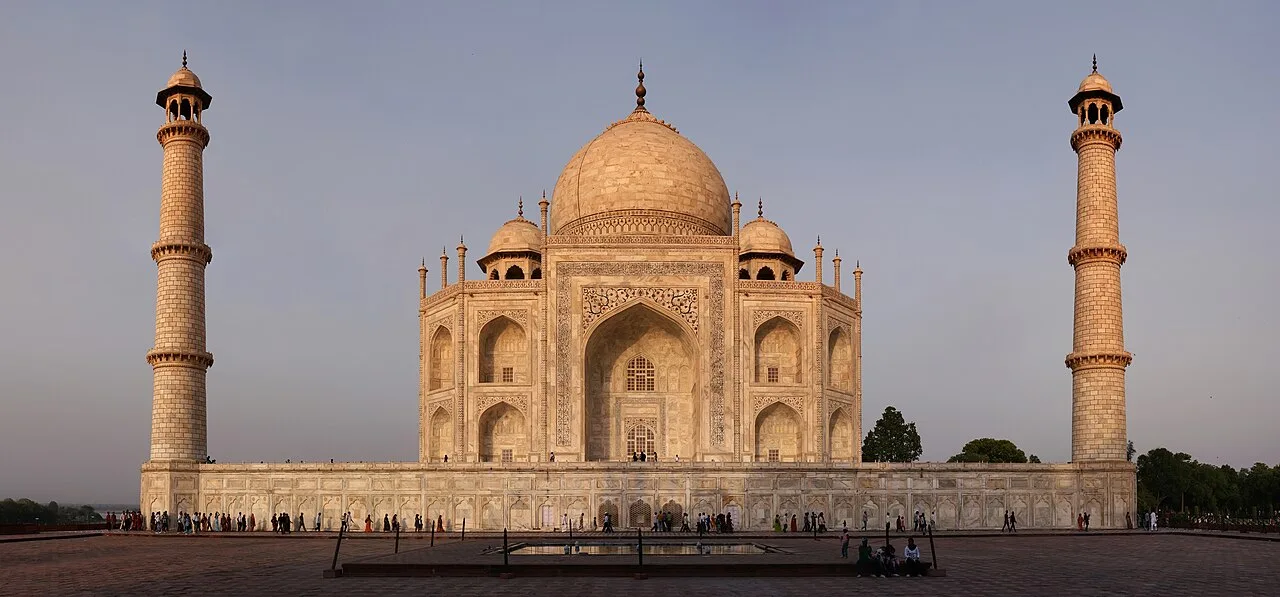
Taj Mahal

42 km away · Agra district

Taj Mahal

The Taj Mahal is a marble tomb complex in Agra, built for Mumtaz Mahal and Shah Jahan. Visitors come to see its Mughal architecture, gardens and memorials.

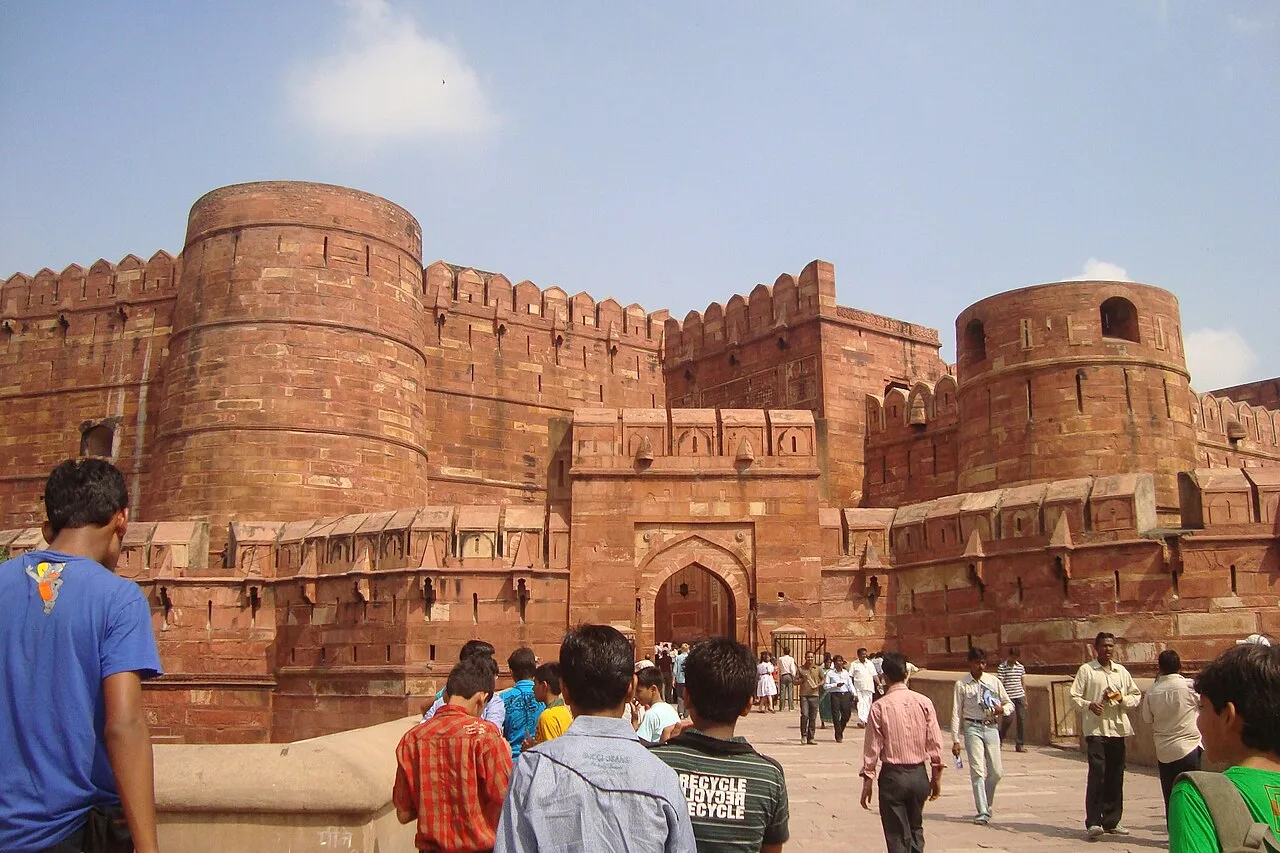
Agra Fort

43 km away · Agra district

Agra Fort

Agra Fort is a major Mughal-era stronghold in Agra, rebuilt by Akbar and later expanded by Shah Jahan. Visitors come to see its palaces, mosques and historic gateways.

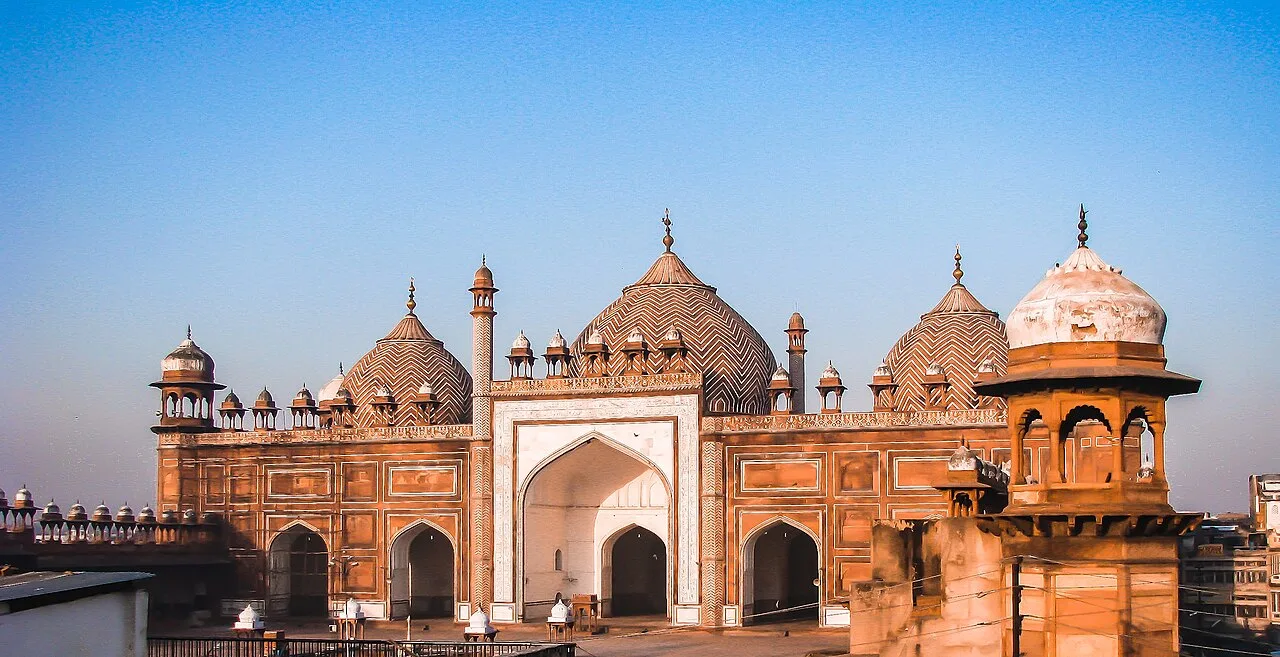
Jama Masjid, Agra

43 km away · Agra district

Jama Masjid, Agra

Jama Masjid is a seventeenth-century mosque in Agra, built by Jahanara Begum during Shah Jahan’s reign. Visitors come to see the city’s principal mosque, situated near Agra Fort.

44 km away · Agra district

Guru ka Taal Gurdwara

Guru ka Taal Gurdwara, near Sikandra in Agra, is a Sikh pilgrimage site honouring the ninth Guru, Tegh Bahadur. People visit to remember his martyrdom and the defence of religious freedom.

Akbar's tomb

45 km away · Agra district

Akbar's tomb

The burial monument of Mughal ruler Akbar, this Agra site is visited for its historic association and buildings that combine red sandstone construction with white marble details.

Map

Jalesar on the map

  1. 1Chini Ka Rauza
  2. 2Itmad Ud Daulah
  3. 3Mehtab Bagh
  4. 4Taj Mahal
  5. 5Agra Fort
  6. 6Jama Masjid, Agra
  7. 7Guru ka Taal Gurdwara
  8. 8Akbar's tomb

Uttar Pradesh

Other cities to explore