Ghumoopedia — Explore, Discover, Experience
Sign in

City guide · Uttar Pradesh

Ganj Dundawara

Ganj Dundawara, also written Ganj Dundwara, is a small town and municipal board in Patiyali tehsil of Kasganj district, in western Uttar Pradesh. Its name joins “Ganj”, meaning a market or trading centre, with Dundawara, the name of the original village.

Famous for

  • Local trading centre
  • Ganga-Yamuna Doab setting
  • Proximity to the Ganges

Why Ganj Dundawara matters

Ganj Dundawara, also written Ganj Dundwara, is a small town and municipal board in Patiyali tehsil of Kasganj district, in western Uttar Pradesh. Its name joins “Ganj”, meaning a market or trading centre, with Dundawara, the name of the original village. That market-town character remains central to its role: it serves residents of the surrounding countryside with everyday commerce and local services, while Kasganj is the district’s larger administrative and transport centre.

The town lies in the fertile Indo-Gangetic plain, within the Ganga-Yamuna Doab. The Ganges is about eight kilometres away, giving visitors a way to experience the river landscape alongside the quieter rhythms of a small North Indian town. Ganj Dundawara is not widely known for a major monument, specialist craft or destination attraction; its appeal is more local and everyday. Travellers passing through the Patiyali area can explore its market streets, see how a rural service centre functions and use it as a base for nearby countryside. Its hot summers and seasonal monsoon also shape the pace of daily life and the best time to visit.
Famous for: crafts, trade & products

Ganj Dundawara is best understood as a local market town rather than a centre for a nationally recognised craft or specialty product. Its name itself reflects its trading role: “Ganj” refers to a market or commercial centre, while Dundawara preserves the name of the original village. The town’s shops and market streets cater chiefly to daily needs and to nearby rural communities. Visitors can browse the central bazaar for ordinary household goods and provisions, but should not expect a dedicated textile district or a known line of town-made handicrafts.

No widely established Ganj Dundawara-specific GI-tagged product, signature saree, or major industrial speciality is known. It is better not to confuse products associated with other parts of Uttar Pradesh with local production here. For a broader choice of goods and services, visitors can look to Kasganj, the district headquarters, or other larger regional towns. In Ganj Dundawara, the most representative experience is the everyday bustle of a small-town market and its connection to the surrounding agricultural hinterland, rather than a specialist shopping destination.

History

Ganj Dundawara grew from the village of Dundawara into a market settlement; its name records that change, with “Ganj” signalling the role of a trading centre. Its position in the Ganga-Yamuna Doab, amid settled agricultural countryside and within reach of the Ganges, helped make a local centre useful for exchange and everyday services. The town’s history is therefore closely tied to the surrounding villages and their need for a market, rather than to a widely documented royal capital or monumental court.

During British rule, the area formed part of the changing administrative landscape of northern India. There is little well-established public record of a distinct sequence of rulers or major colonial-era events specific to Ganj Dundawara, so its development is best understood in the wider regional context of market towns and rural administration. In modern times it has continued as a municipal town in Patiyali tehsil. Kasganj became a separate district in 2008, placing Ganj Dundawara within the district’s present administrative framework. Local commerce and public services remain important to its role.

Food, festivals & culture

Daily life reflects the foodways of western Uttar Pradesh: wheat-based rotis and parathas, lentils, seasonal vegetables and familiar North Indian snacks are common. Tea stalls and sweet shops are part of the everyday market scene. There is no widely recognised signature dish or sweet unique to Ganj Dundawara, so visitors will generally encounter regional rather than town-specific specialities.

Hindi is widely used, and Urdu is also spoken; local speech has the flavour of the surrounding western Uttar Pradesh region. Hindu festivals such as Holi, Diwali and Navratri bring seasonal gatherings and worship, while Muslim residents observe occasions including Eid and Muharram. Their timing follows the lunar calendars, so dates vary each year. Temple and mosque life is part of the town’s neighbourhood fabric, though Ganj Dundawara is not known for a major pilgrimage complex or a distinct performance tradition. Music, devotional singing and family gatherings are most readily encountered around religious and community occasions rather than as staged visitor events.

Visiting the city

The most comfortable period to visit is generally October through March, when days are milder. Summers are very hot and can exceed 40°C; monsoon showers are common from late June through September. Ganj Dundawara has a local railway station. Kasganj Junction is the larger rail hub for connections in the district. Bareilly Airport is a nearby air option, but check current commercial services before planning; Agra Airport may also be considered depending on routes.

Within town, walking and local shared or hired vehicles are practical for short trips; arrange transport locally for the Ganges or nearby countryside. The central market is the most useful area to explore for everyday town life. Visitors can also spend time in residential streets and local places of worship, keeping in mind that these are community spaces rather than formal attractions. Kasganj offers a wider range of services and onward transport.

Trips from the city

Nearest places to visit from Ganj Dundawara

Our closest destination guides, by straight-line distance.

Bateshwar Temples, Agra

97 km away · Agra district

Bateshwar Temples, Agra

Bateshwar is a village in Uttar Pradesh’s Agra district, known as a spiritual centre for Hindus and Jains, with 101 Shiva temples and an annual fair.

Chini Ka Rauza

107 km away · Agra district

Chini Ka Rauza

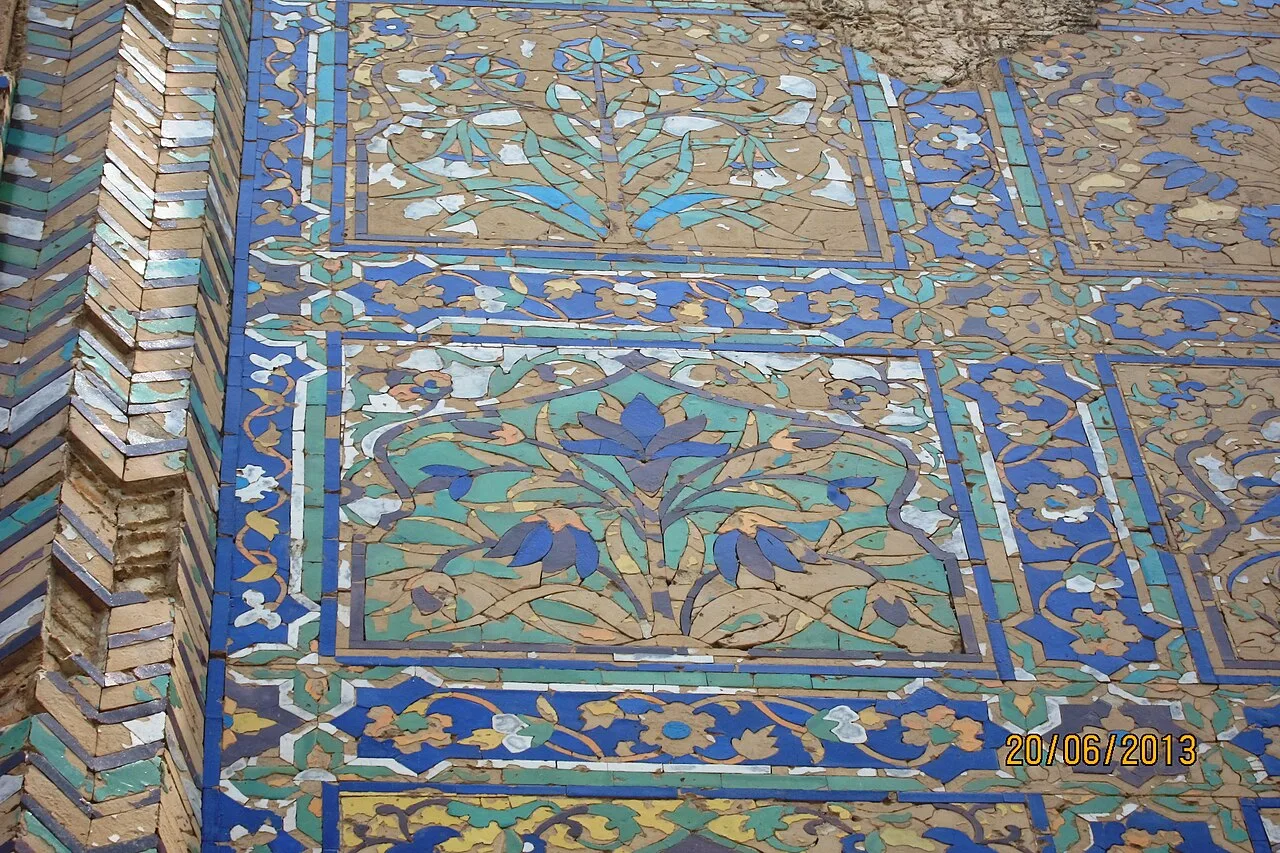
Chini Ka Rauza is a funerary monument in Agra, built in 1635 for Afzal Khan Shirazi, a scholar, poet and Shah Jahan’s grand vizier. Visitors come to see its glazed tiles and learn about its history.

Etawah Safari Park

108 km away · Etawah district

Etawah Safari Park

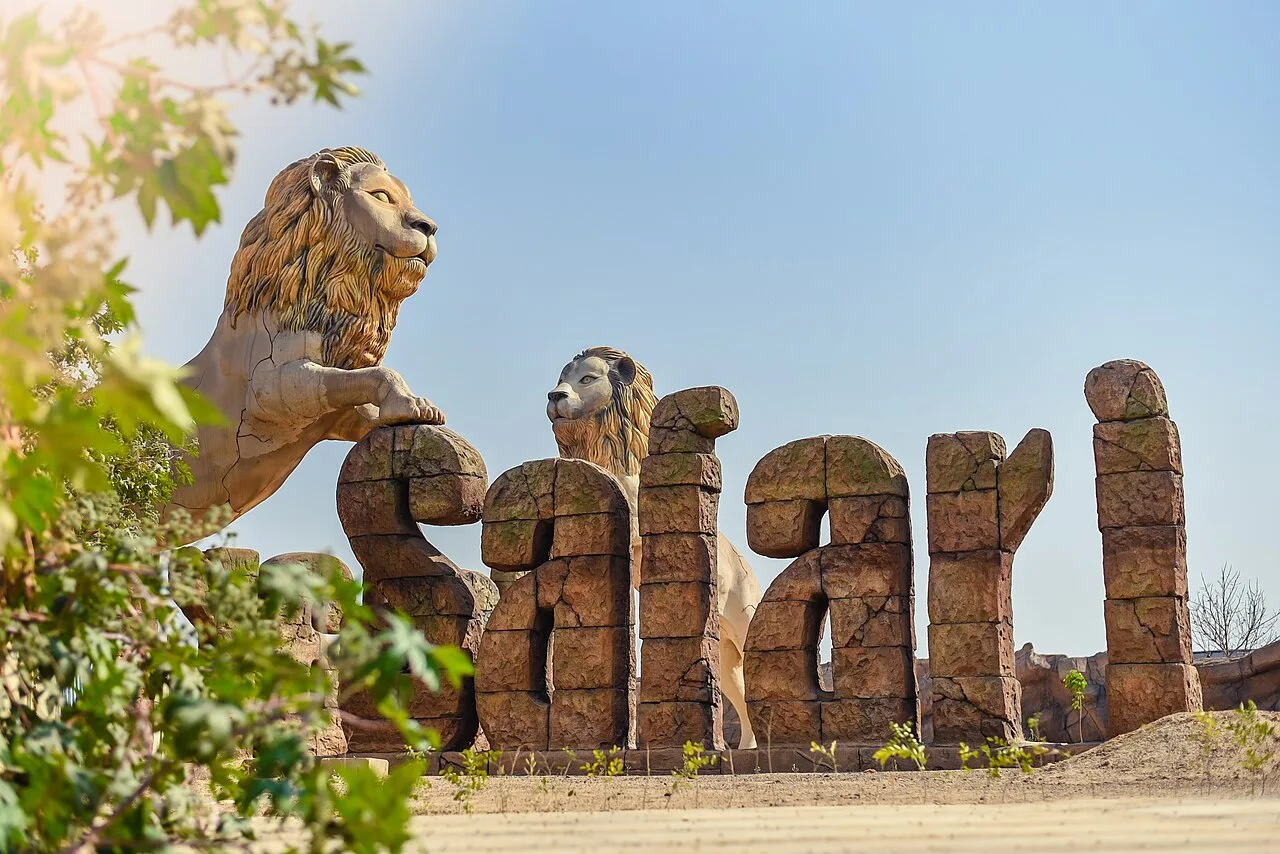
A wildlife attraction in Etawah district, Uttar Pradesh, the park draws visitors for its vehicle-based safari experiences, Asiatic lion breeding centre and visitor centre.

Itmad Ud Daulah

108 km away · Agra district

Itmad Ud Daulah

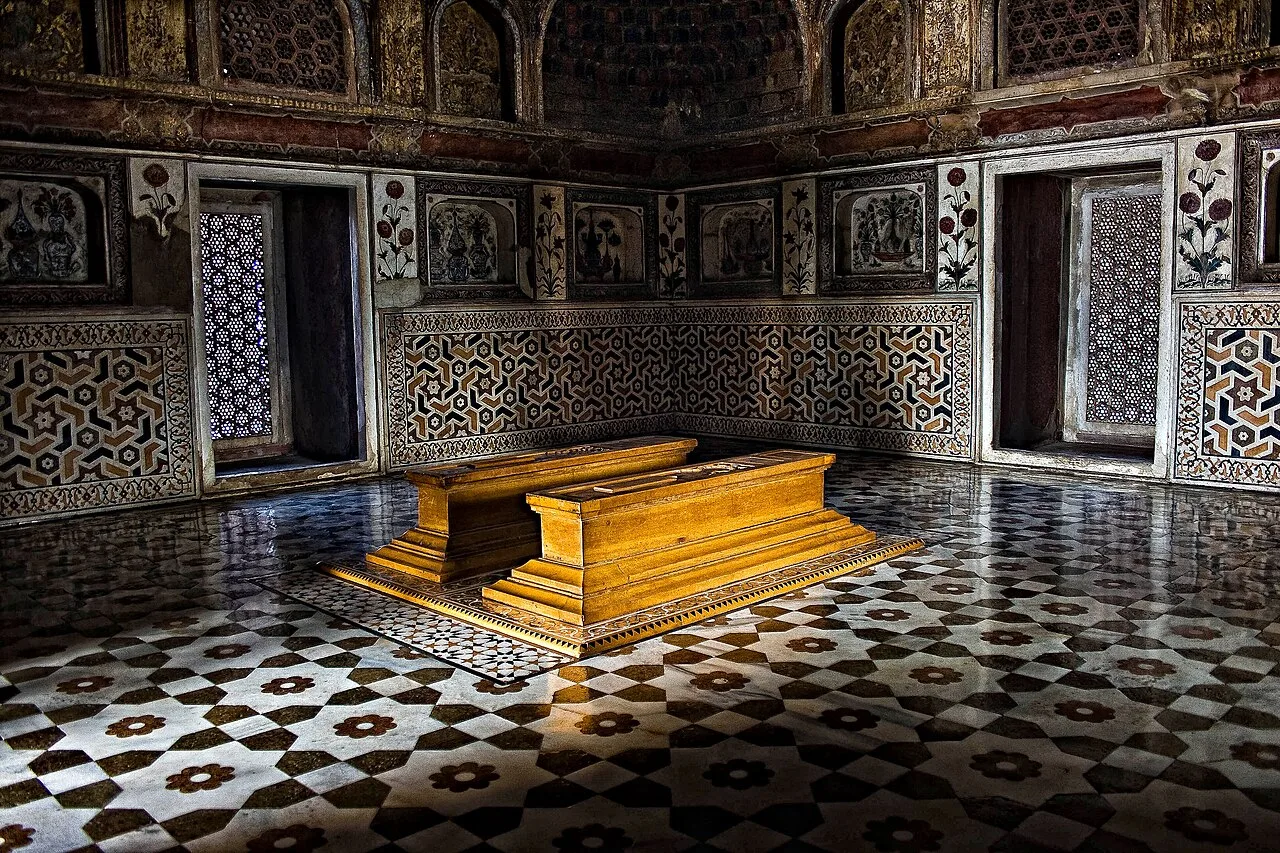
A Mughal marble mausoleum in Agra, Itmad Ud Daulah attracts visitors for its garden setting, intricate decoration and place in the evolution of Mughal architecture.

Mehtab Bagh

108 km away · Agra district

Mehtab Bagh

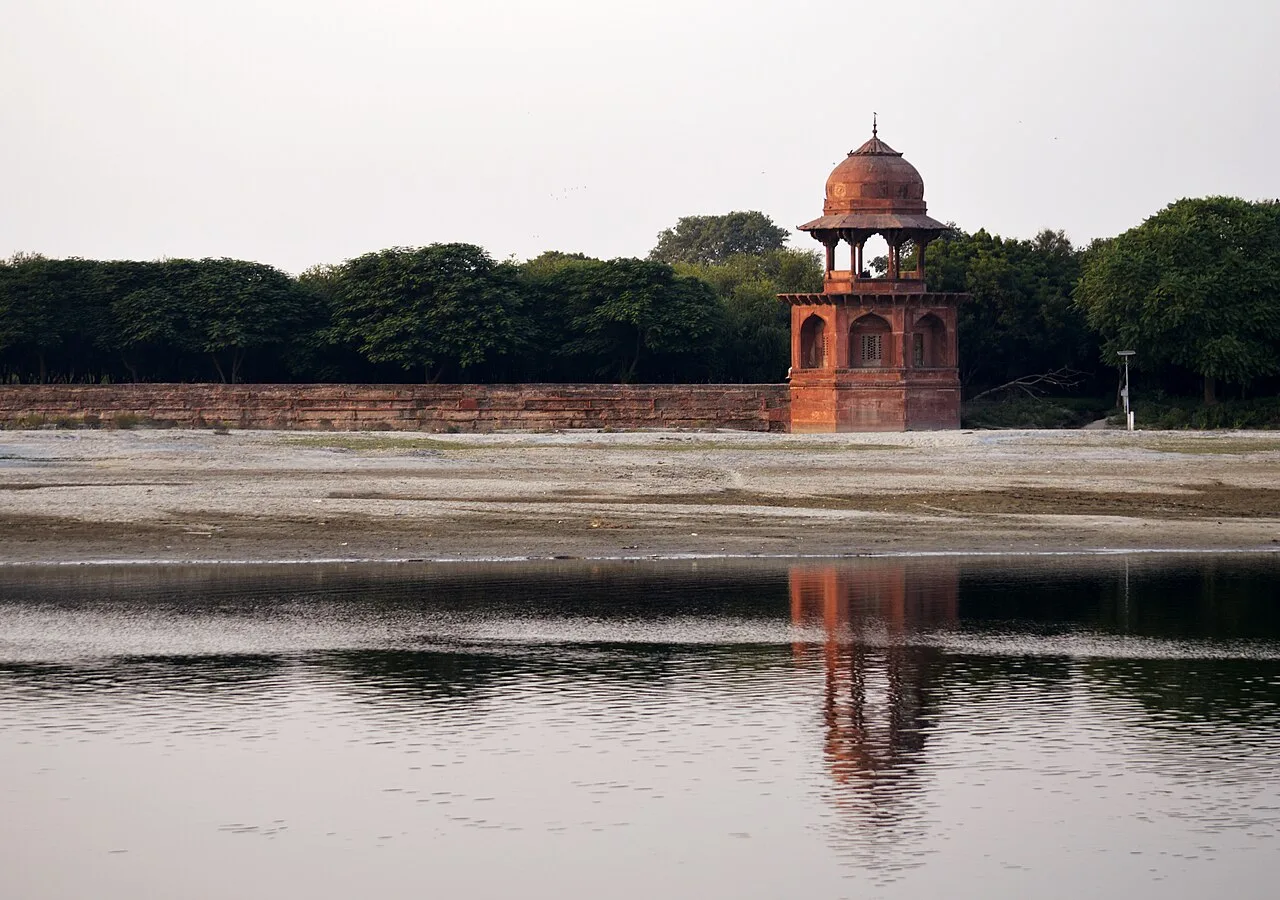
Mehtab Bagh is a square charbagh garden in Agra, Uttar Pradesh, across the Yamuna from the Taj Mahal. Visitors come to see its carefully aligned setting opposite the monument.

Taj Mahal

108 km away · Agra district

Taj Mahal

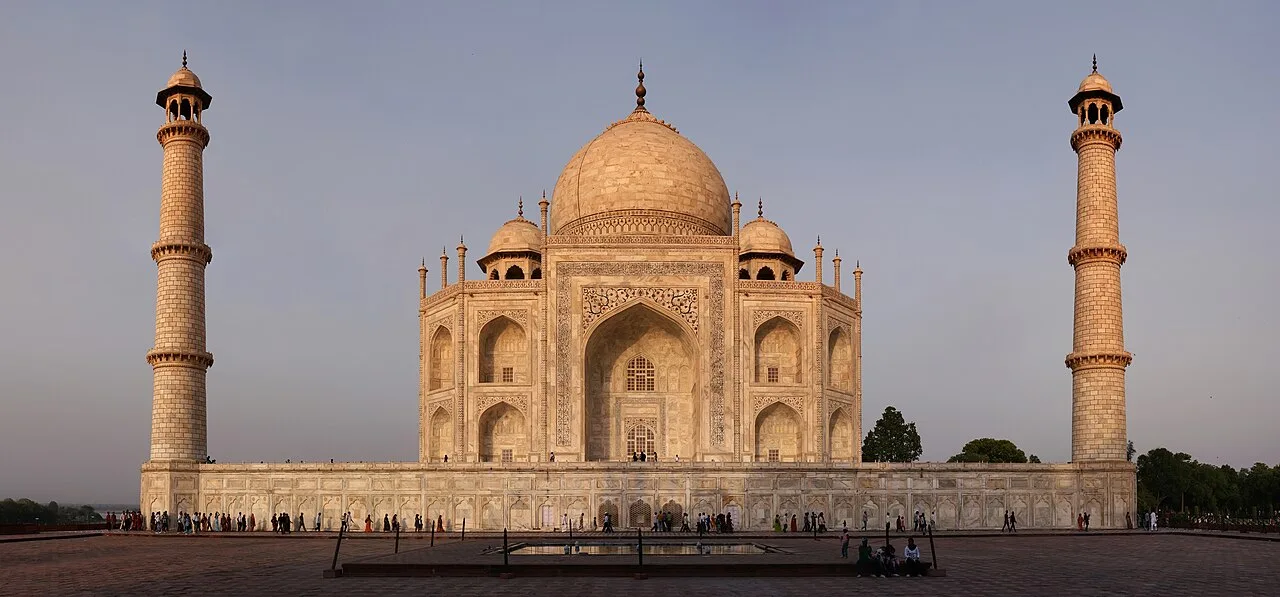
The Taj Mahal is a marble tomb complex in Agra, built for Mumtaz Mahal and Shah Jahan. Visitors come to see its Mughal architecture, gardens and memorials.

Agra Fort

110 km away · Agra district

Agra Fort

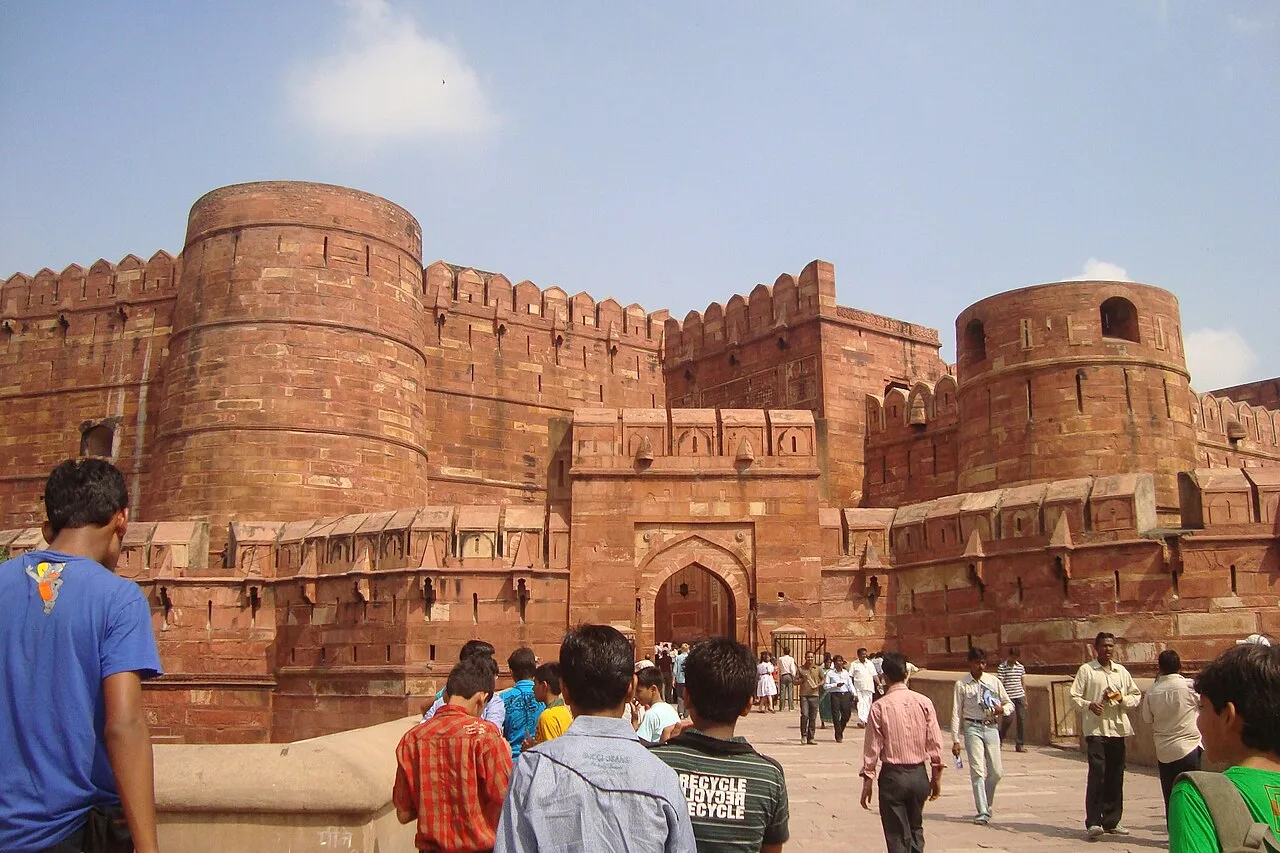
Agra Fort is a major Mughal-era stronghold in Agra, rebuilt by Akbar and later expanded by Shah Jahan. Visitors come to see its palaces, mosques and historic gateways.

Jama Masjid, Agra

110 km away · Agra district

Jama Masjid, Agra

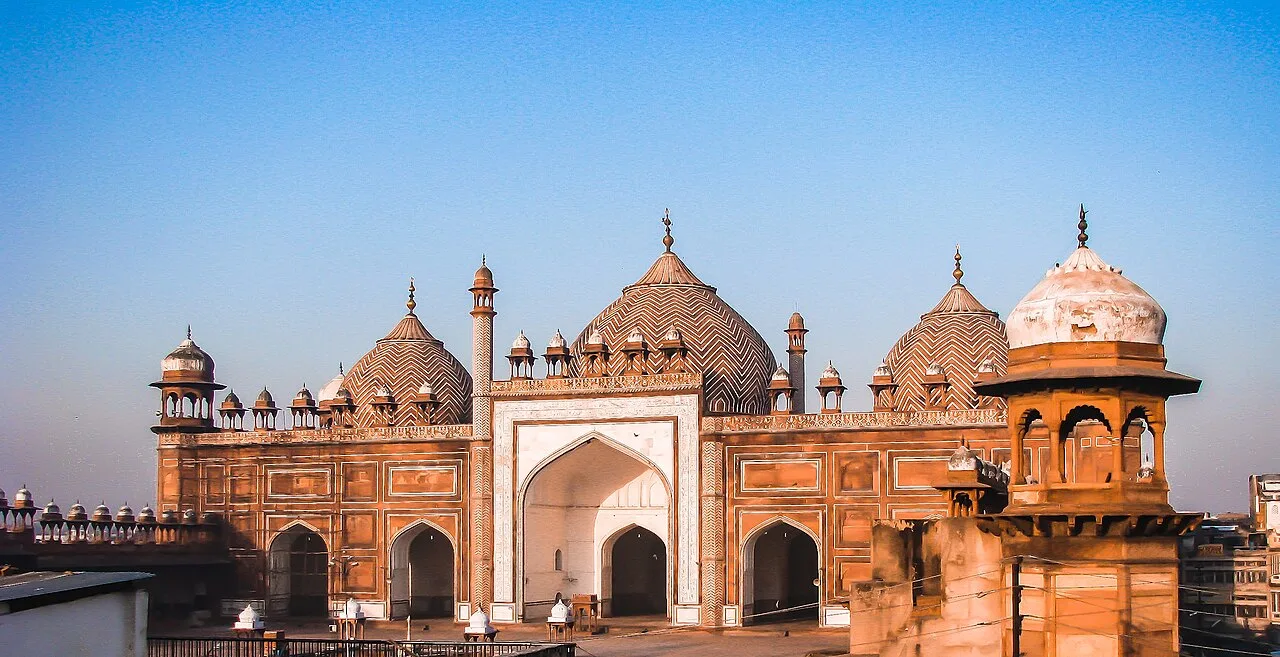
Jama Masjid is a seventeenth-century mosque in Agra, built by Jahanara Begum during Shah Jahan’s reign. Visitors come to see the city’s principal mosque, situated near Agra Fort.

Map

Ganj Dundawara on the map

  1. 1Bateshwar Temples, Agra
  2. 2Chini Ka Rauza
  3. 3Etawah Safari Park
  4. 4Itmad Ud Daulah
  5. 5Mehtab Bagh
  6. 6Taj Mahal
  7. 7Agra Fort
  8. 8Jama Masjid, Agra

Uttar Pradesh

Other cities to explore