Ghumoopedia — Explore, Discover, Experience
Sign in
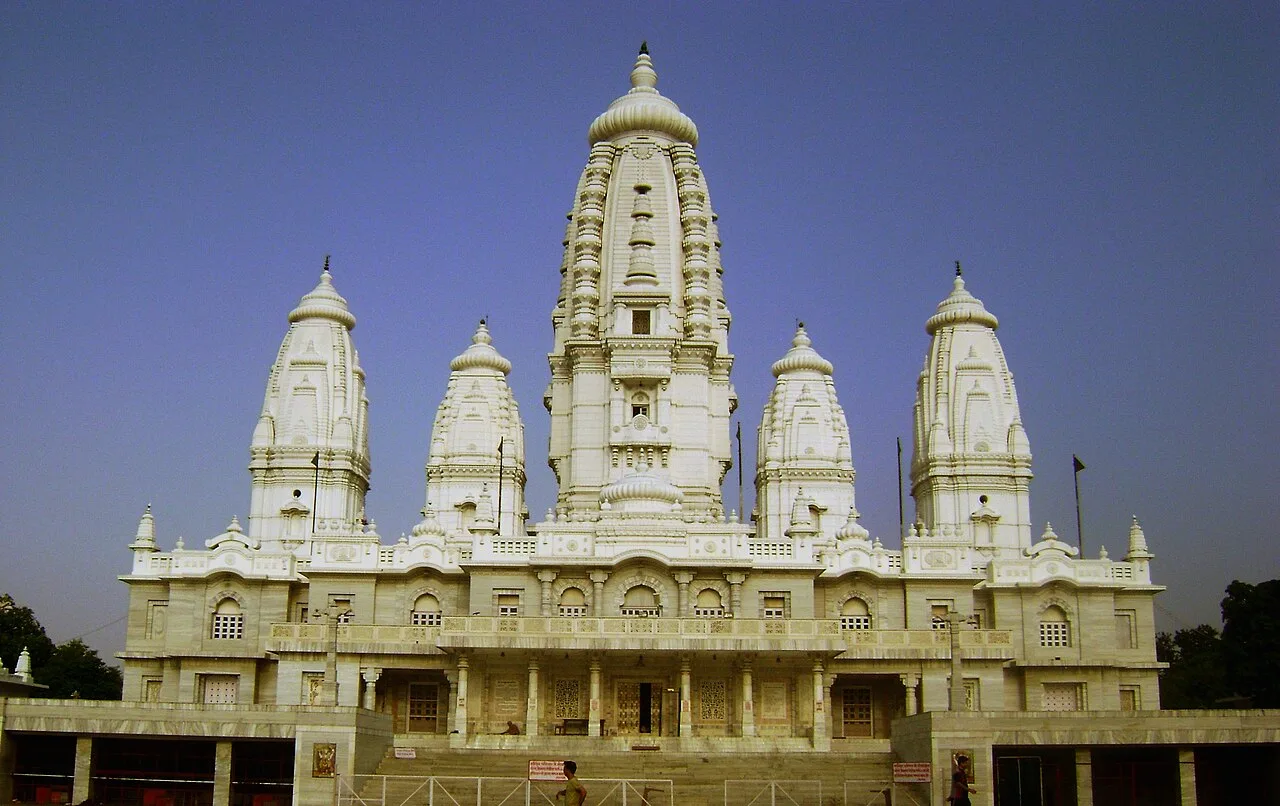
JK Temple, near Hamirpur

City guide · Uttar Pradesh

Hamirpur

Hamirpur is a district headquarters in southern Uttar Pradesh, set in the Bundelkhand region just west of where the Yamuna and Betwa rivers meet. Its position between the rivers gives the town a distinctive landscape and makes the confluence a notable point of interest.

Famous for

  • Yamuna–Betwa confluence
  • Bundelkhand district headquarters
  • Historic Sophiganj market
  • Bundelkhand heritage

Why Hamirpur matters

Hamirpur is a district headquarters in southern Uttar Pradesh, set in the Bundelkhand region just west of where the Yamuna and Betwa rivers meet. Its position between the rivers gives the town a distinctive landscape and makes the confluence a notable point of interest. Hamirpur also serves as an administrative and trading centre for nearby settlements, with government offices and everyday services drawing visitors from across the district.

For travellers, the town offers a quieter introduction to Bundelkhand than the region’s better-known forts and pilgrimage centres. The old market area, riverbanks and local places of worship provide a sense of its daily life, while its history reaches back to the era of regional kingdoms and Mughal administration. Hamirpur is not especially known for a major craft or a signature visitor industry; its appeal lies more in its riverside setting, regional character and role as a practical base for exploring the surrounding district.

Famous for: crafts, trade & products

Hamirpur is not widely identified with a particular textile, handicraft or GI-tagged product. Its commercial life is centred on serving the town and surrounding district rather than on a specialist export craft. Sophiganj, the principal historic market, remains a useful place to browse everyday shops and see local trade. Visitors can look for ordinary regional goods, household wares, clothing and seasonal produce, but should not expect a concentrated craft bazaar or a product unique to Hamirpur.

Food shops and market stalls are more likely to offer familiar Uttar Pradesh and Bundelkhand fare than a city-specific speciality. The town’s administrative role also makes it a centre for services and retail, rather than a major manufacturing hub known beyond the region. For distinctive Bundelkhand handicrafts or products, travellers may need to compare offerings across several towns instead of relying on Hamirpur as a dedicated shopping destination. Sophiganj and the surrounding central market streets are the most convenient areas to explore local commerce.

History

Local tradition attributes Hamirpur’s foundation in the 11th century to Hamira Deva, who is also associated with an old fort once standing in the town. By the late 16th century, Hamirpur had sufficient administrative importance to be recorded as the seat of a mahal within the sarkar of Kalpi. Its position near the Yamuna and Betwa helped anchor it within the political and trading landscape of Bundelkhand.

During British rule, the collectorate headquarters for northern Bundelkhand moved from Kalpi to Hamirpur in 1823. A British officer established the Sophiganj market in 1830, naming it after his daughter. The town grew after becoming a district headquarters, though its expansion later levelled off. Hamirpur became a municipality in 1949 and continues today as the administrative centre of Hamirpur district. Its development has largely followed that civic role, rather than growth as a large industrial or tourist city.

Food, festivals & culture

Everyday cooking reflects the broader Bundelkhand and Uttar Pradesh region: wheat breads, lentils, seasonal vegetables and locally available grains are common, while market shops sell familiar snacks and sweets. Hamirpur is not especially associated with one signature dish, so visitors will find regional staples rather than a distinct city cuisine. Hindi is widely used; Bundeli is also part of the area’s linguistic and cultural life.

Holi in spring and Diwali in autumn are among the most widely observed festivals, alongside Navratri and other Hindu occasions. Muslim communities observe festivals including Eid. Religious life is visible in neighbourhood temples and mosques, as well as at places of worship around the riverfront. Bundeli folk songs and oral traditions belong to the wider cultural setting, though performances are not necessarily staged for visitors on a regular schedule. Festival customs and gatherings are generally community-centred, so asking locally is the best way to learn what is happening during a visit.

Visiting the city

The cooler months, roughly October to March, are generally the most comfortable for visiting. Summers can be very hot, while monsoon weather may affect road journeys. Hamirpur has no major airport of its own; Kanpur Airport at Chakeri is the nearest airport option, while Chaudhary Charan Singh International Airport in Lucknow offers a broader range of connections. Hamirpur Road railway station serves the town, though it is outside the central area; check onward road transport when planning your arrival.

Shared autos and other local road transport are useful for getting around, and the central market area is easiest to explore on foot. Sophiganj and nearby older streets offer a look at everyday town life. The riverbanks near the Yamuna–Betwa meeting point are another area of interest; check local conditions and access before heading out. Hamirpur is also a practical base for district travel by road.

Trips from the city

Nearest places to visit from Hamirpur

Our closest destination guides, by straight-line distance.

JK Temple

60 km away · Kanpur Nagar district

JK Temple

Known also as the Juggilal Kamlapat Temple and Radhakrishna Temple, this Hindu place of worship in Kanpur draws visitors for its combination of traditional and modern architectural features.

Bithoor Ghats

74 km away · Kanpur Nagar district

Bithoor Ghats

Bithoor Ghats are part of Bithoor, a town in Uttar Pradesh beside the Ganges. People visit for its importance as a Hindu pilgrimage centre and its connection with Nana Sahib and the 1857 uprising.

Nawabganj Bird Sanctuary

89 km away · Unnao district

Nawabganj Bird Sanctuary

Nawabganj Bird Sanctuary, renamed Shahid Chandra Shekhar Azad Bird Sanctuary in 2015, is a wetland reserve in Unnao district, visited for its migratory birds, deer park, watchtowers and boats.

Kalinjar Fort

112 km away · Banda district

Kalinjar Fort

Travellers visit Kalinjar for its extensive fortifications, its association with Chandela rule and its long religious history, including sacred structures dating to the Gupta period.

Samaspur Bird Sanctuary

124 km away · Raebareli district

Samaspur Bird Sanctuary

In Uttar Pradesh’s Raebareli district, Samaspur is a wetland reserve where visitors can see resident birds, long-distance migrants and a variety of fish.

Dilkusha Kothi

126 km away · Lucknow district

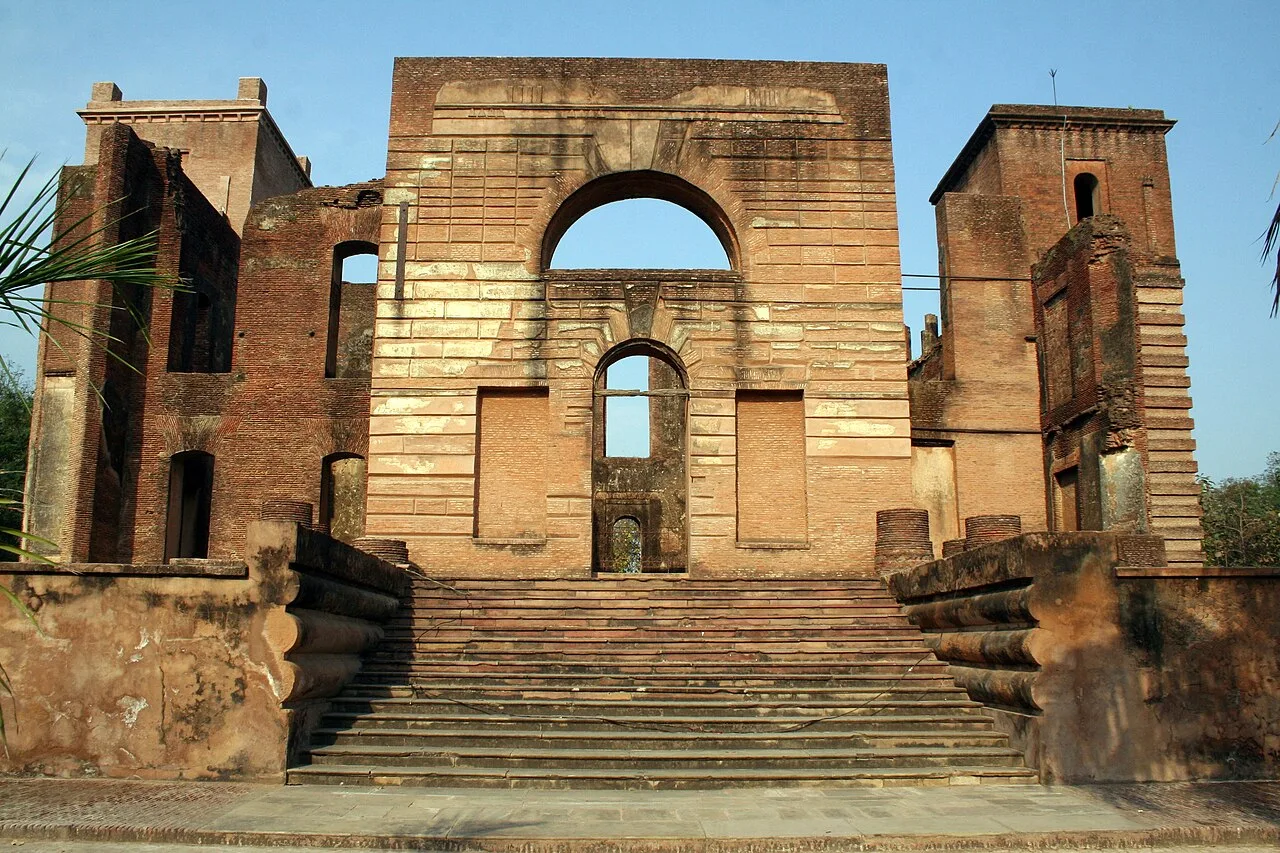
Dilkusha Kothi

Dilkusha Kothi is an eighteenth-century English Baroque residence in Lucknow, now a monument of surviving towers, outer walls and gardens, visited for its historic remains and links to the 1857 siege.

Rumi Darwaza

126 km away · Lucknow district

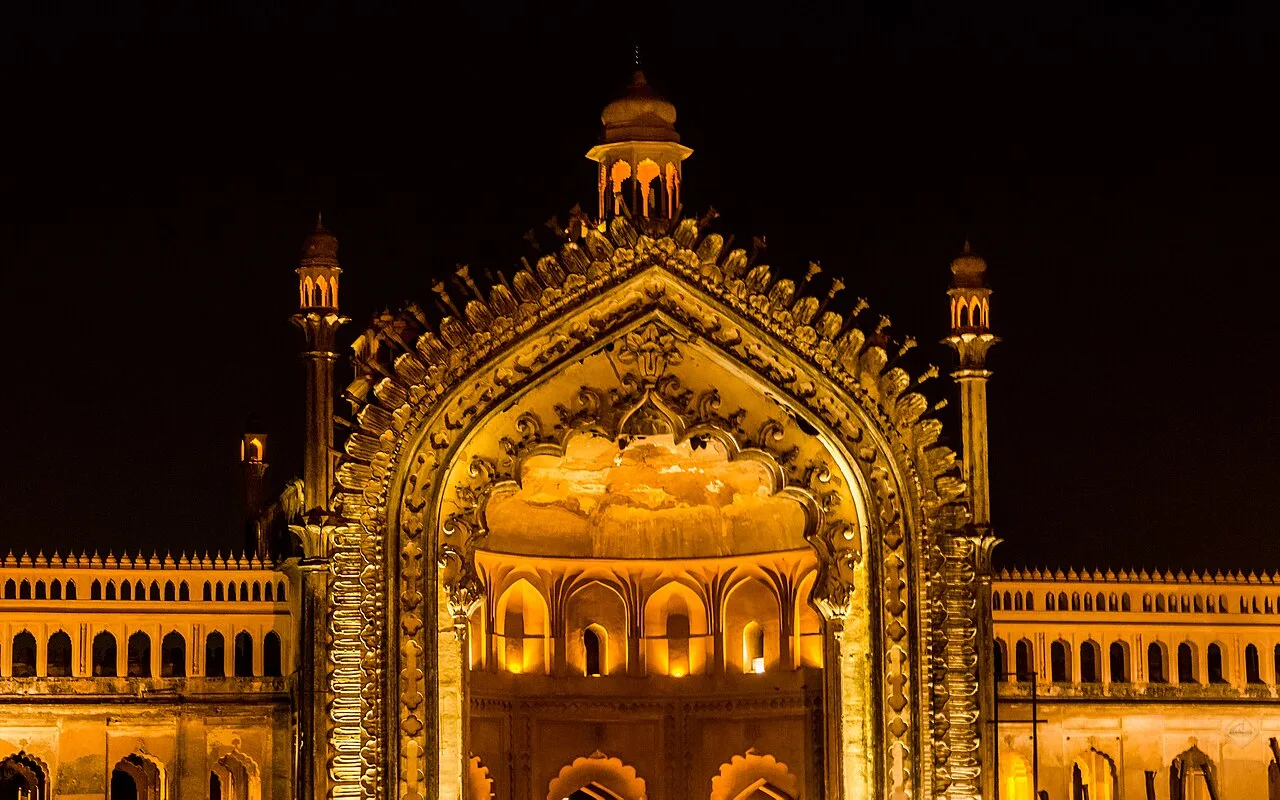
Rumi Darwaza

Rumi Darwaza is an 18th-century gateway in Lucknow, known for its Awadhi design and links to the city’s past. Visitors come to see its architecture and historic setting.

Bara Imambara

127 km away · Lucknow district

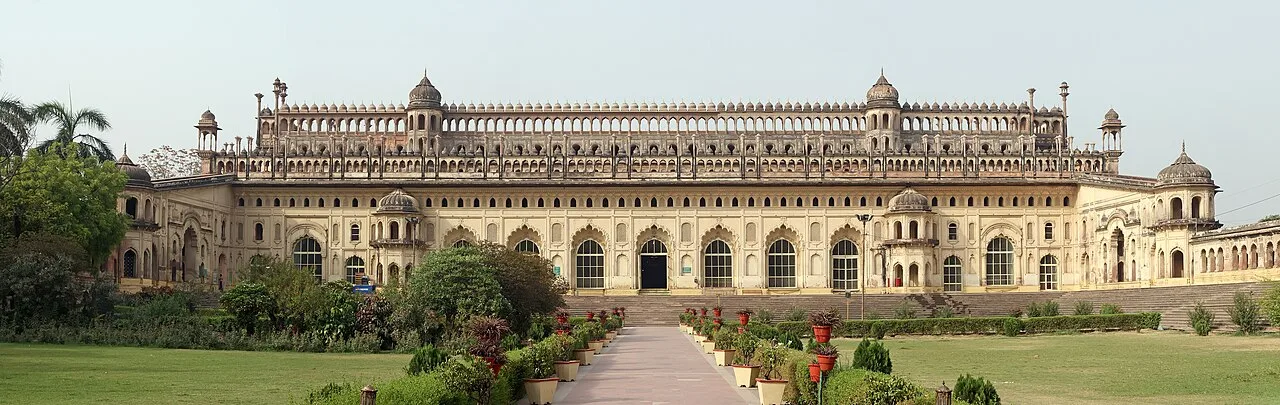
Bara Imambara

Bara Imambara, also known as the Asafi Imambara, is a religious complex in Lucknow. Visitors come to see its imambara and mosque and its status as a nationally important monument.

Map

Hamirpur on the map

  1. 1JK Temple
  2. 2Bithoor Ghats
  3. 3Nawabganj Bird Sanctuary
  4. 4Kalinjar Fort
  5. 5Samaspur Bird Sanctuary
  6. 6Dilkusha Kothi
  7. 7Rumi Darwaza
  8. 8Bara Imambara

Uttar Pradesh

Other cities to explore