Ghumoopedia — Explore, Discover, Experience
Sign in

City guide · Uttar Pradesh

Saharanpur

Saharanpur is an important commercial and administrative centre in north-western Uttar Pradesh, serving its district and nearby parts of Uttarakhand, Haryana and Himachal Pradesh. Its position on major road and rail routes makes it a useful regional hub as well as a gateway for journeys towards the Shivalik foothills and Dehradun.

Famous for

  • Saharanpur wood carving
  • Shah Haroon Chishti’s tomb
  • Mango orchards and trade
  • Mazahir Uloom seminary

Why Saharanpur matters

Saharanpur is an important commercial and administrative centre in north-western Uttar Pradesh, serving its district and nearby parts of Uttarakhand, Haryana and Himachal Pradesh. Its position on major road and rail routes makes it a useful regional hub as well as a gateway for journeys towards the Shivalik foothills and Dehradun. The city is also part of the national Smart Cities Mission.

Visitors most often associate Saharanpur with its finely carved wooden furniture and decorative objects, a craft practised by generations of local artisans. The older quarters offer a glimpse of the city’s layered past, while its markets reveal its everyday role as a centre for trade and services. Places of interest include the tomb traditionally associated with Sufi saint Shah Haroon Chishti, historic temples and the Mazahir Uloom Islamic seminary. The wider district is known for mango cultivation, and nearby Deoband is home to the influential Darul Uloom seminary. Together, craft, commerce, religious learning and regional connectivity give Saharanpur significance beyond its role as a district headquarters.
Famous for: crafts, trade & products

Saharanpur’s best-known craft is wood carving, recognised with a Geographical Indication tag. Artisans shape locally worked wood into furniture, screens, panels, boxes and smaller decorative pieces, often with detailed floral or geometric patterns. Workshops and craft showrooms around the city are the best places to see the work being made and to browse finished pieces; larger furniture and handicraft shops are found in the commercial markets. Ask about materials, construction and shipping before buying bulky items.

The city is not especially known as a saree or handloom centre, so visitors looking for textiles should treat these as general market purchases rather than a signature local product. Saharanpur’s broader trade serves the surrounding agricultural region, including produce from the district’s mango-growing areas. Its commercial streets mix everyday clothing, household goods, food shops and small traders with specialist woodcraft sellers. For a more focused craft visit, look for established workshops and retailers where artisans or shopkeepers can explain the carving styles and finishing; availability and designs vary between businesses.

History

The region became part of the Delhi Sultanate during the reign of Iltutmish. Local tradition links the city’s name to Sufi saint Shah Haroon Chishti, whose tomb remains in the old quarter. Under the Mughal emperor Akbar, the area became an administrative unit, and Raja Sah Ranveer Singh is credited with establishing the foundations of the present city. It developed as a walled settlement with distinct gates and neighbourhoods.

In the eighteenth century, Saharanpur passed through Rohilla and Maratha control before coming under the East India Company in 1803. The surrounding region saw resistance to Company rule, including uprisings in 1813 and 1824, and participation in the rebellion of 1857. Under British administration, Saharanpur became part of the United Provinces. Religious scholarship grew in the wider area in the nineteenth century: Mazahir Uloom was established in the city, while Darul Uloom Deoband was founded in nearby Deoband. Today Saharanpur is the district headquarters and a growing urban centre, included in the national Smart Cities Mission.

Food, festivals & culture

Saharanpur’s food reflects the wider western Uttar Pradesh kitchen, with North Indian meals, seasonal produce and familiar market snacks. Visitors can look for kachori, chaat and jalebi at local stalls, alongside everyday dishes such as parathas and curries. The wider district’s mango harvest is a seasonal highlight, and varieties and availability change through the summer. Sweet shops and busy bazaars are good places to sample local favourites, though recipes differ from one shop to another.

Hindi and Urdu are widely used, with Punjabi also heard in the city and surrounding region. Hindu and Muslim religious life is visible in neighbourhood temples, mosques and seminaries. Diwali and Holi bring festive lights, colour and family gatherings, while Navratri and Dussehra are observed in autumn. Eid celebrations follow the Islamic calendar and bring communal prayers and shared meals; Muharram is also observed. Religious occasions and weddings feature devotional music, popular songs and regional folk performance, often accompanied by percussion. The old city’s religious landmarks and the Mazahir Uloom seminary are among the places that reflect Saharanpur’s varied cultural life.

Visiting the city

October to March is generally the most comfortable period to visit, with cooler weather for exploring; summers are hot and the monsoon can bring heavy rain. The nearest major airport is Jolly Grant Airport in Dehradun. Saharanpur Junction is the city’s main railway station and an important rail connection for the region.

Auto-rickshaws, e-rickshaws and taxis are useful for getting around; confirm the destination before setting off, especially for craft workshops outside the central bazaars. Explore the old quarter for the tomb associated with Shah Haroon Chishti and nearby historic lanes, then visit wood-carving shops and showrooms in the commercial areas. The Bhuteshwar and Bagheshwar temples and Mazahir Uloom are other points of interest. Check locally before visiting religious institutions, as access may be restricted.

Trips from the city

Nearest places to visit from Saharanpur

Our closest destination guides, by straight-line distance.

Hastinapur Heritage Town

100 km away · Meerut district

Hastinapur Heritage Town

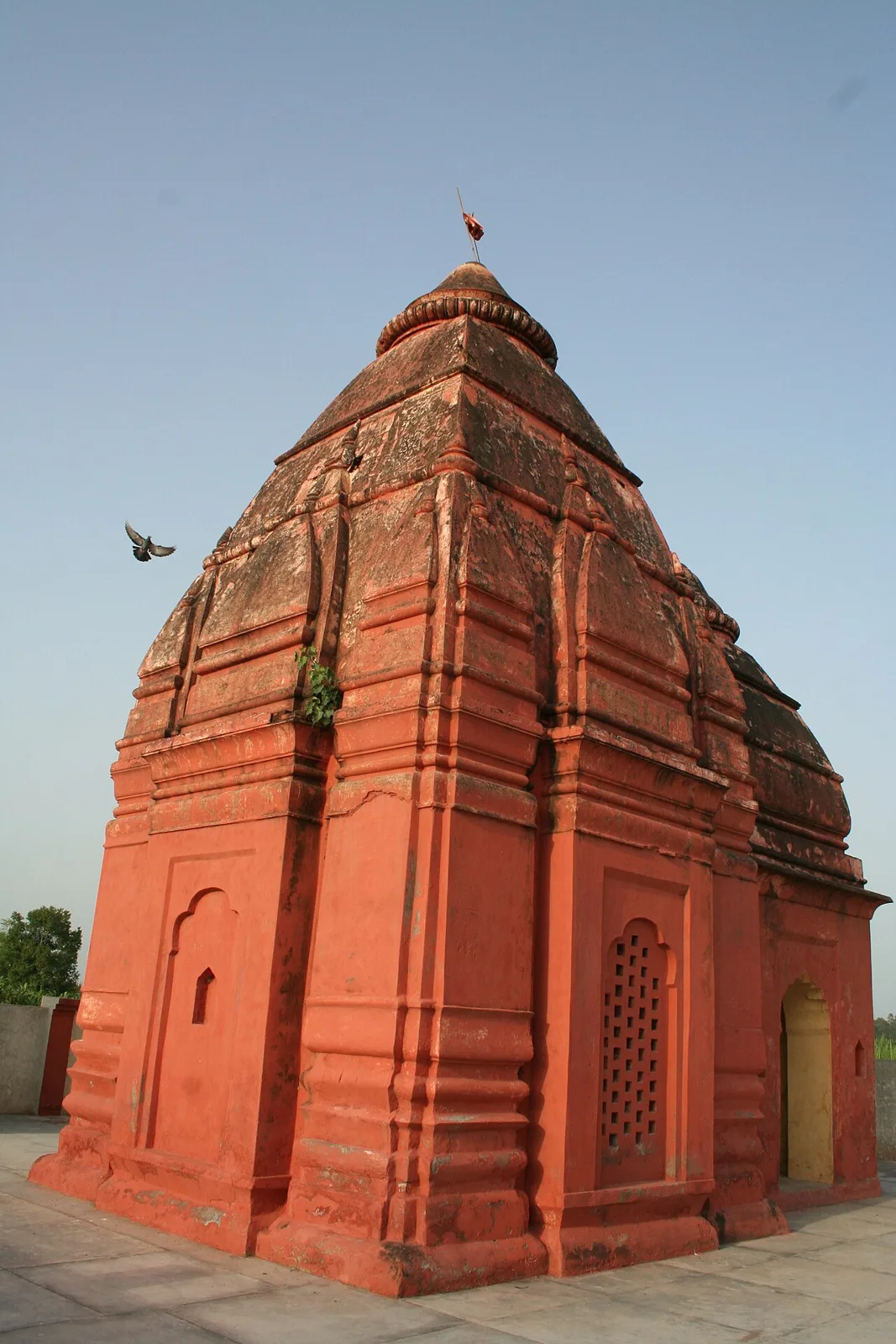
Hastinapur is a town in Uttar Pradesh’s Meerut district, known for its place in Hindu accounts of the Kuru kingdom and its Jain associations with three Tirthankaras.

Okhla Bird Sanctuary

158 km away · Gautam Buddh Nagar district

Okhla Bird Sanctuary

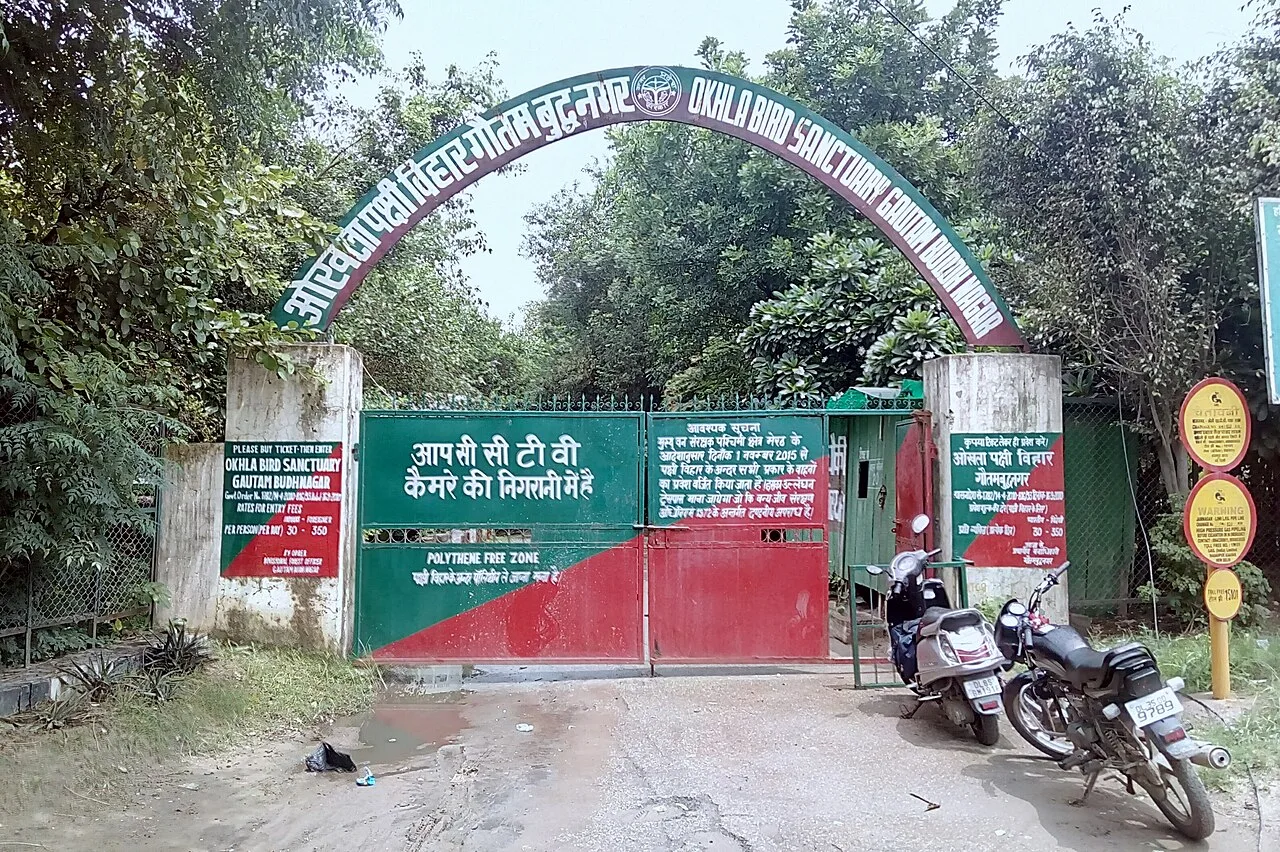
At the Yamuna’s crossing from Delhi into Uttar Pradesh, Okhla Bird Sanctuary protects a barrage-created wetland that visitors come to explore and watch its varied birdlife.

Rampur Raza Library

192 km away · Rampur district

Rampur Raza Library

In Rampur, Uttar Pradesh, the Rampur Raza Library preserves Indo-Islamic cultural heritage dating to the late eighteenth century. Visitors come to see its manuscripts, artworks, historical records and varied printed collection.

Barsana Radha Rani Temple

258 km away · Mathura district

Barsana Radha Rani Temple

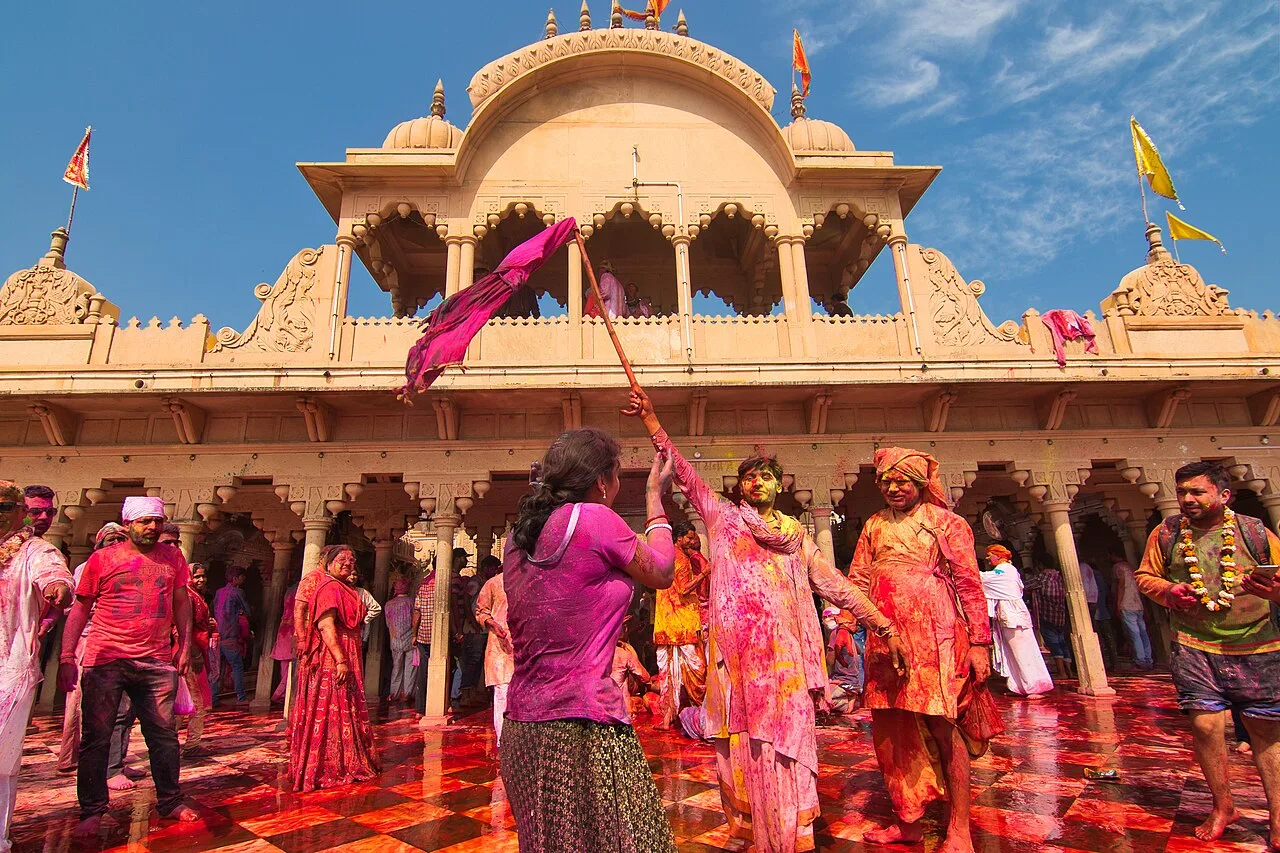
Barsana Radha Rani Temple stands in Barsana, a town in Uttar Pradesh’s Mathura district. Visitors come to worship Radha at a temple central to the town’s religious importance.

Banke Bihari Temple

266 km away · Mathura district

Banke Bihari Temple

Banke Bihari Temple is a Hindu place of worship in Vrindavan, Mathura district, visited by devotees to honour Banke Bihari, regarded as Radha and Krishna united.

Vrindavan Town

266 km away · Mathura district

Vrindavan Town

Vrindavan is a historic town in Uttar Pradesh’s Mathura district, within Braj Bhoomi. Visitors come for its Hindu associations with Krishna and its many temples to Krishna and Radha.

ISKCON Temple, Vrindavan

267 km away · Mathura district

ISKCON Temple, Vrindavan

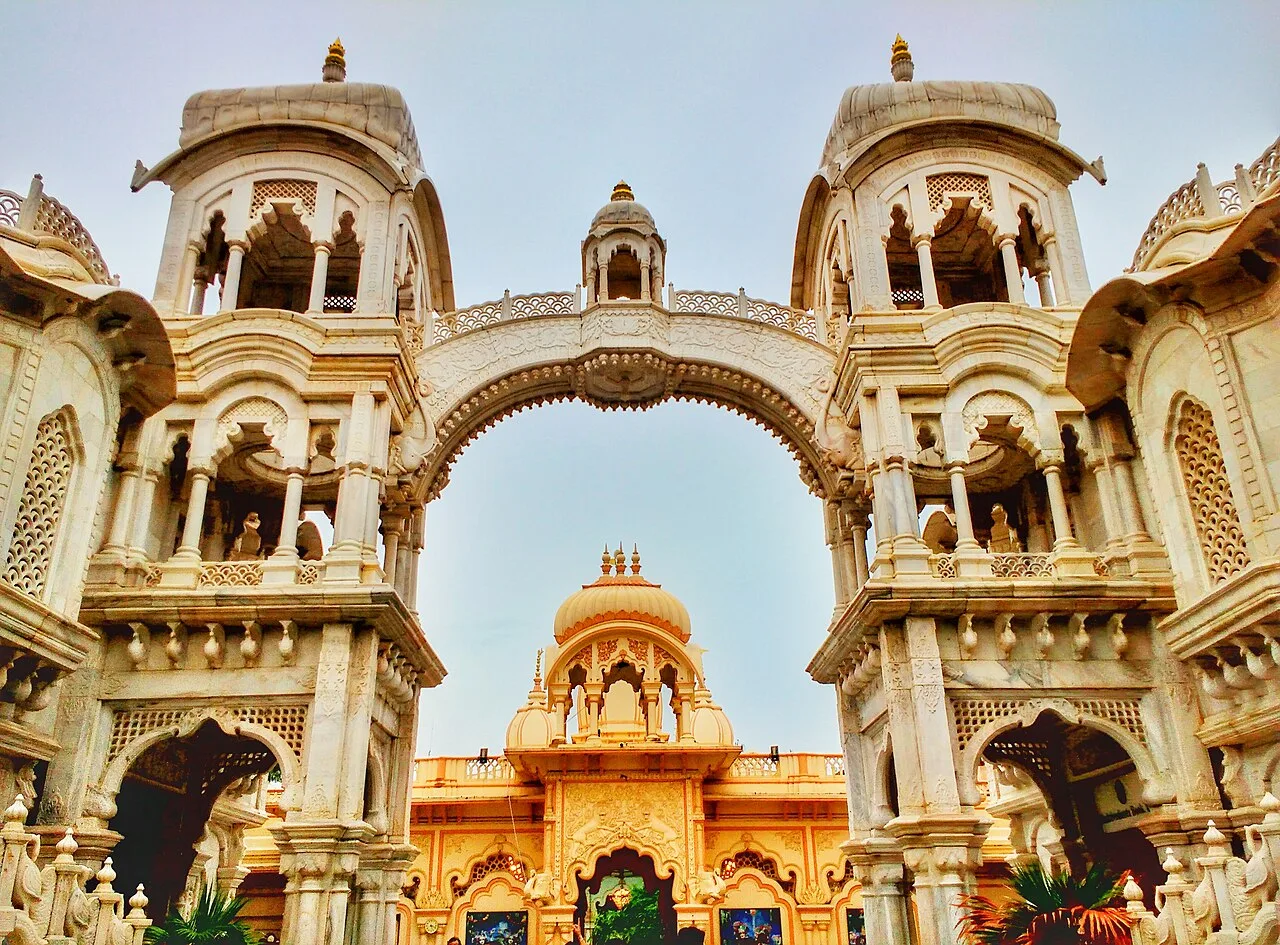
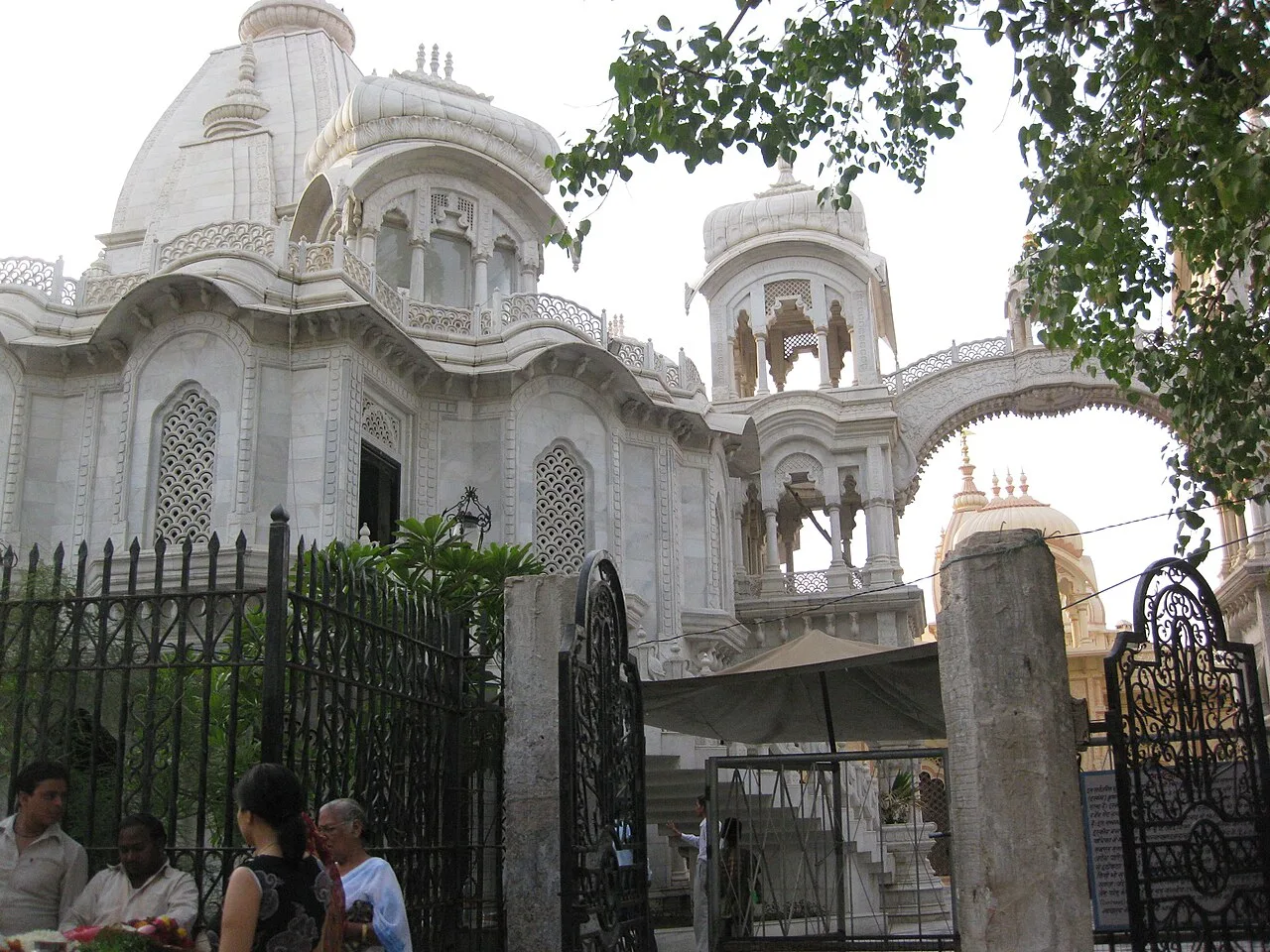
In Vrindavan, Uttar Pradesh’s Mathura district, this Gaudiya Vaishnava temple is devoted to Krishna and Balarama. Visitors come to worship these deities and the other figures honoured there.

Prem Mandir

267 km away · Mathura district

Prem Mandir

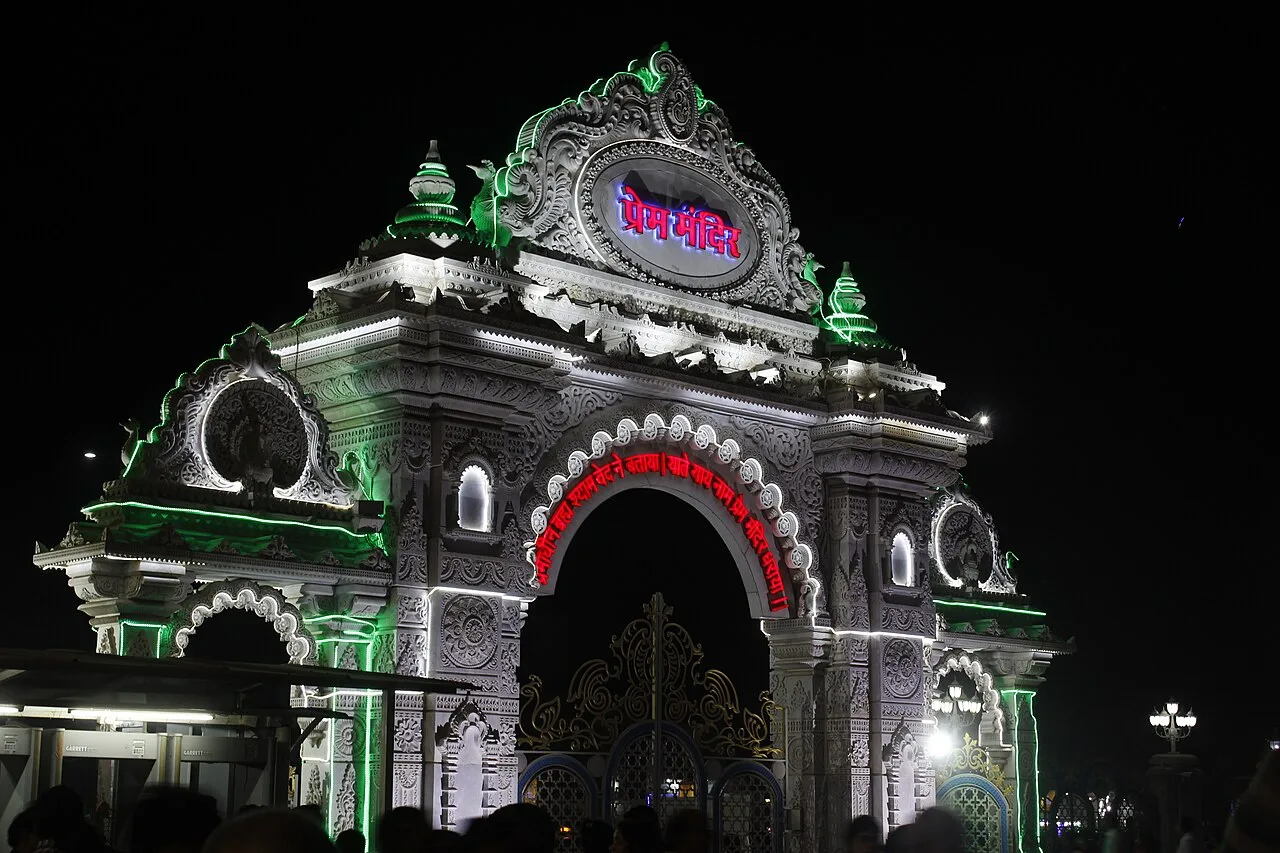
Prem Mandir is a Hindu temple in Vrindavan, Mathura district, Uttar Pradesh. Visitors come to see its dedications to Radha Krishna and Sita Ram, as well as a tribute to four earlier Jagadgurus.

Map

Saharanpur on the map

  1. 1Hastinapur Heritage Town
  2. 2Okhla Bird Sanctuary
  3. 3Rampur Raza Library
  4. 4Barsana Radha Rani Temple
  5. 5Banke Bihari Temple
  6. 6Vrindavan Town
  7. 7ISKCON Temple, Vrindavan
  8. 8Prem Mandir

Uttar Pradesh

Other cities to explore