Ghumoopedia — Explore, Discover, Experience
Sign in

City guide · Uttar Pradesh

Sikandra Rao

Sikandra Rao is a municipal town in Hathras district, serving as a local centre for administration, everyday shopping and travel across this part of western Uttar Pradesh. Its place in the district is reflected in its municipal status and its role as one of the district’s assembly constituencies.

Famous for

  • Municipal town of Hathras
  • NH-34 regional connections
  • Aligarh–Etah road corridor
  • Local administrative and market centre
  • Road access towards Agra

Why Sikandra Rao matters

Sikandra Rao is a municipal town in Hathras district, serving as a local centre for administration, everyday shopping and travel across this part of western Uttar Pradesh. Its place in the district is reflected in its municipal status and its role as one of the district’s assembly constituencies. For residents of nearby settlements, the town is a practical destination for routine services and local commerce rather than a major sightseeing hub.

The town’s strongest draw for visitors is its position on regional routes. National Highway 34 connects it with Aligarh and Etah, while National Highway 21 provides a road link towards Agra. These connections make Sikandra Rao a useful stop or base for people travelling between district towns and larger centres. Visitors are most likely to encounter its bazaar, civic centre and everyday town life. It is not widely associated with a nationally recognised monument, craft or signature product, so travellers seeking major heritage attractions generally use it as part of a wider journey through the region.
Famous for: crafts, trade & products

Sikandra Rao is best understood as a local trading and service town, not as a recognised centre for a particular textile, handicraft or GI-tagged product. Its shops and market streets cater mainly to residents of the town and surrounding settlements, with everyday goods, clothing, household supplies and food items forming the typical retail mix. There is no well-established city-specific craft district or product market to seek out.

For visitors, the central bazaar is the most useful place to browse ordinary shops and sample local snacks. Smaller retailers and service businesses are spread through the built-up area, while transport links support movement to larger commercial centres such as Aligarh, Etah and Agra. Sikandra Rao’s civic institutions and municipal services are part of its importance to the surrounding area, but it is not known as a destination for major industrial sites or cultural institutions. Travellers looking for specialist crafts, branded textiles or a particular regional product may find a wider selection in larger nearby cities.

History

Sikandra Rao’s precise founding date and the identity of any ruler associated with its beginnings are not clearly established in widely available accounts. It is part of the wider Braj-influenced region of western Uttar Pradesh, where local settlements developed through agriculture, commerce and changing systems of regional administration. The town’s name alone is not sufficient evidence for assigning it to a particular ruler or dynasty.

During the colonial period, the area formed part of the evolving administrative and transport landscape of northern India. As roads and rail connections expanded, they made movement between local market towns and larger centres more practical. The details of Sikandra Rao’s own colonial-era growth are less prominent in general historical accounts than those of major regional cities, so a specific founding narrative should be treated cautiously.

In modern times, municipal administration and its role as an assembly constituency have reinforced Sikandra Rao’s standing as a service centre within Hathras district. Its highway connections continue to shape its regional importance.

Food, festivals & culture

Daily life in Sikandra Rao reflects the food and customs of western Uttar Pradesh. Wheat breads, lentils, seasonal vegetables and dairy foods are familiar parts of home cooking. Local shops and snack stalls may offer popular North Indian treats such as kachori, samosa and jalebi, though these are common regional foods rather than specialties unique to the town. Visitors can look to the central market for everyday refreshments.

Hindi is widely used, with local speech influenced by the Braj region; Urdu is also part of the wider linguistic landscape. Hindu festivals such as Holi, usually in spring, and Diwali, in autumn, are observed alongside Navratri and other religious occasions. Eid is celebrated by Muslim residents according to the lunar calendar. Community gatherings and worship at neighbourhood temples and mosques form part of local life. There is no widely documented signature dance or music tradition specific to Sikandra Rao; regional devotional and folk performance traditions are more likely to be encountered during festivals and community events.

Visiting the city

October to March is generally the most comfortable period to visit, with cooler weather than the hot summer months. The nearest airport is Agra Airport, also known as Kheria Airport. The town is served by Sikandra Rao railway station; check current services before planning a rail journey. By road, NH-34 connects Sikandra Rao with Aligarh and Etah, while NH-21 links it towards Agra.

Auto-rickshaws and other local road transport are useful for getting around, and the central bazaar is a practical starting point for a short visit. Explore the town centre and market streets for everyday local life, or the areas around the railway station and main roads for transport connections. Sikandra Rao is more suited to a brief stop or regional base than to a conventional sightseeing itinerary.

Trips from the city

Nearest places to visit from Sikandra Rao

Our closest destination guides, by straight-line distance.

Chini Ka Rauza

64 km away · Agra district

Chini Ka Rauza

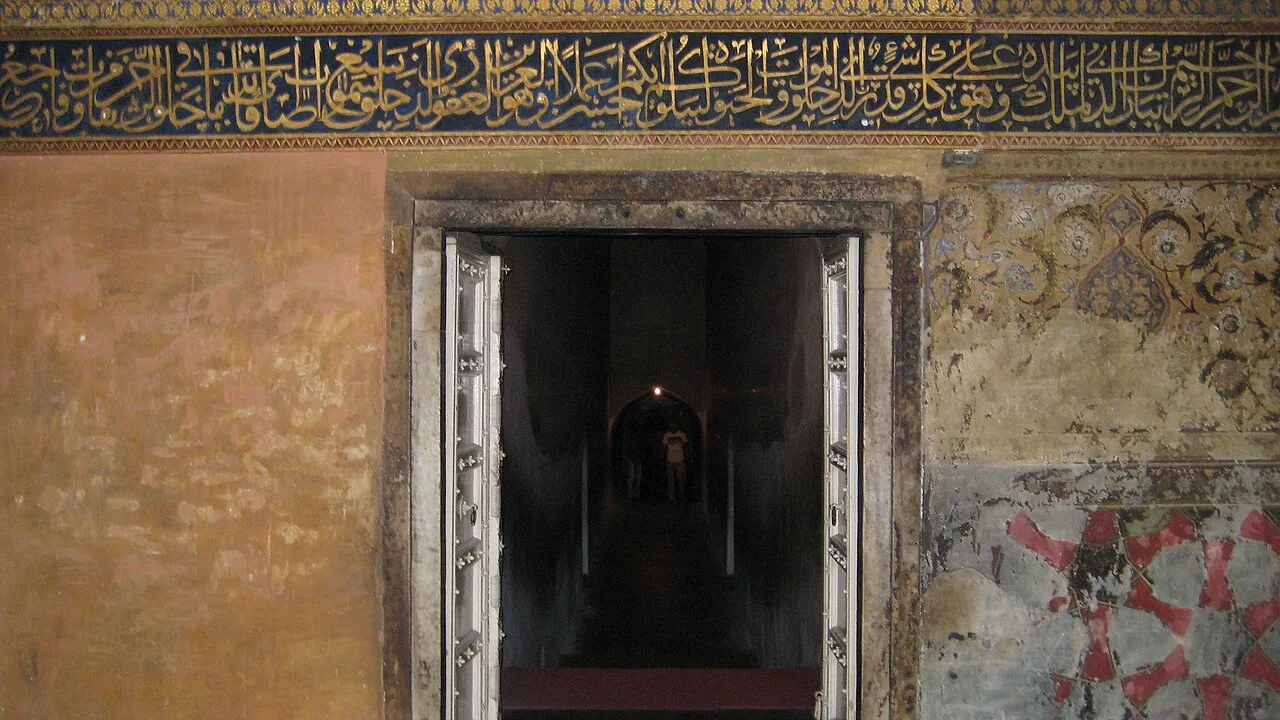
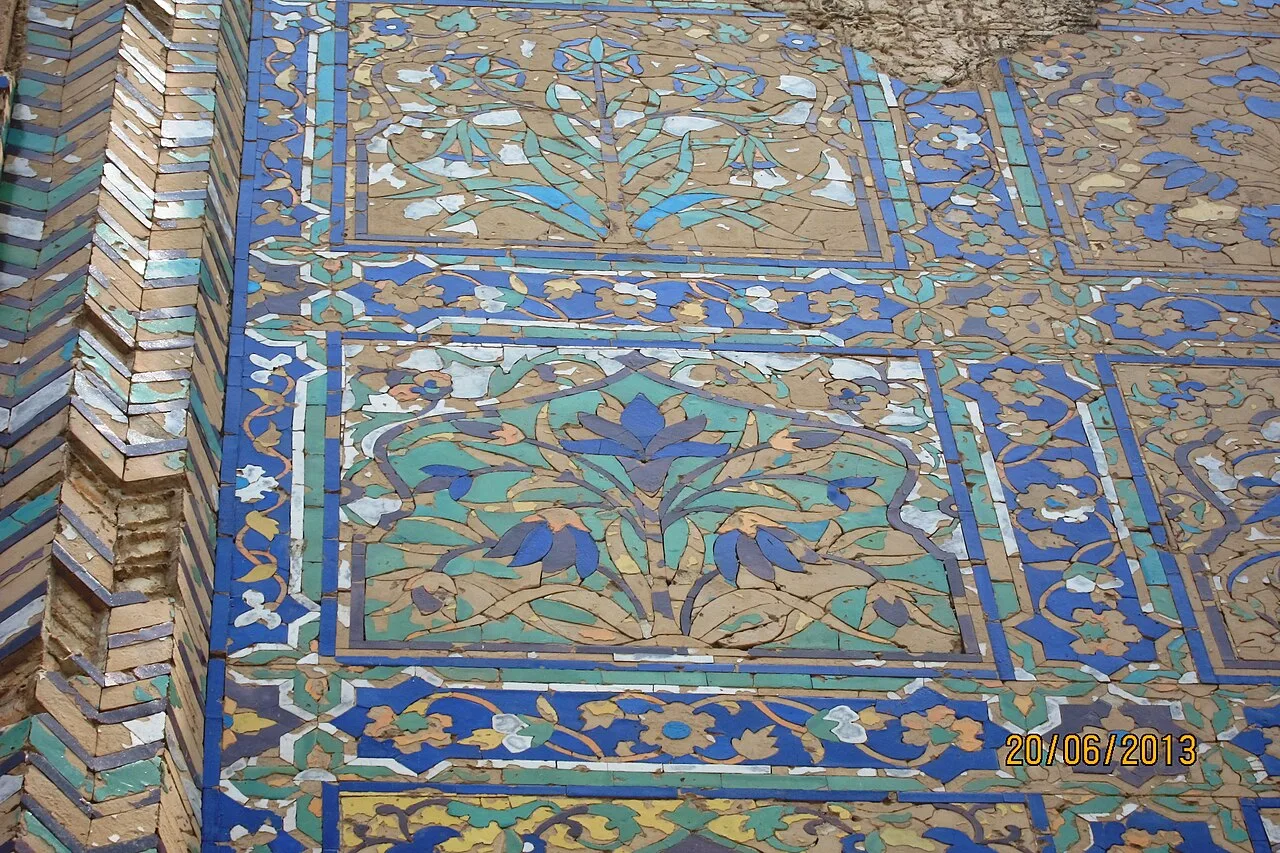
Chini Ka Rauza is a funerary monument in Agra, built in 1635 for Afzal Khan Shirazi, a scholar, poet and Shah Jahan’s grand vizier. Visitors come to see its glazed tiles and learn about its history.

Itmad Ud Daulah

65 km away · Agra district

Itmad Ud Daulah

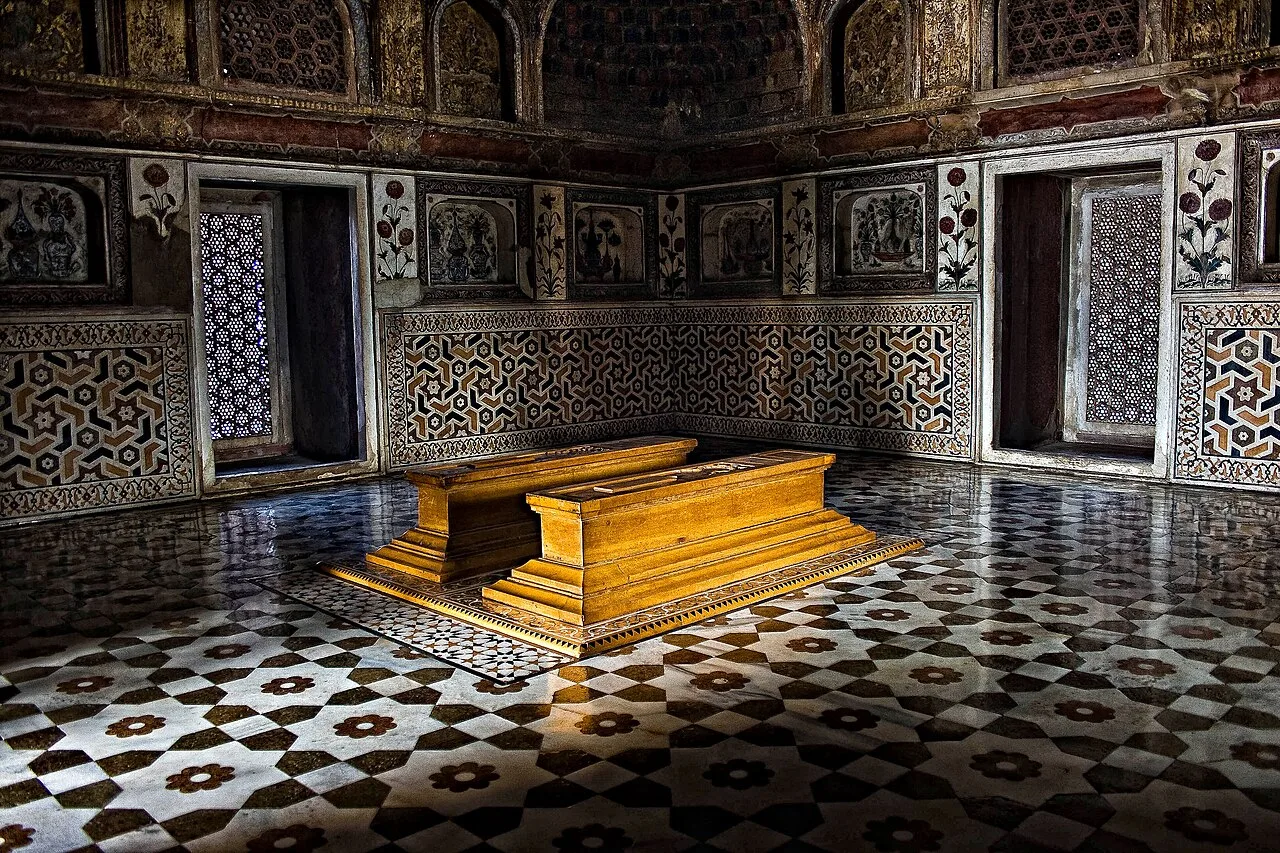
A Mughal marble mausoleum in Agra, Itmad Ud Daulah attracts visitors for its garden setting, intricate decoration and place in the evolution of Mughal architecture.

Mehtab Bagh

66 km away · Agra district

Mehtab Bagh

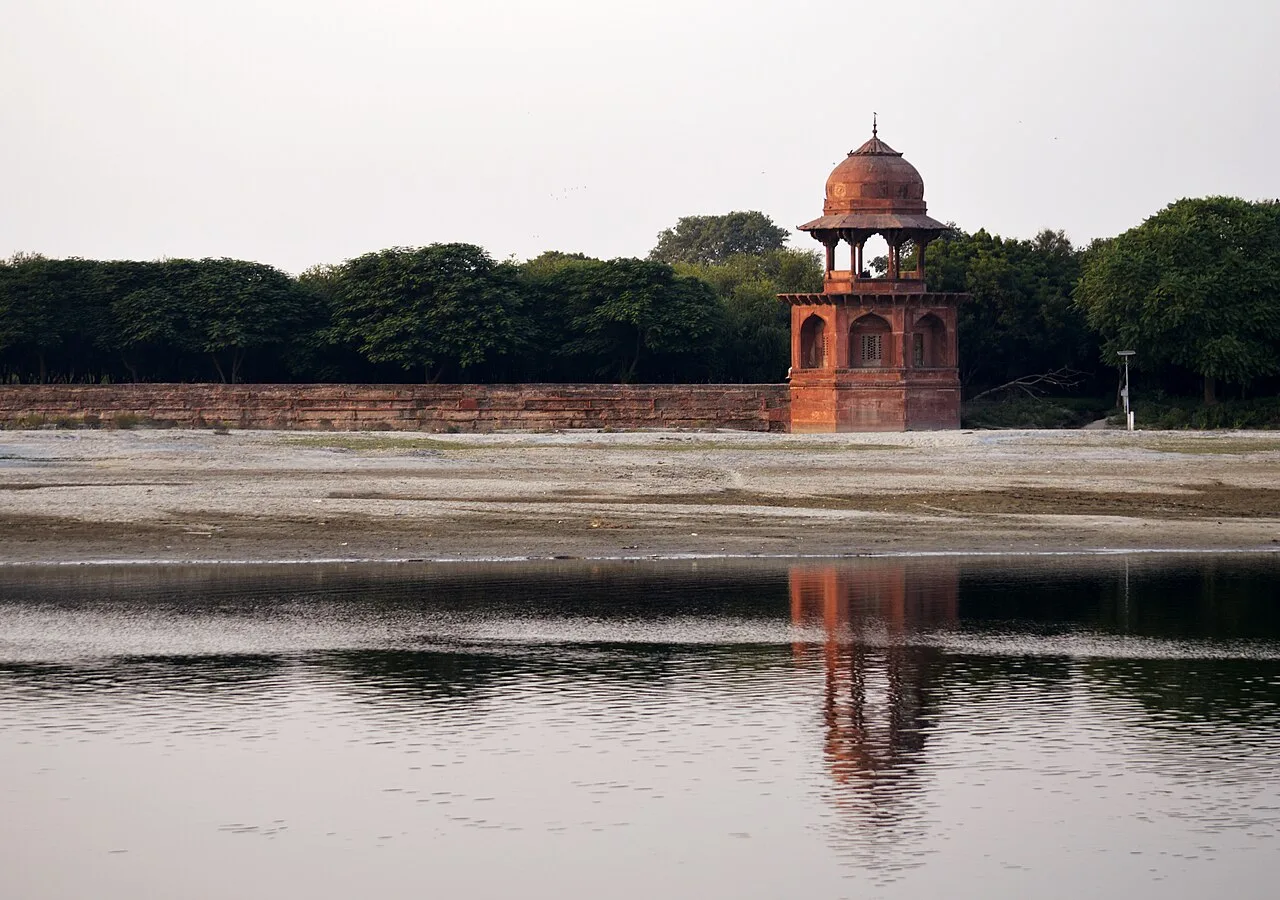
Mehtab Bagh is a square charbagh garden in Agra, Uttar Pradesh, across the Yamuna from the Taj Mahal. Visitors come to see its carefully aligned setting opposite the monument.

Taj Mahal

66 km away · Agra district

Taj Mahal

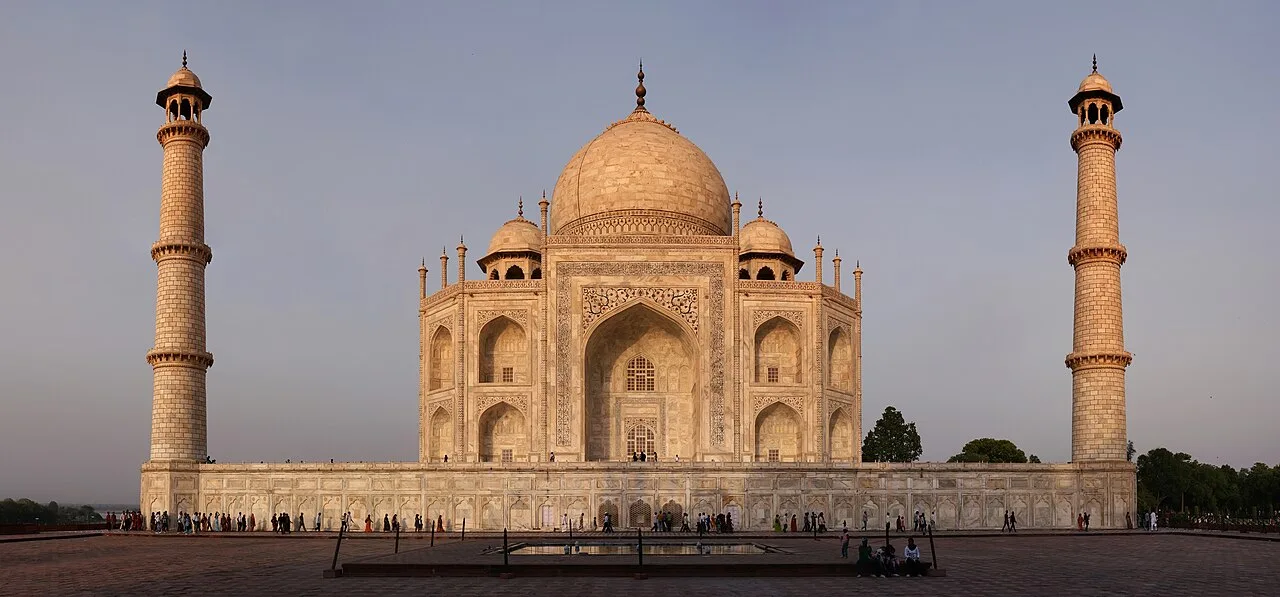
The Taj Mahal is a marble tomb complex in Agra, built for Mumtaz Mahal and Shah Jahan. Visitors come to see its Mughal architecture, gardens and memorials.

Agra Fort

67 km away · Agra district

Agra Fort

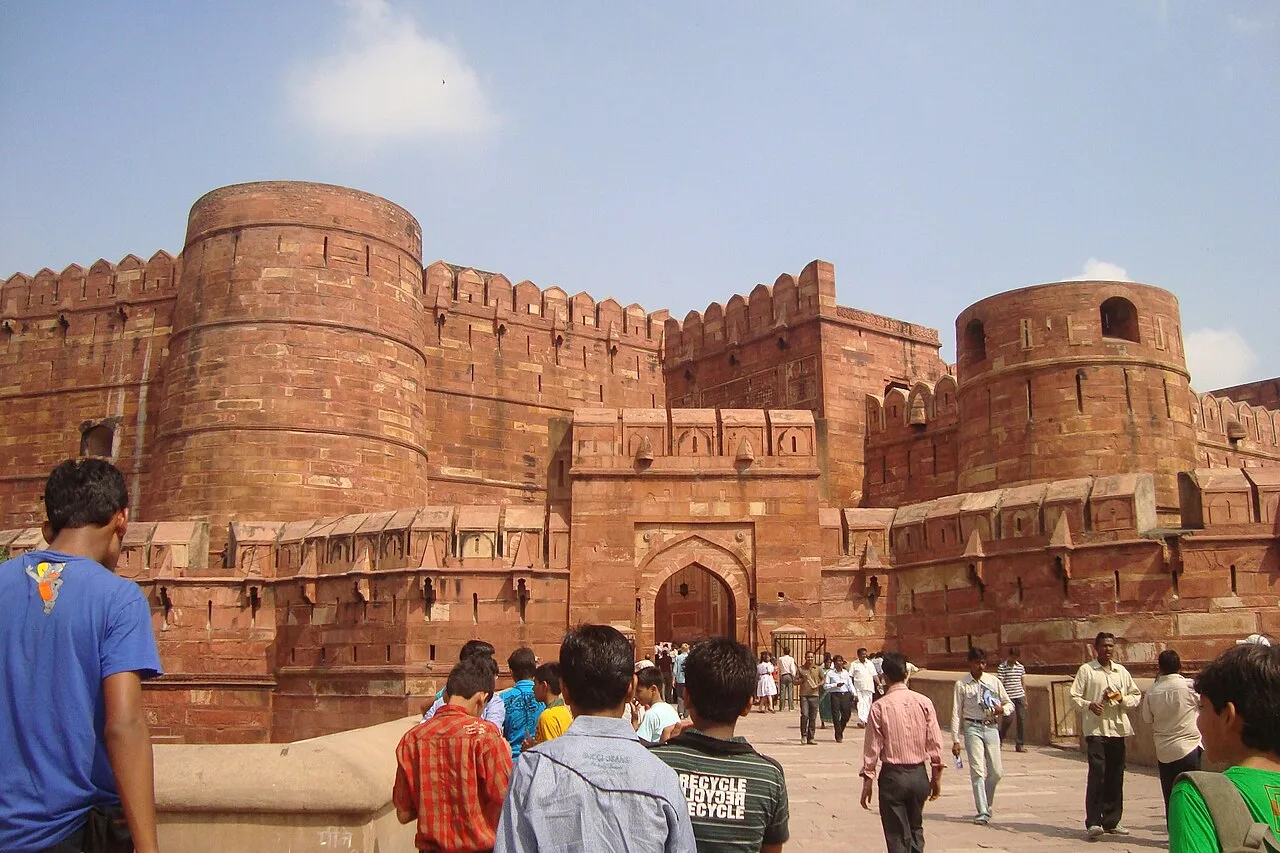
Agra Fort is a major Mughal-era stronghold in Agra, rebuilt by Akbar and later expanded by Shah Jahan. Visitors come to see its palaces, mosques and historic gateways.

Akbar's tomb

67 km away · Agra district

Akbar's tomb

The burial monument of Mughal ruler Akbar, this Agra site is visited for its historic association and buildings that combine red sandstone construction with white marble details.

67 km away · Agra district

Guru ka Taal Gurdwara

Guru ka Taal Gurdwara, near Sikandra in Agra, is a Sikh pilgrimage site honouring the ninth Guru, Tegh Bahadur. People visit to remember his martyrdom and the defence of religious freedom.

Jama Masjid, Agra

67 km away · Agra district

Jama Masjid, Agra

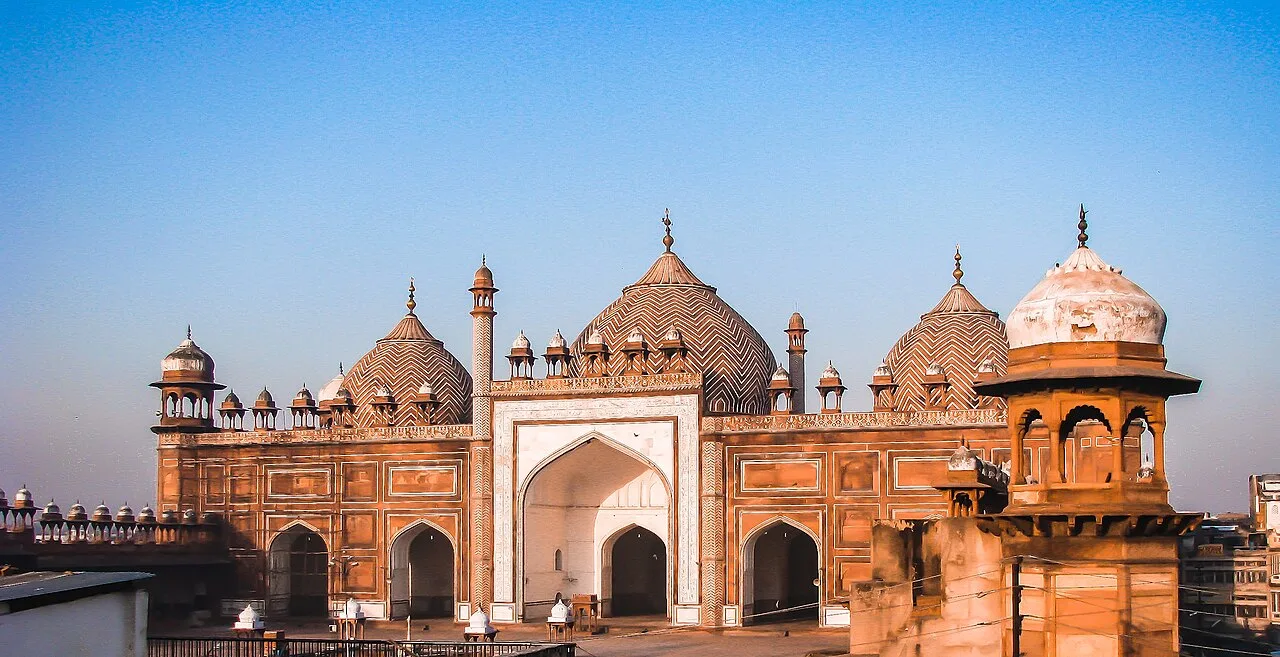
Jama Masjid is a seventeenth-century mosque in Agra, built by Jahanara Begum during Shah Jahan’s reign. Visitors come to see the city’s principal mosque, situated near Agra Fort.

Map

Sikandra Rao on the map

  1. 1Chini Ka Rauza
  2. 2Itmad Ud Daulah
  3. 3Mehtab Bagh
  4. 4Taj Mahal
  5. 5Agra Fort
  6. 6Akbar's tomb
  7. 7Guru ka Taal Gurdwara
  8. 8Jama Masjid, Agra

Uttar Pradesh

Other cities to explore