Ghumoopedia — Explore, Discover, Experience
Sign in

City guide · Uttar Pradesh

Gursarai

Gursarai is a market town in Garautha tehsil of Jhansi district, serving villages across this part of Bundelkhand. Its established central market is its most visible role today: nearby residents bring farm produce to sell and use the town for everyday shopping and services.

Famous for

  • Established produce market
  • Regional farm trade
  • Peshwa-era estate history
  • Bundelkhand town life

Why Gursarai matters

Gursarai is a market town in Garautha tehsil of Jhansi district, serving villages across this part of Bundelkhand. Its established central market is its most visible role today: nearby residents bring farm produce to sell and use the town for everyday shopping and services. This makes Gursarai an important local trading point, even though it is not a major metropolitan centre or a widely promoted tourist destination.

The town’s appeal lies in this working regional character and in its history as the headquarters of a landed estate linked to the Peshwas. Visitors interested in local history can explore the old market streets and observe the rhythms of a town that connects rural communities with Jhansi district’s wider economy. Gursarai is best approached as a practical stop or a base for understanding everyday life in the region, rather than as a destination known for a large cluster of monuments, specialist crafts or major visitor attractions.
Famous for: crafts, trade & products

Gursarai is best known commercially for its long-established market, where residents of surrounding villages trade farm produce and shop for daily necessities. The market is the most useful place to experience the town’s role as a rural service centre: look around the central trading streets for produce sellers and general retailers. The range of goods varies with the season and local supply.

There is no widely established signature textile, handicraft or GI-tagged product associated with Gursarai. Its identity is rooted more in regional trade than in a specialised manufacturing tradition. Visitors seeking Bundelkhand crafts or distinctive regional products may find a broader selection in larger nearby centres, while Gursarai offers a more everyday view of local commerce. Its historical connection with an estate once administered from the town is another point of interest, but it is not known today as a major industrial hub or a destination for a particular branded product.

History

Gursarai’s early history is associated with a land grant to Mukundraj Kher, a chief connected with the Peshwas of Malwa. The town became the centre of a landed estate held by the Bhao Sahib family. In 1731, Bala Rao was appointed to manage Peshwa properties in Jhansi district and made Gursarai his headquarters. The estate later remained in the family’s possession.

By the early twentieth century, the estate included villages in both Garautha and Moth tehsils, reflecting Gursarai’s importance as an administrative centre for surrounding rural lands. The colonial-era story of the town is closely tied to this estate and its land revenues; it is not chiefly known for a major colonial battle or industrial development. In modern times, Gursarai has developed as a municipal town and regional market. Its old trading role continues to connect nearby agricultural communities with local shops and services.

Food, festivals & culture

Hindi is widely used in daily life, and Bundeli, the regional language of Bundelkhand, is also part of local speech and cultural identity. Everyday food follows the broader patterns of the region: home-cooked breads, pulses and seasonal vegetables are common, while tea and familiar Indian sweets are available from local shops. Gursarai is not particularly known for a nationally recognised dish or sweet, so visitors should treat its food scene as local and everyday rather than destination-led.

Holi, usually celebrated in spring, and Diwali, in autumn, are important occasions, alongside Navratri and Dussehra. Festivals bring family gatherings, worship and community activity. Devotional singing and Bundeli folk traditions form part of the wider cultural setting, though performances are not necessarily scheduled for visitors. Local temples and other neighbourhood places of worship serve residents’ daily and festival observances; visitors should be respectful of customs and any restrictions on entry.

Visiting the city

The cooler months, roughly October to March, are generally the most comfortable time to visit. Summer can be very hot, while the monsoon brings rain and changing road conditions. Gwalior Airport is the nearest major airport commonly used for the region; onward travel is by road. Jhansi Junction is the main railway gateway, with road transport needed for the final leg to Gursarai.

Within town, the central market and surrounding streets are easiest to explore on foot, while local auto-rickshaws and hired vehicles can help with longer trips. Begin around the old market to see Gursarai’s trading life, then explore nearby residential streets at an unhurried pace. The town is modest in scale, so visitors looking for major monuments or extensive visitor facilities should plan those separately in Jhansi or other larger regional centres.

Trips from the city

Nearest places to visit from Gursarai

Our closest destination guides, by straight-line distance.

Jhansi Fort

63 km away · Jhansi district

Jhansi Fort

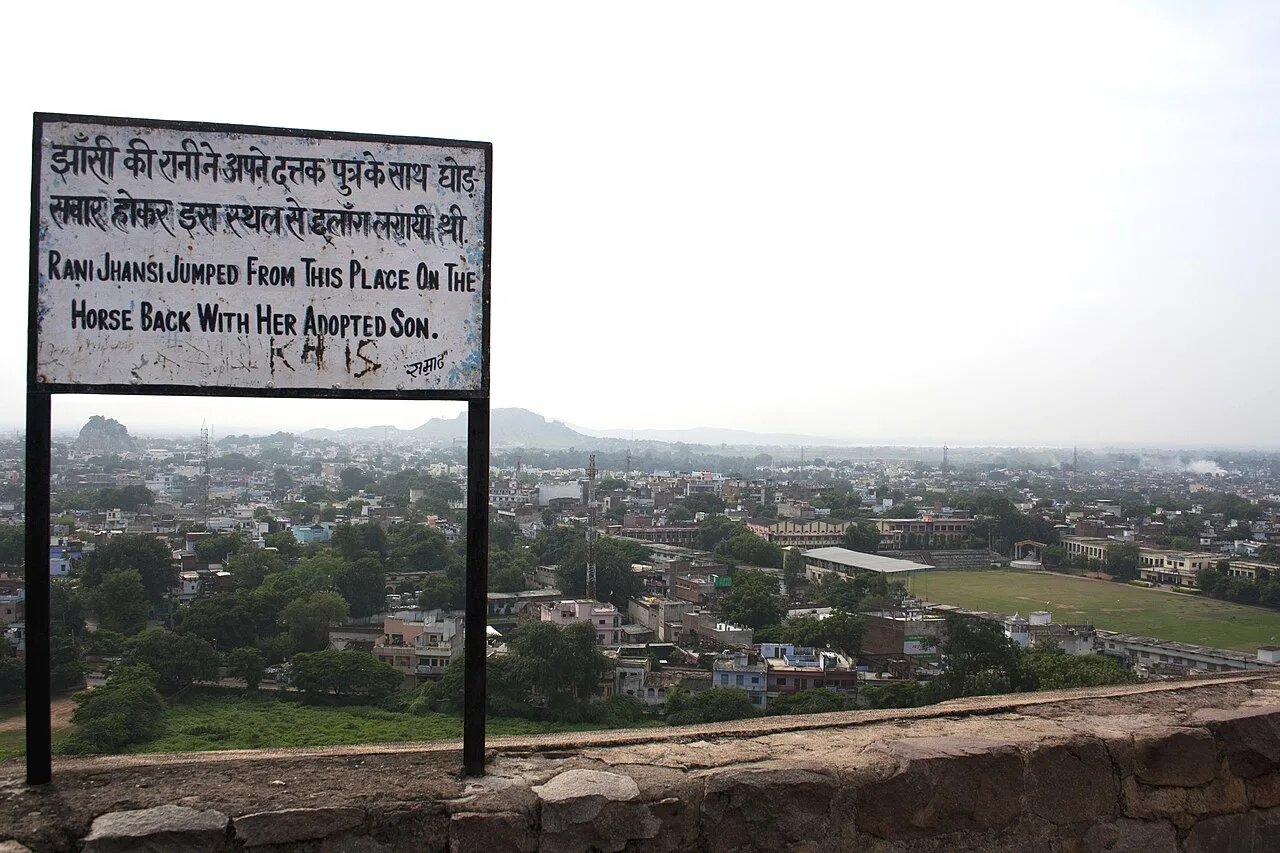
Jhansi Fort is a historic stronghold on Bangira in Jhansi, Uttar Pradesh. Visitors can explore its links to the Karhade Brahmin rulers and the town’s later British-era history.

Etawah Safari Park

129 km away · Etawah district

Etawah Safari Park

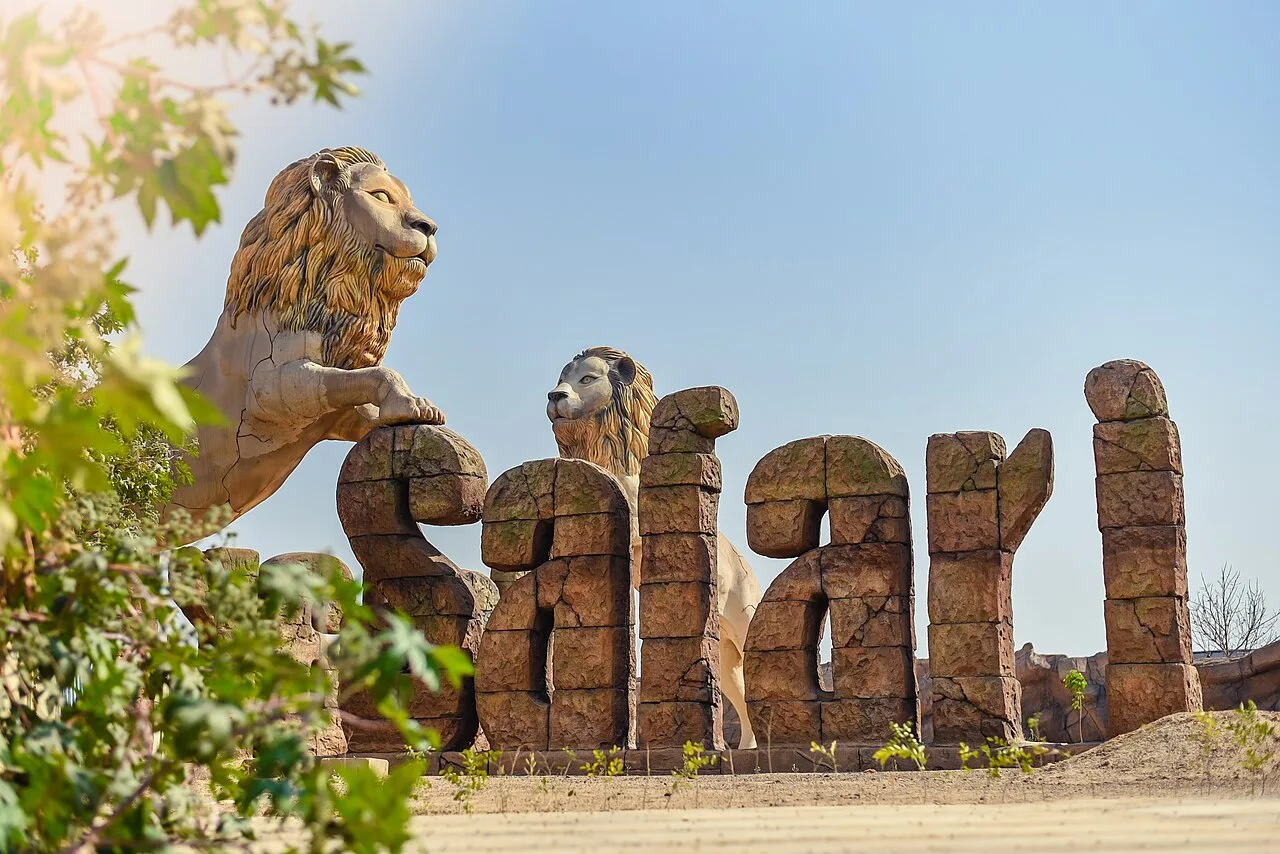
A wildlife attraction in Etawah district, Uttar Pradesh, the park draws visitors for its vehicle-based safari experiences, Asiatic lion breeding centre and visitor centre.

JK Temple

147 km away · Kanpur Nagar district

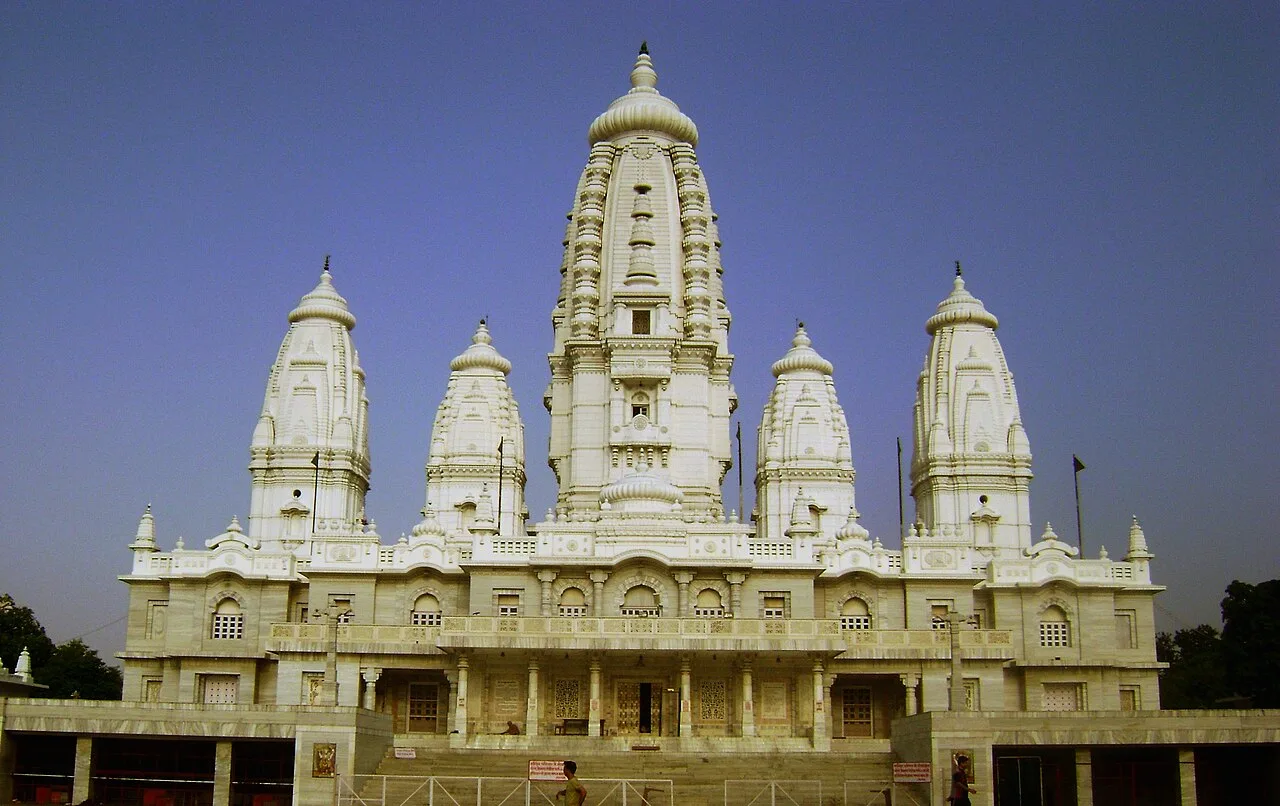
JK Temple

Known also as the Juggilal Kamlapat Temple and Radhakrishna Temple, this Hindu place of worship in Kanpur draws visitors for its combination of traditional and modern architectural features.

Kalinjar Fort

148 km away · Banda district

Kalinjar Fort

Travellers visit Kalinjar for its extensive fortifications, its association with Chandela rule and its long religious history, including sacred structures dating to the Gupta period.

Dashavatara Temple

154 km away · Lalitpur district

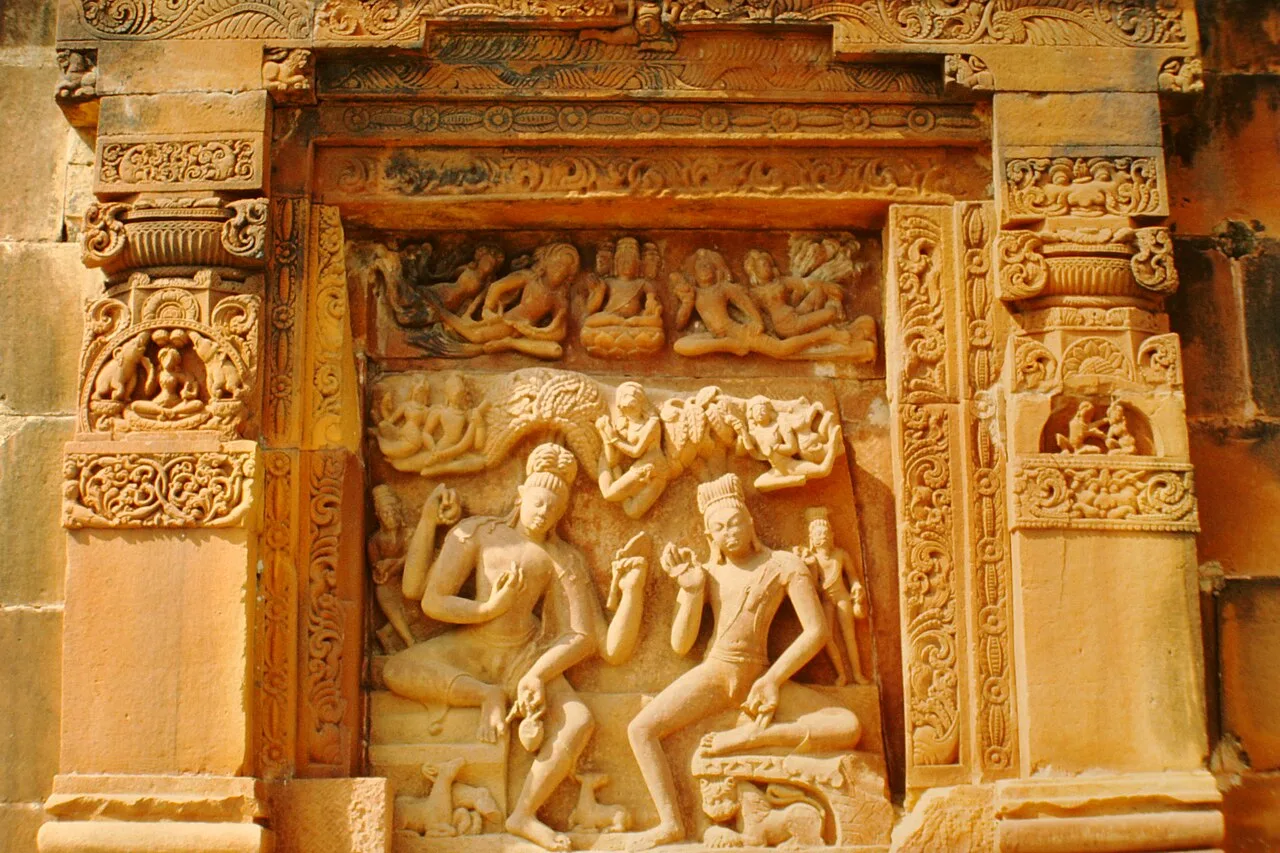
Dashavatara Temple

The Dashavatara Temple is a Gupta-period shrine to Vishnu at Deogarh, Uttar Pradesh. Visitors come to study its early stone architecture and carved narratives, which illuminate the development of northern Indian temple design.

Bithoor Ghats

155 km away · Kanpur Nagar district

Bithoor Ghats

Bithoor Ghats are part of Bithoor, a town in Uttar Pradesh beside the Ganges. People visit for its importance as a Hindu pilgrimage centre and its connection with Nana Sahib and the 1857 uprising.

Bateshwar Temples, Agra

160 km away · Agra district

Bateshwar Temples, Agra

Bateshwar is a village in Uttar Pradesh’s Agra district, known as a spiritual centre for Hindus and Jains, with 101 Shiva temples and an annual fair.

Nawabganj Bird Sanctuary

184 km away · Unnao district

Nawabganj Bird Sanctuary

Nawabganj Bird Sanctuary, renamed Shahid Chandra Shekhar Azad Bird Sanctuary in 2015, is a wetland reserve in Unnao district, visited for its migratory birds, deer park, watchtowers and boats.

Map

Gursarai on the map

  1. 1Jhansi Fort
  2. 2Etawah Safari Park
  3. 3JK Temple
  4. 4Kalinjar Fort
  5. 5Dashavatara Temple
  6. 6Bithoor Ghats
  7. 7Bateshwar Temples, Agra
  8. 8Nawabganj Bird Sanctuary

Uttar Pradesh

Other cities to explore