Ghumoopedia — Explore, Discover, Experience
Sign in

City guide · Uttar Pradesh

Pihani

Pihani is a municipal town in Hardoi district, in the central part of Uttar Pradesh. It serves as an administrative centre as well as a market town for nearby communities: the town is the headquarters of a community development block in Shahabad tehsil.

Famous for

  • Traditional sword-making heritage
  • Pihani jaggery
  • Woven carpets
  • Community development administration

Why Pihani matters

Pihani is a municipal town in Hardoi district, in the central part of Uttar Pradesh. It serves as an administrative centre as well as a market town for nearby communities: the town is the headquarters of a community development block in Shahabad tehsil. Its regional importance comes from this mix of civic services, local trade and small-scale production rather than from large visitor attractions.

Pihani is best known for a distinctive craft and industrial past. It was once associated with sword-making, a reputation that prompted a British-era writer to compare it with Damascus in Oudh. Today, jaggery production and woven carpets are among its notable local industries. Visitors interested in everyday town life can explore the central market streets and, where access is available, ask about local workshops and producers. Pihani is not a major sightseeing hub, but it offers a view of a smaller Uttar Pradesh town where traditional skills and agricultural trade remain part of the local economy.
Famous for: crafts, trade & products

Pihani’s best-known products are jaggery and woven carpets. Jaggery connects the town’s trade to the wider sugarcane-growing economy of Uttar Pradesh, while carpet weaving reflects a continuing craft tradition. The town also has a historical association with sword production; this is an important part of its identity, though visitors should not assume that swords are still made or sold widely today.

For locally made goods, begin with the central market and ask shopkeepers about Pihani-made jaggery or carpets. Availability and production can vary, so a local introduction may help locate a maker or seller. There is no widely established GI-tagged product associated with Pihani, and the town is not known as a large-scale saree or handicrafts retail destination. Its interest lies instead in regional trade and small industries. As a community development block headquarters, Pihani also has an administrative role serving surrounding villages; this gives its market and town centre importance beyond the sale of its best-known products.

History

Pihani’s historical reputation rests especially on sword-making. Its blades were sufficiently well known that a British-era writer described the town as the “Damascus of Oudh,” linking its craft fame to the wider region then commonly called Oudh. This comparison captures Pihani’s place in the history of metalwork, although it does not by itself establish the scale or duration of production.

The town developed within the changing political and administrative landscape of the region, including the period of British rule. Its later growth has been shaped by local government, trade and production rather than by a single major industrial transformation. Jaggery-making and woven carpets are among the activities that sustain its present-day identity. Pihani is now a nagar palika parishad and serves as the headquarters of a community development block within Shahabad tehsil. Its story is therefore both that of a once-noted craft centre and of a working small town serving its surrounding rural area.

Food, festivals & culture

Everyday food in Pihani reflects the wider cuisine of central Uttar Pradesh: home-style wheat breads, lentils, seasonal vegetables and familiar snacks are part of local dining. Jaggery is a notable local product and may be enjoyed as a sweetener or in seasonal preparations, though it is not the town’s only traditional sweet. For a taste of local life, look to ordinary market eateries and ask what is freshly prepared rather than expecting a single signature dish.

Holi, usually celebrated in spring, and Diwali, in autumn, are important Hindu festivals; Eid celebrations and Muharram are also part of the town’s religious calendar. Hindi is widely used, Urdu is also spoken, and local speech reflects the linguistic influences of central Uttar Pradesh. Devotional and folk music form part of festival and family gatherings, while dance is generally associated with celebrations rather than formal performances for visitors. Temples and mosques serve local communities; visitors should dress respectfully and follow local guidance when entering places of worship.

Visiting the city

The cooler months, roughly October to March, are generally the most comfortable time to visit. Summers can be very hot, while the monsoon season may bring rain and humid conditions. Chaudhary Charan Singh International Airport in Lucknow is the nearest major airport. For rail connections, travellers can check services to Anjhi Shahabad or Hardoi railway stations and arrange onward road transport to Pihani, as routes and convenient connections vary.

Within town, local autos or other hired road transport can be useful; confirm availability on arrival. The central market is a practical starting point for seeing everyday commerce and asking about jaggery or carpet makers. The older town streets and areas around local places of worship offer a low-key glimpse of daily life. Pihani is compact in character, so a visit is best planned around local markets and conversations with residents rather than a long list of formal attractions.

Trips from the city

Nearest places to visit from Pihani

Our closest destination guides, by straight-line distance.

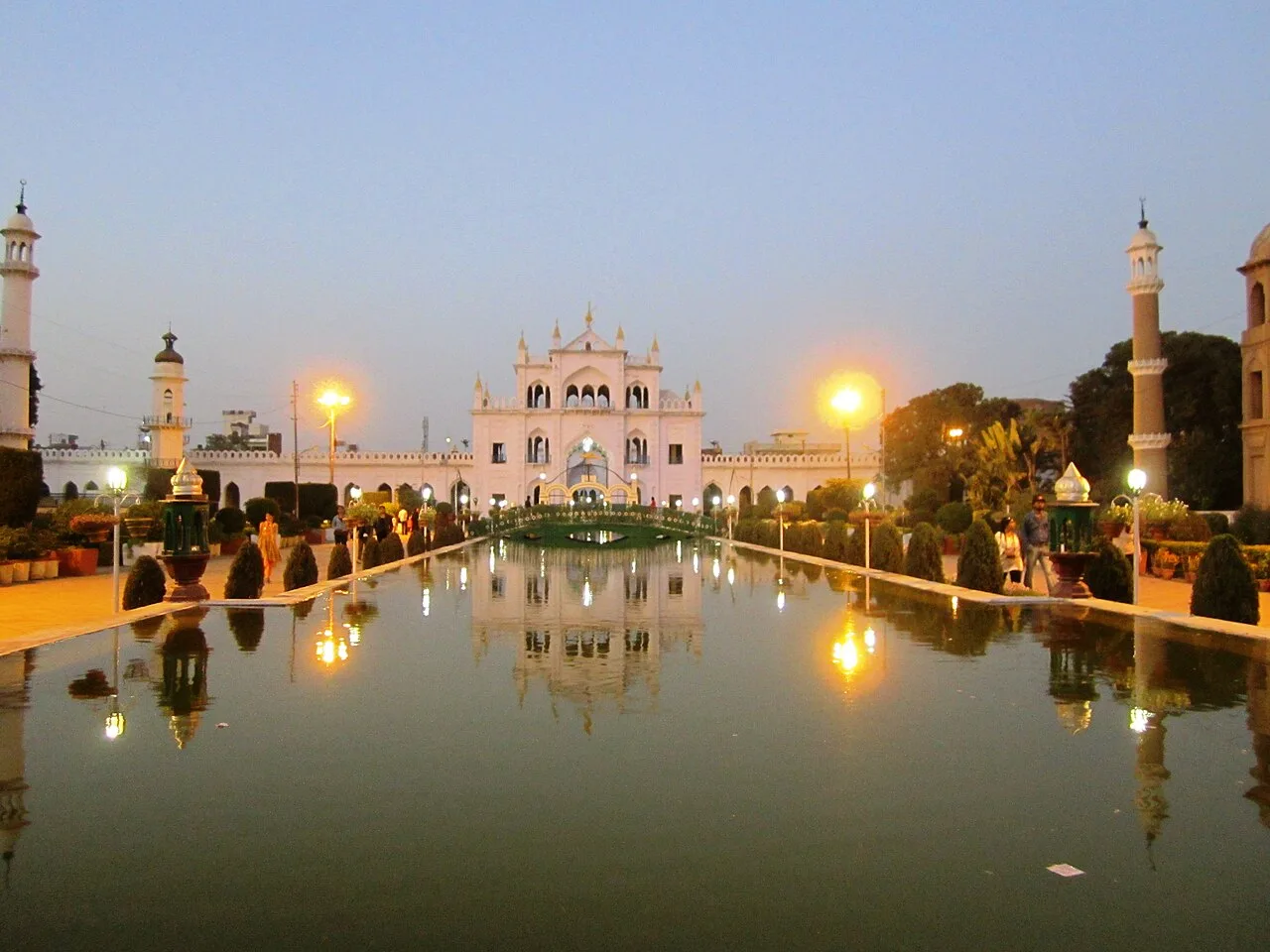
Chota Imambara

108 km away · Lucknow district

Chota Imambara

Chota Imambara, also called Imambara Hussainabad Mubarak, is a Shia religious hall and mausoleum in Lucknow. Visitors come to see its decorated interiors, calligraphy and distinctive ceremonial features.

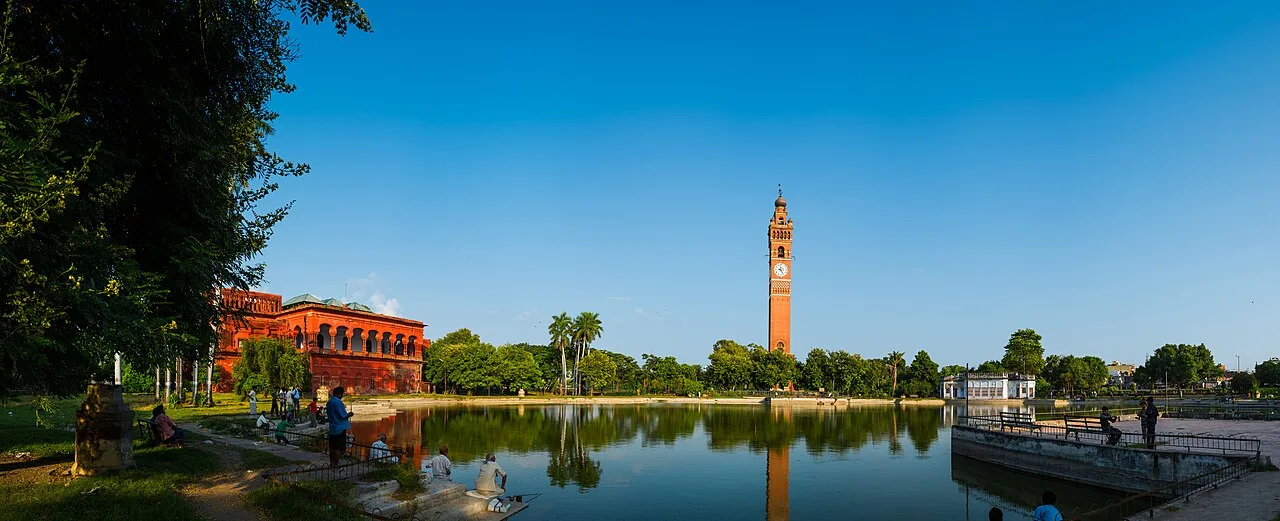
Husainabad Clock Tower

108 km away · Lucknow district

Husainabad Clock Tower

Husainabad Clock Tower is a historic structure in Lucknow, Uttar Pradesh, built to commemorate an official’s arrival. Visitors come to see its combination of Mughal and Victorian architectural features.

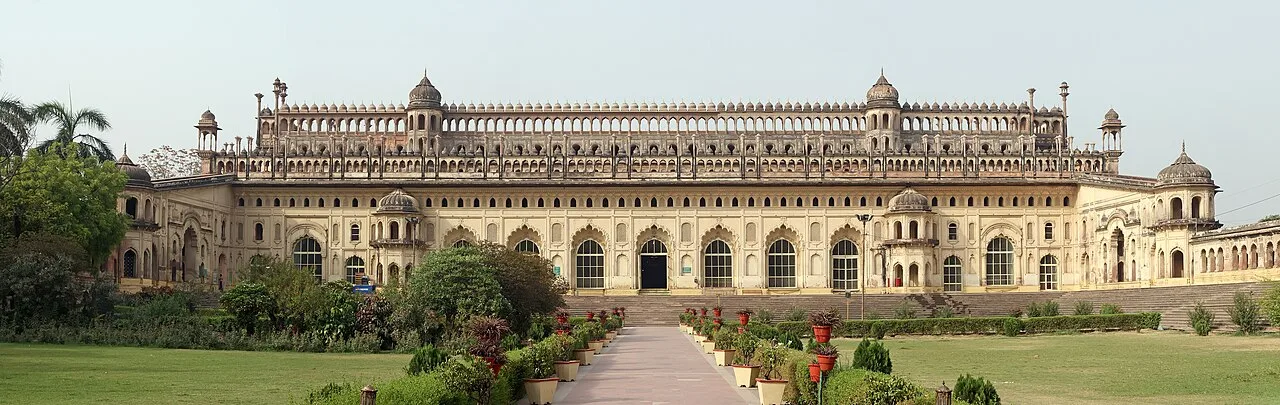
Bara Imambara

109 km away · Lucknow district

Bara Imambara

Bara Imambara, also known as the Asafi Imambara, is a religious complex in Lucknow. Visitors come to see its imambara and mosque and its status as a nationally important monument.

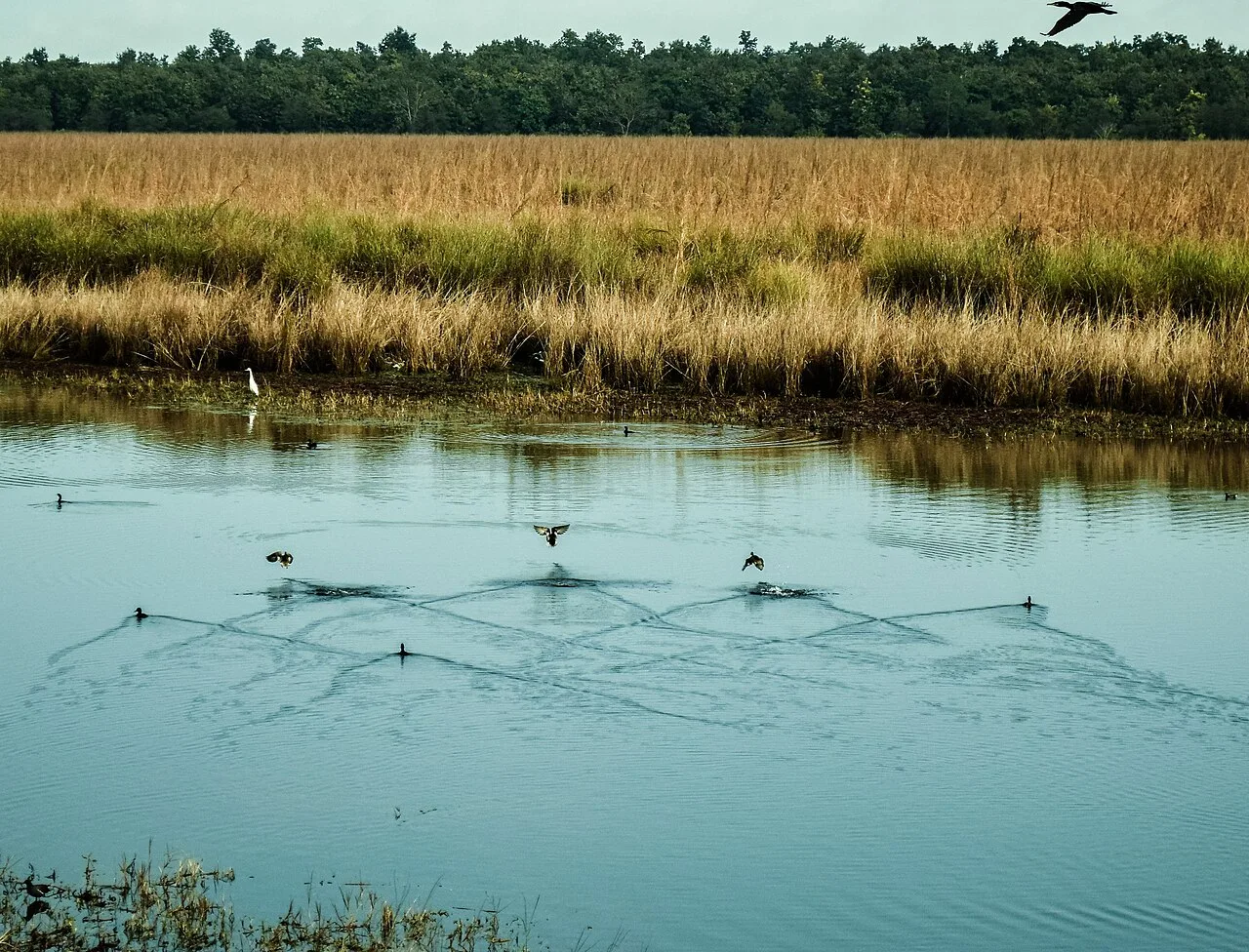
Dudhwa National Park

109 km away · Lakhimpur Kheri district

Dudhwa National Park

Dudhwa National Park is a protected area in Uttar Pradesh’s northern Terai, known for its marshy grassland setting. Visitors come to experience this landscape and explore a park within the Dudhwa Tiger Reserve.

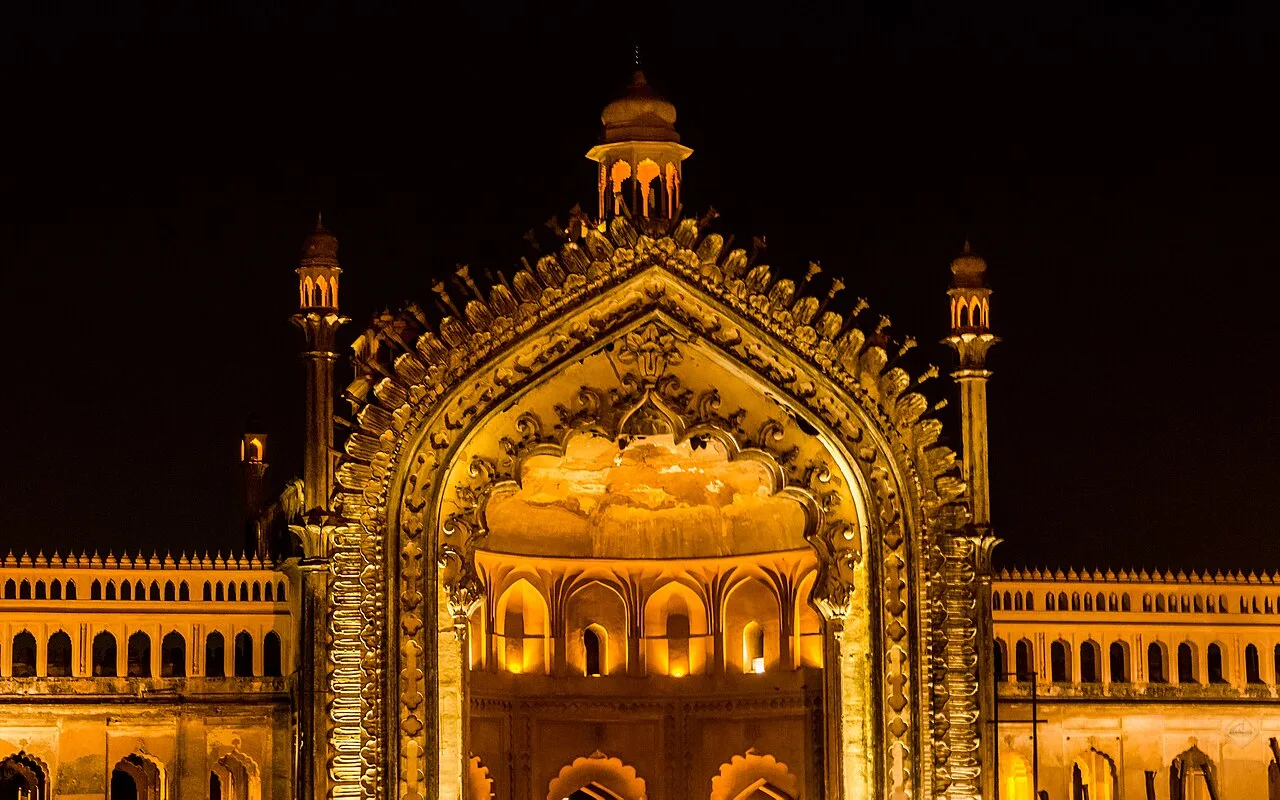
Rumi Darwaza

110 km away · Lucknow district

Rumi Darwaza

Rumi Darwaza is an 18th-century gateway in Lucknow, known for its Awadhi design and links to the city’s past. Visitors come to see its architecture and historic setting.

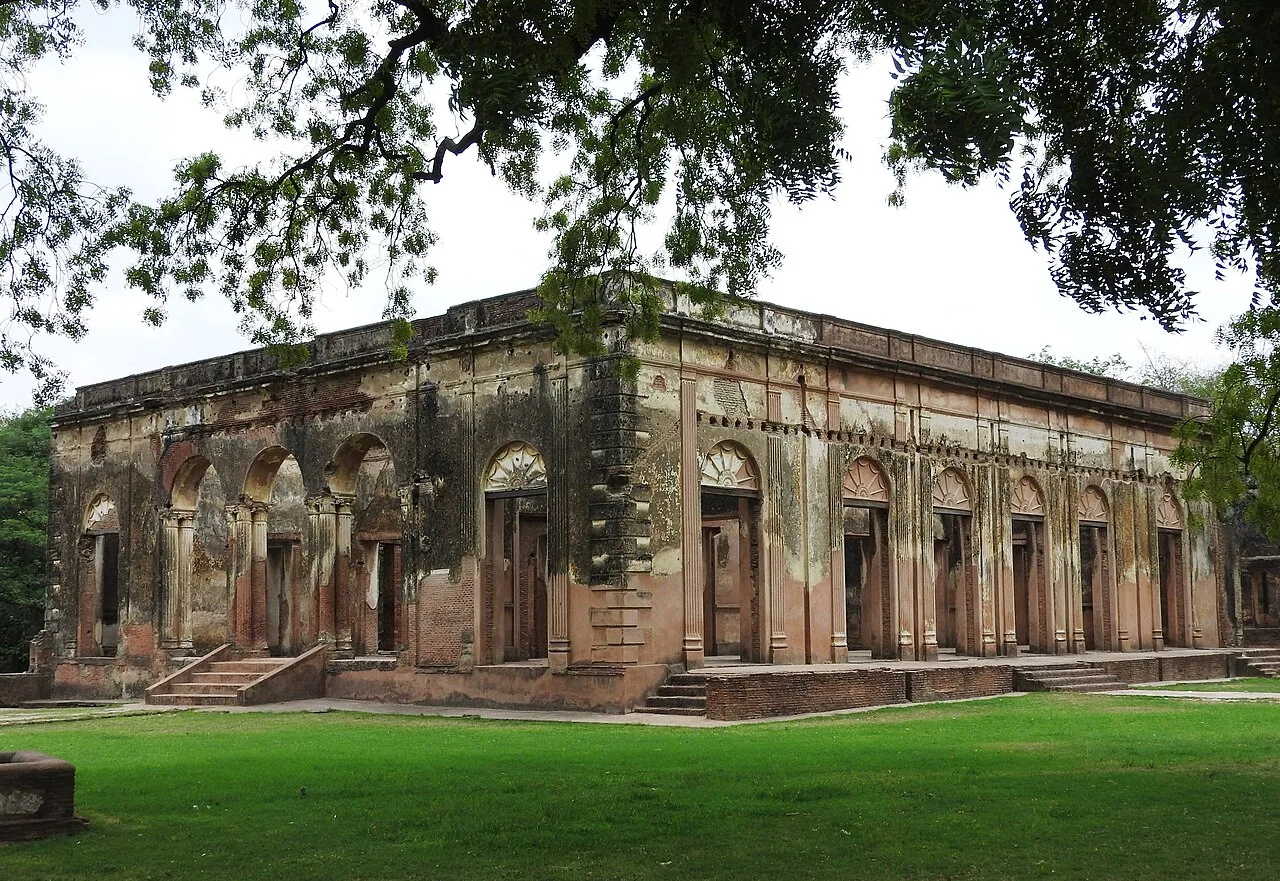
The Residency, Lucknow

110 km away · Lucknow district

The Residency, Lucknow

The Residency is a collection of buildings in Lucknow associated with the British representative at the Nawab of Awadh’s court. Visitors can explore its former residential role and its setting near other landmarks.

Bithoor Ghats

112 km away · Kanpur Nagar district

Bithoor Ghats

Bithoor Ghats are part of Bithoor, a town in Uttar Pradesh beside the Ganges. People visit for its importance as a Hindu pilgrimage centre and its connection with Nana Sahib and the 1857 uprising.

Hazratganj Market

113 km away · Lucknow district

Hazratganj Market

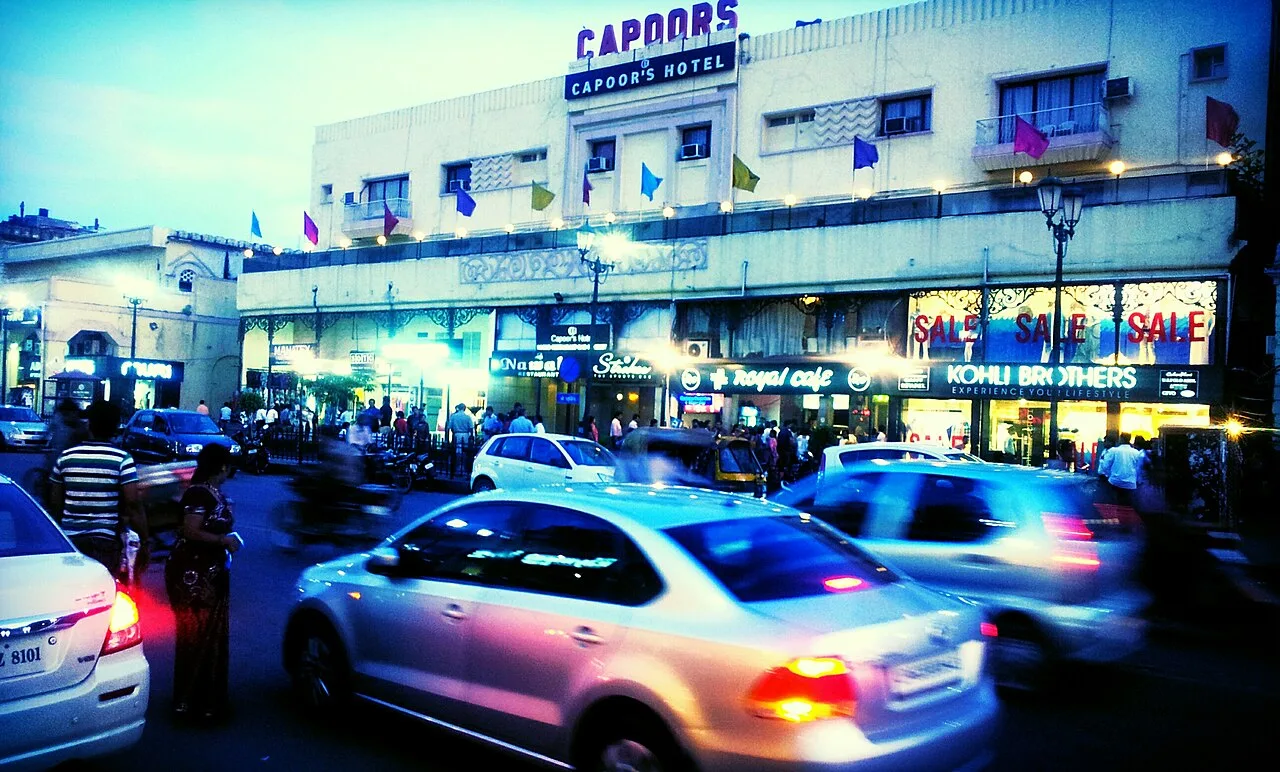
Hazratganj Market is a commercial and shopping area in Lucknow, Uttar Pradesh. Visitors come for its bazaars, retail and dining options, entertainment venues and access to the metro.

Map

Pihani on the map

  1. 1Chota Imambara
  2. 2Husainabad Clock Tower
  3. 3Bara Imambara
  4. 4Dudhwa National Park
  5. 5Rumi Darwaza
  6. 6The Residency, Lucknow
  7. 7Bithoor Ghats
  8. 8Hazratganj Market

Uttar Pradesh

Other cities to explore