Ghumoopedia — Explore, Discover, Experience
Sign in
Bateshwar Temples, Agra, near Firozabad

City guide · Uttar Pradesh

Firozabad

Firozabad is an important industrial city in western Uttar Pradesh, close to Agra and on a major rail and road corridor. Its best-known distinction is its glass industry: local workshops and factories make bangles and a wide range of glass goods, giving the city a strong identity as a centre of Indian glassmaking.

Famous for

  • Glass bangles
  • Handmade glassware
  • Glassmaking workshops
  • Mughal-era history
  • Braj-influenced culture

Why Firozabad matters

Firozabad is an important industrial city in western Uttar Pradesh, close to Agra and on a major rail and road corridor. Its best-known distinction is its glass industry: local workshops and factories make bangles and a wide range of glass goods, giving the city a strong identity as a centre of Indian glassmaking. The craft supports generations of skilled workers and draws buyers, traders and visitors interested in how glass products are made and sold.

The city also has a place in the history of the region. Nearby Chandwar was an older settlement and stronghold, while Firozabad itself took shape during the Mughal period. Visitors can combine a look at its glass markets and workshops with an exploration of the old city and its historic sites. Its position near Agra makes it a possible side trip for travellers exploring the wider Braj and Yamuna region, though the city’s working craft traditions are its main attraction. Firozabad is also the administrative centre of its district and an important local hub for commerce and transport.
Famous for: crafts, trade & products

Firozabad is best known for glass bangles, often made in vivid colours and varied designs, as well as decorative glassware and other glass products. The industry ranges from small workshops to larger factories, with specialist skills used in shaping, colouring and finishing glass. The city is also associated with lac work and other small-scale trades. These products are made for local use and sold to buyers and wholesalers beyond the region.

Visitors can look for bangles and glass goods in the city’s market areas and specialist shops; workshops and factories are found within the urban area and on its outskirts. Some sellers offer ready-made pieces, while others deal in bulk or particular kinds of glassware. Factory access is not necessarily open to the public, so it is best to ask locally before planning a visit. Firozabad’s reputation rests on its working glass industry rather than on textiles or a widely recognised GI-tagged craft. Shopping here is most rewarding when approached as a chance to see a living manufacturing and trading tradition, as well as to browse finished products.

History

The area’s older history is closely linked with Chandwar, a settlement southwest of present-day Firozabad that was associated with Chauhan Rajput rulers and repeatedly contested by regional powers. Firozabad developed as a town during the Mughal period. Accounts connect its name and foundation with a Mughal official sent during Akbar’s reign, though traditions differ over the details. The town grew as an administrative and commercial centre, while glass and bangle work became established local trades.

In the eighteenth century, Firozabad experienced conflict involving Maratha forces and regional rulers. It later came under British control and was attached to different administrative districts as colonial boundaries changed. Local people took part in the 1857 uprising and later anti-colonial movements. In independent India, the glass industry expanded the city’s economic importance. Firozabad district was established in 1989, and the city’s municipal administration was elevated to a municipal corporation in 2014.

Food, festivals & culture

Firozabad shares many food traditions with western Uttar Pradesh and the Braj region. Everyday meals commonly feature wheat breads, lentils and seasonal vegetables; kachori, puri and familiar North Indian sweets can be found at local eateries and sweet shops. Food offerings vary by neighbourhood, and visitors can ask locally for popular shops and regional specialities.

Hindi is widely spoken, with Urdu also used in the city; Braj influence is present in the surrounding region. Holi, usually in spring, is an important celebration across Braj, while Diwali in autumn, Navratri and Eid are also observed by local communities. Religious life includes Hindu temples and Muslim mosques, alongside other places of worship. Devotional singing, bhajans and qawwali form part of the broader regional soundscape, while folk music and dance traditions are more commonly encountered at community and seasonal celebrations than as scheduled visitor performances. The city’s glassmaking is itself a visible part of local culture, shaped by family skills and workshop life.

Visiting the city

October to March is generally the most comfortable period to visit, with cooler weather than the hot summer months. Firozabad Railway Station is the city’s main station, and the city is connected by road with Agra and other towns in the region. The nearest airport is Agra Airport; travellers seeking a wider choice of flights may also consider Delhi.

Auto-rickshaws and e-rickshaws are useful for getting around town, while taxis can be arranged for longer trips. Explore the old market areas for glass bangles and glassware, and ask locally whether a workshop visit can be arranged, as factory access varies. Asafabad and the historic area around Chandwar offer context on the city’s past; Chandwar lies outside the central urban area, so allow time for the journey. Local roads and industrial outskirts provide a sense of the city’s manufacturing activity.

Trips from the city

Nearest places to visit from Firozabad

Our closest destination guides, by straight-line distance.

Bateshwar Temples, Agra

28 km away · Agra district

Bateshwar Temples, Agra

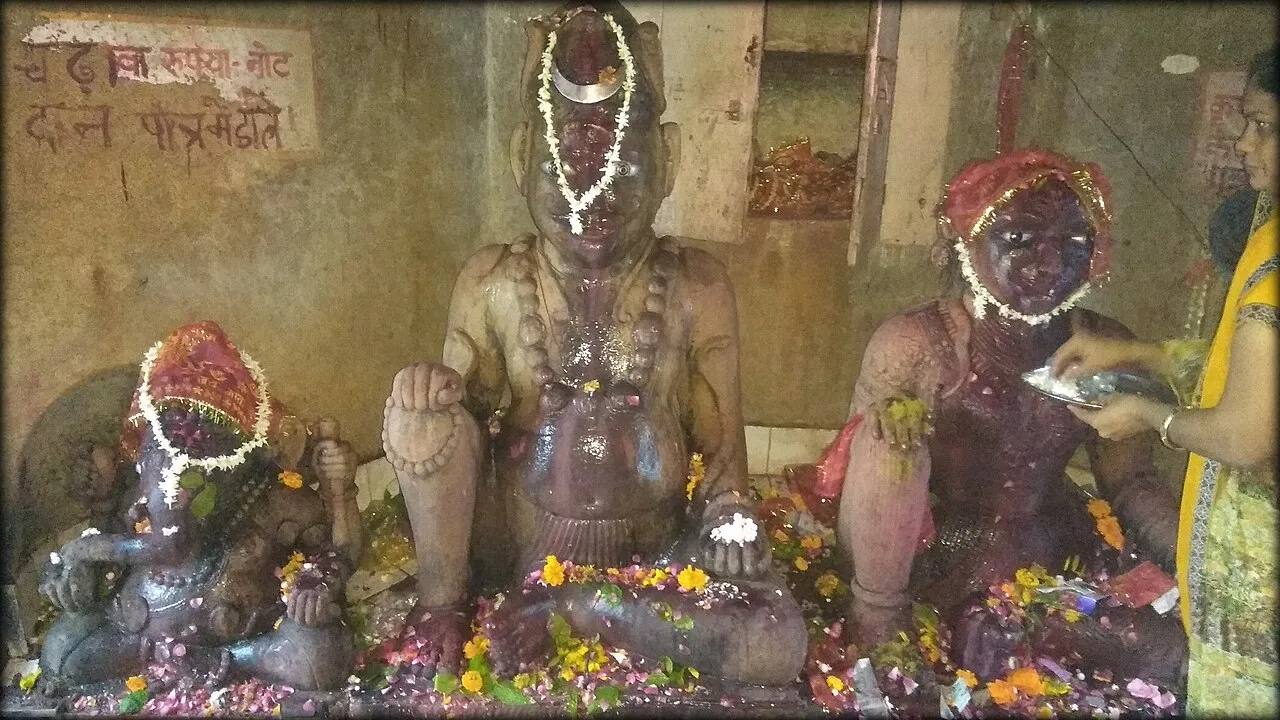
Bateshwar is a village in Uttar Pradesh’s Agra district, known as a spiritual centre for Hindus and Jains, with 101 Shiva temples and an annual fair.

Mehtab Bagh

35 km away · Agra district

Mehtab Bagh

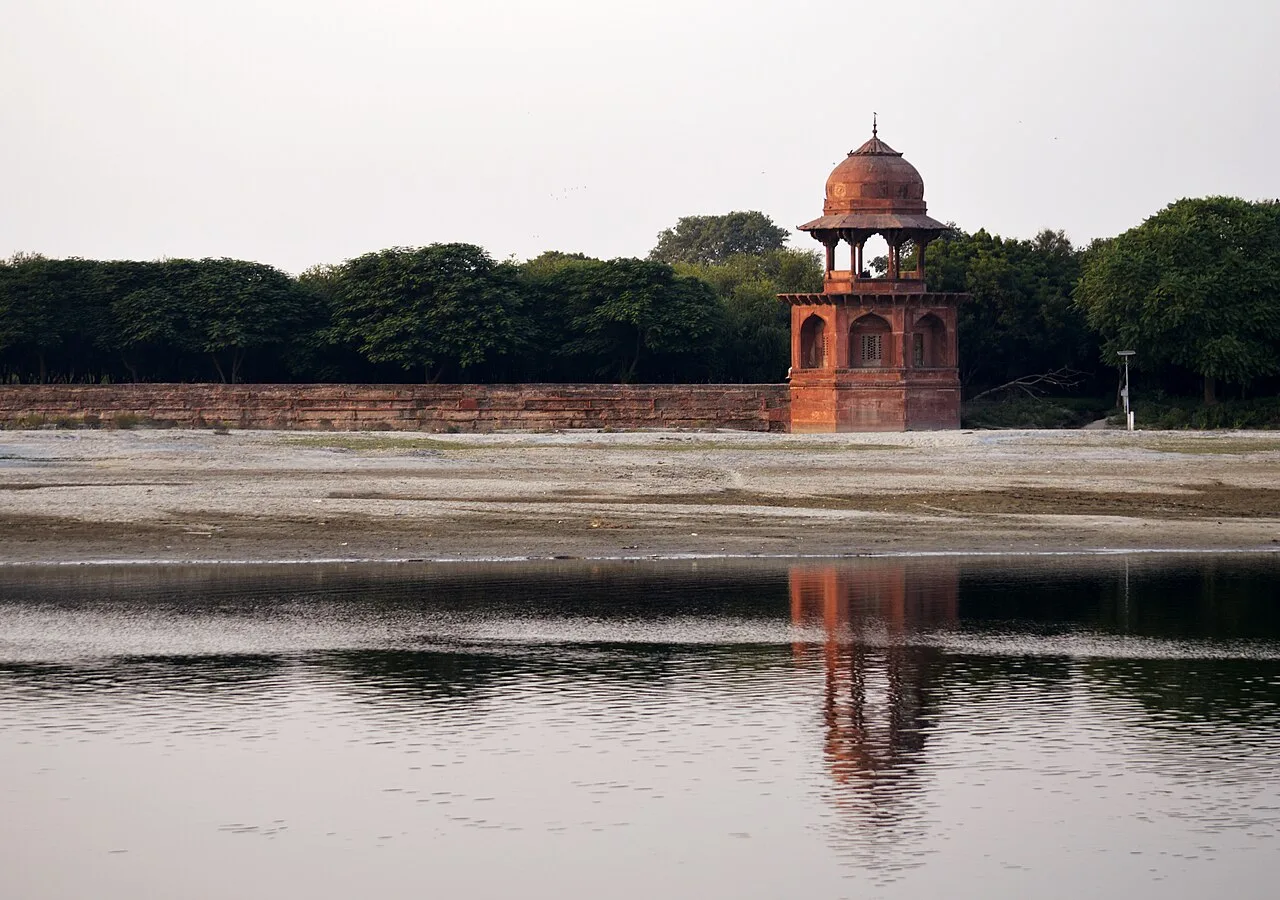
Mehtab Bagh is a square charbagh garden in Agra, Uttar Pradesh, across the Yamuna from the Taj Mahal. Visitors come to see its carefully aligned setting opposite the monument.

Taj Mahal

35 km away · Agra district

Taj Mahal

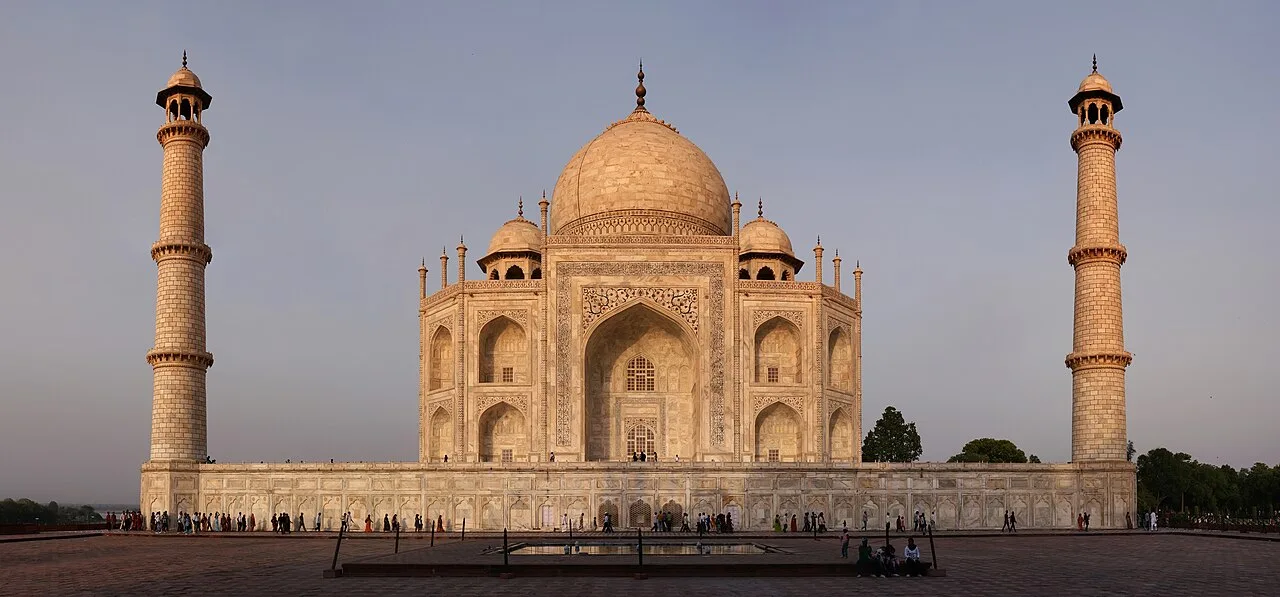
The Taj Mahal is a marble tomb complex in Agra, built for Mumtaz Mahal and Shah Jahan. Visitors come to see its Mughal architecture, gardens and memorials.

Chini Ka Rauza

36 km away · Agra district

Chini Ka Rauza

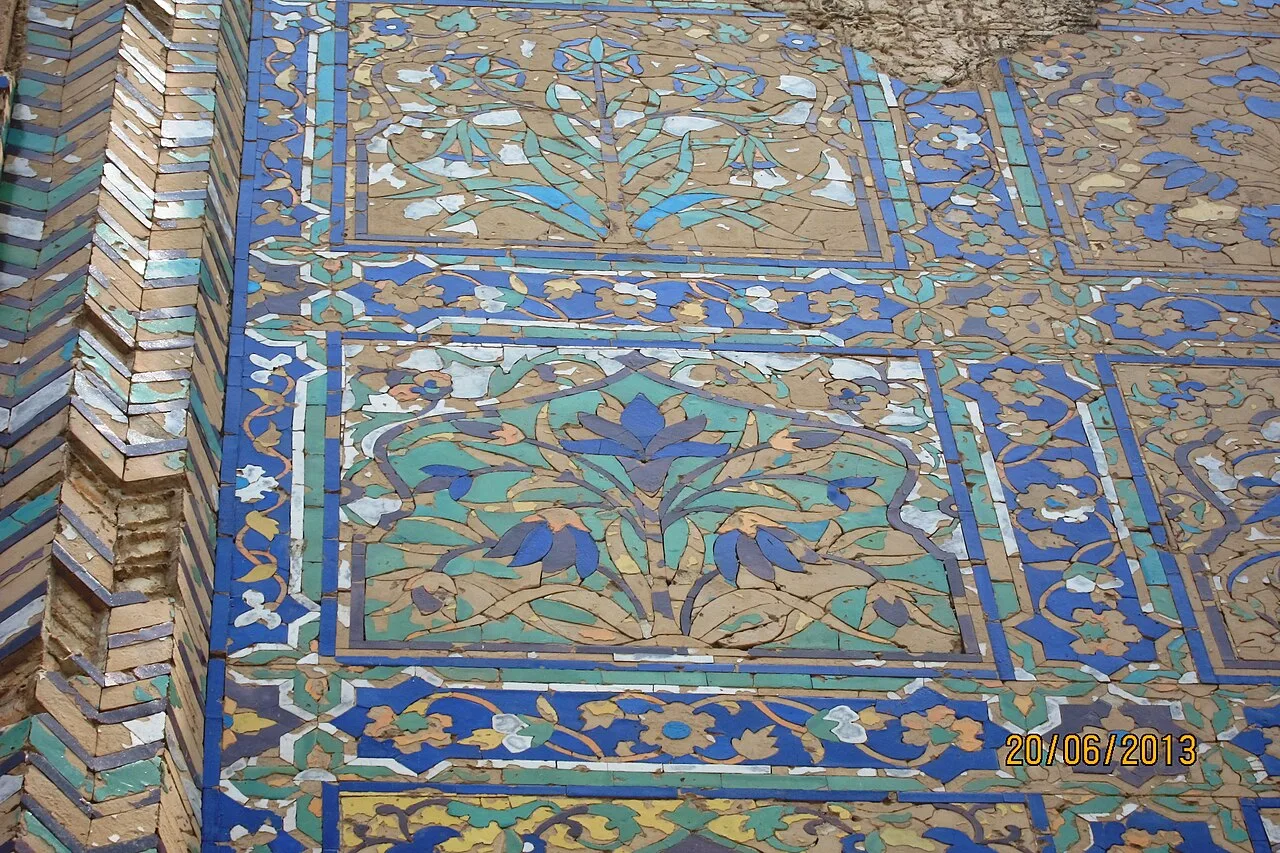
Chini Ka Rauza is a funerary monument in Agra, built in 1635 for Afzal Khan Shirazi, a scholar, poet and Shah Jahan’s grand vizier. Visitors come to see its glazed tiles and learn about its history.

Itmad Ud Daulah

36 km away · Agra district

Itmad Ud Daulah

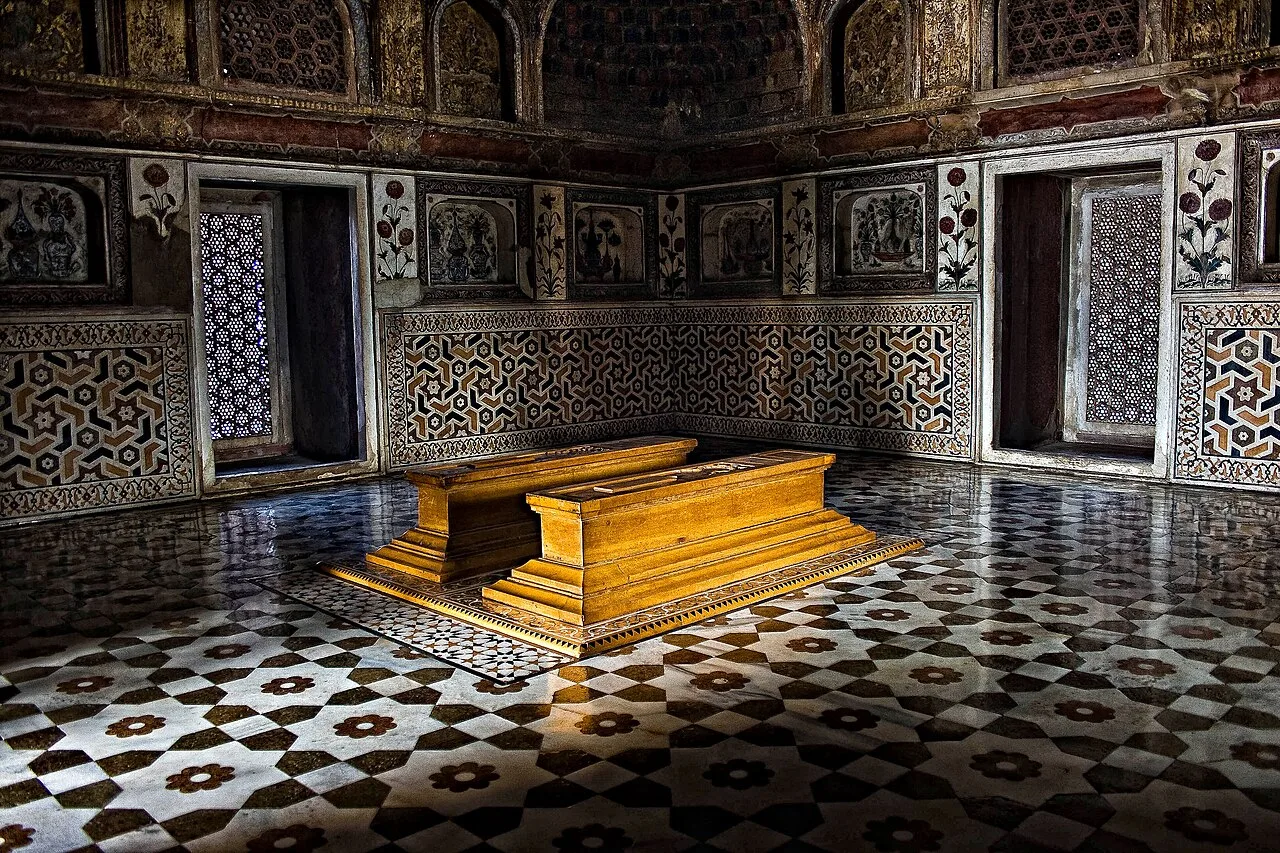
A Mughal marble mausoleum in Agra, Itmad Ud Daulah attracts visitors for its garden setting, intricate decoration and place in the evolution of Mughal architecture.

Agra Fort

37 km away · Agra district

Agra Fort

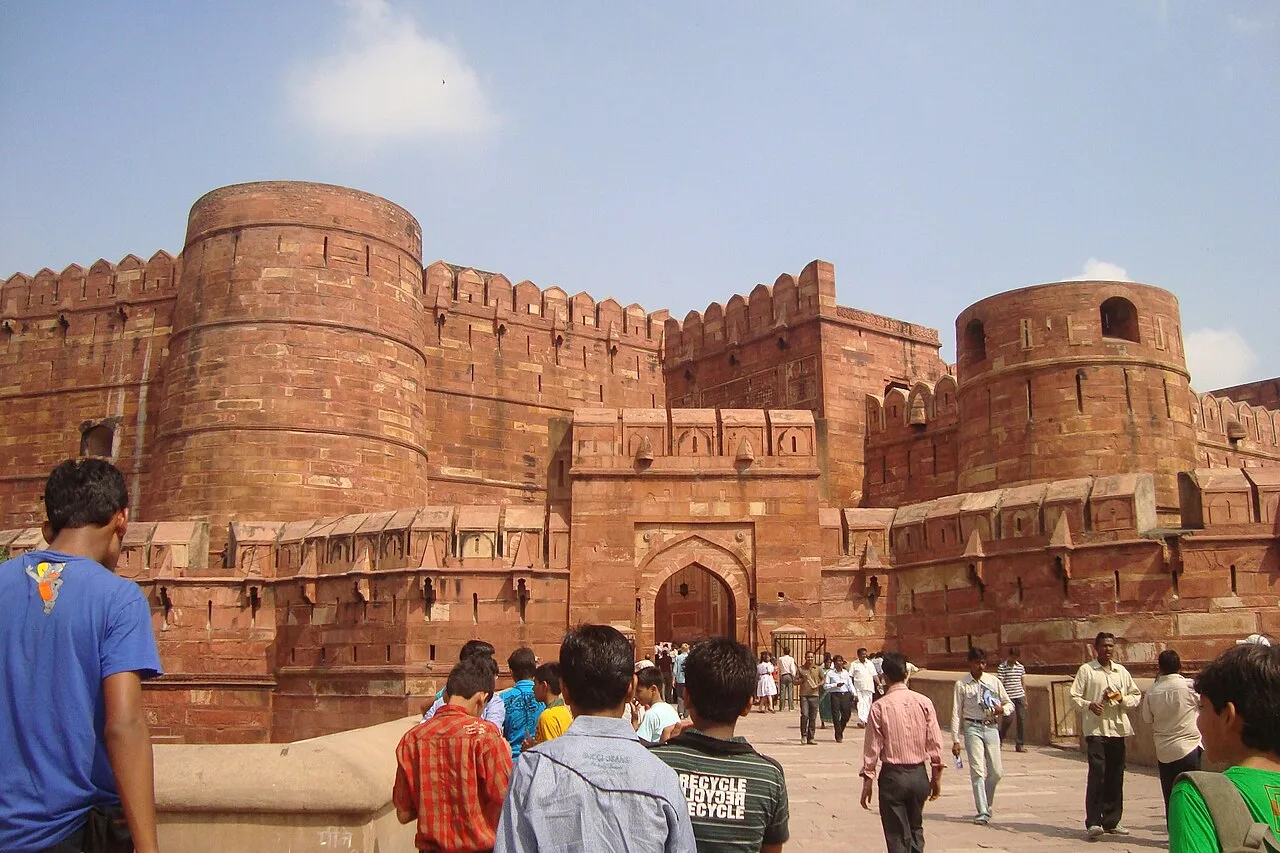
Agra Fort is a major Mughal-era stronghold in Agra, rebuilt by Akbar and later expanded by Shah Jahan. Visitors come to see its palaces, mosques and historic gateways.

Jama Masjid, Agra

38 km away · Agra district

Jama Masjid, Agra

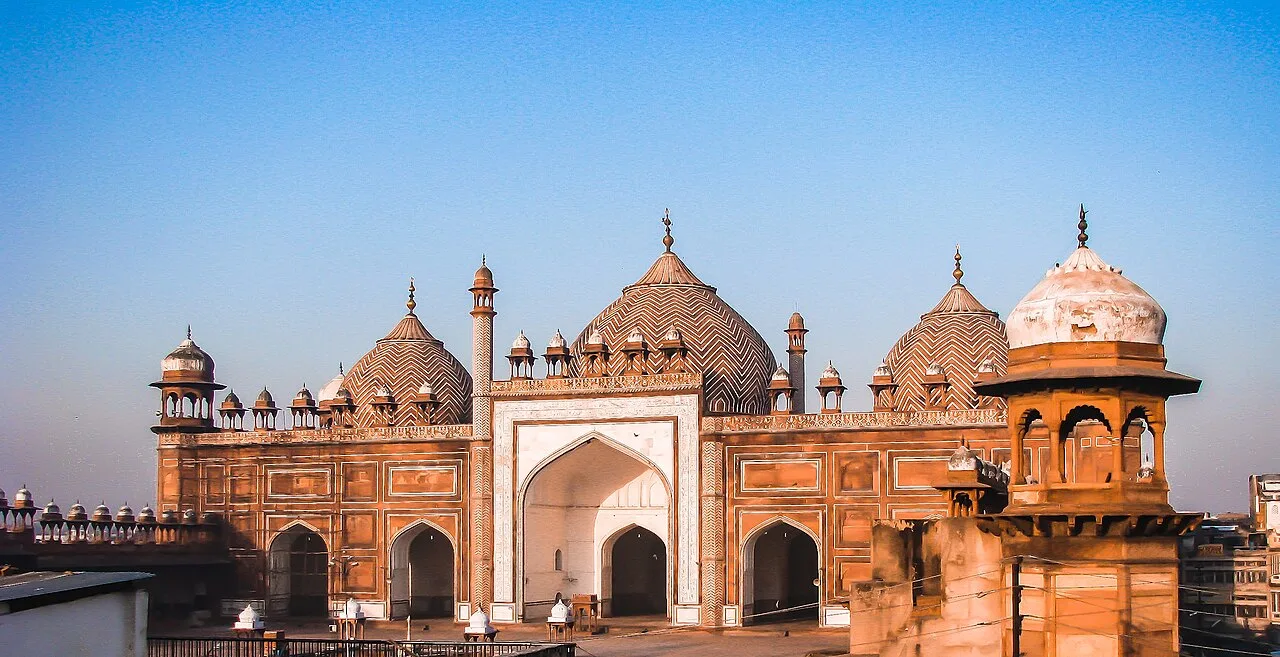
Jama Masjid is a seventeenth-century mosque in Agra, built by Jahanara Begum during Shah Jahan’s reign. Visitors come to see the city’s principal mosque, situated near Agra Fort.

43 km away · Agra district

Guru ka Taal Gurdwara

Guru ka Taal Gurdwara, near Sikandra in Agra, is a Sikh pilgrimage site honouring the ninth Guru, Tegh Bahadur. People visit to remember his martyrdom and the defence of religious freedom.

Map

Firozabad on the map

  1. 1Bateshwar Temples, Agra
  2. 2Mehtab Bagh
  3. 3Taj Mahal
  4. 4Chini Ka Rauza
  5. 5Itmad Ud Daulah
  6. 6Agra Fort
  7. 7Jama Masjid, Agra
  8. 8Guru ka Taal Gurdwara

Uttar Pradesh

Other cities to explore