Ghumoopedia — Explore, Discover, Experience
Sign in

City guide · Uttar Pradesh

Budaun

Budaun is a historic city in the Rohilkhand region of Uttar Pradesh and the administrative centre of its district. Its position among the towns of the upper Ganges plain has made it a regional hub for shopping, services and the movement of agricultural goods.

Famous for

  • Jama Masjid Shamsi
  • Delhi Sultanate heritage
  • Nizamuddin Auliya’s birthplace
  • Rohilkhand market town

Why Budaun matters

Budaun is a historic city in the Rohilkhand region of Uttar Pradesh and the administrative centre of its district. Its position among the towns of the upper Ganges plain has made it a regional hub for shopping, services and the movement of agricultural goods. Visitors come for its medieval heritage, especially Jama Masjid Shamsi, and for the layered religious history reflected in its old neighbourhoods and places of worship.

The city is associated with the early life of the Sufi saint Nizamuddin Auliya and with the Delhi Sultanate: it served briefly as the sultanate’s capital under Iltutmish in the early 13th century. Today, Budaun is a working district town rather than a purpose-built tourist destination. Its appeal lies in combining a historic mosque and older urban fabric with lively local markets and everyday Rohilkhand life. It also makes a useful base for exploring nearby towns and the wider countryside, though visitors should plan around local transport and the city’s modest tourist infrastructure.

Famous for: crafts, trade & products

Budaun is best known commercially as a regional market and service centre, rather than for a widely recognised speciality textile, handicraft or GI-tagged product. Its bazaars serve residents from the city and surrounding rural areas, with shops and traders dealing in everyday goods and agricultural produce. The exact range of goods changes by market and season, so visitors looking for a particular craft or product should ask locally rather than assume it is made here.

For a sense of the city’s trading life, explore the central bazaars and older commercial streets, where small shops, food sellers and general merchants cluster around busy neighbourhood routes. These are practical places to browse for locally used household items, clothing and snacks, as well as to observe how the district’s town-and-village economy works. Budaun’s most distinctive draw is its historic and religious heritage, not a specialised shopping district; Jama Masjid Shamsi and the surrounding old-city lanes offer a strong complement to a market visit. There is no need to seek out a dedicated craft quarter.

History

Local traditions offer several explanations for Budaun’s name and early beginnings, and its remote past is not firmly settled. The city became securely prominent in recorded history after Qutb-ud-din Aibak captured it in 1196. Its strategic position made it an important northern outpost of the Delhi Sultanate. Under Iltutmish, Budaun served as the sultanate’s capital from 1210 to 1214; Iltutmish is also associated with the construction of its imposing Jama Masjid, completed in 1223. Later, two of the city’s governors, Iltutmish and his son Rukn-ud-din Firuz, became rulers of Delhi.

Budaun suffered a major fire in 1571. During Shah Jahan’s reign, the regional seat of government shifted to Sahaspur-Bilari, reducing the city’s administrative importance. The area passed to British control in 1801, when it was ceded by the Nawab of Oudh. Under colonial rule it developed as a district town. In modern Uttar Pradesh, Budaun remains the district headquarters and a regional centre for commerce and public services.

Food, festivals & culture

Hindi and Urdu are widely used in Budaun, alongside regional forms of everyday speech. The city’s food reflects the wider Rohilkhand and north Indian kitchen: breads, lentils, seasonal vegetables and, in many households and eateries, meat dishes. Sweet shops and market stalls offer familiar treats such as jalebi and other north Indian sweets, though Budaun is not especially known for a single signature dish. The central bazaars are good places to sample everyday snacks and watch local life.

Holi and Diwali bring seasonal celebrations in spring and autumn, while Navratri is observed in autumn. Eid celebrations are important to the city’s Muslim communities, with prayer, visits and shared meals marking the occasion. Religious life is visible at Jama Masjid Shamsi and at Hindu temples across the city. Devotional singing and recitation are part of religious gatherings; folk songs and performances associated with weddings and regional festivals also feature in community life. Budaun is known as the birthplace of the Sufi saint Nizamuddin Auliya, adding to its place in the region’s spiritual history.

Visiting the city

October to March is generally the most comfortable period to visit, with cooler weather for walking around the old city and markets. Summers can be very hot, while monsoon months bring rain and humidity. Bareilly Airport is the nearest airport; check current flight availability before planning around it. Budaun railway station is the main rail stop for the city, and road links connect it with nearby towns and larger centres in Uttar Pradesh.

Auto-rickshaws and cycle-rickshaws are useful for short journeys, while local taxis or hired vehicles suit trips farther afield. Start in the older city around Jama Masjid Shamsi, then explore the nearby bazaars and commercial lanes on foot where practical. The central market areas offer an everyday view of Budaun, and local temples provide a different perspective on its religious life. Traffic can be busy in the bazaar streets, so allow extra time and ask locally about access to individual sites.

Trips from the city

Nearest places to visit from Budaun

Our closest destination guides, by straight-line distance.

Rampur Raza Library

87 km away · Rampur district

Rampur Raza Library

In Rampur, Uttar Pradesh, the Rampur Raza Library preserves Indo-Islamic cultural heritage dating to the late eighteenth century. Visitors come to see its manuscripts, artworks, historical records and varied printed collection.

Pilibhit Tiger Reserve

120 km away · Pilibhit district

Pilibhit Tiger Reserve

Pilibhit Tiger Reserve is a protected tiger habitat in Uttar Pradesh’s Pilibhit district, designated in 2014. Visitors come to explore its forests, grasslands, wetlands and wildlife, including tigers and deer.

Bateshwar Temples, Agra

135 km away · Agra district

Bateshwar Temples, Agra

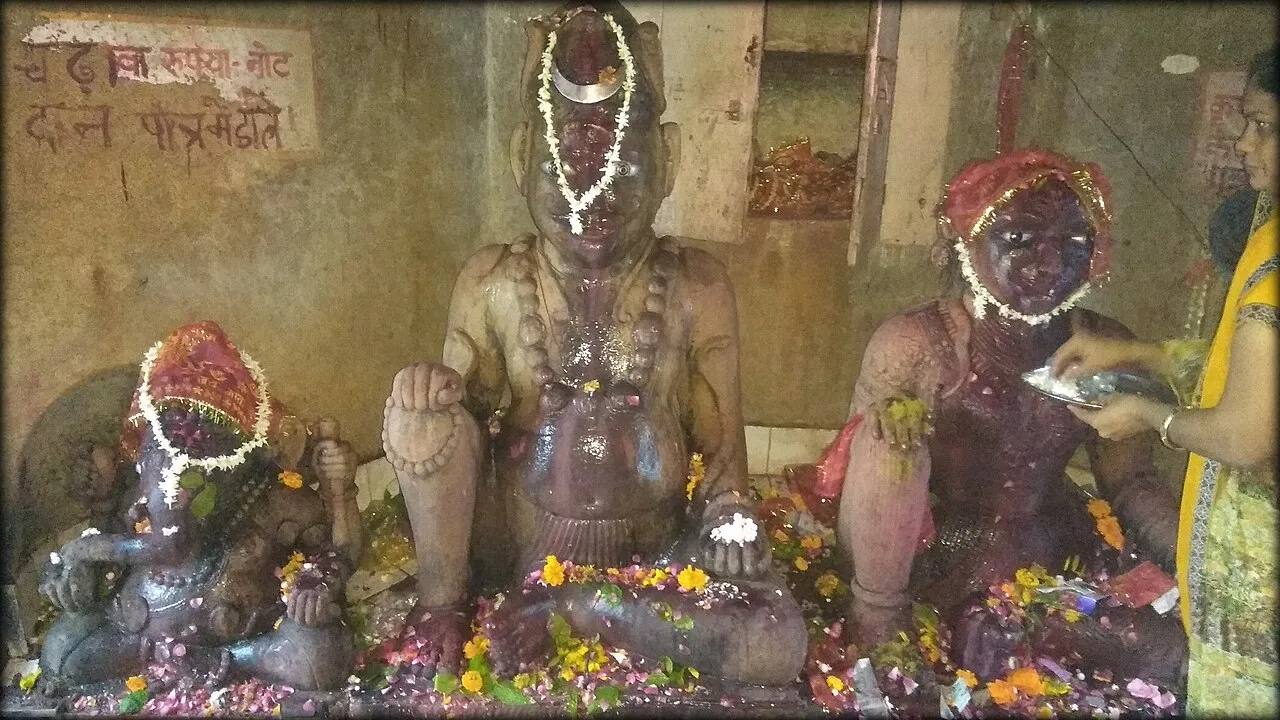
Bateshwar is a village in Uttar Pradesh’s Agra district, known as a spiritual centre for Hindus and Jains, with 101 Shiva temples and an annual fair.

Chini Ka Rauza

142 km away · Agra district

Chini Ka Rauza

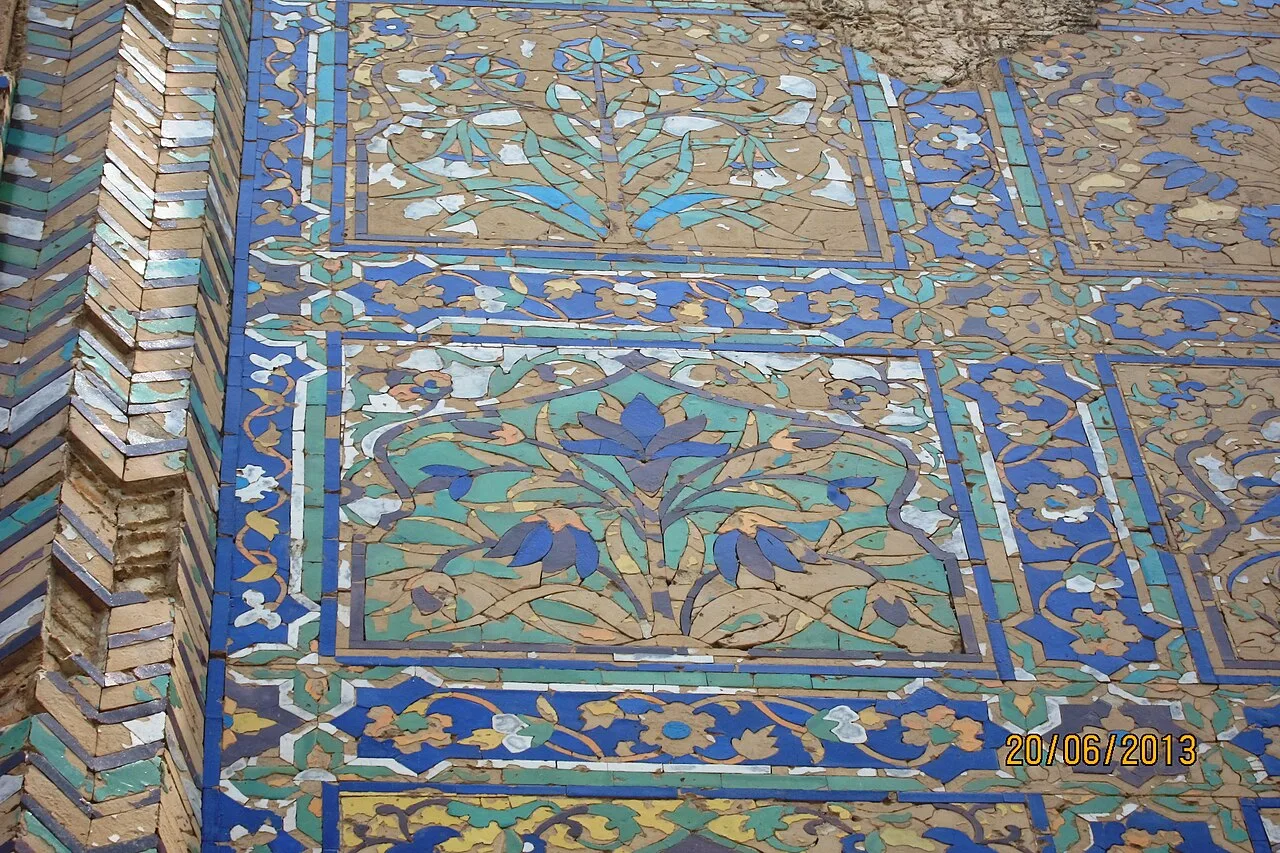
Chini Ka Rauza is a funerary monument in Agra, built in 1635 for Afzal Khan Shirazi, a scholar, poet and Shah Jahan’s grand vizier. Visitors come to see its glazed tiles and learn about its history.

Etawah Safari Park

142 km away · Etawah district

Etawah Safari Park

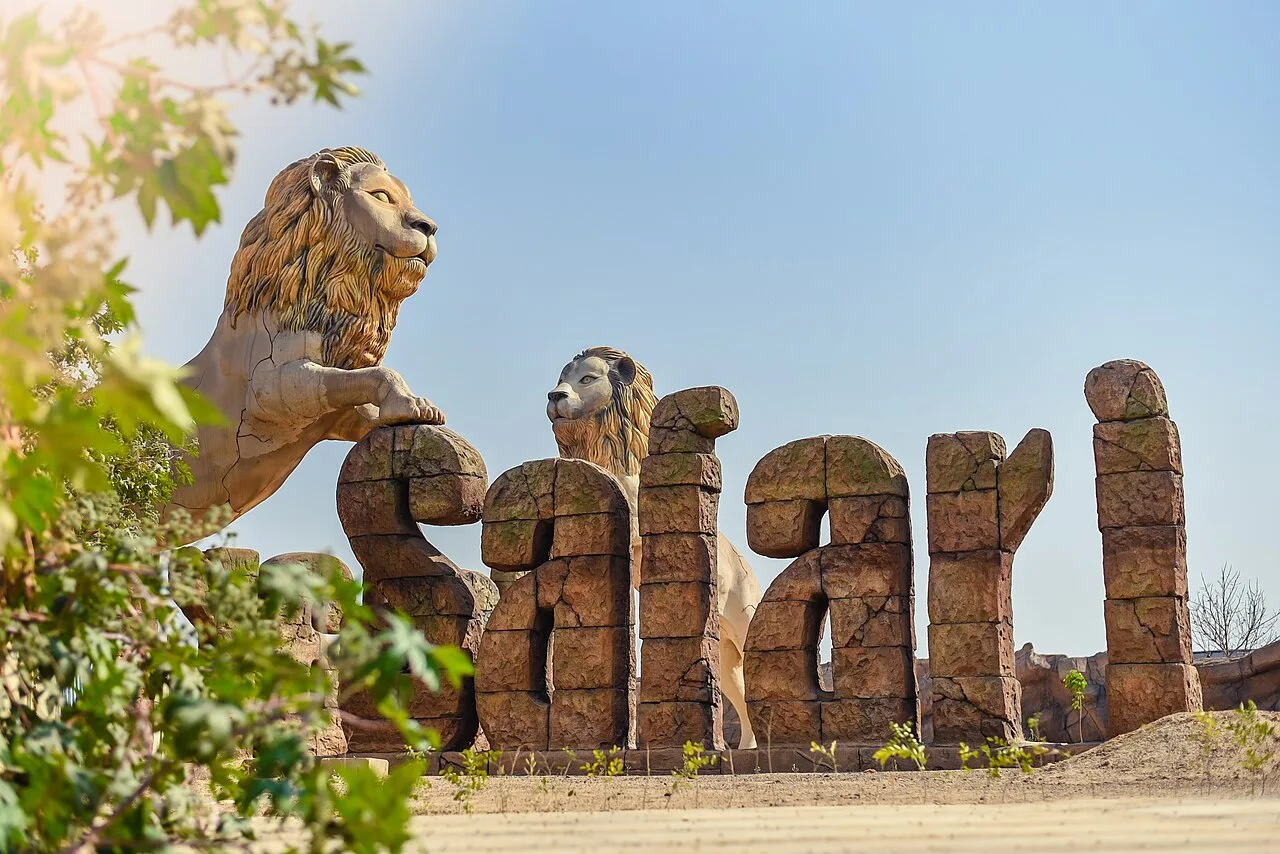
A wildlife attraction in Etawah district, Uttar Pradesh, the park draws visitors for its vehicle-based safari experiences, Asiatic lion breeding centre and visitor centre.

Itmad Ud Daulah

143 km away · Agra district

Itmad Ud Daulah

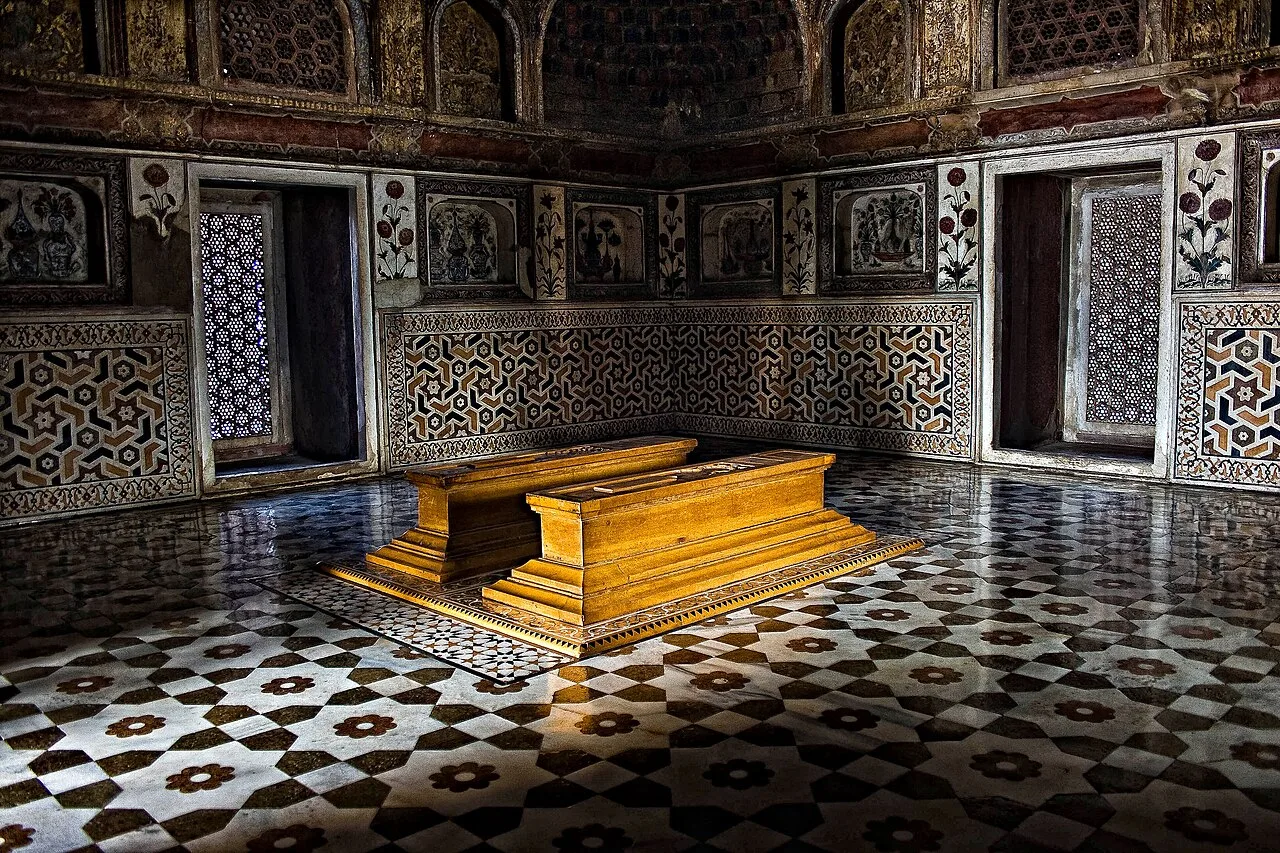
A Mughal marble mausoleum in Agra, Itmad Ud Daulah attracts visitors for its garden setting, intricate decoration and place in the evolution of Mughal architecture.

Mehtab Bagh

143 km away · Agra district

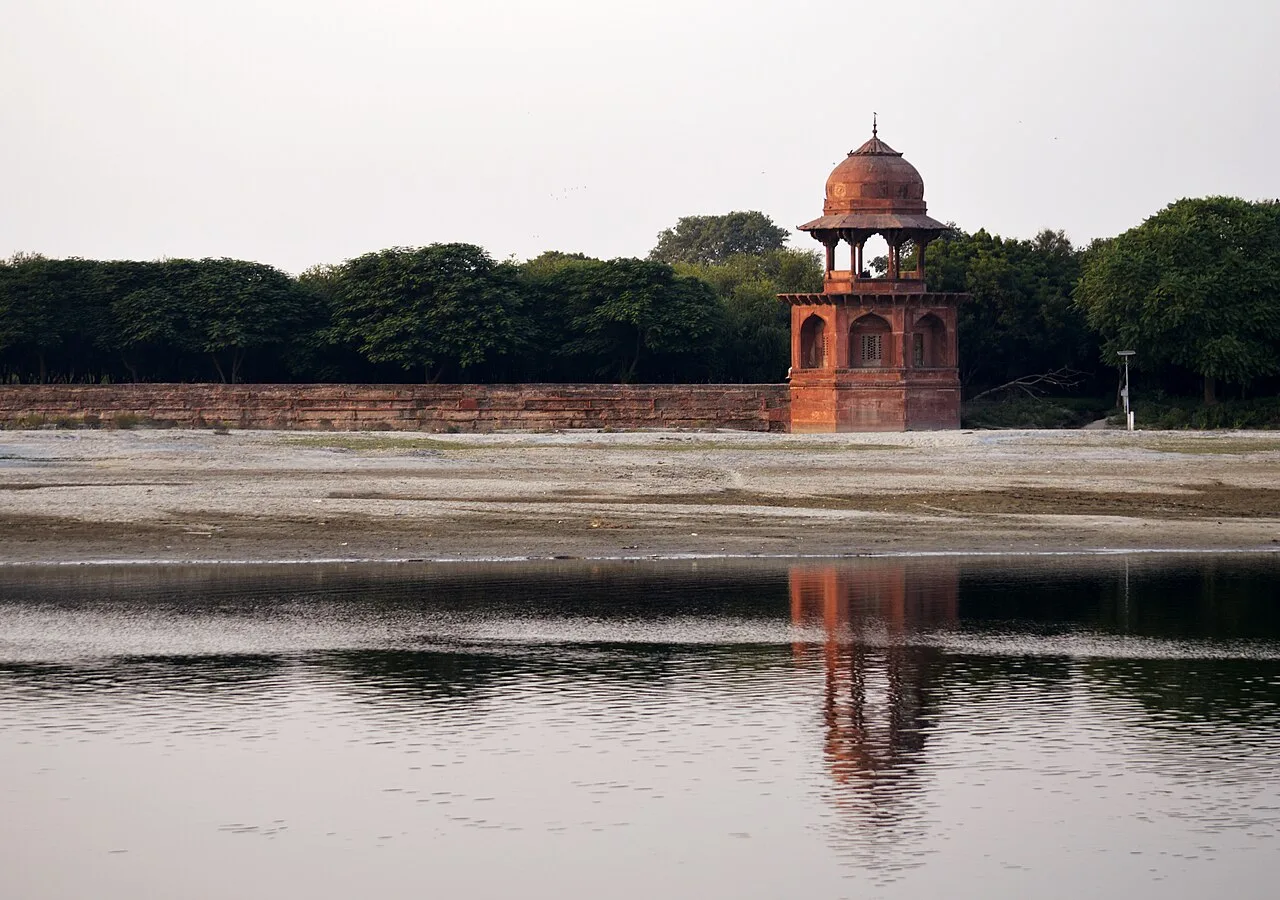
Mehtab Bagh

Mehtab Bagh is a square charbagh garden in Agra, Uttar Pradesh, across the Yamuna from the Taj Mahal. Visitors come to see its carefully aligned setting opposite the monument.

Taj Mahal

144 km away · Agra district

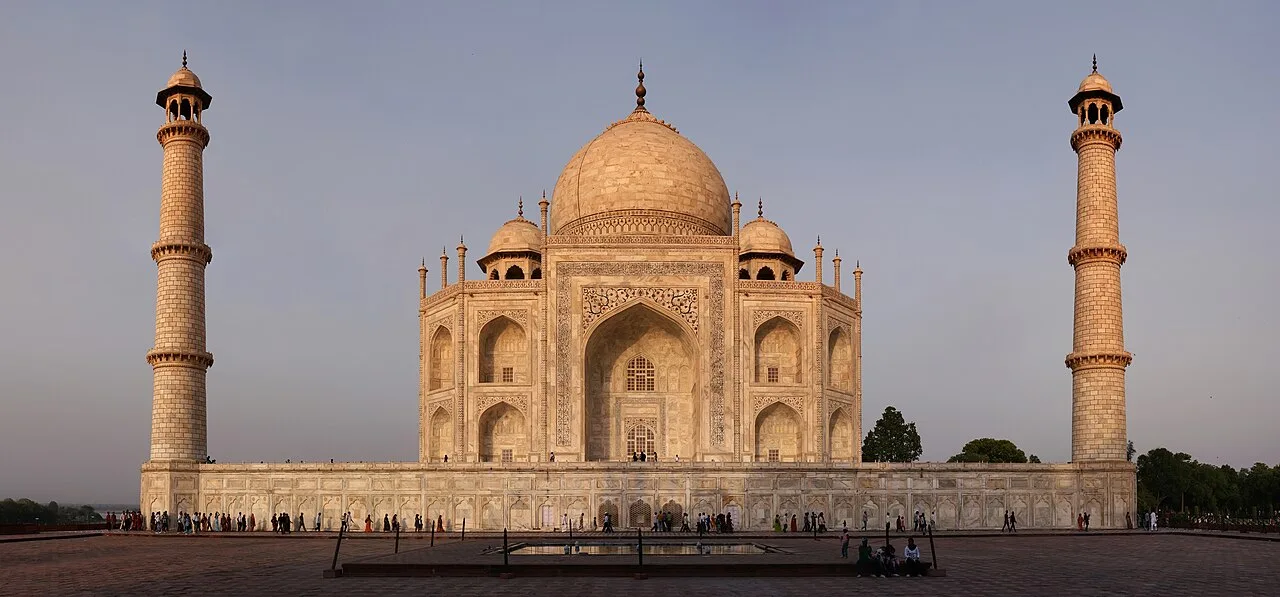
Taj Mahal

The Taj Mahal is a marble tomb complex in Agra, built for Mumtaz Mahal and Shah Jahan. Visitors come to see its Mughal architecture, gardens and memorials.

Map

Budaun on the map

  1. 1Rampur Raza Library
  2. 2Pilibhit Tiger Reserve
  3. 3Bateshwar Temples, Agra
  4. 4Chini Ka Rauza
  5. 5Etawah Safari Park
  6. 6Itmad Ud Daulah
  7. 7Mehtab Bagh
  8. 8Taj Mahal

Uttar Pradesh

Other cities to explore