Ghumoopedia — Explore, Discover, Experience
Sign in
Chandra Prabha Wildlife Sanctuary, near Ghazipur

City guide · Uttar Pradesh

Ghazipur

Ghazipur is an administrative centre in eastern Uttar Pradesh, set beside the Ganges near the Bihar border. It serves as the headquarters of Ghazipur district and is often called Lahuri Kashi.

Famous for

  • Government opium factory
  • Ganges riverfront
  • Cornwallis Tomb
  • Latiya Ashoka Pillar
  • Bhojpuri folk music

Why Ghazipur matters

Ghazipur is an administrative centre in eastern Uttar Pradesh, set beside the Ganges near the Bihar border. It serves as the headquarters of Ghazipur district and is often called Lahuri Kashi. Its river setting and long history give it a quieter appeal than larger regional destinations, while its location connects visitors with Varanasi and towns across the eastern Gangetic plain.

The city is best known for its government-regulated opium factory, established by the British East India Company in 1820 and still associated with the production of opium-derived medicines. The facility is an important industrial institution, not a conventional visitor attraction. Other points of interest include the tomb of Lord Cornwallis and the Ganges waterfront. The Ashoka Pillar at Latiya, near Zamania, makes a worthwhile excursion beyond the city. Ghazipur’s appeal lies in this mix of river life, historic landmarks and a distinctive industrial legacy, rather than in a large cluster of tourist attractions.
Famous for: crafts, trade & products

Ghazipur is most distinctive for the Government Opium and Alkaloid Works, a regulated institution with roots in the colonial-era opium trade. It produces opium-derived medicines, but access is controlled; visitors should not expect a public factory tour. The city is not widely identified with a nationally prominent textile tradition, craft cluster or GI-tagged product, so it is better to treat its markets as places for everyday regional shopping than as specialist craft destinations.

Central market streets and bazaars serve local residents and nearby rural communities, with shops selling clothing, household goods, snacks and seasonal produce. The surrounding district is agricultural, and local shops and markets reflect the food and trading needs of that hinterland. For a sense of everyday commerce, explore the central bazaar areas on foot and ask locally about market days or produce in season. Visitors looking specifically for handloom textiles or distinctive handicrafts may find a broader selection in larger nearby centres such as Varanasi. The factory and its pharmaceutical role are the city’s most unusual industrial association.

History

Local tradition places Ghazipur’s beginnings around 1330 and links its name to a Muslim warrior, though accounts of its founding vary. The earlier name Gadhipur also appears in local lore. The city enters recorded political history more clearly in the late fifteenth century, when Sikandar Lodi appointed Nasir Khan Lohani as governor. Ghazipur later passed through periods of Mughal and Awadh influence and served as an important regional centre.

In the eighteenth century, control shifted among local governors and the rulers of Awadh, before Balwant Singh and his successors held authority in the area. The British deposed Chait Singh in 1781 and gradually expanded their administration. Ghazipur district was established in 1818, and the East India Company’s opium factory followed in 1820. The colonial period also left the tomb of Lord Cornwallis, who died in Ghazipur. Today, the city remains the district headquarters, combining administrative functions with its river-based and industrial history.

Food, festivals & culture

Everyday food reflects eastern Uttar Pradesh and the wider Bhojpuri region: expect rice or wheat-based meals, lentils, seasonal vegetables and familiar snacks such as kachori and samosa. Jalebi and other milk- or sugar-based sweets are commonly found in local sweet shops. Litti-chokha is also part of the broader regional food culture. Central bazaars are a practical place to sample snacks and sweets; offerings vary by shop and season.

Hindi and Bhojpuri are widely used, with Urdu also spoken in the city. Folk traditions include Bhojpuri forms such as birha, kajri and chaita, heard especially around community gatherings and seasonal celebrations. Holi and Diwali are observed in spring and autumn respectively; Chhath, particularly associated with the Ganges, is celebrated in autumn and again in the spring season. Navratri and Eid are also important occasions. Hindu temples, mosques and the riverfront provide settings for worship and community life, while the ghats become especially active during religious observances.

Visiting the city

October to March is generally the most comfortable period to visit, with cooler weather for exploring the city and nearby sites. Summers can be very hot, while the monsoon brings rain and humid conditions. The nearest major airport is Lal Bahadur Shastri International Airport in Varanasi. Ghazipur City railway station is the principal rail station for the city.

Auto-rickshaws and e-rickshaws are useful for getting around; local taxis can help with longer trips. Explore the older central neighbourhoods and bazaar streets, then visit the Ganges riverfront and Cornwallis Tomb. The Latiya Ashoka Pillar, near Zamania outside the city, can be included in a separate excursion. The opium works are a controlled industrial site, so do not assume public entry is available. Check local conditions before travelling to outlying attractions.

Trips from the city

Nearest places to visit from Ghazipur

Our closest destination guides, by straight-line distance.

Chandra Prabha Wildlife Sanctuary

34 km away · Chandauli district

Chandra Prabha Wildlife Sanctuary

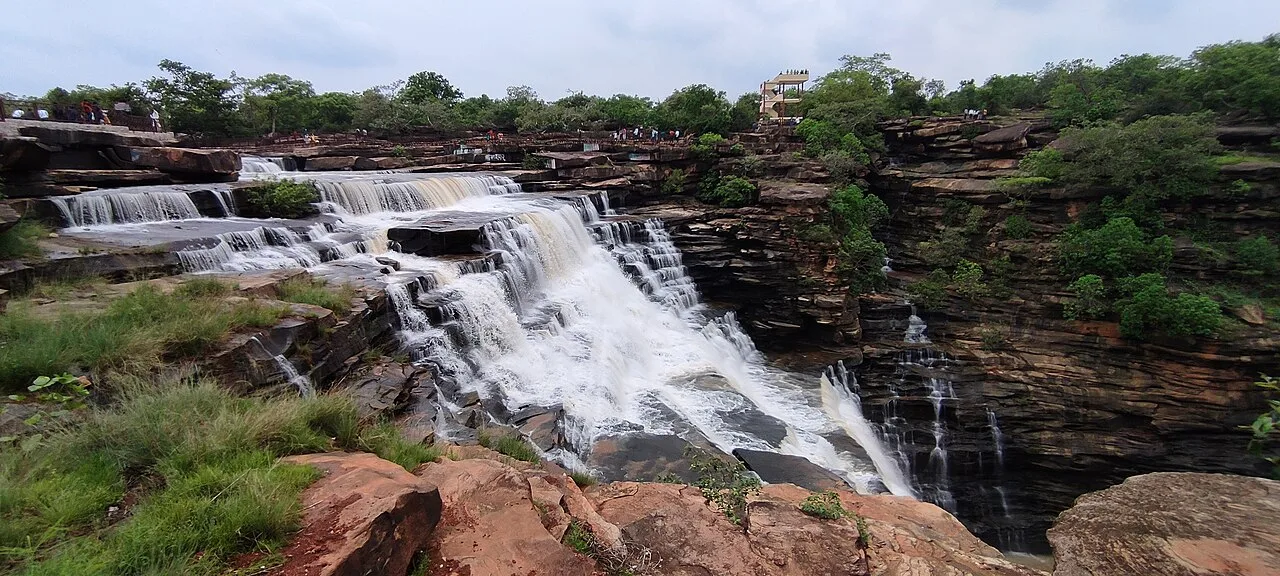
In Uttar Pradesh’s Chandauli district, Chandraprabha is a wildlife sanctuary in central India. Visitors come to explore the sanctuary, which lies around 70 kilometres from Varanasi.

Chaukhandi Stupa

61 km away · Varanasi district

Chaukhandi Stupa

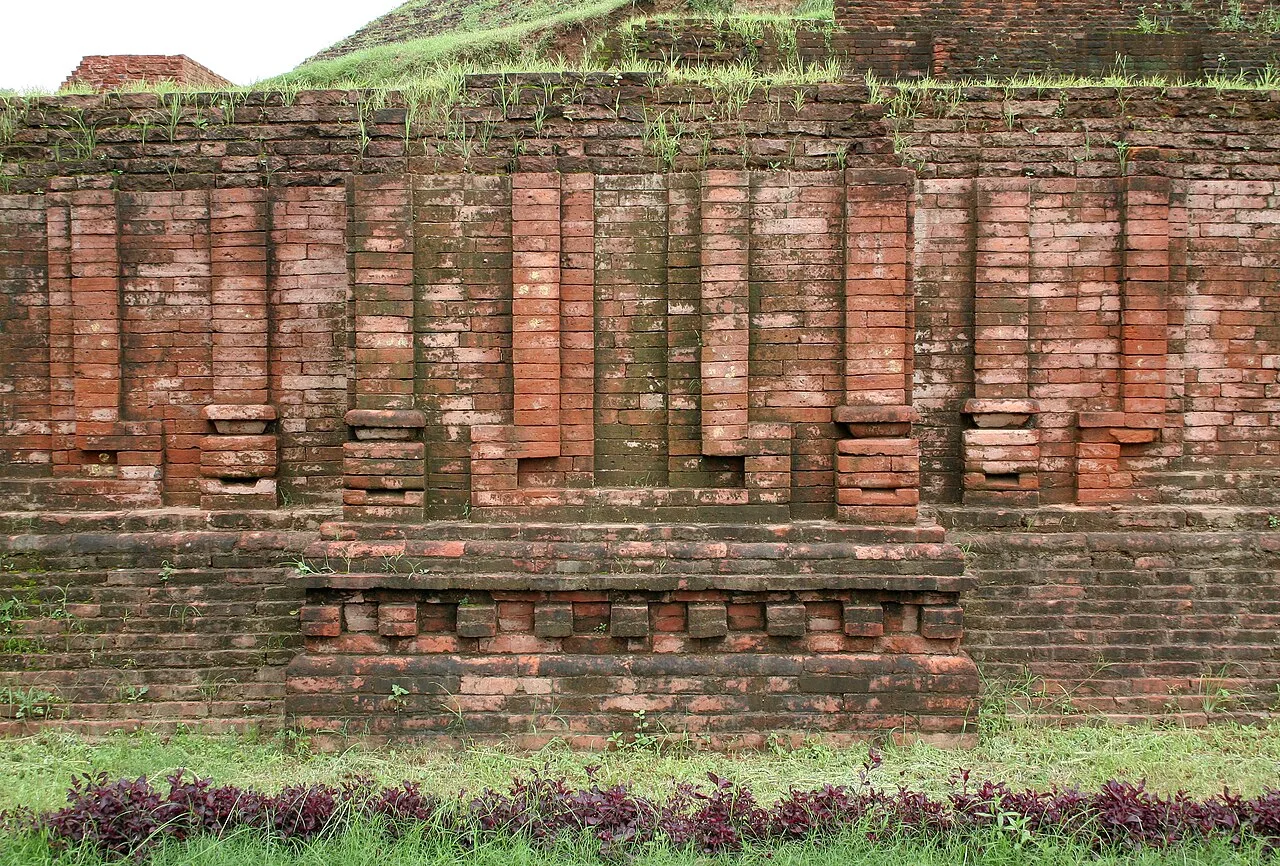
Chaukhandi Stupa is a Buddhist monument at Sarnath in Uttar Pradesh’s Varanasi district. Visitors come to see this nationally important site, recognised by the Archaeological Survey of India in 2019.

Dhamek Stupa

61 km away · Varanasi district

Dhamek Stupa

Dhamek Stupa is a large Buddhist monument at Sarnath in Uttar Pradesh, associated with the Buddha’s first teaching and visited as an important pilgrimage place.

Sarnath Buddhist Site

61 km away · Varanasi district

Sarnath Buddhist Site

Sarnath is a Buddhist pilgrimage town near Varanasi, remembered as the place where Gautama Buddha first taught after his enlightenment. Visitors come to see its important religious and historical associations.

Dashashwamedh Ghat

65 km away · Varanasi district

Dashashwamedh Ghat

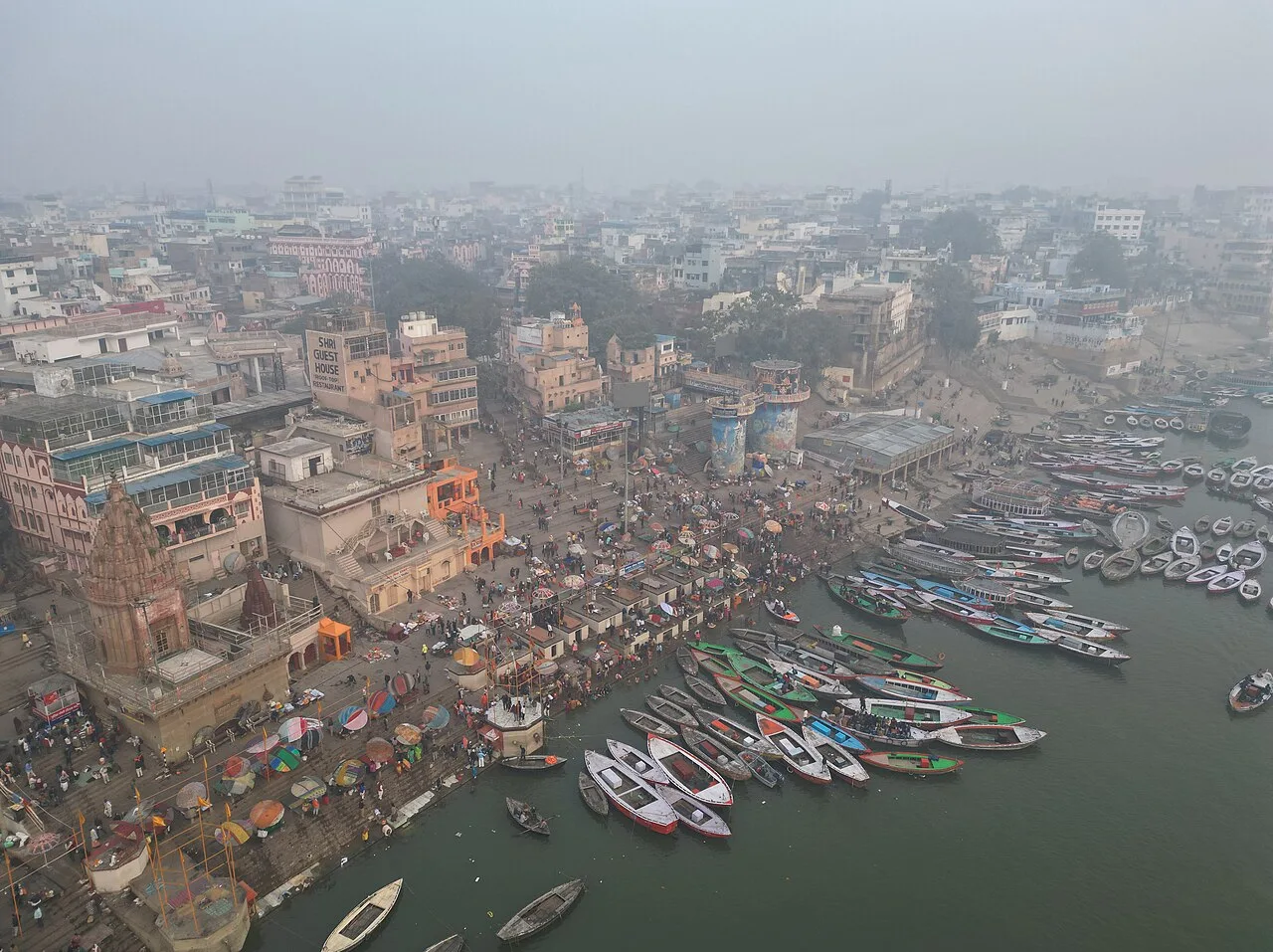
A prominent riverside ghat in Varanasi, Dashashwamedh is visited for its connection to Hindu legends and the city’s history, as well as its position beside the Ganges and near Vishwanath Temple.

Kashi Vishwanath Temple

65 km away · Varanasi district

Kashi Vishwanath Temple

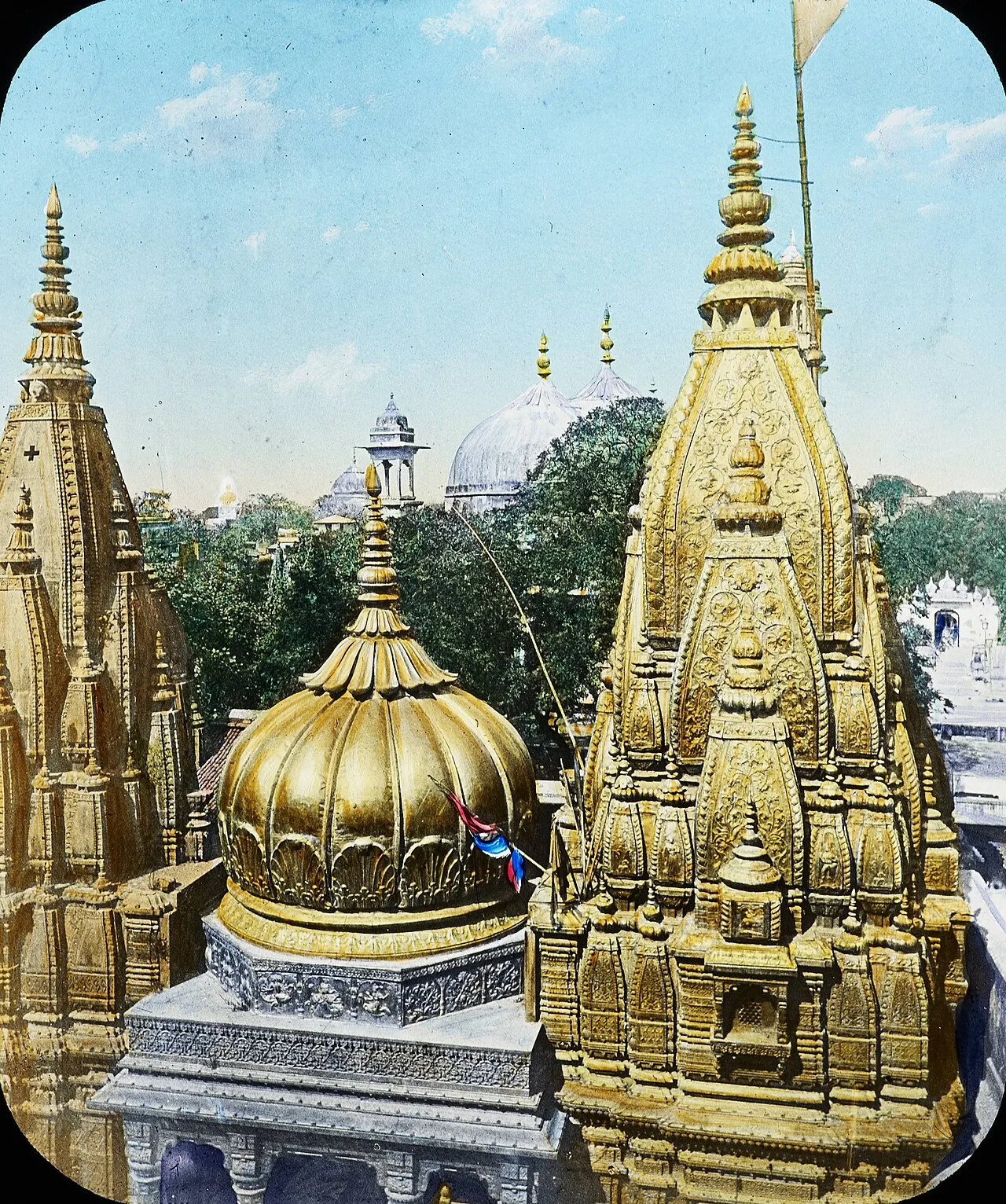
Kashi Vishwanath Temple is a Shiva shrine in Varanasi and one of the twelve Jyotirlinga sites. Hindu pilgrims visit to worship Shiva, revered here as Vishwanath or Vishweshwara.

Manikarnika Ghat

65 km away · Varanasi district

Manikarnika Ghat

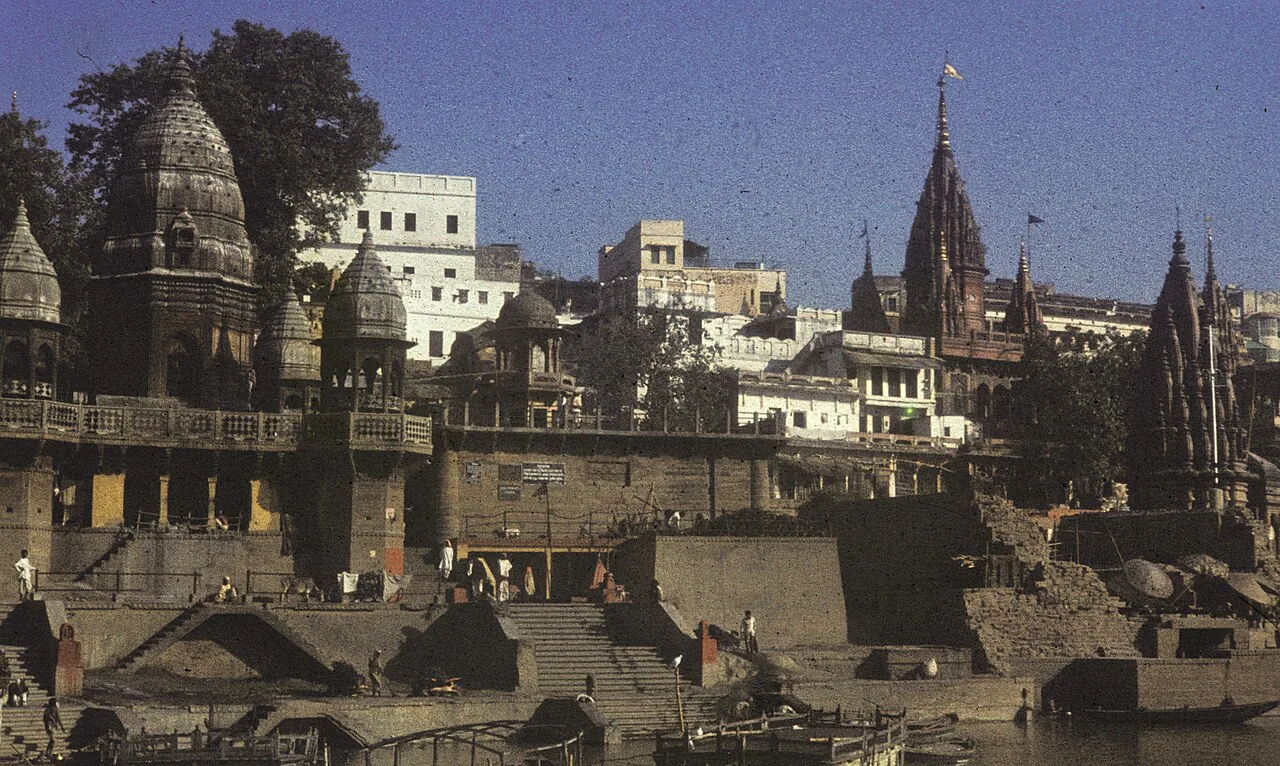
Manikarnika Ghat is a sacred Ganges-side site in Varanasi, Uttar Pradesh, visited for Hindu rites and cremations and revered for beliefs about moksha.

Ramnagar Fort

66 km away · Varanasi district

Ramnagar Fort

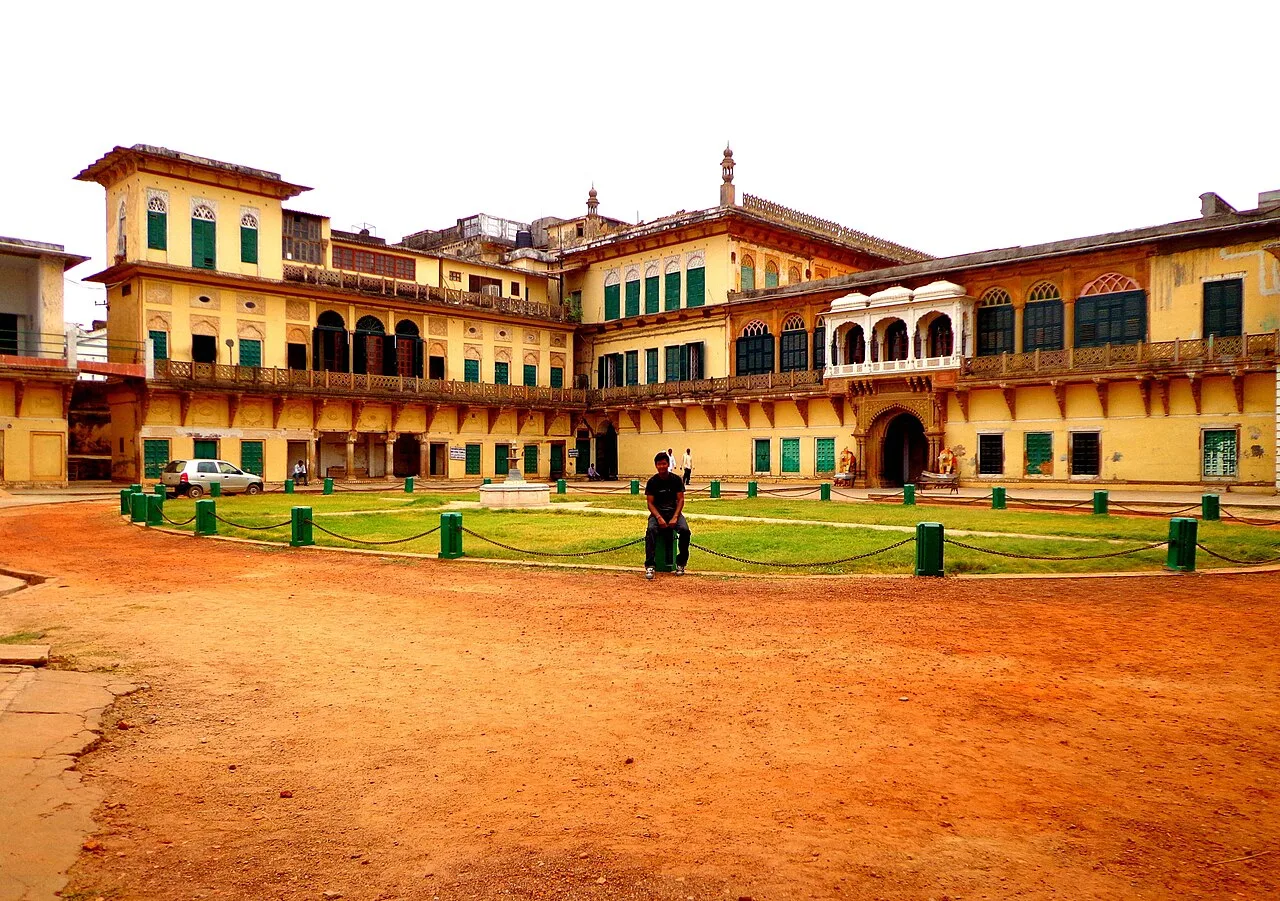
Ramnagar Fort is a sandstone fortification in Ramnagar, Varanasi district, on the Ganges’ eastern bank. Visitors come to view the structure and its position opposite Tulsi Ghat.

Map

Ghazipur on the map

  1. 1Chandra Prabha Wildlife Sanctuary
  2. 2Chaukhandi Stupa
  3. 3Dhamek Stupa
  4. 4Sarnath Buddhist Site
  5. 5Dashashwamedh Ghat
  6. 6Kashi Vishwanath Temple
  7. 7Manikarnika Ghat
  8. 8Ramnagar Fort

Uttar Pradesh

Other cities to explore