Ghumoopedia — Explore, Discover, Experience
Sign in

City guide · Uttar Pradesh

Bilgram

Bilgram is a historic town in Hardoi district, serving as the headquarters of both a tehsil and a community development block. Set south of Hardoi on the Billahaur–Katra State Highway, it remains a local centre for administration, trade and services.

Famous for

  • Bilgram ceramics
  • Lac-glazed pottery
  • Local embroidery
  • Bilgrami heritage
  • Historic Awadh bazaars

Why Bilgram matters

Bilgram is a historic town in Hardoi district, serving as the headquarters of both a tehsil and a community development block. Set south of Hardoi on the Billahaur–Katra State Highway, it remains a local centre for administration, trade and services. Its position in the Awadh region and its links with nearby towns give it importance beyond its modest size.

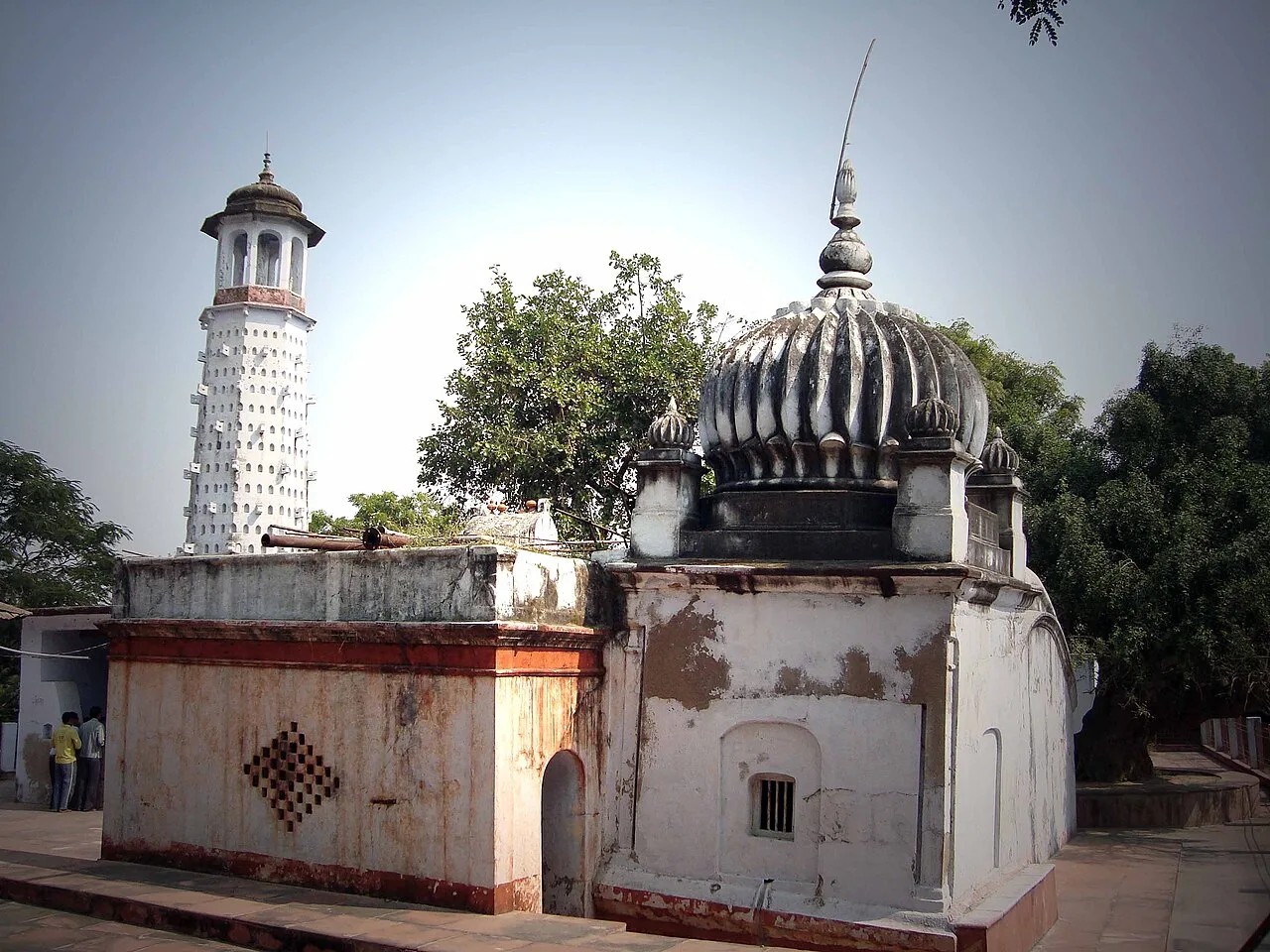
Visitors come for the town’s layered history and its associations with the Bilgrami Sayyid families, scholars and poets. Local tradition connects Bilgram with an earlier settlement called Srinagar, while the Battle of Bilgram in 1540 gives the town a place in the history of the Mughal-era struggle between Humayun and Sher Shah Suri. Bilgram is also known for ceramics and embroidery, with older accounts recalling distinctive glazed pottery and other crafts. It is not a major tourist hub, but its bazaars, historic character and working-town atmosphere make it an interesting stop for travellers exploring the Hardoi–Kannauj area.
Famous for: crafts, trade & products

Bilgram’s best-known crafts are ceramics and embroidery. Its pottery tradition includes lac-glazed wares, historically made in pleasing forms and decorated in colours such as green or yellow; some pieces were also finished with silver leaf. Older descriptions mention water vessels as well as carved wooden doors and lintels, wooden sandals, leather shoes, brass inkstands and paan boxes. These references speak to the town’s craft history, though not every traditional item is necessarily made or sold locally today.

For present-day ceramics or embroidery, begin by asking in Bilgram’s local bazaars and among town artisans; production and availability may vary. The old bari and chhoti bazaars are part of the town’s commercial history, alongside markets established in later periods. Bilgram is also associated with the name Bilgrami, especially through its scholarly and literary heritage. No particular saree, textile label or GI-tagged product is established here among the town’s best-known goods, so visitors should treat the crafts themselves—not a formal product designation—as the main point of interest.

History

Local tradition says Bilgram was founded in the 9th or 10th century by the Raikwar ruler Raja Sri Ram, who named it Srinagar and built a fort, temple and tank. The details of the settlement’s early history are uncertain. It was later called Bilgram, a name associated in local accounts with the legendary figure Bil. In the early 13th century, Muslim forces established control in the region, and Bilgram became an important base for the Sayyid families who settled there. Their descendants became influential landholders and patrons of learning in Awadh.

In 1540, Sher Shah Suri defeated Humayun at the Battle of Bilgram. Under Mughal rule, the town served as a pargana centre. By the late 19th and early 20th centuries it was a tehsil headquarters and a trading town with markets and civic facilities. Today, its administrative role continues as a tehsil and block headquarters, while its craft traditions and historical associations remain central to its identity.

Food, festivals & culture

Bilgram’s culture reflects its place in Awadh and its long history of interaction among communities. Hindi and Urdu are widely associated with everyday life and the town’s literary heritage. The name Bilgrami is particularly linked with scholars, poets and families whose influence extended well beyond the town. There is no single dish or sweet that is firmly established as Bilgram’s signature; visitors will generally find familiar North Indian and Awadhi-style home cooking, snacks and sweets in local eateries and shops.

Holi and Diwali are observed in spring and autumn respectively, while Eid follows the Islamic lunar calendar and its season shifts from year to year. Muharram is also an important period for many local Muslim families. Religious life is reflected in the town’s mosques, temples and shrines; local tradition also associates its early history with a temple and the Sagar tank. Devotional practice and Urdu poetic culture are notable parts of Bilgram’s heritage, though performances and events vary through the year.

Visiting the city

The most comfortable season to visit is generally October to March, when daytime weather is cooler. Summers can be hot and humid, and winter nights may be cold. The nearest major airport for most travellers is Chaudhary Charan Singh International Airport in Lucknow. Hardoi railway station is the main nearby rail connection; from there, continue by road to Bilgram. The town is also connected by the Billahaur–Katra State Highway.

Auto-rickshaws and other local road transport can help with short trips, while walking is practical around the central bazaars. Explore the market streets for everyday town life and ask locally about pottery or embroidery workshops and sales. The old bazaar areas and the historic parts of town are worthwhile for their atmosphere; check locally before setting out for heritage sites, as access and the condition of older structures can vary.

Trips from the city

Nearest places to visit from Bilgram

Our closest destination guides, by straight-line distance.

Bithoor Ghats

67 km away · Kanpur Nagar district

Bithoor Ghats

Bithoor Ghats are part of Bithoor, a town in Uttar Pradesh beside the Ganges. People visit for its importance as a Hindu pilgrimage centre and its connection with Nana Sahib and the 1857 uprising.

JK Temple

83 km away · Kanpur Nagar district

JK Temple

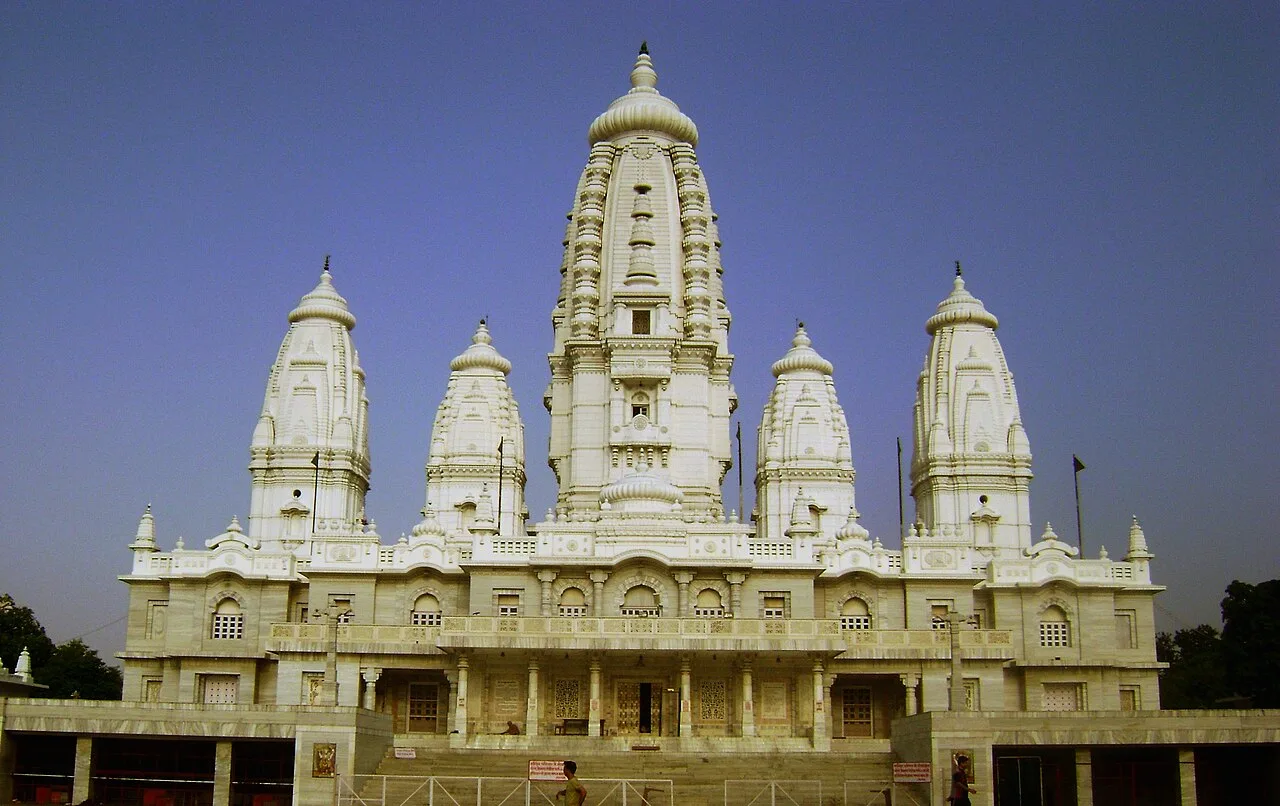
Known also as the Juggilal Kamlapat Temple and Radhakrishna Temple, this Hindu place of worship in Kanpur draws visitors for its combination of traditional and modern architectural features.

Nawabganj Bird Sanctuary

87 km away · Unnao district

Nawabganj Bird Sanctuary

Nawabganj Bird Sanctuary, renamed Shahid Chandra Shekhar Azad Bird Sanctuary in 2015, is a wetland reserve in Unnao district, visited for its migratory birds, deer park, watchtowers and boats.

Chota Imambara

93 km away · Lucknow district

Chota Imambara

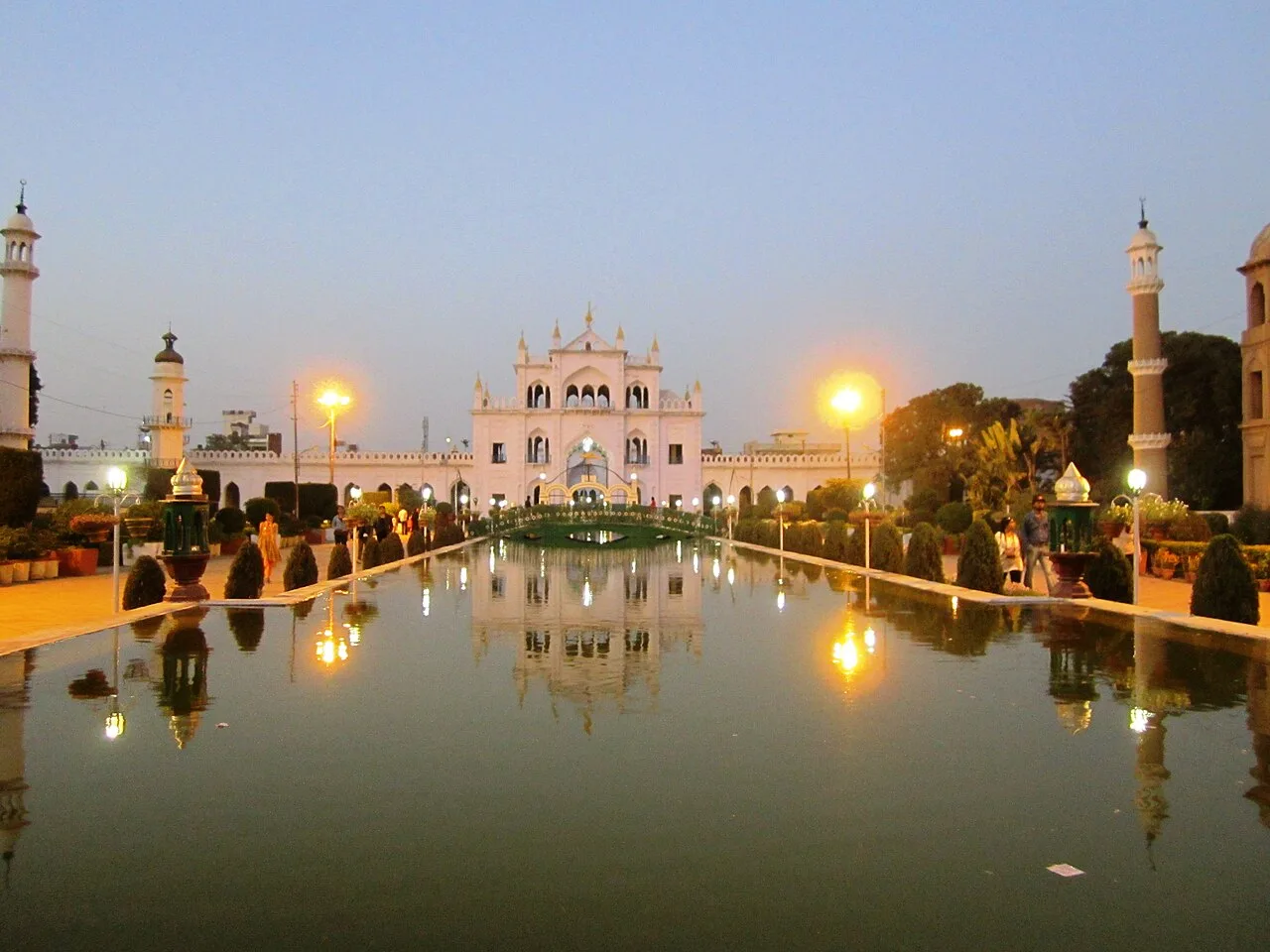
Chota Imambara, also called Imambara Hussainabad Mubarak, is a Shia religious hall and mausoleum in Lucknow. Visitors come to see its decorated interiors, calligraphy and distinctive ceremonial features.

Husainabad Clock Tower

93 km away · Lucknow district

Husainabad Clock Tower

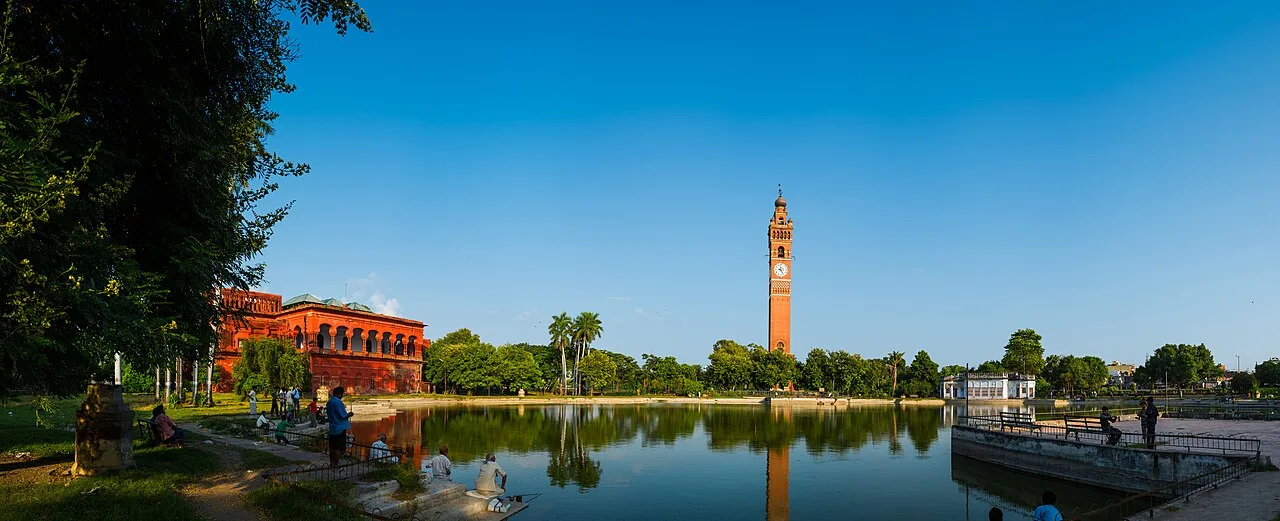
Husainabad Clock Tower is a historic structure in Lucknow, Uttar Pradesh, built to commemorate an official’s arrival. Visitors come to see its combination of Mughal and Victorian architectural features.

Bara Imambara

94 km away · Lucknow district

Bara Imambara

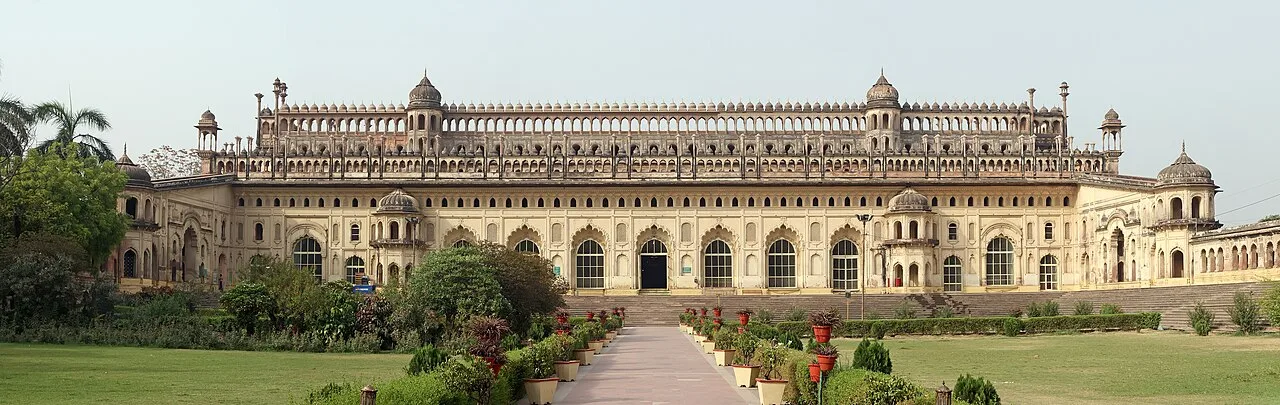
Bara Imambara, also known as the Asafi Imambara, is a religious complex in Lucknow. Visitors come to see its imambara and mosque and its status as a nationally important monument.

Rumi Darwaza

94 km away · Lucknow district

Rumi Darwaza

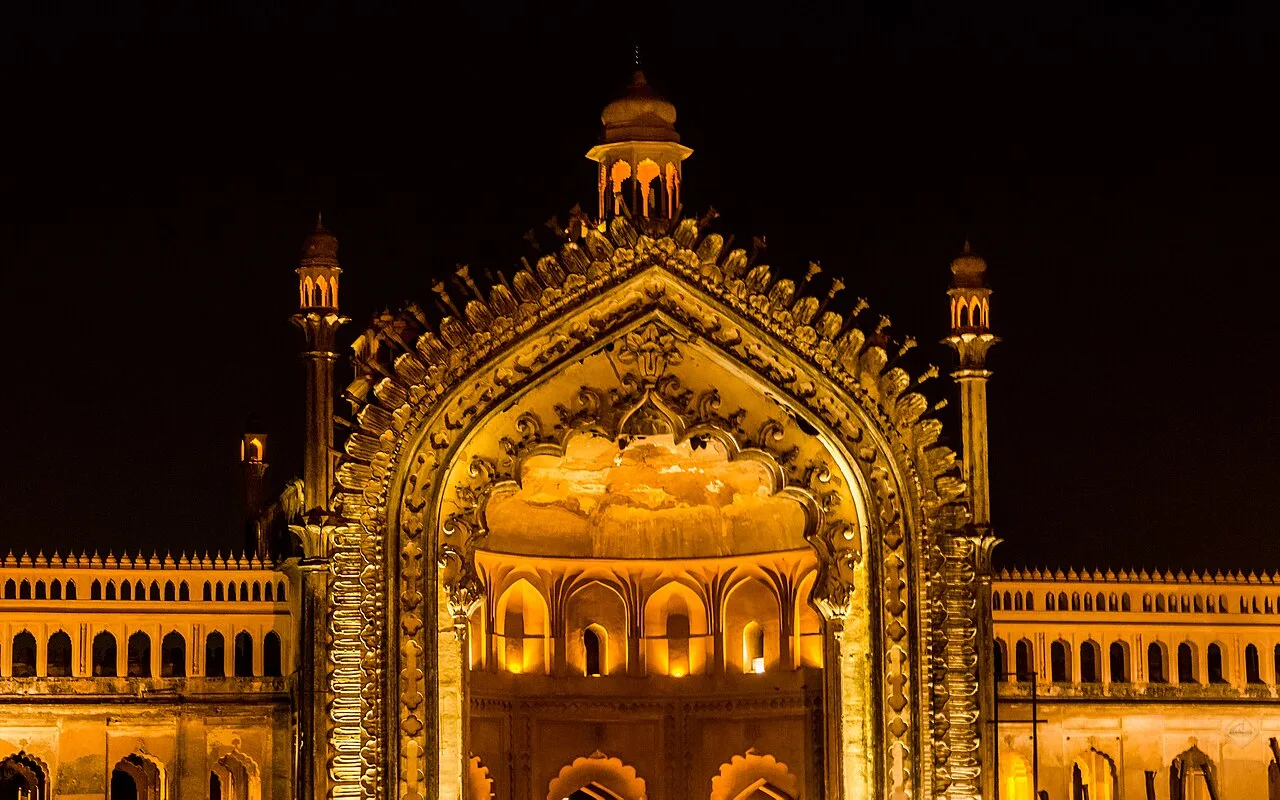
Rumi Darwaza is an 18th-century gateway in Lucknow, known for its Awadhi design and links to the city’s past. Visitors come to see its architecture and historic setting.

The Residency, Lucknow

95 km away · Lucknow district

The Residency, Lucknow

The Residency is a collection of buildings in Lucknow associated with the British representative at the Nawab of Awadh’s court. Visitors can explore its former residential role and its setting near other landmarks.

Map

Bilgram on the map

  1. 1Bithoor Ghats
  2. 2JK Temple
  3. 3Nawabganj Bird Sanctuary
  4. 4Chota Imambara
  5. 5Husainabad Clock Tower
  6. 6Bara Imambara
  7. 7Rumi Darwaza
  8. 8The Residency, Lucknow

Uttar Pradesh

Other cities to explore