Ghumoopedia — Explore, Discover, Experience
Sign in
Vrindavan Town, near Mursan

City guide · Uttar Pradesh

Mursan

Mursan is a small town and Nagar Panchayat in Hathras district, in western Uttar Pradesh. Its strongest connection beyond the local area is with Raja Mahendra Pratap Singh, an Indian independence activist born here who was nominated for the Nobel Peace Prize.

Famous for

  • Birthplace of Raja Mahendra Pratap Singh
  • Braj Bhasha-speaking town
  • Historic Mursan estate
  • Rural market in Hathras district

Why Mursan matters

Mursan is a small town and Nagar Panchayat in Hathras district, in western Uttar Pradesh. Its strongest connection beyond the local area is with Raja Mahendra Pratap Singh, an Indian independence activist born here who was nominated for the Nobel Peace Prize. That association gives the town a place in the story of India’s freedom movement and is a point of interest for visitors exploring the region’s history.

Mursan also belongs to the cultural landscape of Braj, where Braj Bhasha and Hindi are part of everyday life. It serves as a modest market and service centre for nearby villages, rather than as a large tourist or industrial destination. Visitors are most likely to come for its local history, to experience a small-town setting, or while travelling around Hathras and the wider Braj region. Its appeal is quiet and rooted in local identity: a historic estate, a regional speech tradition and the life of a rural Uttar Pradesh town.
Famous for: crafts, trade & products

Mursan is not widely identified with a signature textile, handicraft or GI-tagged product. Its commercial role is mainly local: the town’s shops and market serve residents and people from surrounding villages with everyday goods, household needs and services. Visitors can look around the central bazaar for a sense of this ordinary market-town economy, but should not expect a specialised craft quarter or a destination shopping district.

Agriculture shapes much of the surrounding region, and local commerce supports the needs of farming communities. Products and businesses associated with the wider Hathras district should not automatically be treated as Mursan specialties; the town has a distinct, smaller-scale profile. For regional goods, ask shopkeepers what is locally made or grown and where it is sold. There is no established visitor market in Mursan for a particular saree, craft or branded food product, so travellers seeking Hathras-area specialities may find a broader selection in larger district centres. The town’s best-known association remains historical rather than commercial: its connection to Raja Mahendra Pratap Singh.

History

Mursan’s past is linked to the local estate and to the changing political history of the Braj and Hathras region. The town was associated with Jat rulers, and its history as an estate settlement distinguishes it from many surrounding villages. Over the centuries, regional powers influenced this part of north India; under British rule, local estates and communities became part of the colonial administrative order.

Mursan is best known historically as the birthplace of Raja Mahendra Pratap Singh, an independence activist whose public life connected the town with the wider national movement. In modern India, Mursan has developed as a Nagar Panchayat within Hathras district. Its role today is primarily civic and commercial, serving the town and nearby rural settlements, while its historical identity continues to centre on the estate and its notable son.

Food, festivals & culture

Everyday life in Mursan reflects the customs of western Uttar Pradesh and the wider Braj region. Hindi is widely used, alongside Braj Bhasha, a regional speech closely related to Khariboli. Local meals follow familiar north Indian patterns, with breads, lentils, seasonal vegetables and snacks such as kachori or puri-sabzi found in the area. Jalebi and other milk-based sweets are common regional treats, though Mursan is not especially known for a single signature dish.

Holi, celebrated in spring, is an important festival across Braj, while Janmashtami, usually in the monsoon season, reflects the region’s devotional traditions. Diwali and Dussehra are also observed in autumn. Bhajans and folk singing are part of religious and community occasions; Braj’s wider traditions include devotional performance and Raslila, though programmes vary from place to place. Local temples and mosques serve residents and provide a glimpse of the town’s everyday religious life. Visitors should ask locally about community events, as celebrations are not necessarily organised as tourist attractions.

Visiting the city

The cooler months, roughly October to March, are generally the most comfortable time to visit; summers can be very hot and the monsoon brings rain. Agra Airport (Kheria) is among the nearest airports, but scheduled flight options can be limited; Delhi offers wider connections at a greater distance. Mursan railway station serves the town, while Hathras is another rail access point for the district. Check current services before travelling.

Local movement is usually by auto-rickshaw, e-rickshaw or road transport from nearby centres. The central bazaar and civic heart are practical places to explore on foot. Mursan does not have a formal tourist quarter, so allow time for a short, locally guided look at its historic associations and ask residents about accessible heritage sites. The town also works as a stop on a wider trip through Hathras and Braj.

Trips from the city

Nearest places to visit from Mursan

Our closest destination guides, by straight-line distance.

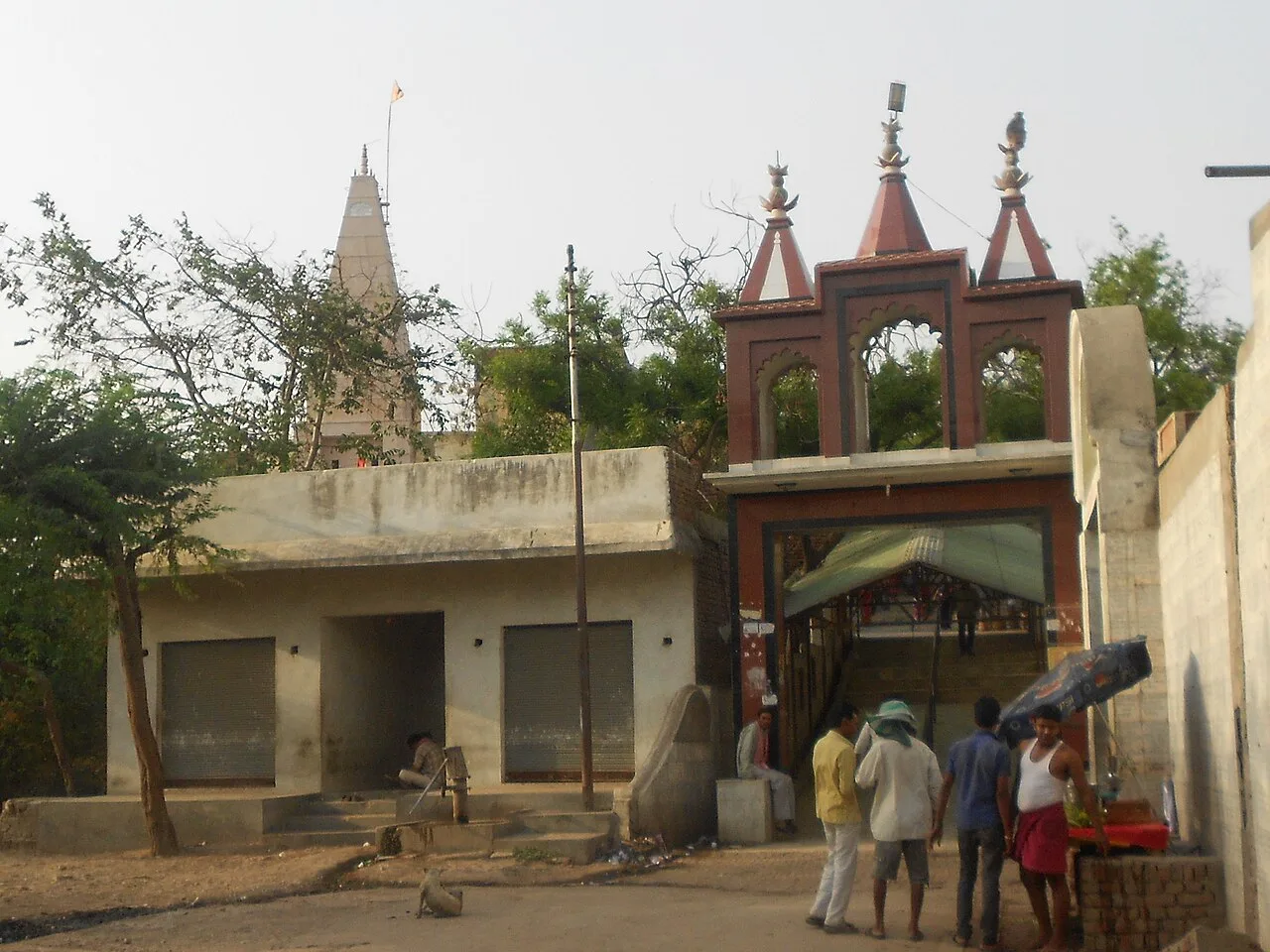
Vrindavan Town

24 km away · Mathura district

Vrindavan Town

Vrindavan is a historic town in Uttar Pradesh’s Mathura district, within Braj Bhoomi. Visitors come for its Hindu associations with Krishna and its many temples to Krishna and Radha.

Banke Bihari Temple

25 km away · Mathura district

Banke Bihari Temple

Banke Bihari Temple is a Hindu place of worship in Vrindavan, Mathura district, visited by devotees to honour Banke Bihari, regarded as Radha and Krishna united.

Dwarkadhish Temple, Mathura

26 km away · Mathura district

Dwarkadhish Temple, Mathura

In Mathura, Uttar Pradesh, Dwarkadhish Temple is a Hindu shrine where Krishna is worshipped as Dwarkadhish alongside Radha as Radharani. Visitors come to worship at this Pushtimarg temple.

Gokul Village

26 km away · Mathura district

Gokul Village

Gokul is a town in Mathura district, Uttar Pradesh, 15 kilometres south-east of Mathura. Its position near Mathura makes it a destination for visitors to the area.

ISKCON Temple, Vrindavan

26 km away · Mathura district

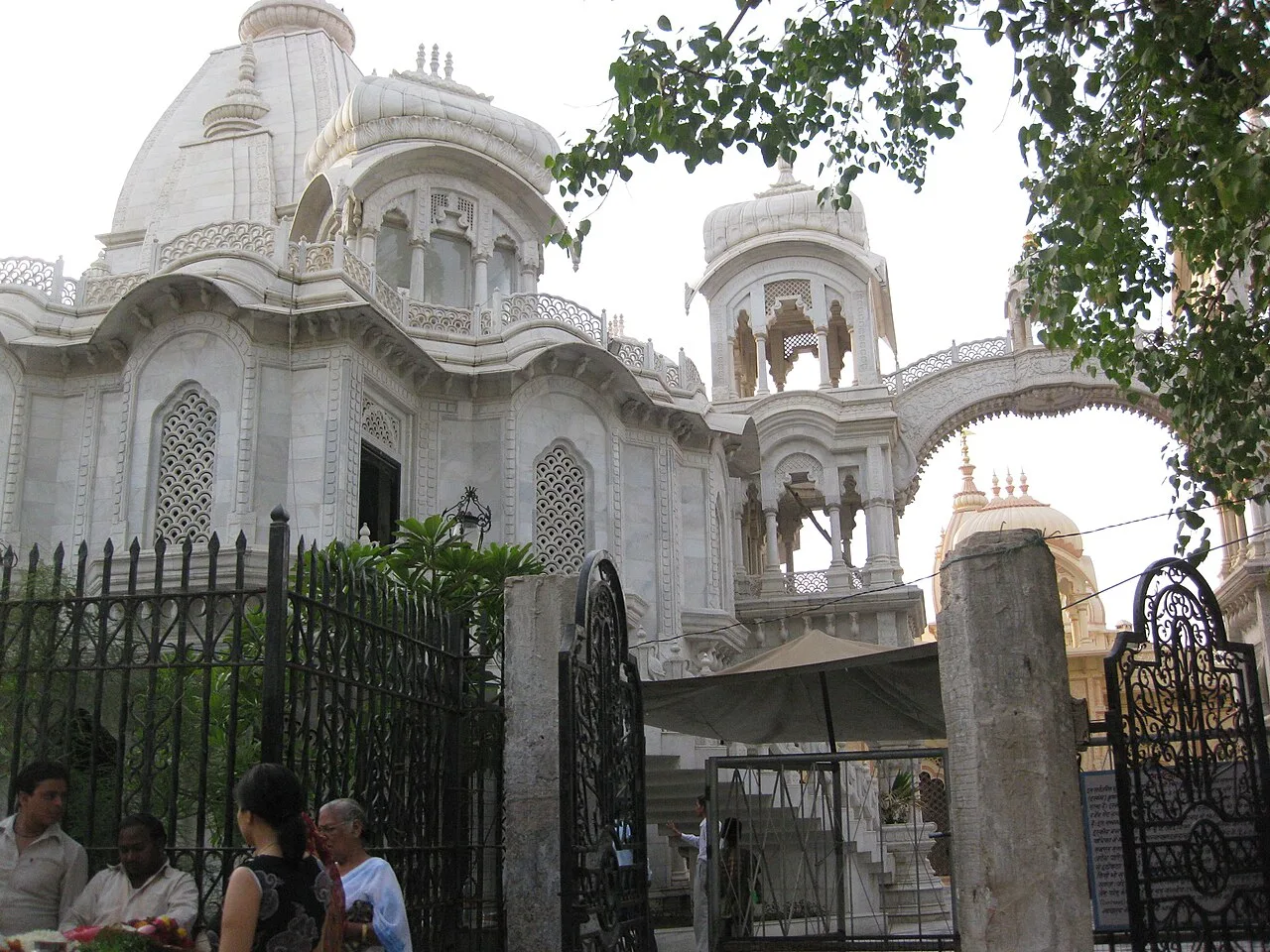
ISKCON Temple, Vrindavan

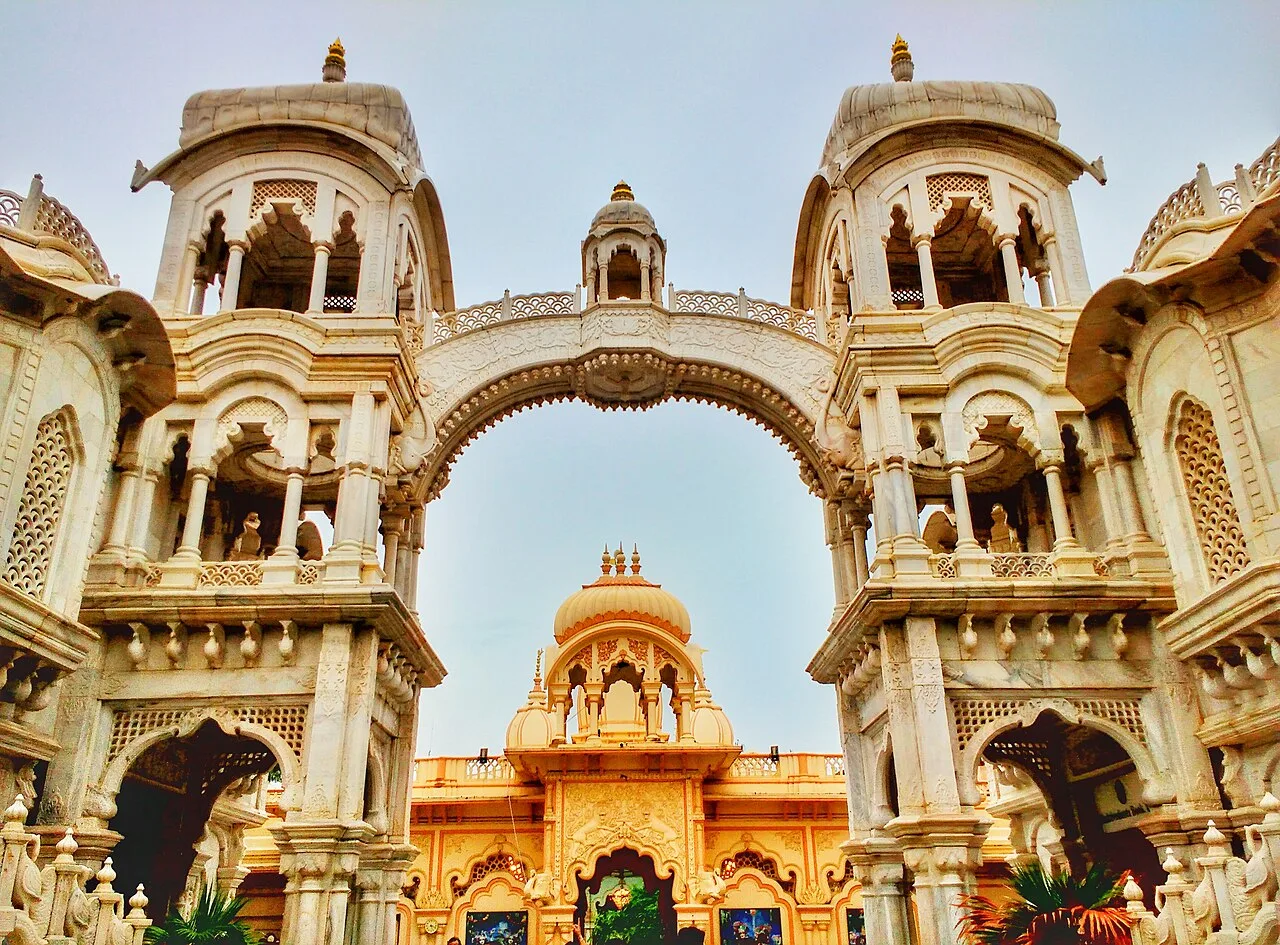
In Vrindavan, Uttar Pradesh’s Mathura district, this Gaudiya Vaishnava temple is devoted to Krishna and Balarama. Visitors come to worship these deities and the other figures honoured there.

Prem Mandir

26 km away · Mathura district

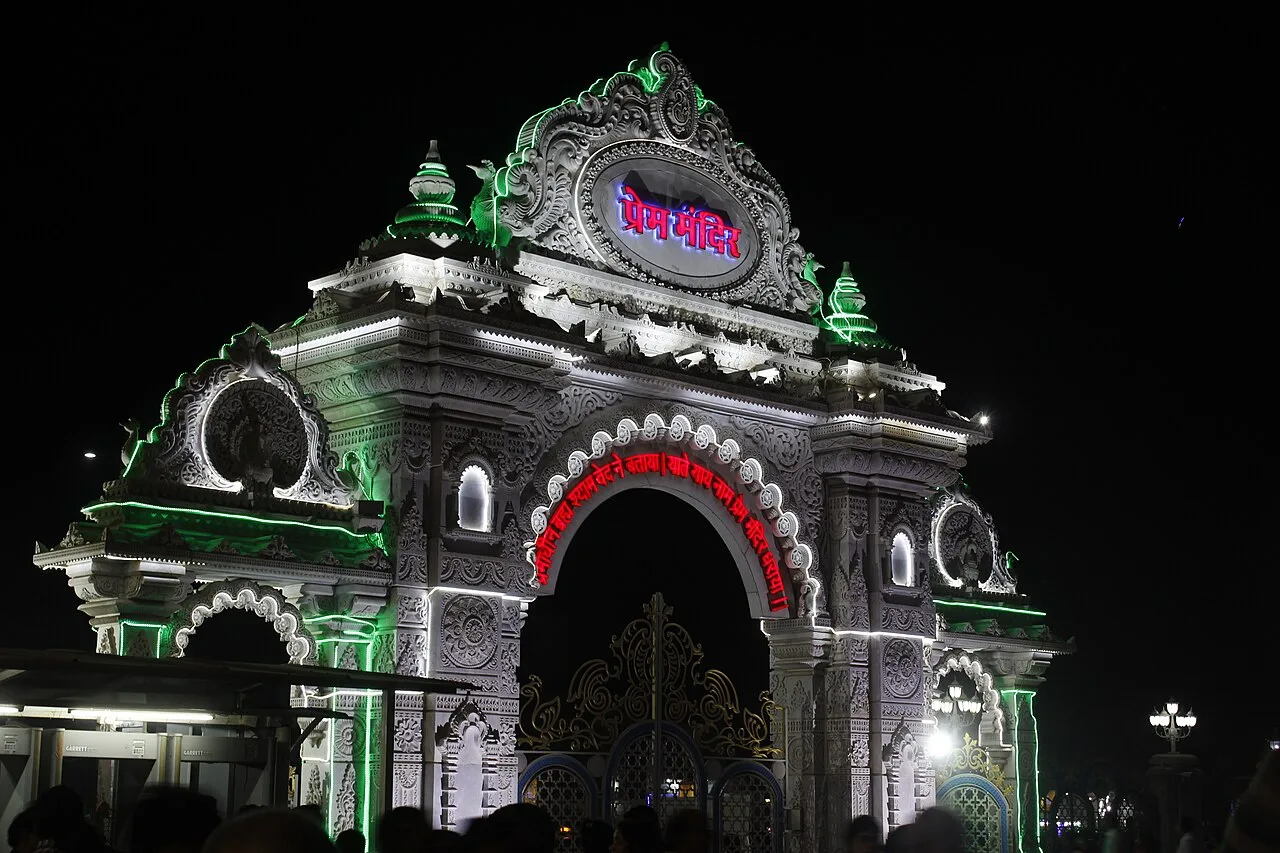
Prem Mandir

Prem Mandir is a Hindu temple in Vrindavan, Mathura district, Uttar Pradesh. Visitors come to see its dedications to Radha Krishna and Sita Ram, as well as a tribute to four earlier Jagadgurus.

Vishram Ghat

26 km away · Mathura district

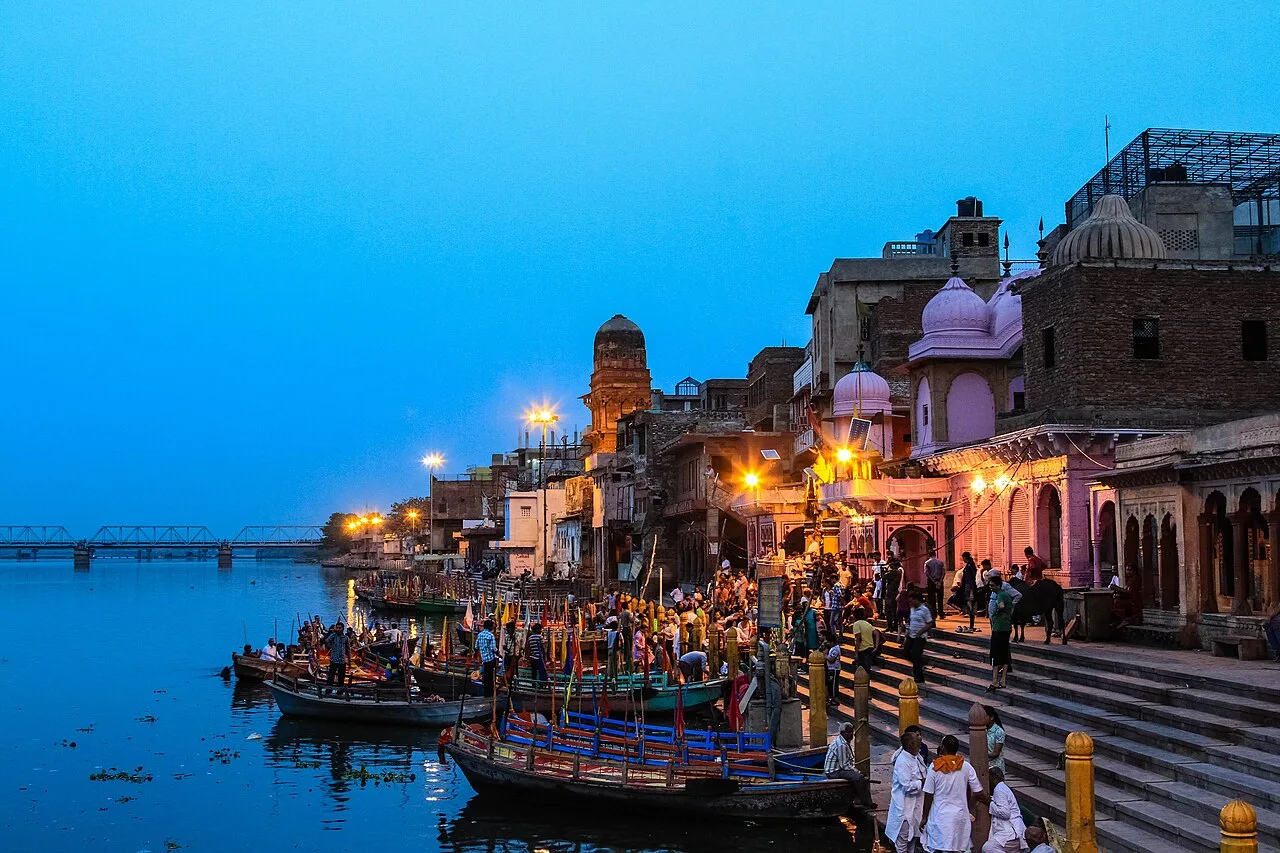
Vishram Ghat

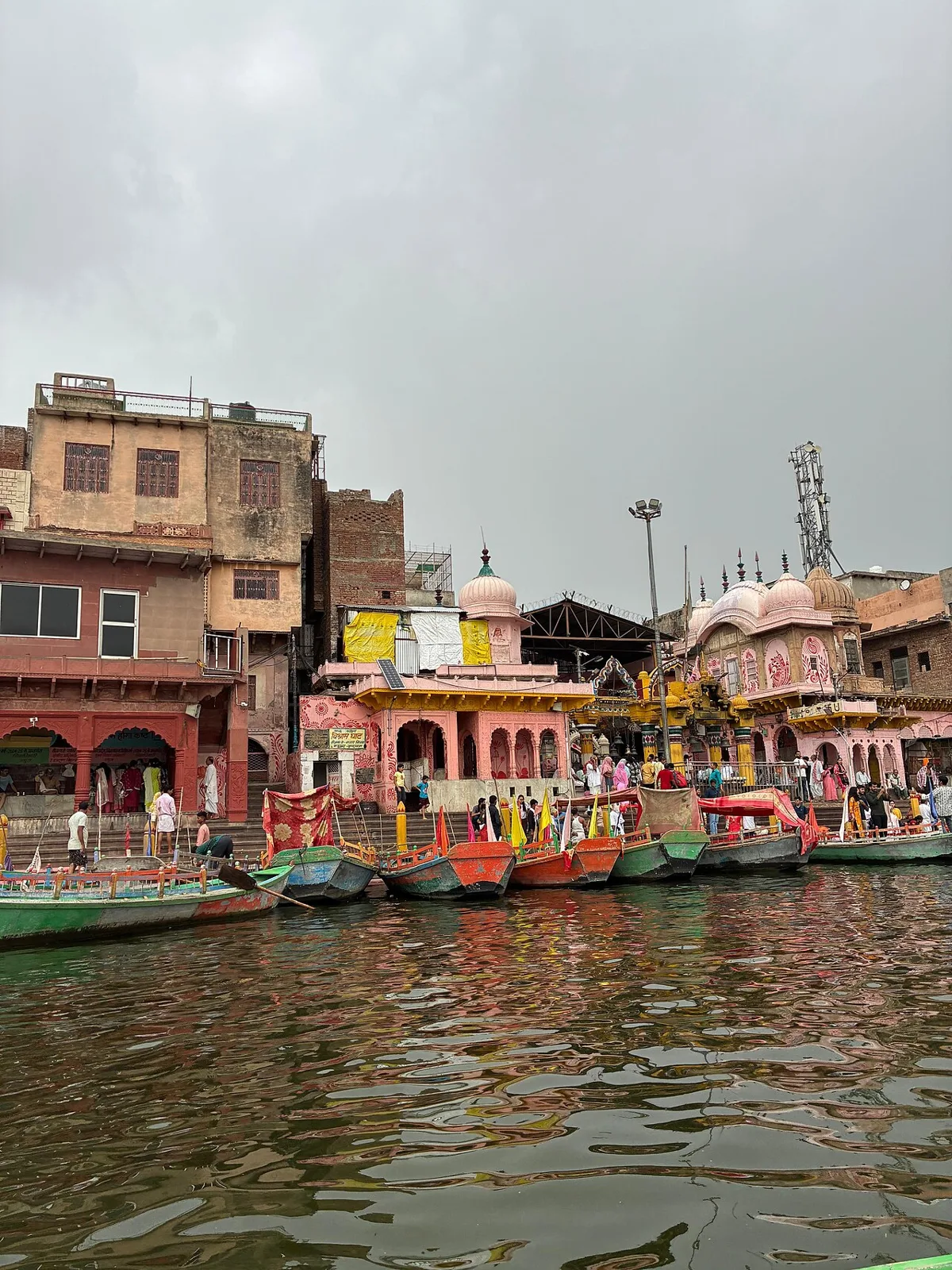
On the Yamuna in Mathura, Vishram Ghat is a place for bathing and worship. Pilgrims visit it as the starting and finishing point of the traditional parikrama.

Government Museum, Mathura

27 km away · Mathura district

Government Museum, Mathura

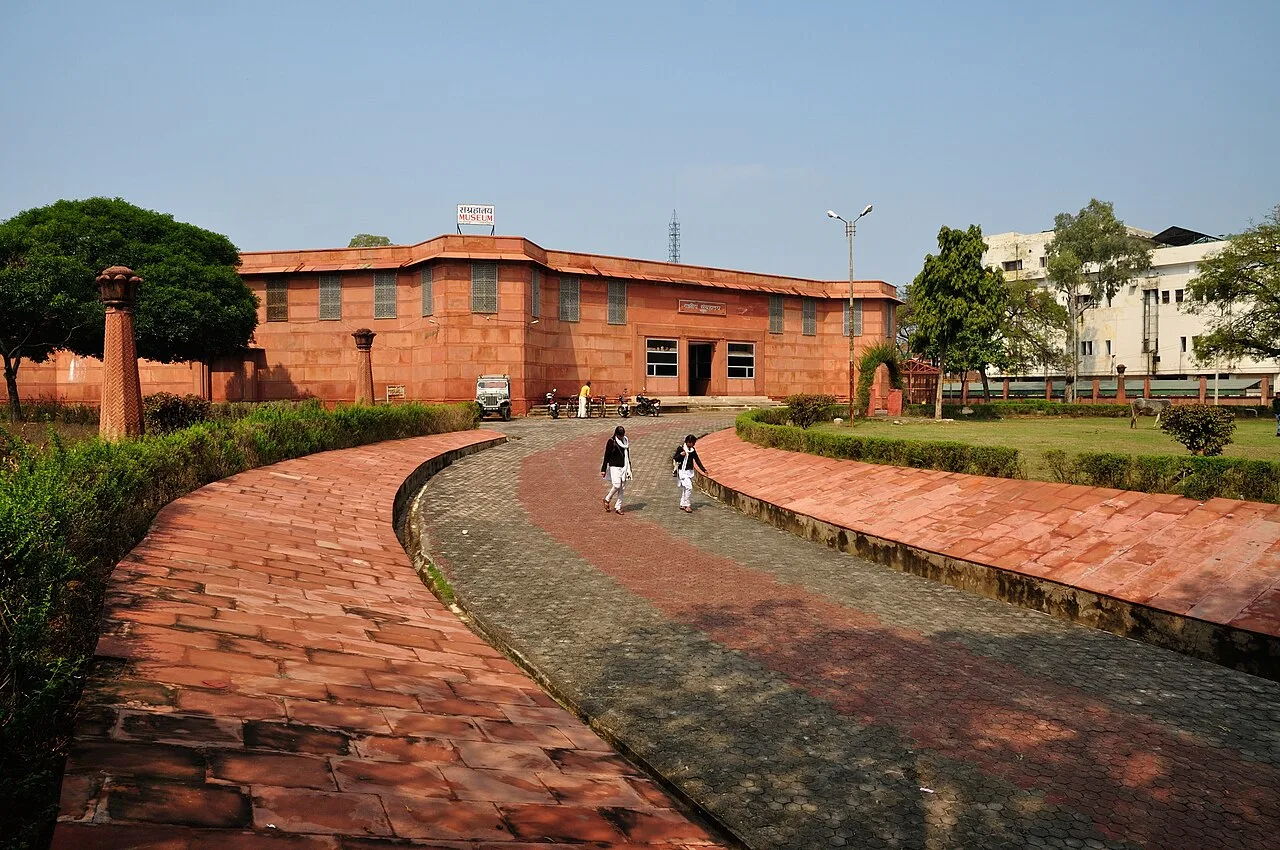
The Government Museum in Mathura is an archaeological museum in Uttar Pradesh. Visitors come to explore its archaeological focus and learn about the institution’s history.

Map

Mursan on the map

  1. 1Vrindavan Town
  2. 2Banke Bihari Temple
  3. 3Dwarkadhish Temple, Mathura
  4. 4Gokul Village
  5. 5ISKCON Temple, Vrindavan
  6. 6Prem Mandir
  7. 7Vishram Ghat
  8. 8Government Museum, Mathura

Uttar Pradesh

Other cities to explore