Ghumoopedia — Explore, Discover, Experience
Sign in
Akbar's tomb, near Sadabad

City guide · Uttar Pradesh

Sadabad

Sadabad is a town and nagar panchayat in Hathras district, western Uttar Pradesh. Its location between Agra, Mathura, Aligarh and Etah gives it a useful role as a road-connected market and service centre for nearby villages.

Famous for

  • Balushahi sweets
  • Aloo-tikki bhalla
  • Kothi Ganj fort
  • Karban River
  • NH 509 connection

Why Sadabad matters

Sadabad is a town and nagar panchayat in Hathras district, western Uttar Pradesh. Its location between Agra, Mathura, Aligarh and Etah gives it a useful role as a road-connected market and service centre for nearby villages. National Highway 509 passes through the area, linking it with Agra and Aligarh, while roads connect it with Mathura and Raya. The town is also a convenient stop for travellers moving between the region’s larger cities.

Famous for: crafts, trade & products

Sadabad is best known locally for its balushahi, a syrup-soaked sweet, and bhalla, often served as aloo tikki with chutneys. These are everyday specialities rather than products associated with a widely recognised textile or handicraft industry. Visitors can look for them at sweet shops and snack stalls around the town centre and its market streets; availability and recipes vary between shops.

The town’s bazaars serve residents and villages in the surrounding area, with general retail and everyday goods. Sadabad is not especially known for a signature saree, craft or GI-tagged product, so shoppers seeking those specialities may find a wider choice in larger nearby cities. For a sense of local commerce, explore the central market on foot and ask shopkeepers about seasonal foods. Kothi Ganj, an old fort or fortified site, and the Karban River are local landmarks, though access to historic structures may depend on local conditions.

History

Sadabad is traditionally associated with Saadullah Khan, a minister of Mughal emperor Shah Jahan, who established the town. Its early history reflects its position in the wider Braj and western Uttar Pradesh region, where Mughal-era administration and later local landed families shaped settlement and influence. The Nawabs of Sadabad belonged to the Lalkhani Muslim Rajput clan and held jagirs here. Kothi Ganj is remembered as an old fort, a reminder of the town’s historic built landscape.

Sadabad was part of Mathura district until 1997, when Hathras became a separate district. In modern times it has grown chiefly as a local administrative and trading centre, serving nearby villages and benefiting from road links between Agra, Mathura, Aligarh and Etah. Its status as a nagar panchayat reflects its role as a small urban centre rather than a large industrial city. The available local history gives limited detail about the town’s colonial-era changes.

Food, festivals & culture

Food is one of Sadabad’s most recognisable local draws. Balushahi is a popular sweet, while bhalla—often made as aloo tikki and served with chutneys—is a familiar savoury snack. Sweet shops and market stalls are good places to sample these, alongside everyday North Indian meals. Hindi is widely used, and Braj speech and vocabulary are also heard in this part of western Uttar Pradesh; Urdu is used by some residents.

The town shares the region’s seasonal calendar of celebrations. Holi, usually in spring, has particular resonance across the Braj region; Diwali and Navratri are observed in autumn, while Eid brings Muslim communities together around prayer and family visits. Janmashtami is also celebrated in the wider Braj area. Neighbourhood temples and mosques are part of everyday religious life. Local folk singing and devotional music are more likely to be encountered at community and festival gatherings than in formal visitor venues.

Visiting the city

October to March is generally the most comfortable period to visit, with cooler weather for exploring the town and nearby roads. Summers can be very hot, while the monsoon brings rain and occasionally slower travel. The nearest airport is Agra’s Kheria Airport; flight options can be limited, so check connections before planning. Hathras Junction is a useful main railway station for rail travel, with onward road transport to Sadabad.

Buses, shared vehicles, taxis and auto-rickshaws can help with local and regional journeys; availability varies. In town, explore the central market for snacks and everyday shopping, and ask locally about visiting Kothi Ganj and the Karban River. Sadabad works well as a short stop or as a base for road journeys to nearby cities rather than as a destination with extensive visitor facilities.

Trips from the city

Nearest places to visit from Sadabad

Our closest destination guides, by straight-line distance.

Akbar's tomb

26 km away · Agra district

Akbar's tomb

The burial monument of Mughal ruler Akbar, this Agra site is visited for its historic association and buildings that combine red sandstone construction with white marble details.

Chini Ka Rauza

26 km away · Agra district

Chini Ka Rauza

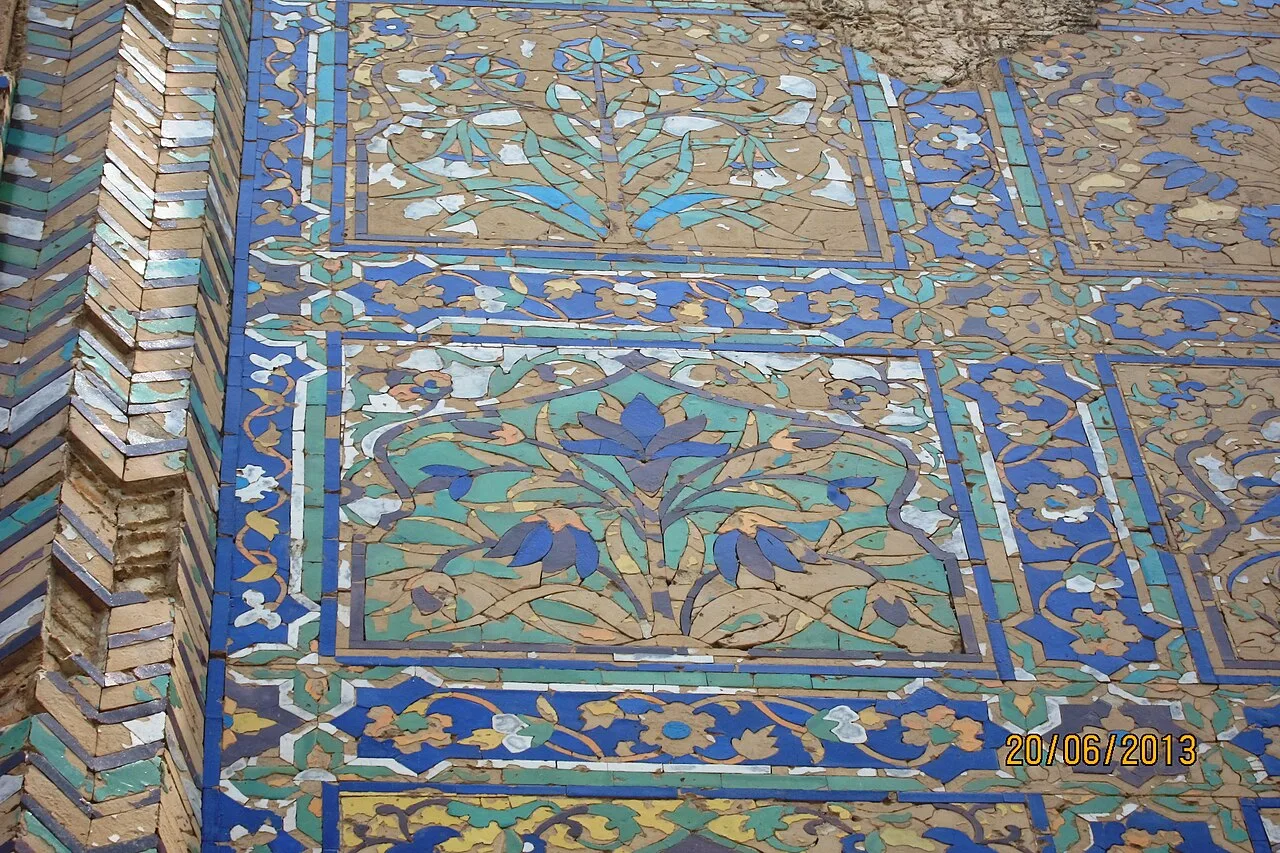
Chini Ka Rauza is a funerary monument in Agra, built in 1635 for Afzal Khan Shirazi, a scholar, poet and Shah Jahan’s grand vizier. Visitors come to see its glazed tiles and learn about its history.

26 km away · Agra district

Guru ka Taal Gurdwara

Guru ka Taal Gurdwara, near Sikandra in Agra, is a Sikh pilgrimage site honouring the ninth Guru, Tegh Bahadur. People visit to remember his martyrdom and the defence of religious freedom.

Tomb of Mariam-uz-Zamani

26 km away · Agra district

Tomb of Mariam-uz-Zamani

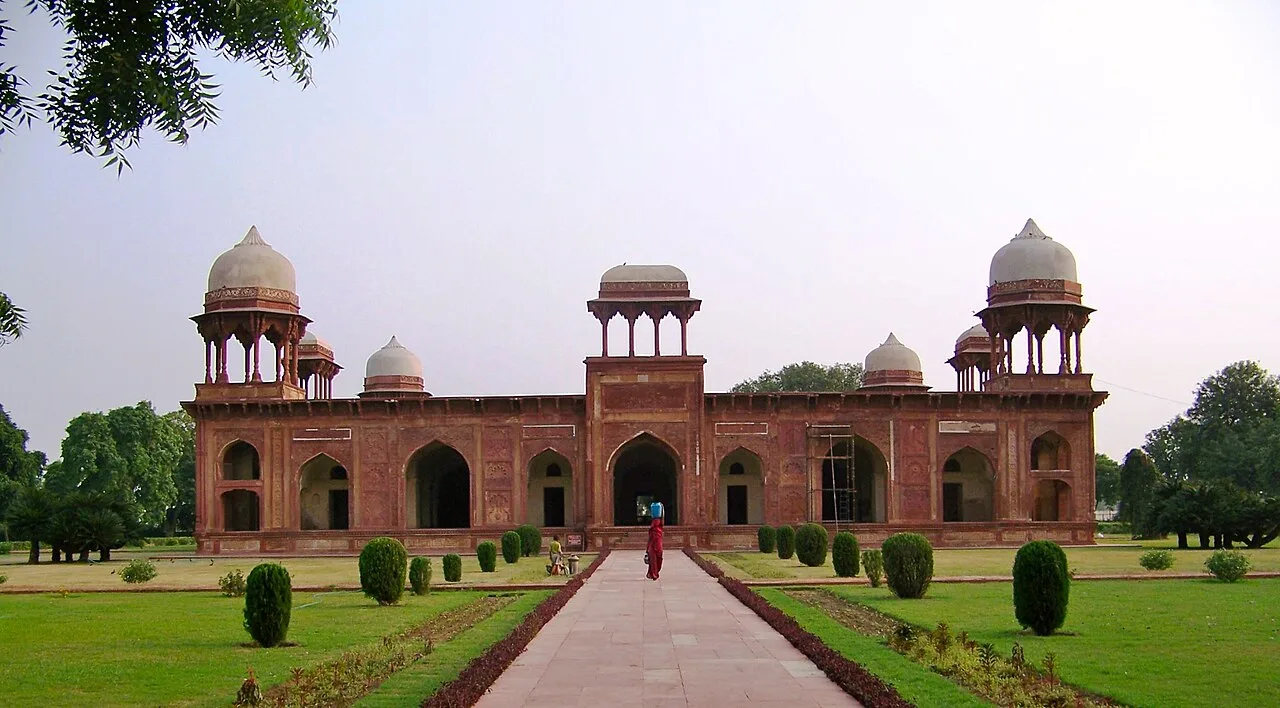
The Tomb of Mariam-uz-Zamani is the mausoleum of Akbar’s wife, built by their son Jahangir. Visitors come to see her burial place beside Akbar’s tomb.

Itmad Ud Daulah

27 km away · Agra district

Itmad Ud Daulah

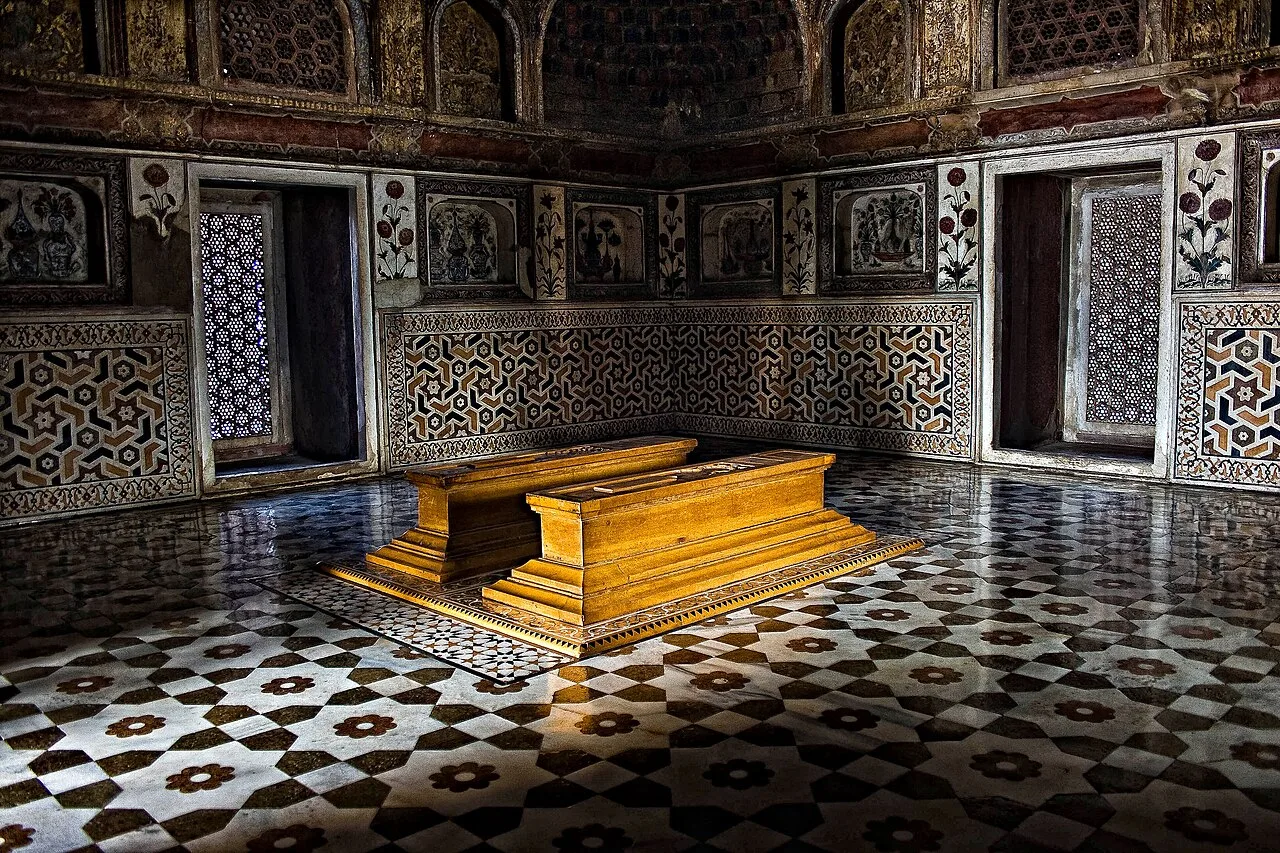
A Mughal marble mausoleum in Agra, Itmad Ud Daulah attracts visitors for its garden setting, intricate decoration and place in the evolution of Mughal architecture.

28 km away · Agra district

Sur Sarovar Bird Sanctuary (Keetham Lake)

Sur Sarovar Bird Sanctuary, also called Keetham Lake, is a Ramsar-protected wetland in Agra district, Uttar Pradesh. Visitors come to see its birdlife, open water and artificial islands.

Agra Fort

29 km away · Agra district

Agra Fort

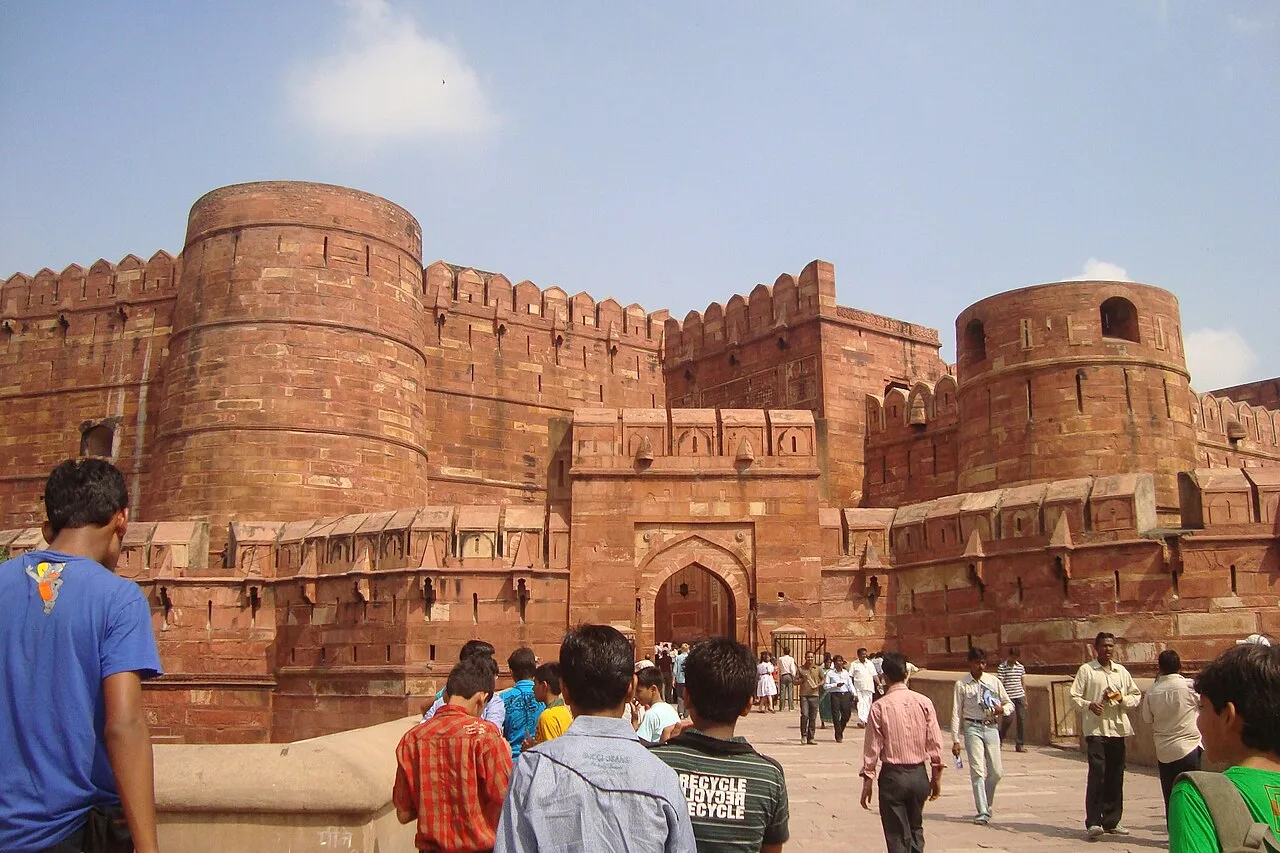
Agra Fort is a major Mughal-era stronghold in Agra, rebuilt by Akbar and later expanded by Shah Jahan. Visitors come to see its palaces, mosques and historic gateways.

Jama Masjid, Agra

29 km away · Agra district

Jama Masjid, Agra

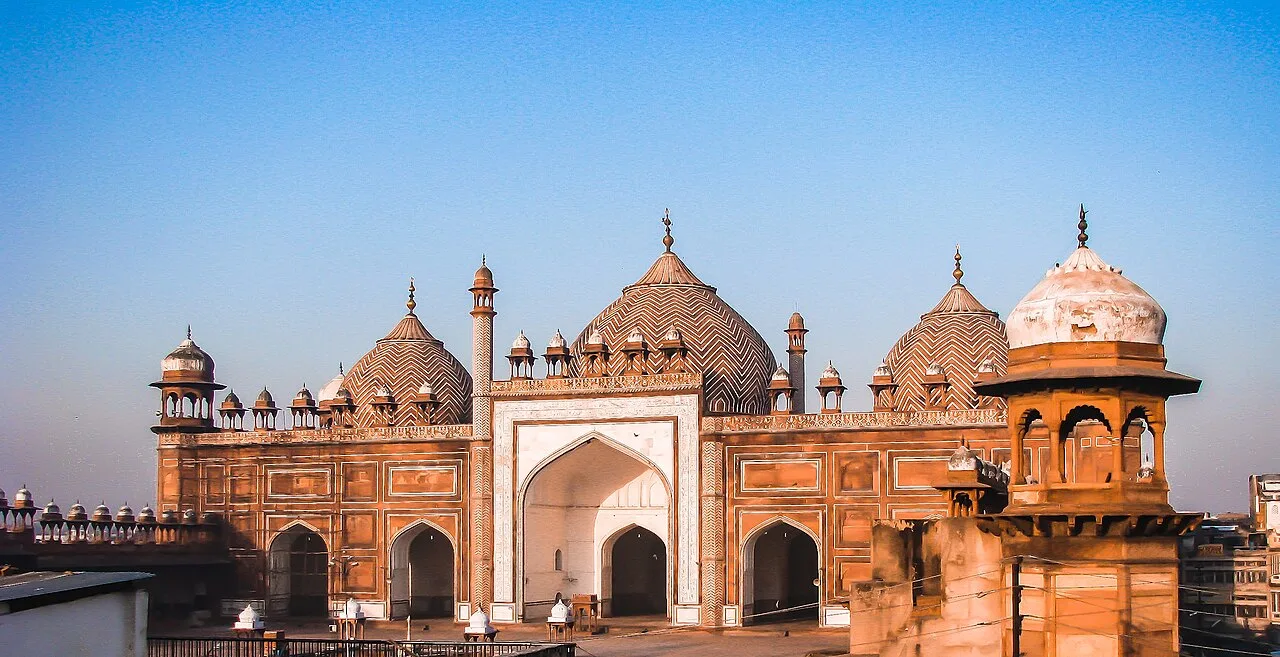
Jama Masjid is a seventeenth-century mosque in Agra, built by Jahanara Begum during Shah Jahan’s reign. Visitors come to see the city’s principal mosque, situated near Agra Fort.

Map

Sadabad on the map

  1. 1Akbar's tomb
  2. 2Chini Ka Rauza
  3. 3Guru ka Taal Gurdwara
  4. 4Tomb of Mariam-uz-Zamani
  5. 5Itmad Ud Daulah
  6. 6Sur Sarovar Bird Sanctuary (Keetham Lake)
  7. 7Agra Fort
  8. 8Jama Masjid, Agra

Uttar Pradesh

Other cities to explore