Ghumoopedia — Explore, Discover, Experience
Sign in
Okhla Bird Sanctuary, near Pilkhuwa

City guide · Uttar Pradesh

Pilkhuwa

Pilkhuwa is a municipal town in Hapur district, about 12 kilometres from Hapur. Its position on National Highway 9, the major route between Delhi and Lucknow, and its railway station make it a practical stop and a local transport hub.

Famous for

  • Handloom textile industry
  • Printed cotton fabrics
  • Textile and cloth trade
  • Road and rail links

Why Pilkhuwa matters

Pilkhuwa is a municipal town in Hapur district, about 12 kilometres from Hapur. Its position on National Highway 9, the major route between Delhi and Lucknow, and its railway station make it a practical stop and a local transport hub. The town is closely connected with the surrounding villages and the wider Hapur region, serving residents, traders and travellers moving through western Uttar Pradesh.

Pilkhuwa is best known for textiles and handloom work. Shops and businesses dealing in cloth reflect an industry that has long shaped the town’s economy and identity. Visitors interested in regional commerce can explore the local textile trade, while those travelling through may find Pilkhuwa a useful base for reaching Hapur and nearby towns. It is primarily a working town rather than a major sightseeing destination, but its combination of craft, commerce and accessible transport gives it a distinct place in the region.
Famous for: crafts, trade & products

Pilkhuwa’s strongest association is with textiles, particularly handloom production and the local trade in cloth. Cotton fabrics and printed textiles are among the kinds of goods linked with the town; the range and designs vary between makers and sellers. Textile work is part of Pilkhuwa’s everyday economy, not simply a visitor attraction, and the town’s commercial streets are the most practical place to look for finished goods.

Visitors can ask at cloth shops and textile businesses in the town centre about locally made or sourced fabric and household textiles. Buying directly from a seller can also help clarify whether a piece was woven or printed in Pilkhuwa, since not every textile sold here is necessarily made locally. Pilkhuwa is not widely identified with a specific GI-tagged product, and no single craft market or named institution defines its textile scene. Its reputation rests instead on the broader handloom and textile industry and the trading networks that connect the town with nearby settlements and larger markets.

History

Pilkhuwa’s name is commonly connected with the pilkhan tree, through a variant form of its name. A separate local tale links it to an elephant called Pil that was said to have gone missing from Delhi; this is best treated as a place-name legend rather than established history. The town is traditionally associated with the Tomar Rajputs, and accounts place its establishment under Tomar rule in the medieval period. Their power in the area later gave way to the Delhi Sultanate.

Under British rule, Pilkhuwa formed part of Meerut district. It later became part of Ghaziabad district, created in 1976. District boundaries and names changed again in the early 2010s: the area was briefly included in the district called Panchsheel Nagar, which was subsequently renamed Hapur. Pilkhuwa is now in Hapur district. Its growth has been shaped by textile production and trade, as well as its position on a major highway and railway line.

Food, festivals & culture

Pilkhuwa shares the food traditions of western Uttar Pradesh. Everyday meals commonly draw on wheat breads, lentils, seasonal vegetables and dairy, while tea and familiar sweets such as jalebi are easy to find in local shops. These are regional favourites rather than dishes unique to the town. Its textile businesses and busy roads give the town a practical, commercial character, alongside the neighbourhood life of nearby villages.

Hindi is the main language of daily communication; Urdu is also used in the wider region. Holi in spring and Diwali in autumn are widely observed, while Navratri and Dussehra bring seasonal religious celebrations. Eid is marked by Muslim communities, with its timing varying according to the lunar calendar. Worship takes place in neighbourhood temples and mosques, which serve local residents and festival gatherings. Regional devotional songs and folk music are part of celebrations, though Pilkhuwa is not especially known as a centre for a distinctive music or dance form.

Visiting the city

The cooler months, roughly October to March, are generally the most comfortable time to visit; summers can be very hot and the monsoon brings rain. Pilkhuwa railway station serves the town, while Hindon Airport in Ghaziabad is the nearer airport; Delhi’s Indira Gandhi International Airport is the larger gateway for a wider range of flights.

National Highway 9 is the main road approach. Within town, visitors can use local shared transport, autos or taxis, and walk around the central commercial streets. The town centre is the best area to explore for cloth shops and everyday activity. Pilkhuwa’s railway-side and highway-facing areas are useful for transport connections, while nearby Hapur offers a broader range of regional services and onward travel options.

Trips from the city

Nearest places to visit from Pilkhuwa

Our closest destination guides, by straight-line distance.

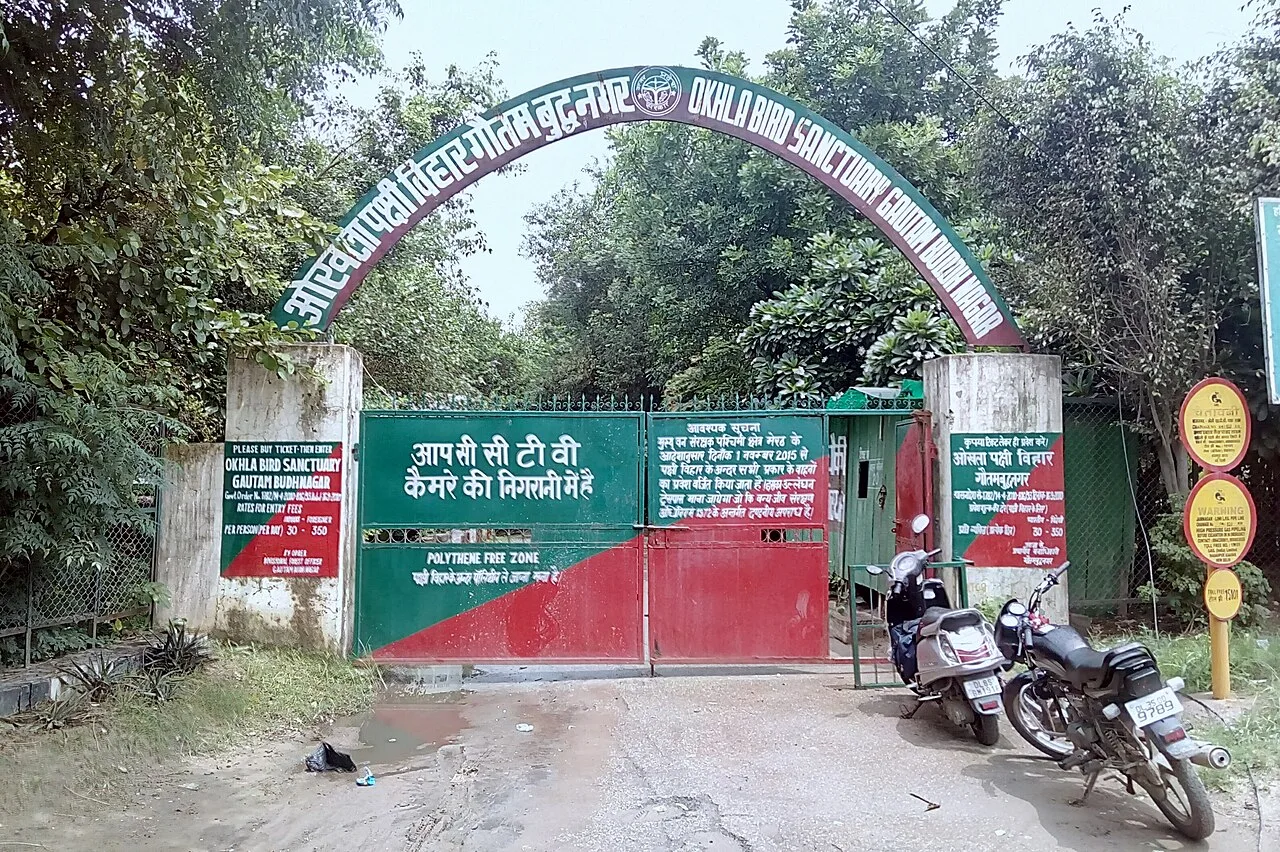
Okhla Bird Sanctuary

38 km away · Gautam Buddh Nagar district

Okhla Bird Sanctuary

At the Yamuna’s crossing from Delhi into Uttar Pradesh, Okhla Bird Sanctuary protects a barrage-created wetland that visitors come to explore and watch its varied birdlife.

Hastinapur Heritage Town

62 km away · Meerut district

Hastinapur Heritage Town

Hastinapur is a town in Uttar Pradesh’s Meerut district, known for its place in Hindu accounts of the Kuru kingdom and its Jain associations with three Tirthankaras.

Barsana Radha Rani Temple

121 km away · Mathura district

Barsana Radha Rani Temple

Barsana Radha Rani Temple stands in Barsana, a town in Uttar Pradesh’s Mathura district. Visitors come to worship Radha at a temple central to the town’s religious importance.

Banke Bihari Temple

126 km away · Mathura district

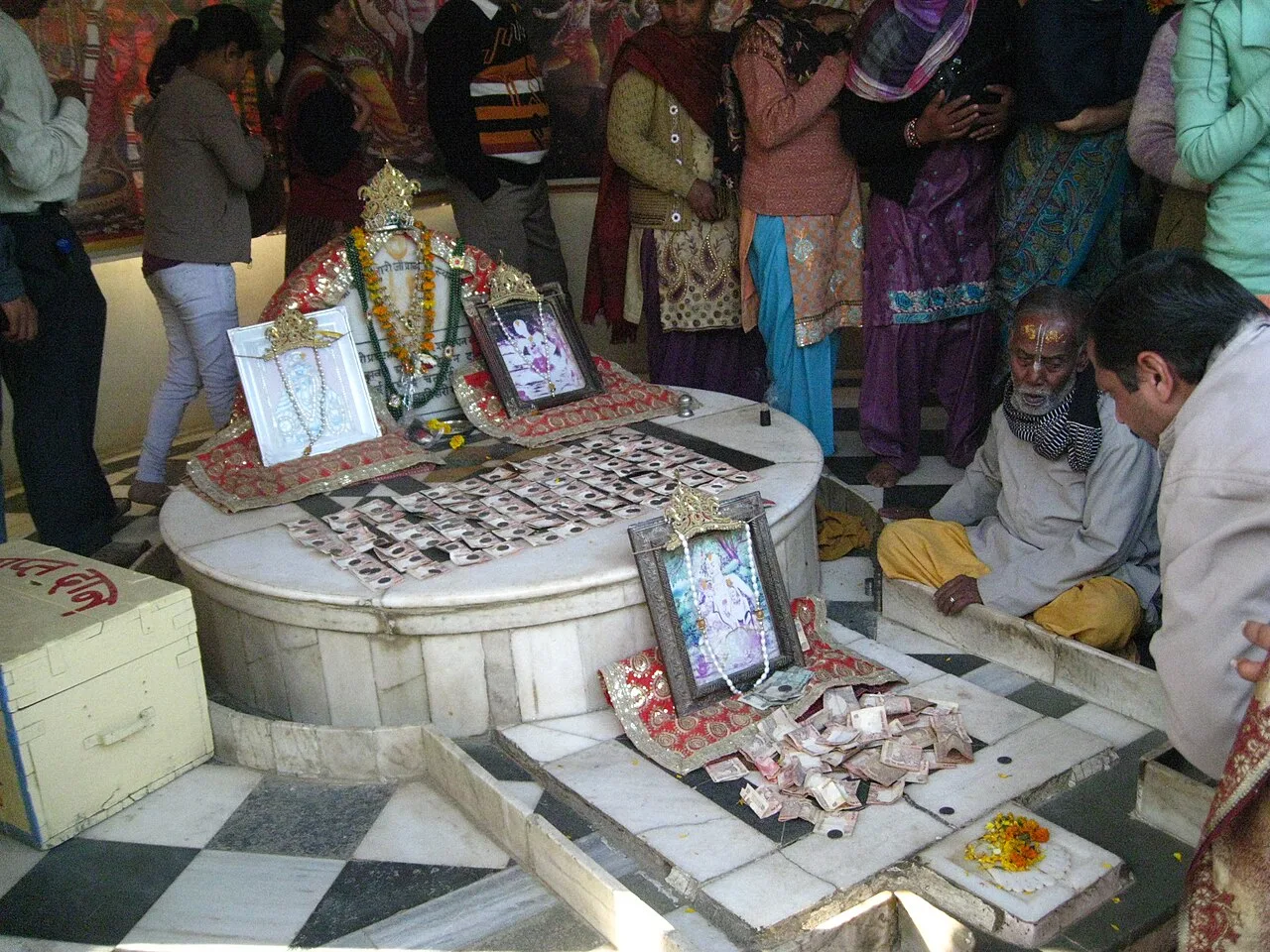
Banke Bihari Temple

Banke Bihari Temple is a Hindu place of worship in Vrindavan, Mathura district, visited by devotees to honour Banke Bihari, regarded as Radha and Krishna united.

Vrindavan Town

126 km away · Mathura district

Vrindavan Town

Vrindavan is a historic town in Uttar Pradesh’s Mathura district, within Braj Bhoomi. Visitors come for its Hindu associations with Krishna and its many temples to Krishna and Radha.

ISKCON Temple, Vrindavan

127 km away · Mathura district

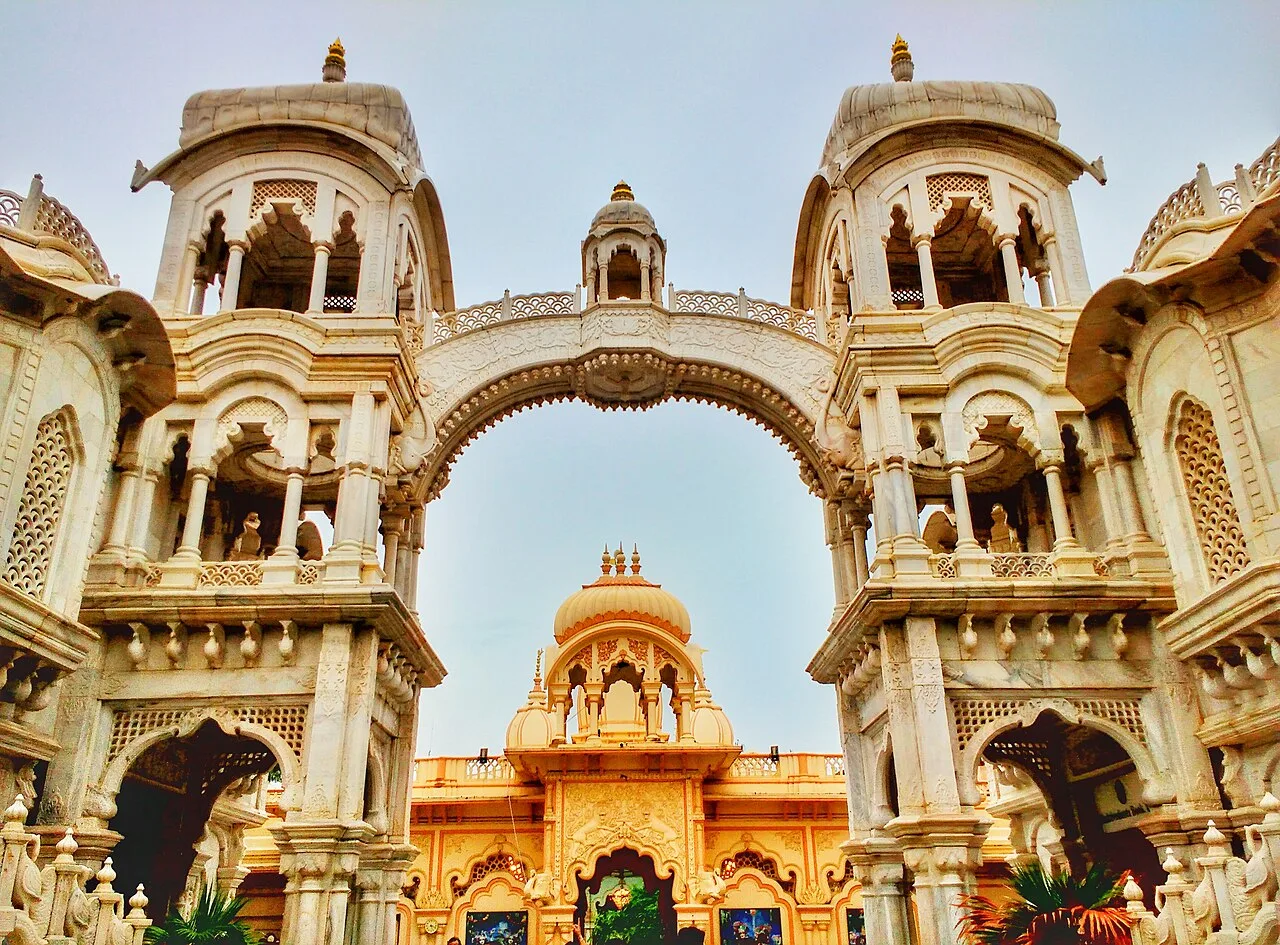
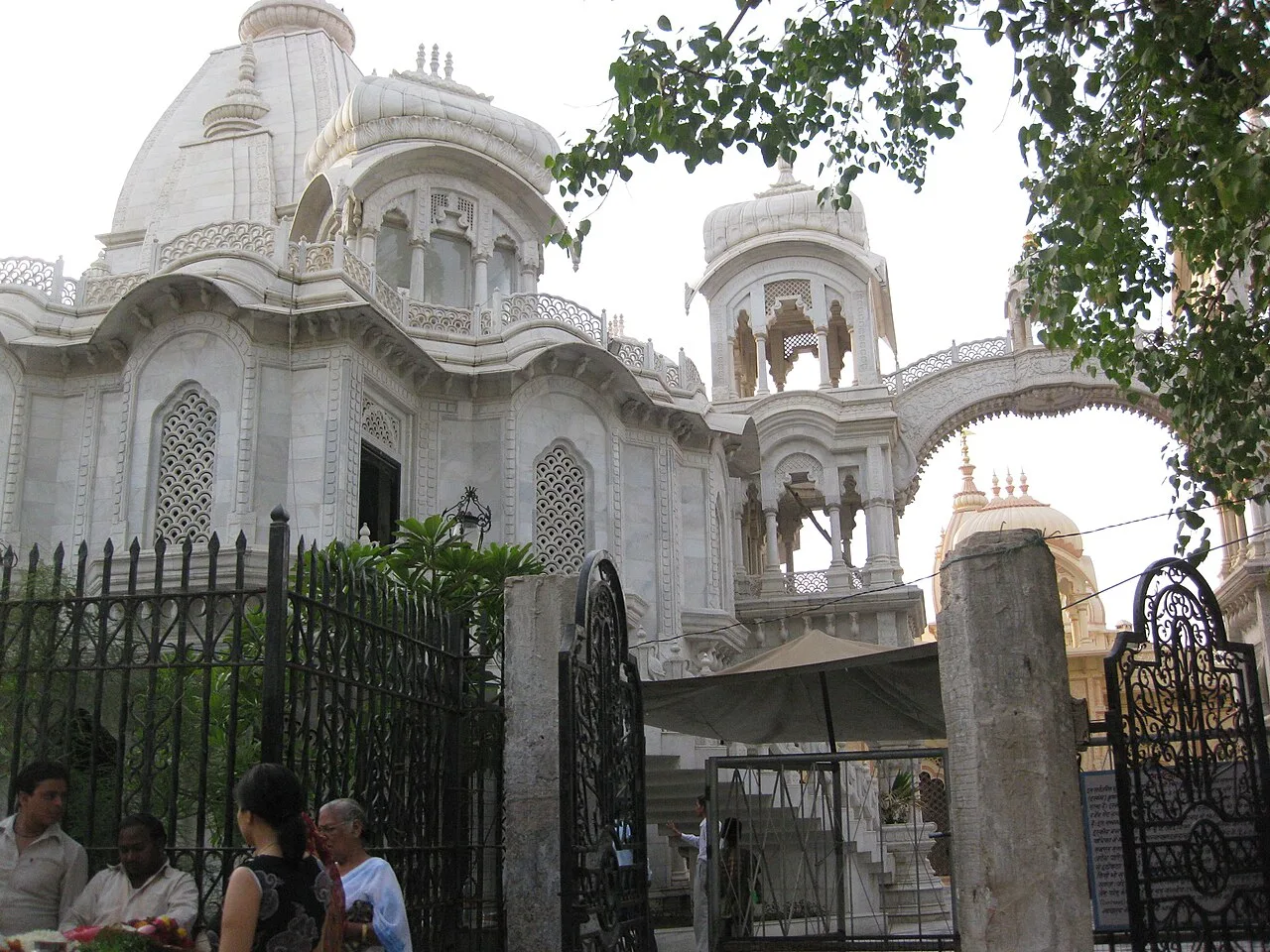
ISKCON Temple, Vrindavan

In Vrindavan, Uttar Pradesh’s Mathura district, this Gaudiya Vaishnava temple is devoted to Krishna and Balarama. Visitors come to worship these deities and the other figures honoured there.

Prem Mandir

127 km away · Mathura district

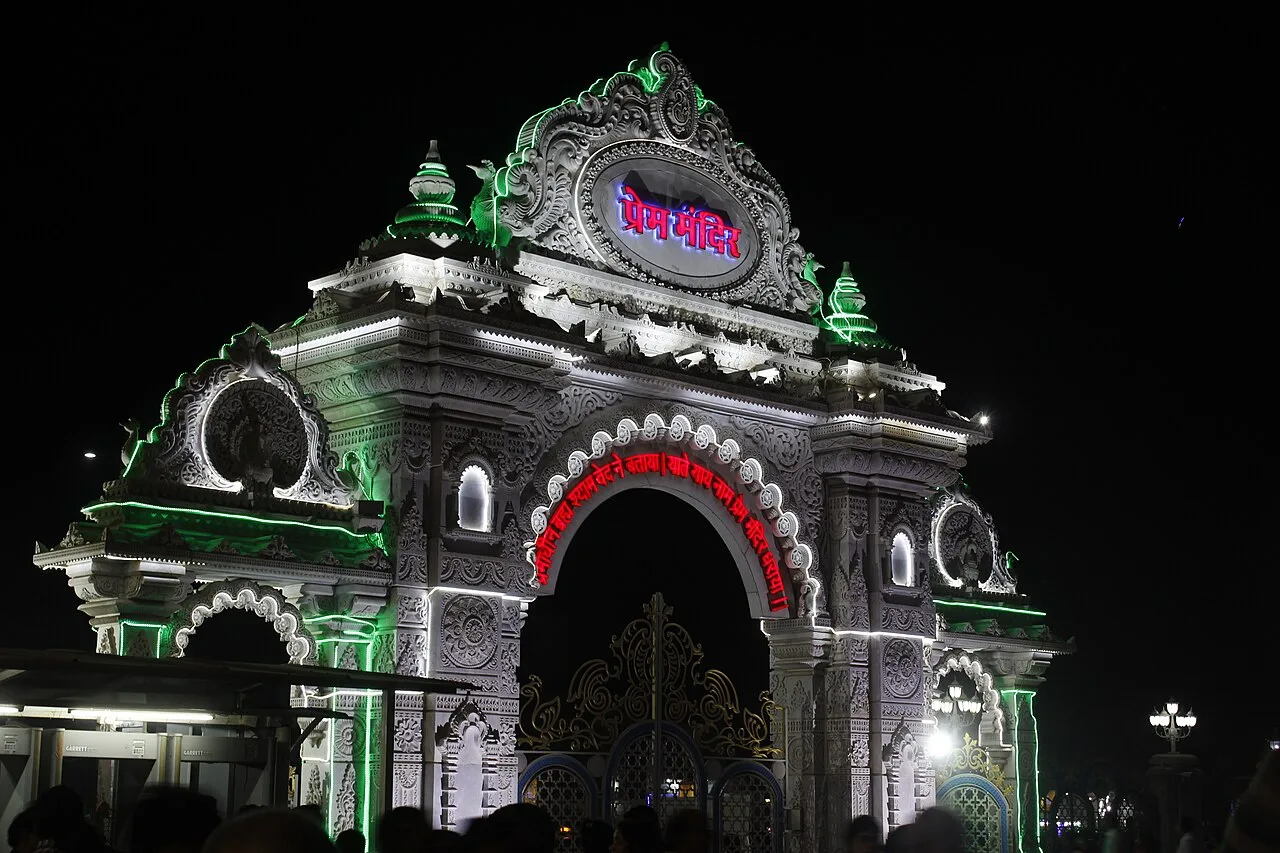
Prem Mandir

Prem Mandir is a Hindu temple in Vrindavan, Mathura district, Uttar Pradesh. Visitors come to see its dedications to Radha Krishna and Sita Ram, as well as a tribute to four earlier Jagadgurus.

Radha Kund

133 km away · Mathura district

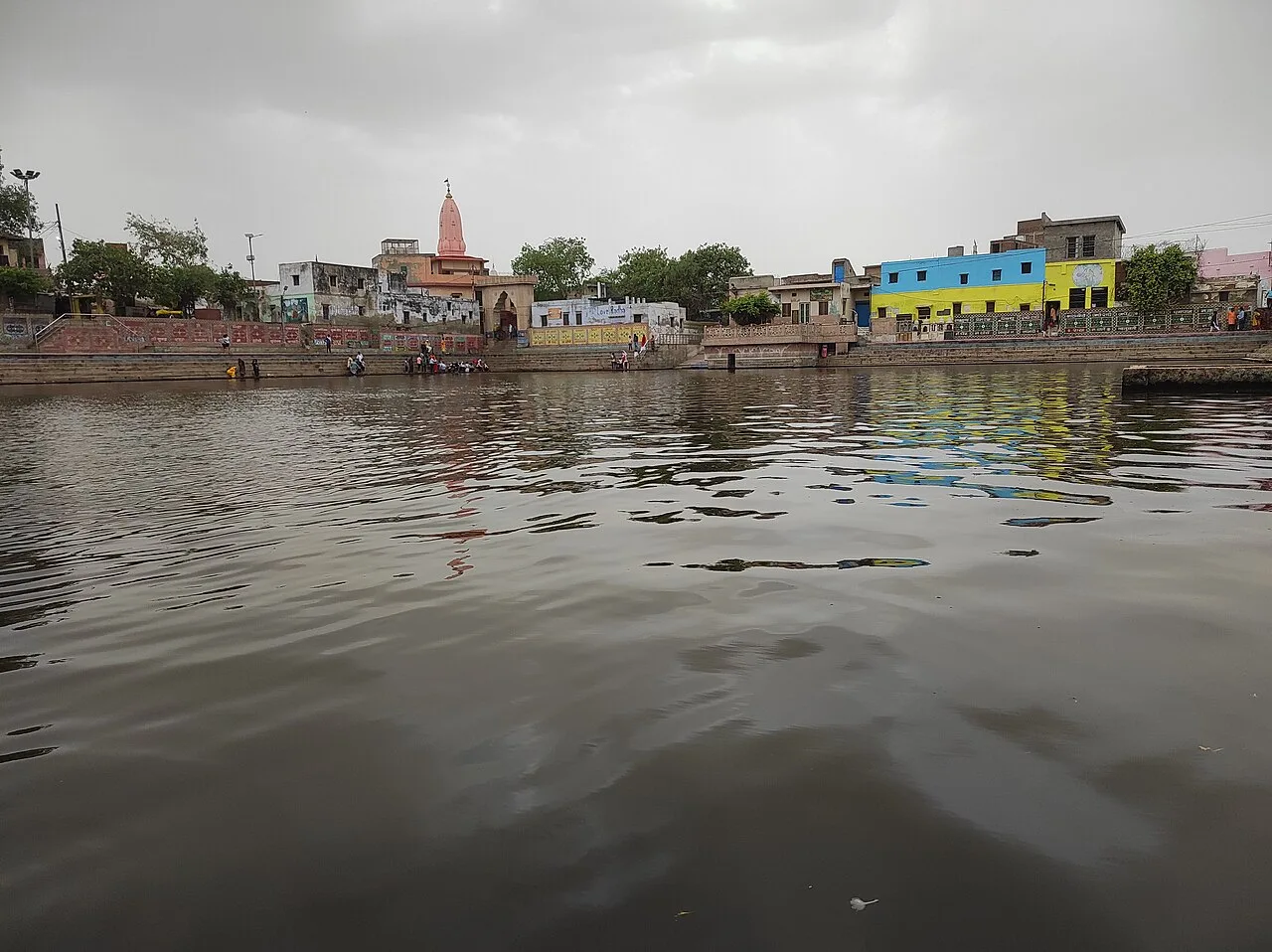
Radha Kund

Radha Kund is a town and nagar panchayat in Uttar Pradesh’s Mathura district. People visit it as a pilgrimage place dedicated to the Hindu goddess Radha.

Map

Pilkhuwa on the map

  1. 1Okhla Bird Sanctuary
  2. 2Hastinapur Heritage Town
  3. 3Barsana Radha Rani Temple
  4. 4Banke Bihari Temple
  5. 5Vrindavan Town
  6. 6ISKCON Temple, Vrindavan
  7. 7Prem Mandir
  8. 8Radha Kund

Uttar Pradesh

Other cities to explore