Ghumoopedia — Explore, Discover, Experience
Sign in

City guide · Uttar Pradesh

Misrikh Neemsar

Misrikh, often linked with the neighbouring pilgrimage centre of Naimisharanya or Neemsar, is an important religious destination in Sitapur district. Visitors come chiefly for Chakra Tirtha, a sacred water body where pilgrims bathe, and for the area’s temples, shrines and ponds.

Famous for

  • Naimisharanya pilgrimage
  • Chakra Tirtha
  • Hindu temples
  • Sacred ponds
  • Vyasa traditions

Why Misrikh Neemsar matters

Misrikh, often linked with the neighbouring pilgrimage centre of Naimisharanya or Neemsar, is an important religious destination in Sitapur district. Visitors come chiefly for Chakra Tirtha, a sacred water body where pilgrims bathe, and for the area’s temples, shrines and ponds. Naimisharanya is associated with stories in the Mahabharata and Puranas and with the sage Ved Vyas, who is traditionally said to have composed the Puranas here. These traditions give the town and its surroundings a place in Hindu pilgrimage circuits and draw worshippers throughout the year, with larger gatherings on religious occasions.

Misrikh also serves as a local administrative and commercial centre for nearby settlements. Its everyday character is shaped by the movement between town, temple precincts and pilgrimage facilities: visitors find places to worship, make offerings and arrange basic travel needs, while residents use the town for routine services and shopping. The combination of a functioning district town and a major sacred landscape is what makes Misrikh-Neemsar distinctive in the region.
Famous for: crafts, trade & products

The area’s most recognisable draws are its religious sites, especially Chakra Tirtha and the temples of Naimisharanya. Small shops around the pilgrimage precincts cater to visitors with worship essentials, flowers, offerings, snacks and everyday travel needs. The town’s general market serves local households as well as pilgrims, but no particular market or locally made product is established as a signature attraction.

Visitors looking for souvenirs may find devotional items and commonplace religious keepsakes near temples; selection varies, so these are best understood as pilgrimage purchases rather than a distinctive regional craft tradition. Food stalls and local shops provide practical stops during a visit, while broader shopping for clothing, household goods and other needs is part of ordinary town commerce. Misrikh’s economic identity is therefore closely connected to its role as a service centre for the surrounding area and as a gateway for worshippers visiting Neemsar, rather than to a specialised manufacturing industry.

History

The history associated with Misrikh is closely intertwined with the sacred landscape of Naimisharanya. Hindu tradition places the forest of Naimisha in accounts found in the Mahabharata and Puranas, and connects it with Ved Vyas and the recitation of sacred texts. A further local tradition describes Shaunaka Mahashala as a centre where sages gathered for an extended sacrificial ritual. These accounts are important to the region’s religious history, though they belong to sacred tradition rather than a documented civic chronology.

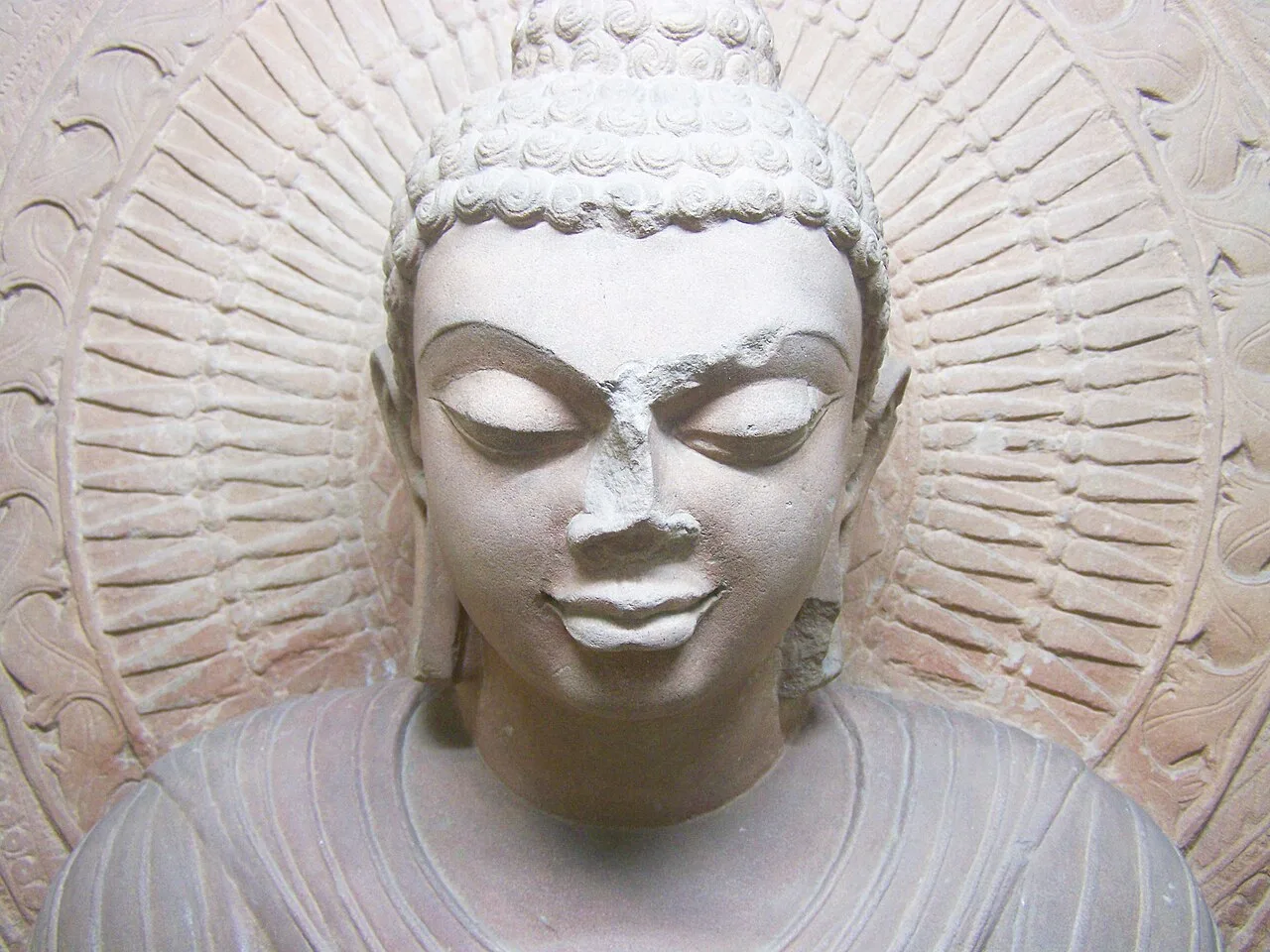
The wider area passed through ancient political spheres that included Magadha and, after the Nanda and Maurya periods, the Shungas. Archaeological finds reported in the broader region, including Shunga-style terracotta and small Gupta-period images, indicate activity across different eras, but do not by themselves establish a continuous history for the town. Under British rule the area formed part of the administration of the United Provinces and Sitapur district. In modern times, Misrikh developed as a municipal and local service centre, while pilgrimage to nearby Neemsar has remained central to its public identity.

Food, festivals & culture

Religious practice shapes much of Misrikh-Neemsar’s cultural life. Pilgrims visit Chakra Tirtha and nearby temples for worship and ritual bathing, and devotional activity becomes especially visible during Hindu festival periods. Navratri, Ram Navami, Diwali and Holi are observed in the wider region; pilgrimage gatherings and bathing occasions also bring visitors to Naimisharanya at different points in the lunar calendar. The scale and timing of events can vary from year to year.

Hindi is widely used, with Awadhi also part of everyday speech across the surrounding area. Bhajans, temple recitations and devotional storytelling are more characteristic of the pilgrimage setting than a single local performance tradition. Meals available to visitors generally reflect familiar vegetarian North Indian fare, such as puri-sabzi, kachori, snacks and sweets. These are convenient pilgrimage foods rather than a uniquely documented Misrikh cuisine. Temples, sacred ponds and the Chakra Tirtha are the principal places through which visitors encounter local religious culture.

Visiting the city

The cooler months, roughly October to March, are generally more comfortable for visiting than the hot summer; festival and bathing days can be busier. Chaudhary Charan Singh International Airport in Lucknow is the nearest major airport. Misrikh Tirath railway station serves the town; travellers should check current connections before setting out. From the station or nearby towns, local shared vehicles and taxis can help reach the temple precincts, though arrangements may vary.

Allow time for both Misrikh’s town centre and the pilgrimage area of Naimisharanya. Chakra Tirtha, the surrounding temples and nearby sacred ponds are the main places to explore. The central market area is useful for refreshments, worship supplies and everyday needs. Modest clothing and respect for local worship practices are advisable, particularly around bathing places and shrines. During religious gatherings, expect heavier visitor traffic and allow extra time for moving between sites.

Trips from the city

Nearest places to visit from Misrikh Neemsar

Our closest destination guides, by straight-line distance.

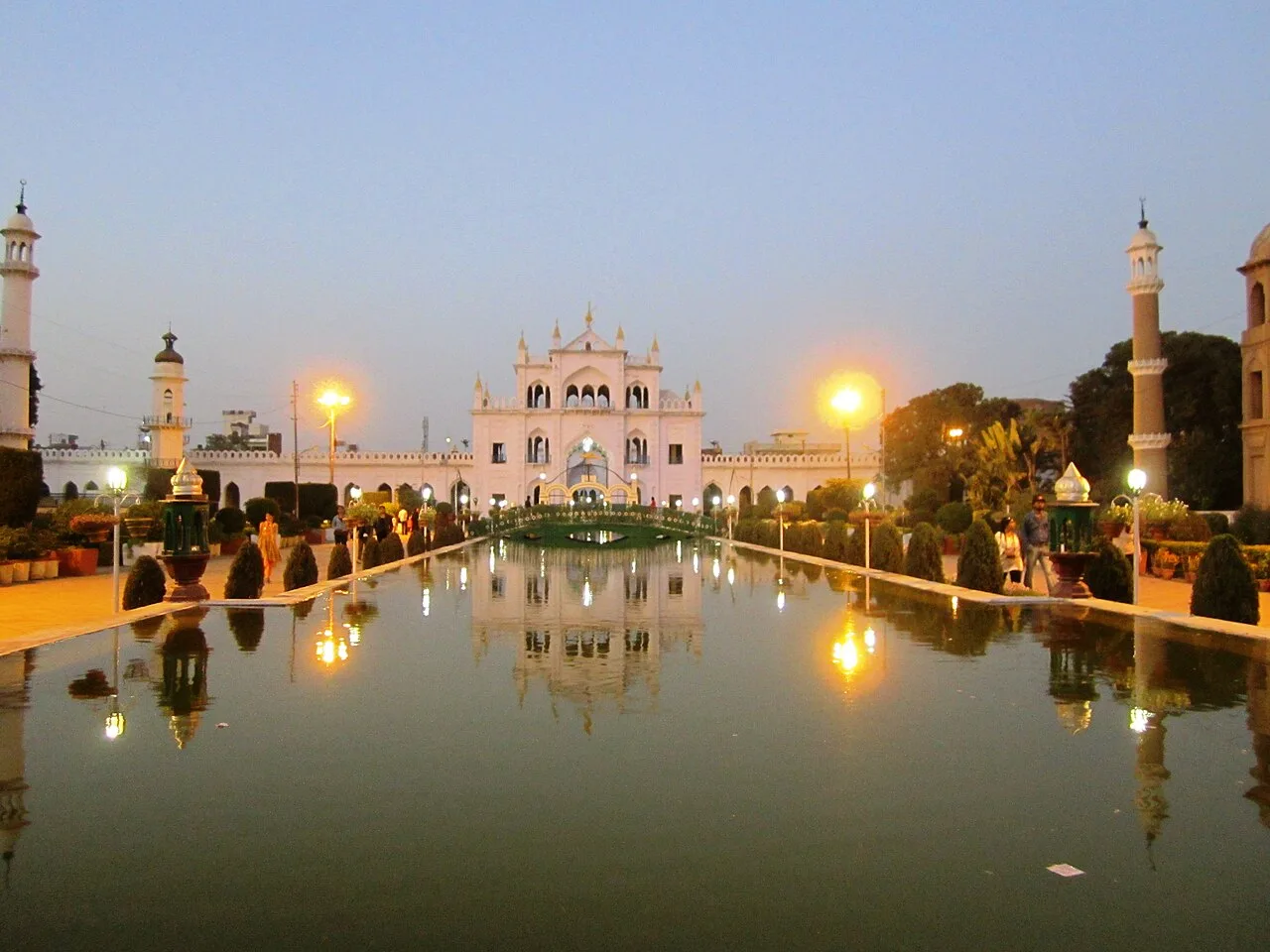
Chota Imambara

72 km away · Lucknow district

Chota Imambara

Chota Imambara, also called Imambara Hussainabad Mubarak, is a Shia religious hall and mausoleum in Lucknow. Visitors come to see its decorated interiors, calligraphy and distinctive ceremonial features.

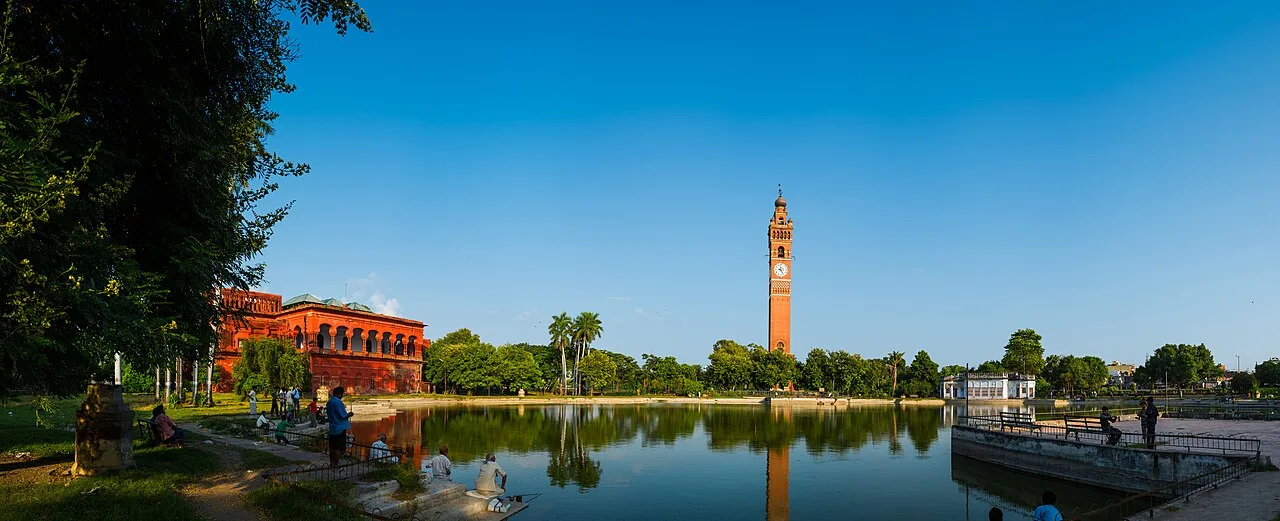
Husainabad Clock Tower

72 km away · Lucknow district

Husainabad Clock Tower

Husainabad Clock Tower is a historic structure in Lucknow, Uttar Pradesh, built to commemorate an official’s arrival. Visitors come to see its combination of Mughal and Victorian architectural features.

Bara Imambara

73 km away · Lucknow district

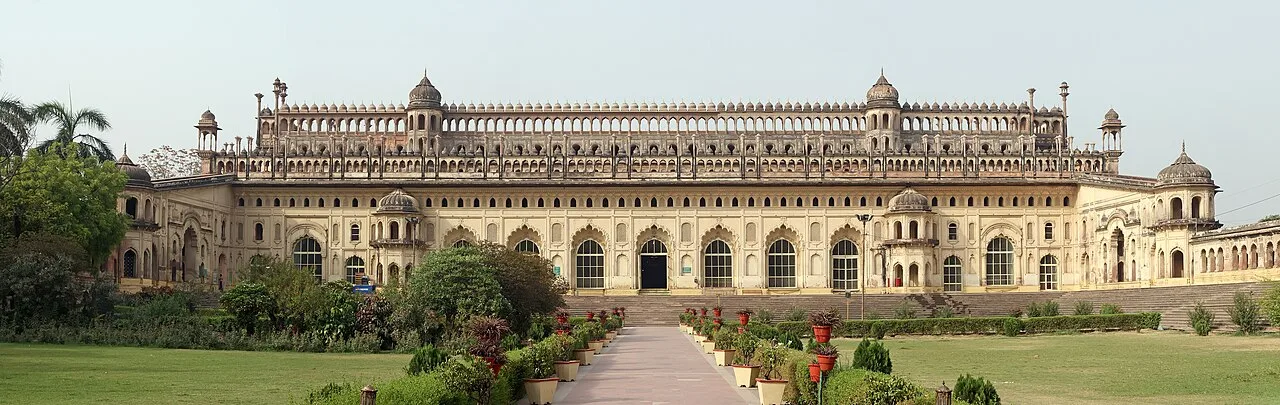
Bara Imambara

Bara Imambara, also known as the Asafi Imambara, is a religious complex in Lucknow. Visitors come to see its imambara and mosque and its status as a nationally important monument.

Rumi Darwaza

74 km away · Lucknow district

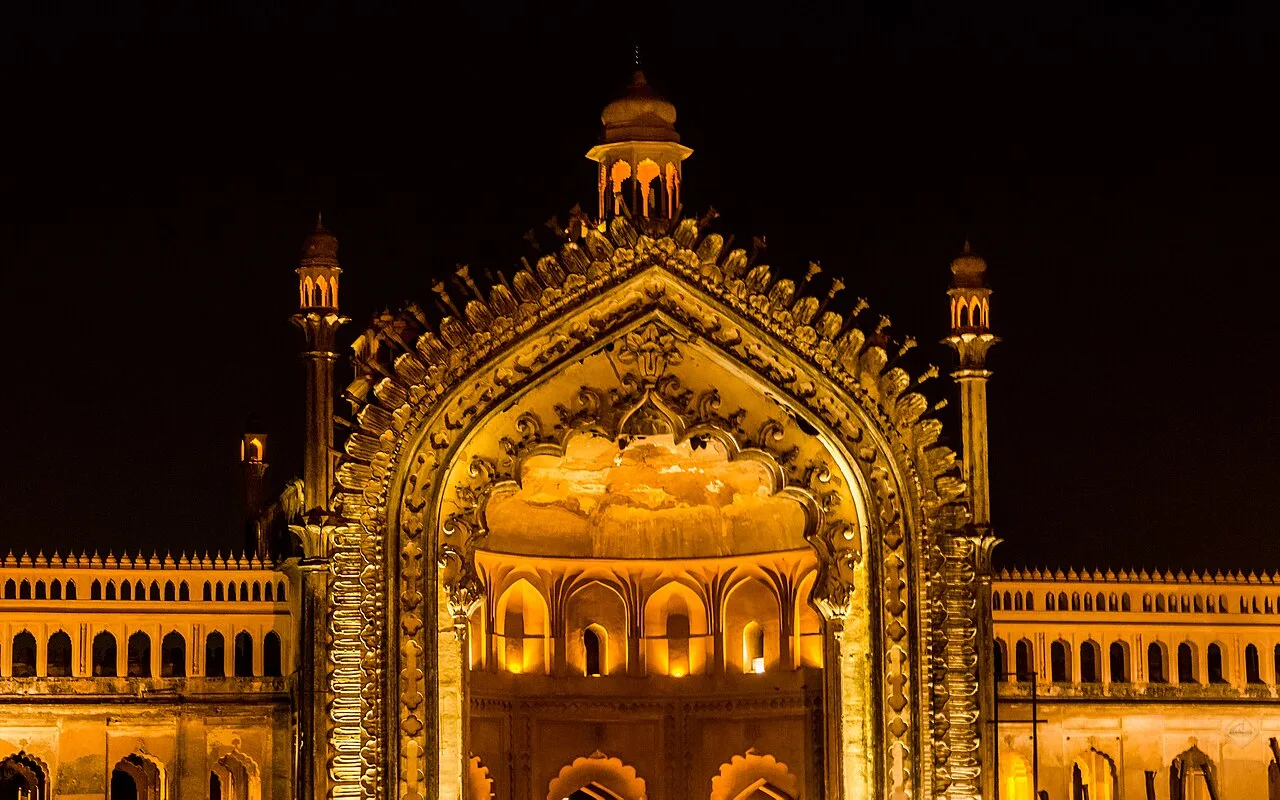
Rumi Darwaza

Rumi Darwaza is an 18th-century gateway in Lucknow, known for its Awadhi design and links to the city’s past. Visitors come to see its architecture and historic setting.

The Residency, Lucknow

74 km away · Lucknow district

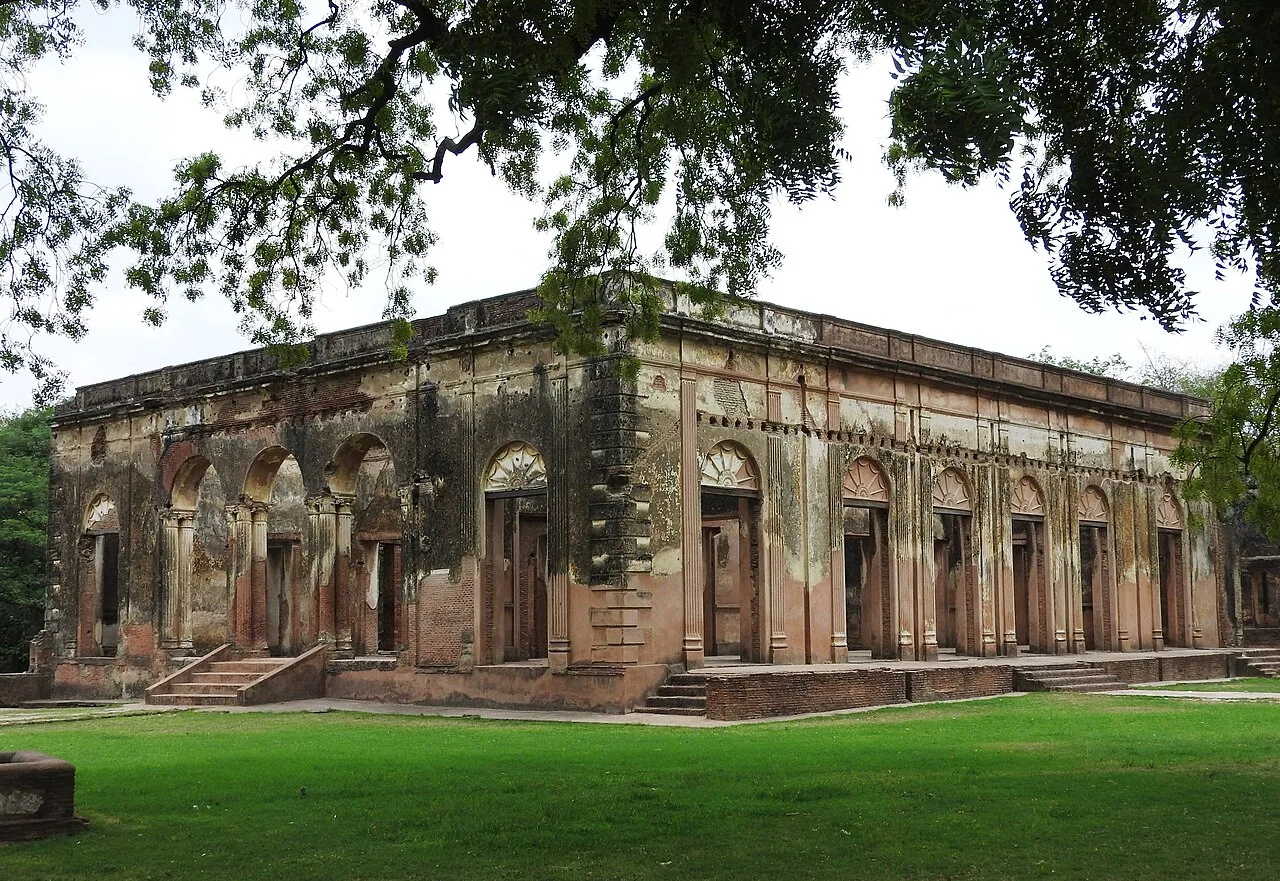
The Residency, Lucknow

The Residency is a collection of buildings in Lucknow associated with the British representative at the Nawab of Awadh’s court. Visitors can explore its former residential role and its setting near other landmarks.

Hazratganj Market

76 km away · Lucknow district

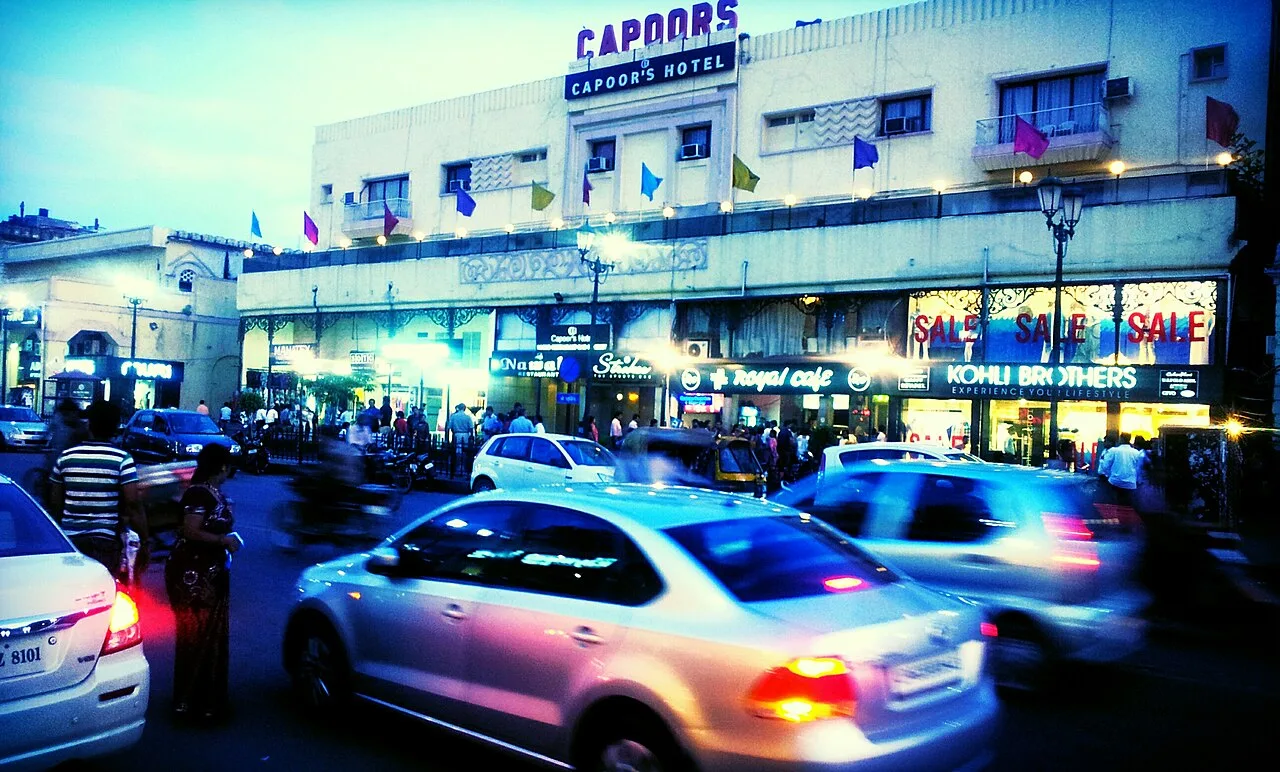
Hazratganj Market

Hazratganj Market is a commercial and shopping area in Lucknow, Uttar Pradesh. Visitors come for its bazaars, retail and dining options, entertainment venues and access to the metro.

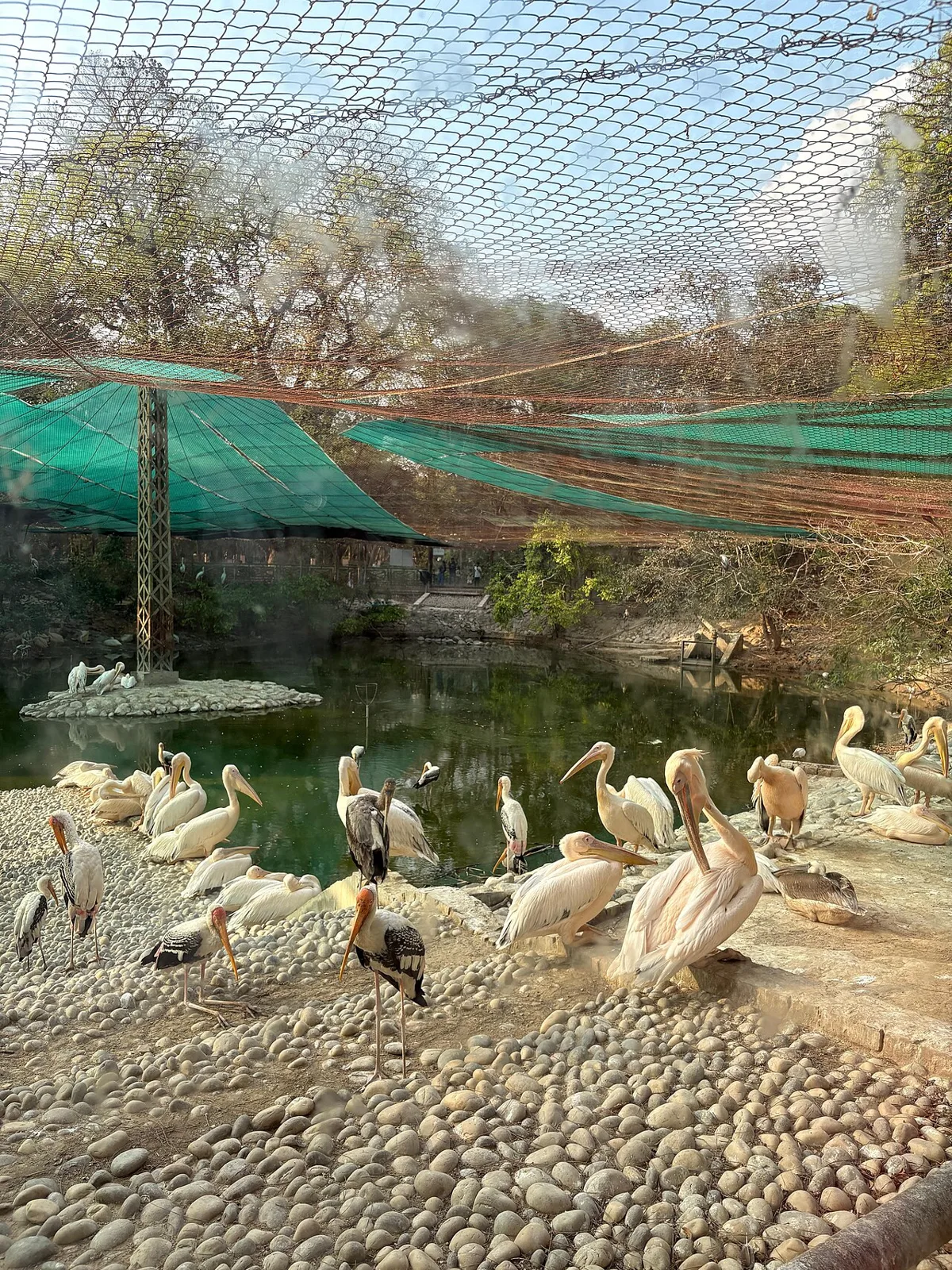
Lucknow Zoo (Nawab Wajid Ali Shah Prani Udyan)

77 km away · Lucknow district

Lucknow Zoo (Nawab Wajid Ali Shah Prani Udyan)

Lucknow Zoo, also called Nawab Wajid Ali Shah Prani Udyan, is a large zoological garden in Uttar Pradesh’s capital, known for its history and its connection to a royal visit.

State Museum, Lucknow

77 km away · Lucknow district

State Museum, Lucknow

Lucknow’s State Museum is a cultural institution in Uttar Pradesh’s capital. Visitors come to see collections ranging from prehistoric objects and coins to paintings, manuscripts and textiles.

Map

Misrikh Neemsar on the map

  1. 1Chota Imambara
  2. 2Husainabad Clock Tower
  3. 3Bara Imambara
  4. 4Rumi Darwaza
  5. 5The Residency, Lucknow
  6. 6Hazratganj Market
  7. 7Lucknow Zoo (Nawab Wajid Ali Shah Prani Udyan)
  8. 8State Museum, Lucknow

Uttar Pradesh

Other cities to explore