Ghumoopedia — Explore, Discover, Experience
Sign in
Kalinjar Fort, near Banda

City guide · Uttar Pradesh

Banda

Banda is the administrative headquarters of Banda district and an important service and trading centre for the Bundelkhand region of southern Uttar Pradesh. It lies south of the Yamuna, near the Ken River, and connects surrounding towns and rural communities through rail and road links.

Famous for

  • Banda Shazar stone craft
  • Ken River stones
  • Bamdeveshwar Temple
  • Bundelkhand heritage
  • Kalinjar Fort nearby

Why Banda matters

Banda is the administrative headquarters of Banda district and an important service and trading centre for the Bundelkhand region of southern Uttar Pradesh. It lies south of the Yamuna, near the Ken River, and connects surrounding towns and rural communities through rail and road links. Government offices, education, healthcare and trade give the city a practical regional role, while its Bundelkhand setting offers visitors a starting point for exploring the area’s historic sites and rugged landscapes.

Banda is especially associated with Shazar stone, a distinctive stone used in jewellery and decorative work. The city’s temples and old neighbourhoods provide a glimpse of local religious life, and the Ken River is part of its wider landscape. Kalinjar Fort, an important historic site in the district, can be visited as an excursion from Banda. Summers are intensely hot, so travellers often plan visits for the cooler months. Banda is less a resort destination than a useful base for experiencing Bundelkhand’s history, craft traditions and everyday urban life.
Famous for: crafts, trade & products

Banda’s best-known craft is Shazar stone work. Shazar, also written as Shazar or Shazar stone, is valued for its natural branching patterns, which resemble trees or foliage. Artisans shape and polish the stone for jewellery and small decorative pieces. The craft is associated with Banda and has received a Geographical Indication tag as Banda Shazar Stone Craft. To look for it, ask jewellery and handicraft sellers in the city; confirm the material and craft origin before buying, as availability can vary.

Banda is also a market centre for agricultural produce from the surrounding district. Local shops and wholesale trading areas serve residents and nearby villages, with food grains and other farm goods among the region’s trade. The city does not have a widely recognised signature saree or textile tradition, nor is it known for a large, visitor-facing handicraft bazaar. Its appeal for shoppers is chiefly the Shazar craft and everyday regional goods. For a broader selection, ask locally for established craft sellers rather than expecting a dedicated tourist market.

History

Banda’s position in Bundelkhand placed it within a region contested by successive powers. In the eighteenth century, Shamsher Bahadur I, son of the Maratha Peshwa Bajirao I and Mastani, received territory that included Banda and Kalpi. He fought with the Maratha forces at the Third Battle of Panipat in 1761 and died soon after from his wounds. His successor, Ali Bahadur, extended his authority across parts of Bundelkhand and became the Peshwa’s subedar at Banda. Later descendants retained ties to the Maratha polity; Shamsher Bahadur II fought the English during the Anglo-Maratha conflict of 1803.

Under British rule, Banda became a district town in the Allahabad division of the United Provinces and also served as a military cantonment. Its administrative role continued after independence: today it is the headquarters of Banda district and a transport and service centre for the surrounding region.

Food, festivals & culture

Banda’s everyday food reflects Bundelkhand and broader north Indian home cooking. Meals commonly feature wheat or millet breads, lentils, seasonal vegetables and pickles; local eateries also serve familiar snacks and sweets such as kachori and jalebi. These foods are widely available but are not exclusive to the city. Hindi is used in public life, while Bundeli is heard in conversation across the region.

Holi in spring and Diwali in autumn are widely celebrated, alongside Navratri and Dussehra; Eid is observed by the city’s Muslim communities. Religious life centres on local temples and mosques. Bamdeveshwar Temple, associated with Shiva, is among the city’s notable places of worship. Bundelkhand’s folk culture includes seasonal songs and the Rai dance, performed at community and cultural events. Performances and celebrations are often locally organised, so visitors may find it helpful to ask residents about events during their stay.

Visiting the city

The cooler months, roughly October to March, are generally the most comfortable time to visit. Summer can bring severe heat, so carry water, limit midday outdoor activity and check conditions before travelling. Banda Junction is the city’s main railway station. Khajuraho Airport is a nearby option for air travel; Prayagraj Airport is another regional gateway, with onward travel needed to reach Banda.

Within the city, auto-rickshaws and local taxis are useful for getting between the station, central areas and places of worship. Explore the older central neighbourhoods, the area around Bamdeveshwar Temple and local shopping streets. The Ken River lies close to the city, while Kalinjar Fort makes a separate day excursion in the district; arrange transport locally and allow time for the road journey.

Trips from the city

Nearest places to visit from Banda

Our closest destination guides, by straight-line distance.

Kalinjar Fort

55 km away · Banda district

Kalinjar Fort

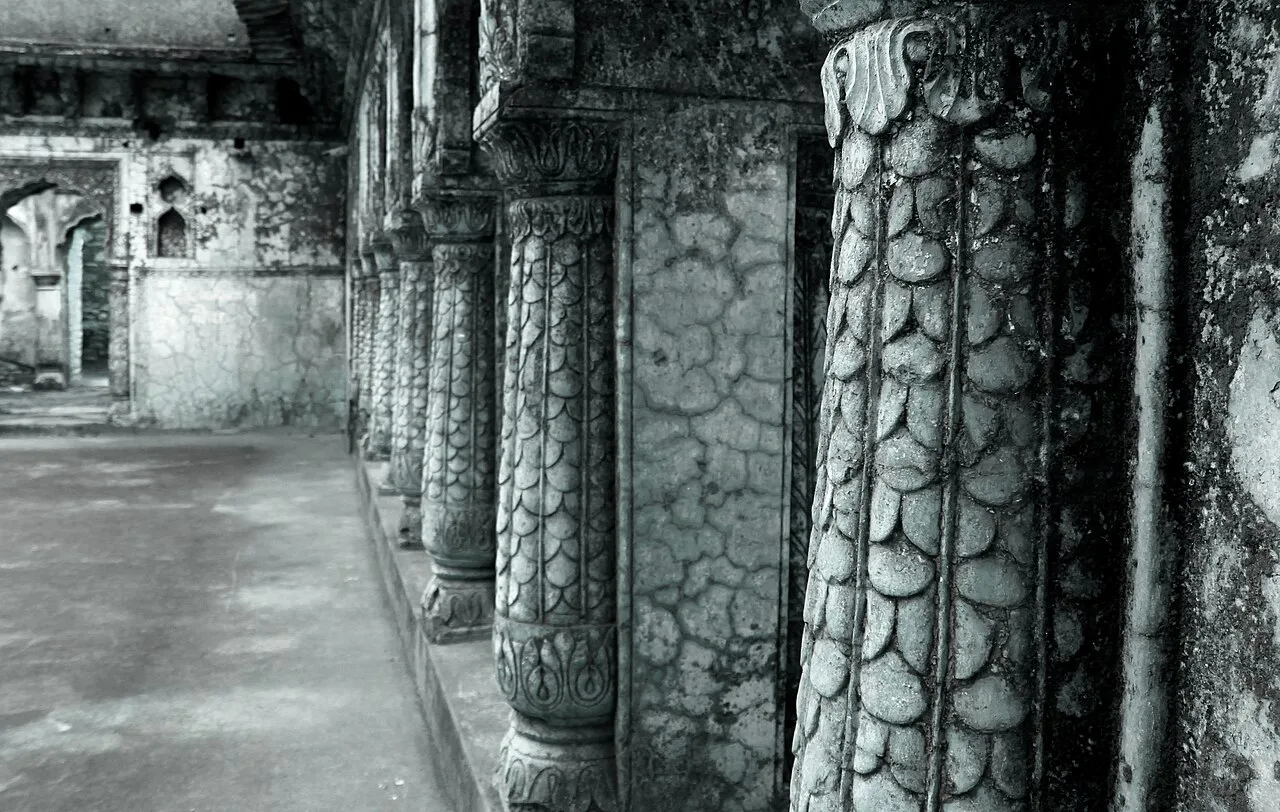
Travellers visit Kalinjar for its extensive fortifications, its association with Chandela rule and its long religious history, including sacred structures dating to the Gupta period.

Kaushambi Archaeological Site

107 km away · Kaushambi district

Kaushambi Archaeological Site

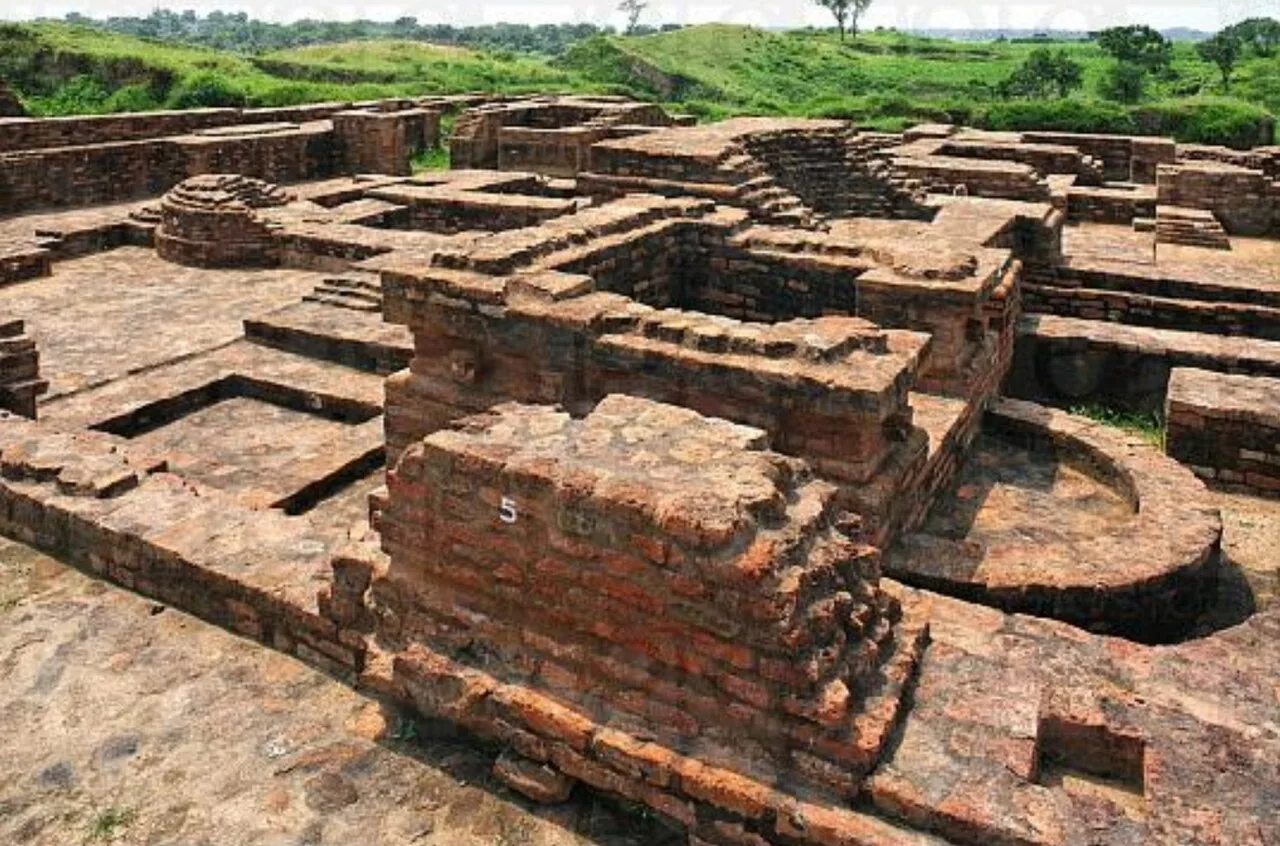
Kaushambi Archaeological Site is associated with an ancient city that served as the Vatsa kingdom’s capital and a trading centre on the Ganges Plain, attracting interest for its historical significance.

JK Temple

111 km away · Kanpur Nagar district

JK Temple

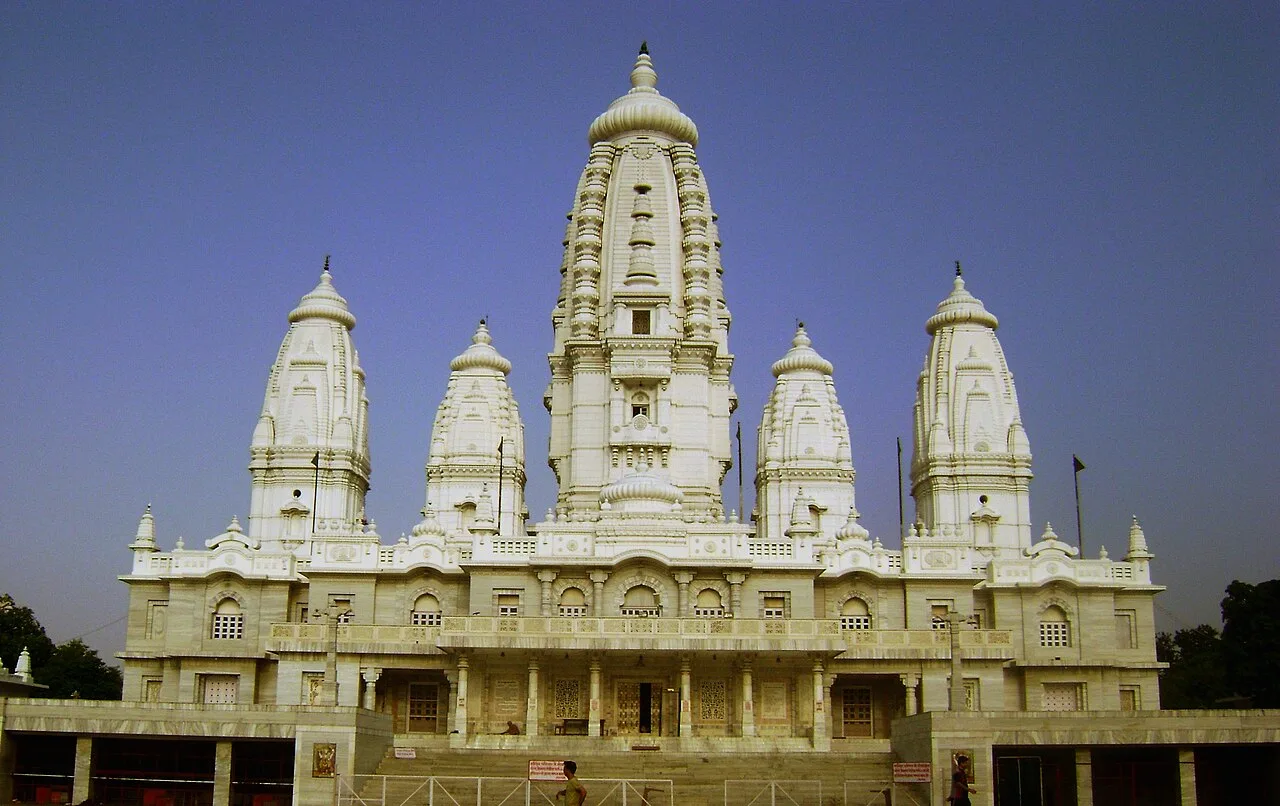
Known also as the Juggilal Kamlapat Temple and Radhakrishna Temple, this Hindu place of worship in Kanpur draws visitors for its combination of traditional and modern architectural features.

Samaspur Bird Sanctuary

121 km away · Raebareli district

Samaspur Bird Sanctuary

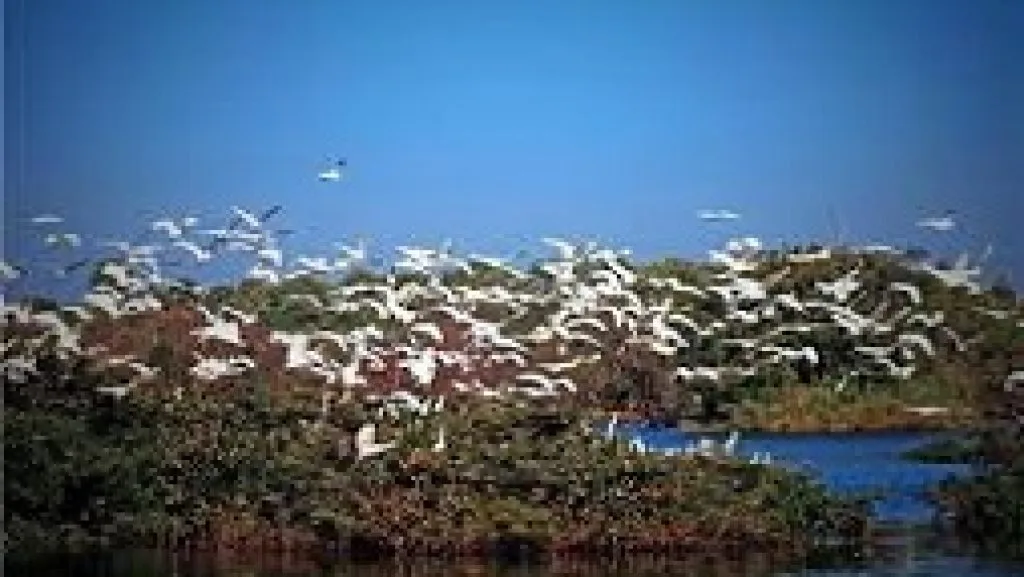
In Uttar Pradesh’s Raebareli district, Samaspur is a wetland reserve where visitors can see resident birds, long-distance migrants and a variety of fish.

Bithoor Ghats

126 km away · Kanpur Nagar district

Bithoor Ghats

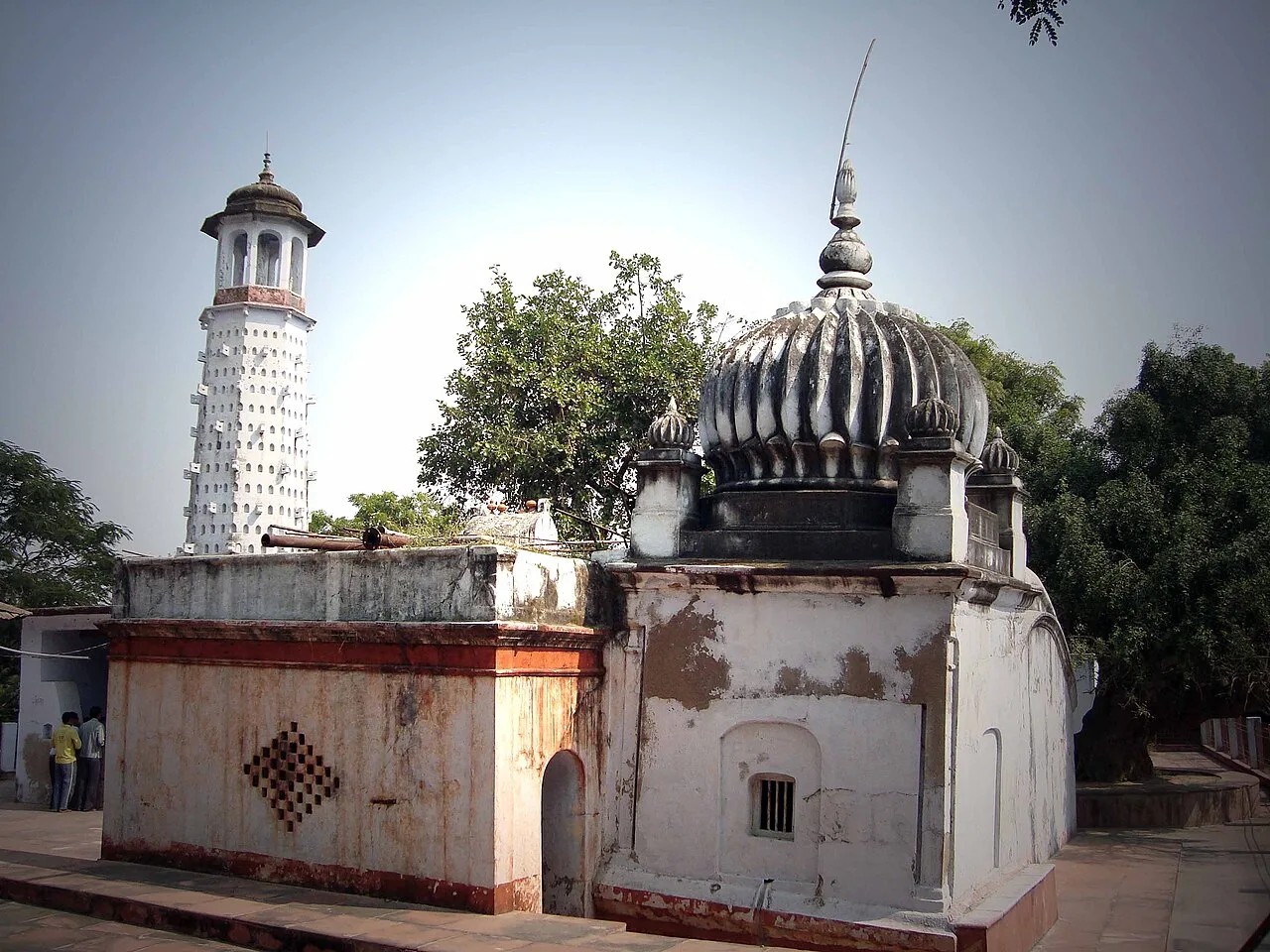
Bithoor Ghats are part of Bithoor, a town in Uttar Pradesh beside the Ganges. People visit for its importance as a Hindu pilgrimage centre and its connection with Nana Sahib and the 1857 uprising.

Nawabganj Bird Sanctuary

131 km away · Unnao district

Nawabganj Bird Sanctuary

Nawabganj Bird Sanctuary, renamed Shahid Chandra Shekhar Azad Bird Sanctuary in 2015, is a wetland reserve in Unnao district, visited for its migratory birds, deer park, watchtowers and boats.

Shringverpur

132 km away · Prayagraj district

Shringverpur

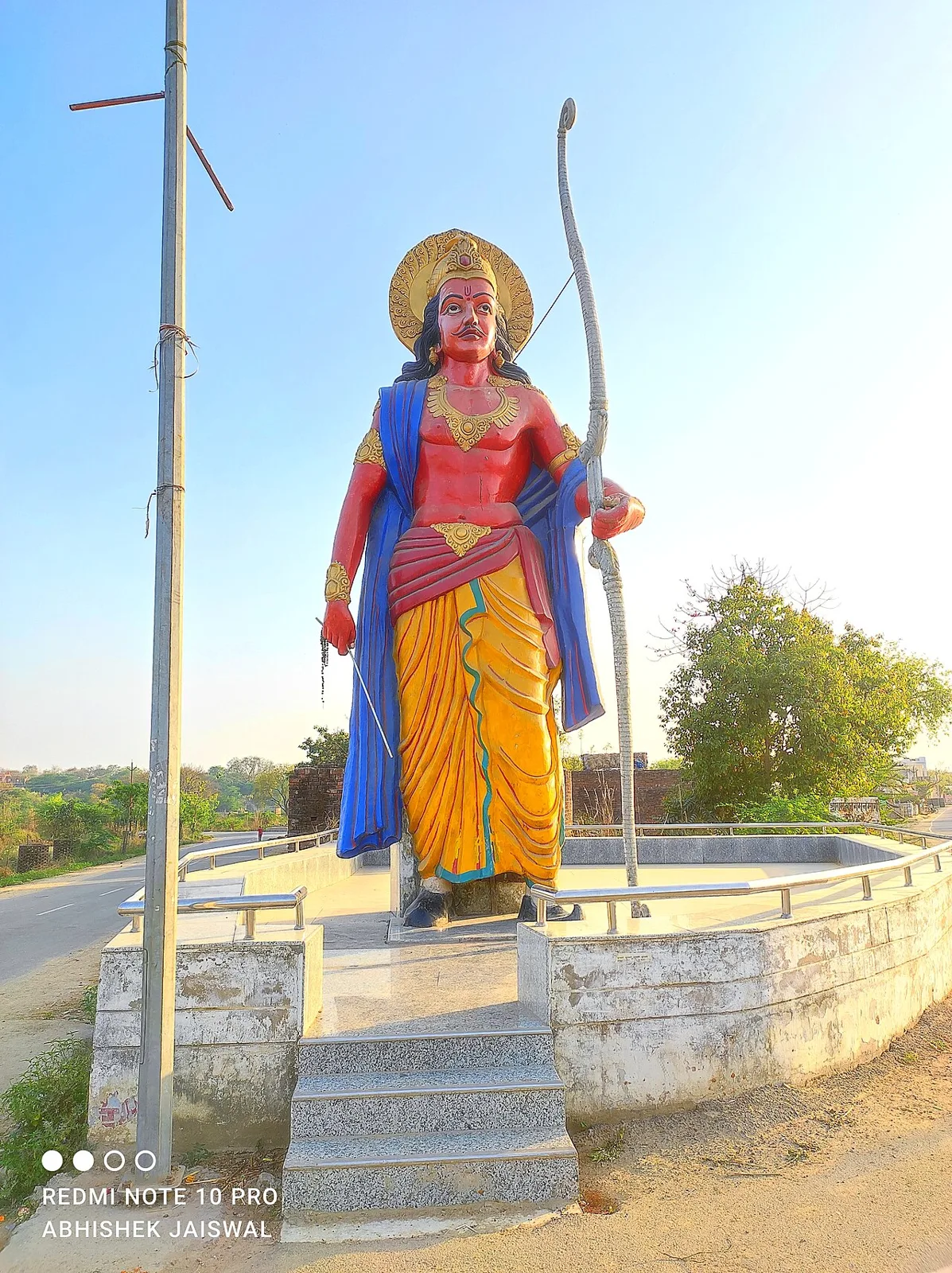
The Uttar Pradesh village of Shringverpur is also known as Shringaverpur or Singraur; its alternate names help visitors identify the settlement in references using different spellings.

Khusro Bagh

149 km away · Prayagraj district

Khusro Bagh

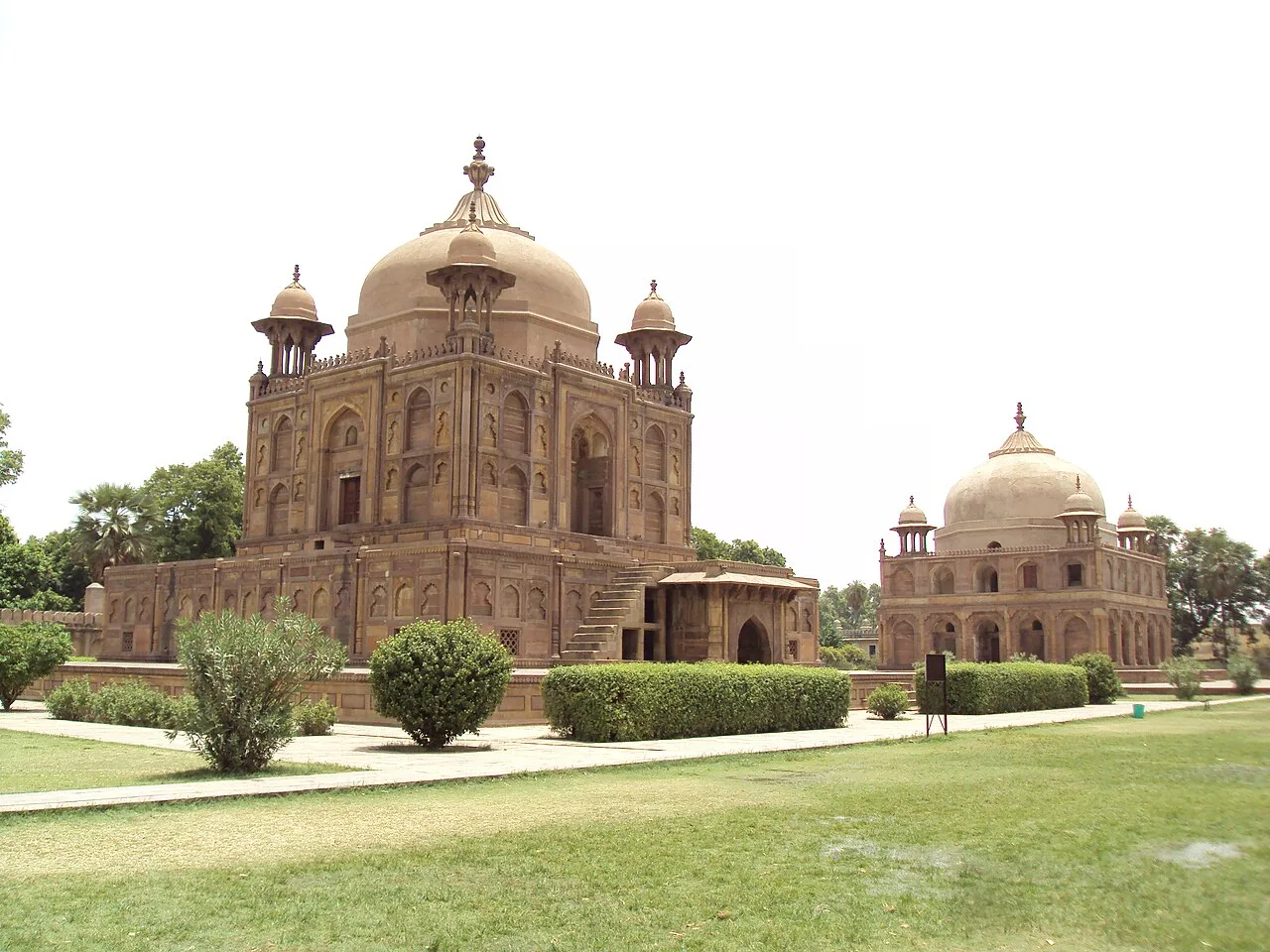
Khusro Bagh is a walled garden and burial complex in Prayagraj. Visitors come to see its four tombs and explore its connections with Jahangir and his family.

Map

Banda on the map

  1. 1Kalinjar Fort
  2. 2Kaushambi Archaeological Site
  3. 3JK Temple
  4. 4Samaspur Bird Sanctuary
  5. 5Bithoor Ghats
  6. 6Nawabganj Bird Sanctuary
  7. 7Shringverpur
  8. 8Khusro Bagh

Uttar Pradesh

Other cities to explore