Ghumoopedia — Explore, Discover, Experience
Sign in
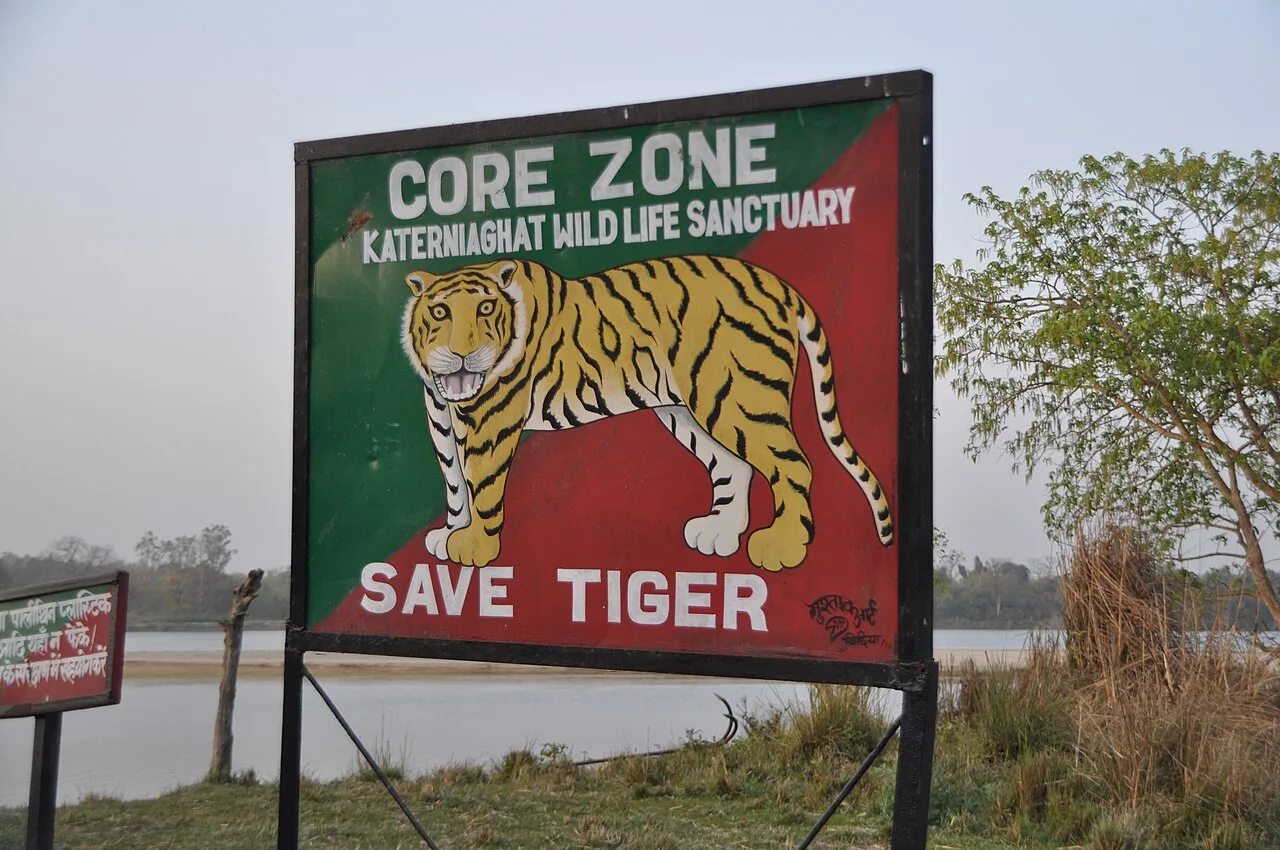
Katarniaghat Wildlife Sanctuary, near Lakhimpur

City guide · Uttar Pradesh

Lakhimpur

Lakhimpur is the administrative and commercial centre of Lakhimpur Kheri district in northern Uttar Pradesh. Its location connects the agricultural towns and villages of the Terai with the wider state road and rail network, while the district’s northern edge reaches the Nepal border.

Famous for

  • Dudhwa Tiger Reserve access
  • Sankata Devi Temple
  • Sugarcane and rice trade
  • District administrative centre

Why Lakhimpur matters

Lakhimpur is the administrative and commercial centre of Lakhimpur Kheri district in northern Uttar Pradesh. Its location connects the agricultural towns and villages of the Terai with the wider state road and rail network, while the district’s northern edge reaches the Nepal border. Local markets and public services make the city an important everyday hub for the surrounding region.

For visitors, Lakhimpur can serve as a starting point for exploring the district, especially Dudhwa Tiger Reserve and its grasslands, forests and wildlife. The city itself is better known for its local character and places of worship than for a large collection of monuments or a nationally recognised craft industry. Sankata Devi Temple is among its notable religious landmarks. The nearby countryside, shaped by rivers and seasonal rainfall, offers a contrasting experience to the busy town centre. Lakhimpur’s appeal lies in this combination of regional importance, accessible local culture and proximity to the Terai landscape.

Famous for: crafts, trade & products

Lakhimpur is not widely identified with a signature textile, saree or handicraft, and no particular craft or GI-tagged product defines the city. Its commercial life is more closely tied to the agricultural hinterland. The wider district grows crops such as sugarcane, rice and wheat; these support local trading and food-processing activity, including sugar production in the region. Produce and everyday goods are traded through the city’s general markets and shops.

Visitors looking for local products can browse the central bazaar area and shops around the main commercial streets for seasonal produce, sweets, clothing and household goods. These are practical places to experience the town’s retail life, rather than specialist craft markets. For a broader picture of regional trade, nearby market towns and agricultural centres across the district are also relevant. Lakhimpur’s strongest identity is as a service and trading hub for the surrounding countryside, rather than as a destination for a particular luxury product or artisanal tradition.

History

Lakhimpur lies in the historic Awadh region, whose political and cultural influence shaped much of northern Uttar Pradesh. The area came under British rule following the annexation of Awadh in the nineteenth century. Under colonial administration, the district developed as a centre for governing and servicing a largely rural region, with transport links helping connect its settlements and agricultural markets.

The city grew in importance as the district headquarters and as a place where residents could access administration, education, trade and transport. Its development has remained closely tied to farming in the surrounding Terai, including the movement and processing of crops. In modern Uttar Pradesh, Lakhimpur continues to serve as the district’s principal urban centre, with municipal services, government offices and a network of local markets. Its growth reflects its regional role more than the expansion of a major industrial or historic royal centre.

Food, festivals & culture

Everyday food in Lakhimpur reflects the broader cuisine of northern Uttar Pradesh and Awadh. Meals commonly feature wheat breads, rice, lentils and seasonal vegetables; market stalls and sweet shops offer snacks such as kachori, samosa and jalebi. Recipes and sweets vary between households and shops, so visitors will find a mix of familiar regional favourites rather than one dish uniquely associated with the city.

Holi in spring and Diwali in autumn are widely observed, alongside Navratri and Dussehra. Eid and Muharram are important occasions for Muslim communities, contributing to the city’s shared festival calendar. Hindi and Urdu are commonly used, with Awadhi heard in local conversation. Devotional songs, seasonal folk singing and music at family and religious gatherings are part of local cultural life. Sankata Devi Temple is a prominent place of worship; mosques and other neighbourhood shrines also serve the city’s diverse communities.

Visiting the city

The most comfortable time to visit is generally from November to February, when daytime weather is milder; winter nights can be cold and fog may affect travel. Summers are very hot, while the monsoon season brings heavy rain and can make journeys across the countryside slower. The nearest major airport for most visitors is Chaudhary Charan Singh International Airport in Lucknow. Lakhimpur railway station is the city’s main rail stop.

Auto-rickshaws and local road transport are useful for getting around town; taxis or hired cars are more convenient for trips to places elsewhere in the district, including Dudhwa Tiger Reserve. Explore the central bazaar and main commercial streets for shops and everyday city life, and visit Sankata Devi Temple for a local religious landmark. Check current road and reserve access conditions before planning excursions beyond the city.

Trips from the city

Nearest places to visit from Lakhimpur

Our closest destination guides, by straight-line distance.

Katarniaghat Wildlife Sanctuary

52 km away · Bahraich district

Katarniaghat Wildlife Sanctuary

Katarniaghat Wildlife Sanctuary is a protected area in Uttar Pradesh’s Bahraich district, visited by people interested in wildlife and its connection with the Dudhwa Tiger Reserve.

Dudhwa National Park

63 km away · Lakhimpur Kheri district

Dudhwa National Park

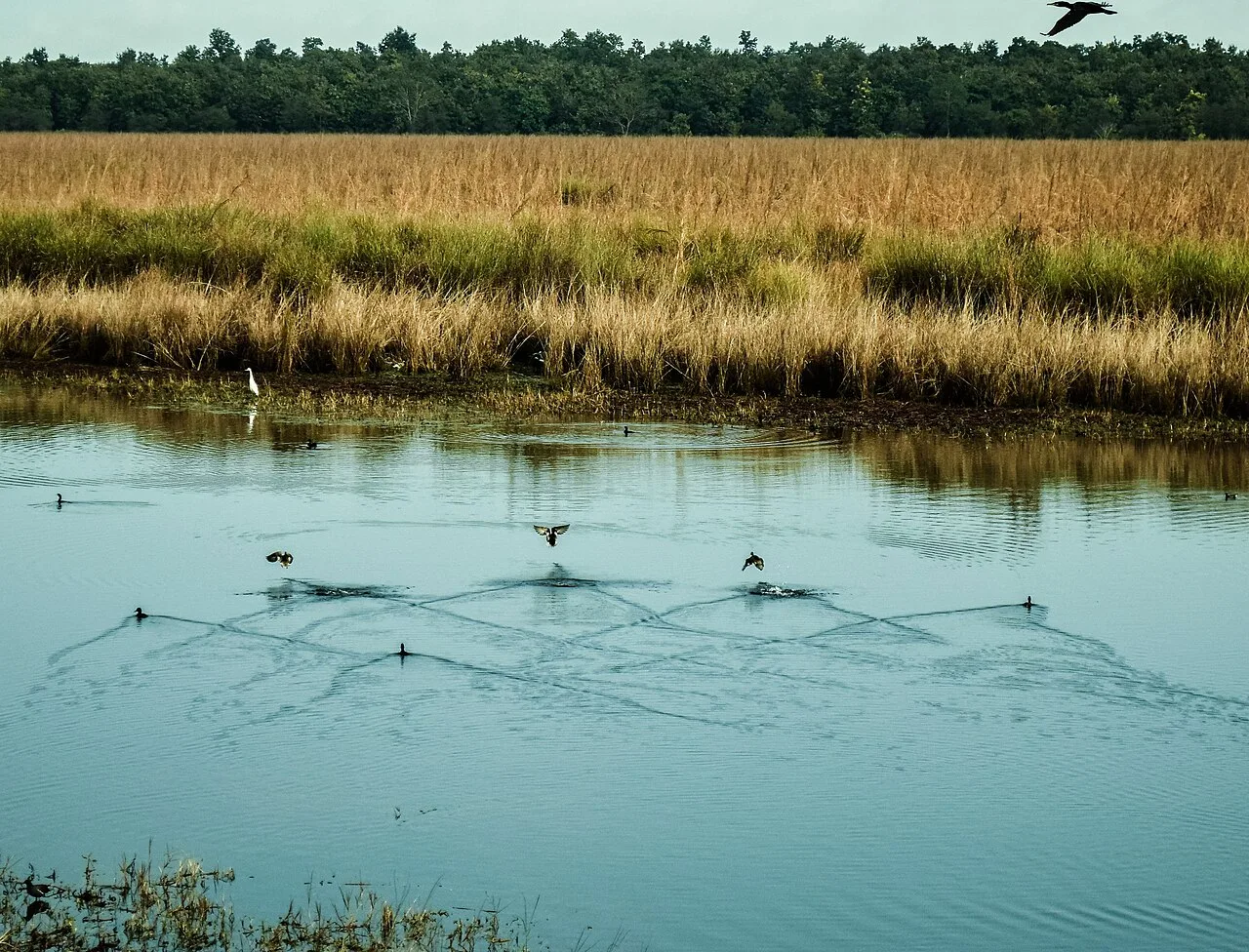
Dudhwa National Park is a protected area in Uttar Pradesh’s northern Terai, known for its marshy grassland setting. Visitors come to experience this landscape and explore a park within the Dudhwa Tiger Reserve.

Pilibhit Tiger Reserve

110 km away · Pilibhit district

Pilibhit Tiger Reserve

Pilibhit Tiger Reserve is a protected tiger habitat in Uttar Pradesh’s Pilibhit district, designated in 2014. Visitors come to explore its forests, grasslands, wetlands and wildlife, including tigers and deer.

Chota Imambara

120 km away · Lucknow district

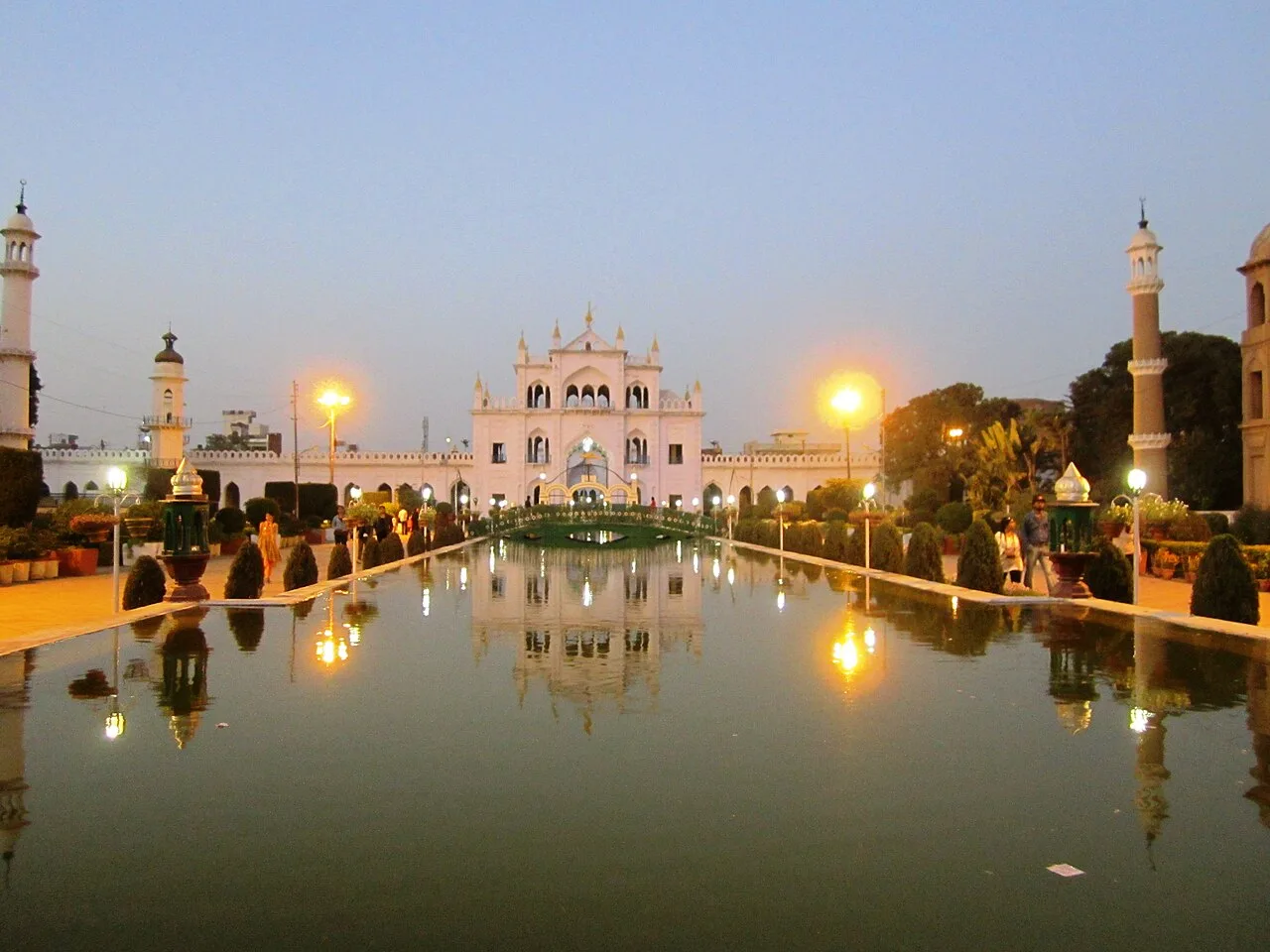
Chota Imambara

Chota Imambara, also called Imambara Hussainabad Mubarak, is a Shia religious hall and mausoleum in Lucknow. Visitors come to see its decorated interiors, calligraphy and distinctive ceremonial features.

Husainabad Clock Tower

120 km away · Lucknow district

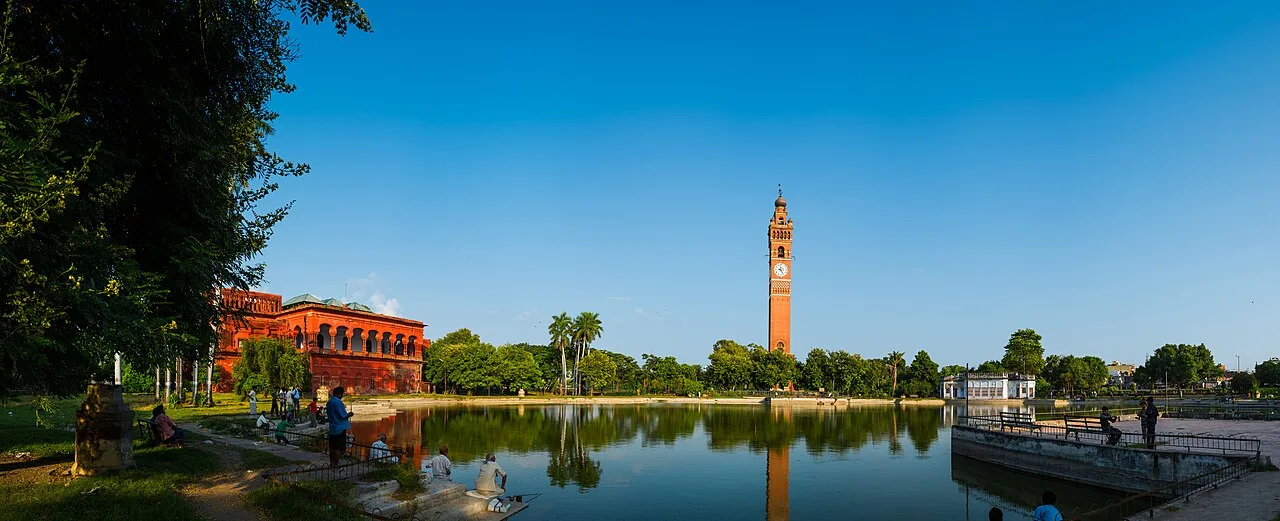
Husainabad Clock Tower

Husainabad Clock Tower is a historic structure in Lucknow, Uttar Pradesh, built to commemorate an official’s arrival. Visitors come to see its combination of Mughal and Victorian architectural features.

Bara Imambara

121 km away · Lucknow district

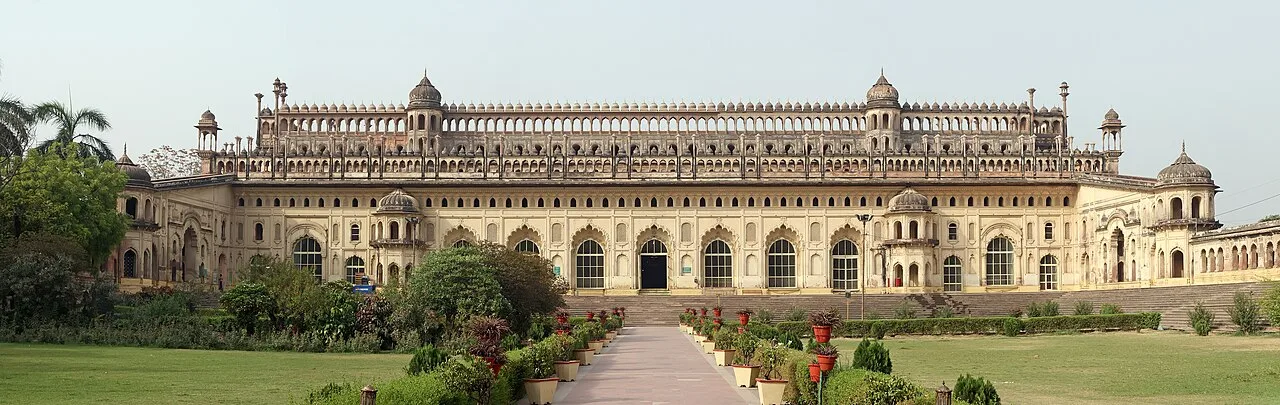
Bara Imambara

Bara Imambara, also known as the Asafi Imambara, is a religious complex in Lucknow. Visitors come to see its imambara and mosque and its status as a nationally important monument.

Rumi Darwaza

122 km away · Lucknow district

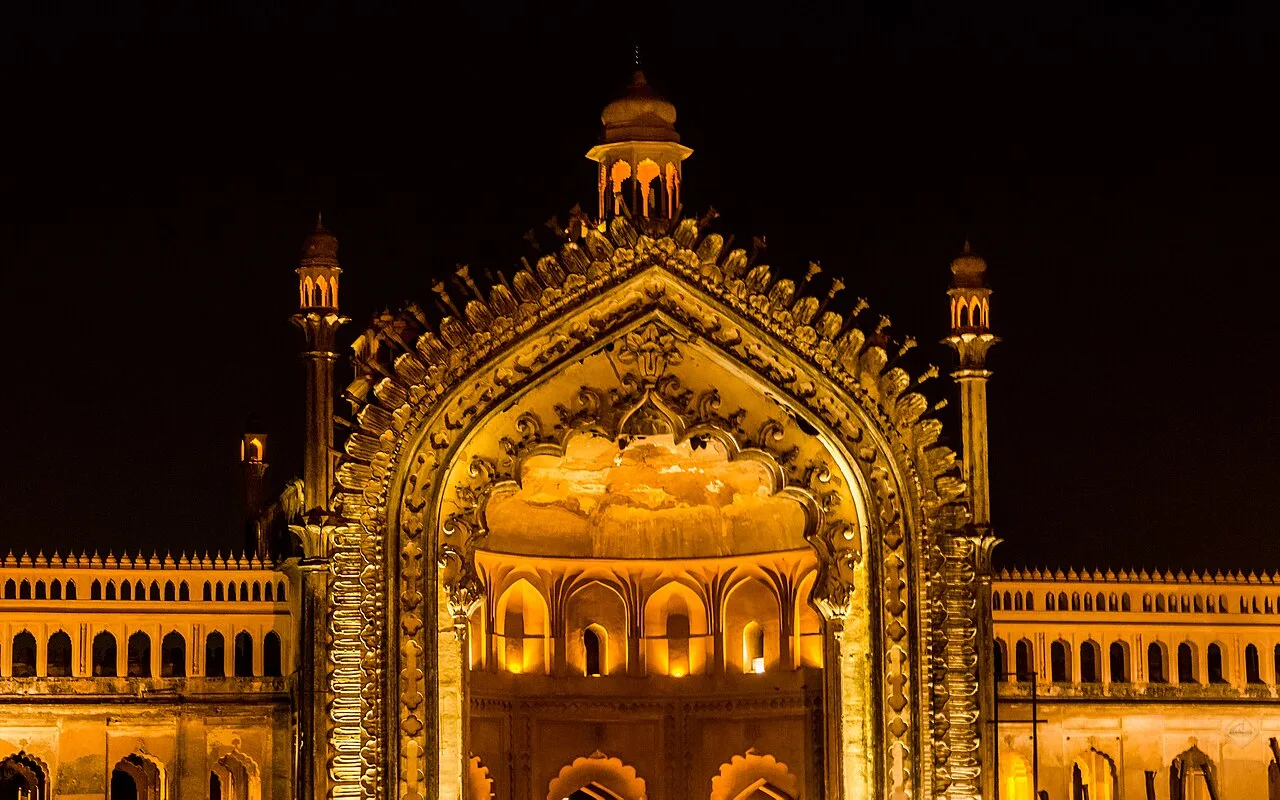
Rumi Darwaza

Rumi Darwaza is an 18th-century gateway in Lucknow, known for its Awadhi design and links to the city’s past. Visitors come to see its architecture and historic setting.

The Residency, Lucknow

122 km away · Lucknow district

The Residency, Lucknow

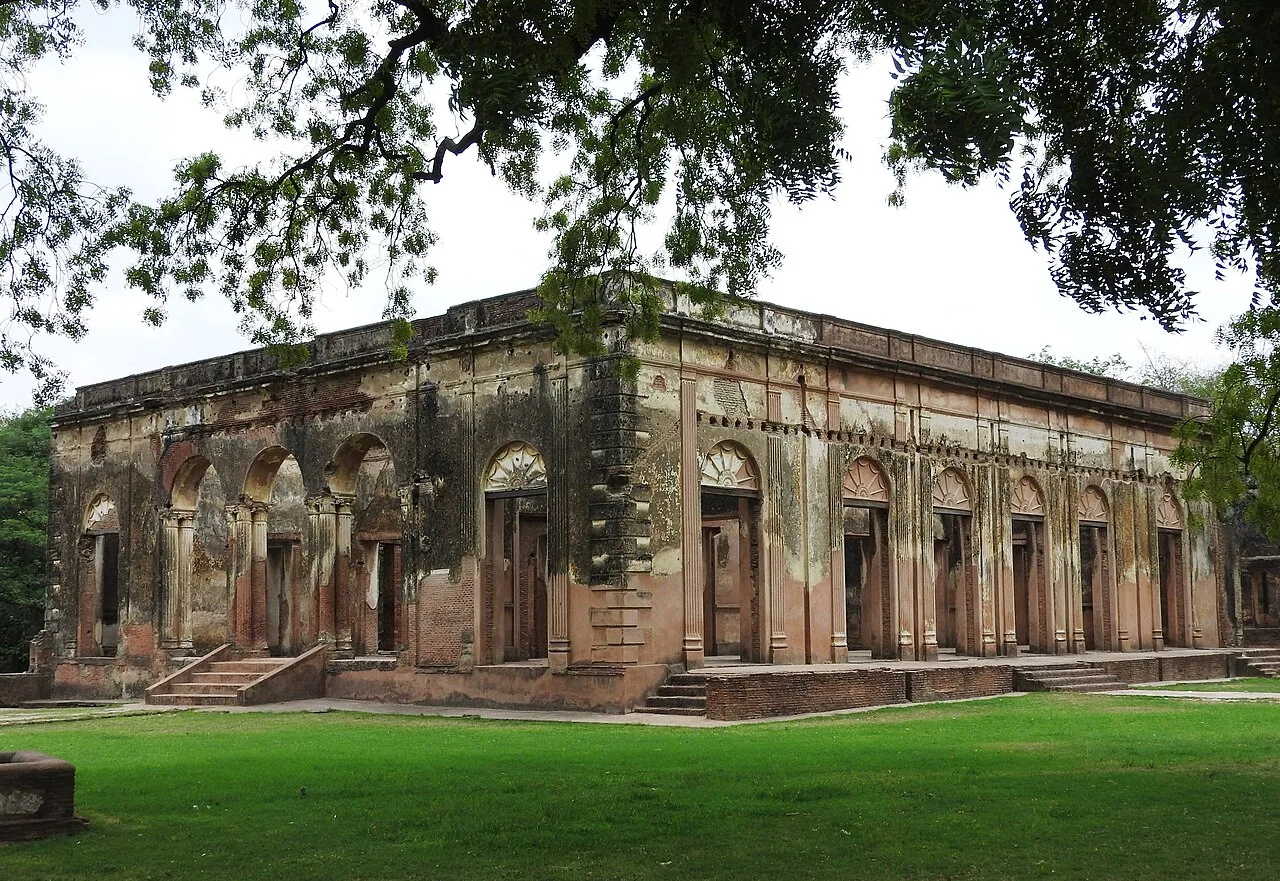
The Residency is a collection of buildings in Lucknow associated with the British representative at the Nawab of Awadh’s court. Visitors can explore its former residential role and its setting near other landmarks.

Map

Lakhimpur on the map

  1. 1Katarniaghat Wildlife Sanctuary
  2. 2Dudhwa National Park
  3. 3Pilibhit Tiger Reserve
  4. 4Chota Imambara
  5. 5Husainabad Clock Tower
  6. 6Bara Imambara
  7. 7Rumi Darwaza
  8. 8The Residency, Lucknow

Uttar Pradesh

Other cities to explore