Ghumoopedia — Explore, Discover, Experience
Sign in
Chandra Prabha Wildlife Sanctuary, near Nizamabad

City guide · Uttar Pradesh

Nizamabad

Nizamabad is a small town and nagar panchayat in Azamgarh district, eastern Uttar Pradesh. Its name is closely associated with a distinctive black pottery tradition: local potters shape clay into vessels and decorative objects, then finish them with a deep, polished surface and fine patterns.

Famous for

  • Nizamabad black pottery
  • GI-tagged ceramic craft
  • Hand-decorated pottery
  • Azamgarh district artisans

Why Nizamabad matters

Nizamabad is a small town and nagar panchayat in Azamgarh district, eastern Uttar Pradesh. Its name is closely associated with a distinctive black pottery tradition: local potters shape clay into vessels and decorative objects, then finish them with a deep, polished surface and fine patterns. The craft gives the town a place on Uttar Pradesh’s cultural and artisan map and is its best-known reason for attracting visitors.

For travellers, Nizamabad offers a more focused experience than a conventional sightseeing destination. A visit can centre on meeting potters, seeing how pieces are made and browsing locally produced work, while the surrounding Azamgarh region provides the wider setting of rural markets, farms and everyday eastern Uttar Pradesh life. The town also serves local communities as a small commercial and service centre. Its pottery has received Geographical Indication recognition, helping distinguish the work and draw attention to the skills behind it. Visitors interested in handmade crafts, regional traditions and slower journeys will find Nizamabad rewarding, especially when they take time to speak with artisans and explore the town’s bazaar.
Famous for: crafts, trade & products

Nizamabad is best known for its black pottery, a craft made by local artisans from clay shaped into household vessels and decorative pieces. The finished objects are notable for their dark, lustrous surface and often carry incised floral or geometric designs, sometimes highlighted with metallic-looking decoration. The craft has Geographical Indication recognition, which identifies it with this town and helps raise its profile beyond the district.

Visitors can look for pottery in the town’s local bazaar and ask about buying directly from makers or visiting a working pottery unit. Availability and workshop access can vary, so it is sensible to enquire locally rather than assume every studio is open to visitors. Bowls, planters, vases and ornamental pieces may be found, depending on what artisans have made for sale. Nizamabad is not principally known as a textile centre or large industrial hub; its identity rests on this specialist craft and the skills of its pottery-making households. Buying directly, where possible, offers a chance to learn about the making process and supports the people who sustain the tradition.

History

Nizamabad’s history is best understood through its place in the wider Azamgarh region and its long-standing role as a local settlement and market town. The town’s enduring public identity is instead closely tied to its pottery-making community, whose work became recognised well beyond the immediate area.

During British rule, Nizamabad lay within the rural and administrative hinterland of Azamgarh district, where local markets connected nearby villages and craftspeople. In independent India, it continued as a small urban centre serving surrounding communities and is administered as a nagar panchayat. In recent decades, recognition of Nizamabad’s black pottery as a Geographical Indication has strengthened the craft’s visibility and its role in the town’s contemporary identity. This recognition reflects the importance of local knowledge and production rather than a single monument or royal-era legacy.

Food, festivals & culture

Everyday food in Nizamabad reflects eastern Uttar Pradesh cooking: meals commonly centre on rice or wheat, lentils, seasonal vegetables and pickles. Snacks and sweets familiar across the region, such as kachori, jalebi and other fried or syrup-based treats, may be found in local shops, though menus vary. Hindi and Urdu are widely used, with Bhojpuri also spoken in the surrounding region and heard in everyday conversation.

The annual calendar includes major Hindu and Muslim observances. Holi and Diwali bring colour and household celebrations, while Dussehra is observed in the autumn; Eid celebrations and Muharram are important in Muslim communities. Chhath, usually observed in autumn, is also part of the broader regional festival calendar. Religious life is expressed through local temples and mosques, and gatherings may include devotional singing and regional folk music. Nizamabad is not especially known for a single staged dance or music form; its cultural character is more evident in neighbourhood celebrations, worship, food traditions and the work of its pottery artisans.

Visiting the city

The cooler months, roughly October to March, are generally the most comfortable for exploring Nizamabad and visiting pottery makers. The nearest major airport with regular commercial connections is Lal Bahadur Shastri International Airport in Varanasi; check current transport options for the onward journey. Azamgarh railway station is the main rail gateway for the district, with road travel needed to reach Nizamabad.

Within town, auto-rickshaws and local taxis can help with short journeys; confirm availability locally. The bazaar and pottery-making areas are the most useful places to explore, and visitors can ask residents or shopkeepers about artisans currently welcoming enquiries. Allow time to browse without rushing, since workshop activity and access vary. Nizamabad works well as a craft-focused stop on a wider visit to Azamgarh district rather than as a destination with a large circuit of formal attractions.

Trips from the city

Nearest places to visit from Nizamabad

Our closest destination guides, by straight-line distance.

Chandra Prabha Wildlife Sanctuary

45 km away · Chandauli district

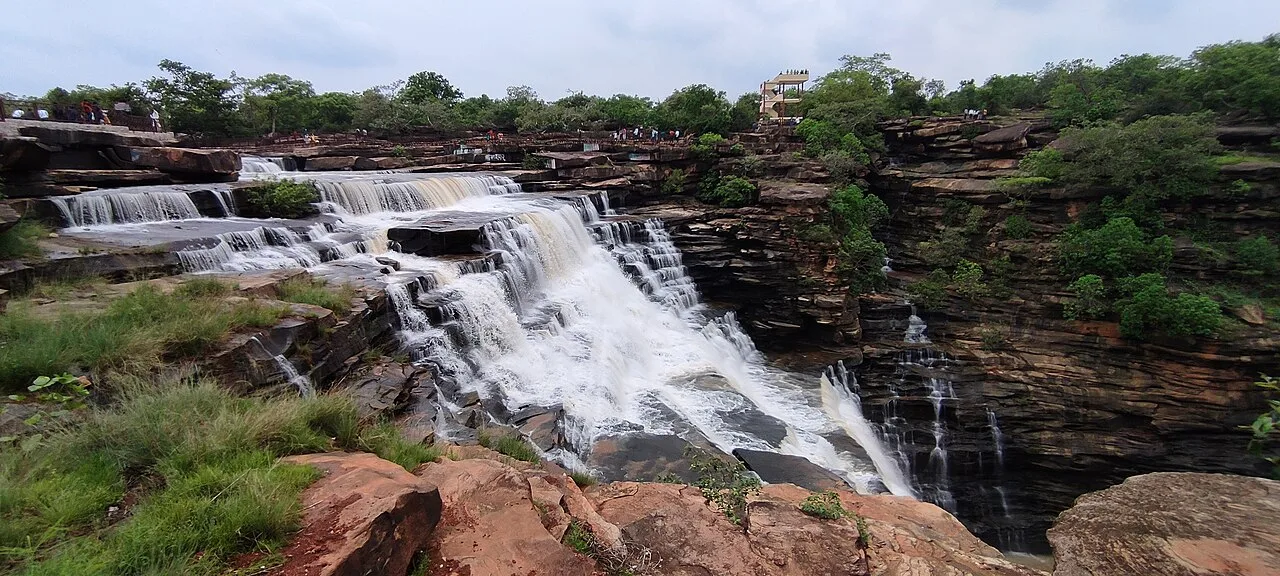
Chandra Prabha Wildlife Sanctuary

In Uttar Pradesh’s Chandauli district, Chandraprabha is a wildlife sanctuary in central India. Visitors come to explore the sanctuary, which lies around 70 kilometres from Varanasi.

Atala Mosque

50 km away · Jaunpur district

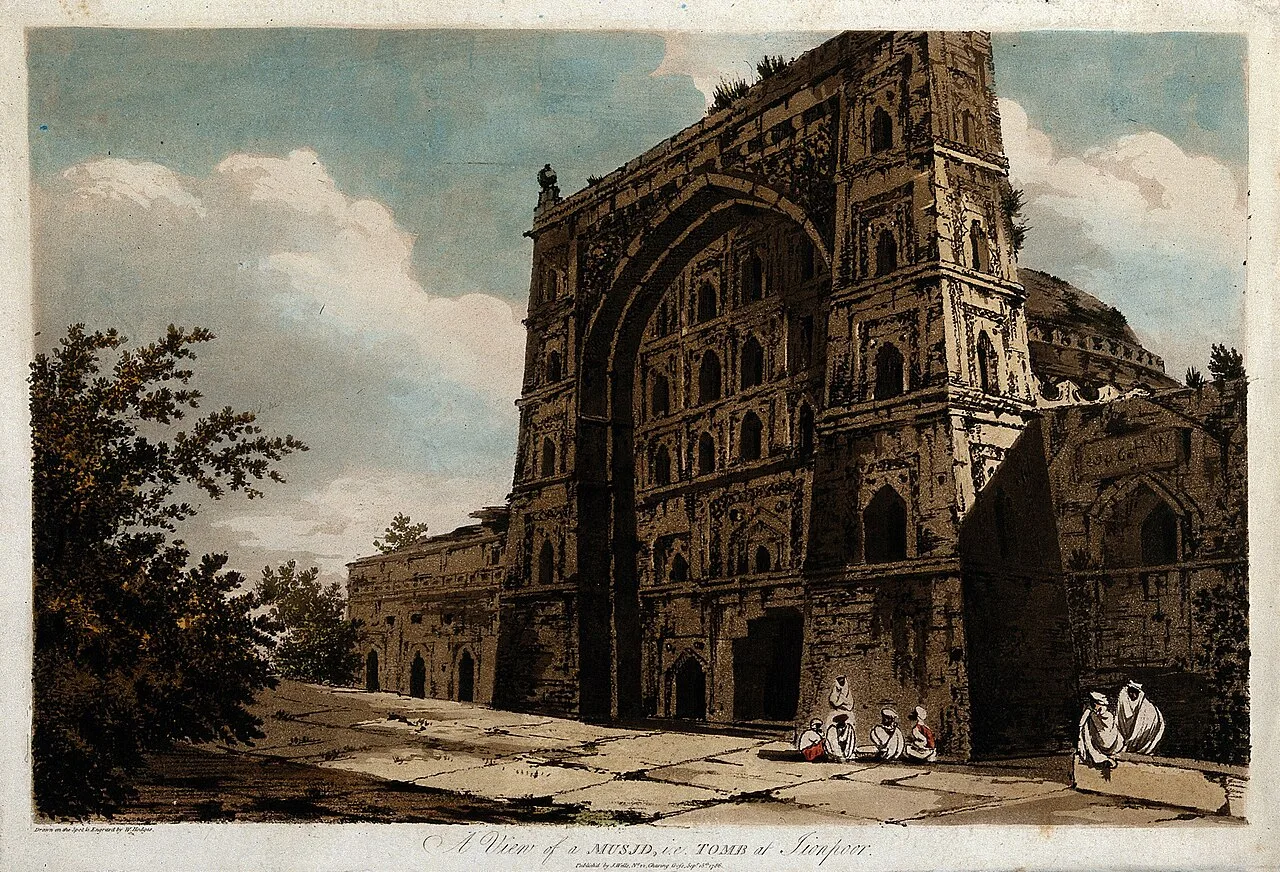
Atala Mosque

Atala Mosque, a 15th-century place of worship in Jaunpur, Uttar Pradesh, is visited by those wishing to see a historic mosque near the city’s Shahi Qila and Jama Mosque.

Shahi Bridge

50 km away · Jaunpur district

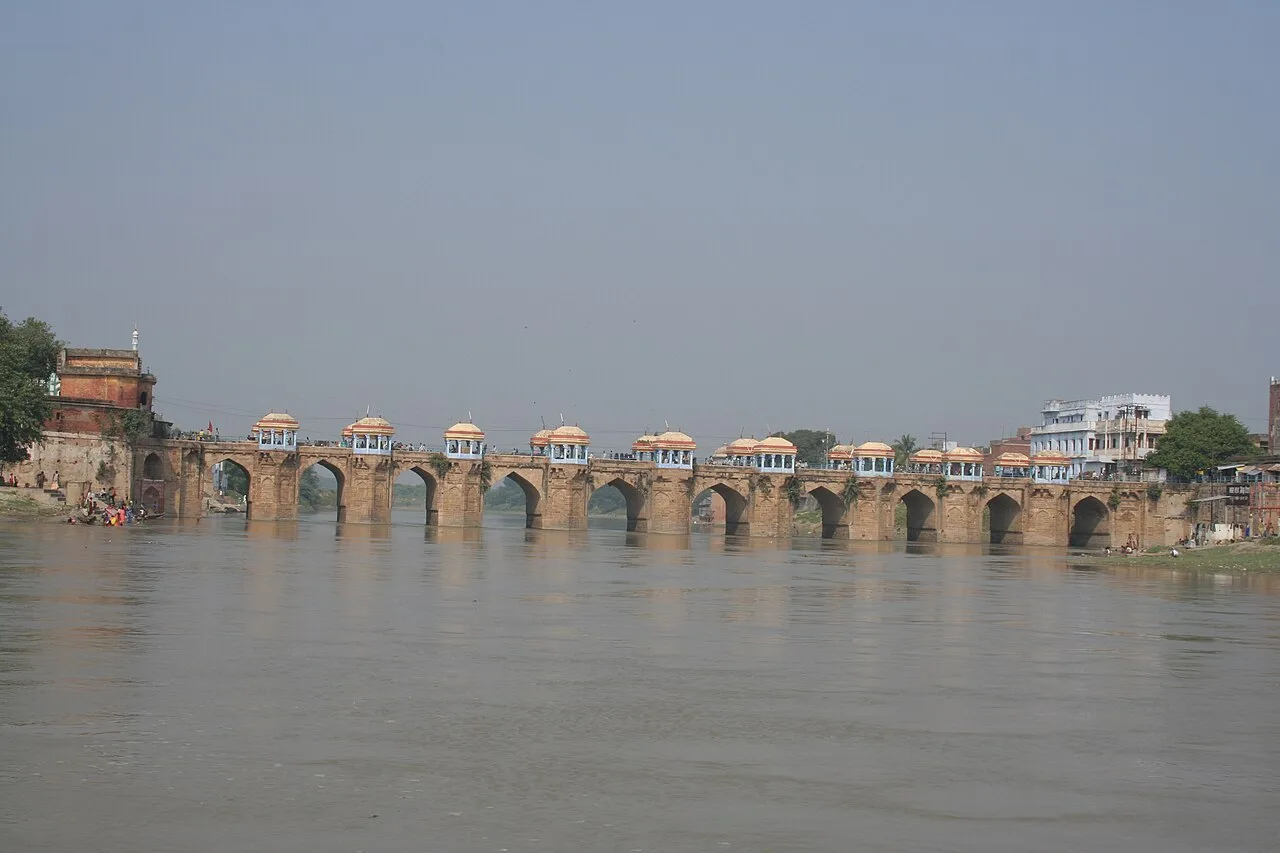
Shahi Bridge

Shahi Bridge is a 16th-century crossing over the Gomti in Jaunpur, Uttar Pradesh. Visitors come to see the historic bridge, which is also known by several other names.

Dhamek Stupa

75 km away · Varanasi district

Dhamek Stupa

Dhamek Stupa is a large Buddhist monument at Sarnath in Uttar Pradesh, associated with the Buddha’s first teaching and visited as an important pilgrimage place.

Sarnath Buddhist Site

75 km away · Varanasi district

Sarnath Buddhist Site

Sarnath is a Buddhist pilgrimage town near Varanasi, remembered as the place where Gautama Buddha first taught after his enlightenment. Visitors come to see its important religious and historical associations.

Chaukhandi Stupa

76 km away · Varanasi district

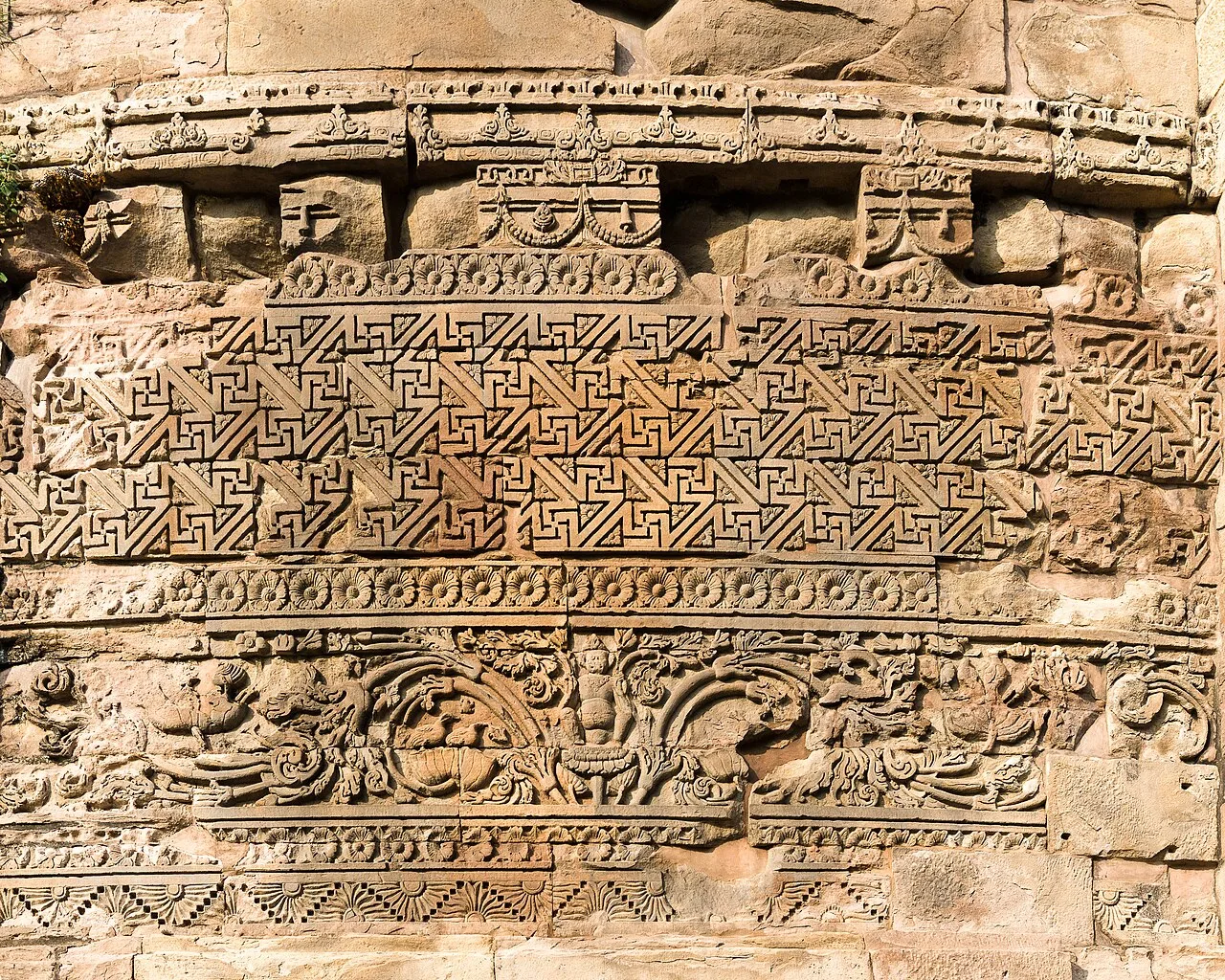
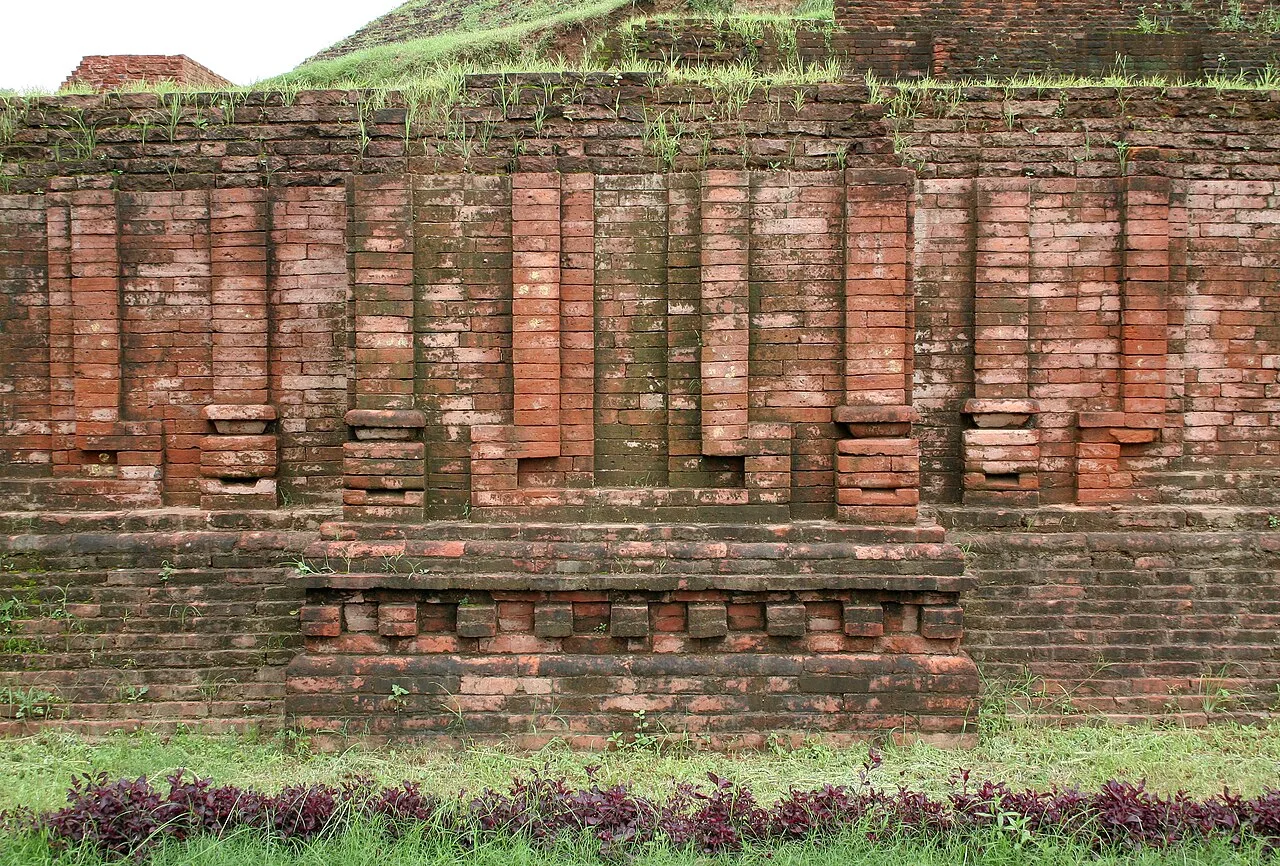
Chaukhandi Stupa

Chaukhandi Stupa is a Buddhist monument at Sarnath in Uttar Pradesh’s Varanasi district. Visitors come to see this nationally important site, recognised by the Archaeological Survey of India in 2019.

Dashashwamedh Ghat

83 km away · Varanasi district

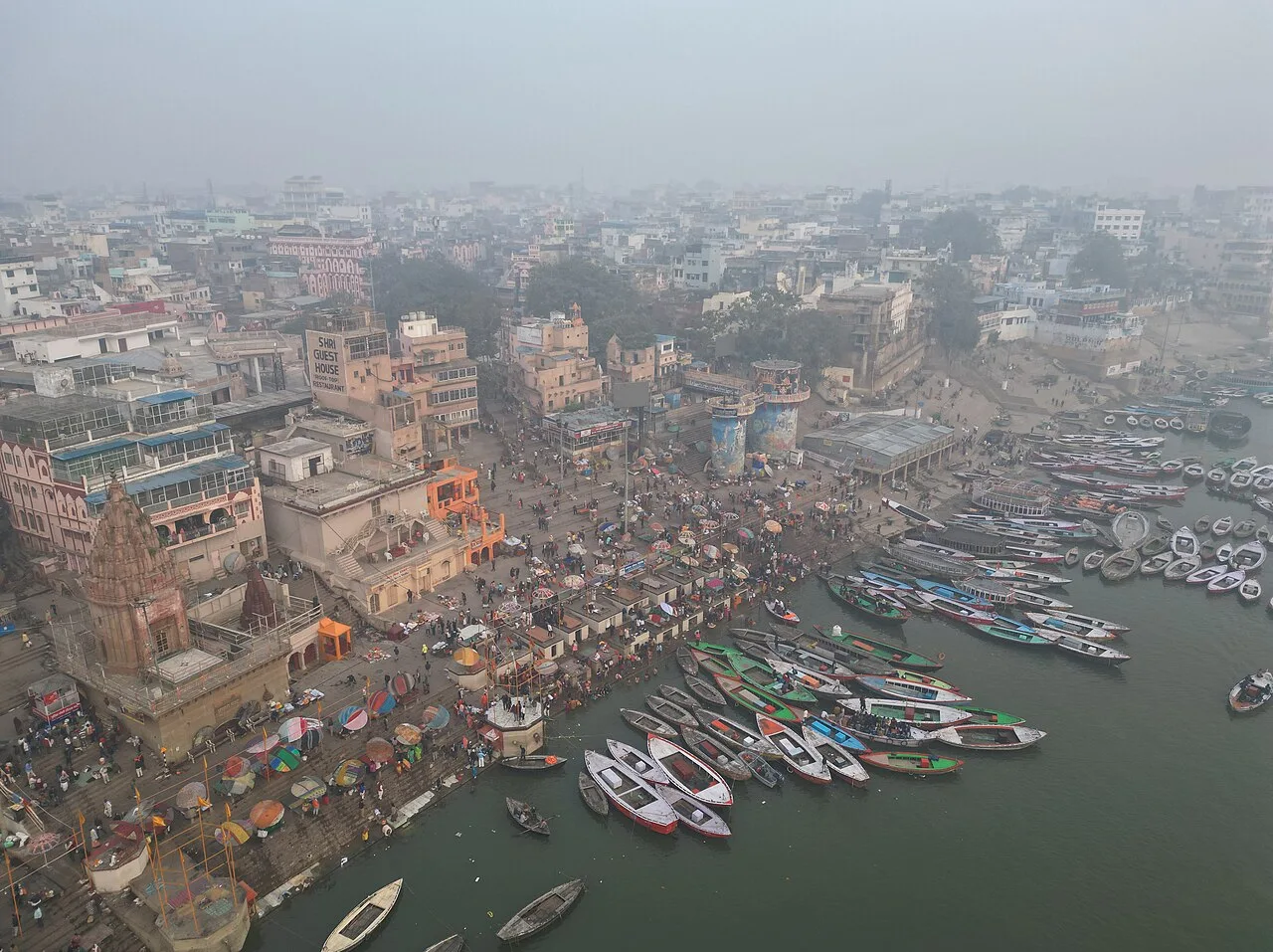
Dashashwamedh Ghat

A prominent riverside ghat in Varanasi, Dashashwamedh is visited for its connection to Hindu legends and the city’s history, as well as its position beside the Ganges and near Vishwanath Temple.

Kashi Vishwanath Temple

83 km away · Varanasi district

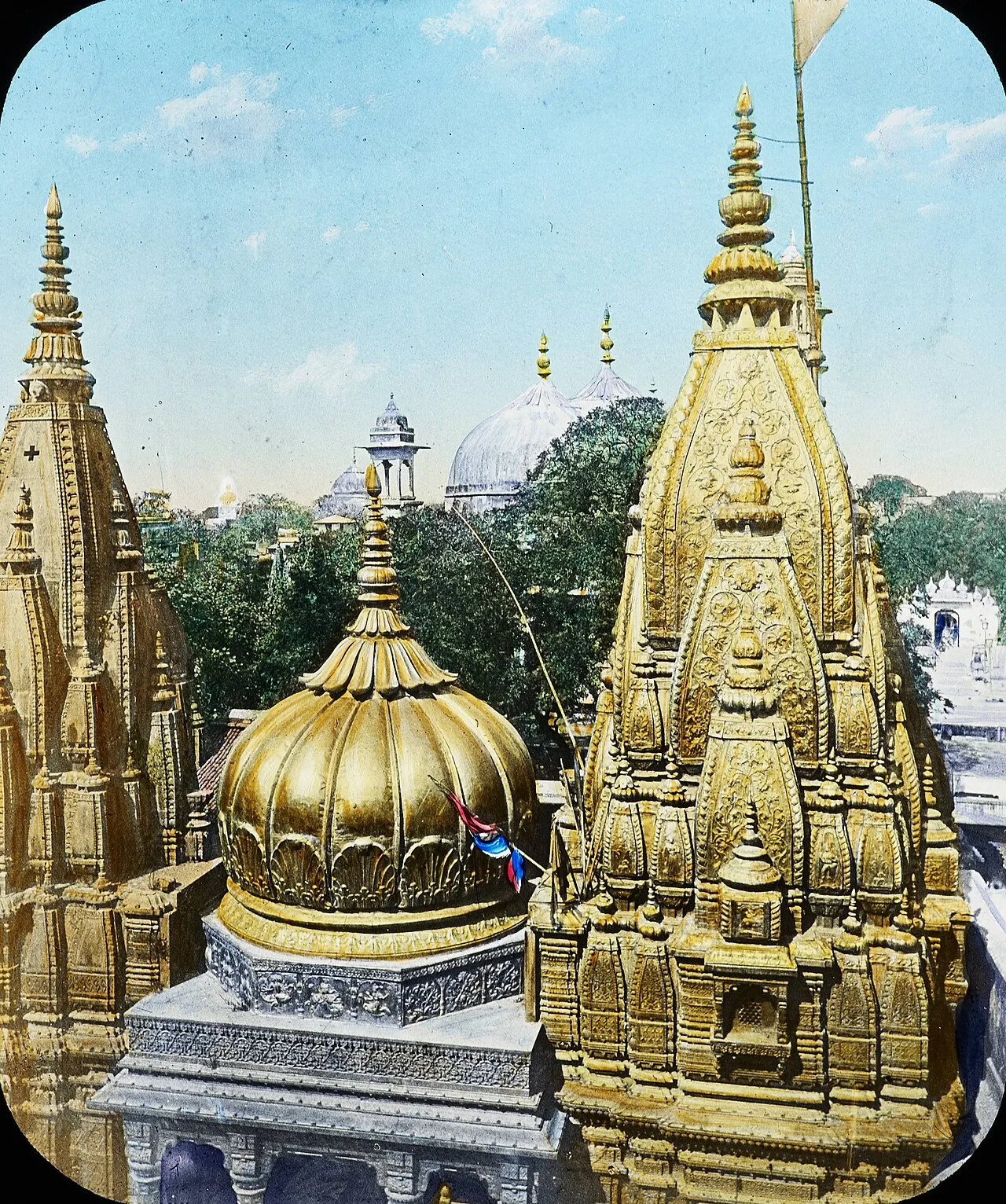
Kashi Vishwanath Temple

Kashi Vishwanath Temple is a Shiva shrine in Varanasi and one of the twelve Jyotirlinga sites. Hindu pilgrims visit to worship Shiva, revered here as Vishwanath or Vishweshwara.

Map

Nizamabad on the map

  1. 1Chandra Prabha Wildlife Sanctuary
  2. 2Atala Mosque
  3. 3Shahi Bridge
  4. 4Dhamek Stupa
  5. 5Sarnath Buddhist Site
  6. 6Chaukhandi Stupa
  7. 7Dashashwamedh Ghat
  8. 8Kashi Vishwanath Temple

Uttar Pradesh

Other cities to explore