Why Muzaffarnagar matters
Muzaffarnagar is a major commercial, industrial and educational centre in western Uttar Pradesh. Set in the fertile upper Ganga–Yamuna Doab, it serves a broad farming hinterland and is especially associated with sugarcane, sugar mills and the trade in agricultural produce. Its position on the Delhi–Haridwar road and the national rail network also makes it a practical stop between Delhi, Meerut, Saharanpur and Uttarakhand. The city is often called the “sugar bowl” of Uttar Pradesh, reflecting the importance of sugarcane cultivation and processing to the regional economy.
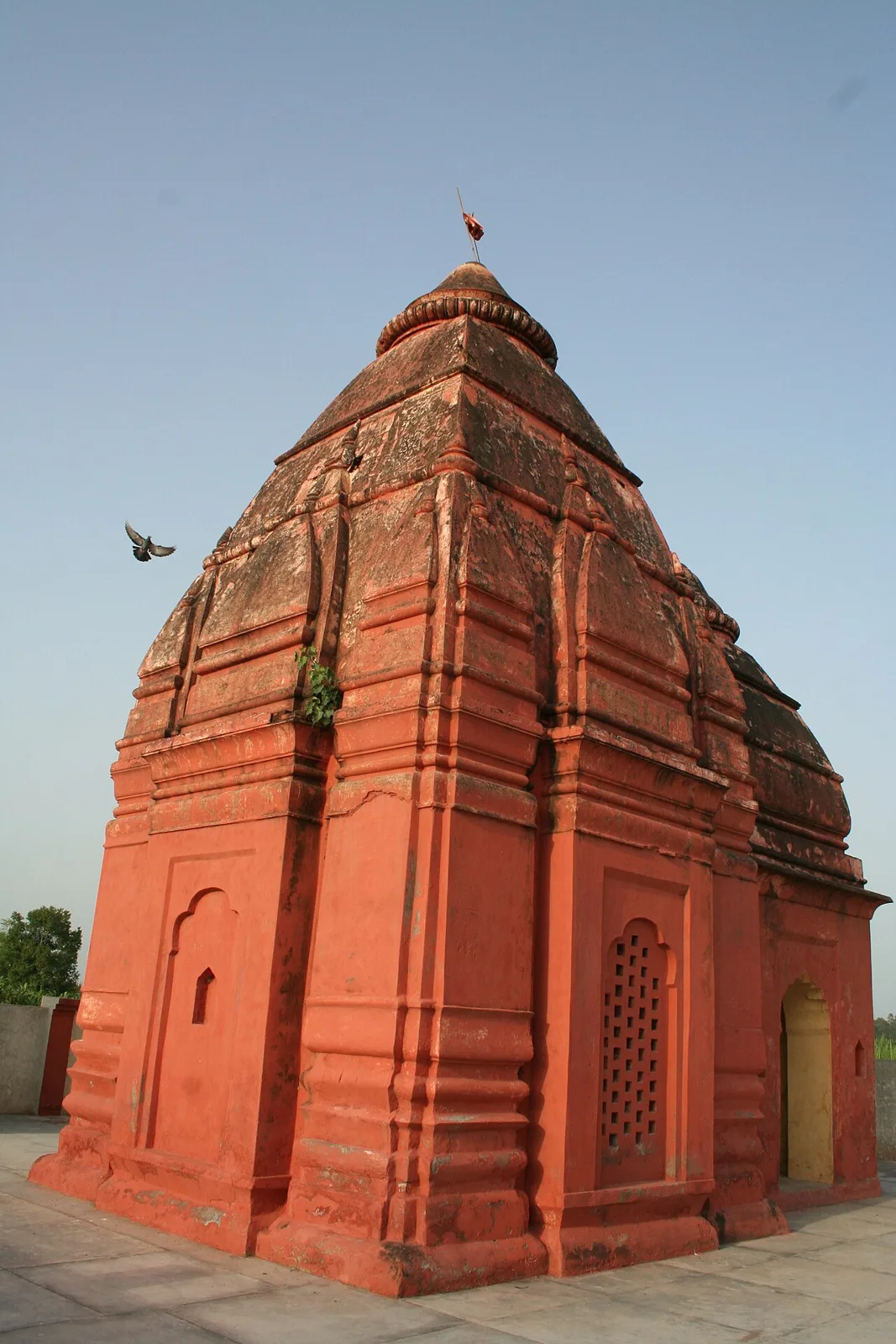
Visitors come for local markets and religious heritage, as well as for trips to nearby Shukratal, an important pilgrimage destination on the Ganga. In the city, the Vahelna Jain temple complex is a notable place to visit. Muzaffarnagar is also part of the wider industrial corridor linking northern Indian cities, and its mix of agriculture, manufacturing and transport gives it importance beyond tourism. Its appeal is less about a single landmark than about its role as a lively regional hub with historic roots and easy access to the surrounding Doab.