Ghumoopedia — Explore, Discover, Experience
Sign in
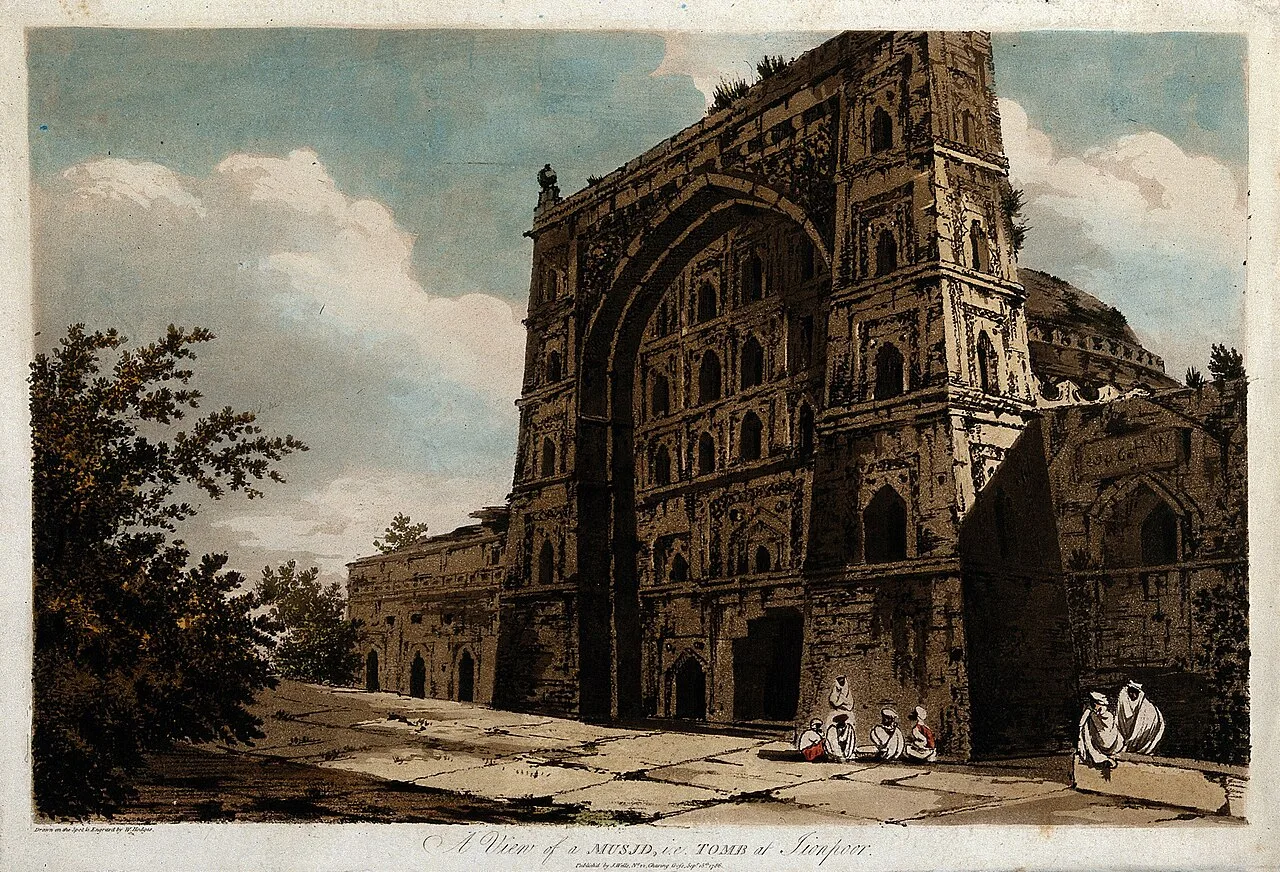
Atala Mosque, near Sarai Mir

City guide · Uttar Pradesh

Sarai Mir

Sarai Mir is a town and nagar panchayat in Azamgarh district, in eastern Uttar Pradesh. Its importance is primarily local: it serves residents of the town and surrounding settlements with everyday markets, services and transport connections.

Famous for

  • Regional market and services
  • Sarai Mir railway station
  • Azamgarh district connections
  • Nearby black pottery
  • Nearby Mubarakpur textiles

Why Sarai Mir matters

Sarai Mir is a town and nagar panchayat in Azamgarh district, in eastern Uttar Pradesh. Its importance is primarily local: it serves residents of the town and surrounding settlements with everyday markets, services and transport connections. The railway station and road links make it a practical point for travel across the district and towards larger centres in eastern Uttar Pradesh.

Sarai Mir is not widely identified with a single major monument, craft or visitor attraction. Travellers are more likely to use it as a base for meeting local needs or for reaching places elsewhere in Azamgarh district. Nearby destinations offer stronger links to particular crafts: Nizamabad is associated with black pottery, while Mubarakpur is known for textiles, including Banarasi-style sarees. The town’s appeal is therefore regional rather than that of a major tourist hub. Its everyday bazaars and neighbourhood streets give visitors a view of commerce and daily life in a smaller eastern Uttar Pradesh town.
Famous for: crafts, trade & products

Its markets serve residents and nearby villages with everyday goods, food and household necessities. Visitors can explore the central bazaar and shops around the main roads for local shopping, but specialist craft purchases are more closely associated with other towns in Azamgarh district.

For black pottery, look towards Nizamabad; for sarees and other textiles, Mubarakpur is the better-known nearby destination. These crafts are part of the wider district’s appeal, but should not be mistaken for products made specifically in Sarai Mir. The town is also not generally recognised as a major industrial centre. For a focused craft visit, plan transport to the relevant town and ask locally about current workshops and retail options. In Sarai Mir itself, the main reason to browse is to experience an everyday regional market rather than a dedicated craft bazaar.

History

Sarai Mir’s known civic identity is that of a town and nagar panchayat within Azamgarh district. Its growth can be understood in the context of the eastern Uttar Pradesh countryside: settlements developed as local centres for trade, public services and movement between villages and larger towns. The railway connection added an important travel link, helping residents reach other parts of the district and region.

It is therefore more accurate to describe its history through gradual local development than to attach an unsupported royal origin or founding date to the town. In modern times, its nagar panchayat status reflects its role as an urban local body, while road and rail connections continue to support its function as a service and market centre.

Food, festivals & culture

Daily life reflects the broader mix of eastern Uttar Pradesh. Hindi and Urdu are commonly used, alongside regional speech forms associated with the area, including Bhojpuri. Meals are likely to draw on familiar regional staples such as rice or roti, lentils, vegetables and seasonal produce; sweets and snacks such as jalebi are common across the region. These are broad regional associations rather than dishes unique to Sarai Mir, and options vary between homes, shops and occasions.

Eid, observed according to the Islamic lunar calendar, and Hindu festivals such as Holi in spring and Diwali in autumn are part of the area’s calendar. Muharram is also observed by Muslim communities. The town’s religious life is visible in its neighbourhood mosques and temples, though visitors should ask locally about particular congregations or events. Family gatherings, local markets and worship are more characteristic of everyday culture than large, nationally known performance festivals. Music and dance traditions are connected to the wider regional culture rather than to a distinct Sarai Mir style.

Visiting the city

October to March is generally the most comfortable period to visit, with cooler weather than the hot summer months and less disruption from monsoon rain. Sarai Mir railway station is the main rail access point. The nearest airport is Azamgarh Airport at Manduri; check current commercial flight availability before planning around it. Varanasi’s Lal Bahadur Shastri International Airport is another option for visitors seeking a larger airport with broader connections.

Auto-rickshaws and local road transport are practical for getting around town; confirm routes locally. The central bazaar and streets around the railway station are useful areas to explore for everyday shops and food. Sarai Mir can also serve as a starting point for visits to Nizamabad for black pottery or Mubarakpur for textiles, though these are separate towns and require onward travel. Allow time for local road conditions when arranging day trips.

Trips from the city

Nearest places to visit from Sarai Mir

Our closest destination guides, by straight-line distance.

Atala Mosque

38 km away · Jaunpur district

Atala Mosque

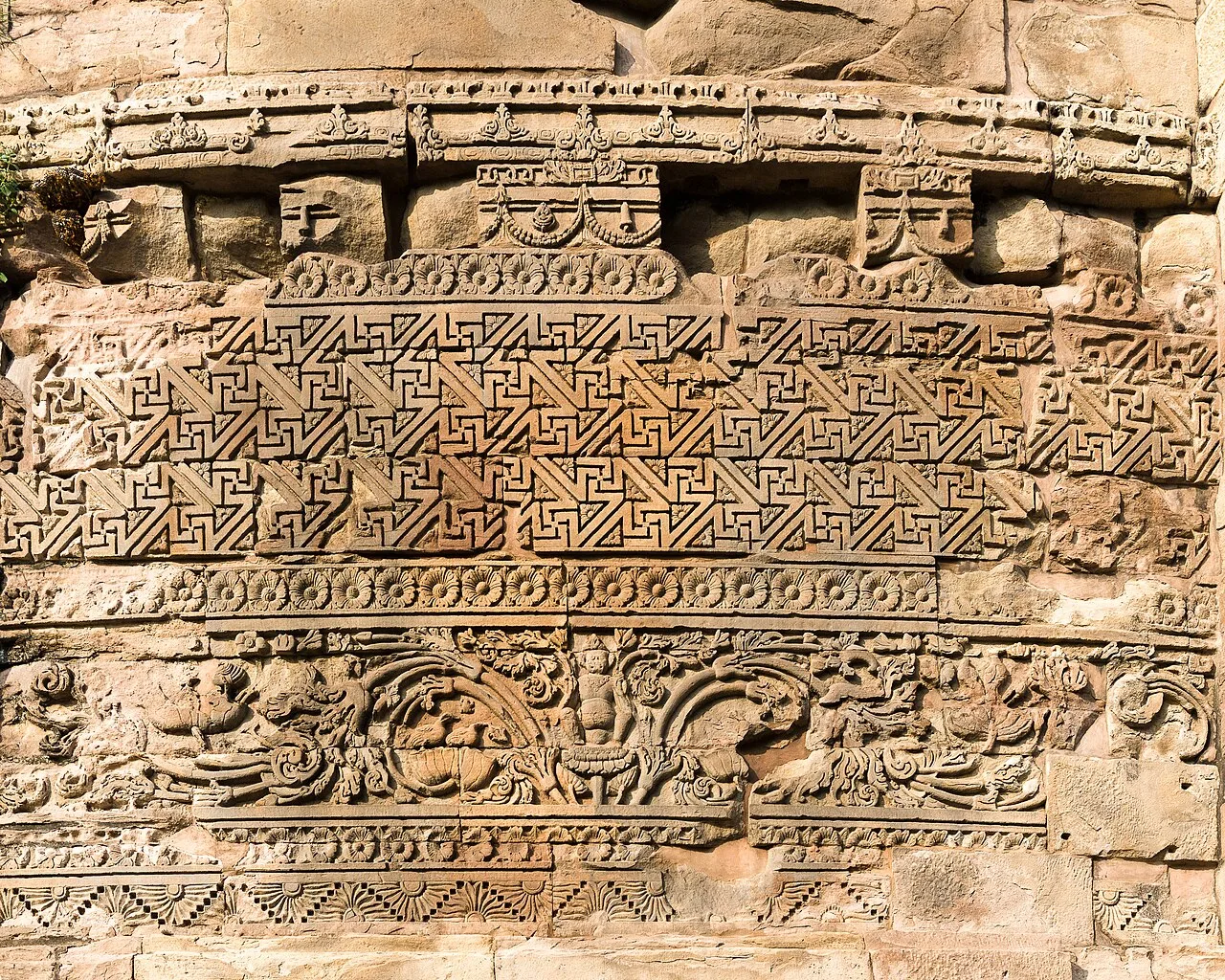
Atala Mosque, a 15th-century place of worship in Jaunpur, Uttar Pradesh, is visited by those wishing to see a historic mosque near the city’s Shahi Qila and Jama Mosque.

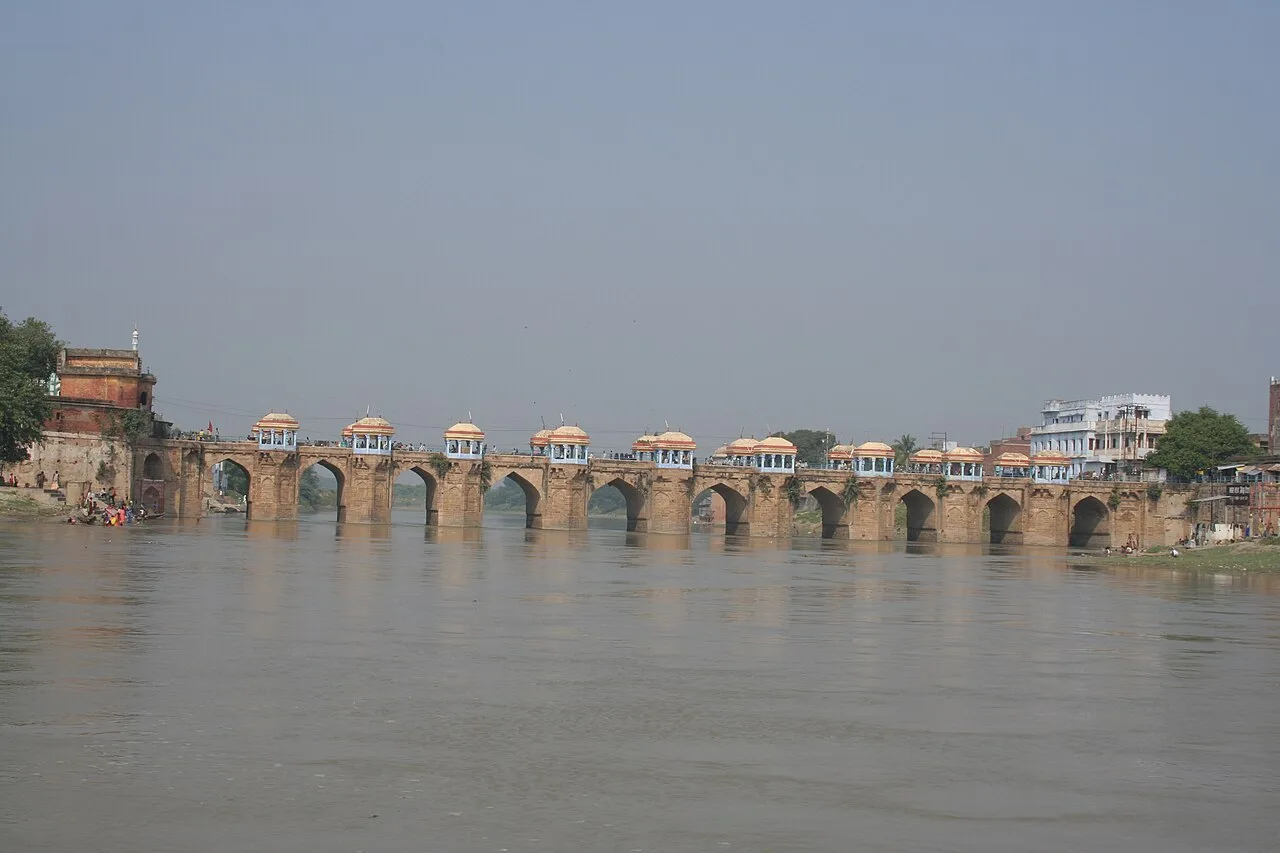
Shahi Bridge

39 km away · Jaunpur district

Shahi Bridge

Shahi Bridge is a 16th-century crossing over the Gomti in Jaunpur, Uttar Pradesh. Visitors come to see the historic bridge, which is also known by several other names.

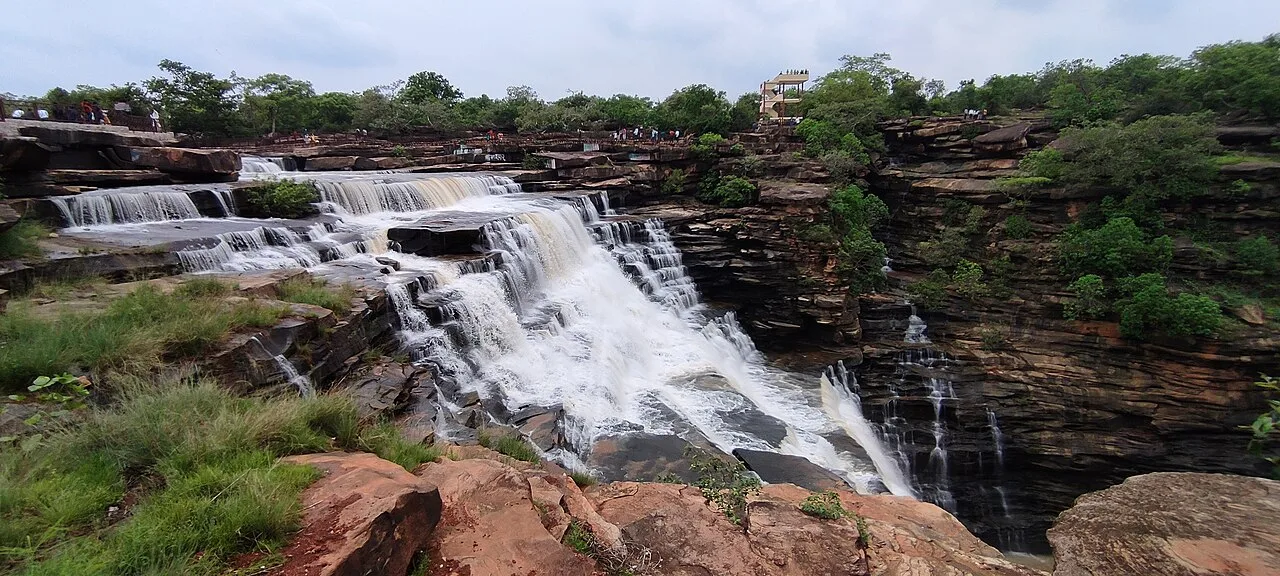
Chandra Prabha Wildlife Sanctuary

51 km away · Chandauli district

Chandra Prabha Wildlife Sanctuary

In Uttar Pradesh’s Chandauli district, Chandraprabha is a wildlife sanctuary in central India. Visitors come to explore the sanctuary, which lies around 70 kilometres from Varanasi.

Chaukhandi Stupa

73 km away · Varanasi district

Chaukhandi Stupa

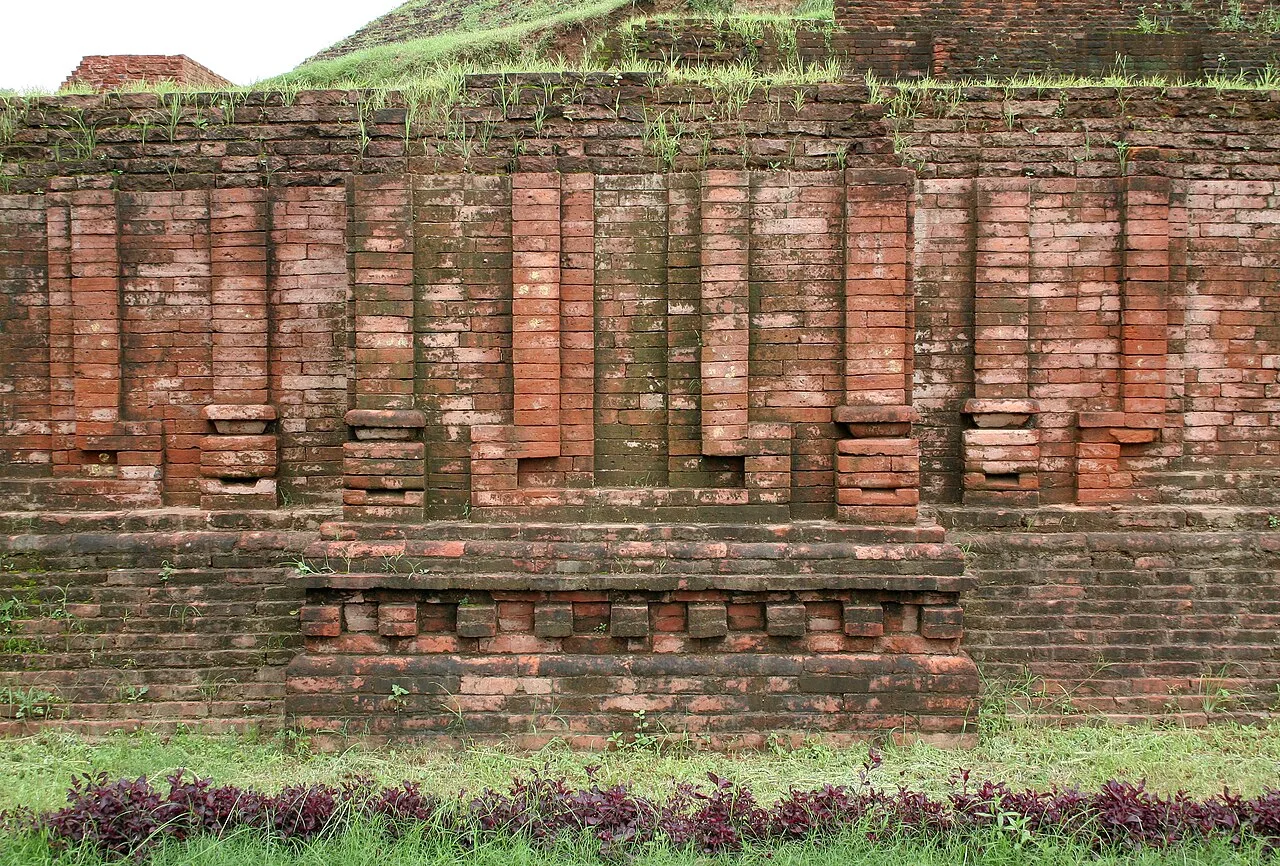
Chaukhandi Stupa is a Buddhist monument at Sarnath in Uttar Pradesh’s Varanasi district. Visitors come to see this nationally important site, recognised by the Archaeological Survey of India in 2019.

Dhamek Stupa

73 km away · Varanasi district

Dhamek Stupa

Dhamek Stupa is a large Buddhist monument at Sarnath in Uttar Pradesh, associated with the Buddha’s first teaching and visited as an important pilgrimage place.

Sarnath Buddhist Site

73 km away · Varanasi district

Sarnath Buddhist Site

Sarnath is a Buddhist pilgrimage town near Varanasi, remembered as the place where Gautama Buddha first taught after his enlightenment. Visitors come to see its important religious and historical associations.

Kashi Vishwanath Temple

80 km away · Varanasi district

Kashi Vishwanath Temple

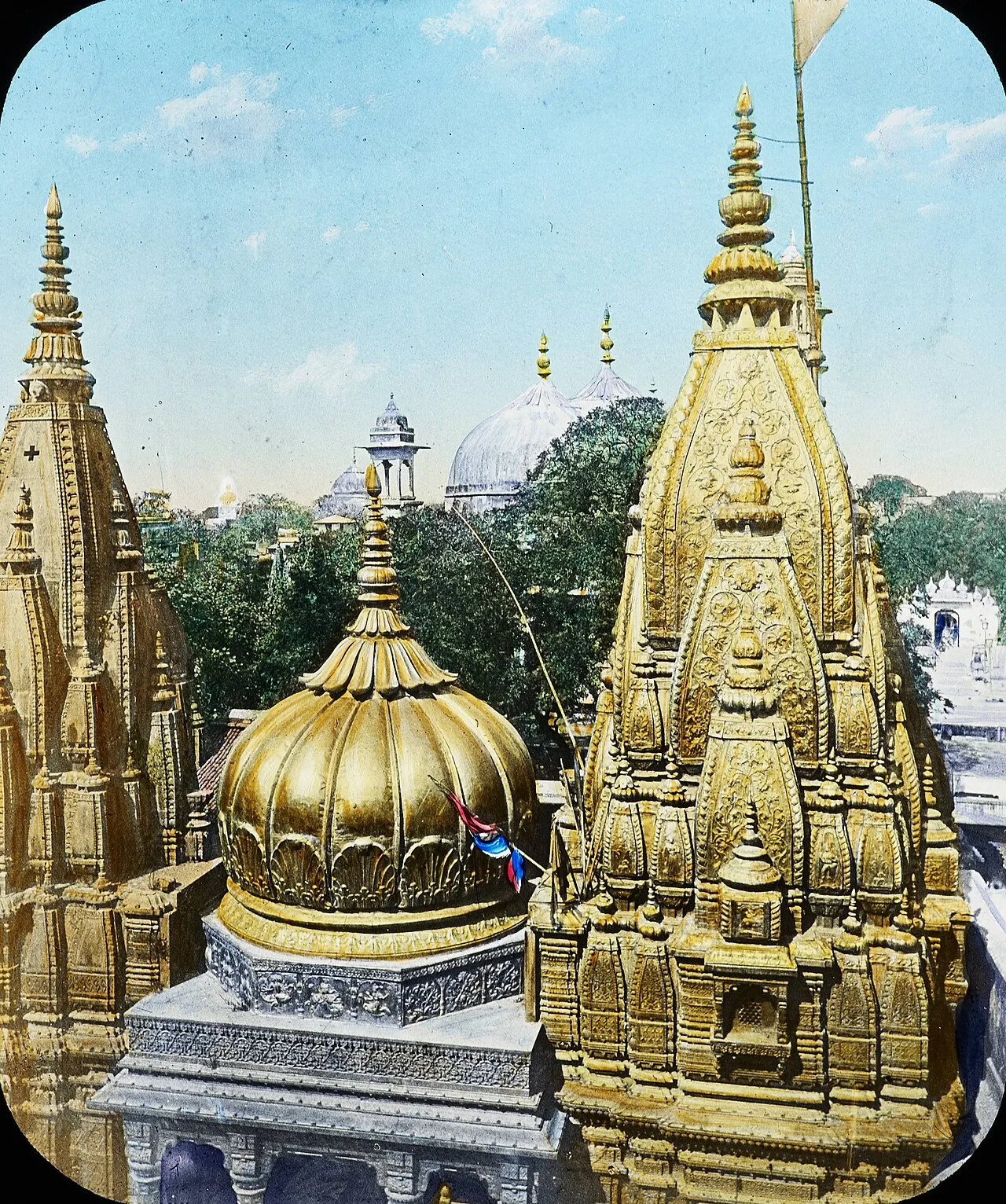
Kashi Vishwanath Temple is a Shiva shrine in Varanasi and one of the twelve Jyotirlinga sites. Hindu pilgrims visit to worship Shiva, revered here as Vishwanath or Vishweshwara.

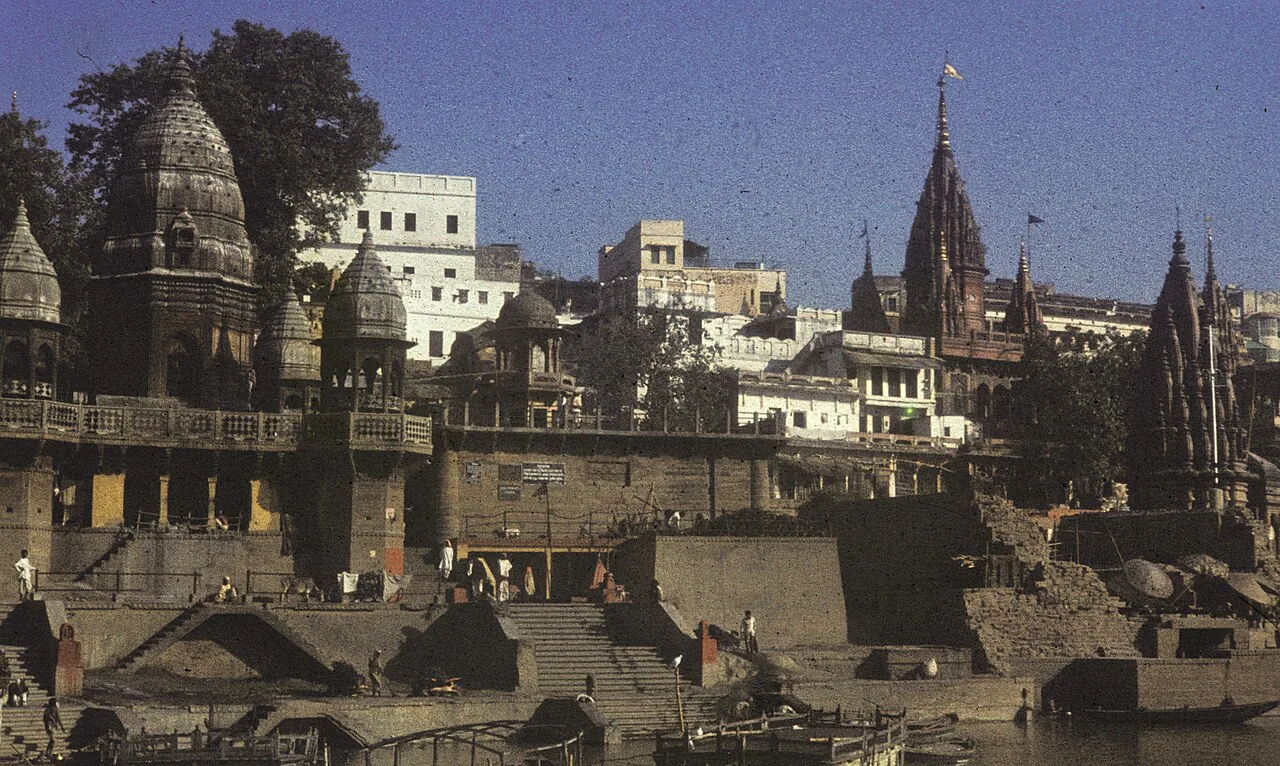
Manikarnika Ghat

80 km away · Varanasi district

Manikarnika Ghat

Manikarnika Ghat is a sacred Ganges-side site in Varanasi, Uttar Pradesh, visited for Hindu rites and cremations and revered for beliefs about moksha.

Map

Sarai Mir on the map

  1. 1Atala Mosque
  2. 2Shahi Bridge
  3. 3Chandra Prabha Wildlife Sanctuary
  4. 4Chaukhandi Stupa
  5. 5Dhamek Stupa
  6. 6Sarnath Buddhist Site
  7. 7Kashi Vishwanath Temple
  8. 8Manikarnika Ghat

Uttar Pradesh

Other cities to explore