Ghumoopedia — Explore, Discover, Experience
Sign in

City guide · Uttar Pradesh

Reoti

Reoti is a small town in Ballia district, eastern Uttar Pradesh, with a place in the region’s freedom history. It is associated with the 1942 movement against British rule, when the town is said to have won a period of freedom before India became independent in 1947.

Famous for

  • 1942 freedom movement
  • Reoti Dah lake
  • Historic handloom weaving
  • Palanquins for Dadri Mela
  • Eastern Uttar Pradesh market town

Why Reoti matters

Reoti is a small town in Ballia district, eastern Uttar Pradesh, with a place in the region’s freedom history. It is associated with the 1942 movement against British rule, when the town is said to have won a period of freedom before India became independent in 1947. That story gives Reoti significance beyond its role as a local service and trading centre.

The town lies about 13 kilometres from Bansdih, the tehsil headquarters, and 35 kilometres from Ballia. Reoti Dah, a large lake, borders its eastern side and shapes the surrounding landscape. The railway station, just south of the town, connects it with the wider region. Visitors are most likely to come for local history, the lake and a glimpse of everyday life in a smaller eastern Uttar Pradesh town, rather than for a large collection of formal tourist attractions. Its historic links to weaving and regional markets add to its interest.
Famous for: crafts, trade & products

Reoti’s best-documented craft association is its former weaving industry. Around the beginning of the 20th century, local weavers produced cloth on dozens of looms, with some of it sent to Bengal. This is a historical legacy, not a guarantee that a visitor will find a substantial handloom market today. The town is not widely identified with a particular GI-tagged product or a nationally recognised contemporary textile label.

Reoti also had small-scale shoemaking and made palanquins for the Dadri Mela in Ballia. These trades reflect its older connections with nearby fairs and markets. Today, the town bazaar is the practical place to look for everyday goods and locally used products; ask locally if seeking a particular craft or made-to-order textile. Reoti’s market has long served residents of the town and surrounding settlements, but there is no well-established tourist shopping district or dedicated craft showroom to single out. For a visitor, its strongest trade story is therefore historical: weaving and other workshops once formed part of a varied local economy.

History

Reoti’s written municipal history reaches back to the colonial period. It was constituted as a municipality in 1873 under the Bengal Chaukidari Act of 1856. By the early 1900s it had a railway station, market, postal sub-office, police station and schools. Weaving was an important local occupation, alongside shoemaking and the making of palanquins for Ballia’s Dadri Mela. Panch Deo Pande, a writer known locally, was associated with the town during this period.

Reoti is remembered for its role in the 1942 freedom movement and for having gained freedom from British control before national independence. Public services expanded after independence: a library opened in 1959, an Ayurvedic dispensary in 1960 and an allopathic hospital in 1967. Electricity reached the town in 1962. In 1968, its administration came under the Uttar Pradesh Town Areas Act, with a locally elected council. Reoti is now a nagar panchayat in Ballia district.

Food, festivals & culture

Reoti shares the everyday food culture of eastern Uttar Pradesh. Meals commonly centre on rice or wheat breads with lentils, vegetables and seasonal produce; snacks such as kachori and sweets found across the region are also part of local eating. Litti-chokha is familiar in the wider eastern Uttar Pradesh–Bihar belt, though it is not a dish unique to Reoti. The town is better approached as a place for ordinary local food than as a destination with a separately documented signature cuisine.

Hindi and Bhojpuri are widely used in the area, with Bhojpuri especially present in informal conversation and folk expression. Holi in spring, Diwali in autumn, Navratri and Dussehra, and Chhath after Diwali are important occasions across the region; Muslim residents also observe Eid. Family and community gatherings, devotional songs and Bhojpuri folk music form part of festive life. Reoti has places of worship serving local communities, but no single shrine or named performance venue is widely established as a visitor landmark. The nearby Dadri Mela is a notable regional fair held in Ballia, not in Reoti itself.

Visiting the city

The cooler, drier months from October to March are generally the most comfortable for a visit. The monsoon season can make travel less convenient: the land around Reoti is low-lying, swampy and prone to flooding. Jay Prakash Narayan Airport in Patna is a major nearby air gateway, though road travel can be affected by route and river crossings. Reoti railway station is the main rail access point, about 800 metres south of the town. Ballia and Bansdih are useful road connections for onward travel.

Within Reoti, local transport or a short walk can cover the central bazaar and station approach. The town centre offers a look at daily market life; the area beside Reoti Dah is of interest for its lakeside setting. Check local conditions before exploring the lake’s surroundings, especially during or just after the rains.

Trips from the city

Nearest places to visit from Reoti

Our closest destination guides, by straight-line distance.

Kushinagar Buddhist Site

110 km away · Kushinagar district

Kushinagar Buddhist Site

The Kushinagar Buddhist Site is a pilgrimage destination associated with Gautama Buddha’s parinirvana. Visitors come to this Uttar Pradesh town because of its importance in Buddhist belief.

Chandra Prabha Wildlife Sanctuary

112 km away · Chandauli district

Chandra Prabha Wildlife Sanctuary

In Uttar Pradesh’s Chandauli district, Chandraprabha is a wildlife sanctuary in central India. Visitors come to explore the sanctuary, which lies around 70 kilometres from Varanasi.

Gorakhnath Math

144 km away · Gorakhpur district

Gorakhnath Math

Gorakhnath Math is a Hindu temple and Nath monastic centre in Gorakhpur, Uttar Pradesh. People visit for its religious role and the cultural and social activities held on its premises.

Dhamek Stupa

145 km away · Varanasi district

Dhamek Stupa

Dhamek Stupa is a large Buddhist monument at Sarnath in Uttar Pradesh, associated with the Buddha’s first teaching and visited as an important pilgrimage place.

Sarnath Buddhist Site

145 km away · Varanasi district

Sarnath Buddhist Site

Sarnath is a Buddhist pilgrimage town near Varanasi, remembered as the place where Gautama Buddha first taught after his enlightenment. Visitors come to see its important religious and historical associations.

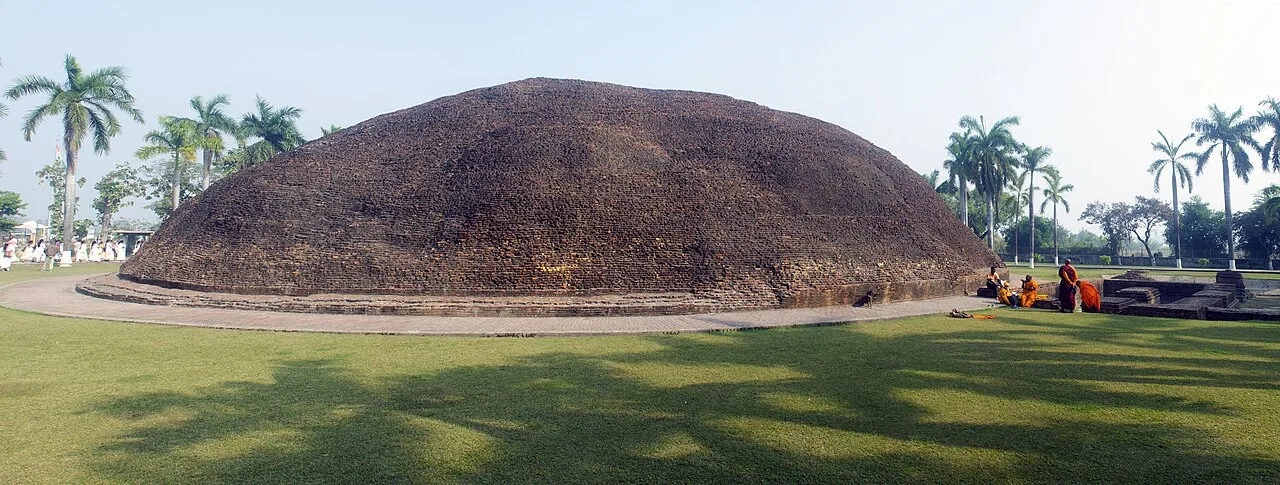
Chaukhandi Stupa

146 km away · Varanasi district

Chaukhandi Stupa

Chaukhandi Stupa is a Buddhist monument at Sarnath in Uttar Pradesh’s Varanasi district. Visitors come to see this nationally important site, recognised by the Archaeological Survey of India in 2019.

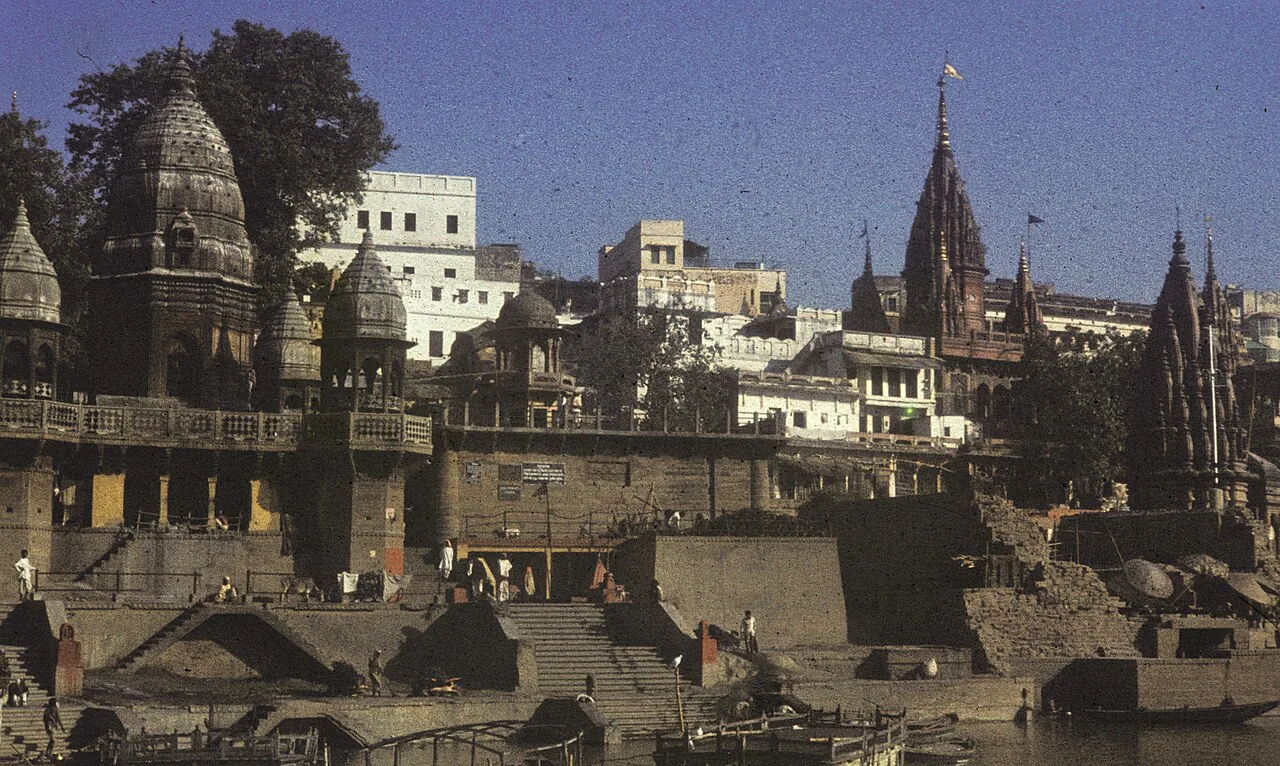
Manikarnika Ghat

149 km away · Varanasi district

Manikarnika Ghat

Manikarnika Ghat is a sacred Ganges-side site in Varanasi, Uttar Pradesh, visited for Hindu rites and cremations and revered for beliefs about moksha.

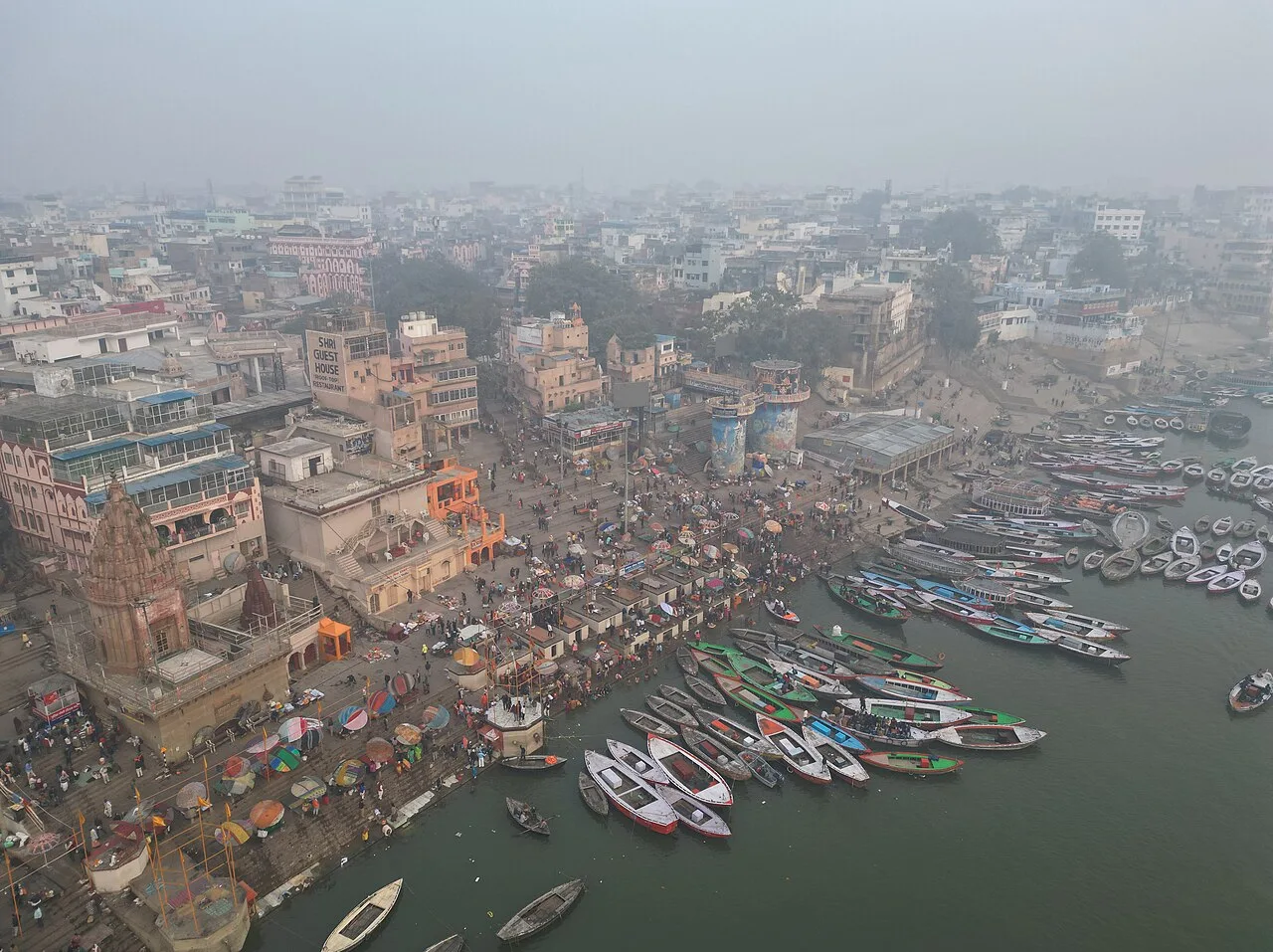
Dashashwamedh Ghat

150 km away · Varanasi district

Dashashwamedh Ghat

A prominent riverside ghat in Varanasi, Dashashwamedh is visited for its connection to Hindu legends and the city’s history, as well as its position beside the Ganges and near Vishwanath Temple.

Map

Reoti on the map

  1. 1Kushinagar Buddhist Site
  2. 2Chandra Prabha Wildlife Sanctuary
  3. 3Gorakhnath Math
  4. 4Dhamek Stupa
  5. 5Sarnath Buddhist Site
  6. 6Chaukhandi Stupa
  7. 7Manikarnika Ghat
  8. 8Dashashwamedh Ghat

Uttar Pradesh

Other cities to explore