Ghumoopedia — Explore, Discover, Experience
Sign in
Bateshwar Temples, Agra, near Sirsaganj

City guide · Uttar Pradesh

Sirsaganj

Sirsaganj is a small city in Firozabad district, Uttar Pradesh, whose importance comes less from monuments than from its role as an agricultural market and storage centre. Potato cultivation supports a busy local trade, while cold-storage facilities serve growers and buyers across the surrounding area.

Famous for

  • Potato trade
  • Potato cold storage
  • Sirsaganj Potato Mandi
  • Nearby temples
  • Grand Trunk Road

Why Sirsaganj matters

Sirsaganj is a small city in Firozabad district, Uttar Pradesh, whose importance comes less from monuments than from its role as an agricultural market and storage centre. Potato cultivation supports a busy local trade, while cold-storage facilities serve growers and buyers across the surrounding area. The town is also a municipal centre and a Uttar Pradesh Legislative Assembly constituency.

The Grand Trunk Road corridor, now part of National Highway 19, connects Sirsaganj with larger cities and helps keep its markets active. Visitors may come for business, to see the potato mandi, or to visit temples in and around the town, including Hanumaan Bari, Samor Baba and Jaimai Mata Mandir. Sirsaganj sits beside the Sirsa River, though the river is now largely dry. Its everyday character is shaped by farming, shopkeeping and road travel, making it a useful stop for understanding the rural market economy of this part of Uttar Pradesh.
Famous for: crafts, trade & products

Sirsaganj is best known locally for potatoes. The crop is grown in the surrounding area, traded through the potato mandi and kept in a network of cold storages before distribution to markets elsewhere. Wheat and chillies are also grown. The mandi and central market are the most relevant places to see the town’s produce trade; buying arrangements and availability vary with the harvest season. Cold-storage facilities are primarily commercial operations rather than visitor attractions.

The town is not especially associated with a widely recognised textile, handicraft or GI-tagged product. Its identity rests more on agricultural commerce and storage than on a signature craft industry. Shops in the centre serve residents and visitors with everyday goods, while the mandi area is most active around agricultural trading. For a visitor, the potato trade offers a clearer picture of local livelihoods than souvenir shopping: farmers, traders, transporters and storage businesses all contribute to Sirsaganj’s regional role. The market’s seasonal character is most apparent during the potato harvest and subsequent trading period.

History

Sirsaganj’s growth is closely connected to farming in the surrounding countryside and its position on the Grand Trunk Road corridor. The Sirsa River, now largely dry within the town, forms part of its geographic setting and is reflected in the town’s name. Rather than developing as a major royal capital, Sirsaganj became important as a local settlement serving agricultural communities and road traffic.

The available record does not establish a detailed sequence of local rulers or notable colonial-era events, so its past is best understood through these continuing regional roles. In the modern period, improved road connections and the expansion of potato cultivation and cold storage strengthened its place as a produce market. Sirsaganj now functions as a municipal town and an assembly constituency in Firozabad district. Its development remains tied to the movement and storage of farm goods, alongside services, education and local commerce.

Food, festivals & culture

Braj Bhasha and standard Hindi are commonly spoken in Sirsaganj; Urdu and Punjabi are also heard. The town’s food reflects everyday north Indian cooking rather than a widely recognised local speciality. Visitors may find familiar dishes such as puri-sabzi, kachori and jalebi, alongside seasonal preparations using potatoes. Local shops and eateries around the central market are practical places to sample everyday fare.

Holi in spring and Diwali in autumn are among the main Hindu festivals, while Navratri is marked in the worship calendar. Muslim residents observe festivals including Eid, and religious life includes communities beyond the Hindu majority. Devotional singing and bhajans are part of worship, though Sirsaganj is not known for a distinct local music or dance tradition. Nearby places of worship include Hanumaan Bari, Samor Baba, Jaimai Mata Mandir, Radha Krishna Mandir, Shri Shakleshwar Mahadev, Shri Vankhandeshwar and Baba Dudhadhari Mandir. Some lie outside the town centre, so allow for local travel when visiting them.

Visiting the city

The cooler months, roughly October to March, are generally the most comfortable for a visit; summer can be very hot, and monsoon weather may affect road travel. Agra Airport, also known as Kheria Airport, is the nearest airport of note. Sirsaganj has no railway station; Shikohabad Junction is a nearby railhead, with onward travel by road. The town stands on National Highway 19, formerly part of the NH2 route.

Local buses, shared vehicles, autos and taxis connect the town with nearby places, though services may not be frequent. The central bazaar and potato mandi offer a sense of everyday town life. For a quieter visit, arrange transport to temples around Sirsaganj, including sites in the surrounding 5–10 km area. Confirm local transport options before setting out, especially for visits beyond the centre.

Trips from the city

Nearest places to visit from Sirsaganj

Our closest destination guides, by straight-line distance.

Bateshwar Temples, Agra

20 km away · Agra district

Bateshwar Temples, Agra

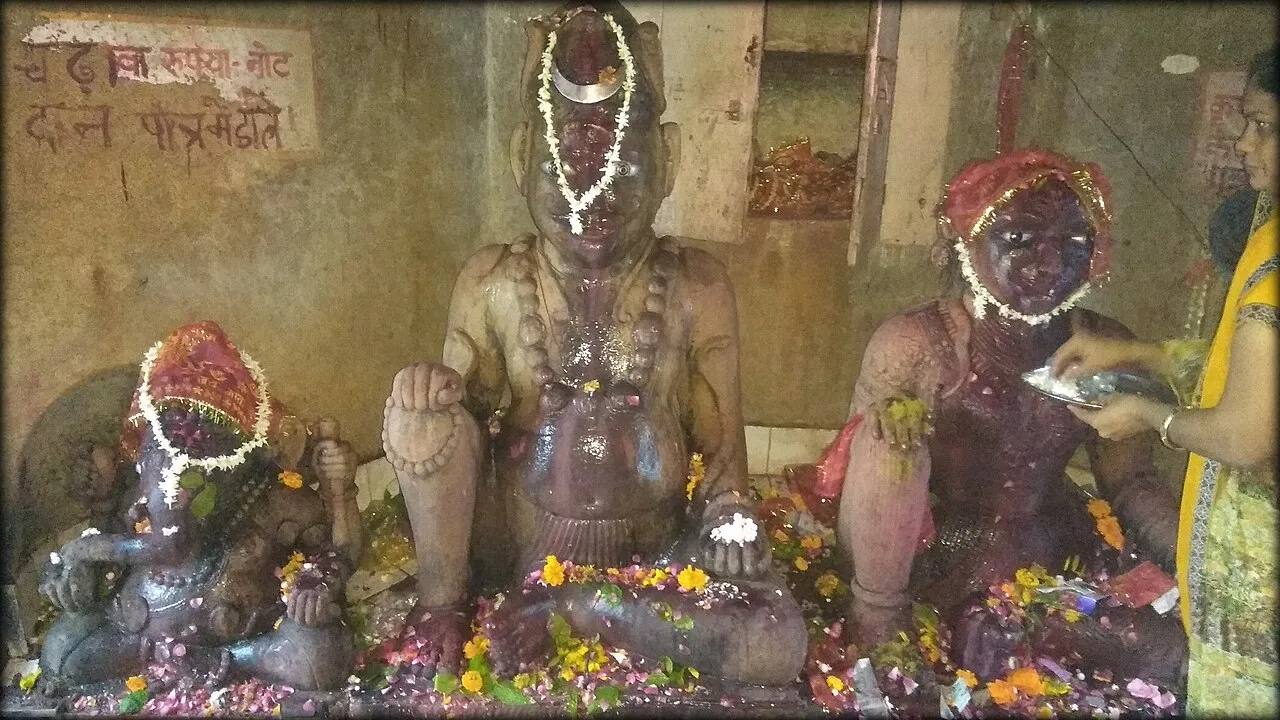
Bateshwar is a village in Uttar Pradesh’s Agra district, known as a spiritual centre for Hindus and Jains, with 101 Shiva temples and an annual fair.

Etawah Safari Park

45 km away · Etawah district

Etawah Safari Park

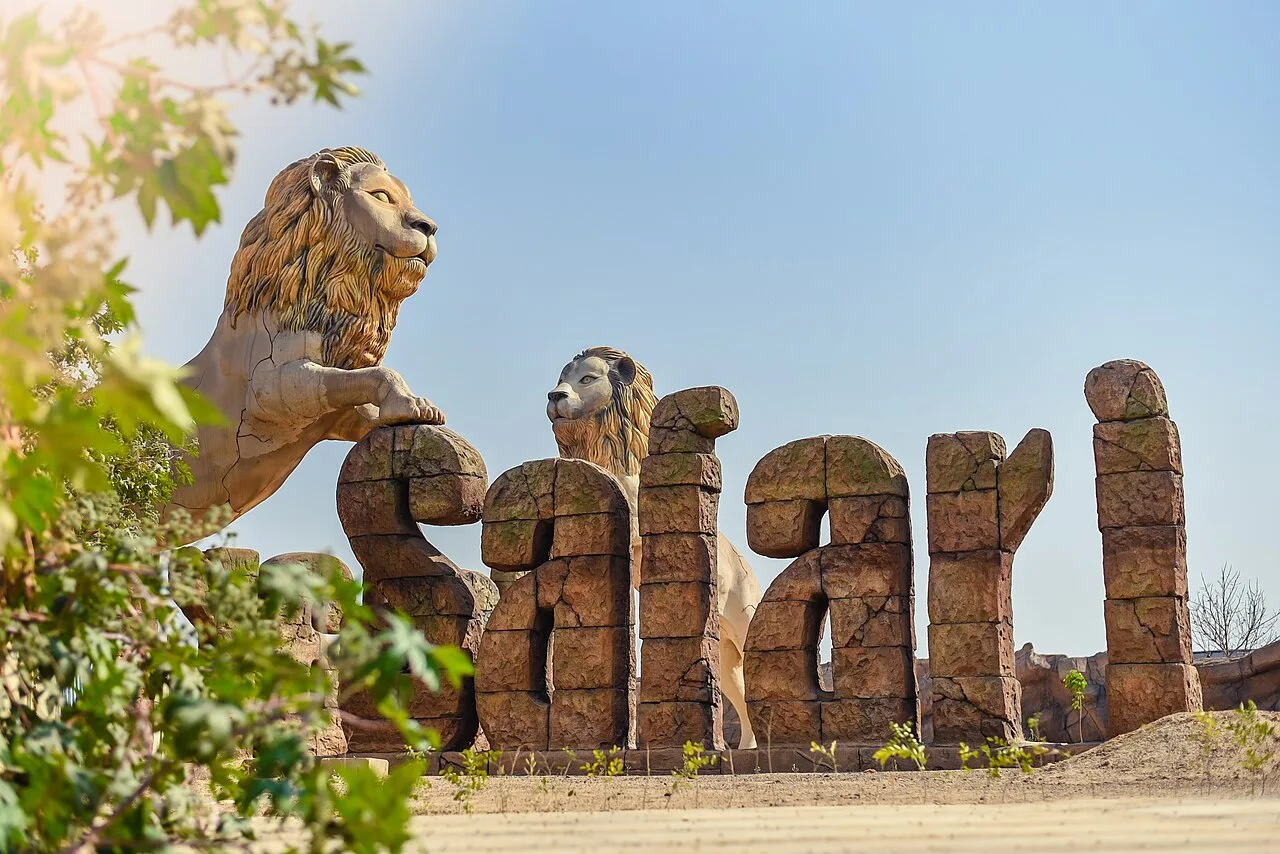
A wildlife attraction in Etawah district, Uttar Pradesh, the park draws visitors for its vehicle-based safari experiences, Asiatic lion breeding centre and visitor centre.

Mehtab Bagh

65 km away · Agra district

Mehtab Bagh

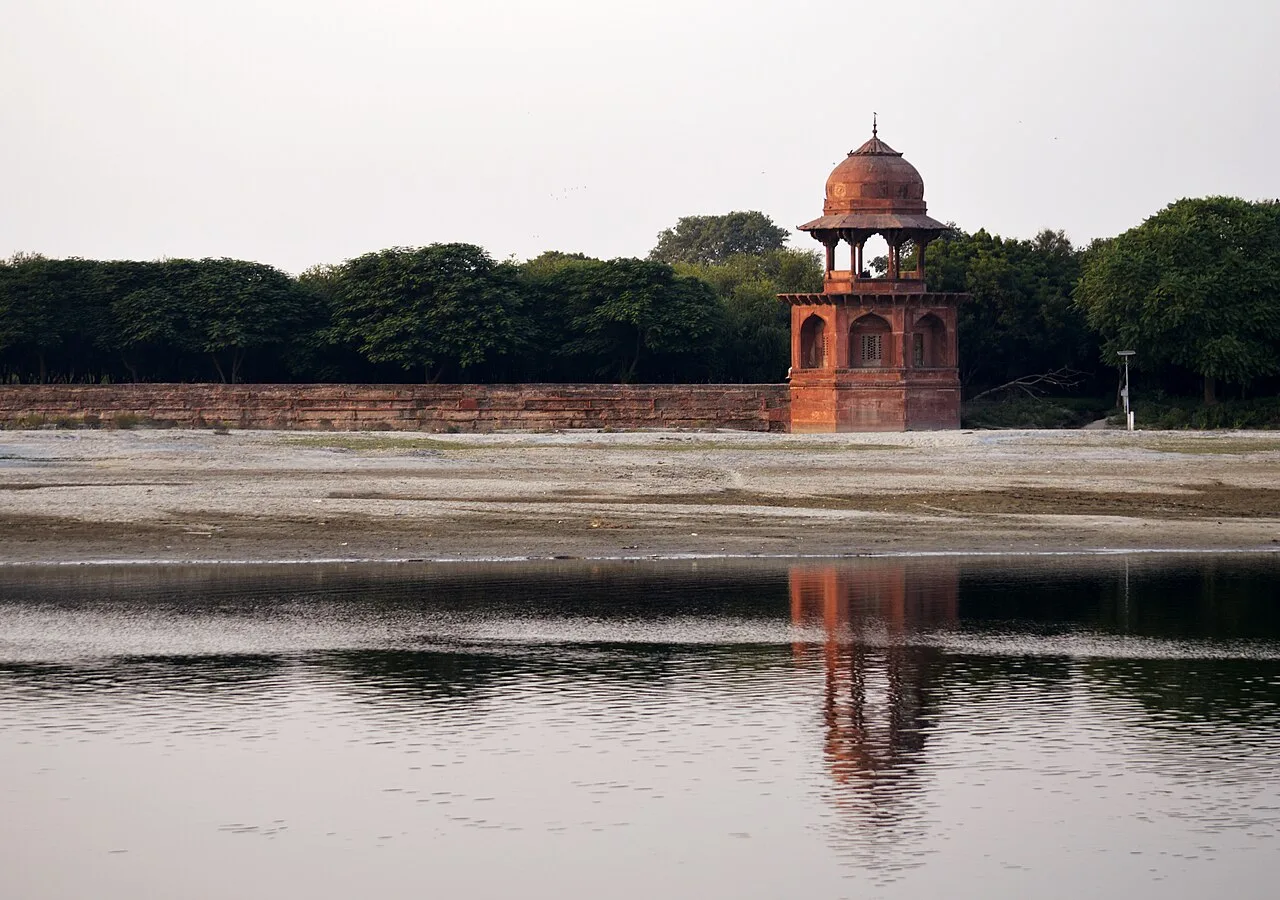
Mehtab Bagh is a square charbagh garden in Agra, Uttar Pradesh, across the Yamuna from the Taj Mahal. Visitors come to see its carefully aligned setting opposite the monument.

Taj Mahal

65 km away · Agra district

Taj Mahal

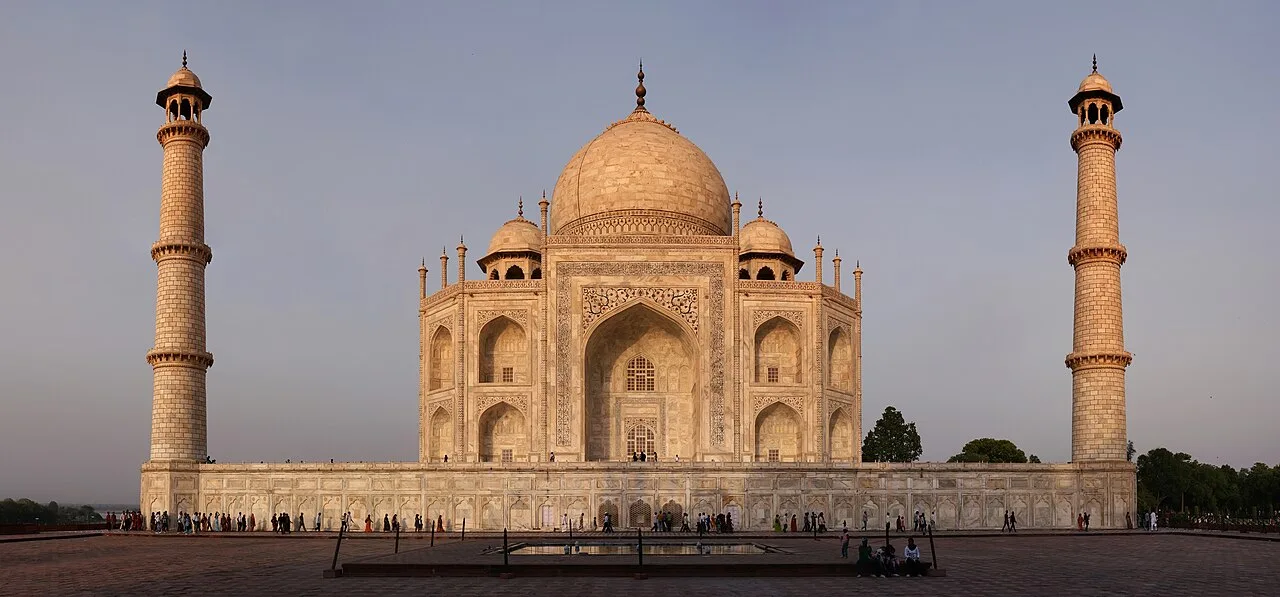
The Taj Mahal is a marble tomb complex in Agra, built for Mumtaz Mahal and Shah Jahan. Visitors come to see its Mughal architecture, gardens and memorials.

Agra Fort

67 km away · Agra district

Agra Fort

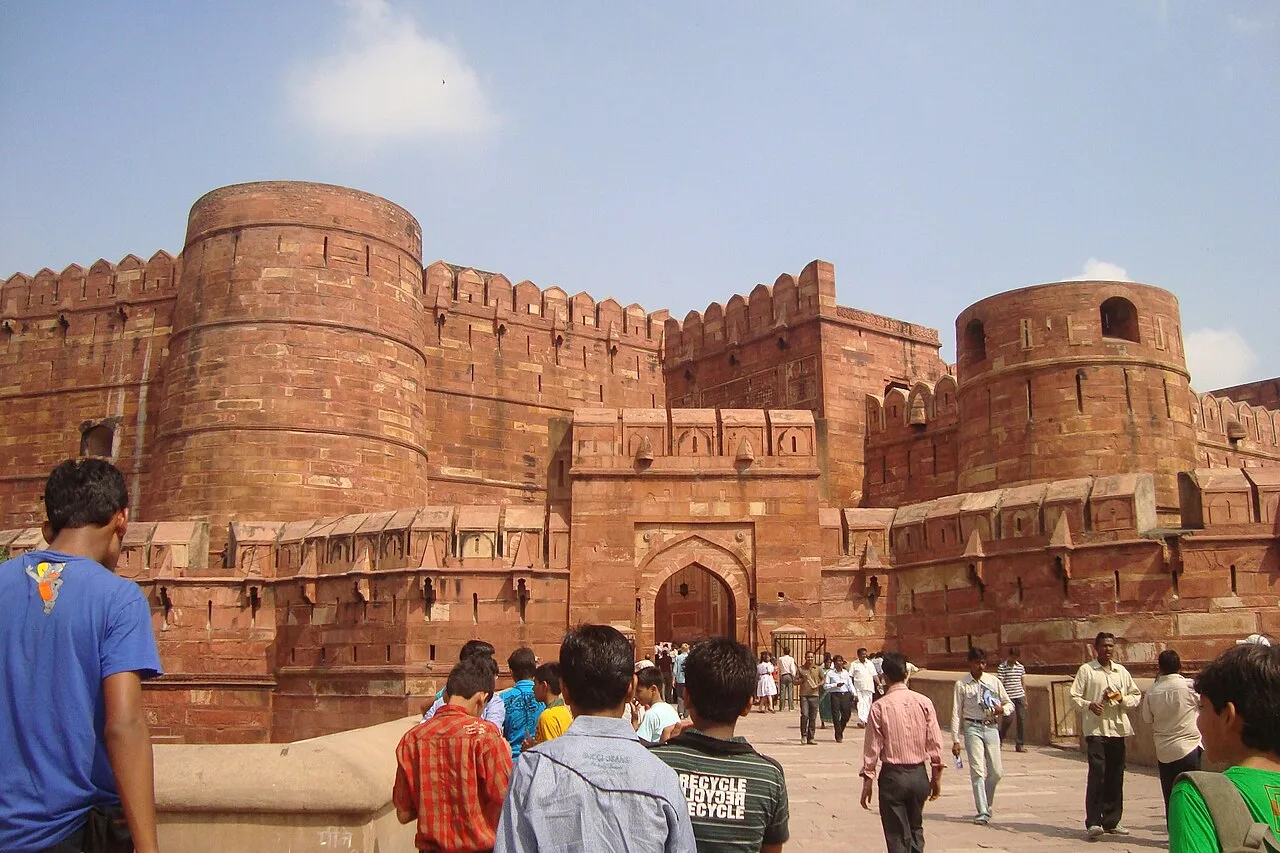
Agra Fort is a major Mughal-era stronghold in Agra, rebuilt by Akbar and later expanded by Shah Jahan. Visitors come to see its palaces, mosques and historic gateways.

Chini Ka Rauza

67 km away · Agra district

Chini Ka Rauza

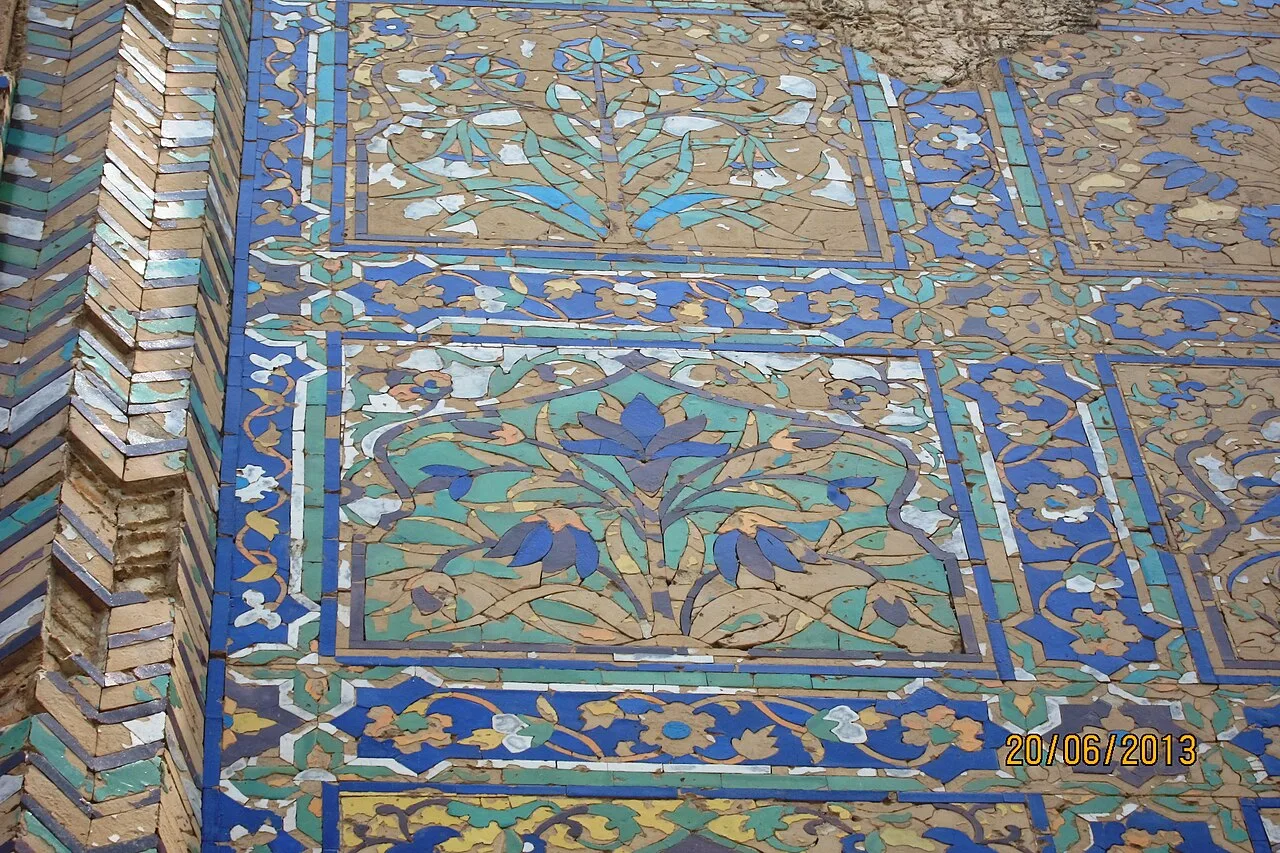
Chini Ka Rauza is a funerary monument in Agra, built in 1635 for Afzal Khan Shirazi, a scholar, poet and Shah Jahan’s grand vizier. Visitors come to see its glazed tiles and learn about its history.

Itmad Ud Daulah

67 km away · Agra district

Itmad Ud Daulah

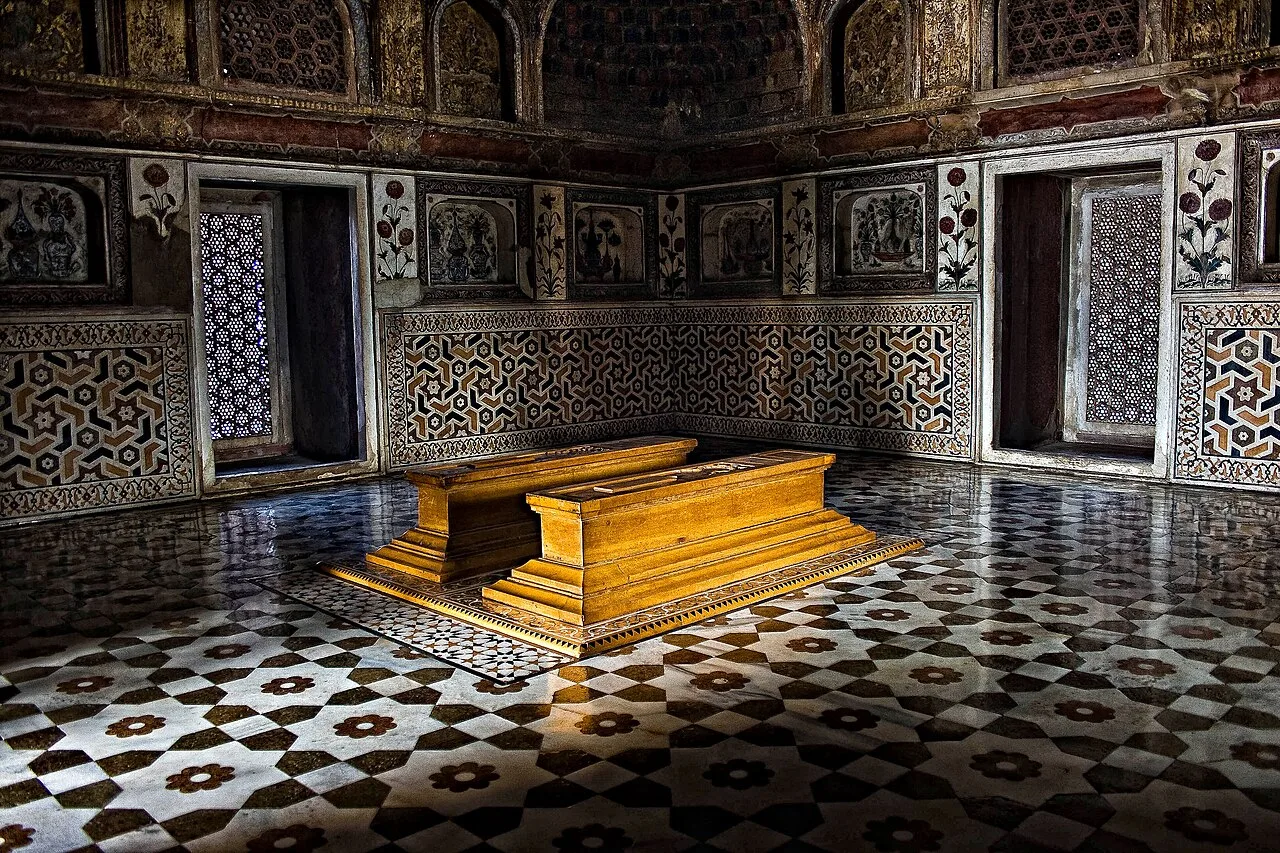
A Mughal marble mausoleum in Agra, Itmad Ud Daulah attracts visitors for its garden setting, intricate decoration and place in the evolution of Mughal architecture.

Jama Masjid, Agra

68 km away · Agra district

Jama Masjid, Agra

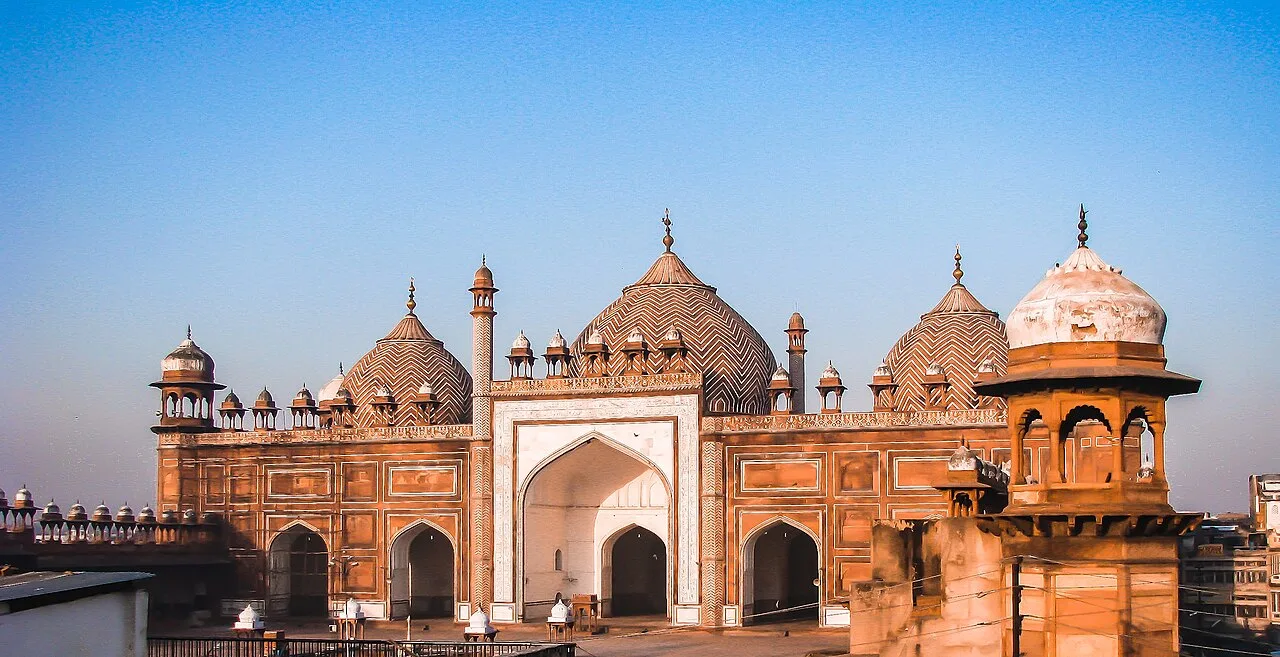
Jama Masjid is a seventeenth-century mosque in Agra, built by Jahanara Begum during Shah Jahan’s reign. Visitors come to see the city’s principal mosque, situated near Agra Fort.

Map

Sirsaganj on the map

  1. 1Bateshwar Temples, Agra
  2. 2Etawah Safari Park
  3. 3Mehtab Bagh
  4. 4Taj Mahal
  5. 5Agra Fort
  6. 6Chini Ka Rauza
  7. 7Itmad Ud Daulah
  8. 8Jama Masjid, Agra

Uttar Pradesh

Other cities to explore