Ghumoopedia — Explore, Discover, Experience
Sign in

City guide · Uttar Pradesh

Sultanpur

Sultanpur is a district headquarters in eastern Uttar Pradesh and an administrative centre for the surrounding region. Set on the Gomti River, it connects nearby towns and villages through government services, commerce, education and transport.

Famous for

  • Gomti River setting
  • Kusbhawanpur traditions
  • Historic Victoria Manzil
  • Sultanpur district headquarters
  • Regional market town

Why Sultanpur matters

Sultanpur is a district headquarters in eastern Uttar Pradesh and an administrative centre for the surrounding region. Set on the Gomti River, it connects nearby towns and villages through government services, commerce, education and transport. Its position about 135 kilometres east of Lucknow also makes it a useful stop for journeys across this part of the state.

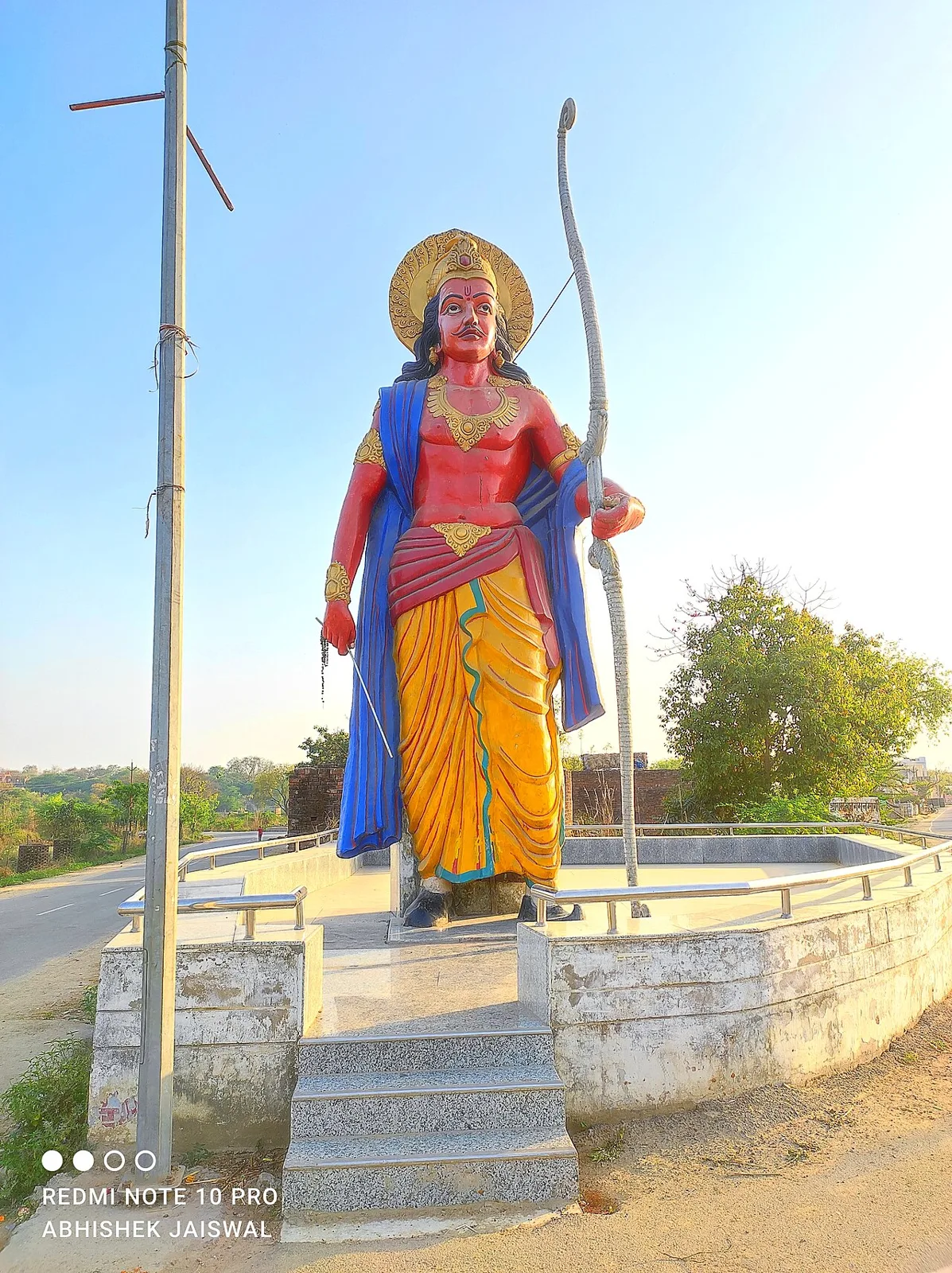
The city’s appeal lies more in its river setting and layered local history than in large-scale sightseeing. Hindu tradition associates the area with Kusbhawanpur and Kusa, son of Rama; this is a religious legend rather than an established historical account. The later town developed on both sides of the Gomti, and its colonial-era civic story is reflected in landmarks such as Victoria Manzil. Visitors can explore the riverbanks, central markets and older civic quarters, while using Sultanpur as a base for travel around the district. It is best approached as a working regional city, where everyday bazaar life and the history of the Gomti plain are central to the experience.
Famous for: crafts, trade & products

Sultanpur is primarily known as an administrative and trading centre, rather than as a major textile or handicraft destination. There is no widely established signature saree, craft or GI-tagged product associated specifically with the city. Visitors looking for regional goods can browse the central bazaars for everyday clothing, household items, sweets and seasonal produce; selection and availability vary by shop. Ask locally for current market areas and specialist stores rather than expecting a single craft district.

The city’s historic markets included Perkinsganj, Shawganj and Partabganj, names recorded in accounts of its colonial-era growth. These names reflect a long tradition of local commerce, though present-day shops and market boundaries may have changed. Sultanpur’s more distinctive heritage is civic: Victoria Manzil was built as a town hall and meeting place for the municipal board. The Gomti and the city’s administrative institutions also shape its identity. For visitors, the practical way to explore local trade is to walk through the busy central shopping streets, compare several shops and ask vendors about goods made in the district. Do not assume that an item sold here is locally produced without checking its origin.

History

Local tradition identifies the Sultanpur area with Kusbhawanpur and links it to Kusa, son of Rama. Accounts also associate the place with Kusapura, though these identifications belong to tradition and historical interpretation. The region later came under Bhar rule and was contested during the expansion of the Delhi Sultanate. A local Rajput rising in 1305 was defeated by Alauddin Khalji’s forces; a settlement that took the name Sultanpur subsequently grew in the area.

The older town stood on the Gomti’s left bank. During British rule, a military station was established across the river at Girghit, and this newer settlement gradually became known as Sultanpur. The old town was destroyed by the British after the 1857 uprising. The cantonment was removed in 1861, and the municipality was established in 1869. Victoria Manzil, built in 1890, served as a town hall and municipal meeting place. In modern Uttar Pradesh, Sultanpur developed as the district’s administrative centre and a regional hub for services and trade.

Food, festivals & culture

Everyday food in Sultanpur reflects the wider eastern Uttar Pradesh kitchen: wheat rotis, rice, lentils, seasonal vegetables and snacks such as samosas and chaat. Sweet shops commonly offer familiar North Indian treats, including jalebi and milk-based sweets, though recipes and specialities differ from one shop to another. The city is not especially known for a nationally distinctive dish, so local markets and modest eateries are a good way to sample daily cooking.

Hindi and Awadhi are widely used, with Urdu also spoken. Religious and community life follows the festivals observed across the region. Holi comes in spring; Diwali and the Navratri celebrations fall in autumn, while Ram Navami is observed in spring. Eid follows the Islamic lunar calendar, and Chhath is celebrated in autumn, with worship connected to water and the setting and rising sun. Folk songs and seasonal music are part of regional celebrations, though there is no single performance tradition that defines the city. Hindu temples and mosques serve neighbourhood communities, and the Gomti’s banks provide a meaningful setting for visits and religious observances.

Visiting the city

October to March is generally the most comfortable season to visit, with cooler weather than the hot summer months and less disruption from monsoon rain. The nearest commercial airport is Maharishi Valmiki International Airport, Ayodhya Dham; check current routes and onward road connections before travelling. Sultanpur Junction is the city’s main railway station and a convenient arrival point for rail journeys.

Auto-rickshaws and e-rickshaws are useful for local trips, while taxis can be arranged for longer journeys around the district. Explore the central bazaar for everyday shopping, the Gomti riverbanks for a sense of the city’s setting, and the older civic area around Victoria Manzil, subject to local access. Sultanpur is a practical base for district travel, but confirm road conditions and transport options for outlying sites locally.

Trips from the city

Nearest places to visit from Sultanpur

Our closest destination guides, by straight-line distance.

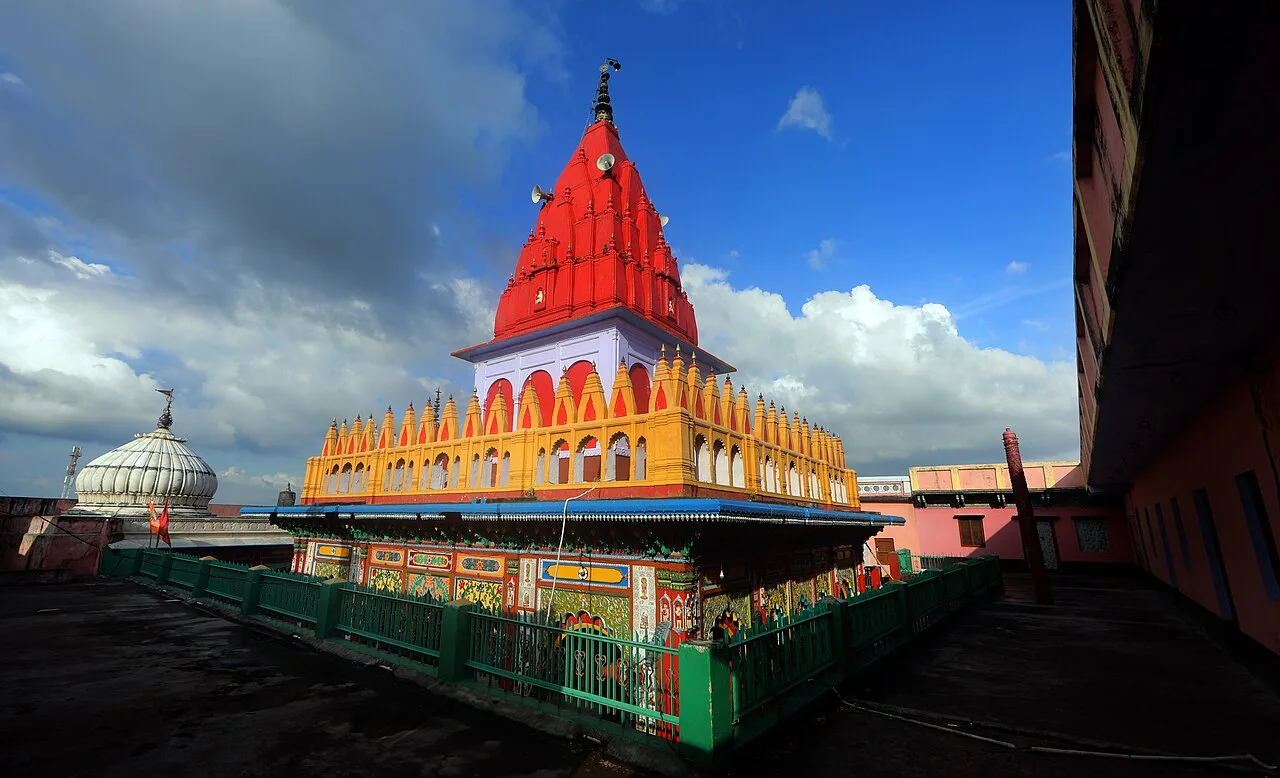
Hanuman Garhi

61 km away · Ayodhya district

Hanuman Garhi

Hanuman Garhi is a Hindu shrine to Hanuman in Ayodhya, Uttar Pradesh. People visit to worship there, and it is counted among the city’s important temples.

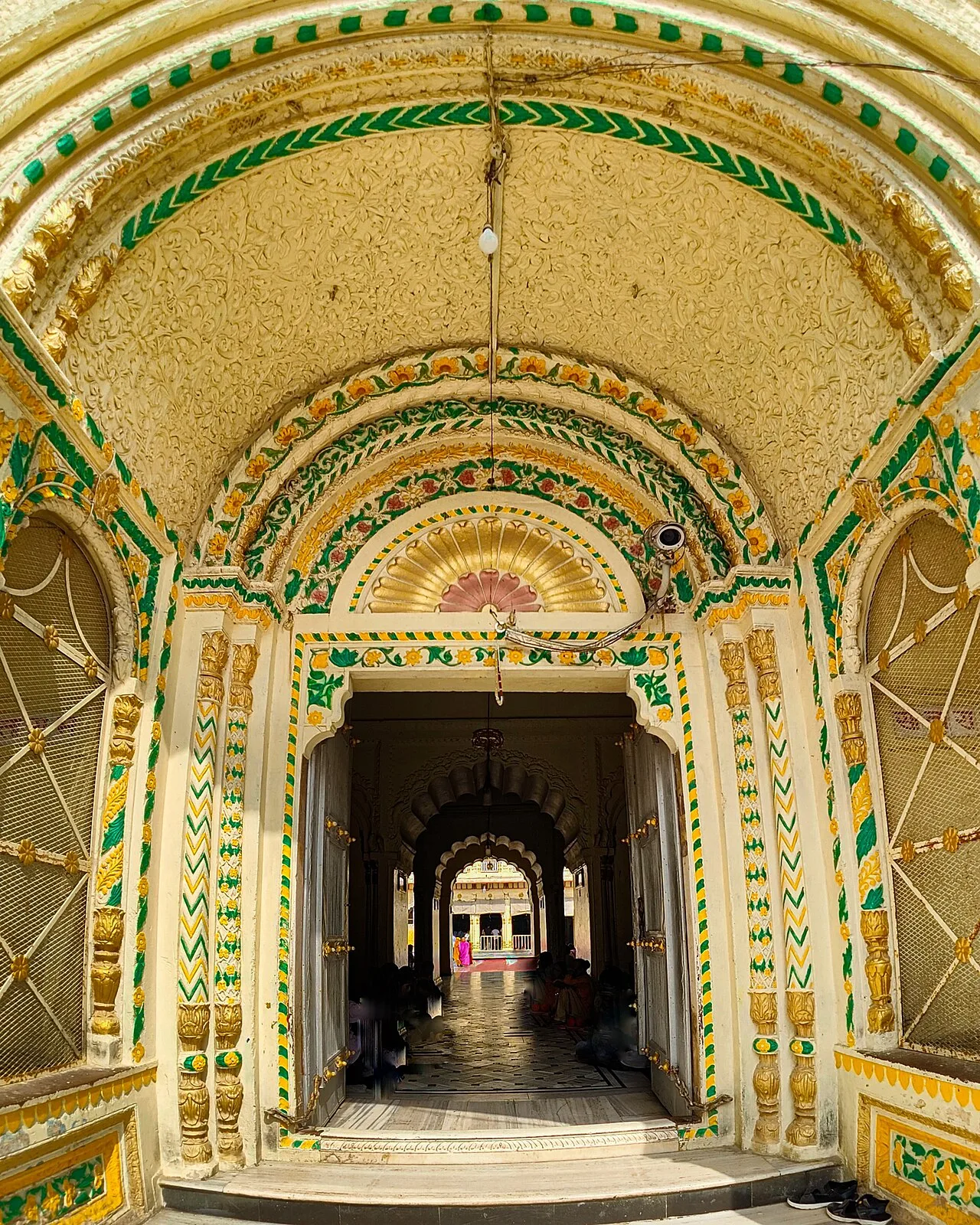
Kanak Bhawan

61 km away · Ayodhya district

Kanak Bhawan

Kanak Bhawan is an Ayodhya temple linked to the stories of Rama and Sita, whose images are enshrined there. Visitors come to see the shrine and learn its traditional history.

Ram Mandir

61 km away · Ayodhya district

Ram Mandir

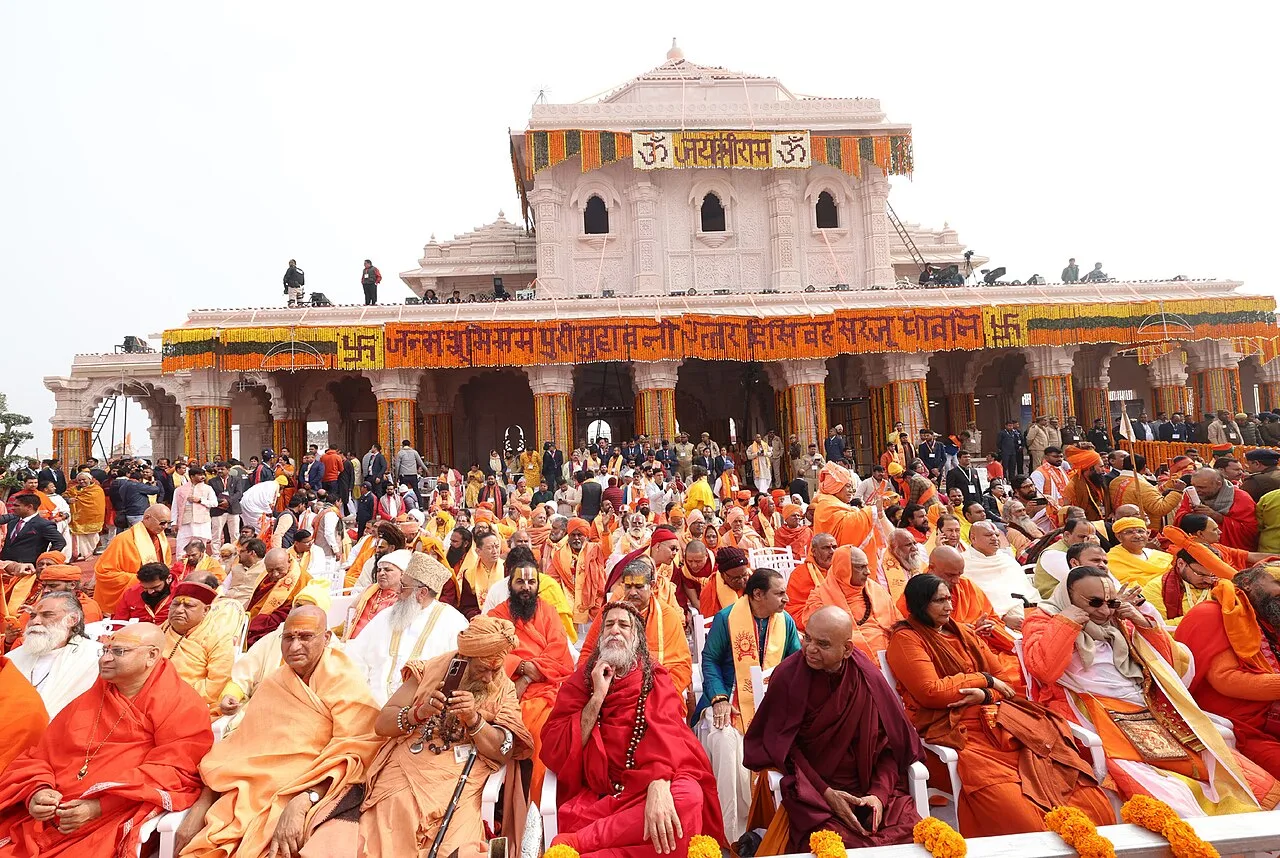
Ram Mandir is a Hindu temple complex in Ayodhya, Uttar Pradesh. Visitors come to worship at a place many Hindus regard as the birthplace of Rama.

Ayodhya Old Town

62 km away · Ayodhya district

Ayodhya Old Town

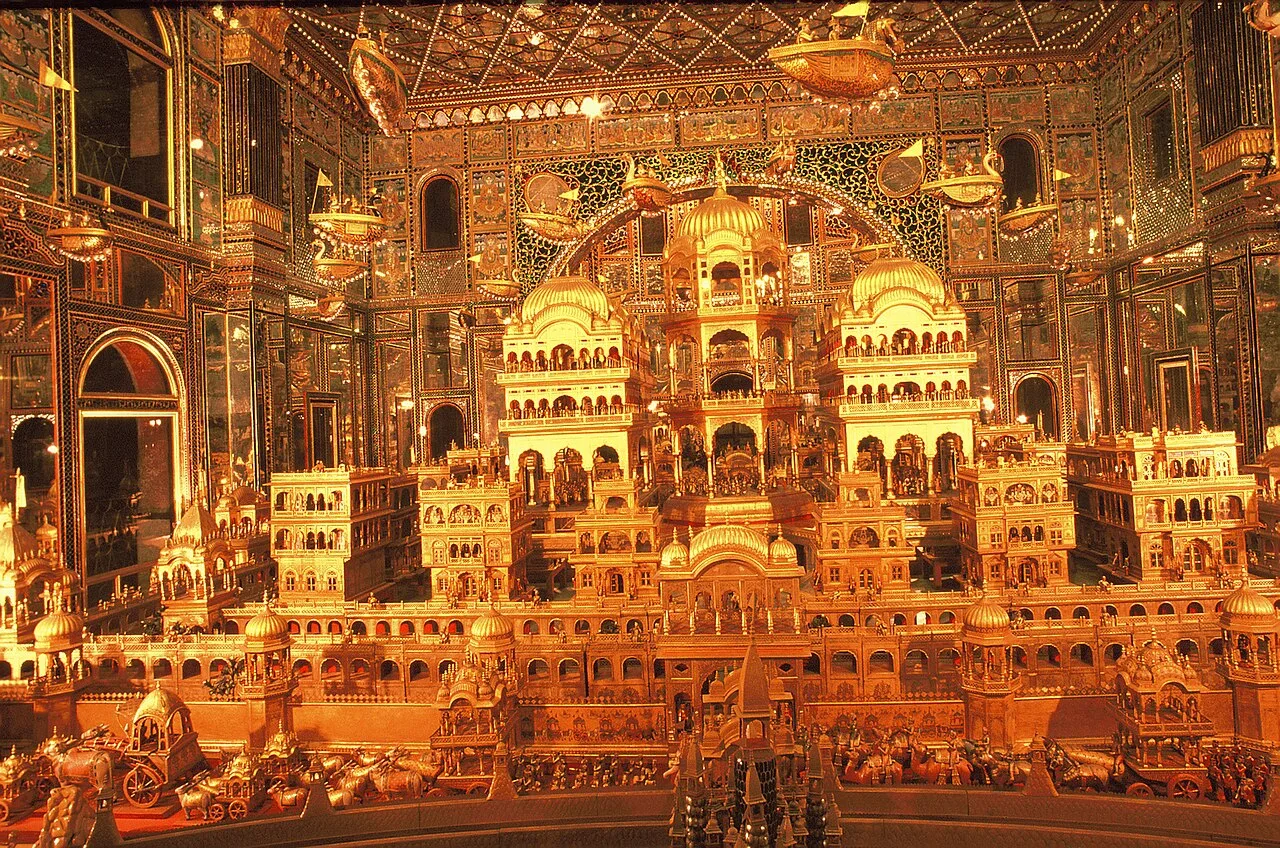
Ayodhya Old Town is the historic centre of a city in Uttar Pradesh, associated with early Buddhist and Jain traditions and the Hindu epic Ramayana. Visitors come chiefly for its religious importance and links to Rama.

Samaspur Bird Sanctuary

74 km away · Raebareli district

Samaspur Bird Sanctuary

In Uttar Pradesh’s Raebareli district, Samaspur is a wetland reserve where visitors can see resident birds, long-distance migrants and a variety of fish.

Atala Mosque

83 km away · Jaunpur district

Atala Mosque

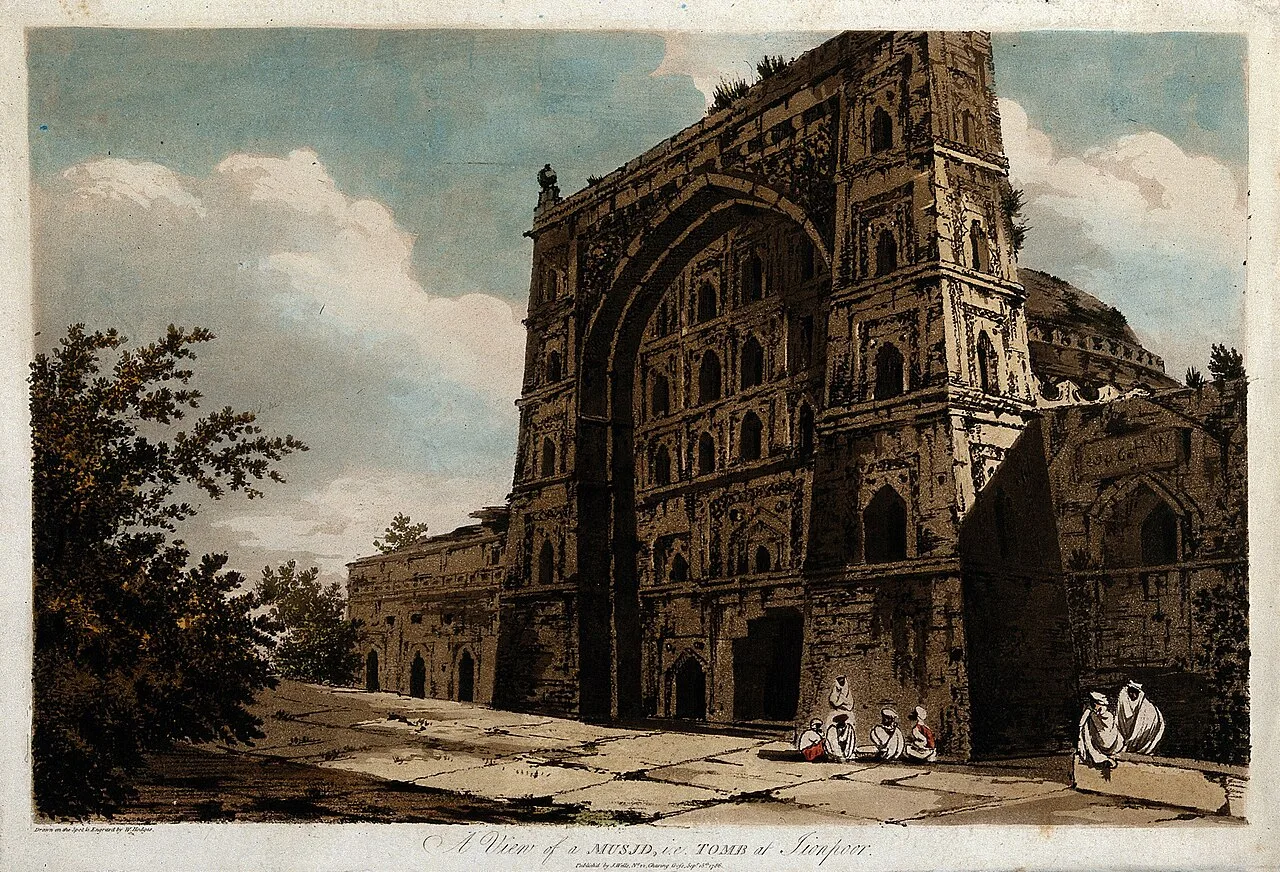
Atala Mosque, a 15th-century place of worship in Jaunpur, Uttar Pradesh, is visited by those wishing to see a historic mosque near the city’s Shahi Qila and Jama Mosque.

Shahi Bridge

83 km away · Jaunpur district

Shahi Bridge

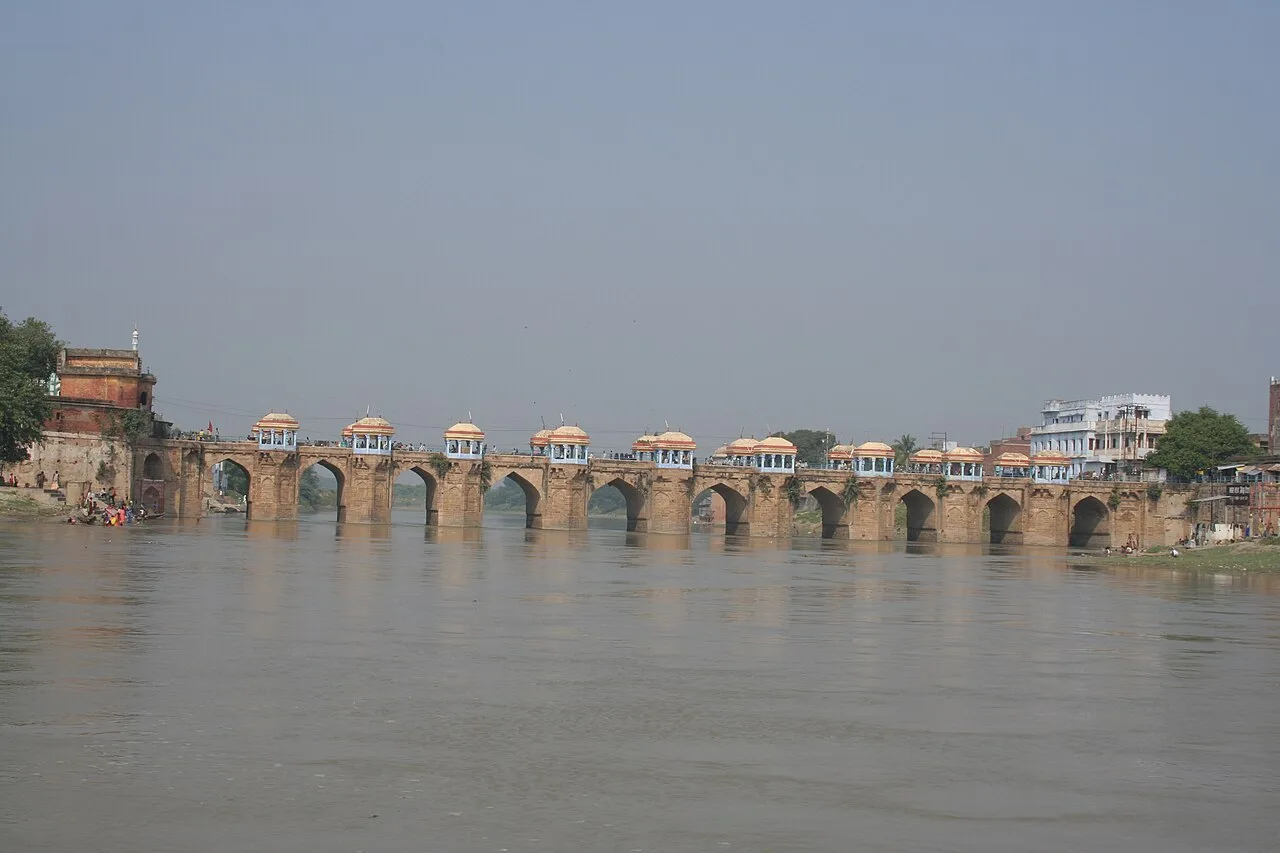
Shahi Bridge is a 16th-century crossing over the Gomti in Jaunpur, Uttar Pradesh. Visitors come to see the historic bridge, which is also known by several other names.

Shringverpur

86 km away · Prayagraj district

Shringverpur

The Uttar Pradesh village of Shringverpur is also known as Shringaverpur or Singraur; its alternate names help visitors identify the settlement in references using different spellings.

Map

Sultanpur on the map

  1. 1Hanuman Garhi
  2. 2Kanak Bhawan
  3. 3Ram Mandir
  4. 4Ayodhya Old Town
  5. 5Samaspur Bird Sanctuary
  6. 6Atala Mosque
  7. 7Shahi Bridge
  8. 8Shringverpur

Uttar Pradesh

Other cities to explore