Ghumoopedia — Explore, Discover, Experience
Sign in
Kushinagar Buddhist Site, near Lar

City guide · Uttar Pradesh

Lar

Lar is a town and nagar panchayat in Deoria district, eastern Uttar Pradesh. It is also the headquarters of a development block and belongs to Salempur tehsil, making it a practical service and trading centre for nearby villages.

Famous for

  • Historic Lar bazaar
  • Majhauli Raj heritage
  • 1857 freedom struggle links
  • Chhoti Gandak villages
  • Regional market hub
Plan a tripHotels near Lar

Why Lar matters

Lar is a town and nagar panchayat in Deoria district, eastern Uttar Pradesh. It is also the headquarters of a development block and belongs to Salempur tehsil, making it a practical service and trading centre for nearby villages. Its historic bazaar remains the town’s most recognisable feature: residents from Lar and the surrounding countryside come here for everyday shopping and local business. The town is about 45 kilometres south of Deoria, the district headquarters, and is connected to the railway network through Lar Road station, roughly 3.2 kilometres away.

Lar’s appeal is rooted more in its regional role and history than in large visitor attractions. Its links to the former Majhauli Raj and to local participation in the 1857 uprising give it a place in the history of the area. The wider block also encompasses villages near the Chhoti Gandak and, in places, the Ghaghara. Visitors interested in small-town markets, local history and the riverine countryside can use Lar as a base for exploring this part of Deoria district.
Famous for: crafts, trade & products

Lar is best known locally for its bazaar, a long-standing business centre serving the town and settlements across the block. Shops in the central market cater mainly to everyday needs; visitors can browse for household goods, clothing, groceries and provisions. The market is the most straightforward place to observe Lar’s commercial life and to ask about products made or grown in nearby villages.

Lar is not widely identified with a particular textile tradition, handicraft, industrial product or GI-tagged specialty. It is therefore better to treat the bazaar as a general regional market than to expect a dedicated craft quarter or a signature shopping item. Trade reflects the needs of a rural hinterland, including links with villages west of the Chhoti Gandak and areas near the riverbanks. For a more specialised selection of goods, travellers may need to enquire in larger district or regional centres. In Lar, the central bazaar offers the clearest sense of the town’s role as a local trading hub.

History

Lar’s history is closely connected with the former Majhauli Raj, a large estate in the Deoria region before Indian independence. The town and its surrounding area formed part of this wider historical landscape, and local accounts associate people from Lar with resistance to British rule during the Indian Rebellion of 1857. This connection places Lar within the broader story of the uprising in eastern Uttar Pradesh, without making the town itself a major battlefield or claiming a single event as its defining episode.

Over time, Lar developed as a bazaar and a centre for nearby villages. Its position within the countryside helped sustain its role in trade and everyday services. In modern administration, it is a nagar panchayat and the headquarters of a block in Deoria district, within Salempur tehsil and Gorakhpur Division. The railway station at Lar Road provides a nearby connection, while Deoria remains the principal district centre for many wider services.

Food, festivals & culture

Lar shares the everyday food culture of eastern Uttar Pradesh. Meals commonly draw on rice or wheat breads, lentils, seasonal vegetables and locally available produce. Market stalls and small eateries are convenient places to find familiar snacks and sweets, though Lar is not especially known for a distinct regional dish or confection. Food choices can vary with the season and local customs.

Hindi and Bhojpuri are commonly used in the area, with Bhojpuri especially familiar in conversation and folk expression. Religious and community life follows the wider calendar of the region: Holi is celebrated in spring, while Diwali usually falls in autumn; Eid observances move through the lunar calendar, and other Hindu festivals are marked according to local practice. Bhojpuri folk songs and seasonal or festival music are part of the surrounding culture. Temples and mosques serve local communities, but Lar is not widely known as a major pilgrimage destination or for a single signature performance tradition.

Visiting the city

The cooler months, roughly October to March, are generally the most comfortable time to visit. Gorakhpur Airport is the nearest major airport commonly used for this part of the region. The closest rail connection is Lar Road station, about 3.2 kilometres from Lar’s historic bazaar; local road transport can connect the station with the town. Deoria is the main district centre for onward travel and services.

Within Lar, the central bazaar is the most rewarding area to explore on foot for a sense of local commerce and daily life. For a broader look at the countryside, ask locally about accessible villages and riverbank areas in the block, including places associated with the Chhoti Gandak. River conditions and access can vary, so check locally before setting out. Lar is a small town rather than a developed sightseeing circuit, and visitors should plan around its market and regional connections.

Trips from the city

Nearest places to visit from Lar

Our closest destination guides, by straight-line distance.

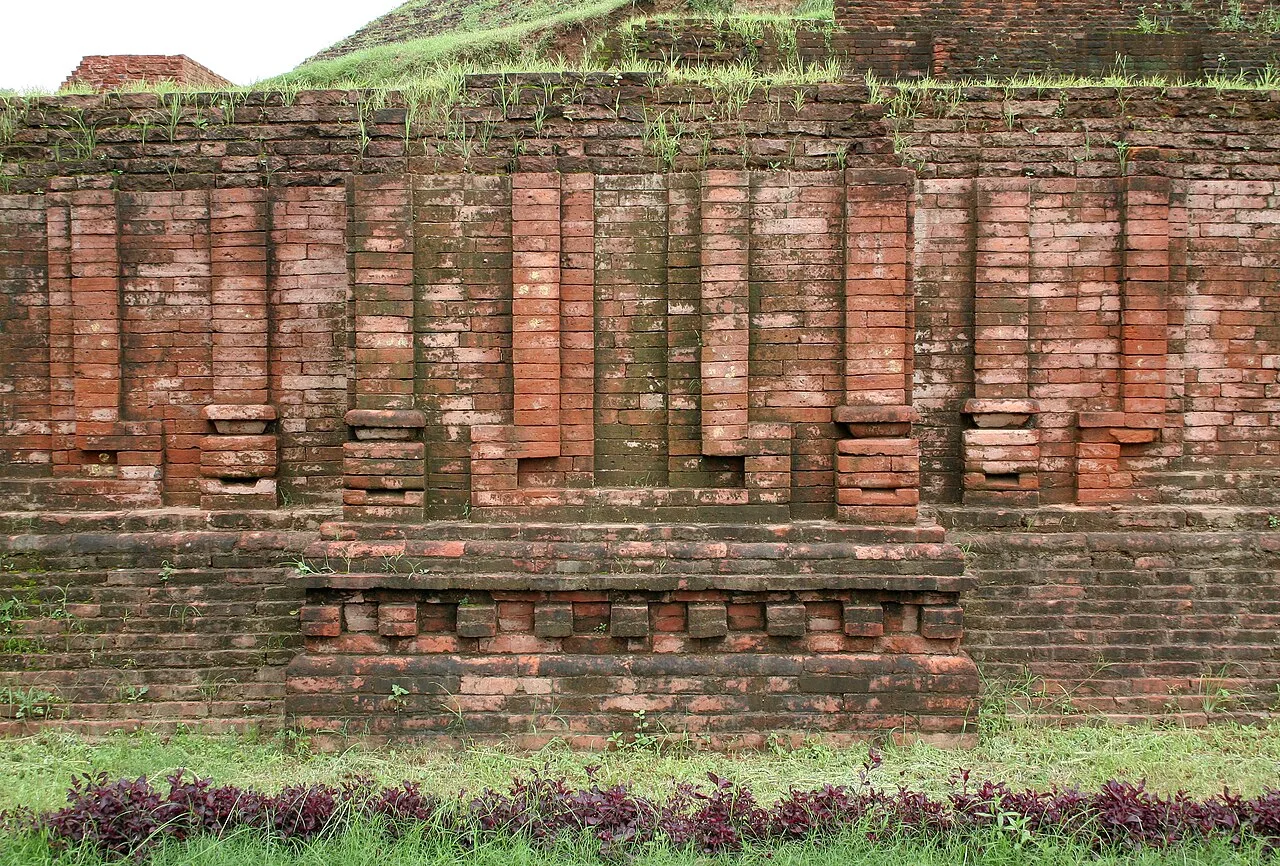
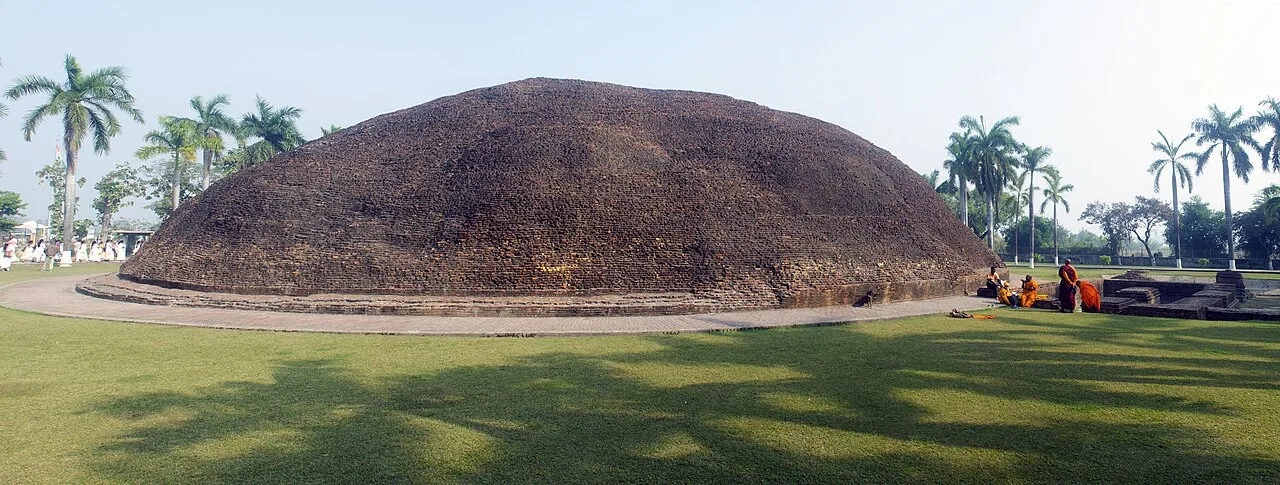
Kushinagar Buddhist Site

60 km away · Kushinagar district

Kushinagar Buddhist Site

The Kushinagar Buddhist Site is a pilgrimage destination associated with Gautama Buddha’s parinirvana. Visitors come to this Uttar Pradesh town because of its importance in Buddhist belief.

Gorakhnath Math

88 km away · Gorakhpur district

Gorakhnath Math

Gorakhnath Math is a Hindu temple and Nath monastic centre in Gorakhpur, Uttar Pradesh. People visit for its religious role and the cultural and social activities held on its premises.

Chandra Prabha Wildlife Sanctuary

90 km away · Chandauli district

Chandra Prabha Wildlife Sanctuary

In Uttar Pradesh’s Chandauli district, Chandraprabha is a wildlife sanctuary in central India. Visitors come to explore the sanctuary, which lies around 70 kilometres from Varanasi.

Chaukhandi Stupa

132 km away · Varanasi district

Chaukhandi Stupa

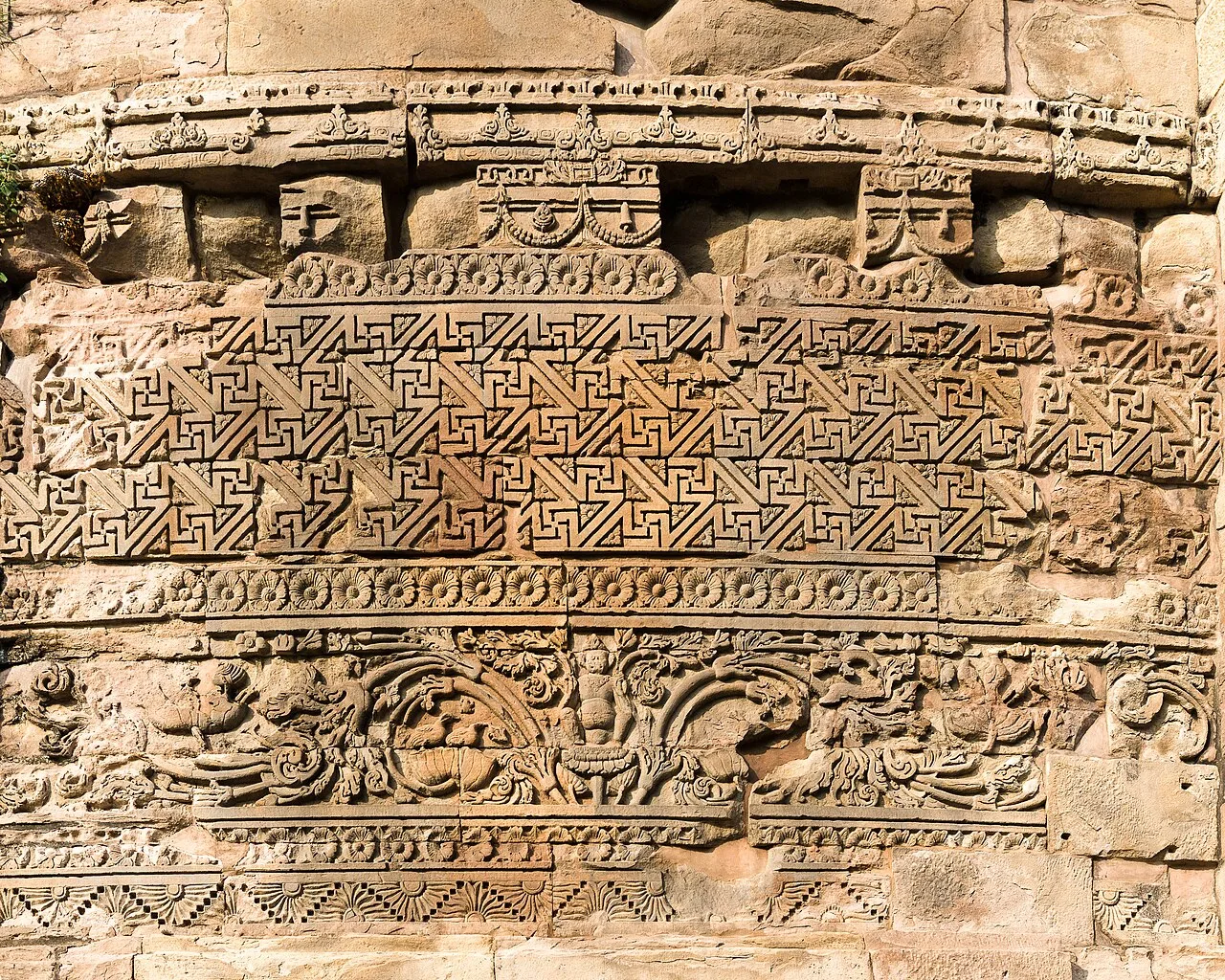
Chaukhandi Stupa is a Buddhist monument at Sarnath in Uttar Pradesh’s Varanasi district. Visitors come to see this nationally important site, recognised by the Archaeological Survey of India in 2019.

Dhamek Stupa

132 km away · Varanasi district

Dhamek Stupa

Dhamek Stupa is a large Buddhist monument at Sarnath in Uttar Pradesh, associated with the Buddha’s first teaching and visited as an important pilgrimage place.

Sarnath Buddhist Site

132 km away · Varanasi district

Sarnath Buddhist Site

Sarnath is a Buddhist pilgrimage town near Varanasi, remembered as the place where Gautama Buddha first taught after his enlightenment. Visitors come to see its important religious and historical associations.

Atala Mosque

137 km away · Jaunpur district

Atala Mosque

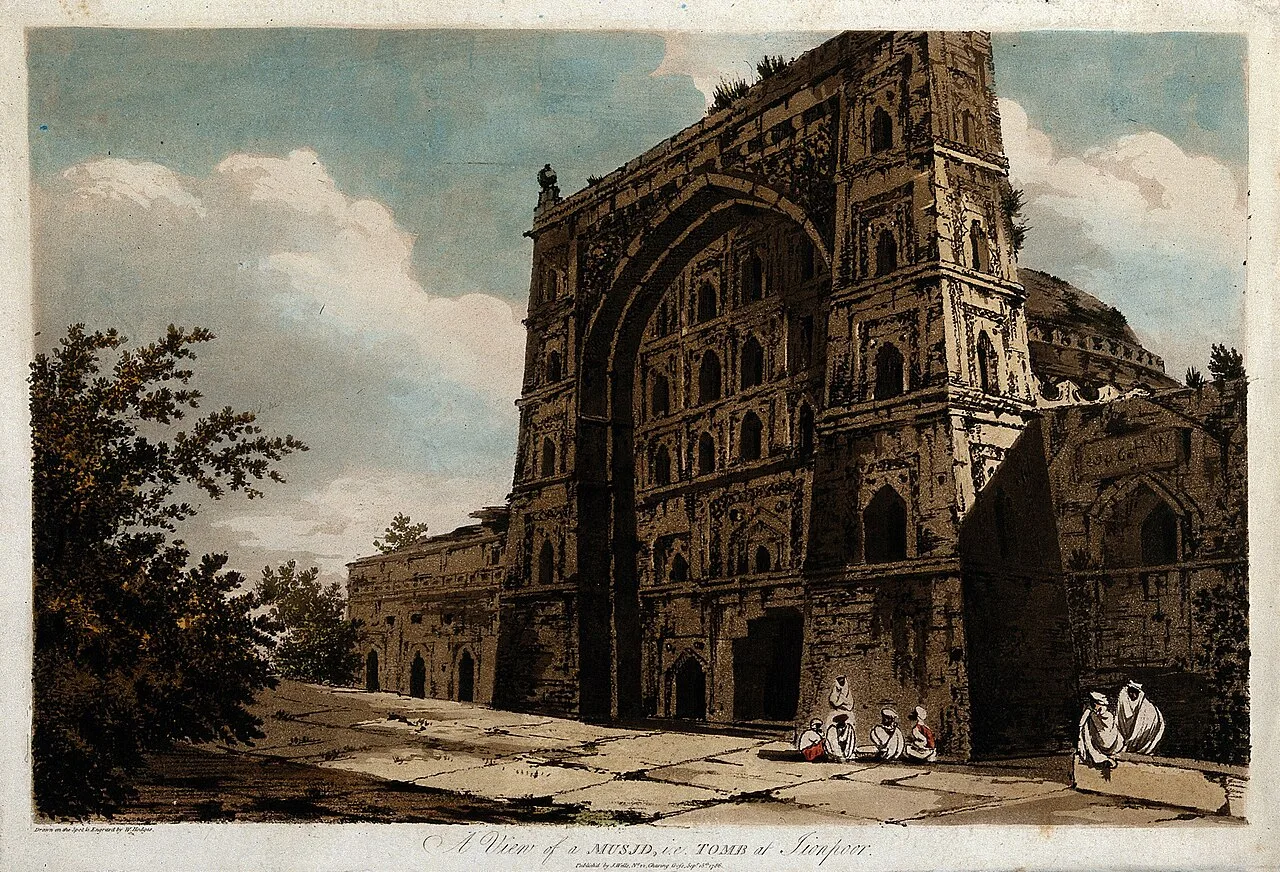
Atala Mosque, a 15th-century place of worship in Jaunpur, Uttar Pradesh, is visited by those wishing to see a historic mosque near the city’s Shahi Qila and Jama Mosque.

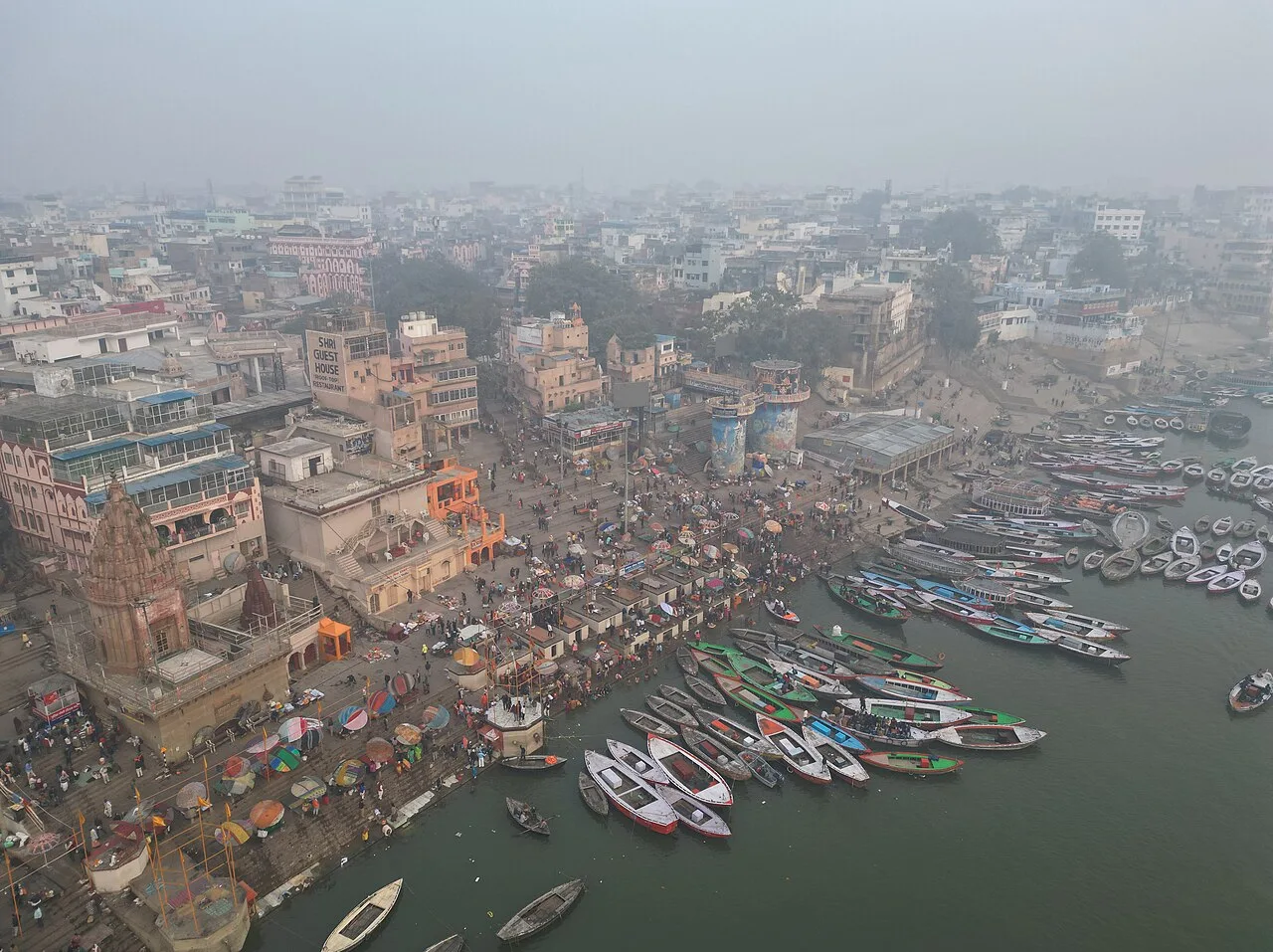
Dashashwamedh Ghat

138 km away · Varanasi district

Dashashwamedh Ghat

A prominent riverside ghat in Varanasi, Dashashwamedh is visited for its connection to Hindu legends and the city’s history, as well as its position beside the Ganges and near Vishwanath Temple.

Map

Lar on the map

  1. 1Kushinagar Buddhist Site
  2. 2Gorakhnath Math
  3. 3Chandra Prabha Wildlife Sanctuary
  4. 4Chaukhandi Stupa
  5. 5Dhamek Stupa
  6. 6Sarnath Buddhist Site
  7. 7Atala Mosque
  8. 8Dashashwamedh Ghat

Uttar Pradesh

Other cities to explore