Ghumoopedia — Explore, Discover, Experience
Sign in
Allahabad Fort, near Phulpur

City guide · Uttar Pradesh

Phulpur

Phulpur is a town in Prayagraj district, Uttar Pradesh, whose national profile is closely tied to Indian parliamentary history. Its name is best known as that of the Lok Sabha constituency from which Jawaharlal Nehru was elected to Parliament.

Famous for

  • Nehru’s Phulpur constituency
  • IFFCO fertilizer complex
  • Regional agricultural trade
  • Prayagraj district connections

Why Phulpur matters

Phulpur is a town in Prayagraj district, Uttar Pradesh, whose national profile is closely tied to Indian parliamentary history. Its name is best known as that of the Lok Sabha constituency from which Jawaharlal Nehru was elected to Parliament. The town also has a seat in the Uttar Pradesh Legislative Assembly, giving it a continuing place in regional and state politics.

Today, Phulpur serves the surrounding rural area with local commerce and everyday services. Agriculture is important to the wider region, while the IFFCO fertilizer complex gives the area a significant industrial presence. Visitors drawn by Phulpur’s political history will find a working town rather than a large sightseeing centre; many combine a visit with time in Prayagraj, the district’s principal city. The town’s value lies in this mix of electoral history, regional connections and agricultural-industrial activity. Its location in the Gangetic plain also makes it a useful base for local travel, though most major cultural and visitor facilities are in Prayagraj.
Famous for: crafts, trade & products

Phulpur is more closely associated with politics, agriculture and industry than with a distinctive handicraft or textile tradition. Its best-known institution is IFFCO’s fertilizer complex, an important part of the area’s industrial identity and its links to farming. The town’s surrounding countryside supports agricultural activity, and local commerce caters to residents and nearby villages.

There is no widely recognised Phulpur-specific GI-tagged product or nationally established craft to seek out. The town market is the practical place to browse for everyday goods and seasonal produce; agricultural inputs are generally available through local dealers. These are useful parts of the local economy, rather than specialist shopping attractions. For a broader range of shops, restaurants and cultural institutions, visitors can look to Prayagraj. IFFCO is an industrial facility, not a conventional visitor attraction, so access should not be assumed. Phulpur’s most distinctive “product” for travellers is its place in the story of India’s parliamentary democracy, particularly its association with Jawaharlal Nehru.

History

Phulpur lies in the historic Allahabad region, whose towns and villages developed amid the agricultural life of the Gangetic plain. Under British rule, the area formed part of Allahabad district and was connected to the wider administration and markets centred on Allahabad. Phulpur’s early local history is less widely documented than that of the nearby city, so its modern political role is the clearest landmark in its public story.

After independence, Phulpur became the name of a Lok Sabha constituency. Jawaharlal Nehru was elected from it in the first general election of 1951–52 and represented it in later elections until his death in 1964. This connection made the town nationally familiar. Phulpur also has a state assembly constituency. In more recent decades, the IFFCO fertilizer complex and the town’s role in serving nearby rural communities have contributed to its regional importance. Allahabad district was renamed Prayagraj district in 2018, placing Phulpur within the present-day district.

Food, festivals & culture

Daily life in Phulpur reflects the customs of the Prayagraj region and the wider Gangetic plain. Hindi is widely used, with Urdu also spoken; local speech carries influences from the surrounding Hindi dialects. Meals commonly include wheat breads, rice, lentils and seasonal vegetables. Kachori, samosa and jalebi are familiar snacks and sweets, though Phulpur is not especially known for a signature dish.

Hindu festivals such as Holi in spring, Navratri in spring and autumn, and Diwali in autumn are observed, alongside Eid celebrations in the Muslim community. Religious calendars also bring local fairs and gatherings in some years. Temples and mosques serve neighbourhood communities, while bhajans, devotional music and folk songs are heard around festivals and family occasions. Rather than a single performance tradition associated specifically with the town, Phulpur’s cultural life is part of the broader mix of religious observances, local gatherings and regional music found across Prayagraj district.

Visiting the city

The cooler months, roughly October to March, are generally the most comfortable for a visit; summers can be very hot and the monsoon brings heavier rain. The nearest airport is Prayagraj Airport at Bamrauli. Phulpur railway station serves the town, while Prayagraj Junction is a larger rail hub with wider connections.

Auto-rickshaws and other local vehicles are useful for getting around town; confirm local transport availability on arrival. The central market and neighbourhood streets offer a sense of everyday life, while the area around the station is practical for arrivals and onward travel. IFFCO is an industrial site, so visitors should not expect public access. Travellers seeking major museums, heritage sites or a broader choice of accommodation can use Prayagraj as a base and visit Phulpur as a regional excursion.

Trips from the city

Nearest places to visit from Phulpur

Our closest destination guides, by straight-line distance.

Allahabad Fort

25 km away · Prayagraj district

Allahabad Fort

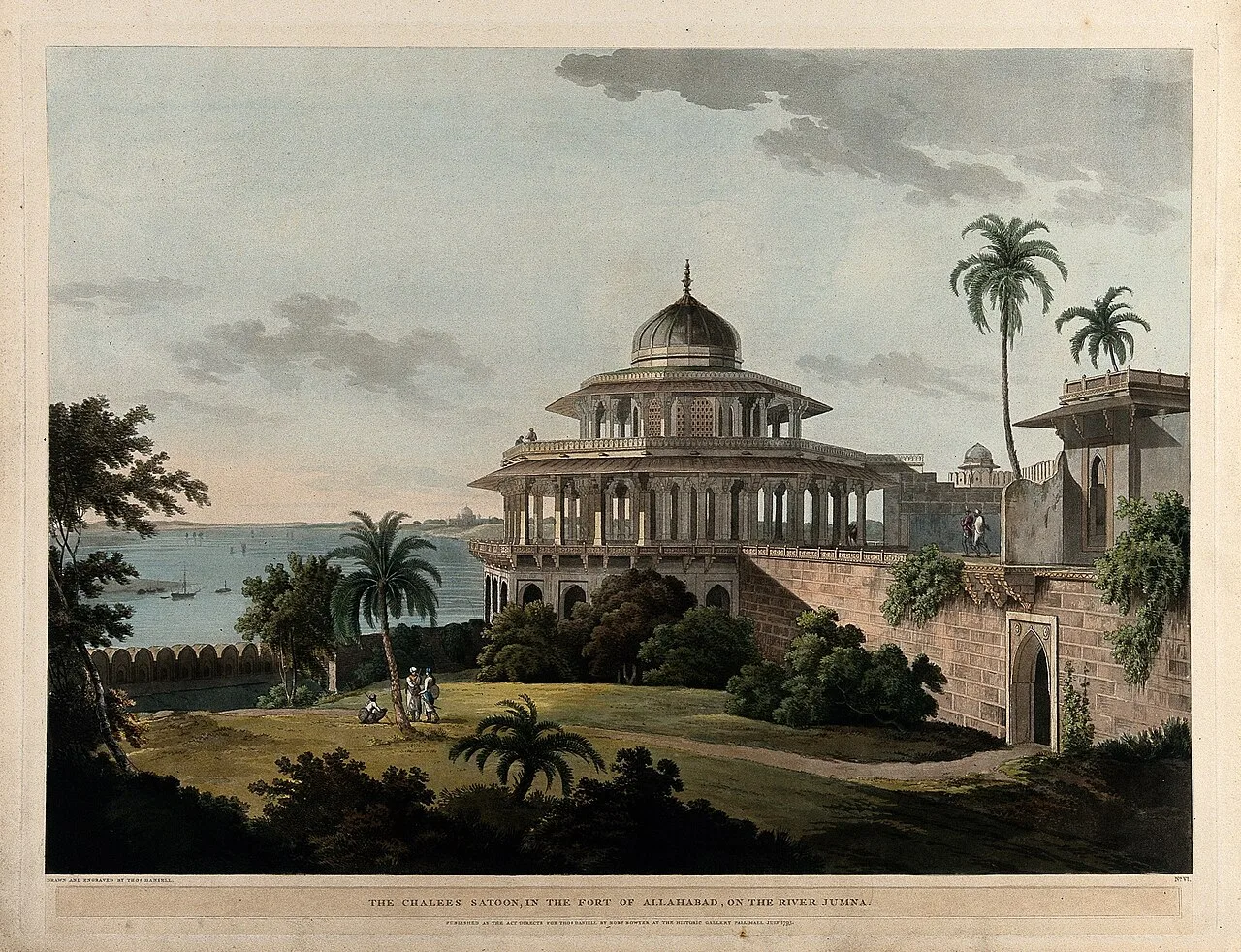
Allahabad Fort is a Mughal-era fort in Prayagraj, built under Akbar in 1583. Visitors can see its riverside setting and a monument recognised for national importance.

Anand Bhavan

25 km away · Prayagraj district

Anand Bhavan

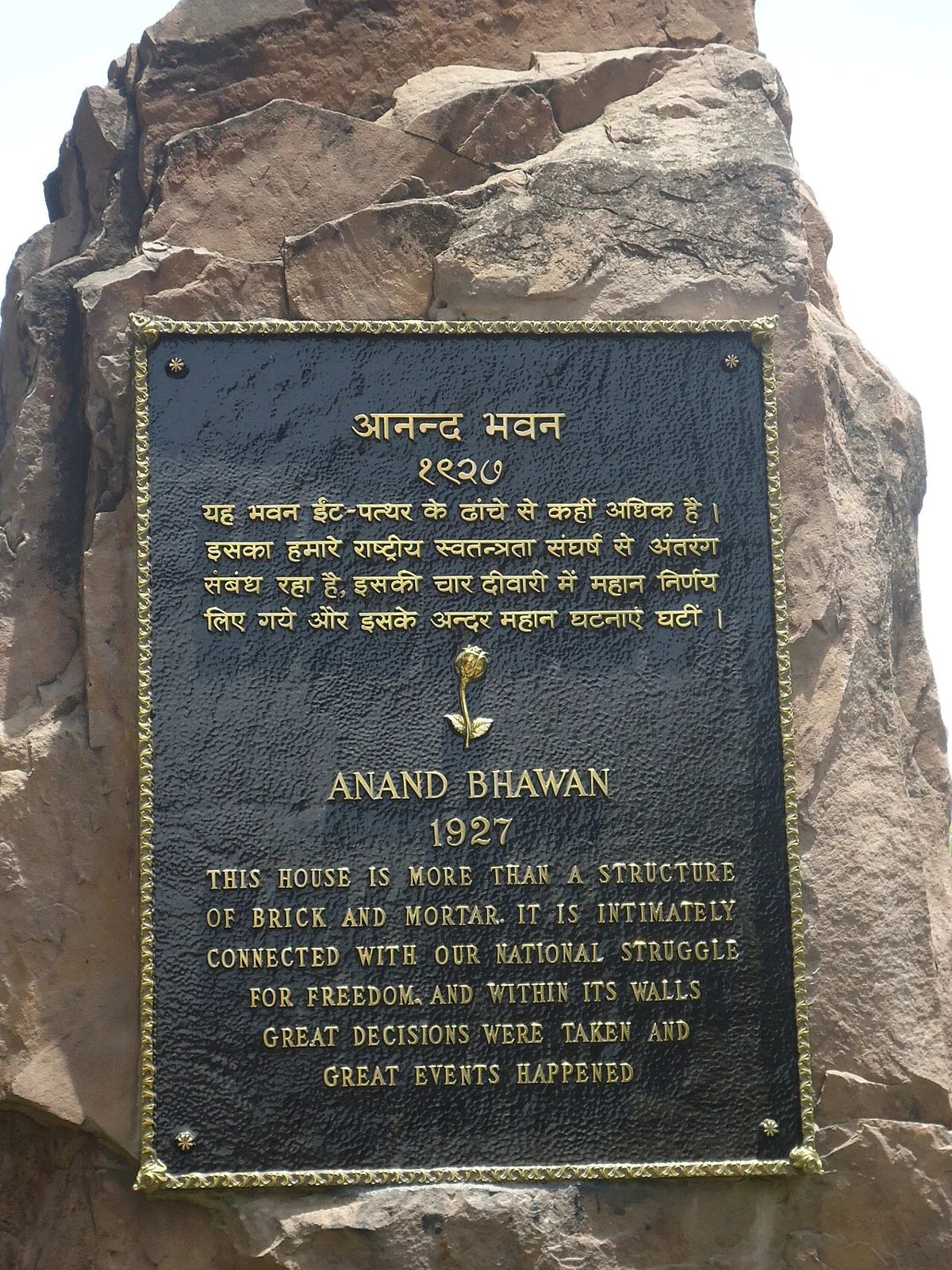
Anand Bhavan is a Nehru family residence in Prayagraj that became a house museum. Visitors come to explore its family history and attend astronomy and science shows at Jawahar Planetarium.

Chandra Shekhar Azad Park

26 km away · Prayagraj district

Chandra Shekhar Azad Park

Chandra Shekhar Azad Park is a 54-hectare public garden in Prayagraj, Uttar Pradesh. Visitors come for its association with revolutionary Chandra Shekhar Azad and the city’s past.

Allahabad Museum

27 km away · Prayagraj district

Allahabad Museum

Set in Prayagraj’s Chandrashekhar Azad Park, the Allahabad Museum is a national-level institution. Visitors come to see its art collections and prehistoric rock paintings, as well as explore its research work.

All Saints Cathedral, Prayagraj

29 km away · Prayagraj district

All Saints Cathedral, Prayagraj

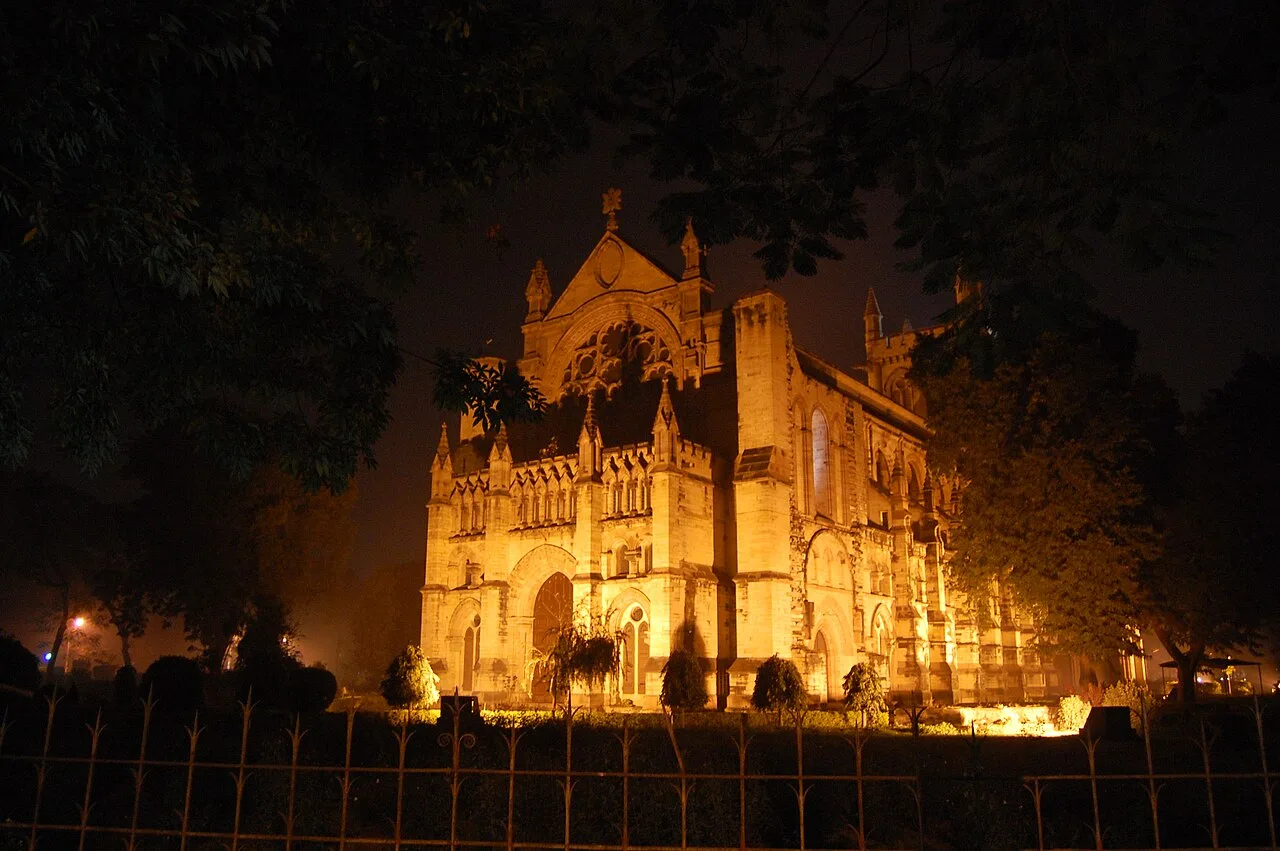
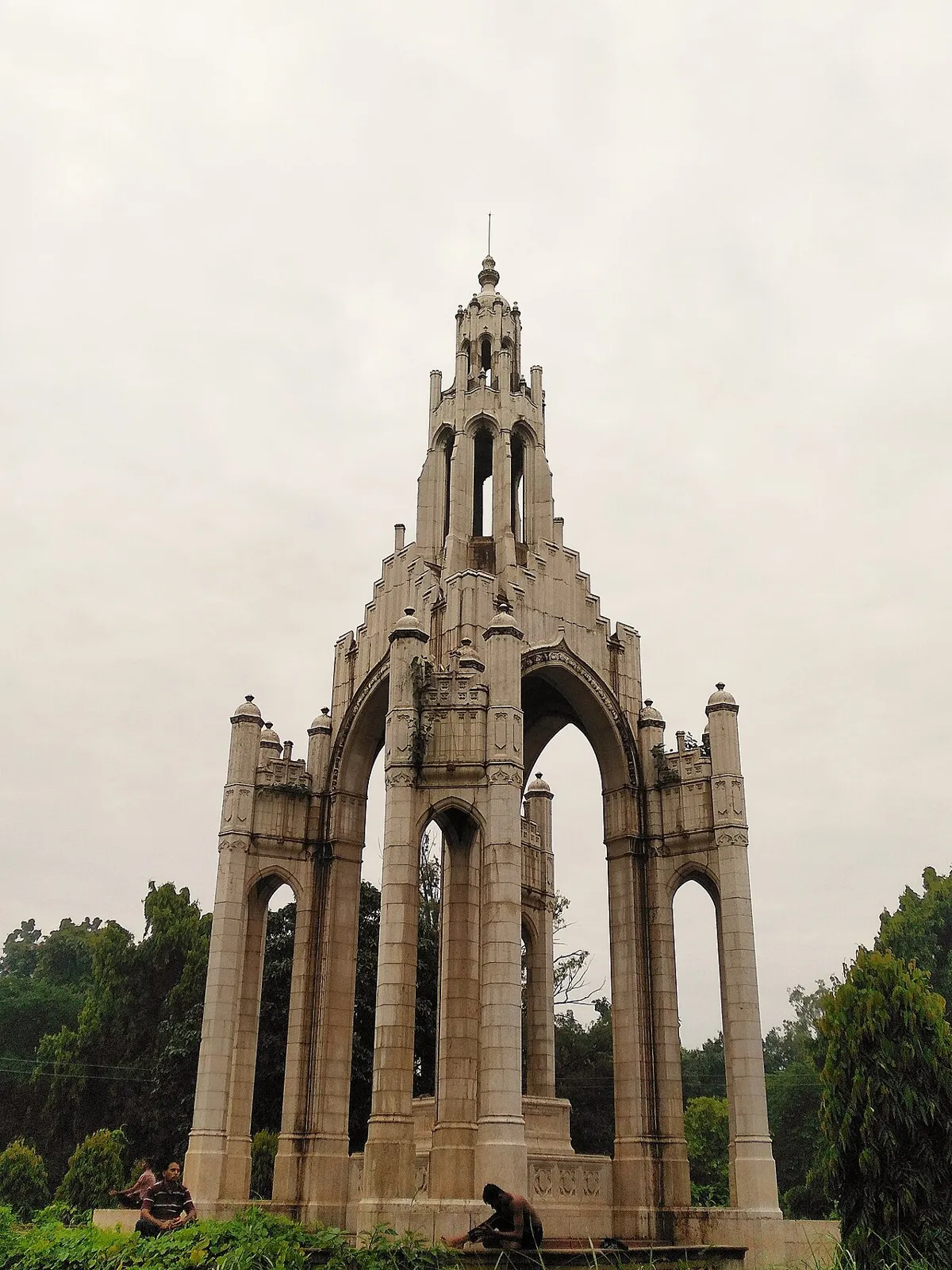
All Saints Cathedral is a Church of North India landmark in Prayagraj, valued for its Gothic Revival architecture and its history as a church designed during British rule.

Khusro Bagh

29 km away · Prayagraj district

Khusro Bagh

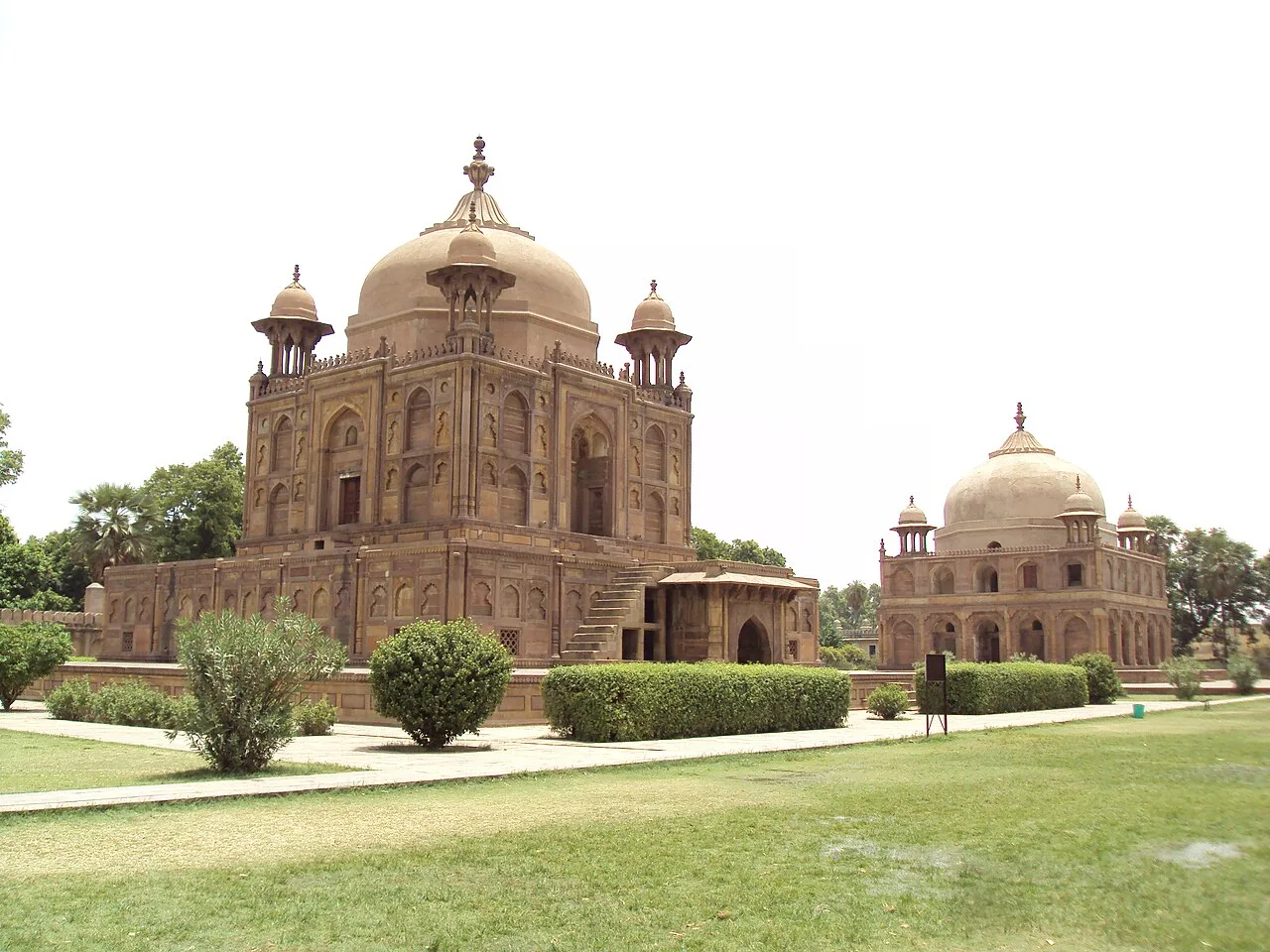
Khusro Bagh is a walled garden and burial complex in Prayagraj. Visitors come to see its four tombs and explore its connections with Jahangir and his family.

Shringverpur

45 km away · Prayagraj district

Shringverpur

The Uttar Pradesh village of Shringverpur is also known as Shringaverpur or Singraur; its alternate names help visitors identify the settlement in references using different spellings.

Vindhyavasini Temple, Vindhyachal

59 km away · Mirzapur district

Vindhyavasini Temple, Vindhyachal

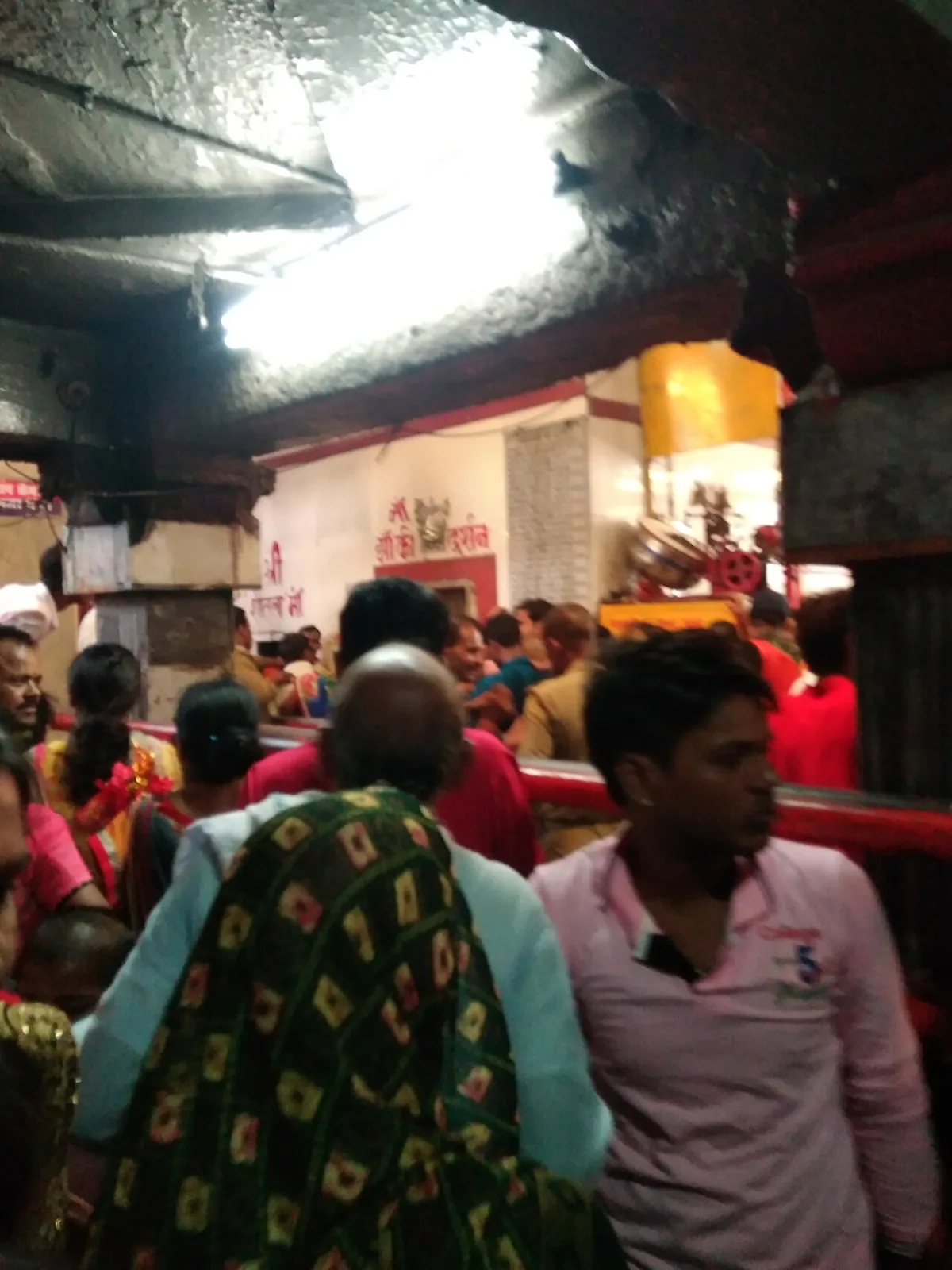
In Vindhyachal, Mirzapur district, Uttar Pradesh, Vindhyavasini Temple is a Hindu pilgrimage destination associated with the goddess Vindhyavasini and her encounter with Mahishasura.

Map

Phulpur on the map

  1. 1Allahabad Fort
  2. 2Anand Bhavan
  3. 3Chandra Shekhar Azad Park
  4. 4Allahabad Museum
  5. 5All Saints Cathedral, Prayagraj
  6. 6Khusro Bagh
  7. 7Shringverpur
  8. 8Vindhyavasini Temple, Vindhyachal

Uttar Pradesh

Other cities to explore