Ghumoopedia — Explore, Discover, Experience
Sign in
Ram Mandir, near Faizabad

City guide · Uttar Pradesh

Faizabad

Faizabad is a historic city on the southern bank of the Saryu River in Uttar Pradesh, closely linked with neighbouring Ayodhya. Together they form a twin-city area, bringing visitors within reach of Ayodhya’s major pilgrimage sites while offering Faizabad’s own quieter streets and Nawabi-era landmarks.

Famous for

  • Gulab Bari complex
  • Bahu Begum’s tomb
  • Nawabi Awadh heritage
  • Saryu river setting
  • Ashfaqulla Khan memorial history

Why Faizabad matters

Faizabad is a historic city on the southern bank of the Saryu River in Uttar Pradesh, closely linked with neighbouring Ayodhya. Together they form a twin-city area, bringing visitors within reach of Ayodhya’s major pilgrimage sites while offering Faizabad’s own quieter streets and Nawabi-era landmarks. The city is part of Ayodhya district and is administered by Ayodhya Municipal Corporation.

Faizabad was the first capital of Awadh and is best known for monuments associated with its Nawabs and the women of the royal court. Gulab Bari, set within a walled garden, and the tomb of Bahu Begum in Jawaharbagh are central stops for visitors interested in architecture and regional history. The city also has a place in India’s freedom movement: revolutionary Ashfaqulla Khan was imprisoned and executed here. Today, Faizabad serves as an urban centre for nearby communities and as a useful base for exploring the wider Ayodhya area, where pilgrimage, local markets and the Saryu’s riverfront shape the visitor experience.
Famous for: crafts, trade & products

Faizabad is better known for its historic architecture and regional markets than for a signature textile, handicraft or industrial product. It is not a major, widely recognised centre for a particular saree tradition or GI-tagged craft. Visitors looking for everyday shopping can browse the central bazaars, including the Chowk area and market streets around Rikabganj and Naka. Shops there serve local residents and pilgrims with clothing, household goods, पूजा items, snacks and sweets.

The city’s food shops and small retailers reflect the broader Awadh region, with prepared foods, savouries and traditional sweets among the familiar purchases. For specialist crafts or a wider selection of pilgrimage goods, visitors can also explore markets in neighbouring Ayodhya. It is worth asking shopkeepers about the origin of handmade items rather than assuming they are locally produced. Faizabad’s most distinctive “product” for cultural visitors is its built heritage: Gulab Bari and the tomb of Bahu Begum offer a more compelling connection to the city’s past than a concentrated craft or factory district.

History

Faizabad grew under the Nawabs of Awadh. In the early eighteenth century, governor Saadat Khan established a hunting lodge and gardens near Ayodhya; the name Faizabad came into use during the rule of his successor, Safdar Jang. Nawab Shuja-ud-daula made the city his principal residence after his defeat at Buxar in 1764 and expanded its fortifications and settlement. His wife, Bahu Begum, became an influential figure here, and her tomb and Gulab Bari remain prominent reminders of the court’s presence.

In 1775, Shuja-ud-daula’s successor, Asaf-ud-daula, moved the Awadh capital to Lucknow, beginning Faizabad’s gradual loss of political importance. The British annexed Awadh in 1856, and the city saw events during the 1857 uprising. Joint municipal administration for Faizabad and Ayodhya began in 1865. In the twentieth century, Faizabad was associated with freedom fighter Ashfaqulla Khan, who was executed in the local jail in 1927. In 2018, the district and division names changed from Faizabad to Ayodhya.

Food, festivals & culture

Faizabad shares the food traditions of Awadh and eastern Uttar Pradesh. Local eateries serve familiar regional dishes such as kebabs, biryani, kachori and seasonal snacks; sweet shops offer jalebi and other milk-based or syrup sweets. Recipes and menus vary from one shop to another, so the city is best approached as part of a broader regional food trail rather than as the source of a single celebrated dish.

Hindi and Awadhi are widely heard, while Urdu is also part of the area’s linguistic and literary life. Hindu festivals such as Ram Navami, Dussehra and Diwali bring devotional gatherings and seasonal activity; Eid and Muharram are important occasions for Muslim communities, following the Islamic lunar calendar. Bhajans and other devotional music are common around religious observances, alongside the region’s varied folk and classical influences. Faizabad has neighbourhood temples and mosques, while major pilgrimage destinations including Ram Janmabhoomi and Hanuman Garhi are in neighbouring Ayodhya. Gulab Bari and Bahu Begum’s tomb are heritage sites rather than active places of worship.

Visiting the city

October to March is generally the most comfortable period to visit, with cooler weather for walking around the historic sites. Summers can be very hot, while the monsoon brings rain and humid conditions. The nearest airport is Maharishi Valmiki International Airport, Ayodhyadham, in Ayodhya. The main rail stop serving Faizabad is Ayodhya Cantt, formerly known as Faizabad Junction; Ayodhya Dham Junction is another station in the adjoining city.

Auto-rickshaws, e-rickshaws and taxis are useful for getting between the railway station, bazaars and monuments. Chowk and Rikabganj are practical areas to explore for shops and everyday city life. Allow time for Gulab Bari and Jawaharbagh, where Bahu Begum’s tomb stands, and consider combining Faizabad’s heritage with the temples and riverfront around Ayodhya. Check current local access arrangements before setting out for individual sites.

Trips from the city

Nearest places to visit from Faizabad

Our closest destination guides, by straight-line distance.

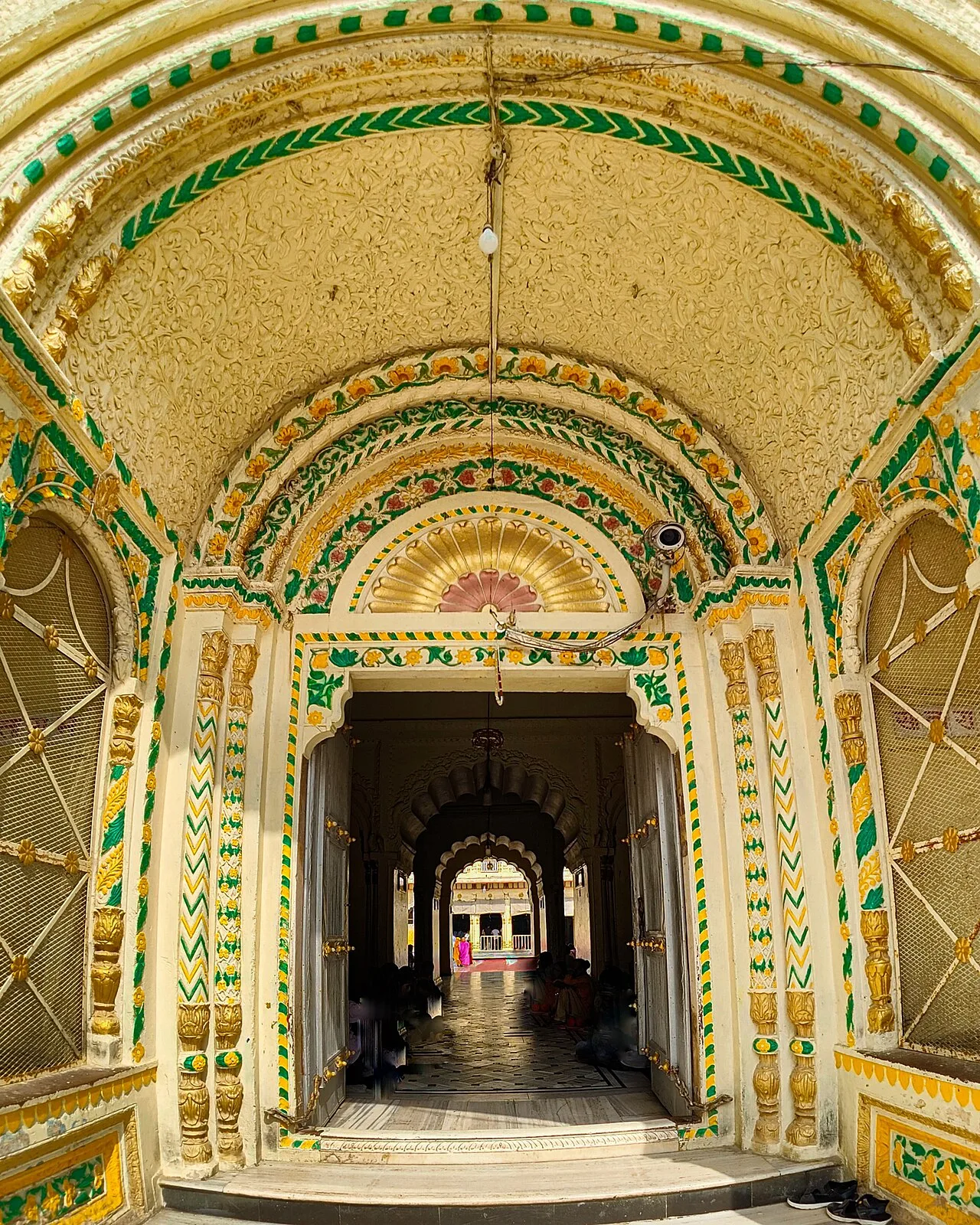
Ram Mandir

5 km away · Ayodhya district

Ram Mandir

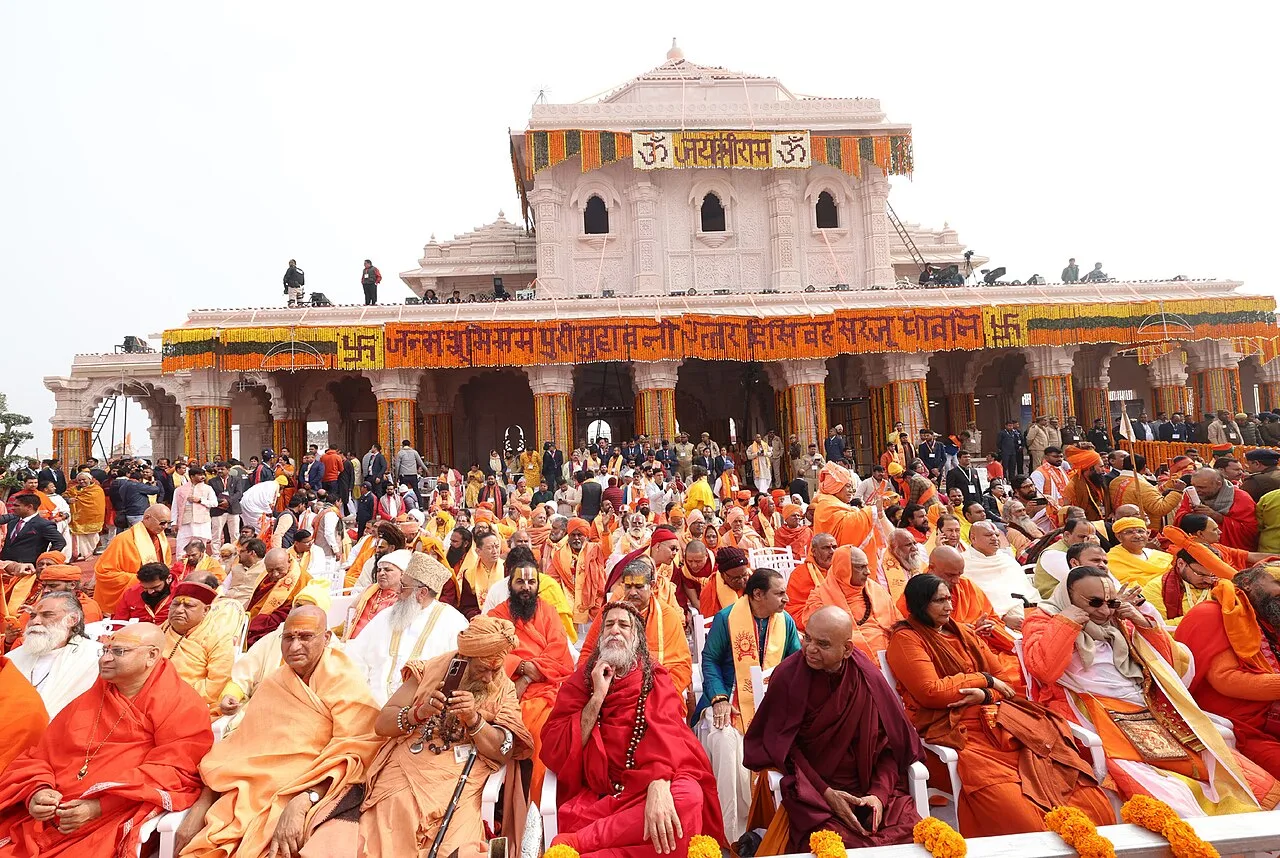
Ram Mandir is a Hindu temple complex in Ayodhya, Uttar Pradesh. Visitors come to worship at a place many Hindus regard as the birthplace of Rama.

Ayodhya Old Town

6 km away · Ayodhya district

Ayodhya Old Town

Ayodhya Old Town is the historic centre of a city in Uttar Pradesh, associated with early Buddhist and Jain traditions and the Hindu epic Ramayana. Visitors come chiefly for its religious importance and links to Rama.

Hanuman Garhi

6 km away · Ayodhya district

Hanuman Garhi

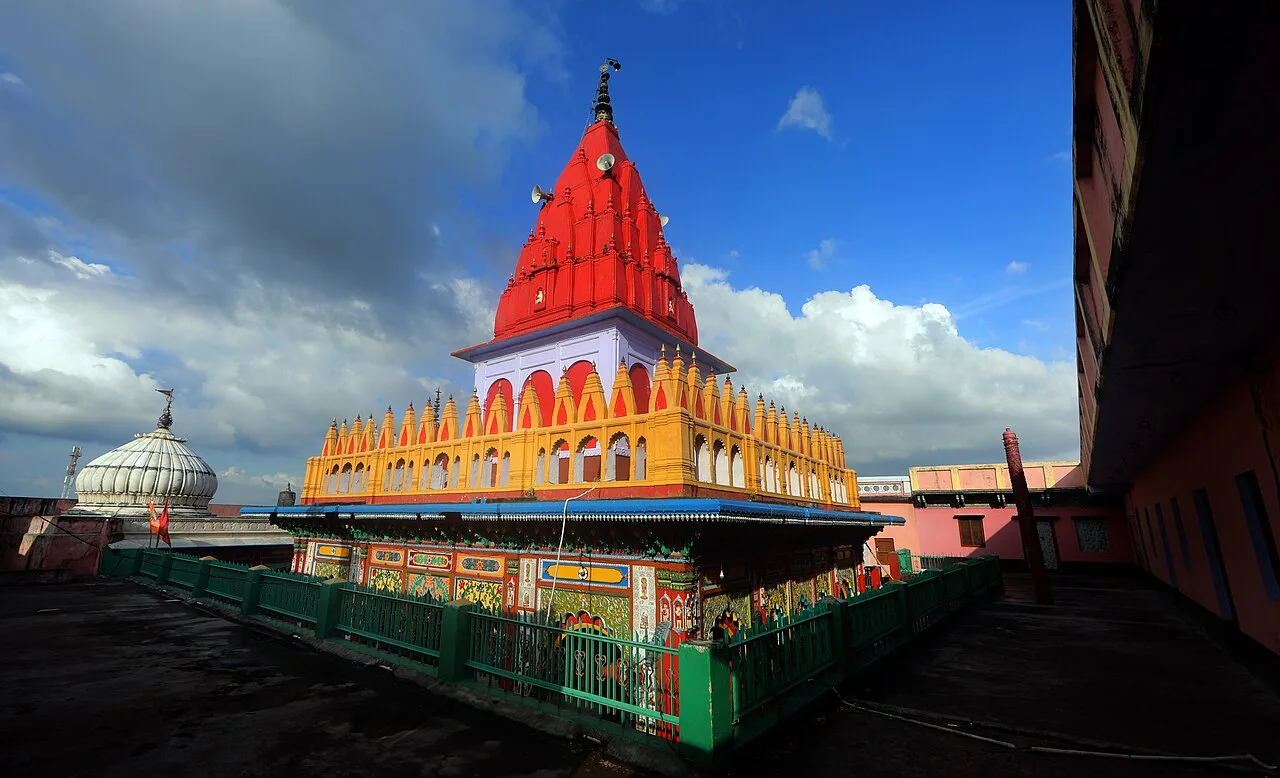
Hanuman Garhi is a Hindu shrine to Hanuman in Ayodhya, Uttar Pradesh. People visit to worship there, and it is counted among the city’s important temples.

Kanak Bhawan

6 km away · Ayodhya district

Kanak Bhawan

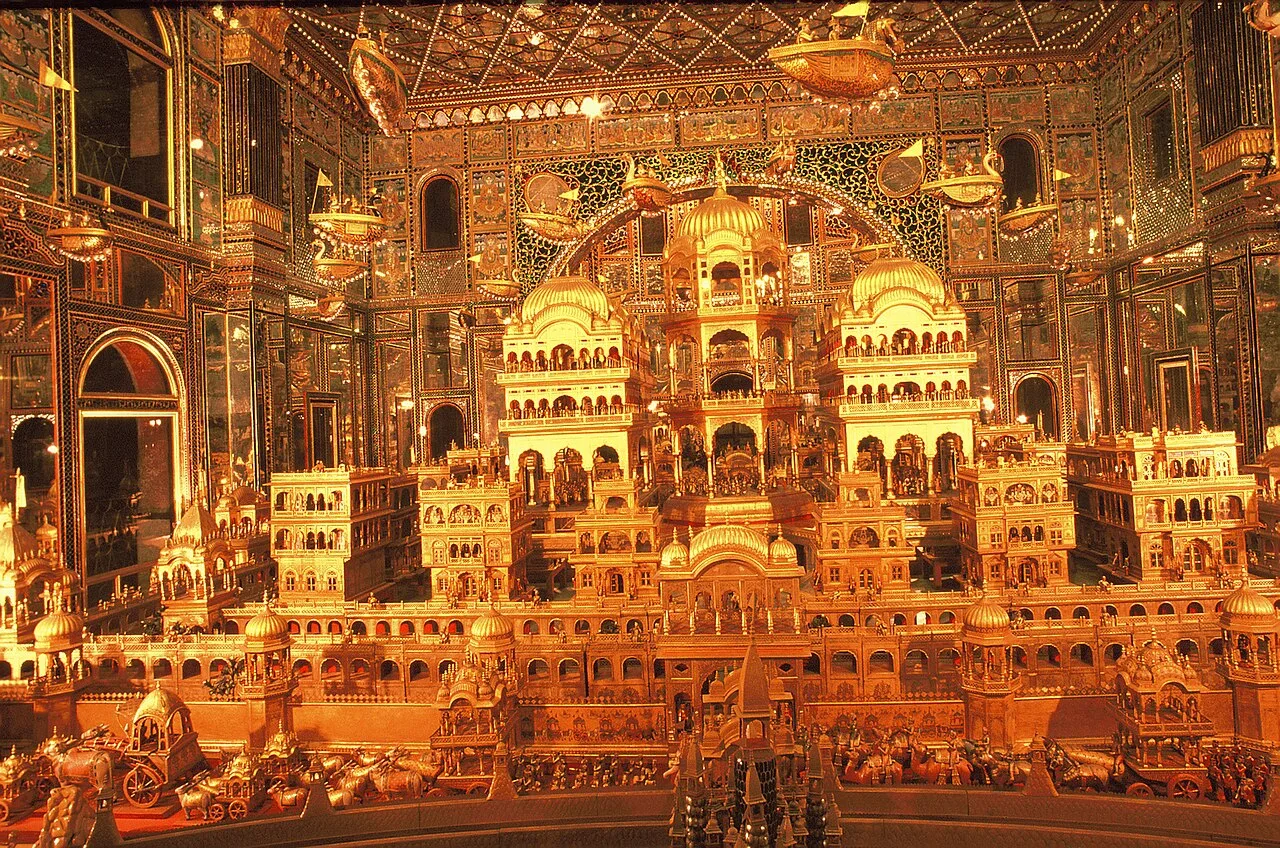
Kanak Bhawan is an Ayodhya temple linked to the stories of Rama and Sita, whose images are enshrined there. Visitors come to see the shrine and learn its traditional history.

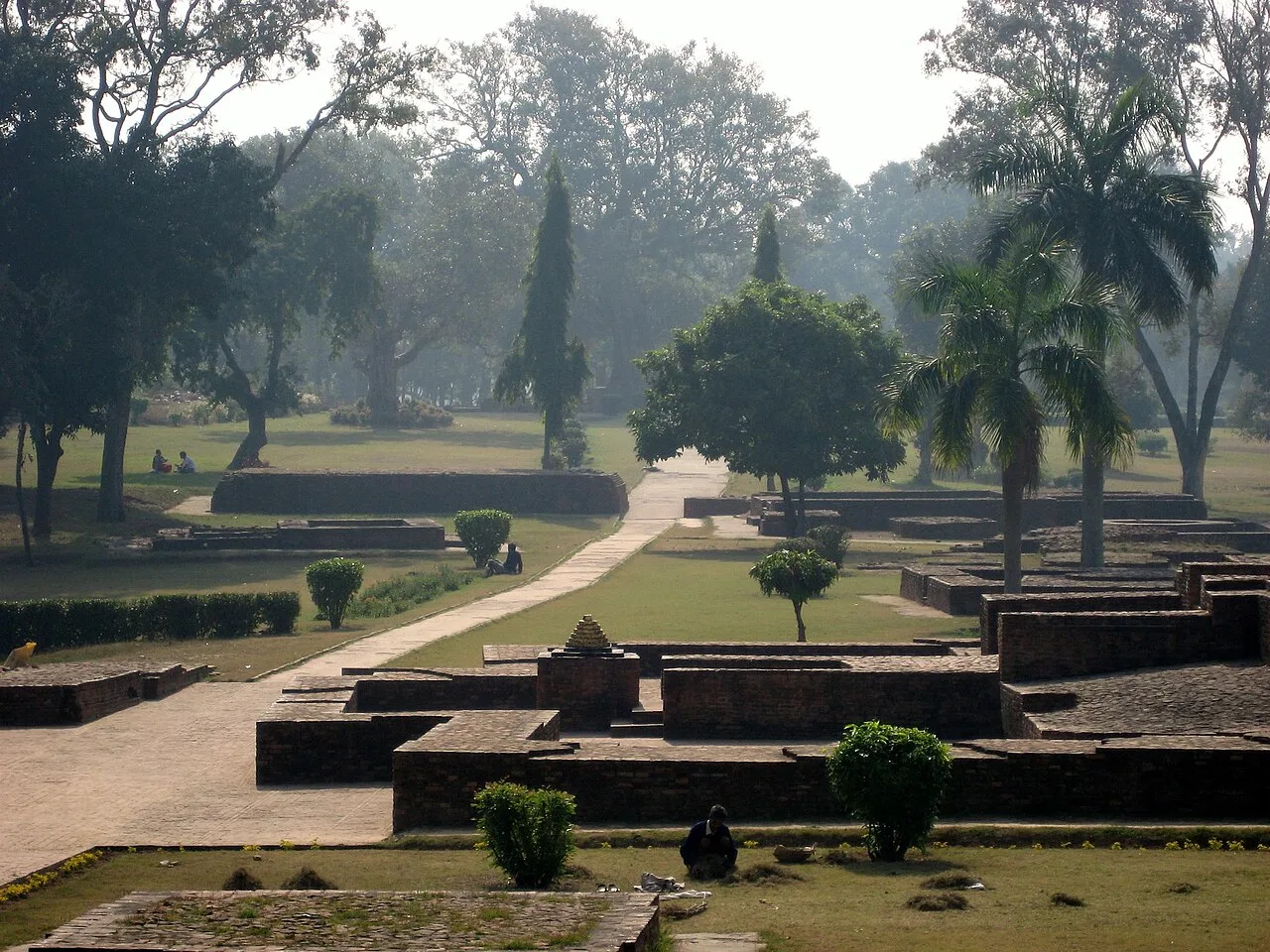
Jetavana

82 km away · Shravasti district

Jetavana

Jetavana is a Buddhist monastic site near ancient Savatthi, in Uttar Pradesh’s Shravasti district. Visitors explore its close association with the Buddha, who stayed there and delivered many teachings.

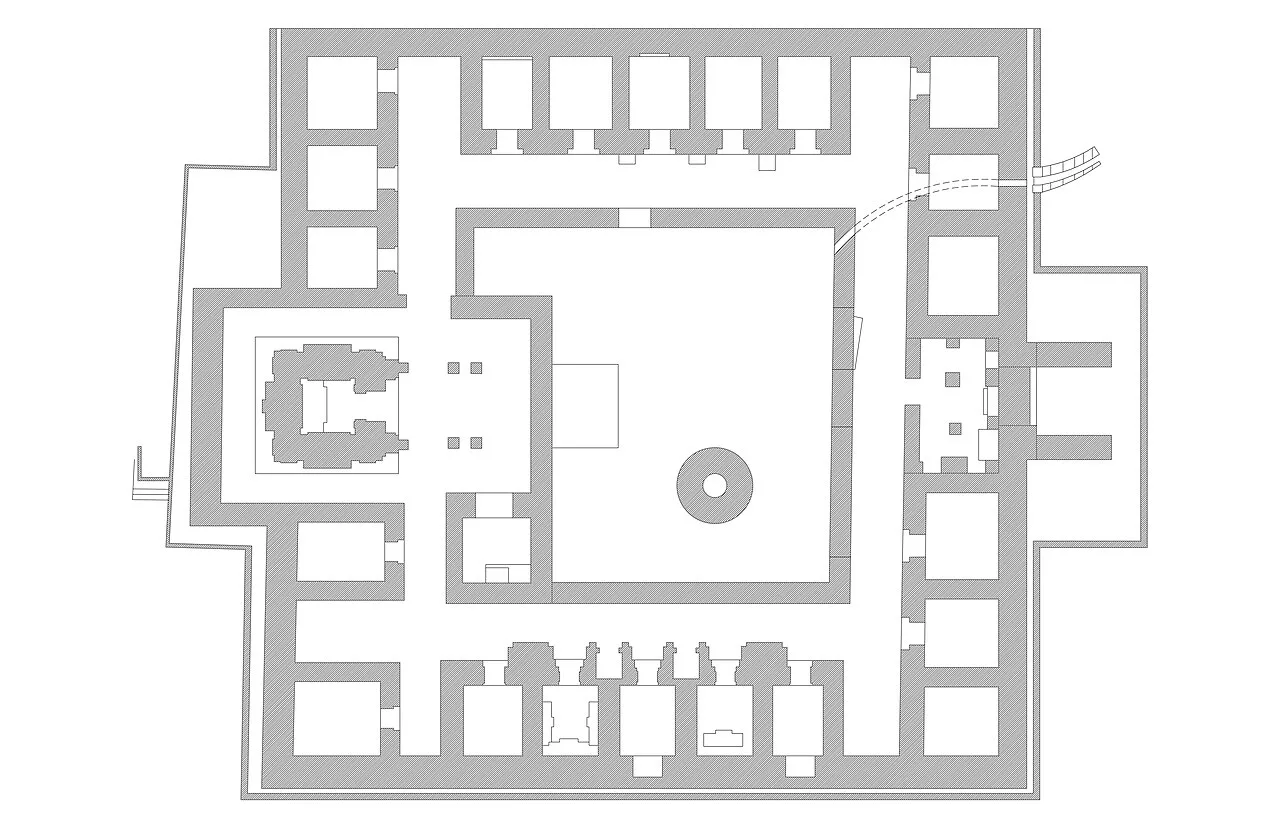
Shravasti Buddhist Site

83 km away · Shravasti district

Shravasti Buddhist Site

Shravasti is an ancient town and Buddhist archaeological site in Uttar Pradesh, known for its links to the Buddha’s teachings, disciples and miracles, as well as its importance to other religions.

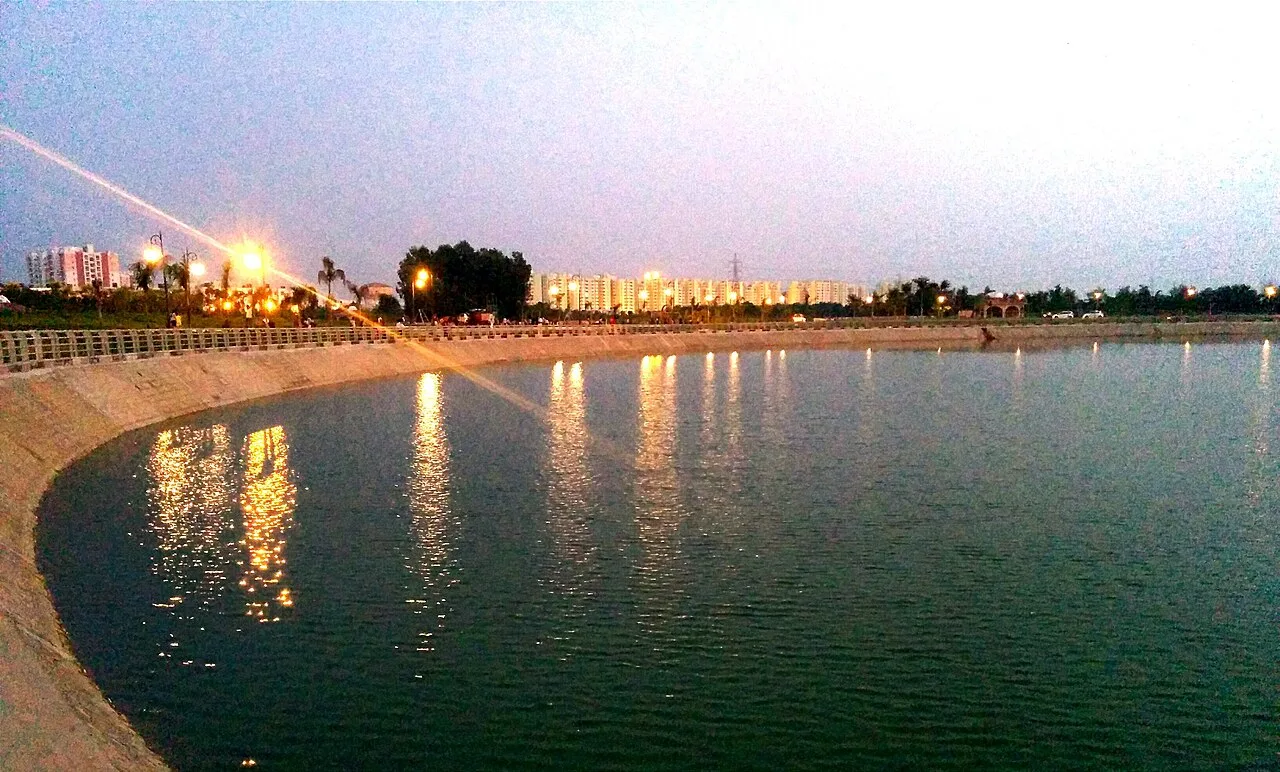
Janeshwar Mishra Park

115 km away · Lucknow district

Janeshwar Mishra Park

Located in Gomti Nagar, Lucknow, Janeshwar Mishra Park is a vast urban green space named for Samajwadi Party politician Janeshwar Mishra; visitors come to spend time in this city park.

Samaspur Bird Sanctuary

115 km away · Raebareli district

Samaspur Bird Sanctuary

In Uttar Pradesh’s Raebareli district, Samaspur is a wetland reserve where visitors can see resident birds, long-distance migrants and a variety of fish.

Map

Faizabad on the map

  1. 1Ram Mandir
  2. 2Ayodhya Old Town
  3. 3Hanuman Garhi
  4. 4Kanak Bhawan
  5. 5Jetavana
  6. 6Shravasti Buddhist Site
  7. 7Janeshwar Mishra Park
  8. 8Samaspur Bird Sanctuary

Uttar Pradesh

Other cities to explore