Ghumoopedia — Explore, Discover, Experience
Sign in

City guide · Uttar Pradesh

Soron

Soron is a pilgrimage town in Kasganj district, best known for its association with Varaha, the boar incarnation of Vishnu. The town is identified with ancient Sūkarakṣetra, a sacred landscape celebrated in the Varaha Purana.

Famous for

  • Varaha pilgrimage tradition
  • Sita-Ram temple
  • Budhi Ganga
  • Tulsidas birthplace tradition

Why Soron matters

Soron is a pilgrimage town in Kasganj district, best known for its association with Varaha, the boar incarnation of Vishnu. The town is identified with ancient Sūkarakṣetra, a sacred landscape celebrated in the Varaha Purana. Pilgrims come to visit its temples and bathing places, while the old religious traditions give Soron a place in the wider network of sacred towns across northern Uttar Pradesh.

The Budhi Ganga, a former course of the Ganges, runs by Soron; the river’s main channel shifted away in the late seventeenth century. This landscape helps explain the town’s enduring importance in pilgrimage accounts. The Sita-Ram temple stands at a site with earlier construction dating to around the ninth or tenth century. Soron is also associated with Bhakti poet Tulsidas, regarded locally as a native of the town. Today, its significance is chiefly devotional and historical: visitors come for worship, local pilgrimage customs and a glimpse of a town shaped by river geography and sacred memory.
Famous for: crafts, trade & products

Soron is not widely identified with a signature textile, handicraft or GI-tagged product. Its local trade is closely tied to pilgrimage and everyday needs rather than to a specialist export industry. In the town’s bazaar, visitors can look for पूजा items such as flowers, incense, lamps and other offerings, along with devotional pictures, household goods and snacks. Availability varies, and these are ordinary market purchases rather than products unique to Soron.

The temple quarter and market streets are the most practical places to browse for religious supplies and locally sold goods. Small shops serve residents as well as pilgrims, especially around busy worship periods. Soron does not have a widely documented craft district or a major institution devoted to textiles or manufacturing, so visitors seeking regional crafts may find a broader selection in larger nearby centres such as Kasganj. For a visit to Soron, the town’s principal draw is its sacred-site heritage—not shopping for a particular product. Ask shopkeepers about locally made items, but treat claims of a distinctive Soron craft or GI product with care.

History

Soron’s older names include Sūkara, Sūkarakṣetra and Sūkaratīrtha, reflecting its association with Varaha and the sacred place where he is said to have defeated the demon Hiranyaksha. The Varaha Purana’s Sūkarakṣetra-Māhātmya celebrates the town’s pilgrimage significance. Soron stood beside the Budhi Ganga, which remained the main course of the Ganges until the river shifted away in the late seventeenth century.

In 1648, the future Mewar ruler Raj Singh I visited Soron on pilgrimage. He later commissioned an illustrated manuscript of the town’s sacred text, completed in 1655 and painted by the miniaturist Sahibdin. The present Sita-Ram temple occupies a site with earlier construction dating to around the ninth or tenth century. Soron later formed part of the Etah district’s administrative landscape; Kasganj district was created in 2008 from several former Etah subdivisions. The town’s modern role remains centred on local services, temples and pilgrimage rather than large-scale industry.

Food, festivals & culture

Soron’s culture is shaped by Hindu pilgrimage and temple worship. The Varaha tradition is central to its religious identity, and the town’s Sita-Ram temple is another important place of devotion. Pilgrims visit sacred sites and bathing places by the Budhi Ganga. The town observes major Hindu festivals such as Diwali, Holi, Ram Navami and Janmashtami; Kartik-season observances are especially fitting to its pilgrimage character, though local programmes can vary from year to year.

Hindi is the main language of everyday life, with regional speech reflecting the western Uttar Pradesh setting. Bhajans, kirtan and devotional recitation are natural parts of worship and festival gatherings. Soron does not have a widely established, distinct cuisine known beyond the region. Visitors will generally encounter familiar North Indian food, including vegetarian meals, fried breads, snacks and sweets sold in local eateries and markets. During busy religious periods, food offerings and simple vegetarian fare are commonly associated with temple visits. Customs and crowd levels depend on the festival calendar.

Visiting the city

October to March is generally the most comfortable season for exploring Soron; summers can be very hot, while monsoon rain may affect travel. Bareilly Airport is a nearby airport option, but check current flight connections and road transfers before planning. Soron Shukar Kshetra is the town’s railway station; Kasganj Junction is a nearby rail hub with broader regional connections.

Auto-rickshaws and local taxis are useful for short journeys, while the temple area, market streets and Budhi Ganga-side pilgrimage places can be explored on foot. Allow time for the Sita-Ram temple and the older religious quarter. Soron is also a convenient base for a short visit from Kasganj, though transport frequency can vary. During festival periods, expect busier approaches to worship sites and allow extra time for local movement.

Trips from the city

Nearest places to visit from Soron

Our closest destination guides, by straight-line distance.

Chini Ka Rauza

104 km away · Agra district

Chini Ka Rauza

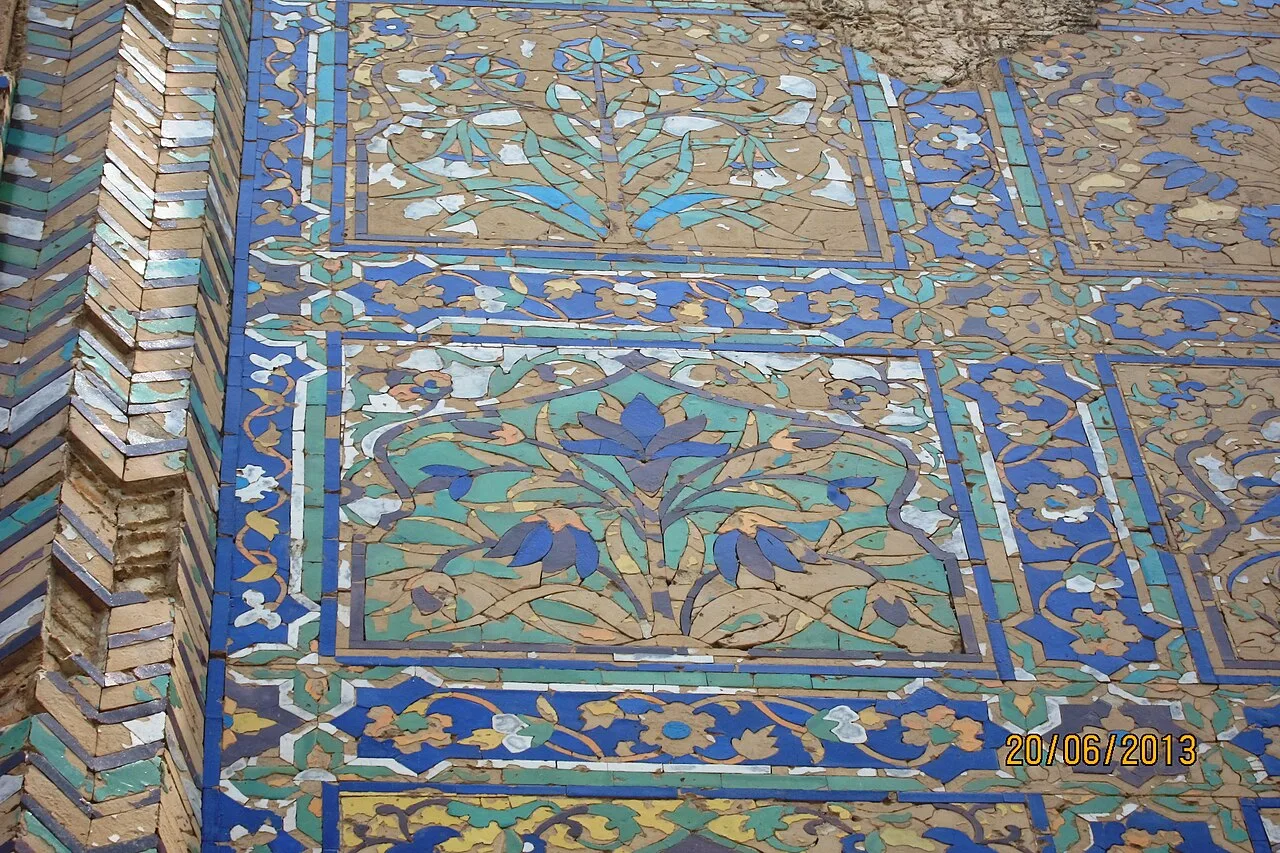
Chini Ka Rauza is a funerary monument in Agra, built in 1635 for Afzal Khan Shirazi, a scholar, poet and Shah Jahan’s grand vizier. Visitors come to see its glazed tiles and learn about its history.

Itmad Ud Daulah

105 km away · Agra district

Itmad Ud Daulah

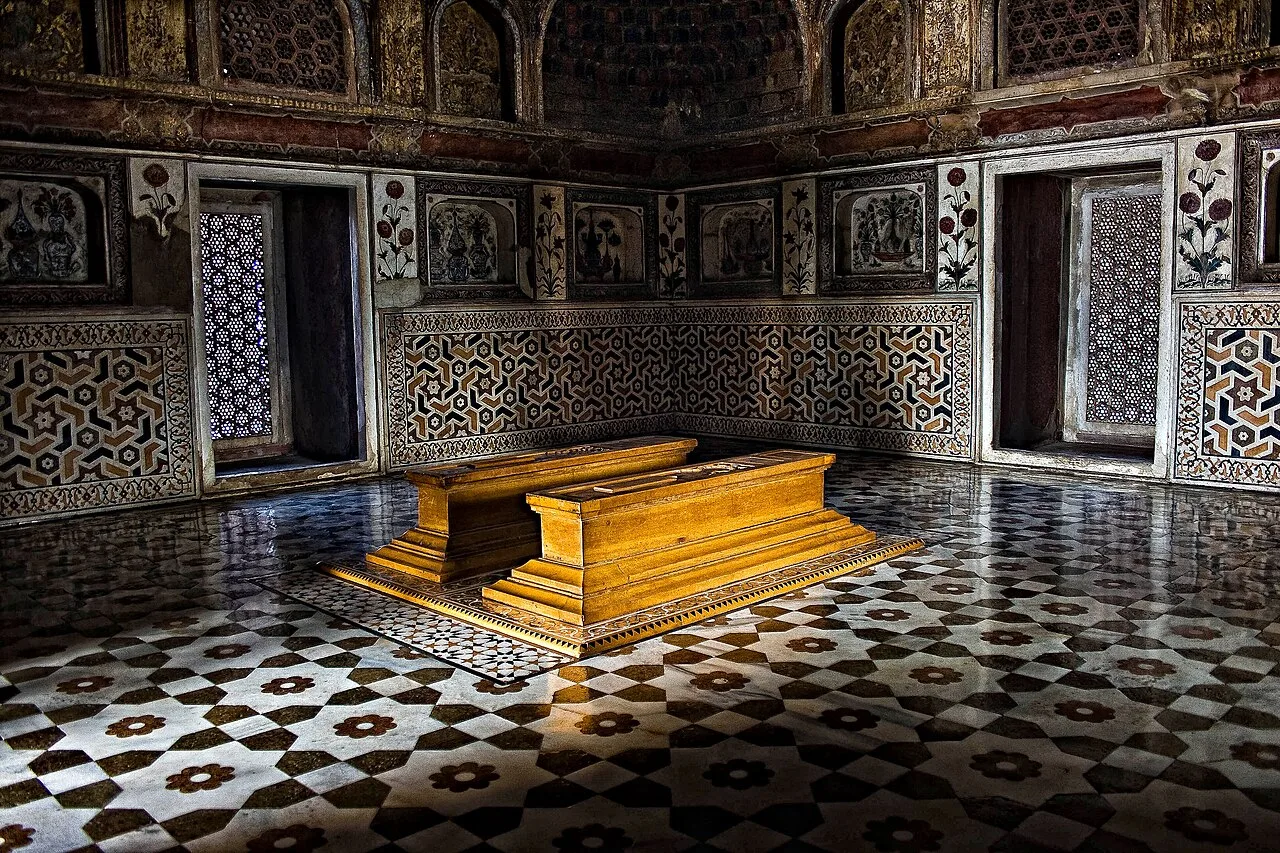
A Mughal marble mausoleum in Agra, Itmad Ud Daulah attracts visitors for its garden setting, intricate decoration and place in the evolution of Mughal architecture.

Mehtab Bagh

105 km away · Agra district

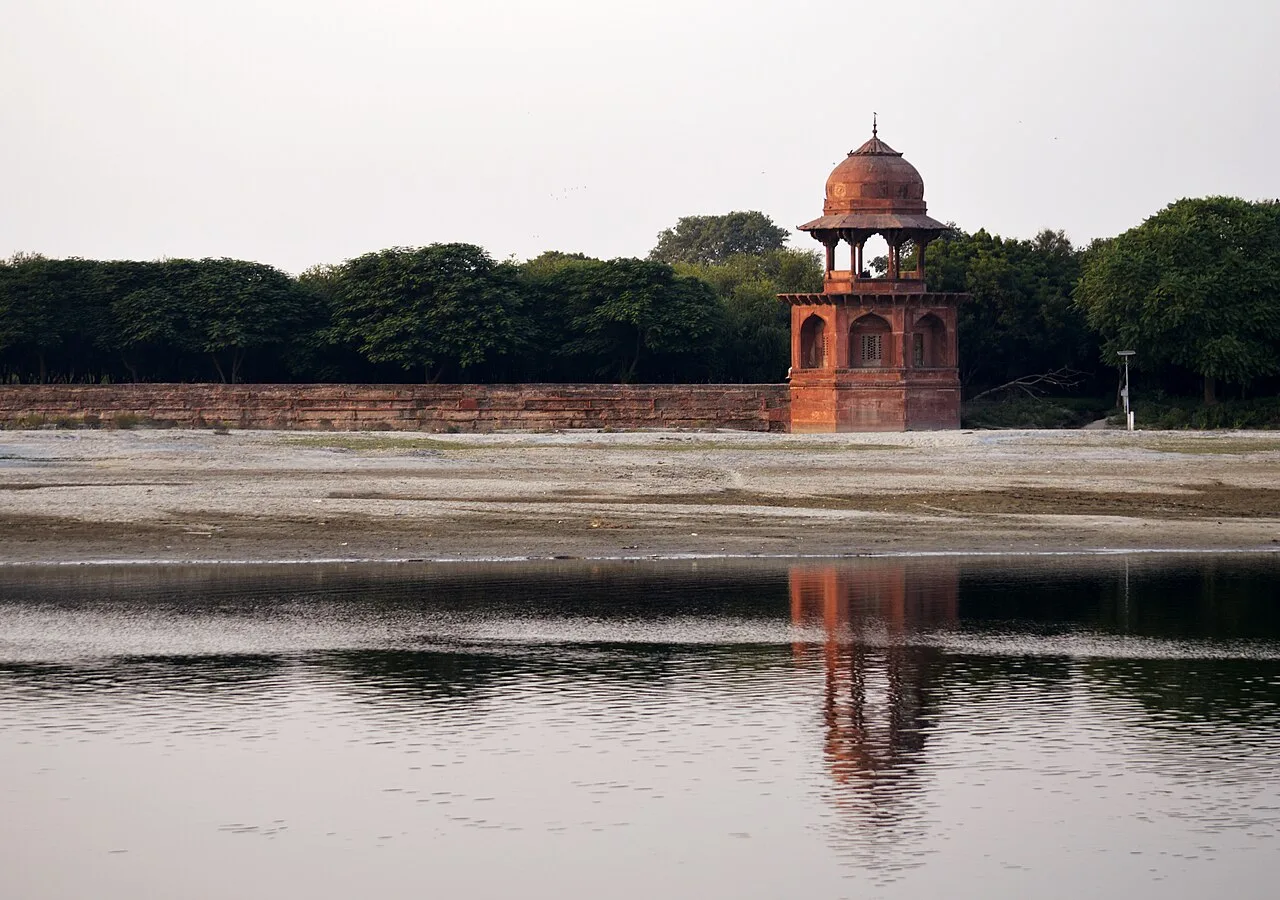
Mehtab Bagh

Mehtab Bagh is a square charbagh garden in Agra, Uttar Pradesh, across the Yamuna from the Taj Mahal. Visitors come to see its carefully aligned setting opposite the monument.

Rampur Raza Library

106 km away · Rampur district

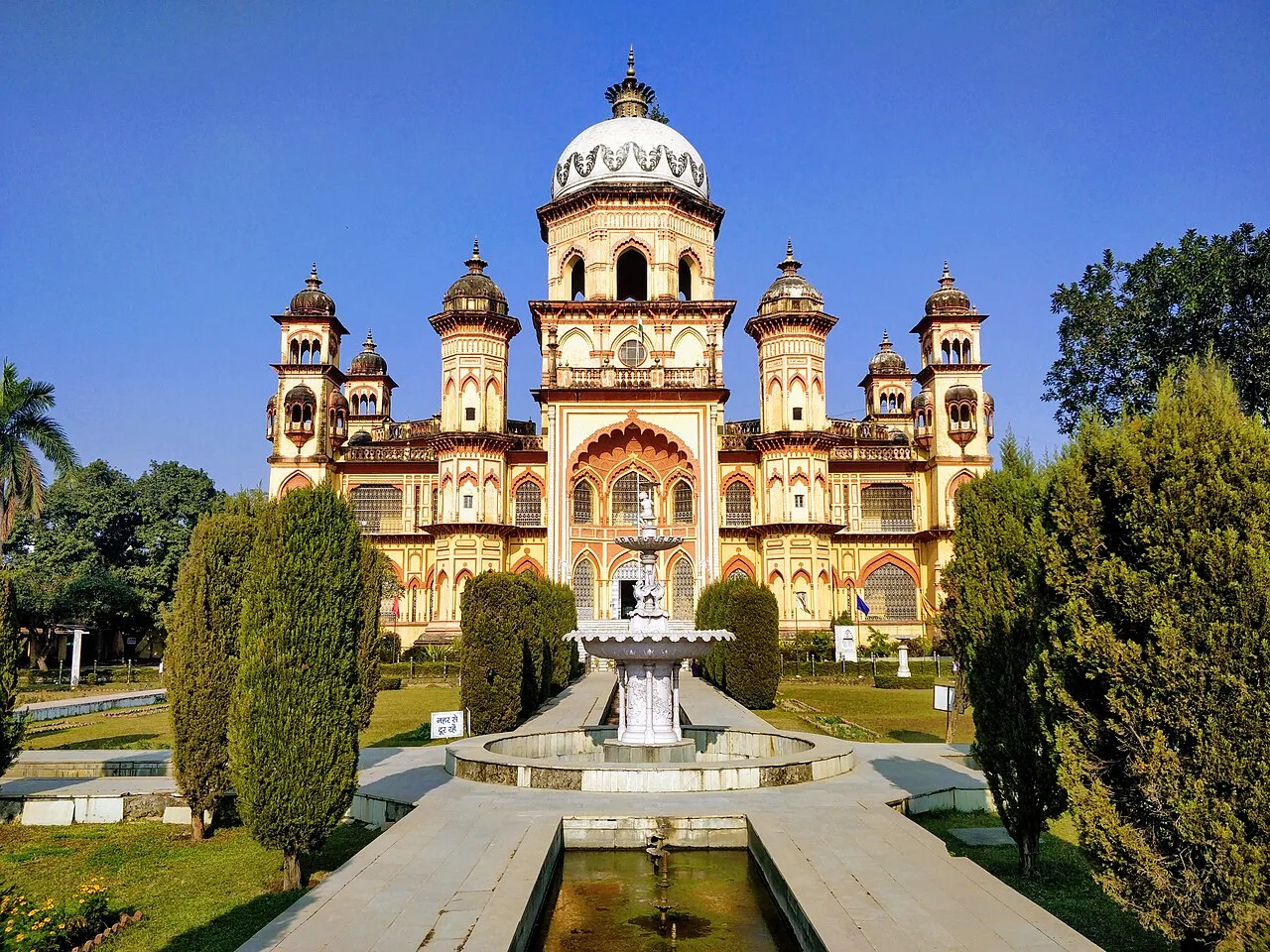
Rampur Raza Library

In Rampur, Uttar Pradesh, the Rampur Raza Library preserves Indo-Islamic cultural heritage dating to the late eighteenth century. Visitors come to see its manuscripts, artworks, historical records and varied printed collection.

Taj Mahal

106 km away · Agra district

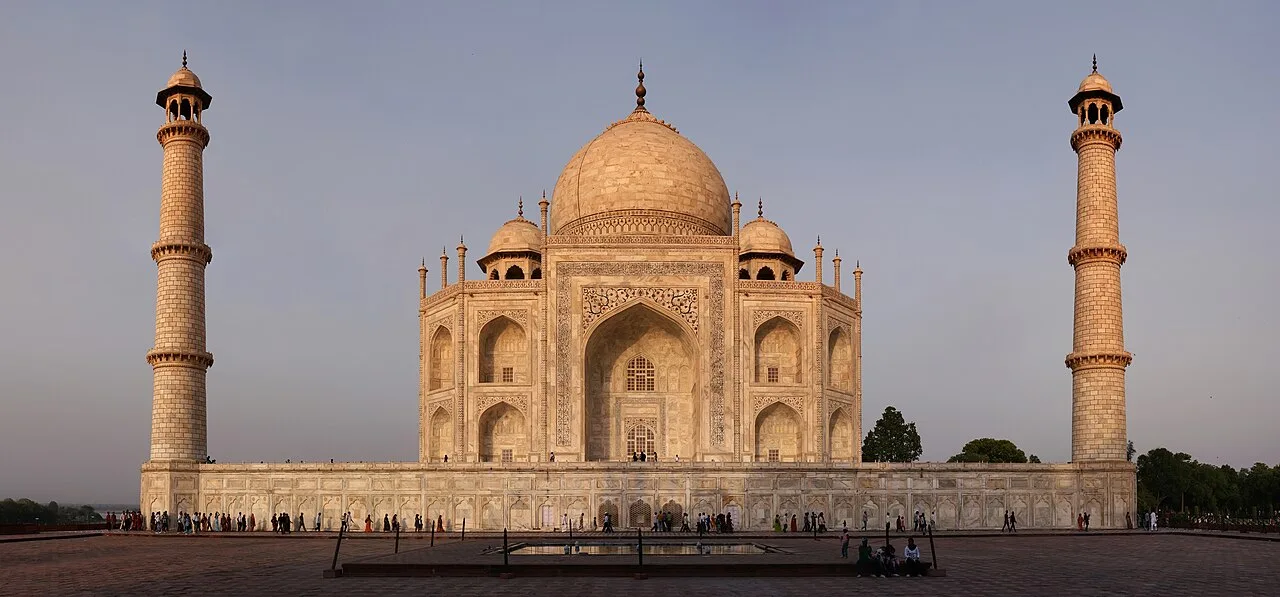
Taj Mahal

The Taj Mahal is a marble tomb complex in Agra, built for Mumtaz Mahal and Shah Jahan. Visitors come to see its Mughal architecture, gardens and memorials.

Agra Fort

107 km away · Agra district

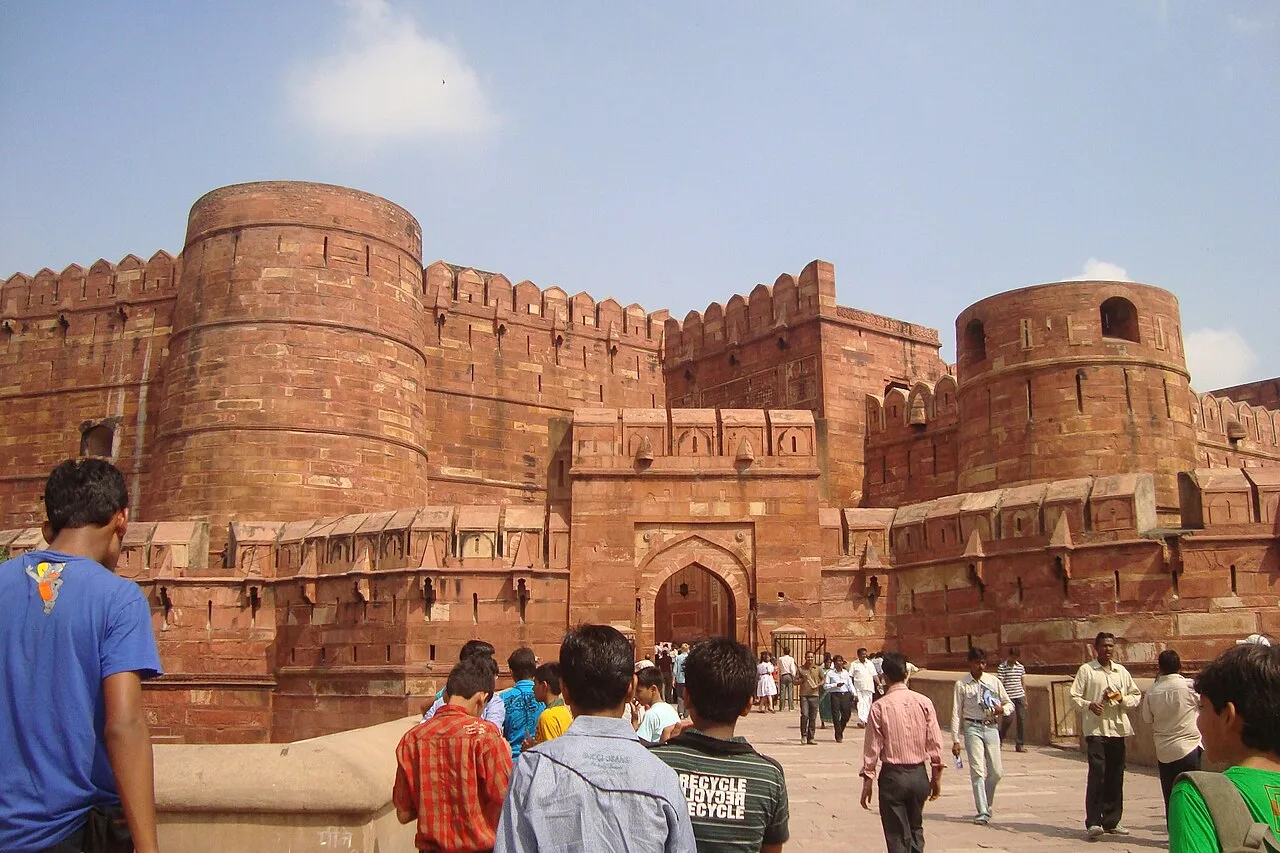
Agra Fort

Agra Fort is a major Mughal-era stronghold in Agra, rebuilt by Akbar and later expanded by Shah Jahan. Visitors come to see its palaces, mosques and historic gateways.

Jama Masjid, Agra

107 km away · Agra district

Jama Masjid, Agra

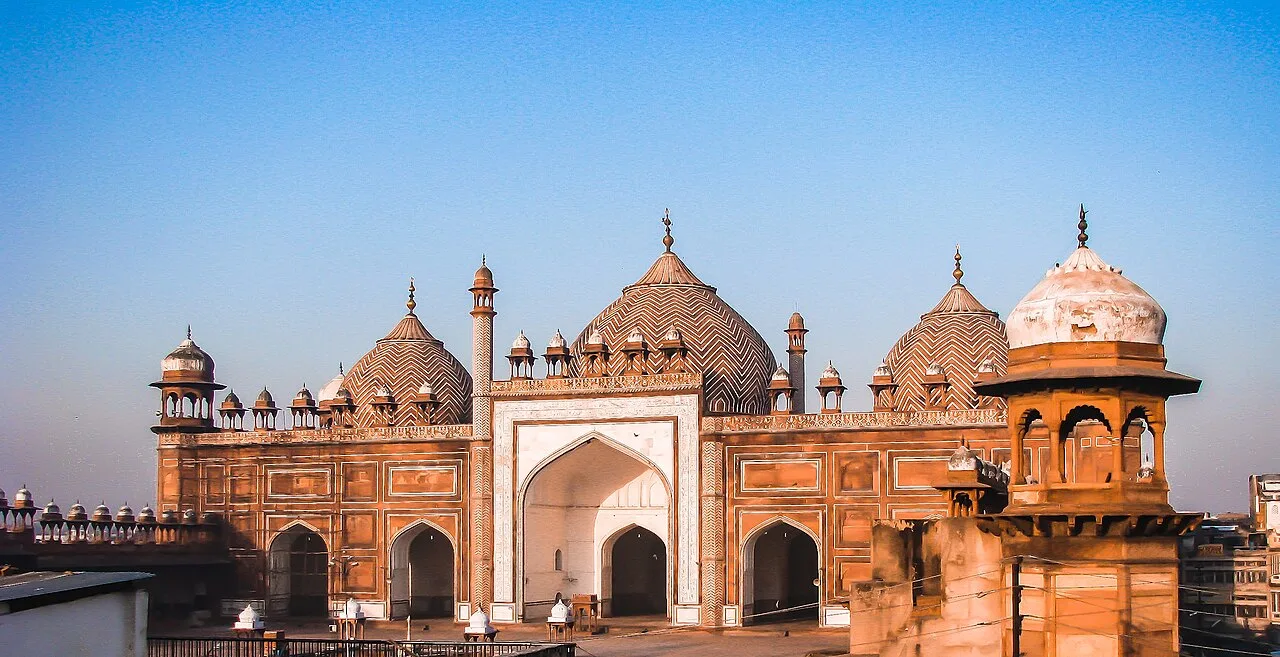
Jama Masjid is a seventeenth-century mosque in Agra, built by Jahanara Begum during Shah Jahan’s reign. Visitors come to see the city’s principal mosque, situated near Agra Fort.

Akbar's tomb

108 km away · Agra district

Akbar's tomb

The burial monument of Mughal ruler Akbar, this Agra site is visited for its historic association and buildings that combine red sandstone construction with white marble details.

Map

Soron on the map

  1. 1Chini Ka Rauza
  2. 2Itmad Ud Daulah
  3. 3Mehtab Bagh
  4. 4Rampur Raza Library
  5. 5Taj Mahal
  6. 6Agra Fort
  7. 7Jama Masjid, Agra
  8. 8Akbar's tomb

Uttar Pradesh

Other cities to explore