Ghumoopedia — Explore, Discover, Experience
Sign in
Ayodhya Old Town, near Basti

City guide · Uttar Pradesh

Basti

Basti is an administrative and commercial centre in eastern Uttar Pradesh, serving as the headquarters of Basti district and part of Basti division. Its location between Ayodhya and Gorakhpur makes it a useful stop for travellers crossing the region, as well as a service centre for nearby towns and villages.

Famous for

  • Basti district headquarters
  • Chhawani’s 1857 history
  • Vashistha ashram tradition
  • Eastern Uttar Pradesh markets

Why Basti matters

Basti is an administrative and commercial centre in eastern Uttar Pradesh, serving as the headquarters of Basti district and part of Basti division. Its location between Ayodhya and Gorakhpur makes it a useful stop for travellers crossing the region, as well as a service centre for nearby towns and villages. Road and rail connections support everyday movement and trade across this part of the state.

The city’s interest lies less in a cluster of major monuments than in its regional role and historical setting. Local tradition connects the area with the sage Vashistha and the name Vaishishthi, while the district’s story includes the Kalhans rulers and the 1857 uprising. Chhawani, associated with the execution of rebels during that uprising, is among the area’s notable historical sites. Visitors also come for local markets, places of worship and the experience of a working district town. Basti is best approached as a base for exploring the surrounding region rather than as a large standalone sightseeing destination.
Famous for: crafts, trade & products

Basti is not especially known for a single signature textile, handicraft or GI-tagged product. Its everyday trade serves the city and surrounding settlements, with general markets selling clothing, household goods, food provisions and agricultural supplies. These bazaars are the most practical places to browse for locally used goods and regional snacks; shoppers looking for specialist craft traditions or a distinctive souvenir may find a broader selection in larger nearby cities.

The surrounding district has an agricultural economy, and the city functions as a point where rural producers, traders and consumers meet. Rather than a concentrated craft quarter, shopping is spread across ordinary commercial streets and market areas in the urban centre. Visitors can ask locally about seasonal produce and regional food items, whose availability varies. Basti’s better-known institutions are civic and administrative: district offices and related services give the city its role as a headquarters. For specific branded or specialist products, it is sensible to check locally before making a dedicated trip, as Basti is not widely recognised as a specialist shopping destination.

History

The area around Basti was once described as forested and sparsely settled. Local tradition gives it the older name Vaishishthi, linking it to the ashram of the sage Vashistha and to the story of Rama and Lakshmana staying there. The present name is associated with an early settlement selected by Kalhans ruler Udai Raj Singh as a seat of authority, probably in the sixteenth century; the precise origin is not firmly established. The Kalhans dynasty was based at Chaukhara, and Maharaja Kesri Singh is remembered as its last ruler there.

Basti became a tehsil headquarters in 1801 and was chosen as the headquarters of a newly established district in 1865. During the 1857 uprising, Chhawani in the district became a site of colonial reprisals; local accounts remember about 250 people from Amorha state being hanged from peepal trees. In later years, Basti developed as an administrative, transport and market centre. Its present-day importance continues to come chiefly from serving the district and surrounding settlements.

Food, festivals & culture

Daily life in Basti reflects the customs of eastern Uttar Pradesh. Hindi is widely used, alongside local speech shaped by the region’s eastern Hindi and Bhojpuri influences; Urdu is also spoken. Meals commonly draw on North Indian staples such as roti, rice, lentils, seasonal vegetables and snacks. Sweets and treats familiar across the region, including jalebi and peda, can be found in local sweet shops, though particular offerings vary by shop and season.

Holi in spring and Diwali in autumn are major occasions, while Dussehra, Eid and Chhath are also observed by communities across the area. Religious calendars and family gatherings shape much of the festive year. Worship takes place at neighbourhood temples and mosques, as well as at other local shrines. Folk and devotional music are part of celebrations and community events; styles and performances are not confined to a single Basti-specific tradition. The city’s cultural character is best encountered in its markets, places of worship and seasonal festivities.

Visiting the city

The cooler months, roughly from October to March, are generally the most comfortable time to visit. Summer can be very hot, while monsoon weather may bring heavy rain. Gorakhpur Airport is a principal air gateway for Basti; Ayodhya’s Maharishi Valmiki International Airport may also be useful depending on the journey. Basti railway station connects the city with the wider rail network. Local travel is possible by auto-rickshaw, cycle-rickshaw and taxi, with availability varying by area.

For a first look, explore the central market streets and the civic core around the main administrative areas. Gandhi Nagar and Malviya Road are useful reference points for shops and everyday city life. Chhawani and Amorha Khas, in the wider district, are worth considering for visitors interested in the 1857 history and local heritage; allow for travel outside the city centre.

Trips from the city

Nearest places to visit from Basti

Our closest destination guides, by straight-line distance.

Ayodhya Old Town

51 km away · Ayodhya district

Ayodhya Old Town

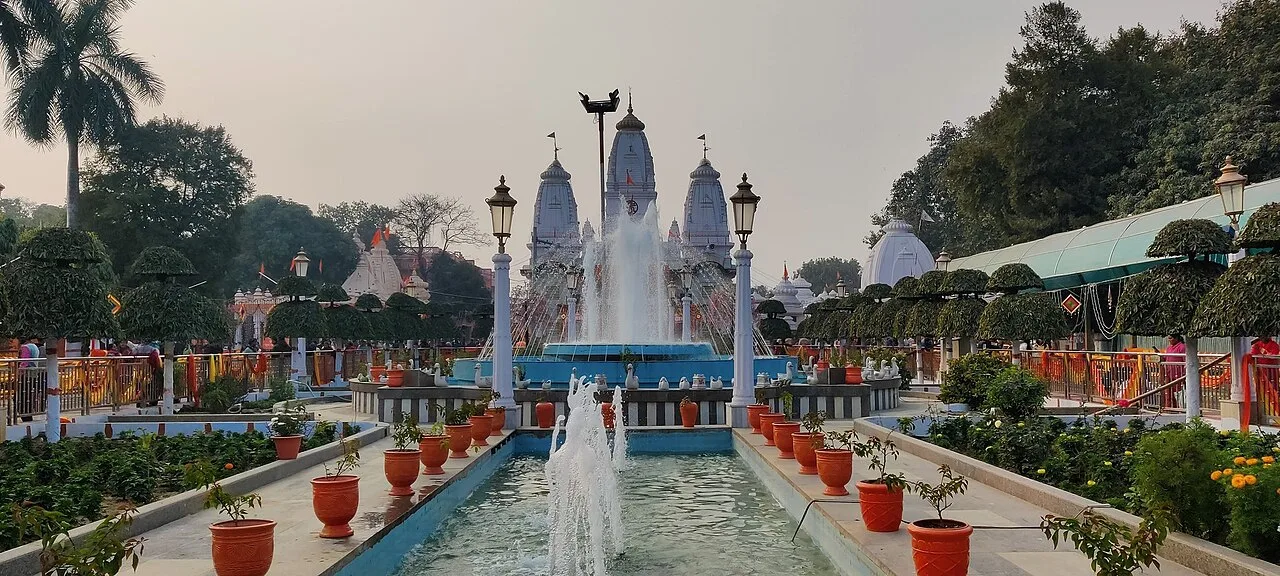
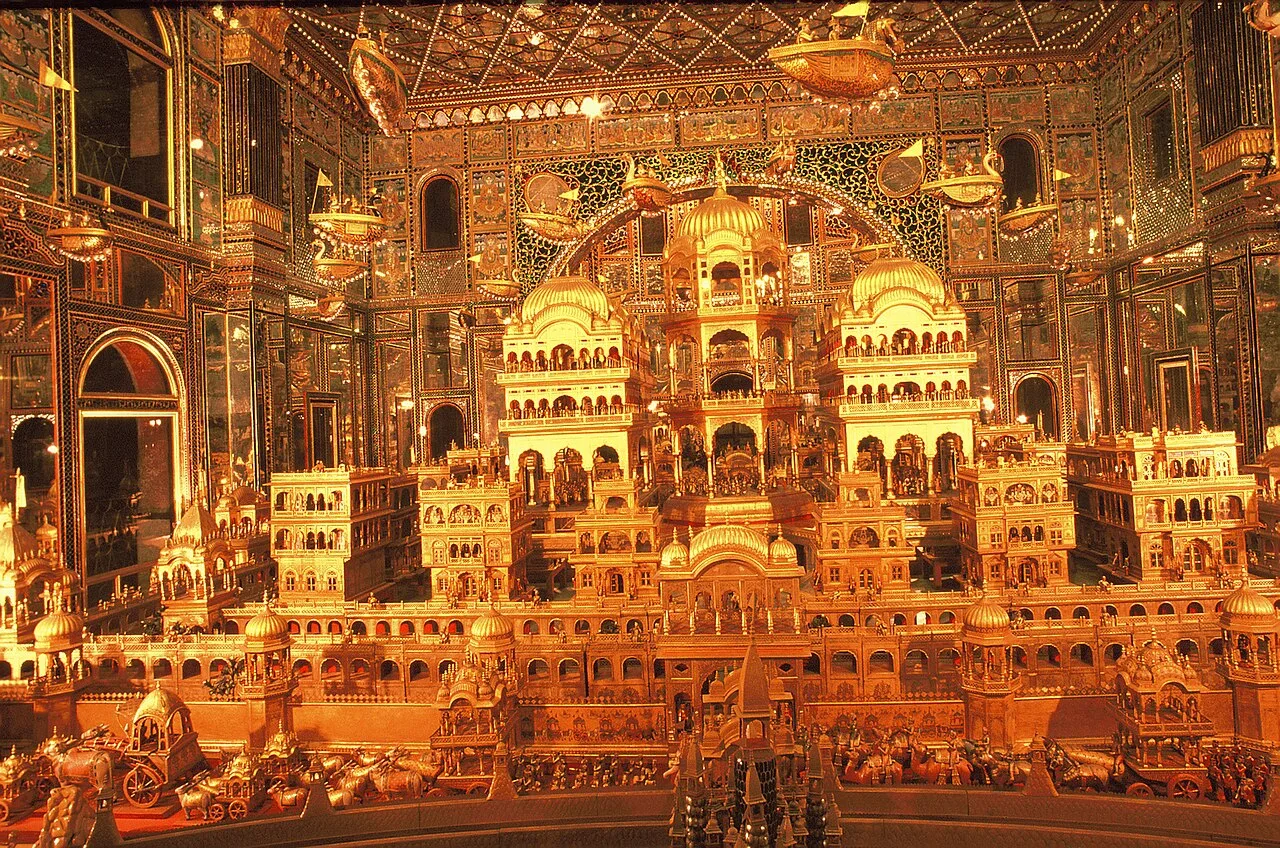
Ayodhya Old Town is the historic centre of a city in Uttar Pradesh, associated with early Buddhist and Jain traditions and the Hindu epic Ramayana. Visitors come chiefly for its religious importance and links to Rama.

Hanuman Garhi

51 km away · Ayodhya district

Hanuman Garhi

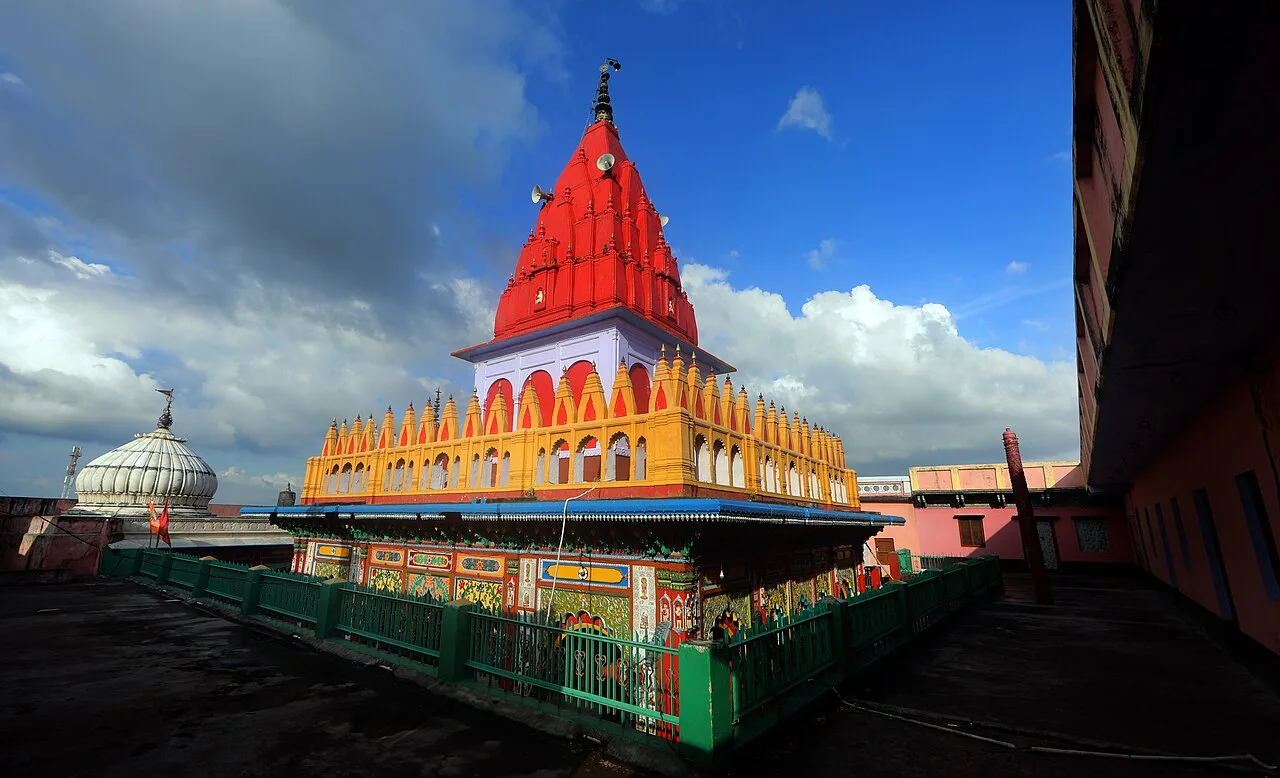
Hanuman Garhi is a Hindu shrine to Hanuman in Ayodhya, Uttar Pradesh. People visit to worship there, and it is counted among the city’s important temples.

Kanak Bhawan

51 km away · Ayodhya district

Kanak Bhawan

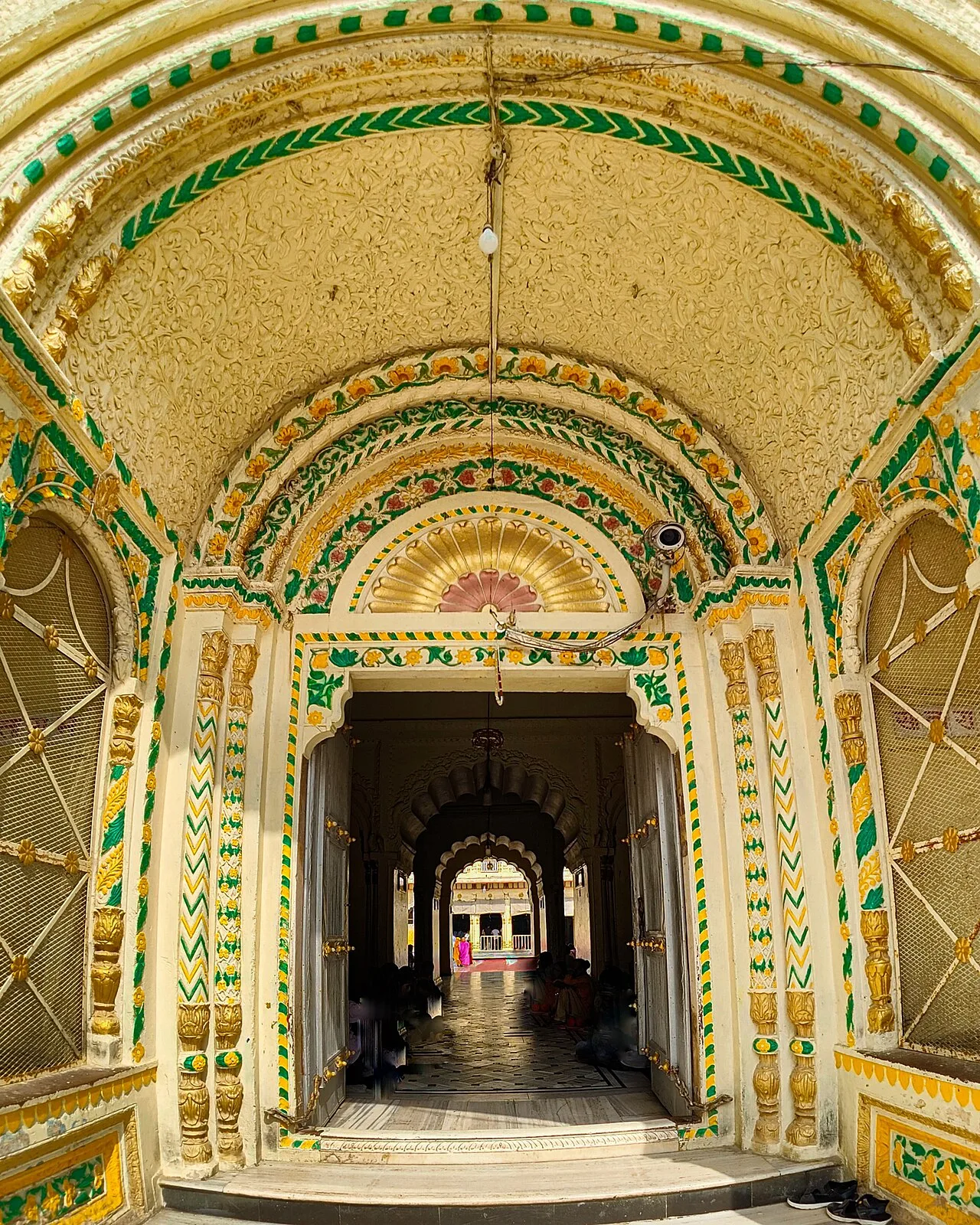
Kanak Bhawan is an Ayodhya temple linked to the stories of Rama and Sita, whose images are enshrined there. Visitors come to see the shrine and learn its traditional history.

Ram Mandir

52 km away · Ayodhya district

Ram Mandir

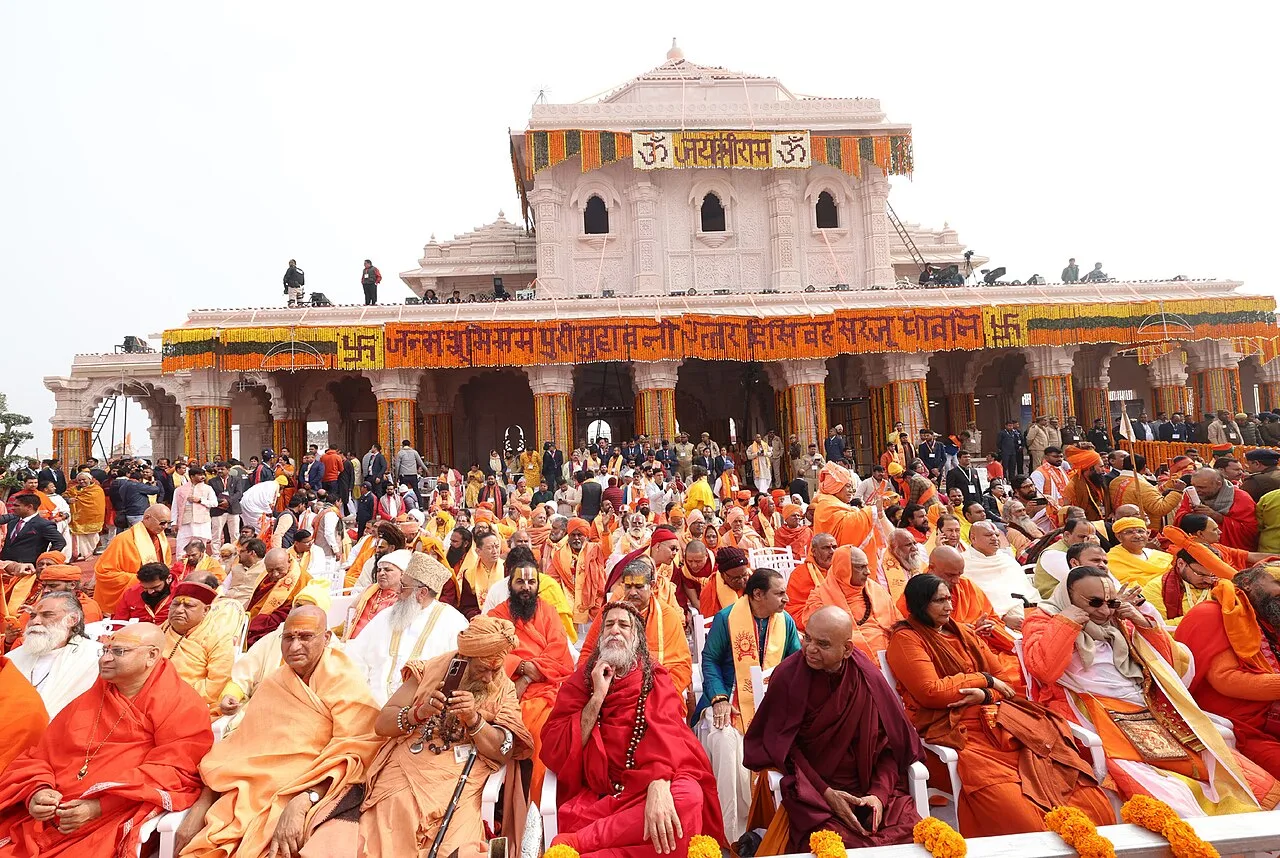
Ram Mandir is a Hindu temple complex in Ayodhya, Uttar Pradesh. Visitors come to worship at a place many Hindus regard as the birthplace of Rama.

Gorakhnath Math

64 km away · Gorakhpur district

Gorakhnath Math

Gorakhnath Math is a Hindu temple and Nath monastic centre in Gorakhpur, Uttar Pradesh. People visit for its religious role and the cultural and social activities held on its premises.

Jetavana

104 km away · Shravasti district

Jetavana

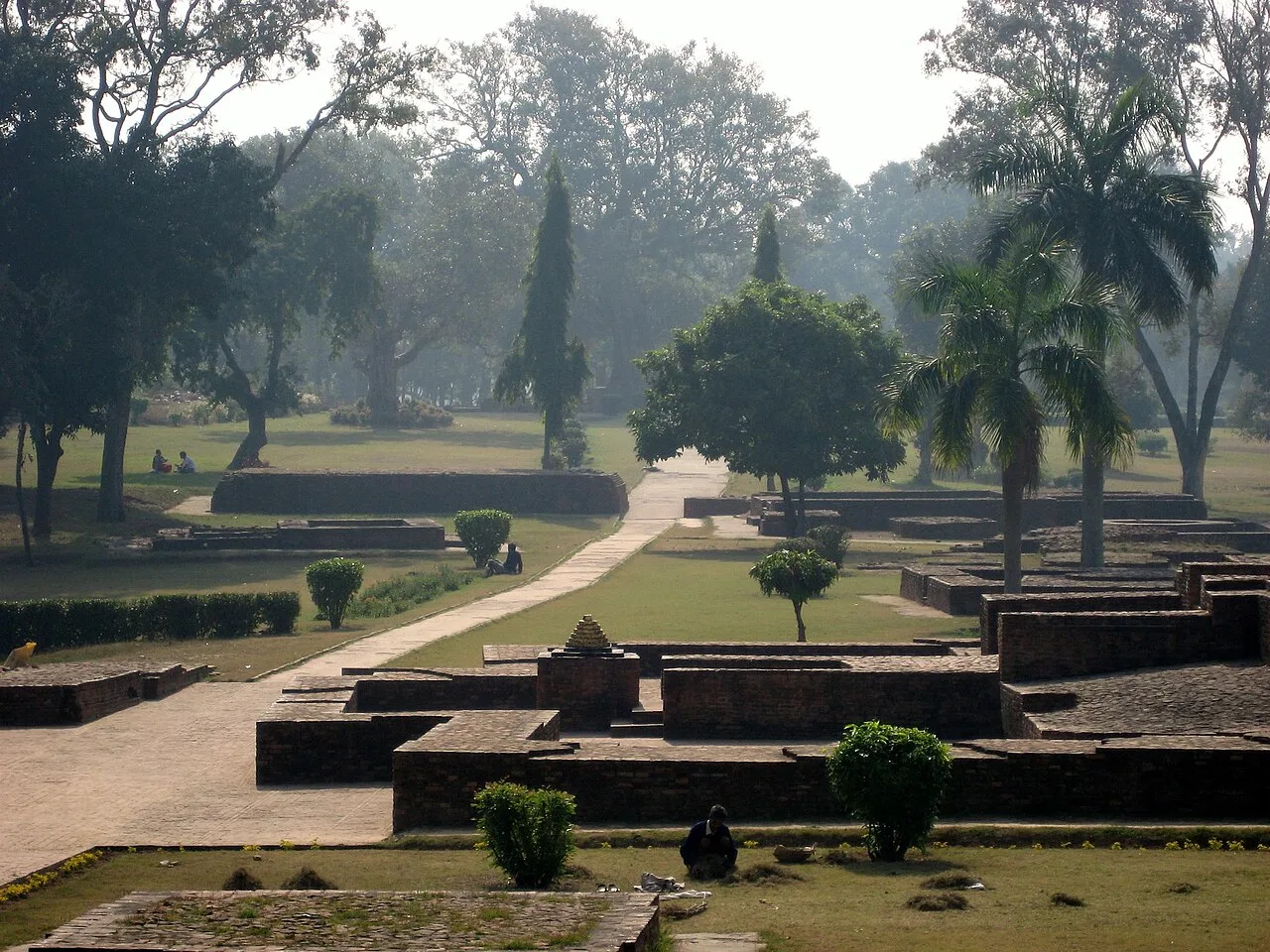
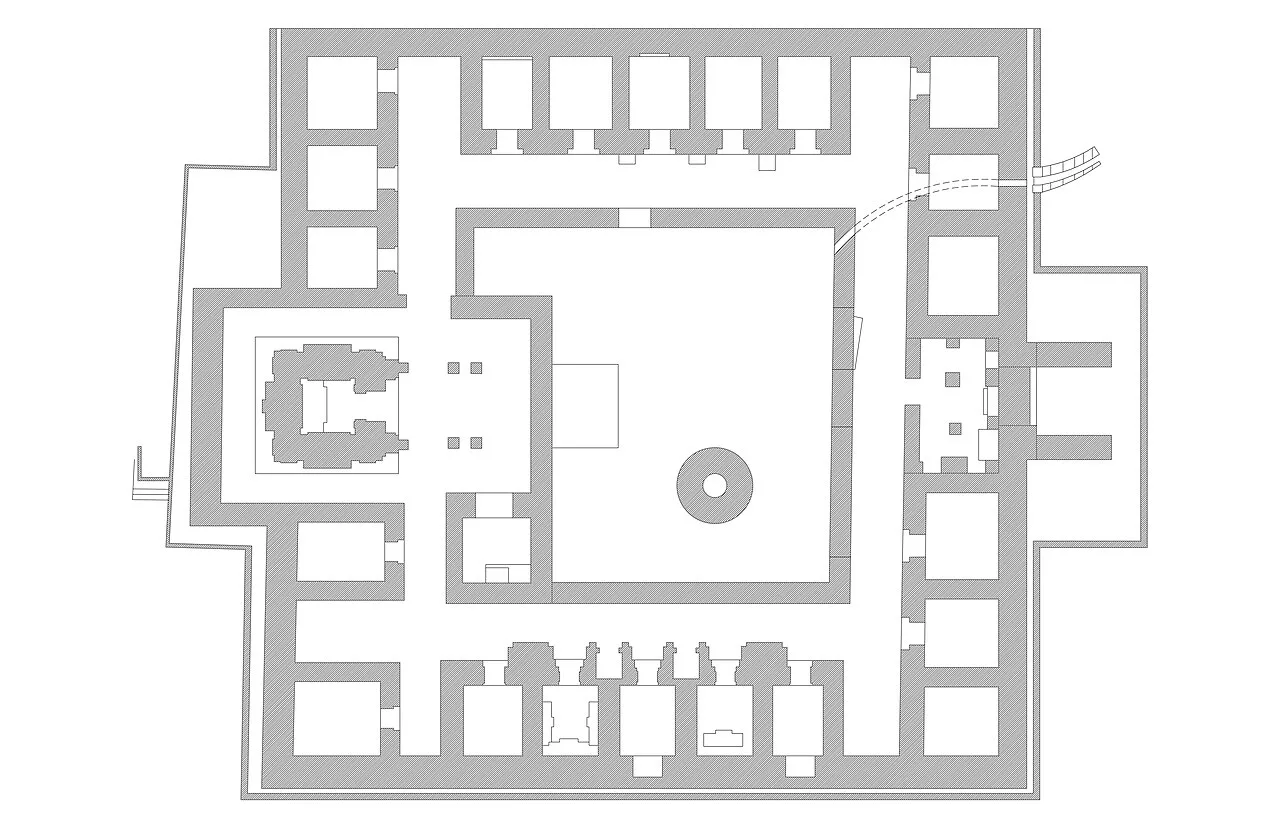
Jetavana is a Buddhist monastic site near ancient Savatthi, in Uttar Pradesh’s Shravasti district. Visitors explore its close association with the Buddha, who stayed there and delivered many teachings.

Shravasti Buddhist Site

104 km away · Shravasti district

Shravasti Buddhist Site

Shravasti is an ancient town and Buddhist archaeological site in Uttar Pradesh, known for its links to the Buddha’s teachings, disciples and miracles, as well as its importance to other religions.

Atala Mosque

115 km away · Jaunpur district

Atala Mosque

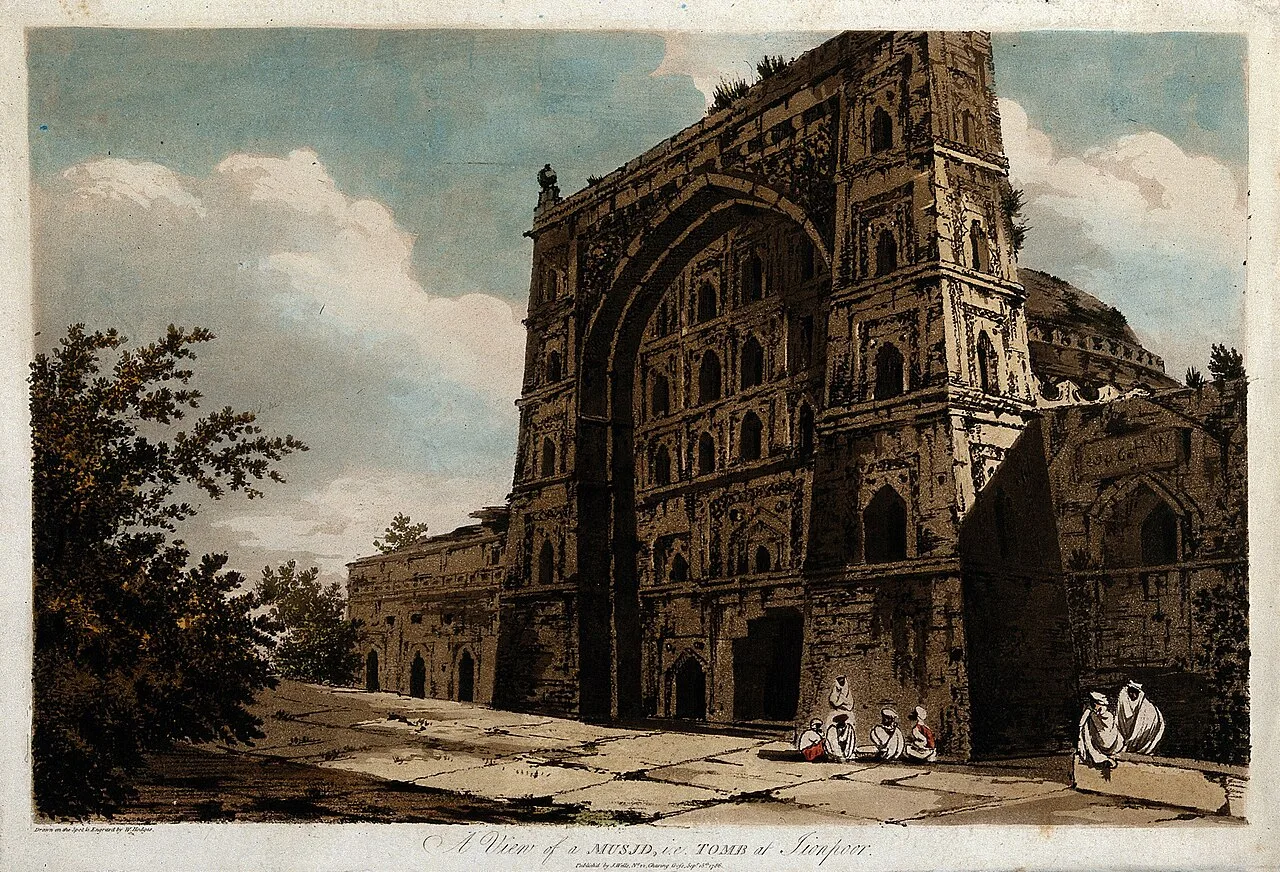
Atala Mosque, a 15th-century place of worship in Jaunpur, Uttar Pradesh, is visited by those wishing to see a historic mosque near the city’s Shahi Qila and Jama Mosque.

Map

Basti on the map

  1. 1Ayodhya Old Town
  2. 2Hanuman Garhi
  3. 3Kanak Bhawan
  4. 4Ram Mandir
  5. 5Gorakhnath Math
  6. 6Jetavana
  7. 7Shravasti Buddhist Site
  8. 8Atala Mosque

Uttar Pradesh

Other cities to explore