Ghumoopedia — Explore, Discover, Experience
Sign in

City guide · Uttar Pradesh

Khurja

Khurja is an industrial city in Bulandshahr district, western Uttar Pradesh, about 20 km from Bulandshahr and 85 km from Delhi. Its best-known role is as a major centre for ceramics: workshops and factories make pottery and other ceramic goods for buyers across India.

Famous for

  • Khurja pottery
  • Ceramic factories
  • Khurchan sweet
  • Pottery workshops

Why Khurja matters

Khurja is an industrial city in Bulandshahr district, western Uttar Pradesh, about 20 km from Bulandshahr and 85 km from Delhi. Its best-known role is as a major centre for ceramics: workshops and factories make pottery and other ceramic goods for buyers across India. Chimneys rising above the city’s industrial areas are a visible reminder of this trade, which has earned Khurja the nickname “Ceramics City.” Visitors come to browse pottery, see the craft and factory landscape, and sample the local sweet khurchan.

The city also serves as a regional centre for trade and everyday services, with road and rail links connecting it to nearby towns and the wider Delhi region. Its appeal lies less in a formal sightseeing circuit than in the chance to encounter a working craft industry and its products at close quarters. Khurja brings together a distinctive manufacturing identity, local food traditions and the everyday character of a western Uttar Pradesh city.
Famous for: crafts, trade & products

Khurja is best known for its pottery, a craft with a Geographical Indication (GI) tag. Local makers produce a broad range of ceramics, including tableware, decorative pieces and household goods, often distinguished by colourful glazes and painted designs. The city has more than 500 ceramic factories, alongside workshops and smaller businesses that support the trade. Pottery markets, factory showrooms and workshops in the city’s ceramic and industrial areas are the most useful places to browse or buy; visitors can ask locally about seeing production, as access varies by business.

The pottery trade is central to Khurja’s identity and supplies ceramic goods to markets well beyond the district. Pieces range from everyday-use wares to decorative items, so shoppers can compare styles and finishes across different sellers. Khurja is also associated with khurchan, a milk-based sweet sold by local sweet shops. Together, ceramics and khurchan give the city a recognisable mix of craft and food specialities. Buyers looking for particular designs or bulk orders are best served by contacting makers or showrooms directly rather than relying on a single central market.

History

Khurja’s history is associated with Pashtun settlement, particularly families linked to the Kheshgi lineage. Local accounts connect these settlers with soldiers in Timur’s army. The city’s name is often explained through the Persian and Urdu word kharja, meaning “foreign,” though accounts of place-name origins can vary. Khurja developed as a settlement and trading centre in the Bulandshahr region, with its later identity increasingly shaped by pottery and ceramic production.

Under British rule, Khurja formed part of Bulandshahr district. Over time, transport connections and expanding markets helped local goods reach buyers beyond the immediate area. In the modern period, ceramic production grew into a large industrial cluster, combining factory output with the work of specialist makers and smaller enterprises. This growth transformed pottery from a local craft into the city’s defining economic activity. Today, Khurja remains an important manufacturing centre in Uttar Pradesh, while its GI-tagged pottery preserves the name and reputation of the city’s craft tradition.

Food, festivals & culture

Khurja’s most distinctive local treat is khurchan, a rich sweet made from layers of reduced milk and commonly found at sweet shops. Everyday food reflects the wider cuisine of western Uttar Pradesh, with North Indian meals and snacks available across the city. Ceramic crockery is part of the local visual landscape, appearing in shops and homes as well as in the businesses that make it.

Hindi is widely used, and Urdu is also spoken. The city observes major Hindu festivals such as Holi in spring and Diwali in autumn, as well as Eid celebrations following the Islamic calendar. These occasions bring family gatherings, special foods and activity around neighbourhood markets and places of worship. Temples and mosques serve local communities, while music and dance are generally part of family, religious and seasonal celebrations rather than a separate visitor-focused performance tradition. Khurja’s culture is closely tied to its working life: pottery-making, local commerce and food customs shape much of its everyday character.

Visiting the city

October to March is generally the most comfortable season to visit, with cooler conditions for exploring workshops and markets. The nearest major airport is Indira Gandhi International Airport in Delhi. Khurja Junction is the city’s main railway station and connects it with regional and longer-distance rail services. Road travel also links Khurja with Bulandshahr and Delhi.

Auto-rickshaws and e-rickshaws are useful for getting around town; confirm your destination with the driver, particularly when heading to a workshop or factory. Start with the pottery market and ceramic-producing areas to browse local wares, then explore the older town’s shops and places of worship. Factory visits should be arranged in advance, since working premises may not be open to casual visitors. Allow time to stop at a sweet shop for khurchan.

Trips from the city

Nearest places to visit from Khurja

Our closest destination guides, by straight-line distance.

Okhla Bird Sanctuary

64 km away · Gautam Buddh Nagar district

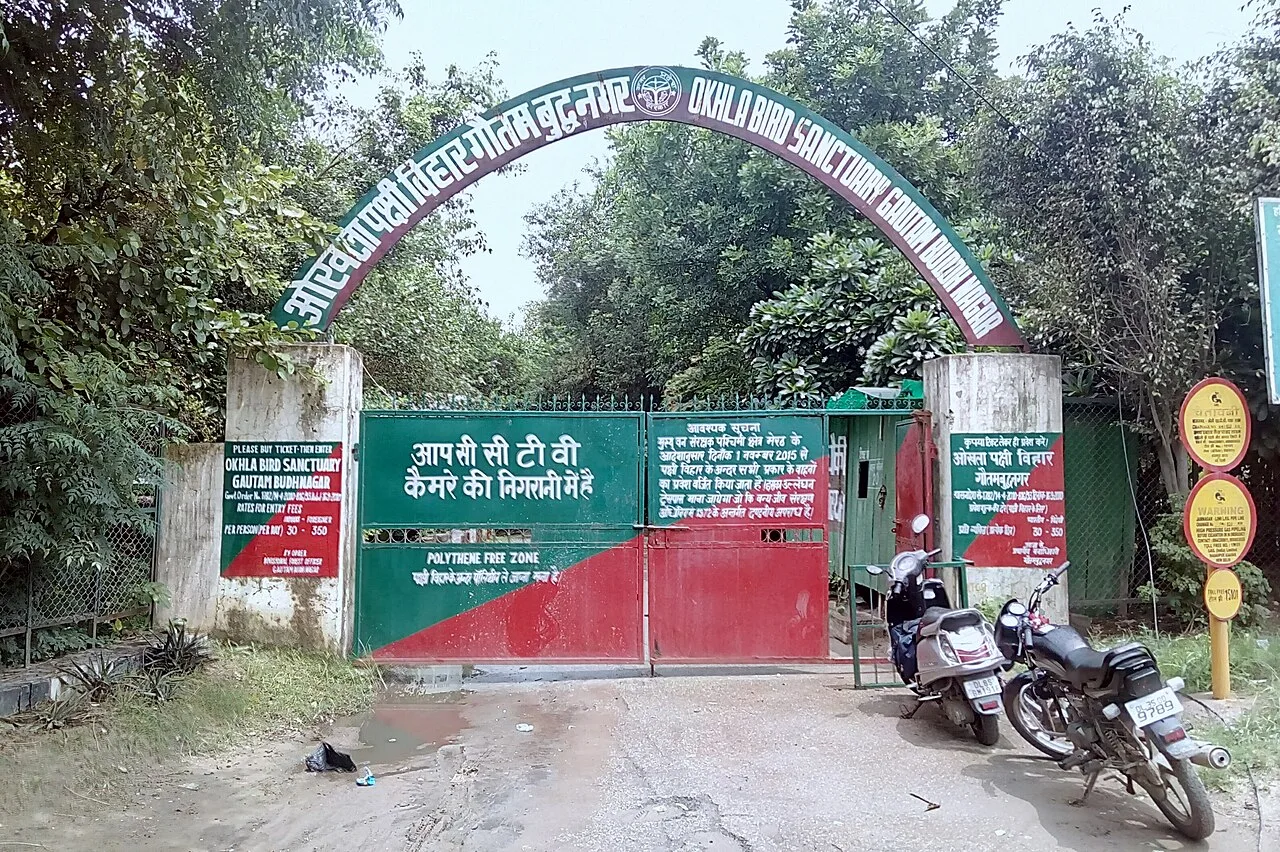
Okhla Bird Sanctuary

At the Yamuna’s crossing from Delhi into Uttar Pradesh, Okhla Bird Sanctuary protects a barrage-created wetland that visitors come to explore and watch its varied birdlife.

Vrindavan Town

76 km away · Mathura district

Vrindavan Town

Vrindavan is a historic town in Uttar Pradesh’s Mathura district, within Braj Bhoomi. Visitors come for its Hindu associations with Krishna and its many temples to Krishna and Radha.

Banke Bihari Temple

77 km away · Mathura district

Banke Bihari Temple

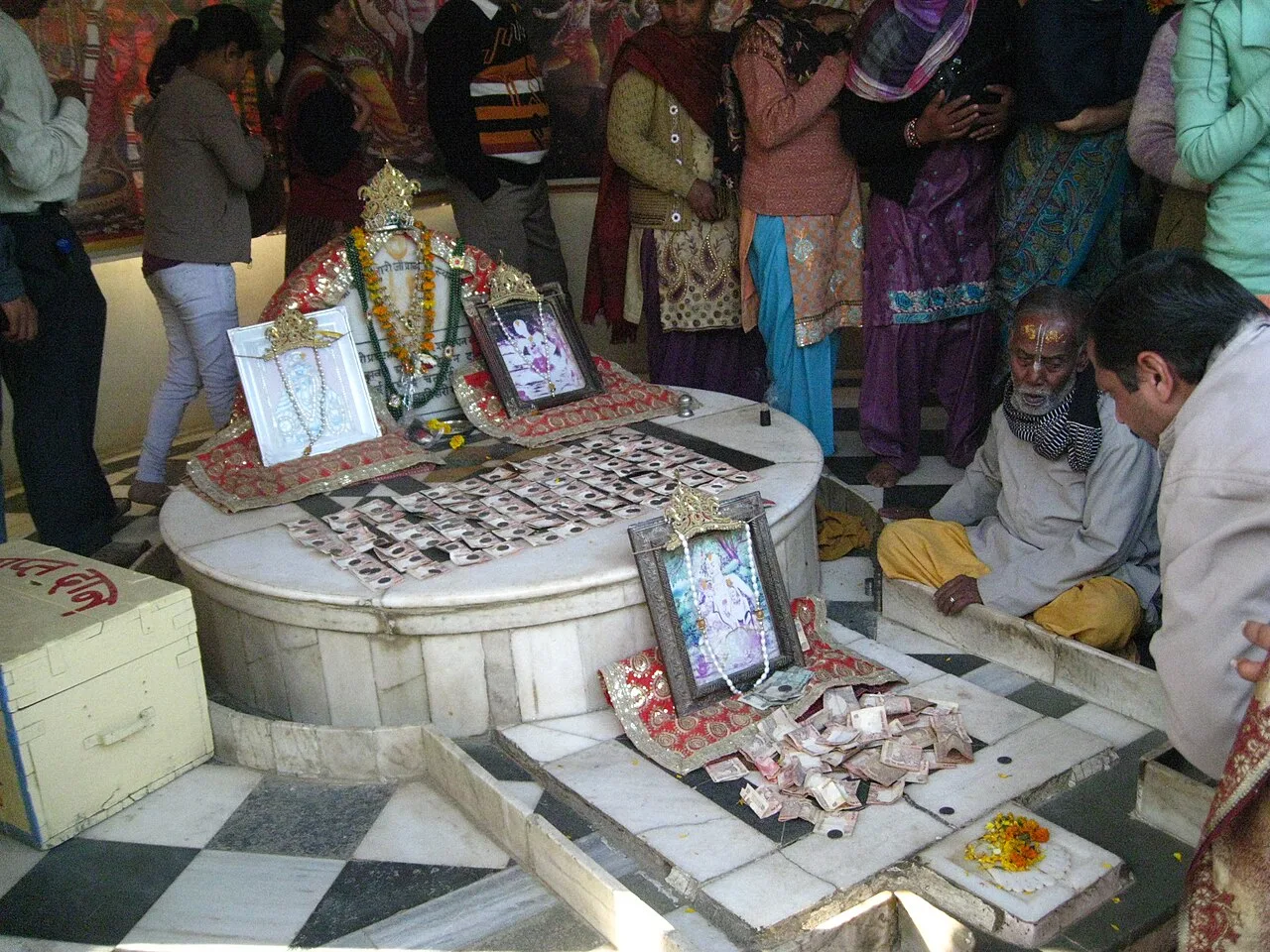
Banke Bihari Temple is a Hindu place of worship in Vrindavan, Mathura district, visited by devotees to honour Banke Bihari, regarded as Radha and Krishna united.

ISKCON Temple, Vrindavan

78 km away · Mathura district

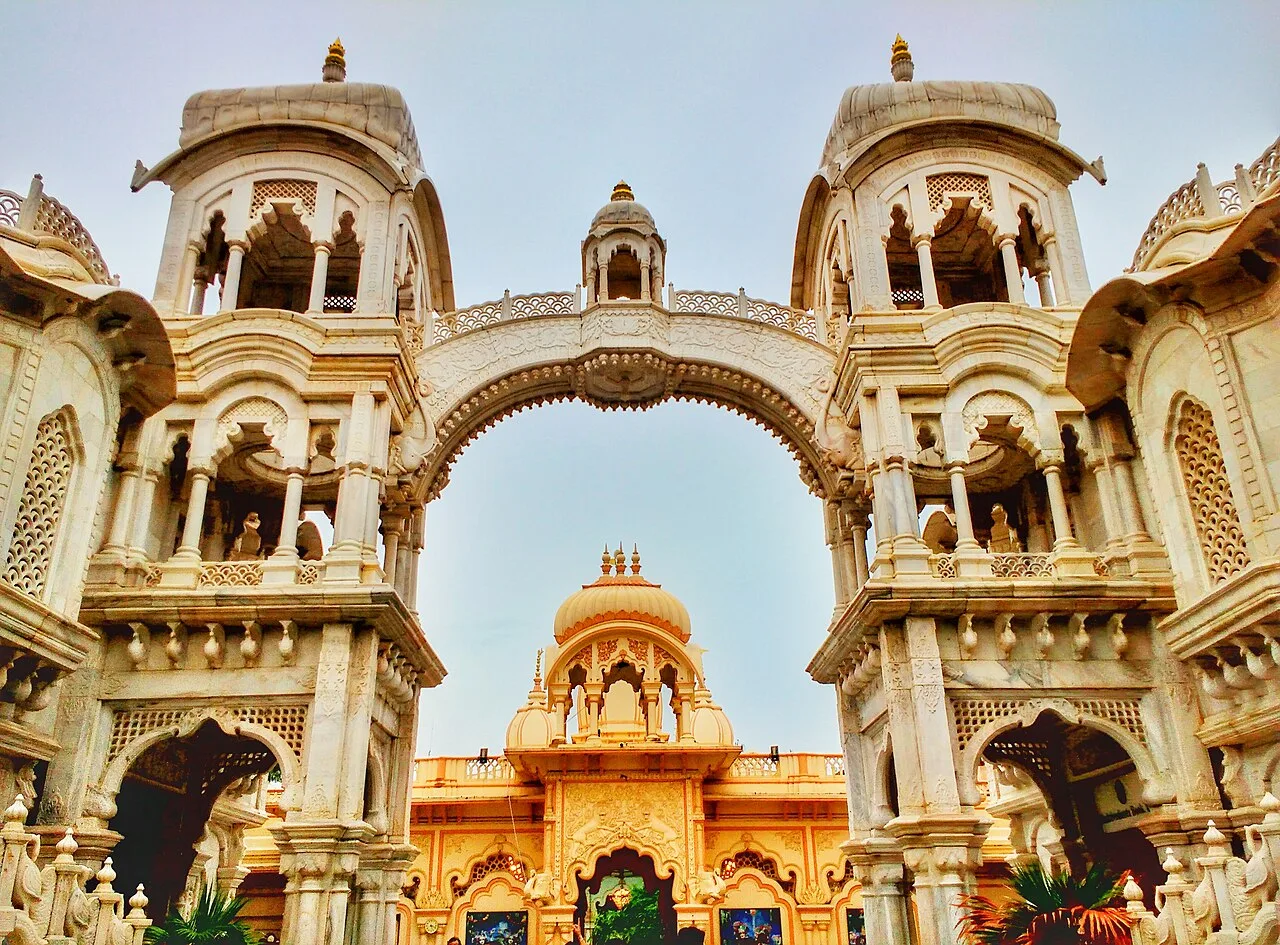
ISKCON Temple, Vrindavan

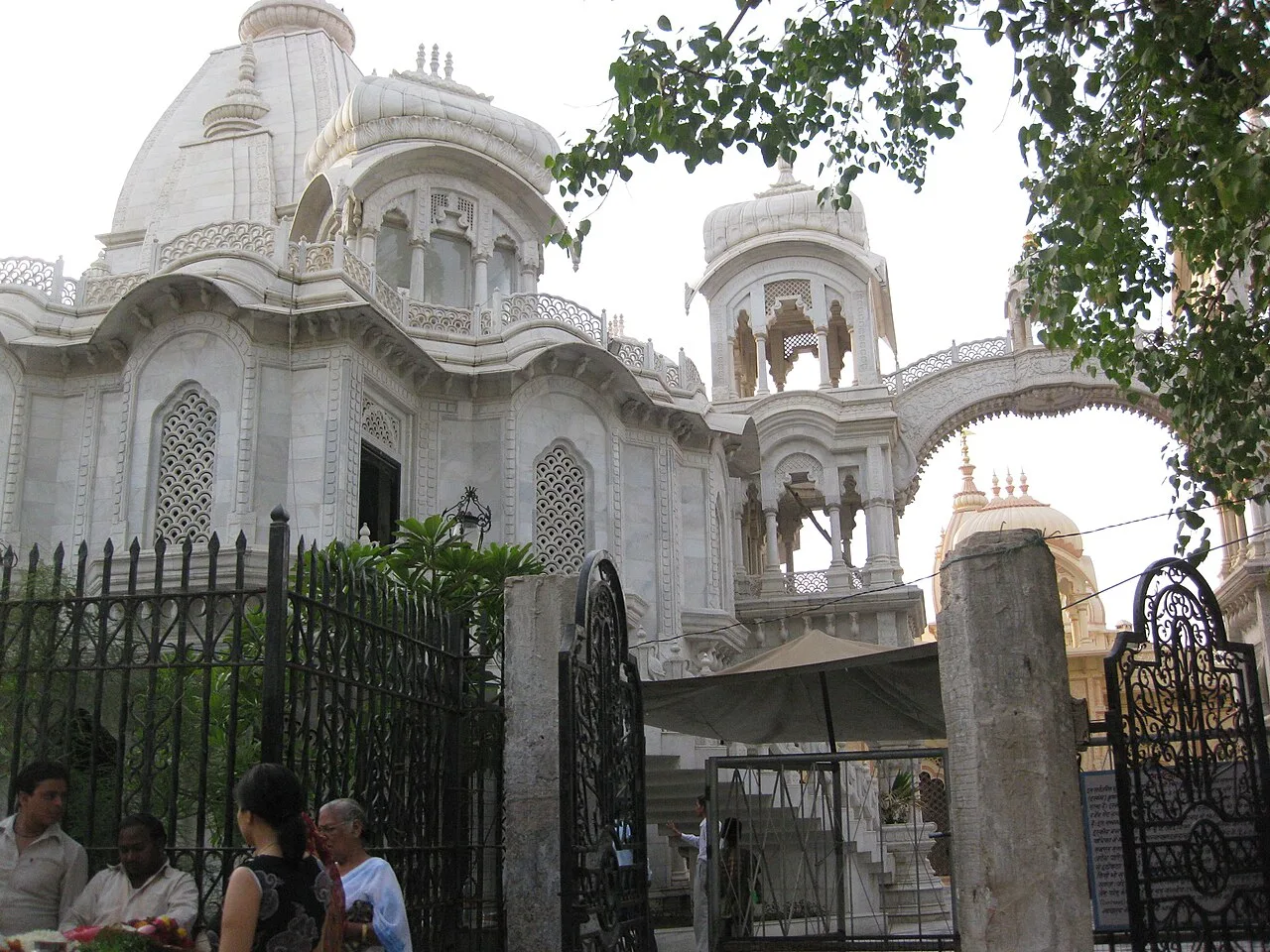
In Vrindavan, Uttar Pradesh’s Mathura district, this Gaudiya Vaishnava temple is devoted to Krishna and Balarama. Visitors come to worship these deities and the other figures honoured there.

Prem Mandir

78 km away · Mathura district

Prem Mandir

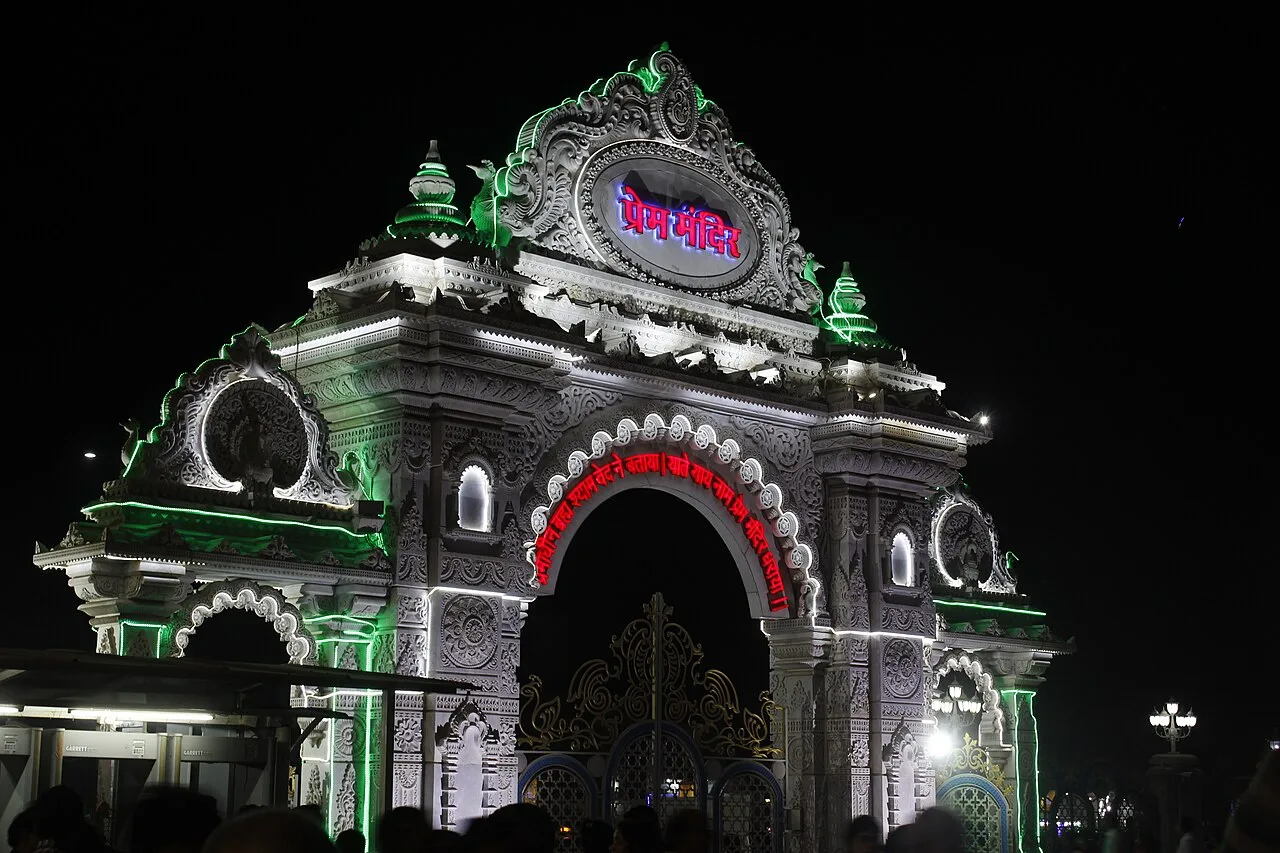
Prem Mandir is a Hindu temple in Vrindavan, Mathura district, Uttar Pradesh. Visitors come to see its dedications to Radha Krishna and Sita Ram, as well as a tribute to four earlier Jagadgurus.

Barsana Radha Rani Temple

82 km away · Mathura district

Barsana Radha Rani Temple

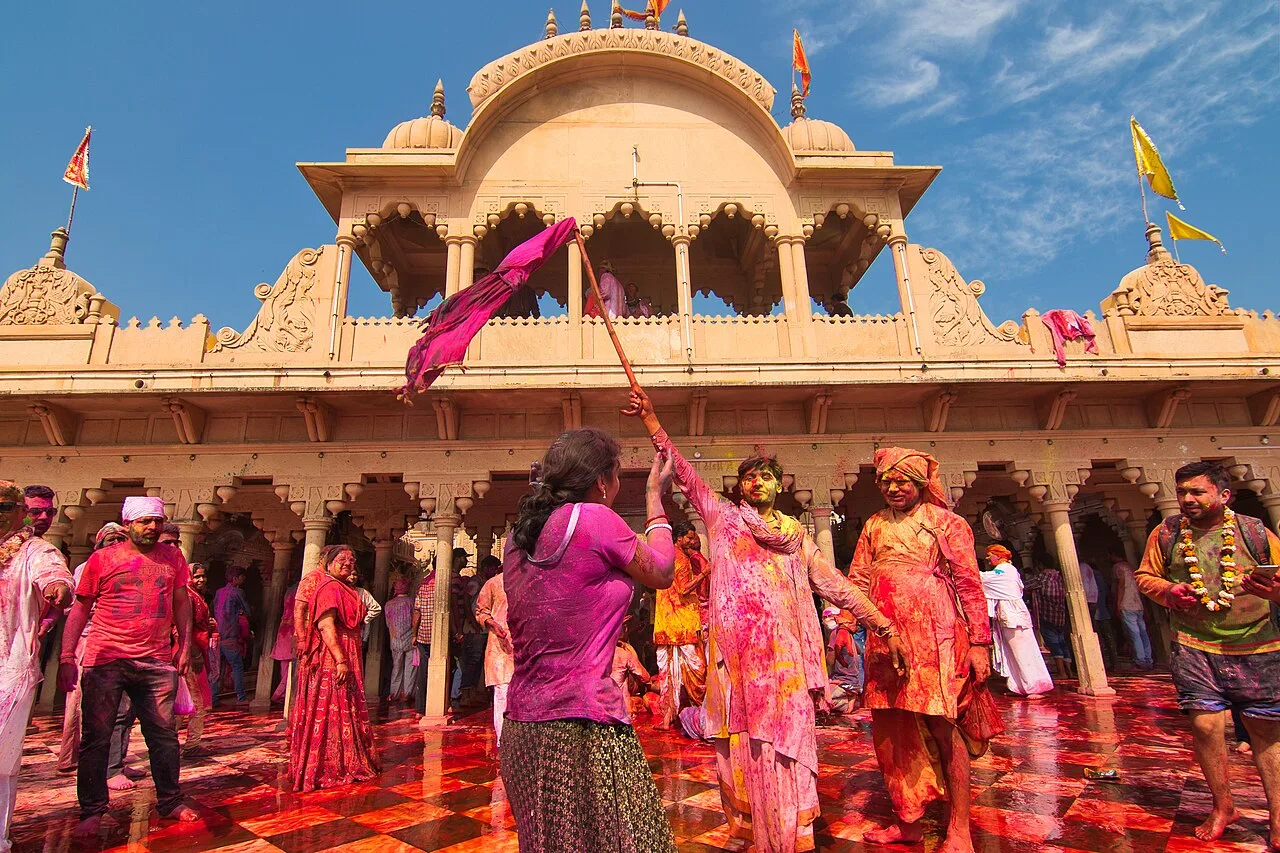
Barsana Radha Rani Temple stands in Barsana, a town in Uttar Pradesh’s Mathura district. Visitors come to worship Radha at a temple central to the town’s religious importance.

Vishram Ghat

84 km away · Mathura district

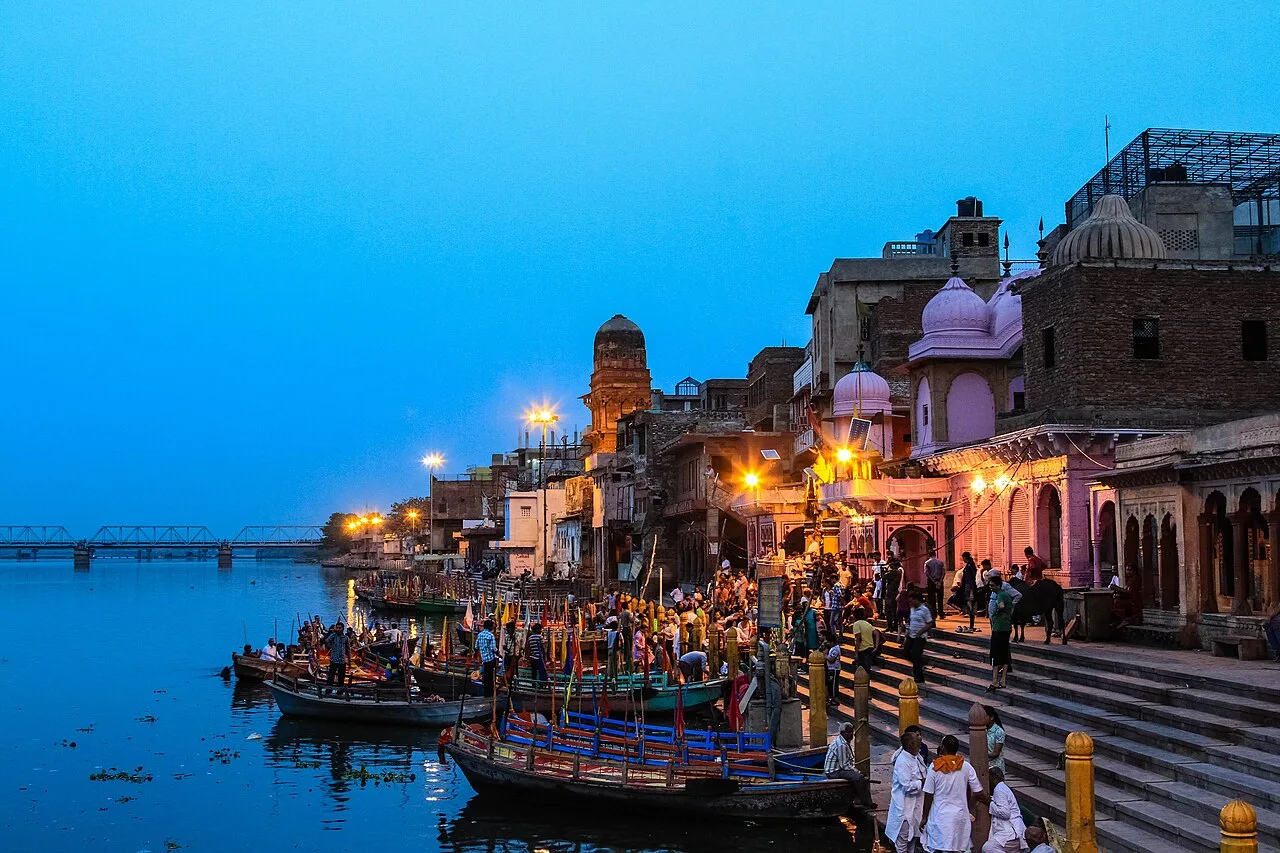
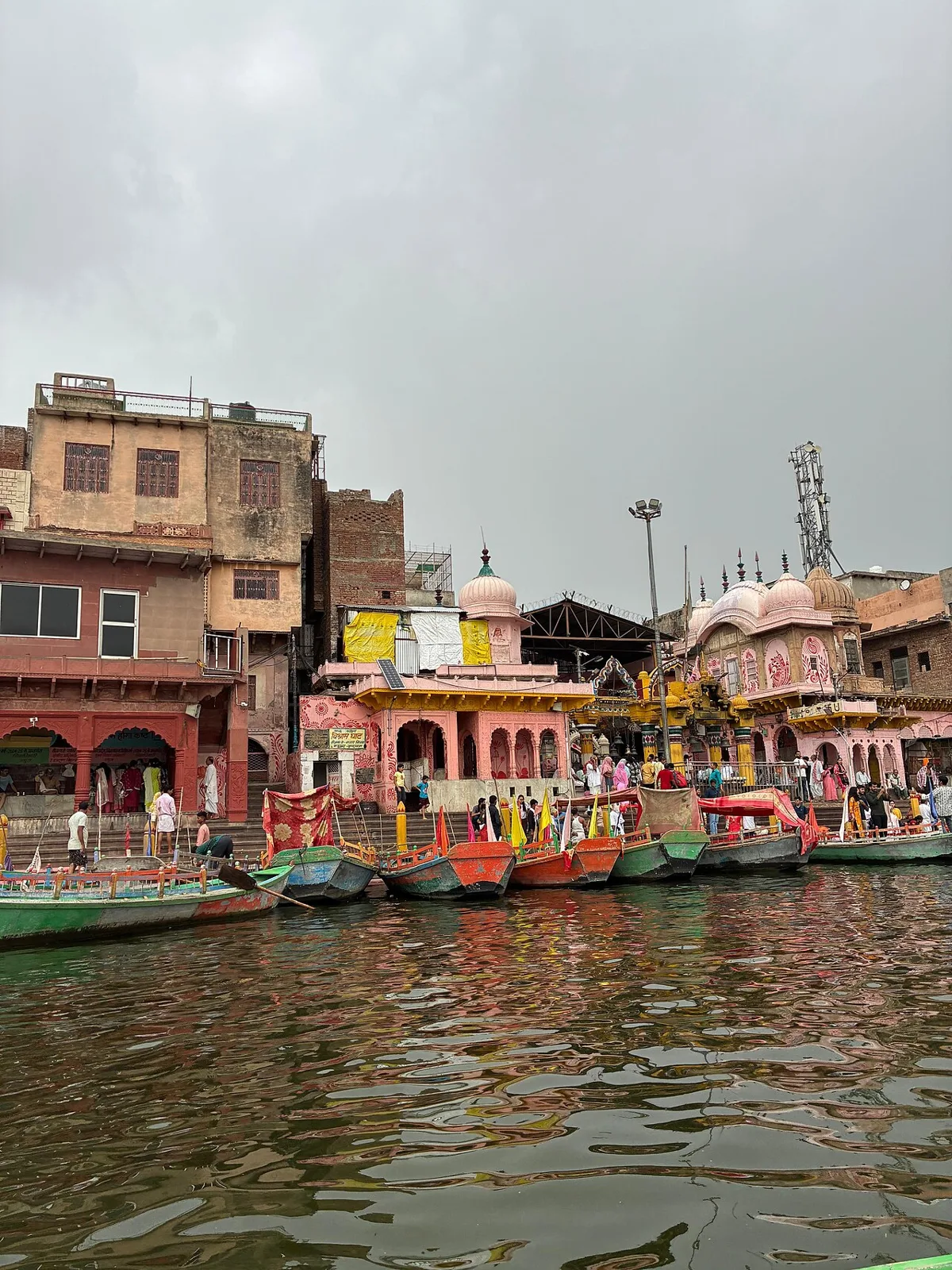
Vishram Ghat

On the Yamuna in Mathura, Vishram Ghat is a place for bathing and worship. Pilgrims visit it as the starting and finishing point of the traditional parikrama.

Dwarkadhish Temple, Mathura

85 km away · Mathura district

Dwarkadhish Temple, Mathura

In Mathura, Uttar Pradesh, Dwarkadhish Temple is a Hindu shrine where Krishna is worshipped as Dwarkadhish alongside Radha as Radharani. Visitors come to worship at this Pushtimarg temple.

Map

Khurja on the map

  1. 1Okhla Bird Sanctuary
  2. 2Vrindavan Town
  3. 3Banke Bihari Temple
  4. 4ISKCON Temple, Vrindavan
  5. 5Prem Mandir
  6. 6Barsana Radha Rani Temple
  7. 7Vishram Ghat
  8. 8Dwarkadhish Temple, Mathura

Uttar Pradesh

Other cities to explore