Ghumoopedia — Explore, Discover, Experience
Sign in

City guide · Uttar Pradesh

Kalpi

Kalpi is a historic town in Jalaun district, set on the Yamuna’s right bank between Kanpur and Jhansi. Its riverside location has shaped its role as a crossing point, trading centre and railway stop on the Kanpur–Jhansi route.

Famous for

  • Shri Bala Veda Vyasa Temple
  • Yamuna riverfront
  • Handmade paper
  • Historic fort ruins
  • Grain and cotton trade

Why Kalpi matters

Kalpi is a historic town in Jalaun district, set on the Yamuna’s right bank between Kanpur and Jhansi. Its riverside location has shaped its role as a crossing point, trading centre and railway stop on the Kanpur–Jhansi route. Today, local commerce and small-scale industry sit alongside a layered past that reaches from prehistoric archaeological finds to medieval and colonial rule.

Visitors come for the old town’s temples, the remains of its fort and the views along the Yamuna. The Shri Bala Veda Vyasa Temple, associated with the sage Veda Vyasa, is among the town’s notable places of worship. Kalpi is also remembered for its historic links to a Surya shrine and for its place in the struggles of Bundelkhand. Handmade paper production and trade in agricultural goods remain part of its local identity. Kalpi is best approached as a lived-in historic town rather than a developed resort: its appeal lies in its river setting, religious sites and compact streets, with Kanpur, Orai and Jhansi providing wider regional connections.
Famous for: crafts, trade & products

Kalpi’s best-known local industry is handmade paper. Production is associated with small-scale units, while the town’s markets serve nearby communities with everyday goods and agricultural produce. Grain, ghee and cotton have traditionally featured in local trade. Visitors can ask in the central bazaar about locally made paper and other products; Kalpi is not especially known as a destination for a particular saree, textile tradition or nationally recognised handicraft.

The old town and market area offer a closer look at everyday commerce, while Whiteganj occupies the site where the British dismantled the former fortified post in the nineteenth century. Kalpi is better known for its regional trading role and handmade paper than for a single signature food or luxury product. No specific GI-tagged product is closely identified with the city. For a more substantial selection of branded goods or specialised crafts, travellers may find broader options in larger nearby centres such as Kanpur. In Kalpi, the most distinctive purchases are likely to be practical handmade-paper items and goods sourced through local shops rather than a formal craft-market circuit.

History

Kalpi was known in ancient times as Kalapriya. Archaeological finds in the area include Middle Paleolithic stone and bone tools. Puranic traditions describe Kalapriya as a pilgrimage place associated with Surya; the city’s temple was reportedly sacked by the Rashtrakuta ruler Indra III during a campaign against the Pratiharas. Qutb-ud-din Aibak took Kalpi in 1196, and the town later passed through Rajput and Mughal control. During Akbar’s reign it served as an administrative centre and had a mint producing copper coins. Maratha influence followed in the mid-eighteenth century.

The British captured Kalpi in 1803. It became part of the Bundelkhand Agency and briefly housed its headquarters. In 1858, British forces under Hugh Rose defeated rebel forces associated with the Rani of Jhansi near the town. The British dismantled the old fortification in 1860, and a market area known as Whiteganj took its place. Since independence, Kalpi has continued as a local trading and transport centre, with handmade paper among its small-scale industries.

Food, festivals & culture

Kalpi’s cultural life reflects its setting in the Bundelkhand region and its place in Uttar Pradesh. Hindi is widely used, and Bundeli is also spoken locally. The town does not have a widely documented signature dish; everyday meals are more likely to draw on familiar regional fare such as wheat breads, lentils and seasonal vegetables, alongside common North Indian snacks and sweets.

Holi in spring and Diwali in autumn are among the major festivals observed, with Navratri bringing worship and activity at temples. Religious life is visible in the old town’s shrines and at the Shri Bala Veda Vyasa Temple. Kalpi’s older association with Surya worship also forms part of its religious heritage. Bundelkhand’s wider folk culture includes Alha ballad singing and Rai dance, though performances are more likely around regional gatherings and festivals than on a regular visitor schedule. The Yamuna adds a strong presence to local life, and its banks and nearby places of worship are worth seeing respectfully, especially during religious observances.

Visiting the city

The cooler, drier months from October to March are generally the most comfortable time to explore Kalpi. Summers can be very hot, while the monsoon brings rain. The main station is Kalpi railway station, on the North Central Railway’s Kanpur–Jhansi section. The nearest airport is Kanpur Airport at Chakeri; onward travel to Kalpi is by road or rail.

Kalpi is compact enough to explore its central areas on foot, with local road transport useful for longer hops. Begin in the old town and along the Yamuna, then visit the Shri Bala Veda Vyasa Temple and the remains of the fort. The central bazaar and Whiteganj area offer a glimpse of everyday trade and the town’s later history. Allow time for the riverside, and check locally about access to individual sites before setting out.

Trips from the city

Nearest places to visit from Kalpi

Our closest destination guides, by straight-line distance.

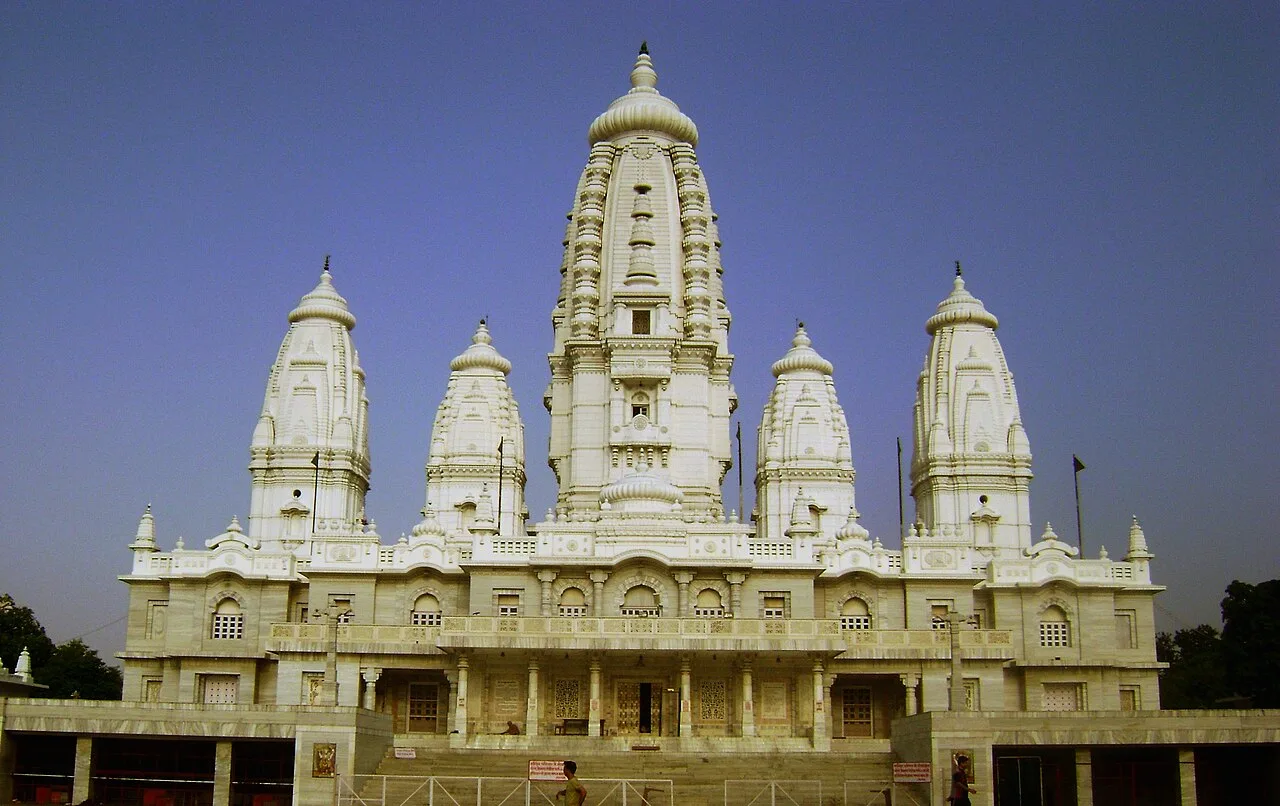
JK Temple

70 km away · Kanpur Nagar district

JK Temple

Known also as the Juggilal Kamlapat Temple and Radhakrishna Temple, this Hindu place of worship in Kanpur draws visitors for its combination of traditional and modern architectural features.

Bithoor Ghats

77 km away · Kanpur Nagar district

Bithoor Ghats

Bithoor Ghats are part of Bithoor, a town in Uttar Pradesh beside the Ganges. People visit for its importance as a Hindu pilgrimage centre and its connection with Nana Sahib and the 1857 uprising.

Etawah Safari Park

103 km away · Etawah district

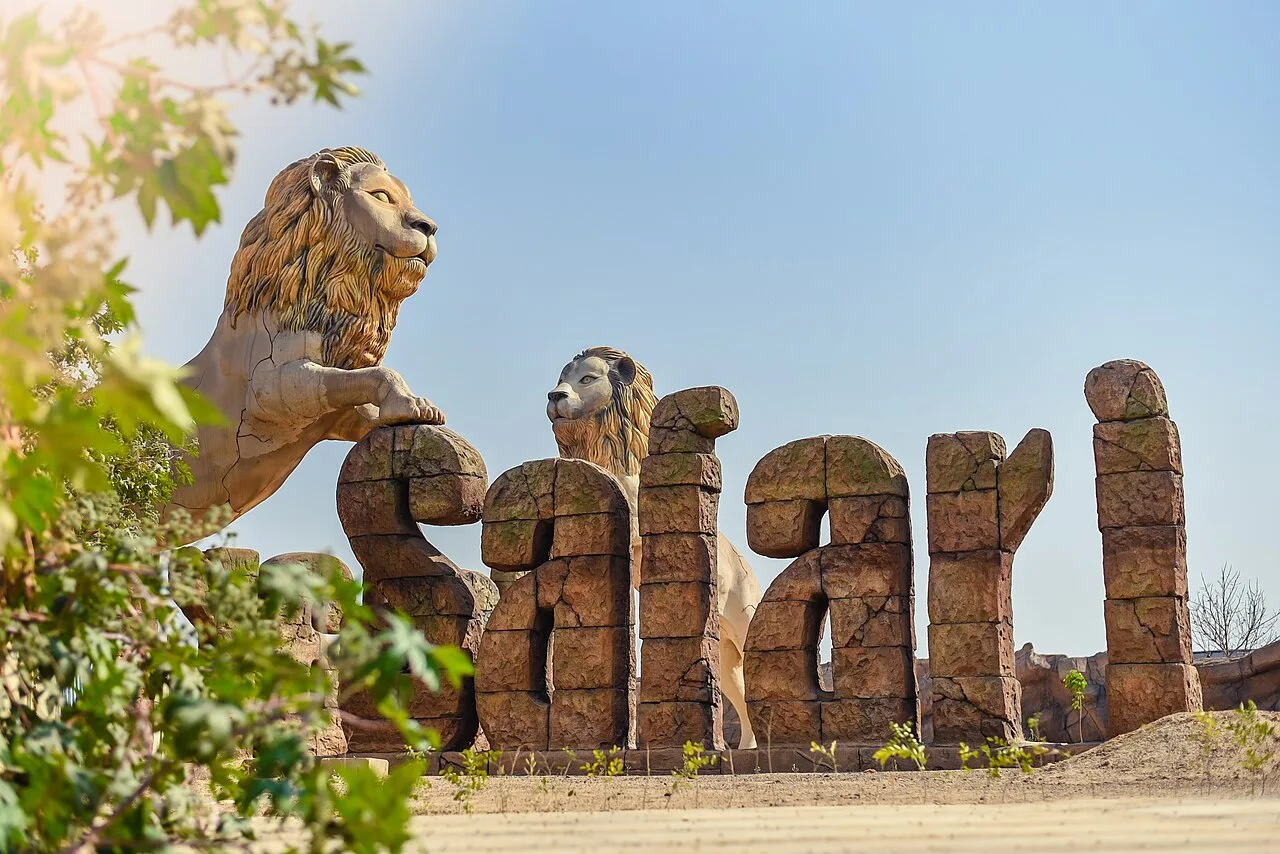
Etawah Safari Park

A wildlife attraction in Etawah district, Uttar Pradesh, the park draws visitors for its vehicle-based safari experiences, Asiatic lion breeding centre and visitor centre.

Nawabganj Bird Sanctuary

107 km away · Unnao district

Nawabganj Bird Sanctuary

Nawabganj Bird Sanctuary, renamed Shahid Chandra Shekhar Azad Bird Sanctuary in 2015, is a wetland reserve in Unnao district, visited for its migratory birds, deer park, watchtowers and boats.

Jhansi Fort

137 km away · Jhansi district

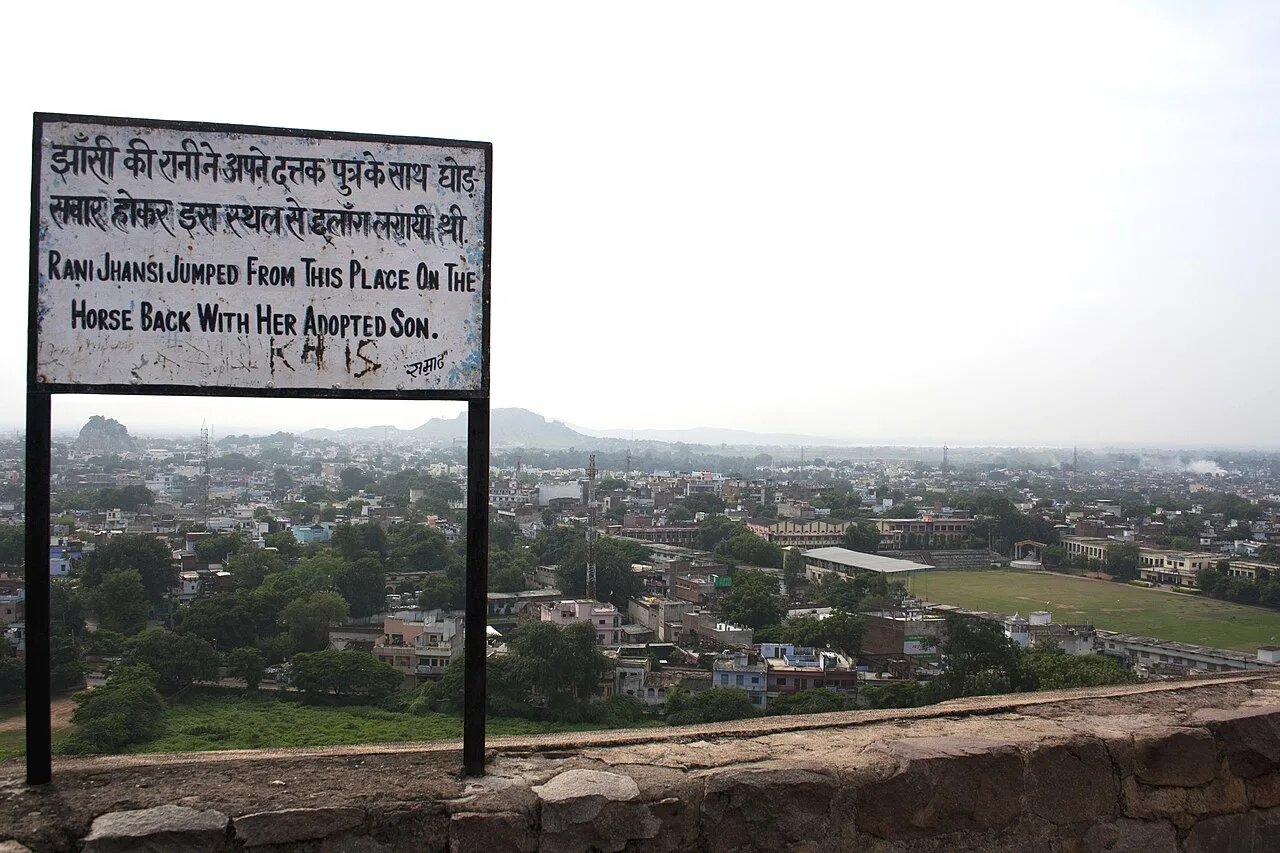
Jhansi Fort

Jhansi Fort is a historic stronghold on Bangira in Jhansi, Uttar Pradesh. Visitors can explore its links to the Karhade Brahmin rulers and the town’s later British-era history.

Bara Imambara

144 km away · Lucknow district

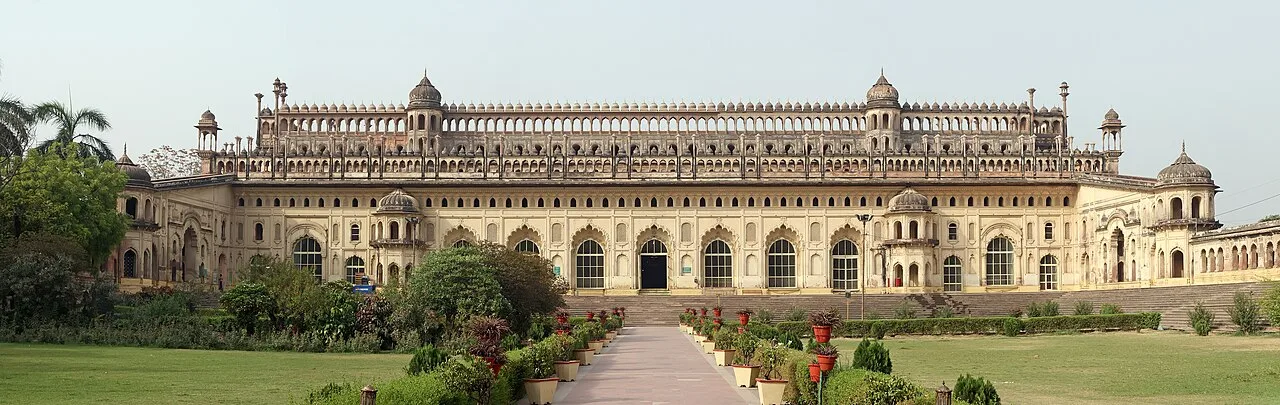
Bara Imambara

Bara Imambara, also known as the Asafi Imambara, is a religious complex in Lucknow. Visitors come to see its imambara and mosque and its status as a nationally important monument.

Chota Imambara

144 km away · Lucknow district

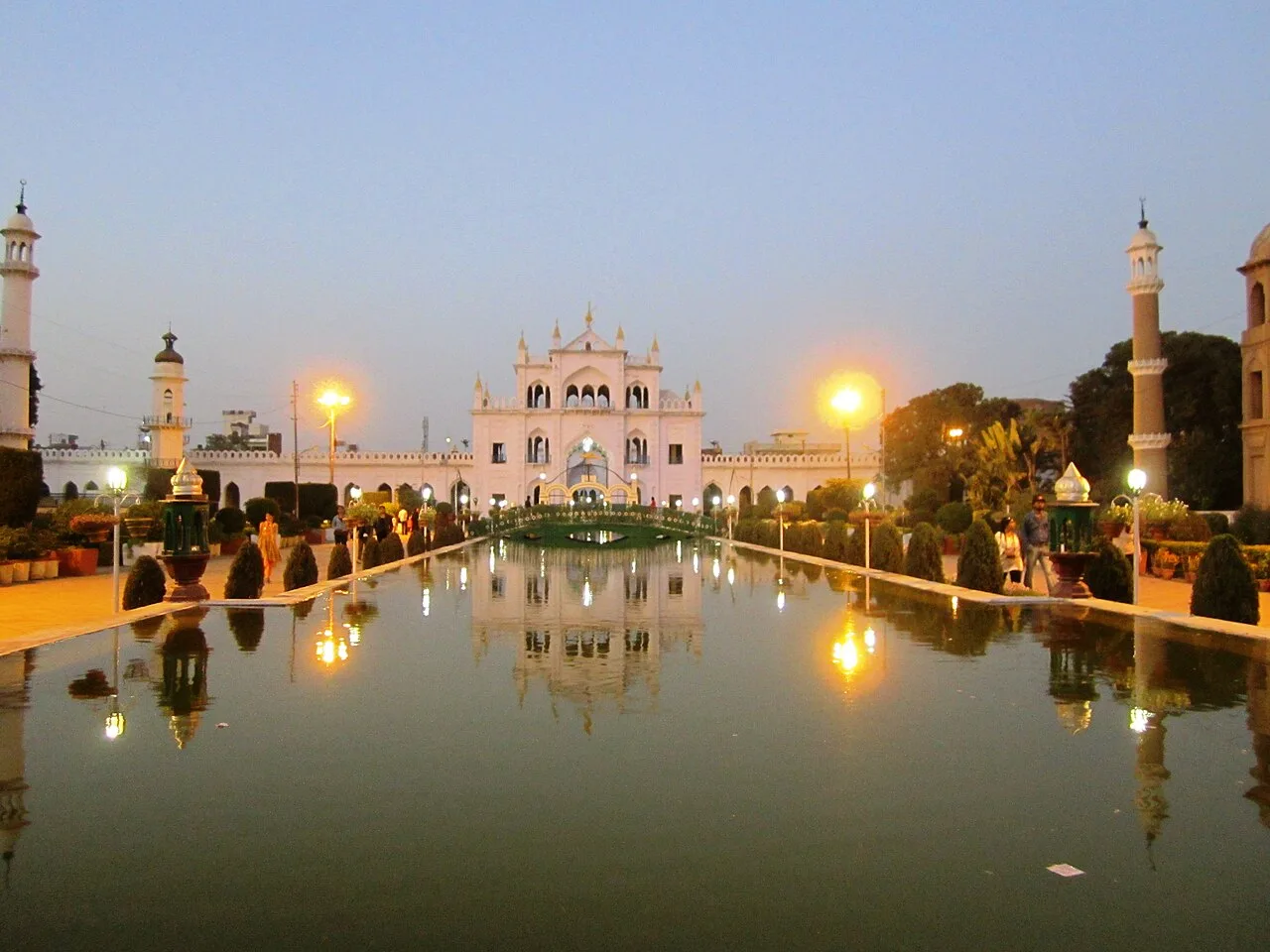
Chota Imambara

Chota Imambara, also called Imambara Hussainabad Mubarak, is a Shia religious hall and mausoleum in Lucknow. Visitors come to see its decorated interiors, calligraphy and distinctive ceremonial features.

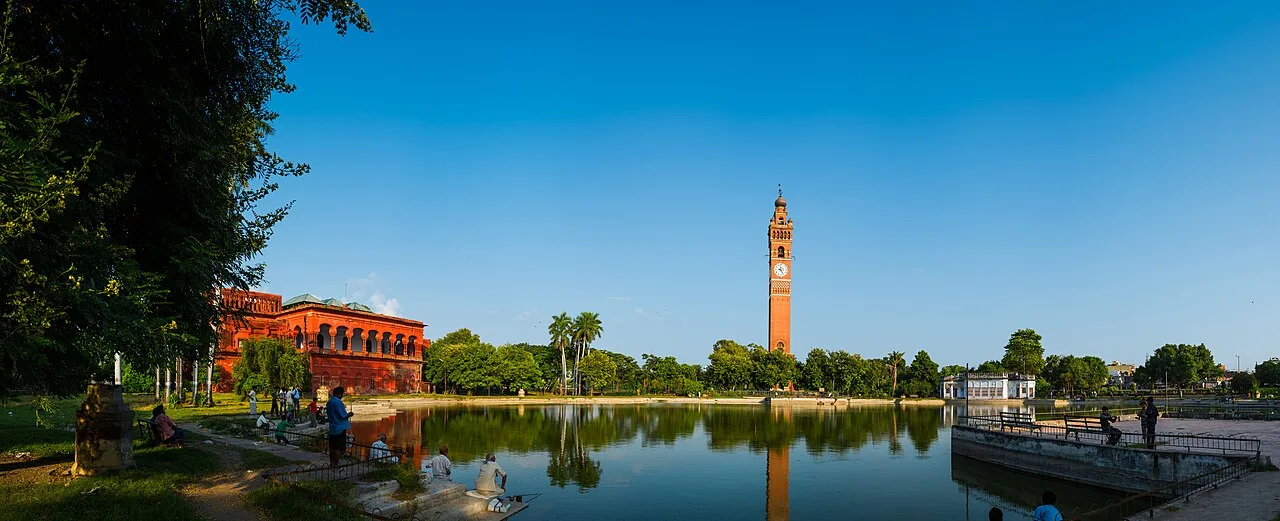
Husainabad Clock Tower

144 km away · Lucknow district

Husainabad Clock Tower

Husainabad Clock Tower is a historic structure in Lucknow, Uttar Pradesh, built to commemorate an official’s arrival. Visitors come to see its combination of Mughal and Victorian architectural features.

Map

Kalpi on the map

  1. 1JK Temple
  2. 2Bithoor Ghats
  3. 3Etawah Safari Park
  4. 4Nawabganj Bird Sanctuary
  5. 5Jhansi Fort
  6. 6Bara Imambara
  7. 7Chota Imambara
  8. 8Husainabad Clock Tower

Uttar Pradesh

Other cities to explore