Ghumoopedia — Explore, Discover, Experience
Sign in
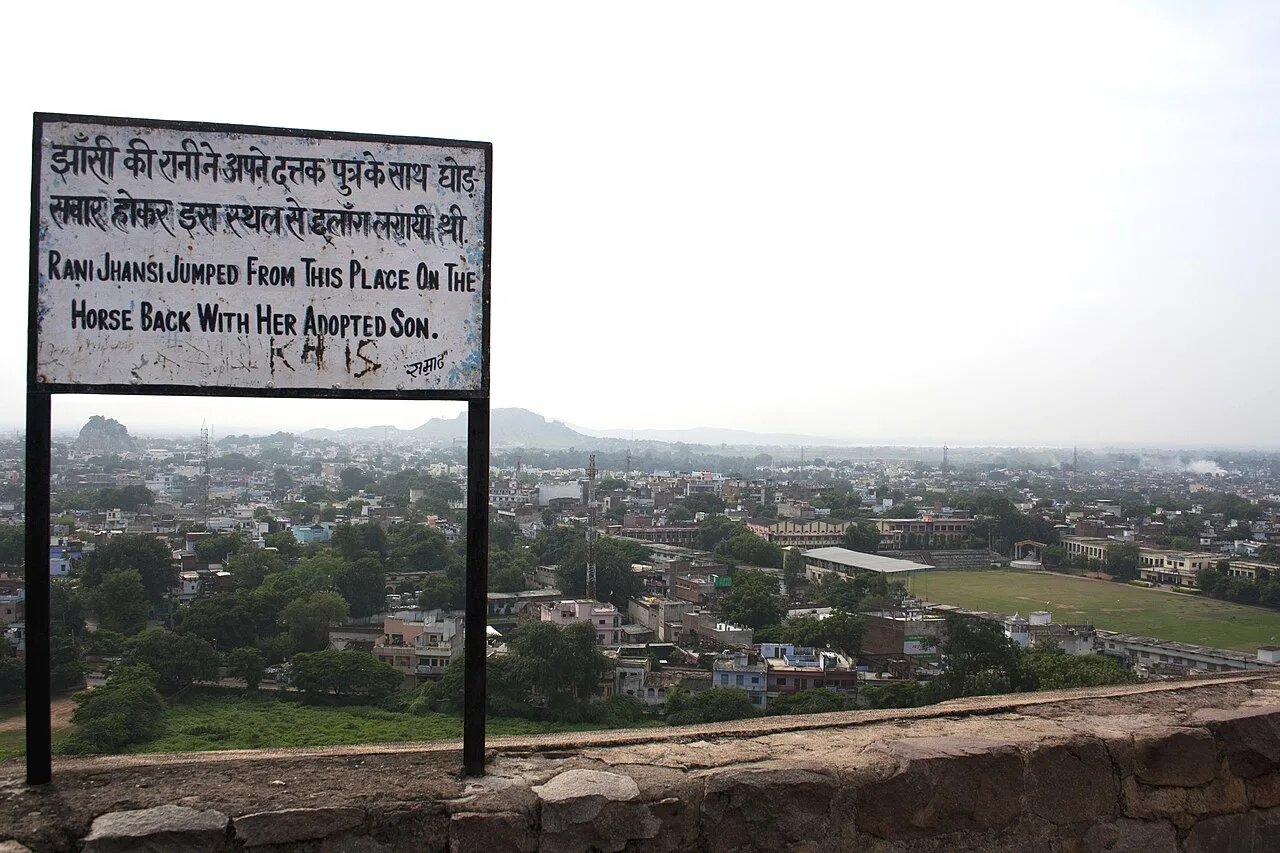
Jhansi Fort, near Ranipur

City guide · Uttar Pradesh

Ranipur

Ranipur is a small town in Jhansi district, in the Bundelkhand region of Uttar Pradesh. Its importance is primarily local: it serves as a centre for nearby communities, with civic administration, everyday trade and textile work shaping its role.

Famous for

  • Handloom and powerloom textiles
  • Woven sarees and cloth
  • Bundelkhand regional culture
  • Jhansi district location

Why Ranipur matters

Ranipur is a small town in Jhansi district, in the Bundelkhand region of Uttar Pradesh. Its importance is primarily local: it serves as a centre for nearby communities, with civic administration, everyday trade and textile work shaping its role. Ranipur is especially associated with handloom and powerloom weaving, including woven cloth and sarees. This gives the town a modest place in the region’s textile economy, though it is not a large commercial or established sightseeing centre.

Visitors are most likely to come for local connections, shopping for textiles or a stop while travelling through the Jhansi area. The wider district offers access to Jhansi’s historic sites and transport links, while Ranipur provides a closer look at ordinary town life in Bundelkhand. Its setting on the region’s plateau and its location within Jhansi district help explain its ties to surrounding settlements. Travellers should treat Ranipur as a practical, locally focused destination rather than expect a concentration of major tourist attractions.
Famous for: crafts, trade & products

Ranipur’s clearest local association is textile production, particularly handloom and powerloom weaving. Woven fabrics and sarees are the products most often linked with the town. The scale and variety of production can vary, and specific workshops or product lines are not consistently documented; visitors interested in textiles can ask at local cloth shops and market businesses about locally woven goods. Buying directly from a weavers’ workshop may depend on whether it is operating and receiving visitors.

Ranipur should not be assumed to have a particular GI-tagged product, nationally recognised handicraft, or large formal textile market without confirming details locally. Its trade is better understood as part of the everyday economy of a small Bundelkhand town, serving residents and nearby communities. The local market is the natural place to look for clothing, household necessities and fabric, while Jhansi offers a wider choice of retail and commercial services.

History

Ranipur’s documented profile is that of a town in Jhansi district, rather than a place with a widely recorded royal court or a detailed, separately chronicled political history. Its development can be understood in the wider context of Bundelkhand: settlements in the region were shaped by local kingdoms, changing trade routes and the growth of district towns. The history of Jhansi provides important regional context, but events associated with Jhansi should not automatically be attributed to Ranipur itself.

Jhansi came under Maratha rule before passing to British control in the nineteenth century. The city became a major centre of the 1857 uprising, associated with Rani Lakshmibai. In the modern period, Ranipur has developed as a local town with textile activity and civic administration. It is governed as a Nagar Panchayat, with representation across 14 wards. Its present role reflects the everyday needs of residents and surrounding settlements more than monumental or tourist-led development.

Food, festivals & culture

Ranipur shares the broad cultural setting of Bundelkhand. Hindi is widely used, and Bundeli is also spoken across the region; visitors may hear both in daily conversation. Food is generally rooted in home-style north Indian cooking, with breads, lentils, seasonal vegetables and snacks available through local eateries.

Holi in spring and Diwali in autumn are among the major festivals observed in the area, alongside Navratri and other Hindu observances. The timing of religious celebrations follows the lunar calendar, so dates change each year. Community gatherings, devotional music and seasonal folk traditions form part of the wider Bundelkhand cultural landscape, though specific performances are not scheduled as regular visitor events in Ranipur. Neighbourhood places of worship serve local communities; visitors should dress respectfully and follow local customs when entering them.

Visiting the city

The cooler months, roughly from October to March, are generally the most comfortable time to visit. Summers in Bundelkhand can be very hot, while the monsoon brings rain and changing road conditions. Ranipur has no major commercial airport of its own; Khajuraho Airport is a nearby option by air distance, while Gwalior Airport is another regional choice. Check current routes before planning. Jhansi Junction is the principal railway station for reaching the district, with onward travel to Ranipur by road.

Auto-rickshaws and local road transport may be available for short journeys, while taxis or hired vehicles are more practical for flexible travel from Jhansi. The town centre and its local market are useful areas to explore on foot or by short ride, especially for everyday shops and textile businesses. Ask locally before setting out to visit a weaving workshop, as access and operating arrangements can vary.

Trips from the city

Nearest places to visit from Ranipur

Our closest destination guides, by straight-line distance.

Jhansi Fort

54 km away · Jhansi district

Jhansi Fort

Jhansi Fort is a historic stronghold on Bangira in Jhansi, Uttar Pradesh. Visitors can explore its links to the Karhade Brahmin rulers and the town’s later British-era history.

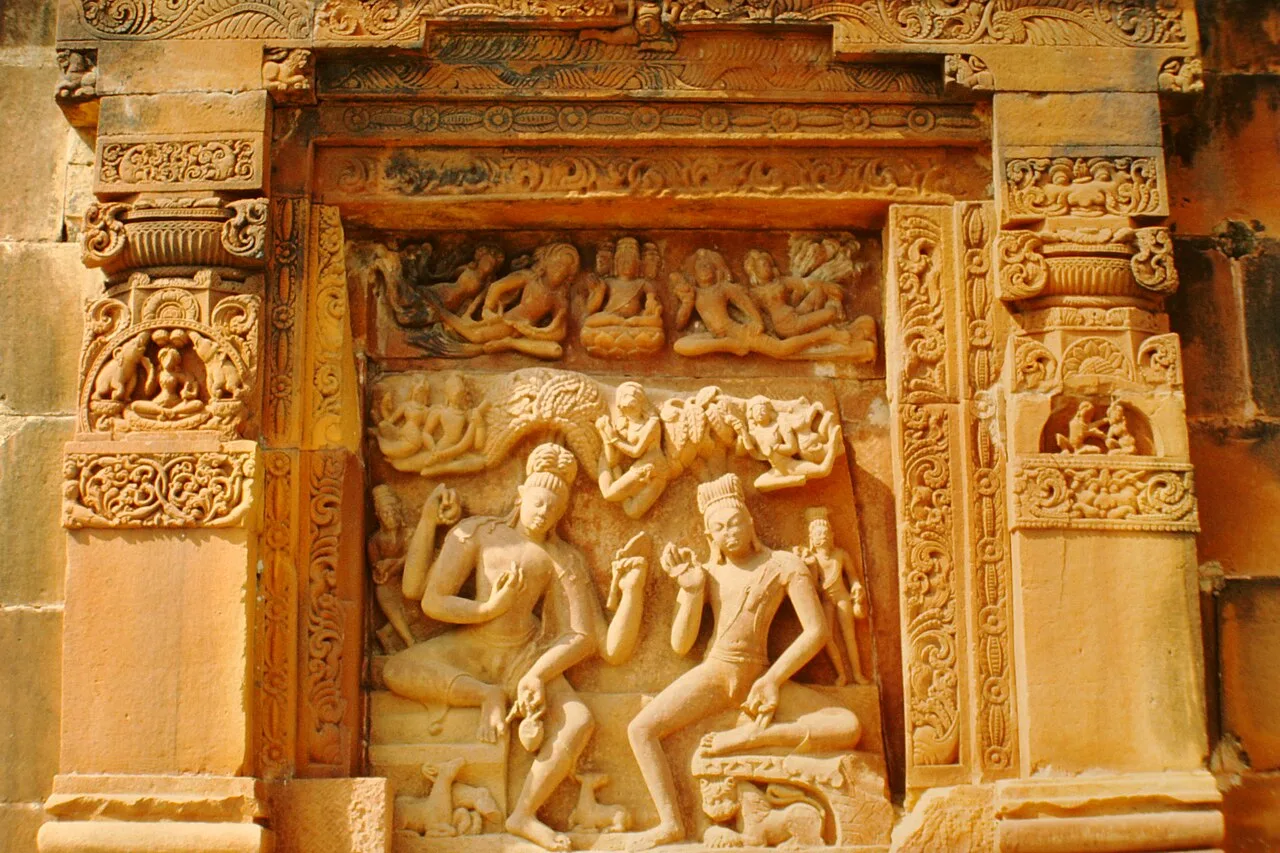
Dashavatara Temple

116 km away · Lalitpur district

Dashavatara Temple

The Dashavatara Temple is a Gupta-period shrine to Vishnu at Deogarh, Uttar Pradesh. Visitors come to study its early stone architecture and carved narratives, which illuminate the development of northern Indian temple design.

Kalinjar Fort

146 km away · Banda district

Kalinjar Fort

Travellers visit Kalinjar for its extensive fortifications, its association with Chandela rule and its long religious history, including sacred structures dating to the Gupta period.

Etawah Safari Park

169 km away · Etawah district

Etawah Safari Park

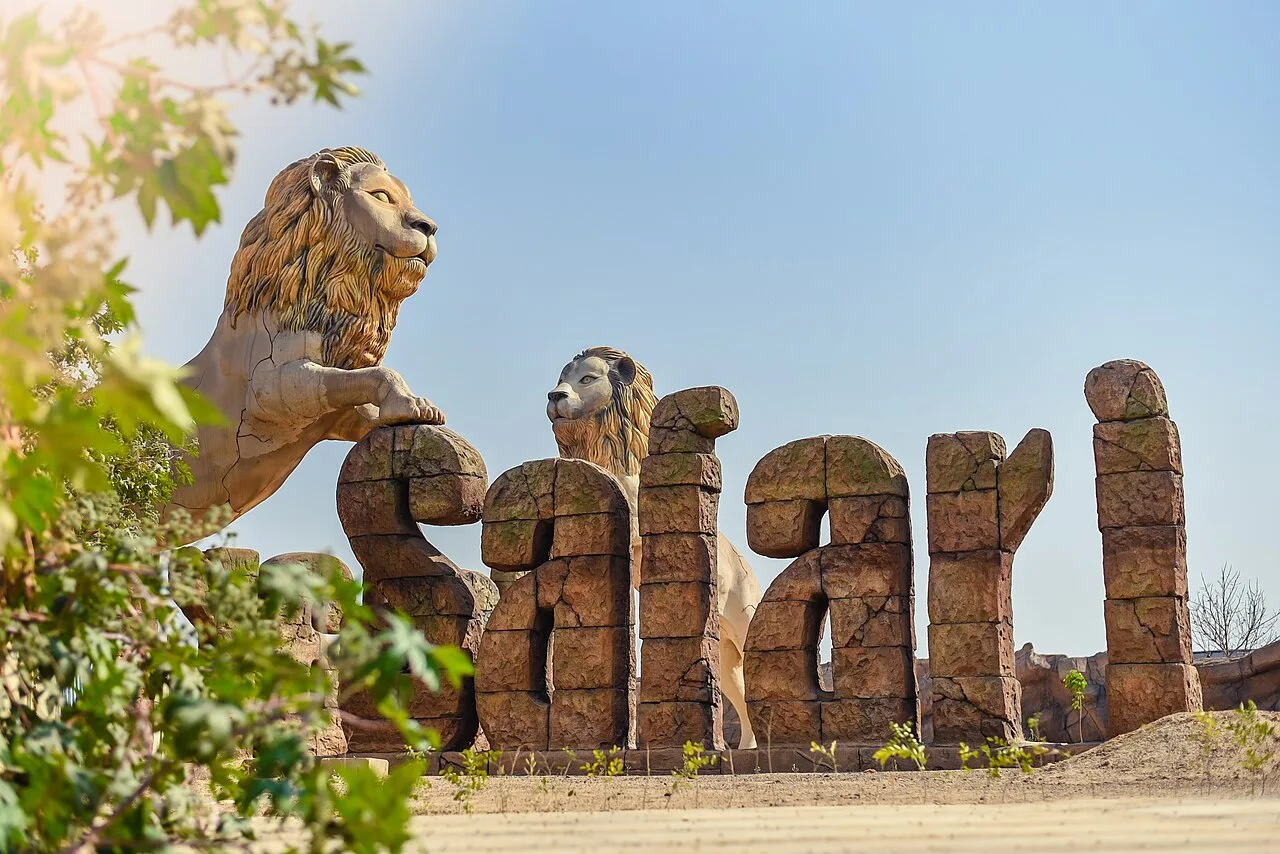
A wildlife attraction in Etawah district, Uttar Pradesh, the park draws visitors for its vehicle-based safari experiences, Asiatic lion breeding centre and visitor centre.

JK Temple

184 km away · Kanpur Nagar district

JK Temple

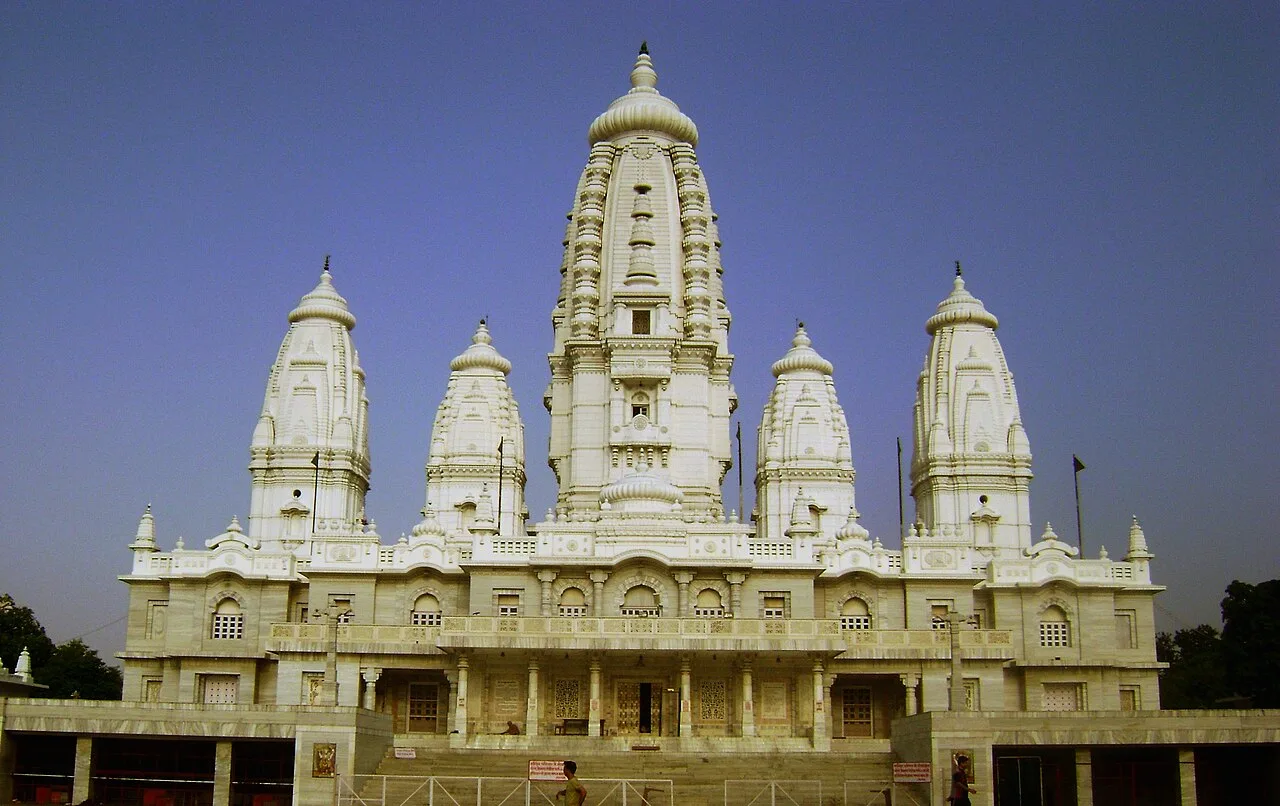
Known also as the Juggilal Kamlapat Temple and Radhakrishna Temple, this Hindu place of worship in Kanpur draws visitors for its combination of traditional and modern architectural features.

Bithoor Ghats

194 km away · Kanpur Nagar district

Bithoor Ghats

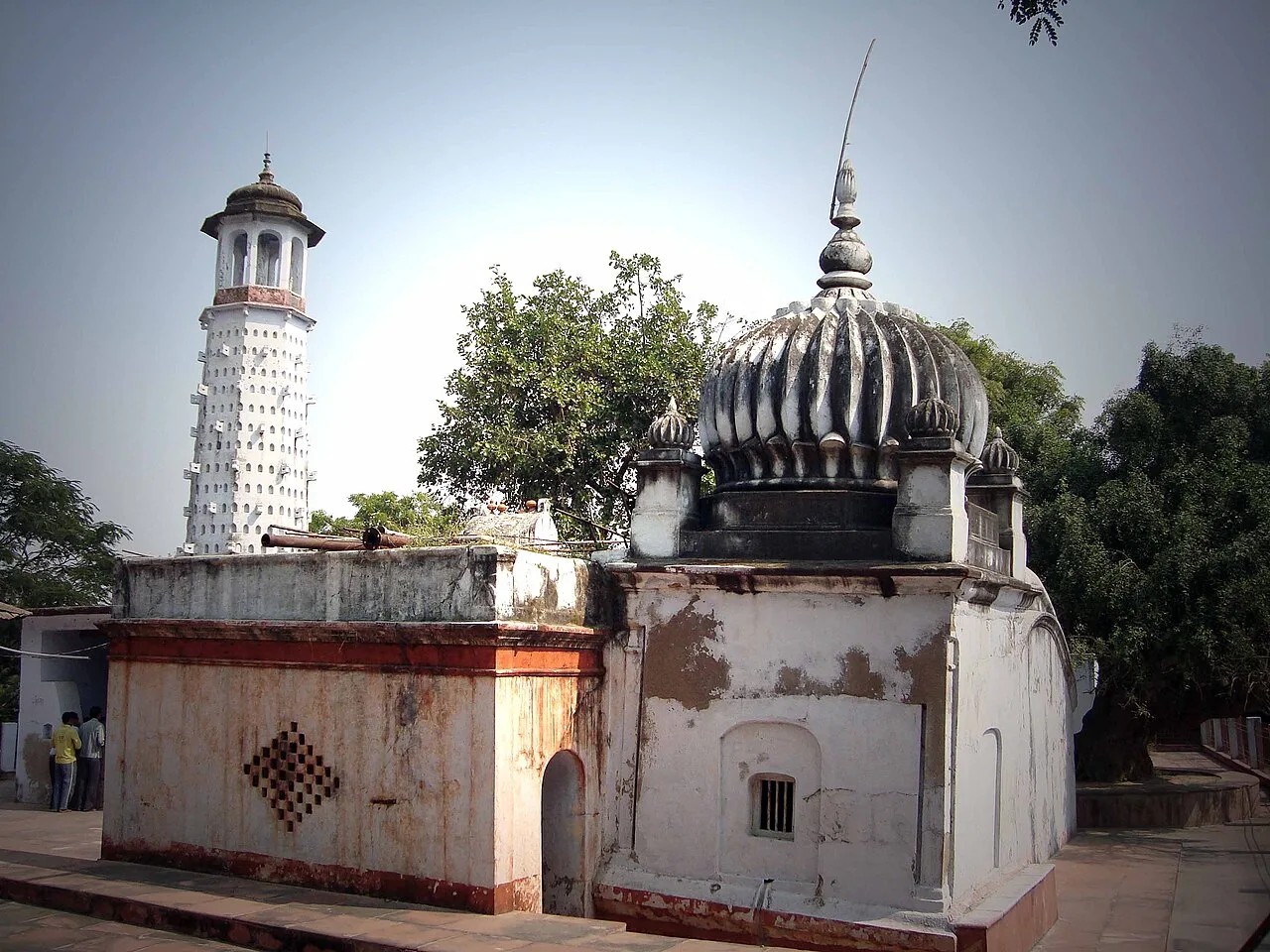
Bithoor Ghats are part of Bithoor, a town in Uttar Pradesh beside the Ganges. People visit for its importance as a Hindu pilgrimage centre and its connection with Nana Sahib and the 1857 uprising.

Bateshwar Temples, Agra

195 km away · Agra district

Bateshwar Temples, Agra

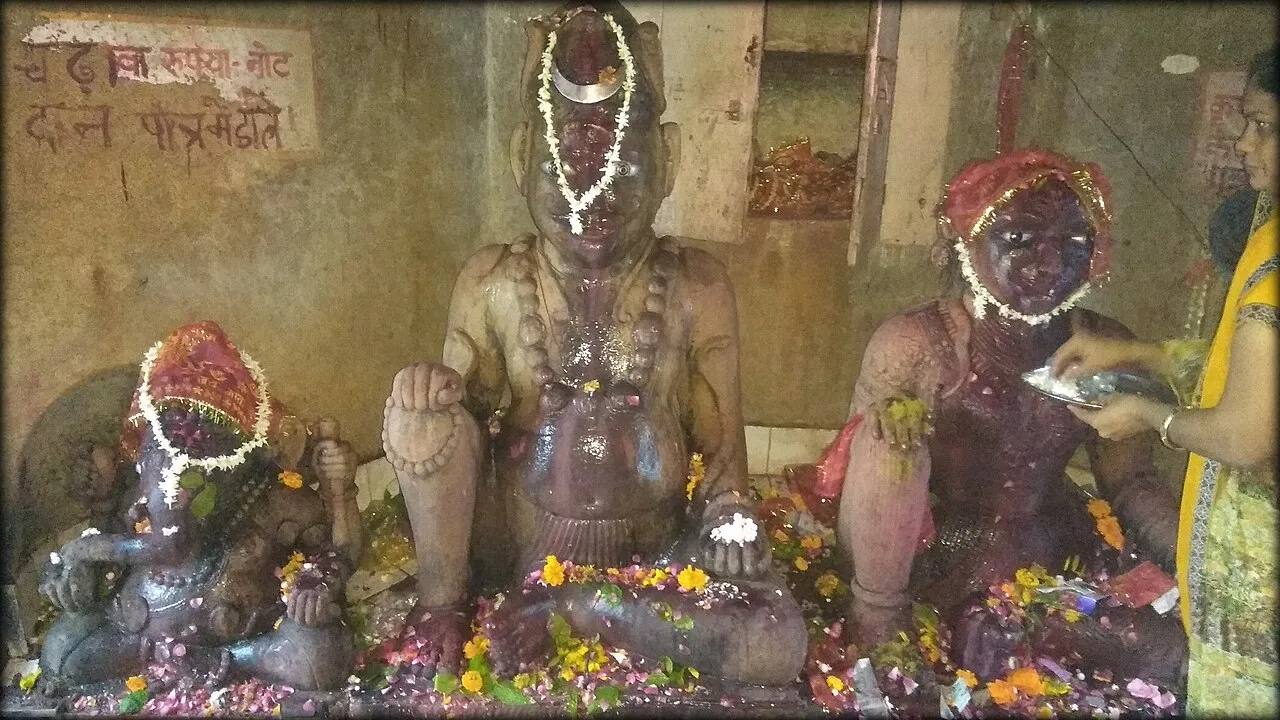
Bateshwar is a village in Uttar Pradesh’s Agra district, known as a spiritual centre for Hindus and Jains, with 101 Shiva temples and an annual fair.

Nawabganj Bird Sanctuary

220 km away · Unnao district

Nawabganj Bird Sanctuary

Nawabganj Bird Sanctuary, renamed Shahid Chandra Shekhar Azad Bird Sanctuary in 2015, is a wetland reserve in Unnao district, visited for its migratory birds, deer park, watchtowers and boats.

Map

Ranipur on the map

  1. 1Jhansi Fort
  2. 2Dashavatara Temple
  3. 3Kalinjar Fort
  4. 4Etawah Safari Park
  5. 5JK Temple
  6. 6Bithoor Ghats
  7. 7Bateshwar Temples, Agra
  8. 8Nawabganj Bird Sanctuary

Uttar Pradesh

Other cities to explore