Ghumoopedia — Explore, Discover, Experience
Sign in
Pilibhit Tiger Reserve, near Pilibhit

City guide · Uttar Pradesh

Pilibhit

Pilibhit is a regional centre in the Terai fringe of northern Uttar Pradesh, close to the Nepal border and the foothills of the Shivalik range. Its setting links the cultivated plains of Rohilkhand with forests, wetlands and river country.

Famous for

  • Pilibhit flutes
  • Pilibhit Tiger Reserve
  • Gomti River source
  • Rohilkhand heritage

Why Pilibhit matters

Pilibhit is a regional centre in the Terai fringe of northern Uttar Pradesh, close to the Nepal border and the foothills of the Shivalik range. Its setting links the cultivated plains of Rohilkhand with forests, wetlands and river country. The Gomti River rises at Gomat Taal near Madhotanda, in the wider district, while the Sharda River marks part of the international boundary.

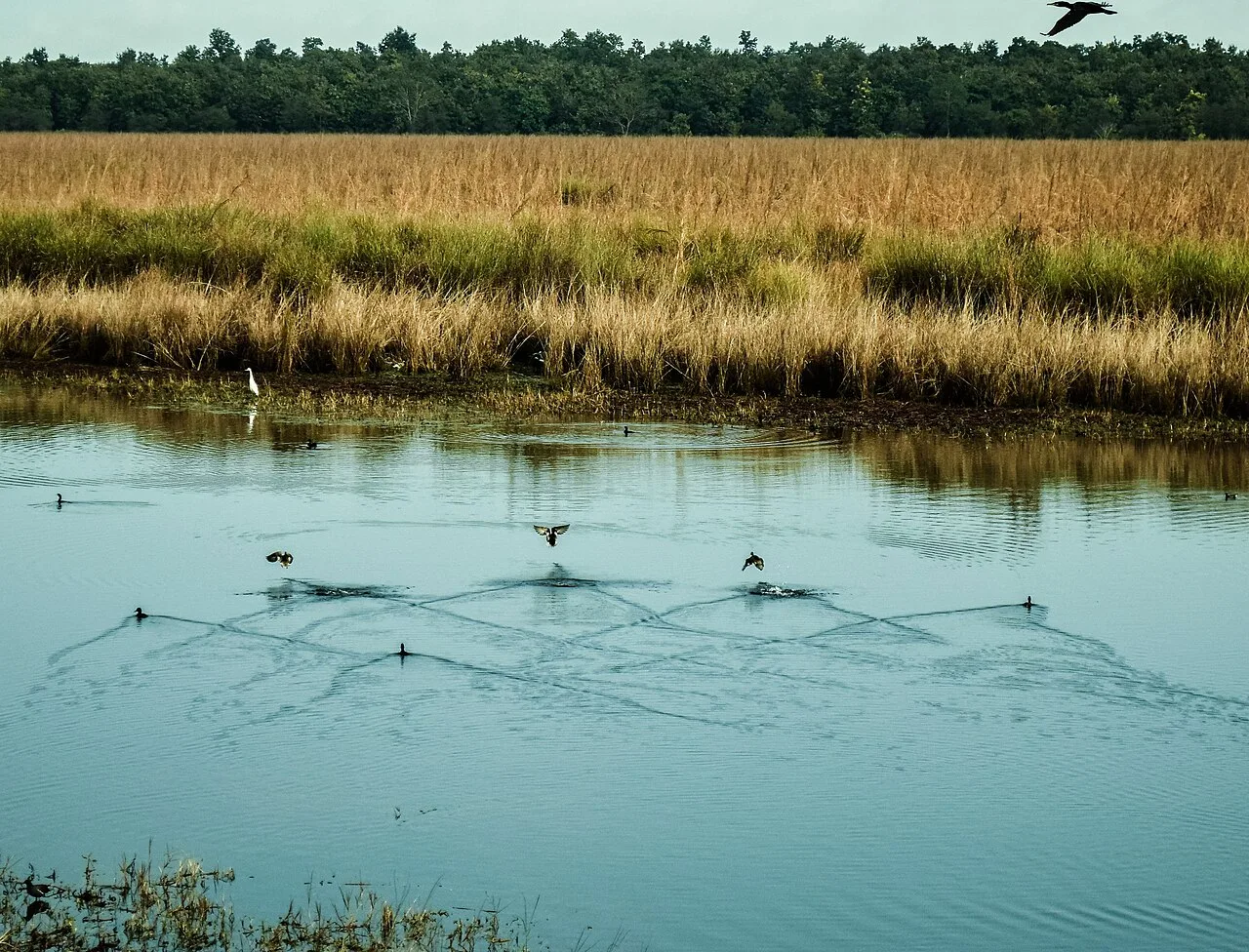
The best-known draw for nature visitors is Pilibhit Tiger Reserve, a forest landscape recognised for its tigers, other wildlife and birdlife. The city is a useful base for journeys into the surrounding countryside, although reserve visits require separate planning. Pilibhit is also widely associated with bansuri, or bamboo flute, making and has earned the name Bansuri Nagari. Its railway junction and bus links connect it with towns including Bareilly and Tanakpur. Within the city, visitors can explore its old religious sites and traces of Mughal-era gateways, as well as its everyday markets and local food scene. Together, craft, history and access to the Terai give Pilibhit an identity distinct from larger nearby centres.
Famous for: crafts, trade & products

Pilibhit’s signature craft is the bamboo bansuri. The city is often called Bansuri Nagari because flute-making and related trade have long been associated with it; it is frequently described as a major source of India’s flutes. Instruments are made in small workshops, and visitors can ask at local music-instrument shops and markets about locally made flutes. Craft production is not always arranged as a visitor attraction, so it is sensible to confirm a workshop visit locally rather than assume one is open to the public.

The wider district’s economy is also tied to farming and food processing, with sugarcane and sugar production part of the regional landscape. Lalit Hari Sugar Factory is a longstanding local industrial institution, though it is not a general tourist attraction. Pilibhit’s markets serve nearby villages as well as city residents, with everyday goods and agricultural trade rather than a single famous shopping quarter. There is no widely established city-specific GI-tagged textile or handicraft to seek out. For a practical souvenir, a locally made flute is the clearest choice; buyers can compare workmanship and ask about the bamboo, tuning and intended playing style before purchasing.

History

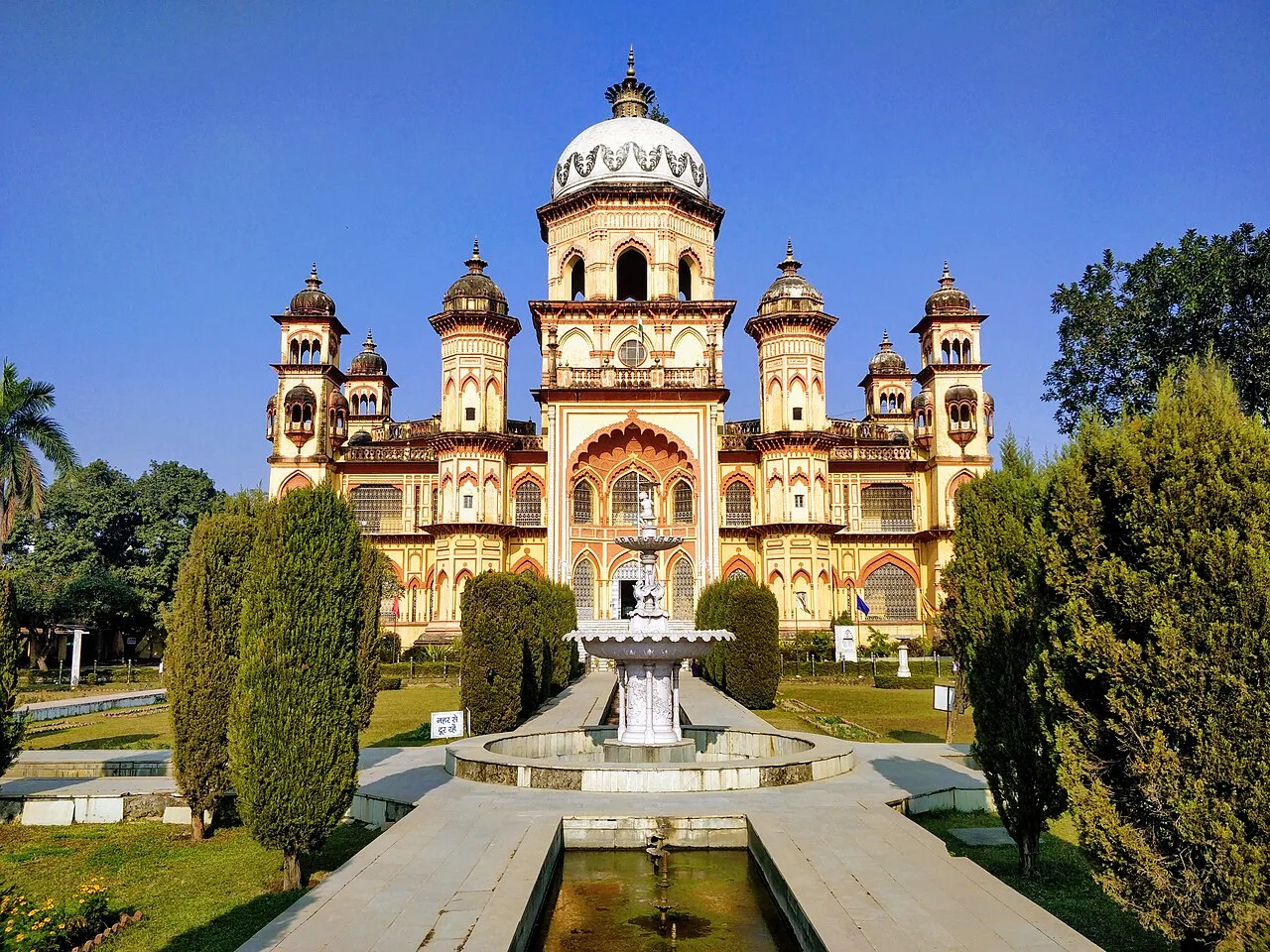
Local tradition connects the region with King Venu, also called Mayurdhwaj or Moredhwaj, a ruler remembered in stories associated with the Mahabharata. The city’s documented past is more firmly visible in its Mughal-era role as an administrative centre under Bareilly. In 1734, Mughal subedar Ali Mohammed Khan had four gates built around the administrative area and also commissioned a congregational mosque. The gates—named for directions and nearby places—have largely disappeared, leaving traces rather than intact monuments.

Pilibhit was once also known as Hafizabad, after Rohilla leader Hafiz Rahmat Khan, before taking the name of a nearby village. The area experienced the political upheavals of Rohilkhand and the Maratha incursions of the late eighteenth century. In the nineteenth century, it was connected with figures displaced by conflict in the region: the last ruler of Nepal’s Doti Shah dynasty found shelter here in 1789, and freedom fighter Maulana Inayatullah is remembered for hosting Begum Hazrat Mahal after her exile. Under British rule, Pilibhit developed as a district town. In modern times, its railway and road links, agriculture, flute craft and proximity to the tiger reserve have shaped its regional role.

Food, festivals & culture

Pilibhit’s food reflects the broader Rohilkhand and Uttar Pradesh kitchen: everyday meals commonly centre on wheat breads, lentils, seasonal vegetables and rice, with snacks and sweets available from local shops. There is no single dish that reliably defines the city, so visitors can look for regional favourites at neighbourhood eateries and ask which sweets are freshly made. Hindi is widely used; Urdu is also part of the area’s linguistic and cultural life, alongside other languages spoken by residents and visitors from nearby regions.

Holi in spring and Diwali in autumn are among the major Hindu festivals, while Eid celebrations follow the Islamic lunar calendar and bring their own seasonal rhythm. Sikh observances are part of the wider district’s religious life, with Nanakmatta, an important Sikh pilgrimage town, located outside Pilibhit. The city has mosques, temples and gurdwaras serving local communities. Flute-making gives music a particularly visible connection to Pilibhit, though performances are not necessarily scheduled for visitors. Devotional singing and popular North Indian music are heard at religious and community gatherings; there is no single local dance tradition that defines the city.

Visiting the city

The cooler months, roughly October to March, are generally the most comfortable for exploring Pilibhit and planning outings into the surrounding Terai. Summers can be hot, while the monsoon brings rain and may affect countryside travel. Bareilly Airport is the nearest airport mentioned for the city, about 40 km away; check current flight availability before planning around it. Pilibhit Junction is the main railway station, with services linking the city to places including Bareilly and Tanakpur.

UPSRTC buses and local road transport connect Pilibhit with nearby towns; auto-rickshaws and other local vehicles are useful for getting around the city. The central market area and the vicinity of the old Jama Masjid offer a sense of the historic town, while the route toward Tanakpur and the wider district provides access to rural scenery. Arrange travel to Pilibhit Tiger Reserve separately, as it lies beyond the city and requires advance planning.

Trips from the city

Nearest places to visit from Pilibhit

Our closest destination guides, by straight-line distance.

Pilibhit Tiger Reserve

28 km away · Pilibhit district

Pilibhit Tiger Reserve

Pilibhit Tiger Reserve is a protected tiger habitat in Uttar Pradesh’s Pilibhit district, designated in 2014. Visitors come to explore its forests, grasslands, wetlands and wildlife, including tigers and deer.

Rampur Raza Library

79 km away · Rampur district

Rampur Raza Library

In Rampur, Uttar Pradesh, the Rampur Raza Library preserves Indo-Islamic cultural heritage dating to the late eighteenth century. Visitors come to see its manuscripts, artworks, historical records and varied printed collection.

Dudhwa National Park

87 km away · Lakhimpur Kheri district

Dudhwa National Park

Dudhwa National Park is a protected area in Uttar Pradesh’s northern Terai, known for its marshy grassland setting. Visitors come to experience this landscape and explore a park within the Dudhwa Tiger Reserve.

Katarniaghat Wildlife Sanctuary

133 km away · Bahraich district

Katarniaghat Wildlife Sanctuary

Katarniaghat Wildlife Sanctuary is a protected area in Uttar Pradesh’s Bahraich district, visited by people interested in wildlife and its connection with the Dudhwa Tiger Reserve.

Hastinapur Heritage Town

184 km away · Meerut district

Hastinapur Heritage Town

Hastinapur is a town in Uttar Pradesh’s Meerut district, known for its place in Hindu accounts of the Kuru kingdom and its Jain associations with three Tirthankaras.

Etawah Safari Park

222 km away · Etawah district

Etawah Safari Park

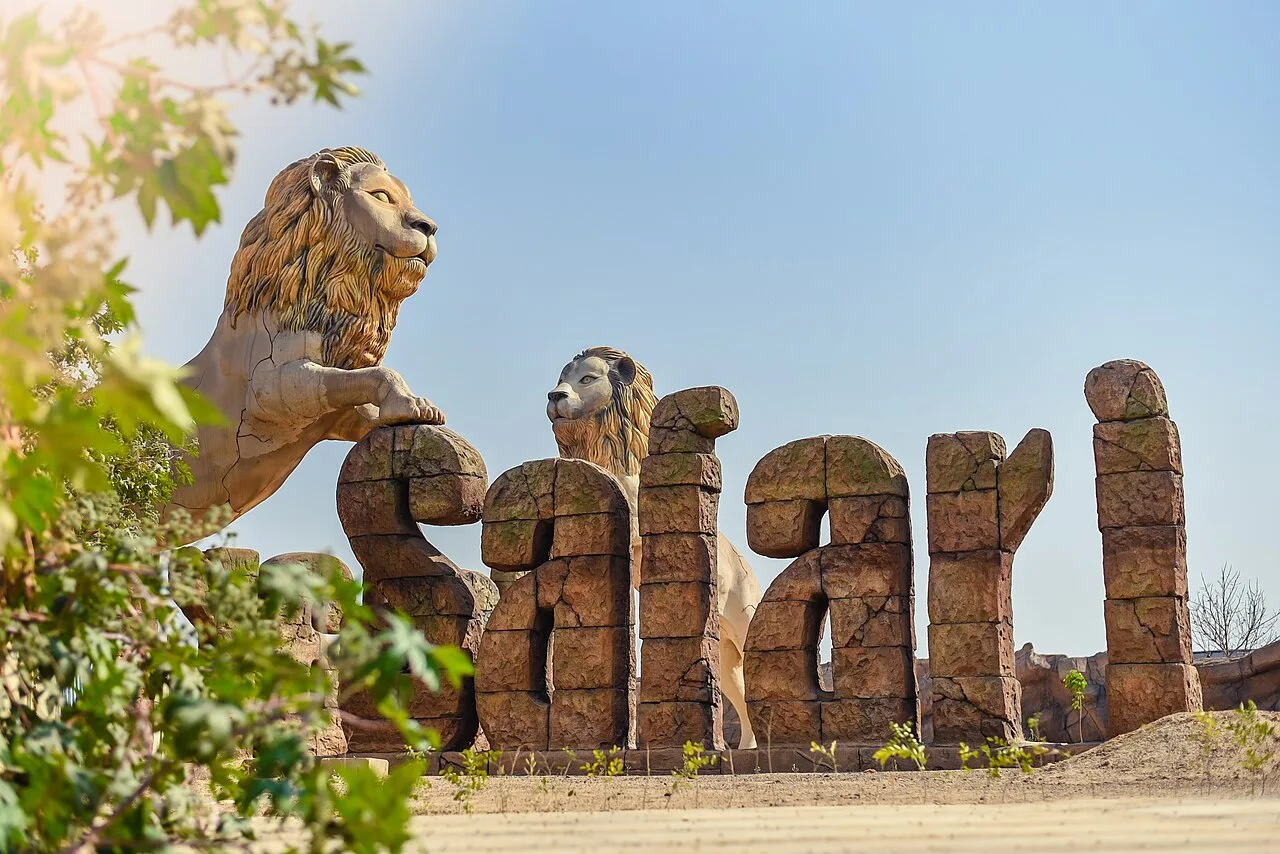
A wildlife attraction in Etawah district, Uttar Pradesh, the park draws visitors for its vehicle-based safari experiences, Asiatic lion breeding centre and visitor centre.

Chota Imambara

223 km away · Lucknow district

Chota Imambara

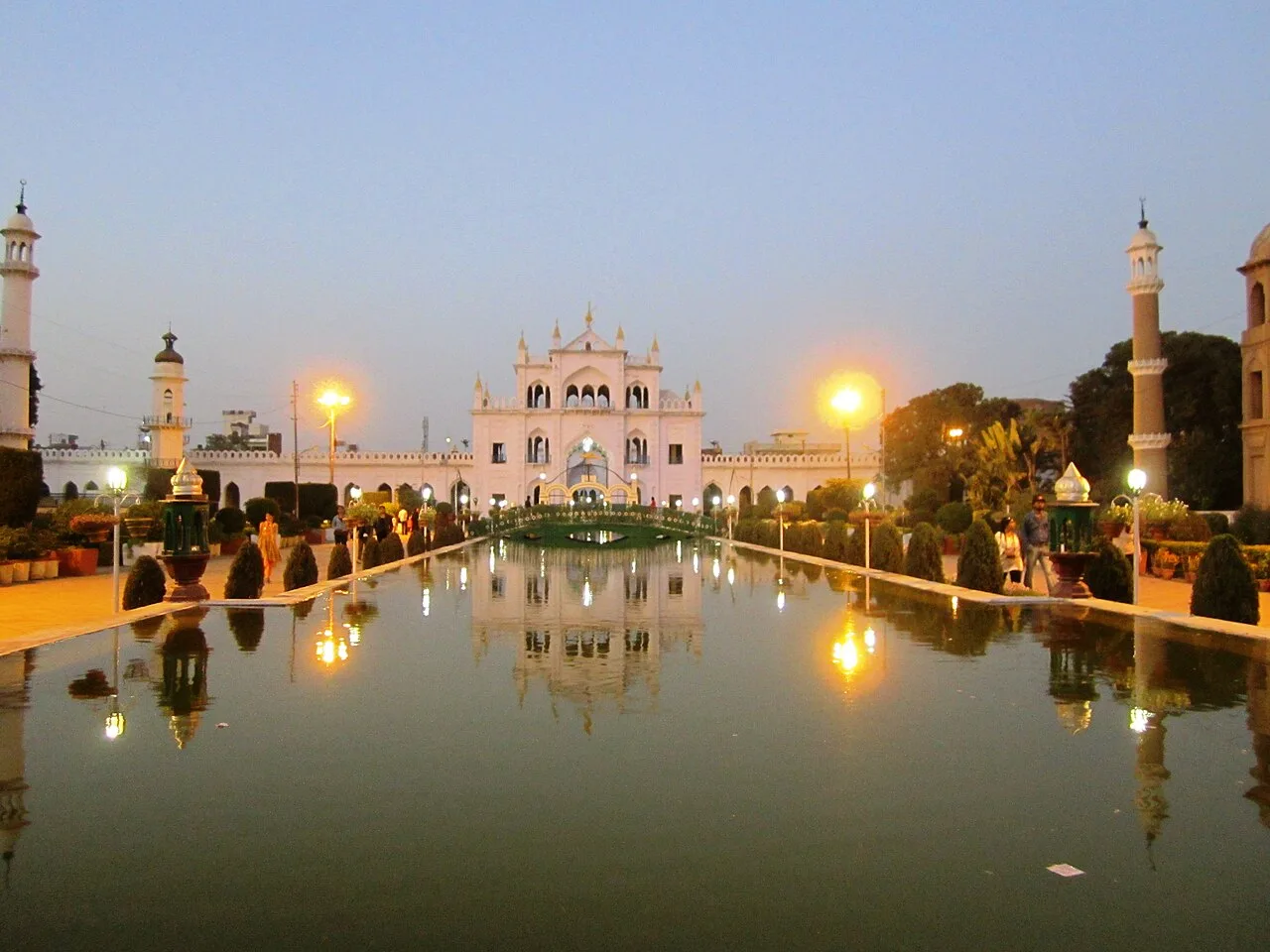
Chota Imambara, also called Imambara Hussainabad Mubarak, is a Shia religious hall and mausoleum in Lucknow. Visitors come to see its decorated interiors, calligraphy and distinctive ceremonial features.

Husainabad Clock Tower

223 km away · Lucknow district

Husainabad Clock Tower

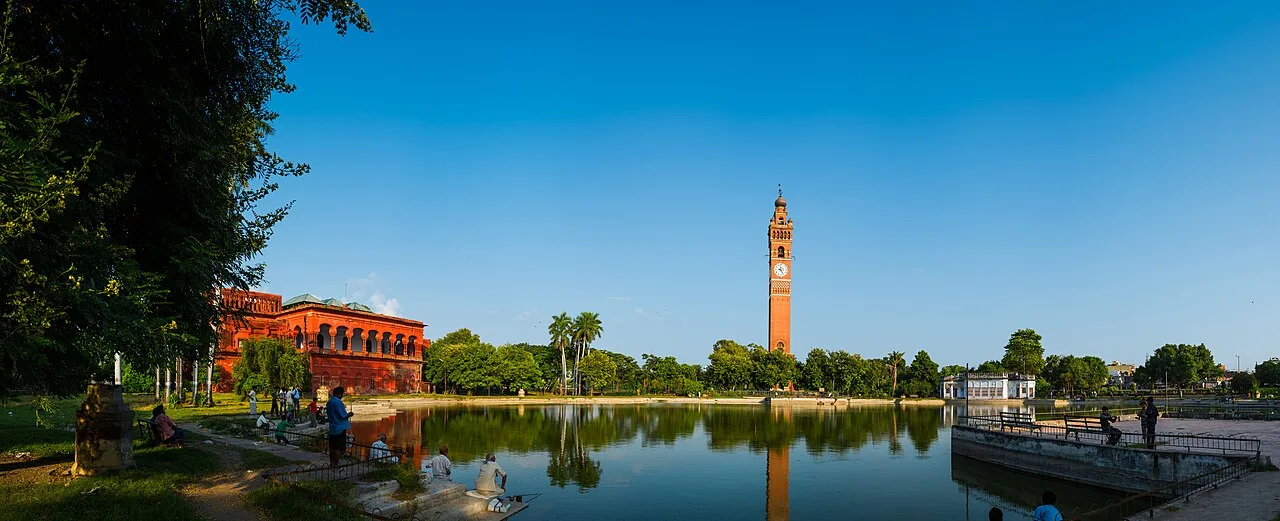
Husainabad Clock Tower is a historic structure in Lucknow, Uttar Pradesh, built to commemorate an official’s arrival. Visitors come to see its combination of Mughal and Victorian architectural features.

Map

Pilibhit on the map

  1. 1Pilibhit Tiger Reserve
  2. 2Rampur Raza Library
  3. 3Dudhwa National Park
  4. 4Katarniaghat Wildlife Sanctuary
  5. 5Hastinapur Heritage Town
  6. 6Etawah Safari Park
  7. 7Chota Imambara
  8. 8Husainabad Clock Tower

Uttar Pradesh

Other cities to explore