Ghumoopedia — Explore, Discover, Experience
Sign in

City guide · Uttar Pradesh

Shamli

Shamli is a district headquarters in western Uttar Pradesh and a working regional centre for nearby towns and farming communities. Its position between Delhi, Meerut, Saharanpur, Muzaffarnagar, Karnal and Panipat connects it to a busy network of roads, rail travel and agricultural trade.

Famous for

  • Hanuman Tilla traditions
  • 1857 uprising heritage
  • Sugarcane and sugar trade
  • Western Uttar Pradesh markets
  • Agricultural hinterland

Why Shamli matters

Shamli is a district headquarters in western Uttar Pradesh and a working regional centre for nearby towns and farming communities. Its position between Delhi, Meerut, Saharanpur, Muzaffarnagar, Karnal and Panipat connects it to a busy network of roads, rail travel and agricultural trade. Sugarcane cultivation and processing are important to the surrounding economy, alongside the sale of grain and other farm produce.

Visitors may be drawn by Shamli’s association with the 1857 uprising and by local traditions linked to Hanuman Tilla. Stories connect the place, once said to have been called Shyamvali, with Krishna’s journey towards Kurukshetra; these are religious traditions rather than established historical accounts. The city is not primarily a monument-tourism destination, but it offers a view of everyday life in the fertile western Uttar Pradesh countryside. Its markets, places of worship and role as a district centre make it a useful stop for travellers exploring the region.
Famous for: crafts, trade & products

Shamli is best known economically for the agricultural trade of its surrounding district, particularly sugarcane and sugar production. Local commerce also serves farming needs and the everyday requirements of nearby villages. Grain, seasonal produce, dairy products and jaggery may be found through ordinary local trade, though availability varies with the season. The city is not widely identified with a particular textile, saree or handicraft tradition, and no specific GI-tagged product is a defining feature of Shamli.

For a sense of local trade, explore the central market streets and shops around the town centre, where everyday goods, clothing, household items and food are sold. These are practical neighbourhood markets rather than specialist craft bazaars. Agricultural activity is more visible in the wider district and through its sugar-processing economy than in a single visitor-focused market. Travellers looking for a distinctive regional craft or branded local product should ask shopkeepers about seasonal produce and locally made foods, rather than expect a dedicated craft district.

History

Local religious tradition associates Shamli with the Dvapara Yuga, saying that Krishna stopped beneath trees near Hanuman Tilla while travelling from Hastinapur towards Kurukshetra. Stories also connect the town’s name with forms such as Shyamvali and Shyama Nagri, and some accounts attribute its founding to Bhima. These narratives are part of local belief and are distinct from documented political history.

The town is associated with Maratha-era military use and with resistance during the 1857 uprising. Accounts of the revolt describe freedom fighters attacking the old tehsil, after which Shamli lost some of its administrative standing under British rule. In modern times, the town regained a central administrative role when it became the headquarters of a new district in 2011. The district was initially named Prabuddh Nagar and was renamed Shamli in 2012. Today, the city’s administrative functions and agricultural commerce shape much of its regional importance.

Food, festivals & culture

Daily life reflects the rural and small-town culture of western Uttar Pradesh. Hindi is widely used, with Urdu and local Khari Boli forms also heard in conversation. Meals commonly draw on wheat breads, seasonal vegetables, lentils and dairy; sweets and savoury snacks are available in neighbourhood shops. Sugarcane and jaggery are familiar parts of the wider agricultural landscape, but Shamli is not especially known for one signature dish.

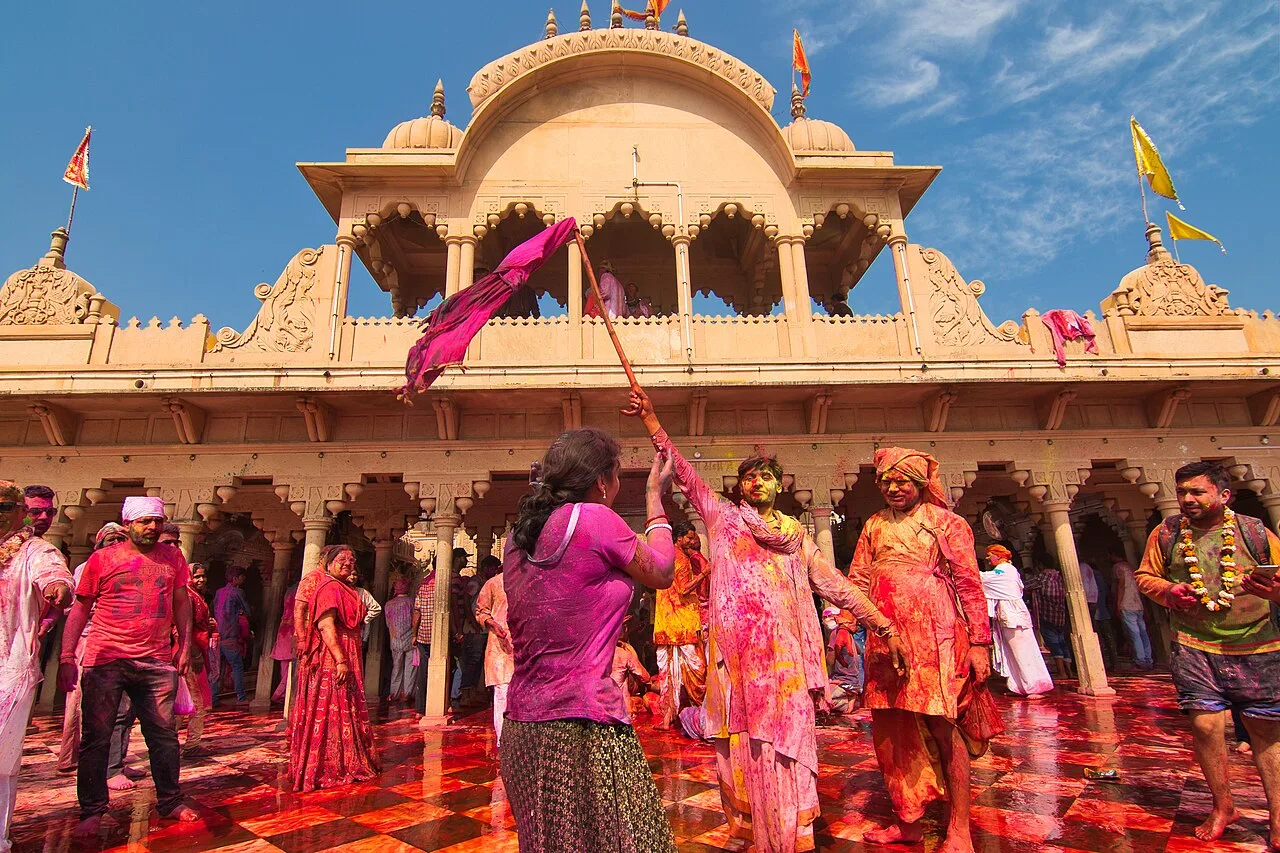
Holi in spring and Diwali in autumn are widely observed, alongside Navratri and other Hindu festivals. Eid is also celebrated by Muslim residents, and religious calendars shape local gatherings throughout the year. Hanuman Tilla is associated with local devotion and the city’s stories about Hanuman. Mosques and temples serve neighbourhood communities. Folk singing and regional performance traditions are part of the broader western Uttar Pradesh culture; music at family and religious occasions is more characteristic of everyday cultural life than a major annual arts event. Festival customs and performances can vary between communities and localities.

Visiting the city

The cooler months, roughly October to March, are generally the most comfortable time to visit; summers can be very hot, while monsoon weather may bring rain and humidity. The nearest major airport for most visitors is Indira Gandhi International Airport in Delhi. Shamli railway station is the city’s main rail station, and road connections link it with Delhi and other western Uttar Pradesh and Haryana cities.

Auto-rickshaws and local shared transport are useful for getting around, while taxis or private vehicles suit trips beyond the centre. In town, explore the central market streets for everyday commerce and ask locally about access to Hanuman Tilla. The station area and civic centre offer a practical introduction to the city, which is best approached as a regional town rather than a destination with a large circuit of formal attractions.

Trips from the city

Nearest places to visit from Shamli

Our closest destination guides, by straight-line distance.

Hastinapur Heritage Town

76 km away · Meerut district

Hastinapur Heritage Town

Hastinapur is a town in Uttar Pradesh’s Meerut district, known for its place in Hindu accounts of the Kuru kingdom and its Jain associations with three Tirthankaras.

Okhla Bird Sanctuary

98 km away · Gautam Buddh Nagar district

Okhla Bird Sanctuary

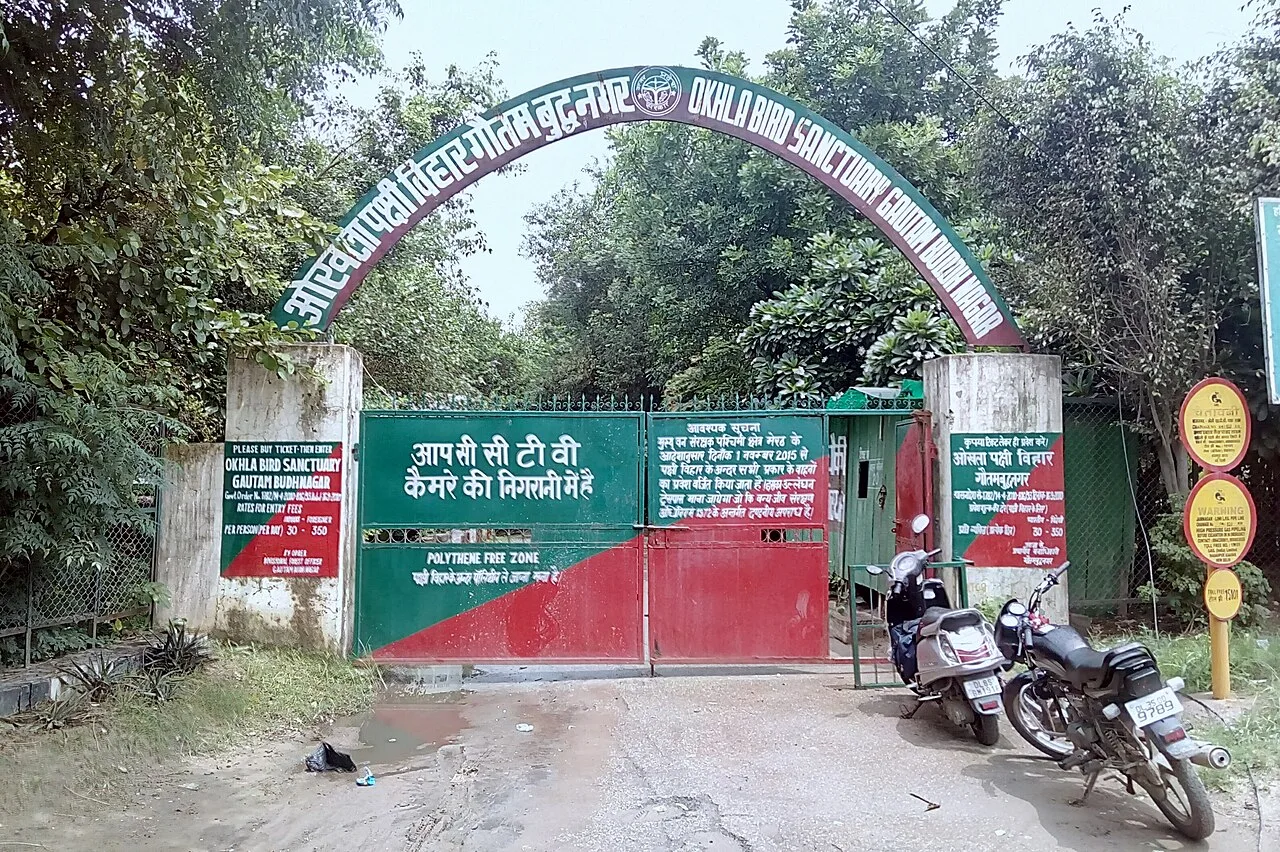
At the Yamuna’s crossing from Delhi into Uttar Pradesh, Okhla Bird Sanctuary protects a barrage-created wetland that visitors come to explore and watch its varied birdlife.

Rampur Raza Library

181 km away · Rampur district

Rampur Raza Library

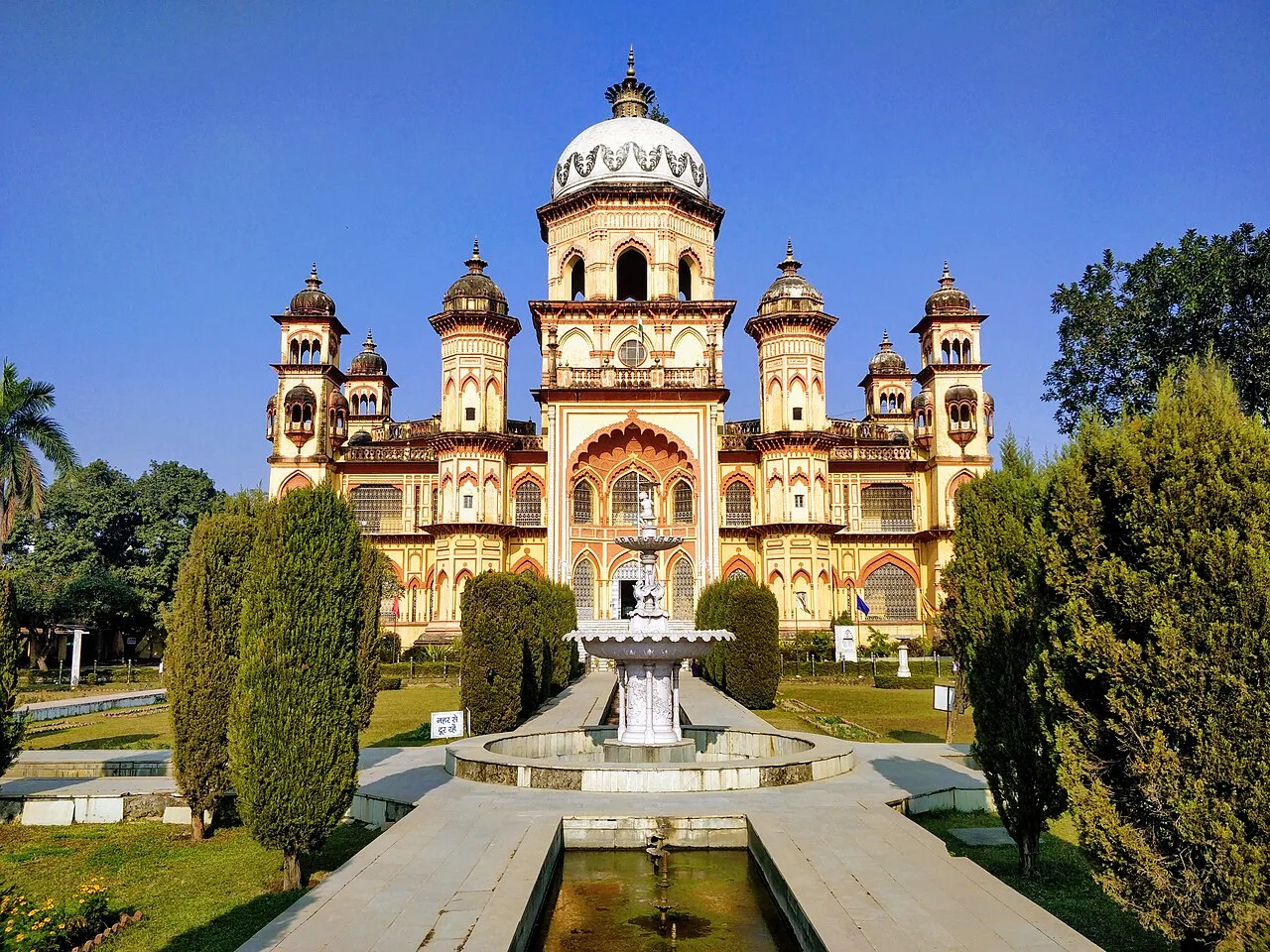
In Rampur, Uttar Pradesh, the Rampur Raza Library preserves Indo-Islamic cultural heritage dating to the late eighteenth century. Visitors come to see its manuscripts, artworks, historical records and varied printed collection.

Barsana Radha Rani Temple

200 km away · Mathura district

Barsana Radha Rani Temple

Barsana Radha Rani Temple stands in Barsana, a town in Uttar Pradesh’s Mathura district. Visitors come to worship Radha at a temple central to the town’s religious importance.

Banke Bihari Temple

211 km away · Mathura district

Banke Bihari Temple

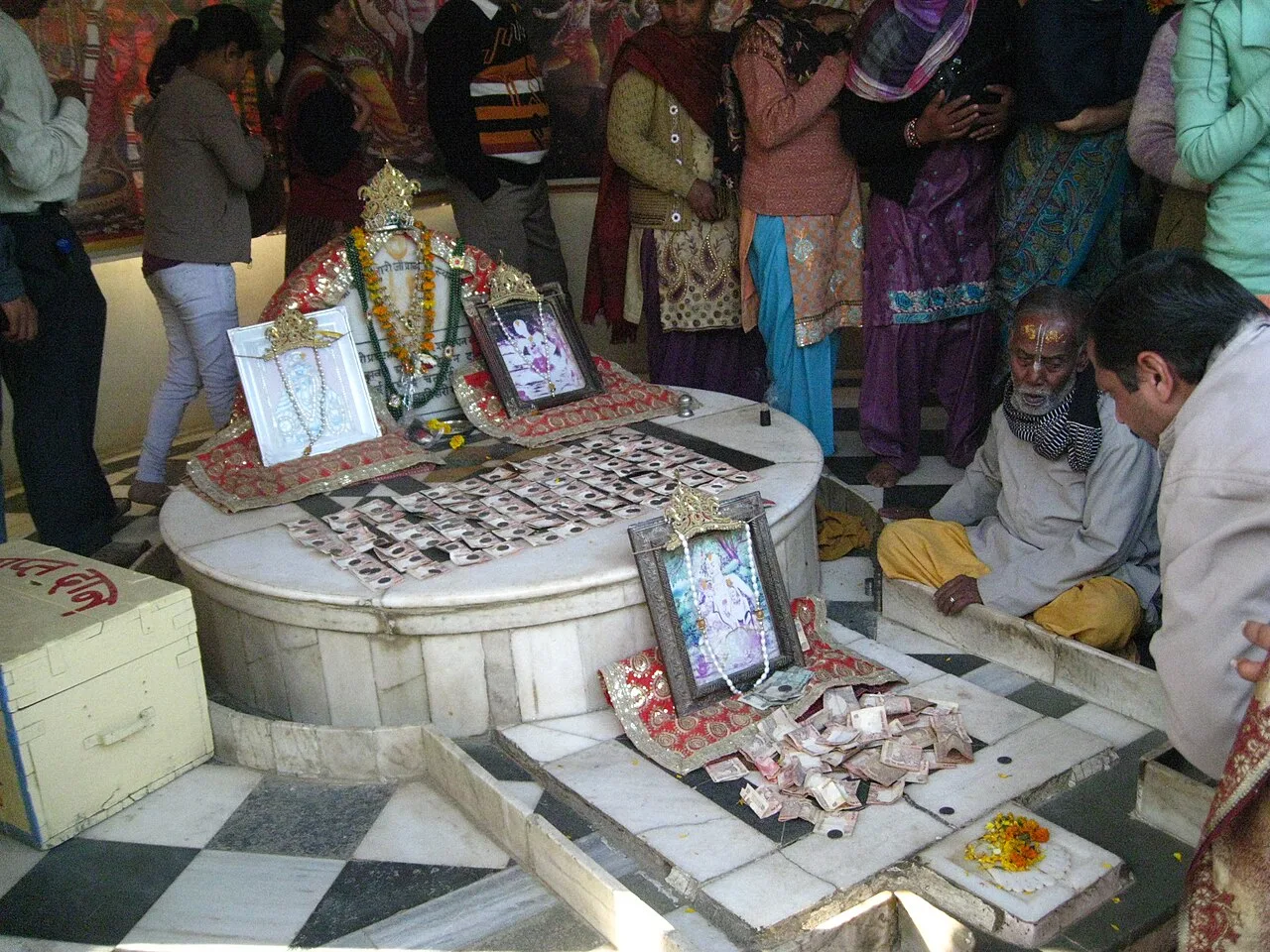
Banke Bihari Temple is a Hindu place of worship in Vrindavan, Mathura district, visited by devotees to honour Banke Bihari, regarded as Radha and Krishna united.

Vrindavan Town

211 km away · Mathura district

Vrindavan Town

Vrindavan is a historic town in Uttar Pradesh’s Mathura district, within Braj Bhoomi. Visitors come for its Hindu associations with Krishna and its many temples to Krishna and Radha.

ISKCON Temple, Vrindavan

212 km away · Mathura district

ISKCON Temple, Vrindavan

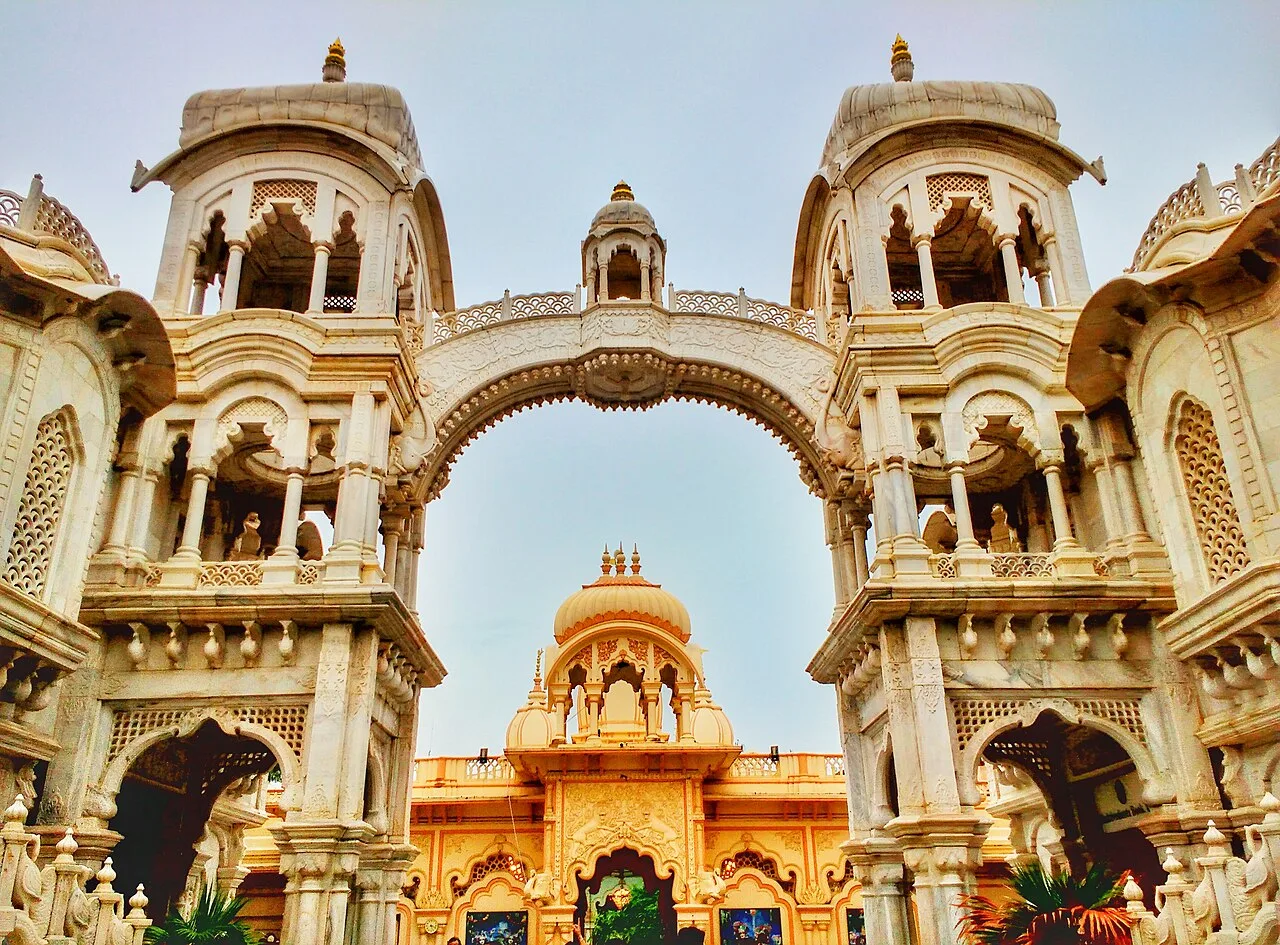
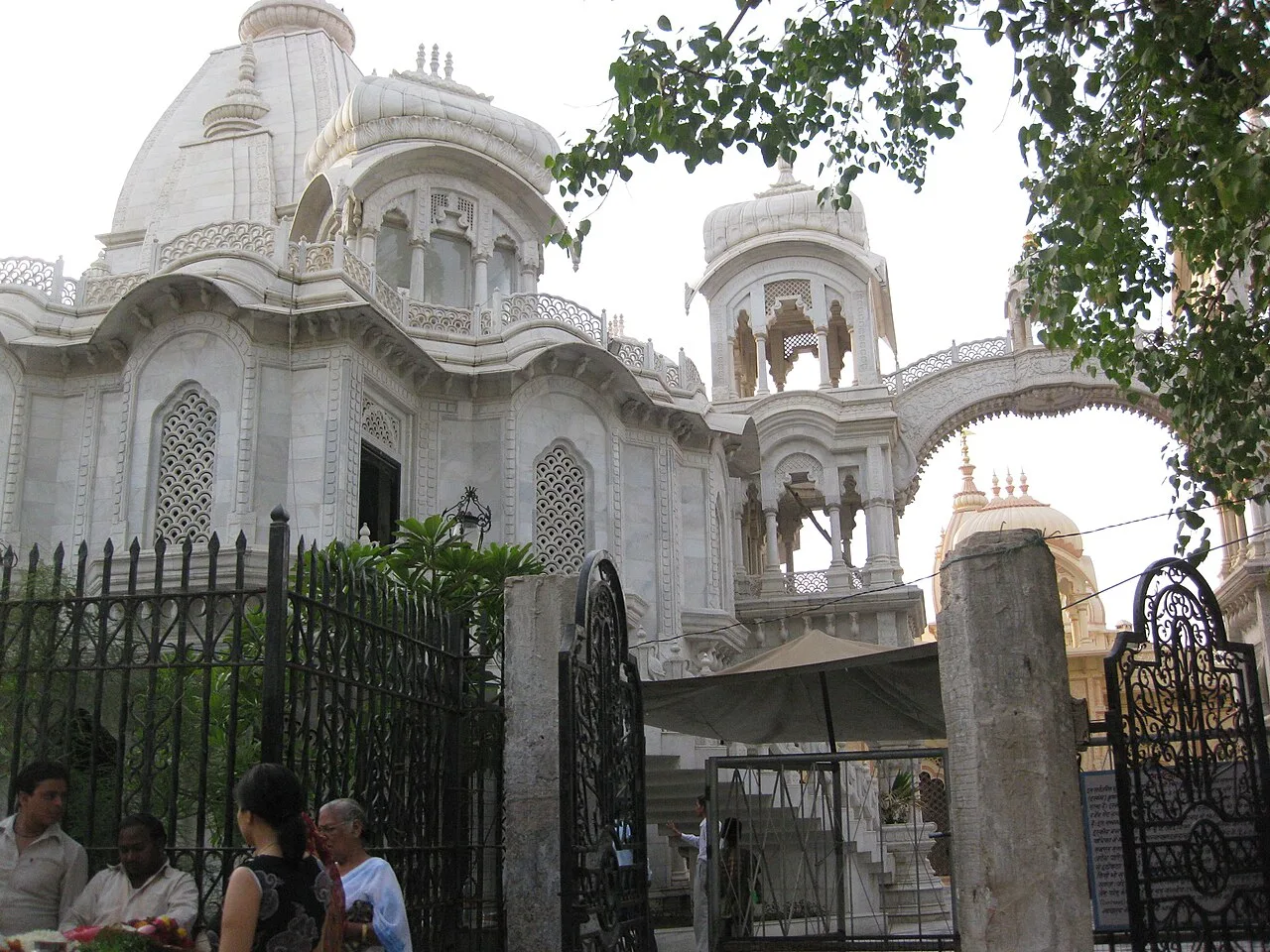
In Vrindavan, Uttar Pradesh’s Mathura district, this Gaudiya Vaishnava temple is devoted to Krishna and Balarama. Visitors come to worship these deities and the other figures honoured there.

Prem Mandir

212 km away · Mathura district

Prem Mandir

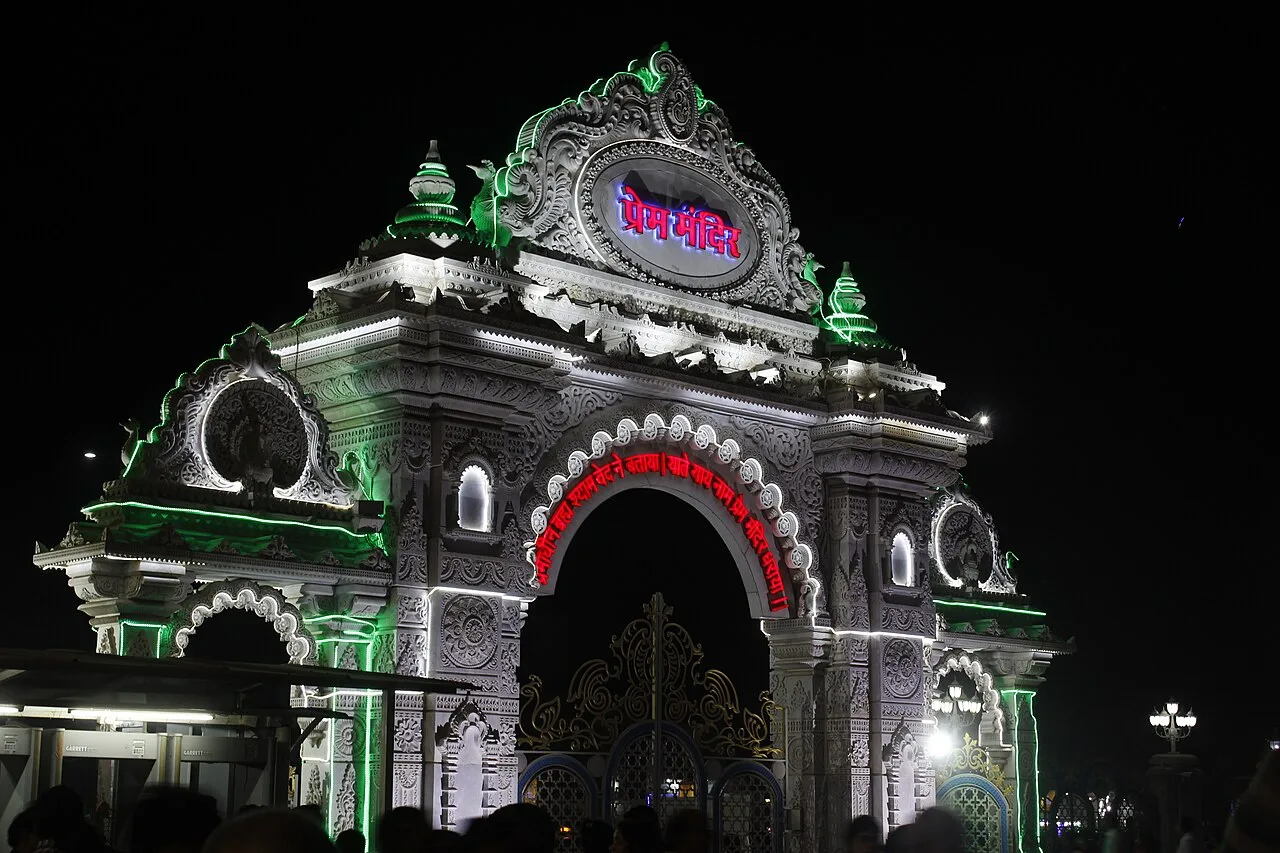
Prem Mandir is a Hindu temple in Vrindavan, Mathura district, Uttar Pradesh. Visitors come to see its dedications to Radha Krishna and Sita Ram, as well as a tribute to four earlier Jagadgurus.

Map

Shamli on the map

  1. 1Hastinapur Heritage Town
  2. 2Okhla Bird Sanctuary
  3. 3Rampur Raza Library
  4. 4Barsana Radha Rani Temple
  5. 5Banke Bihari Temple
  6. 6Vrindavan Town
  7. 7ISKCON Temple, Vrindavan
  8. 8Prem Mandir

Uttar Pradesh

Other cities to explore