Ghumoopedia — Explore, Discover, Experience
Sign in
Chini Ka Rauza, near Tundla

City guide · Uttar Pradesh

Tundla

Tundla is best known as a major railway junction in Uttar Pradesh, where the Delhi–Kanpur main line meets the route towards Agra. The station remains central to the town’s identity and connects it with cities across northern India.

Famous for

  • Tundla Junction
  • historic railway town
  • British-era railway quarters
  • old Jain temple
  • railway bazaar

Why Tundla matters

Tundla is best known as a major railway junction in Uttar Pradesh, where the Delhi–Kanpur main line meets the route towards Agra. The station remains central to the town’s identity and connects it with cities across northern India. Tundla also lies on National Highway 19, about 24 kilometres from Agra and close to Firozabad, making it a useful road stop for journeys around the region.

The town grew with the railways and retains traces of its colonial-era development in older railway buildings and quarters. Visitors may find its railway heritage, historic places of worship and busy local bazaar more appealing than conventional sightseeing attractions. Tundla is also a practical base for reaching Agra and the wider Yamuna corridor. Its importance today comes chiefly from transport, local commerce and its position between larger regional centres, rather than from a nationally recognised craft or tourist industry.
Famous for: crafts, trade & products

Tundla is not widely identified with a particular textile, saree, handicraft or GI-tagged product. Its commercial life is centred on the town bazaar, where residents and travellers can find everyday provisions, clothing, household goods and locally used services. For visitors, the market offers a glimpse of ordinary town life rather than a specialised shopping district. Firozabad, known for glassmaking, is a separate nearby city; its products should not be mistaken for a craft made specifically in Tundla.

The town’s more distinctive legacy is connected with railway employment and administration. Older railway buildings and quarters reflect its growth as a junction, though many historic structures now serve other purposes and may not be open to visitors. NCR College is among Tundla’s long-established institutions, with roots in the railway town’s earlier years. The station area and bazaar are the most practical places to notice the town’s commercial activity; visitors looking for specialised crafts or a broad range of regional products may find more options in Agra or Firozabad.

History

Before the railway arrived, Tundla was a small agricultural village. Its transformation began in 1862, when the East Indian Railway extended its main line to the town and opened the connecting route to Agra. The line continued towards Aligarh the following year, establishing Tundla as an important junction. Rail traffic brought workers, traders and administrative activity, and Tundla became a municipality in 1870.

By the turn of the twentieth century, the station and bazaar had made the town a significant commercial point in the then Agra district. Railway facilities, staff quarters and substantial buildings associated with the colonial administration shaped its built environment. Churches and an old Jain temple also form part of its historical landscape. Some former railway-era buildings have since been adapted as railway quarters or used for other purposes. In modern Uttar Pradesh, Tundla remains in Firozabad district and continues to serve as a major junction in the North Central Railway network, as well as a road link between Agra and nearby towns.

Food, festivals & culture

Everyday food in Tundla reflects the wider cuisine of western Uttar Pradesh: wheat-based breads, lentils, seasonal vegetables and familiar North Indian snacks. Tea and sweets are easy to find around active market and transport areas, but the town is not especially known for a distinctive regional dish. Hindi is widely used, and Braj-influenced speech may also be heard in the surrounding area.

Diwali in autumn and Holi in spring are among the main Hindu festivals, while Navratri is observed with worship and community gatherings. Eid is celebrated by Muslim residents according to the Islamic lunar calendar. Religious and devotional music is part of festival and worship traditions; performances and celebrations are generally local rather than major visitor events. Tundla’s places of worship include an old Jain temple and historic Christian churches, alongside neighbourhood temples and mosques. As in many towns in the region, religious observances and family gatherings contribute to the yearly rhythm of community life.

Visiting the city

The cooler months, roughly October to March, are generally the most comfortable time to visit; summers can be very hot and the monsoon brings rain. Agra Airport is the nearest airport, while travellers seeking a wider choice of flights can consider Delhi. Tundla Junction is the town’s main railway station and a major connection on northern rail routes.

Auto-rickshaws and cycle-rickshaws are useful for getting around locally, with road services linking Tundla to Agra, Firozabad and nearby towns. The station surroundings and town bazaar are the easiest areas to explore for a sense of everyday life. Visitors interested in the town’s history can look for older railway-era buildings and places of worship, while respecting that railway quarters and institutional properties may not be publicly accessible. Agra’s major attractions are a short road journey away.

Trips from the city

Nearest places to visit from Tundla

Our closest destination guides, by straight-line distance.

Chini Ka Rauza

20 km away · Agra district

Chini Ka Rauza

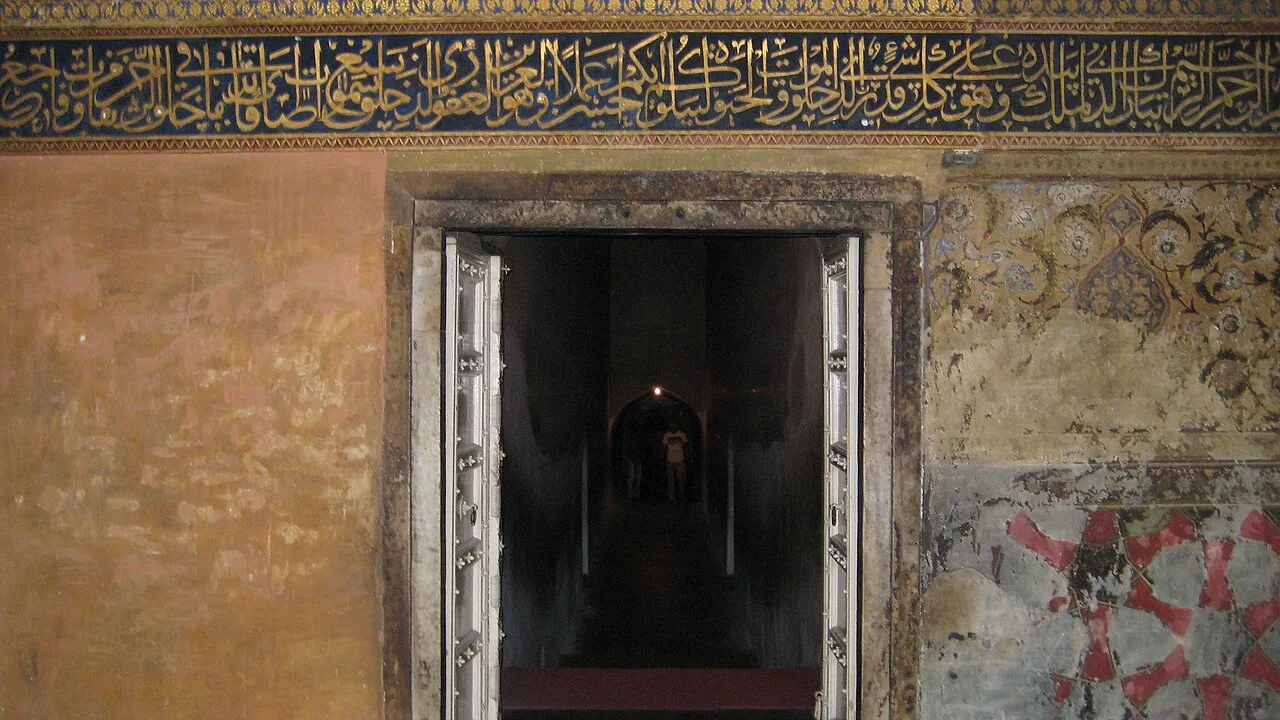
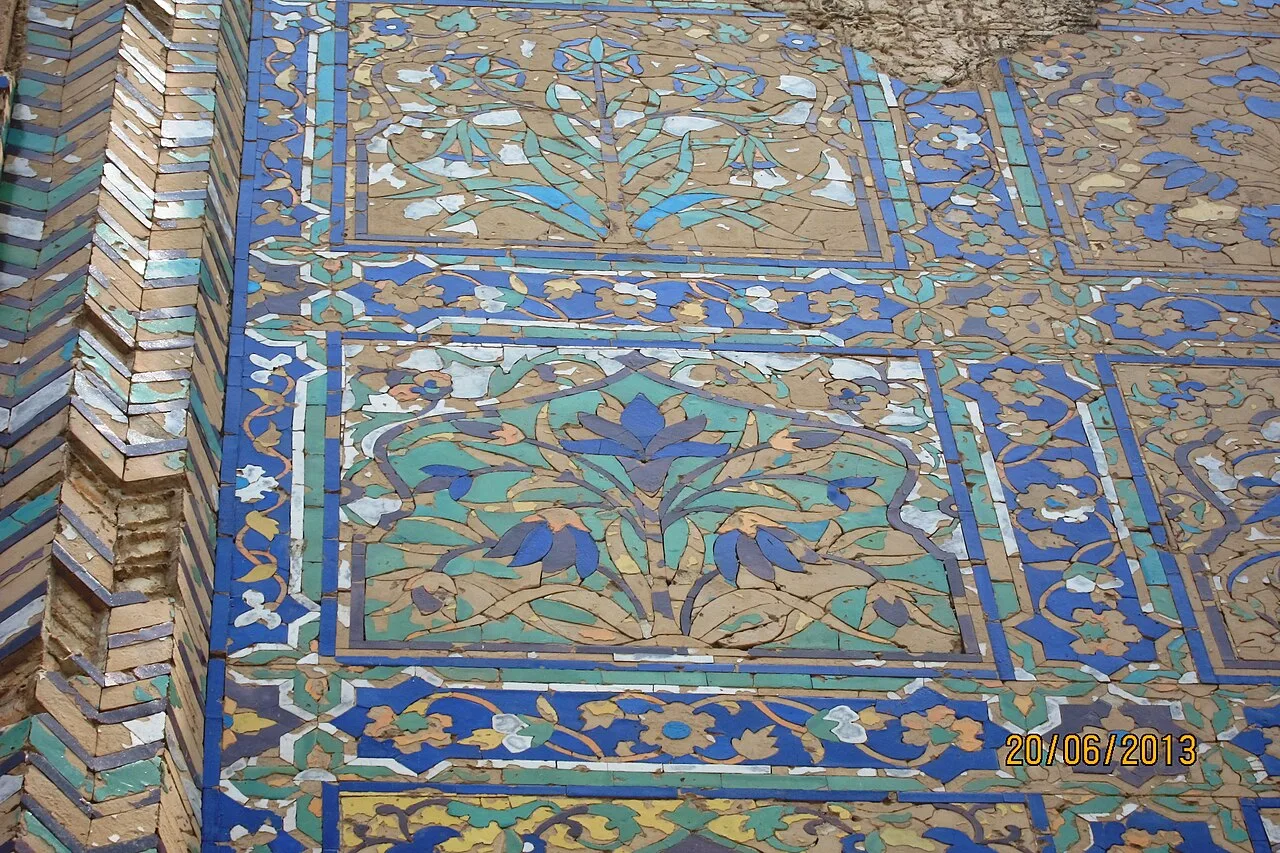
Chini Ka Rauza is a funerary monument in Agra, built in 1635 for Afzal Khan Shirazi, a scholar, poet and Shah Jahan’s grand vizier. Visitors come to see its glazed tiles and learn about its history.

Itmad Ud Daulah

20 km away · Agra district

Itmad Ud Daulah

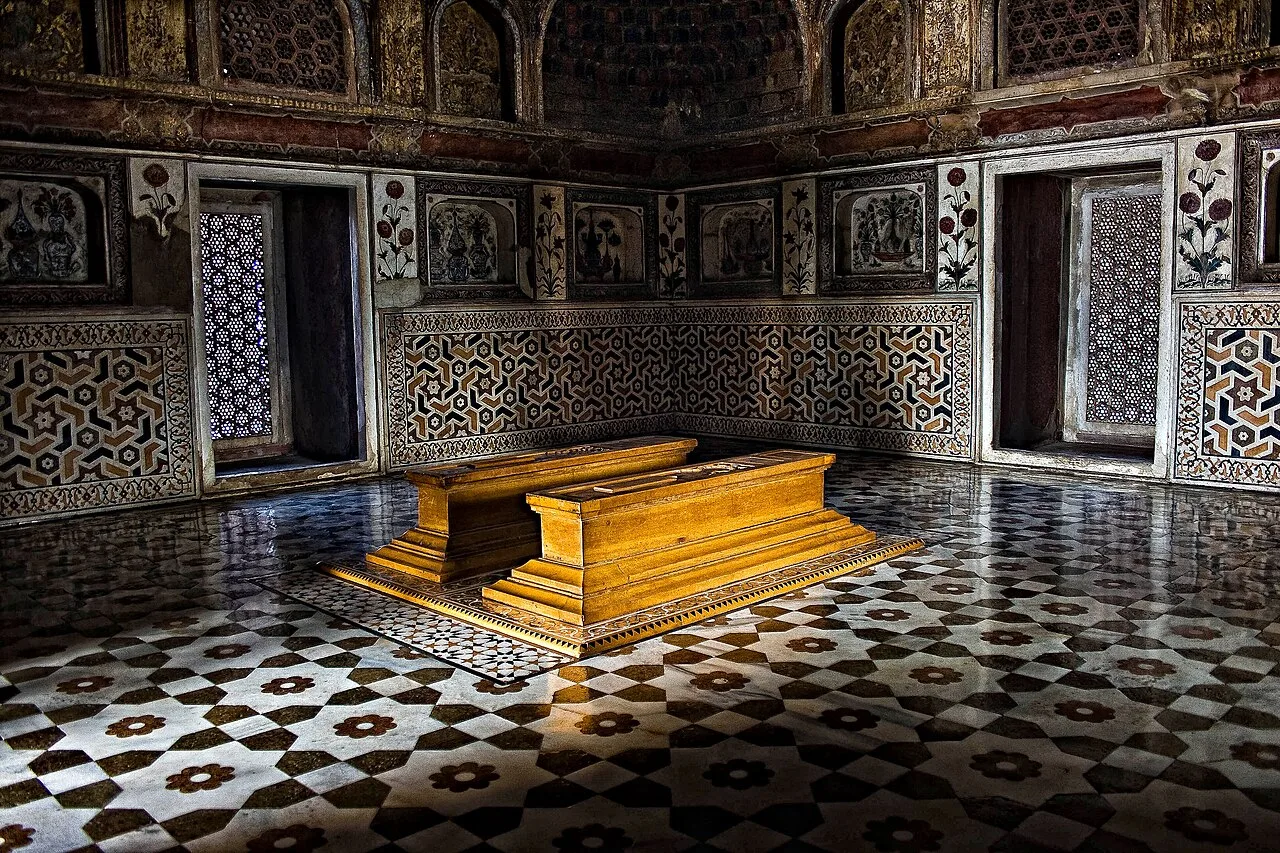
A Mughal marble mausoleum in Agra, Itmad Ud Daulah attracts visitors for its garden setting, intricate decoration and place in the evolution of Mughal architecture.

Mehtab Bagh

20 km away · Agra district

Mehtab Bagh

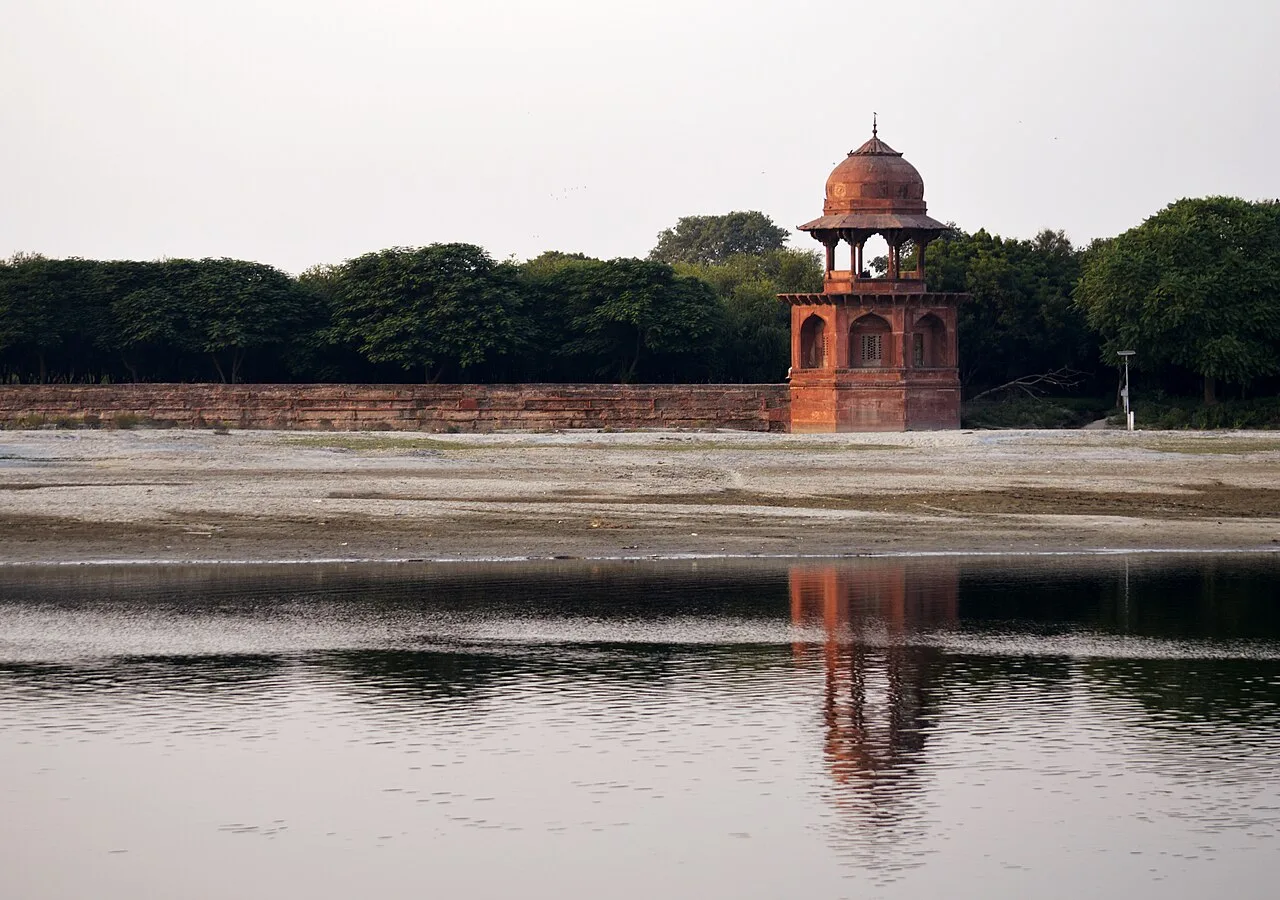
Mehtab Bagh is a square charbagh garden in Agra, Uttar Pradesh, across the Yamuna from the Taj Mahal. Visitors come to see its carefully aligned setting opposite the monument.

Taj Mahal

20 km away · Agra district

Taj Mahal

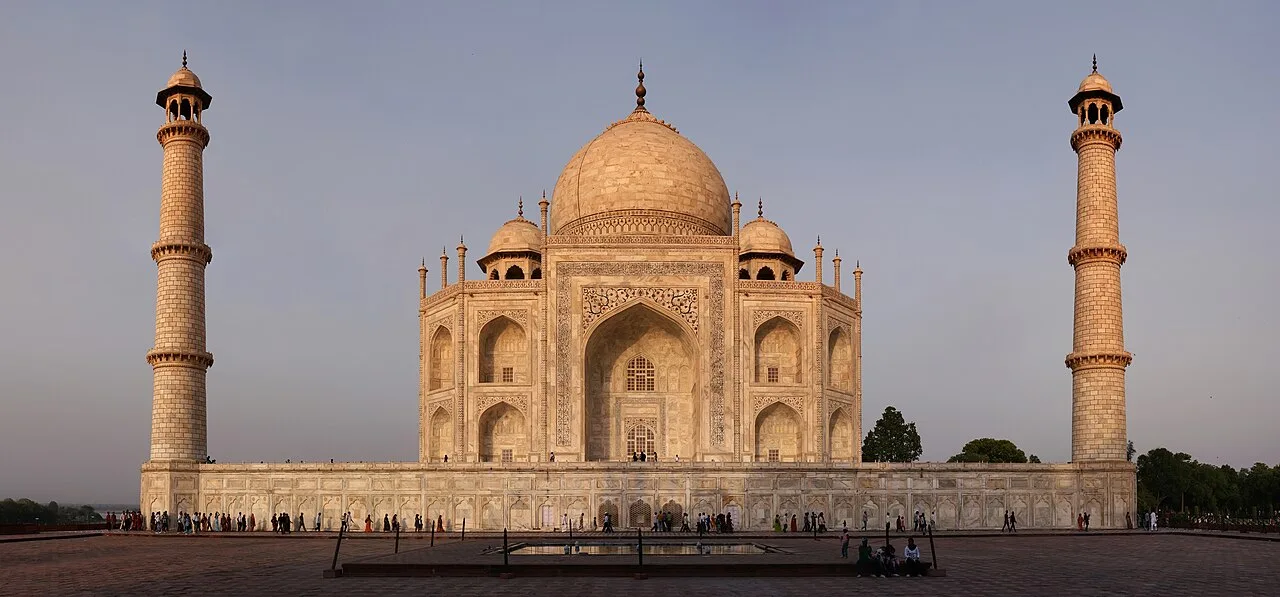
The Taj Mahal is a marble tomb complex in Agra, built for Mumtaz Mahal and Shah Jahan. Visitors come to see its Mughal architecture, gardens and memorials.

Agra Fort

22 km away · Agra district

Agra Fort

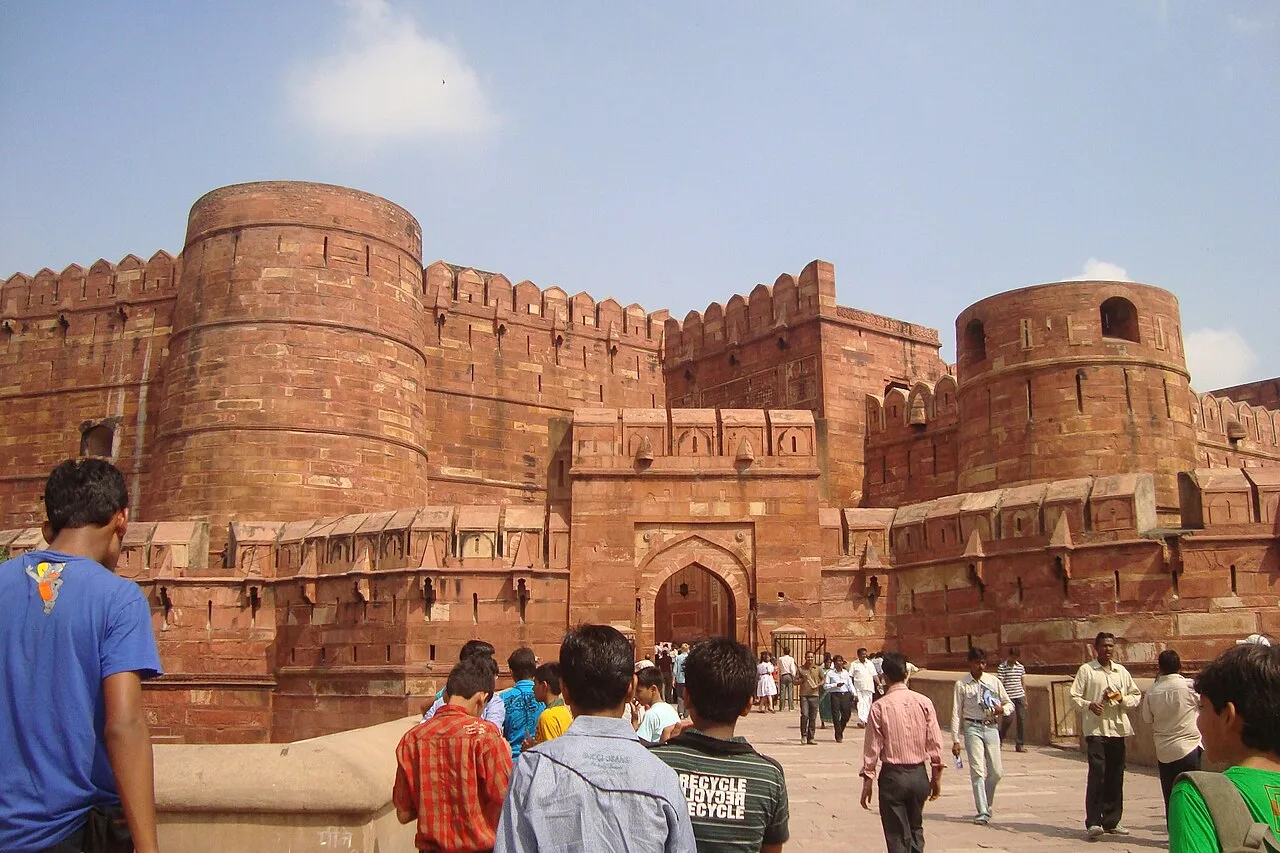
Agra Fort is a major Mughal-era stronghold in Agra, rebuilt by Akbar and later expanded by Shah Jahan. Visitors come to see its palaces, mosques and historic gateways.

Jama Masjid, Agra

22 km away · Agra district

Jama Masjid, Agra

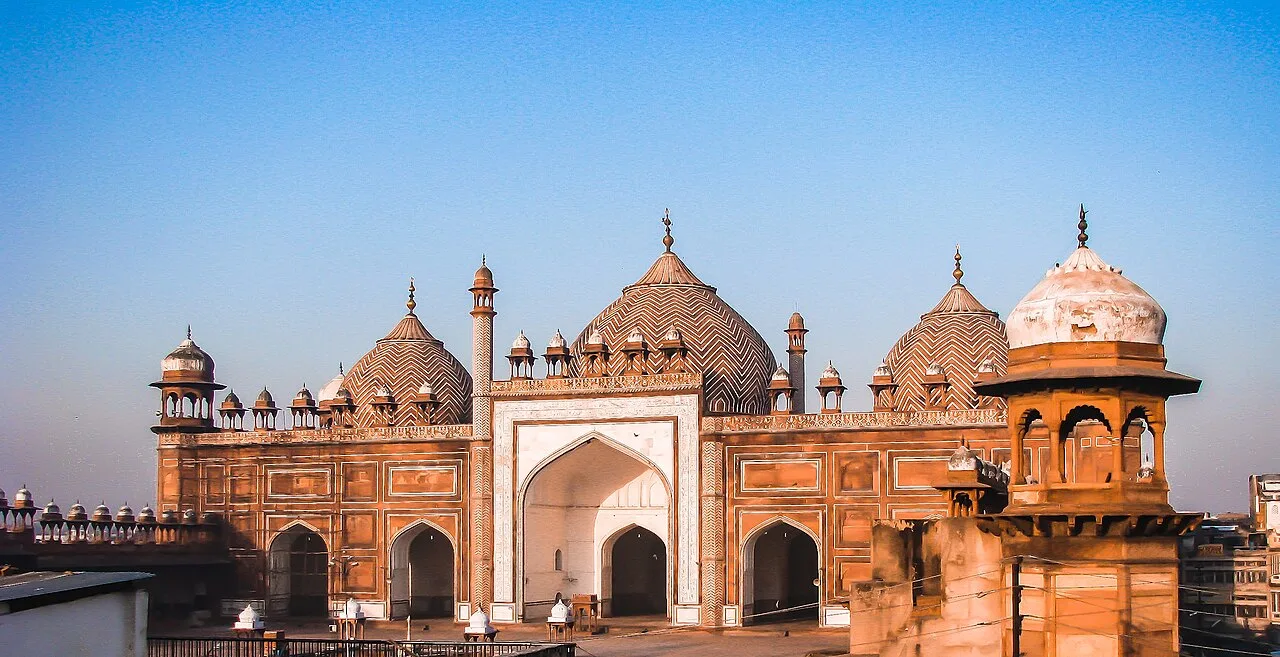
Jama Masjid is a seventeenth-century mosque in Agra, built by Jahanara Begum during Shah Jahan’s reign. Visitors come to see the city’s principal mosque, situated near Agra Fort.

27 km away · Agra district

Guru ka Taal Gurdwara

Guru ka Taal Gurdwara, near Sikandra in Agra, is a Sikh pilgrimage site honouring the ninth Guru, Tegh Bahadur. People visit to remember his martyrdom and the defence of religious freedom.

Akbar's tomb

28 km away · Agra district

Akbar's tomb

The burial monument of Mughal ruler Akbar, this Agra site is visited for its historic association and buildings that combine red sandstone construction with white marble details.

Map

Tundla on the map

  1. 1Chini Ka Rauza
  2. 2Itmad Ud Daulah
  3. 3Mehtab Bagh
  4. 4Taj Mahal
  5. 5Agra Fort
  6. 6Jama Masjid, Agra
  7. 7Guru ka Taal Gurdwara
  8. 8Akbar's tomb

Uttar Pradesh

Other cities to explore