Ghumoopedia — Explore, Discover, Experience
Sign in

City guide · Uttar Pradesh

Kaimganj

Kaimganj is a market town in Farrukhabad district, western Uttar Pradesh, serving nearby villages as a centre for trade, transport and everyday services. Its railway station connects it along the route between Farrukhabad and Kasganj, giving the town a practical role in regional movement.

Famous for

  • Dr Zakir Hussain's birthplace
  • Historic Jama Masjid
  • Gateway to ancient Kampil
  • Kaimganj railway station
  • Local agricultural markets

Why Kaimganj matters

Kaimganj is a market town in Farrukhabad district, western Uttar Pradesh, serving nearby villages as a centre for trade, transport and everyday services. Its railway station connects it along the route between Farrukhabad and Kasganj, giving the town a practical role in regional movement. Visitors come for its local history and for the nearby ancient site of Kampil, identified with Kampilya, about 10 kilometres away. The Ganges plain also shapes the wider landscape around the town.

Kaimganj is best known nationally as the birthplace of Dr Zakir Hussain, India’s third President and a founder of Jamia Millia Islamia. Its heritage includes the old Jama Masjid and a history linked to the Bangash Nawabs. Local accounts also connect the surrounding area with figures from the Mahabharata and with the Ayurvedic scholar Charaka; such associations are part of regional tradition. Kaimganj is not a large sightseeing centre, but it offers a useful base for exploring Kampil and a glimpse of a working small-town market in the district.
Famous for: crafts, trade & products

Kaimganj is chiefly a local trading centre rather than a destination widely identified with a particular textile, handicraft or GI-tagged product. Its shops and bazaars serve residents and the surrounding rural communities, with everyday goods, household supplies and foodstuffs forming the most visible trade. There is no widely recognised local craft or signature saree tradition to seek out, and visitors should not assume that products sold here carry a Kaimganj-specific GI label.

For a sense of the town’s commercial life, explore the central bazaar streets and shops around the town centre; the station area is another practical point for everyday retail. Small food shops and sweet sellers offer regional provisions, while weekly trading activity may vary. Kaimganj’s most notable institutions are civic and historical rather than specialist shopping attractions: the municipal body, the railway station and the historic Jama Masjid are prominent parts of town life. For a broader heritage outing, Kampil is nearby, though it is a separate settlement. Check locally for current market days and for any specialist sellers before making a dedicated shopping trip.

History

Kaimganj was founded in 1713 by Nawab Mohammad Khan Bangash and named Qaimganj after his son Qaim Khan, who became its first administrator. The name is commonly explained through qaim, meaning upright or established, and ganj, meaning a market. The settlement’s early identity was therefore closely tied to administration and commerce under the Bangash rulers. Its old Jama Masjid is an enduring landmark; local accounts associate its foundation with Omar Daraz Khan, also known as Munnu Khan, and land donated by Minda Khan.

During British rule, railway development strengthened Kaimganj’s links with neighbouring towns and markets. The station remains an important connection on the route between Farrukhabad and Kasganj. In modern India, Kaimganj has continued as a municipal town and regional service centre. Its best-known modern association is Dr Zakir Hussain, born here and later President of India. The nearby ancient site of Kampil gives the area a much older historical setting, though its history is distinct from that of Kaimganj itself.

Food, festivals & culture

Daily life in Kaimganj reflects the customs of small-town western Uttar Pradesh, with Hindi and Urdu widely used and local speech shaped by the region’s dialects. Meals commonly draw on North Indian staples such as wheat breads, lentils, seasonal vegetables and rice. Tea stalls, savoury snacks and familiar bazaar sweets such as jalebi are easy to look for, though menus and specialities differ from shop to shop. The town is not especially known for a single signature dish.

Hindu festivals including Holi and Diwali bring seasonal gatherings, while Eid celebrations are important to the town’s Muslim community; Muharram is also observed. Dates for these festivals vary each year, and observances are generally shaped by family and neighbourhood traditions. The Jama Masjid is a notable place of worship and an important historic landmark. Local temples and other neighbourhood prayer spaces serve residents throughout the year. Religious music and devotional singing are part of festival and worship settings, but Kaimganj is not widely associated with a distinct regional dance or performance tradition.

Visiting the city

The cooler months, roughly October to March, are generally the most comfortable time to visit; summers are hot and dry. Bareilly Airport is a nearby airport option, but check current commercial flight connections before planning around it. Kaimganj Railway Station is the town’s main rail stop, on the route between Farrukhabad and Kasganj.

Local autos and rickshaws can help with short trips; for Kampil, about 10 kilometres away, arrange onward transport locally. In town, explore the central bazaar, the historic Jama Masjid and streets around the station to get a feel for daily life. Kampil makes the most rewarding nearby excursion for visitors interested in ancient history. Kaimganj is best approached as a modest regional base rather than a resort town, so confirm local transport and access arrangements on arrival.

Trips from the city

Nearest places to visit from Kaimganj

Our closest destination guides, by straight-line distance.

Etawah Safari Park

94 km away · Etawah district

Etawah Safari Park

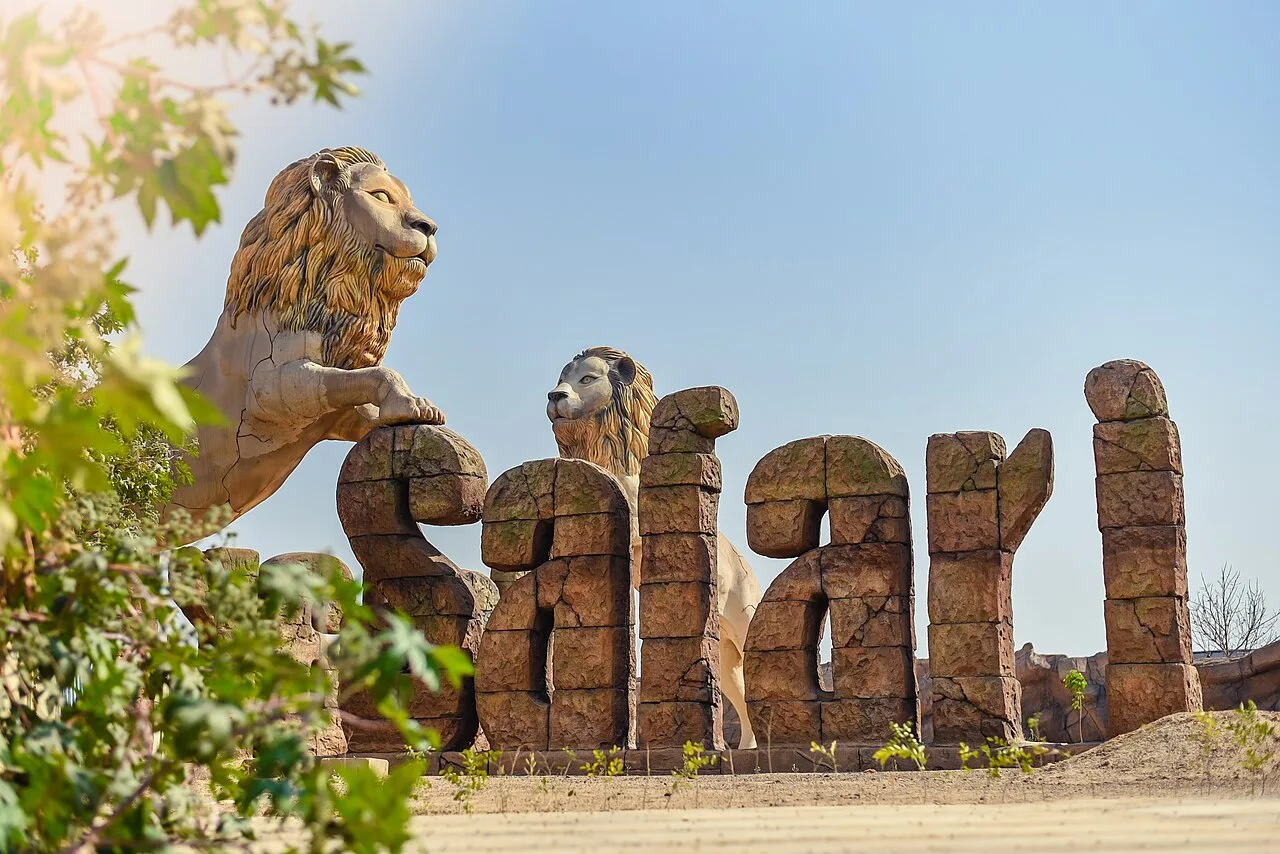
A wildlife attraction in Etawah district, Uttar Pradesh, the park draws visitors for its vehicle-based safari experiences, Asiatic lion breeding centre and visitor centre.

Bateshwar Temples, Agra

104 km away · Agra district

Bateshwar Temples, Agra

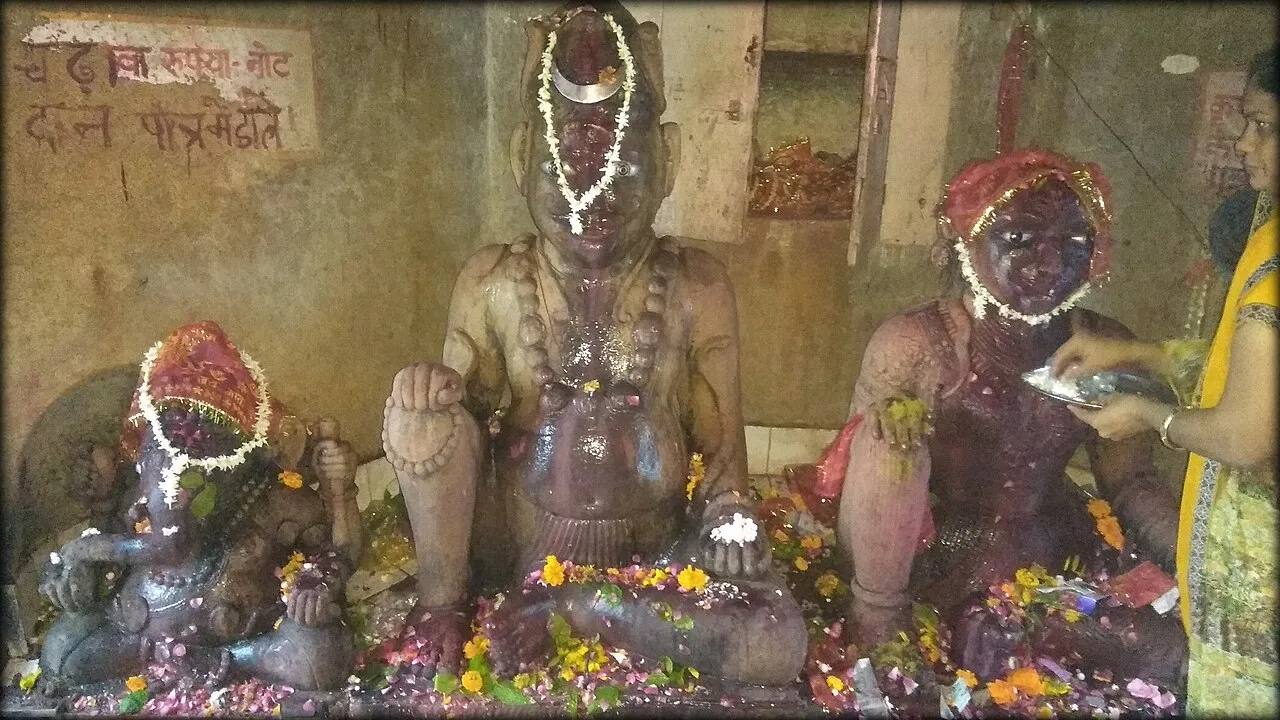
Bateshwar is a village in Uttar Pradesh’s Agra district, known as a spiritual centre for Hindus and Jains, with 101 Shiva temples and an annual fair.

Chini Ka Rauza

134 km away · Agra district

Chini Ka Rauza

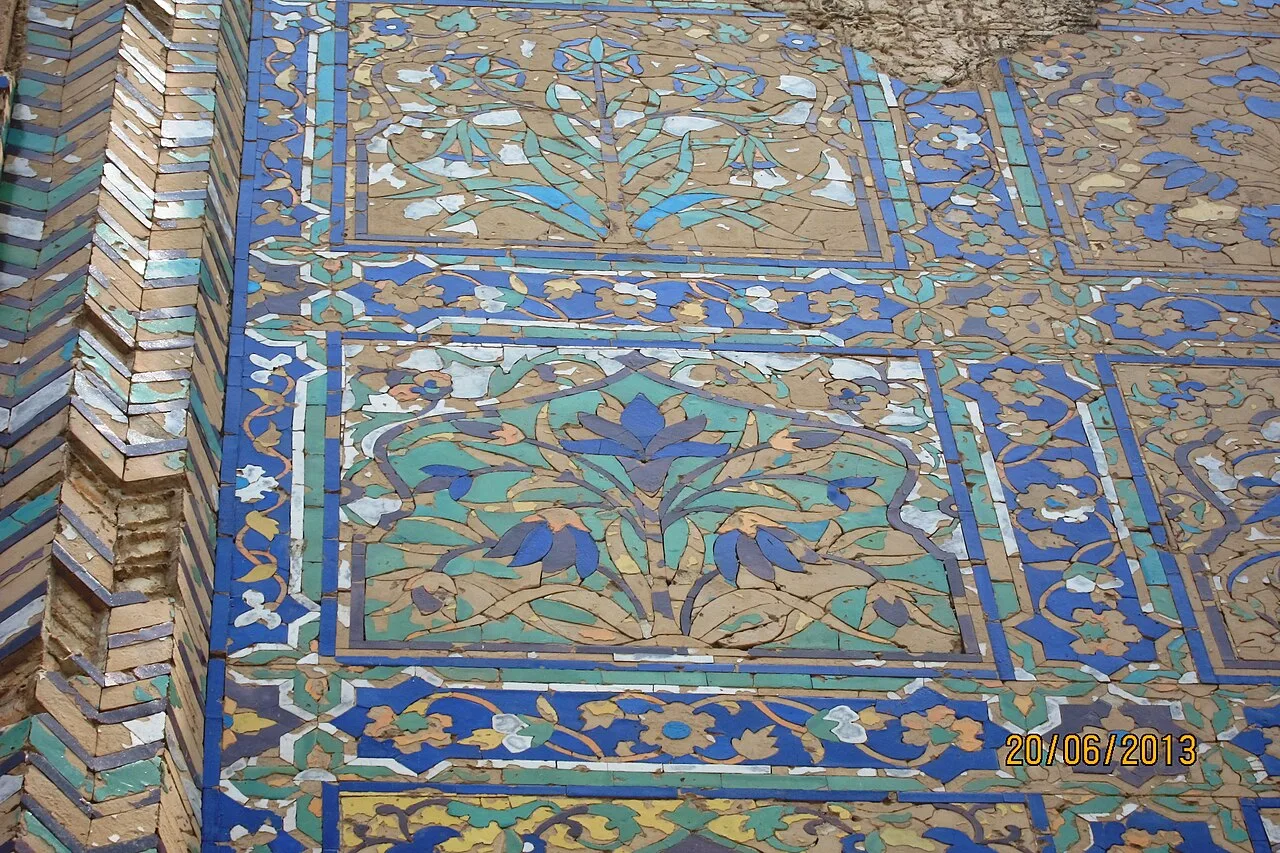
Chini Ka Rauza is a funerary monument in Agra, built in 1635 for Afzal Khan Shirazi, a scholar, poet and Shah Jahan’s grand vizier. Visitors come to see its glazed tiles and learn about its history.

Mehtab Bagh

134 km away · Agra district

Mehtab Bagh

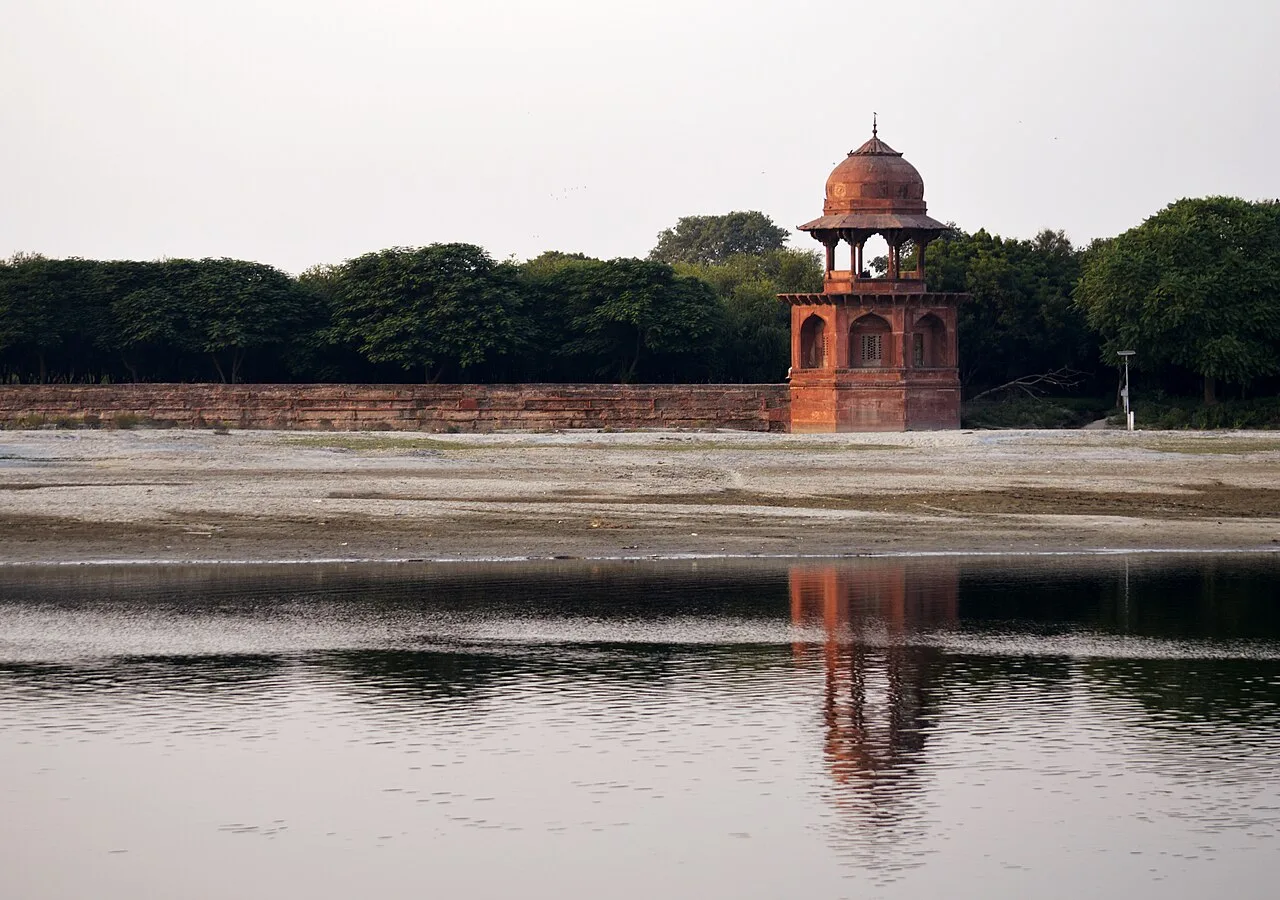
Mehtab Bagh is a square charbagh garden in Agra, Uttar Pradesh, across the Yamuna from the Taj Mahal. Visitors come to see its carefully aligned setting opposite the monument.

Itmad Ud Daulah

135 km away · Agra district

Itmad Ud Daulah

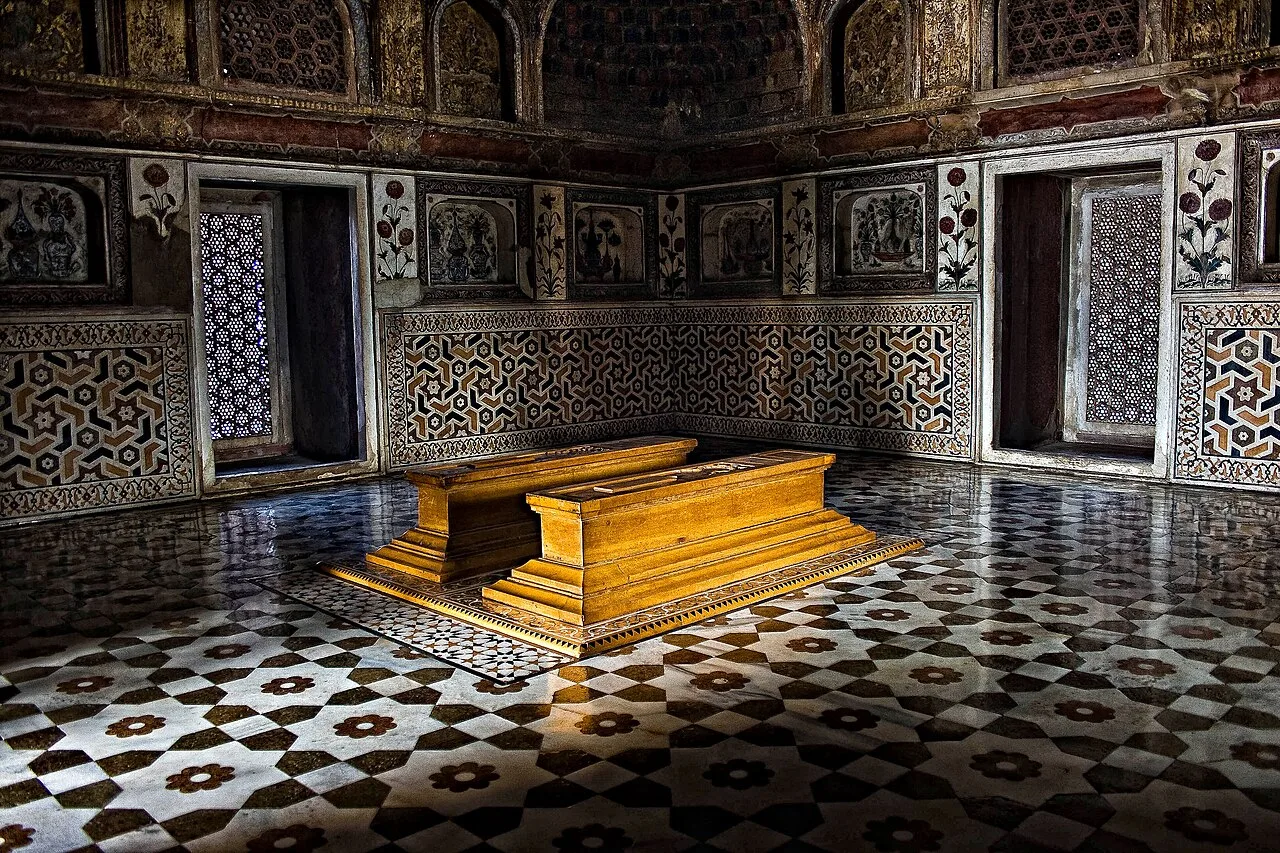
A Mughal marble mausoleum in Agra, Itmad Ud Daulah attracts visitors for its garden setting, intricate decoration and place in the evolution of Mughal architecture.

Taj Mahal

135 km away · Agra district

Taj Mahal

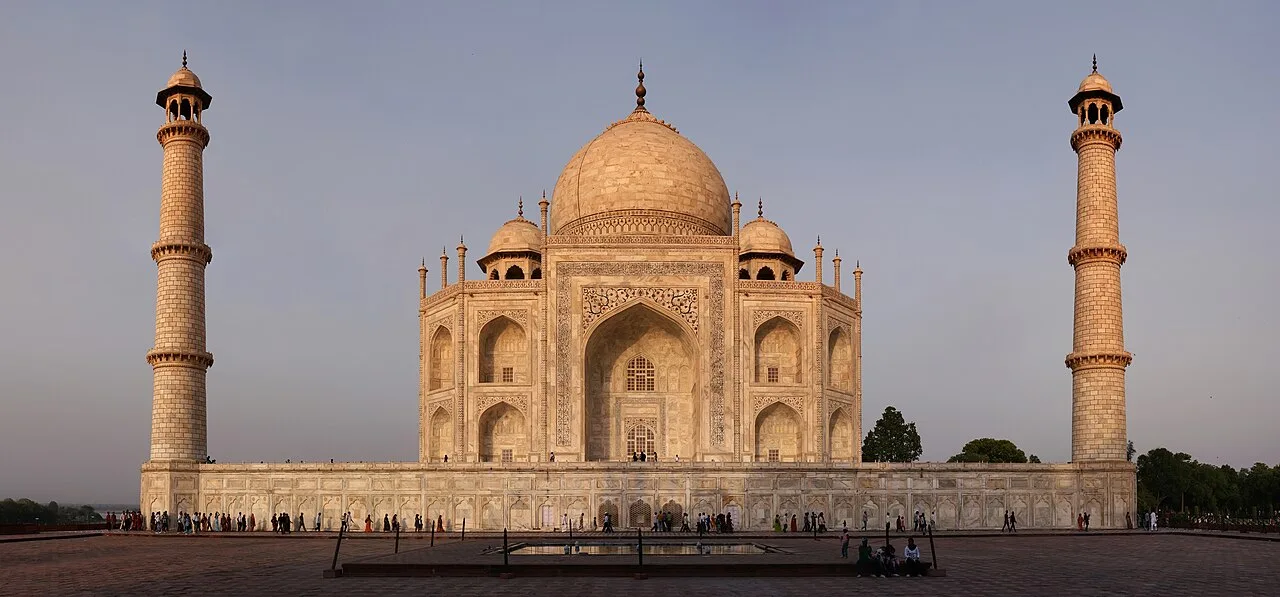
The Taj Mahal is a marble tomb complex in Agra, built for Mumtaz Mahal and Shah Jahan. Visitors come to see its Mughal architecture, gardens and memorials.

Agra Fort

136 km away · Agra district

Agra Fort

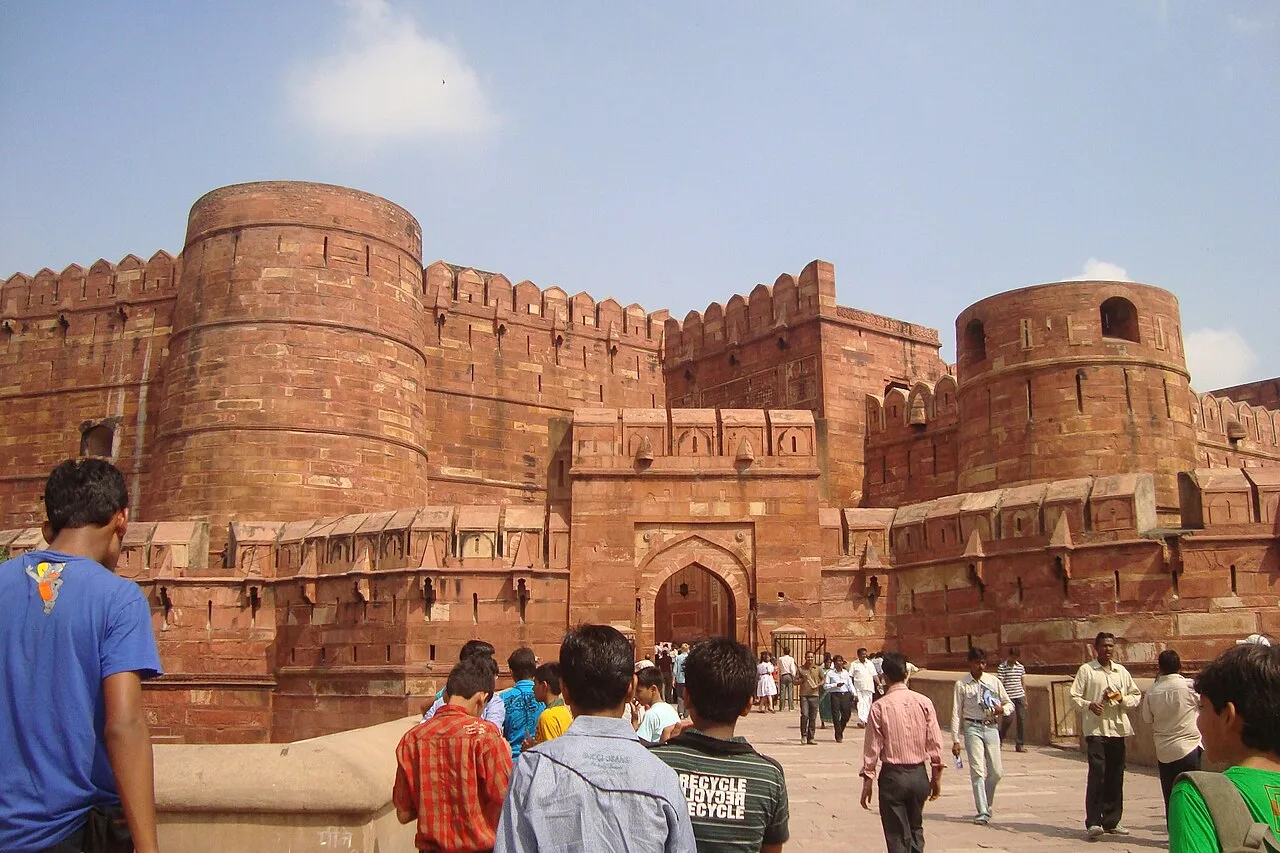
Agra Fort is a major Mughal-era stronghold in Agra, rebuilt by Akbar and later expanded by Shah Jahan. Visitors come to see its palaces, mosques and historic gateways.

Jama Masjid, Agra

137 km away · Agra district

Jama Masjid, Agra

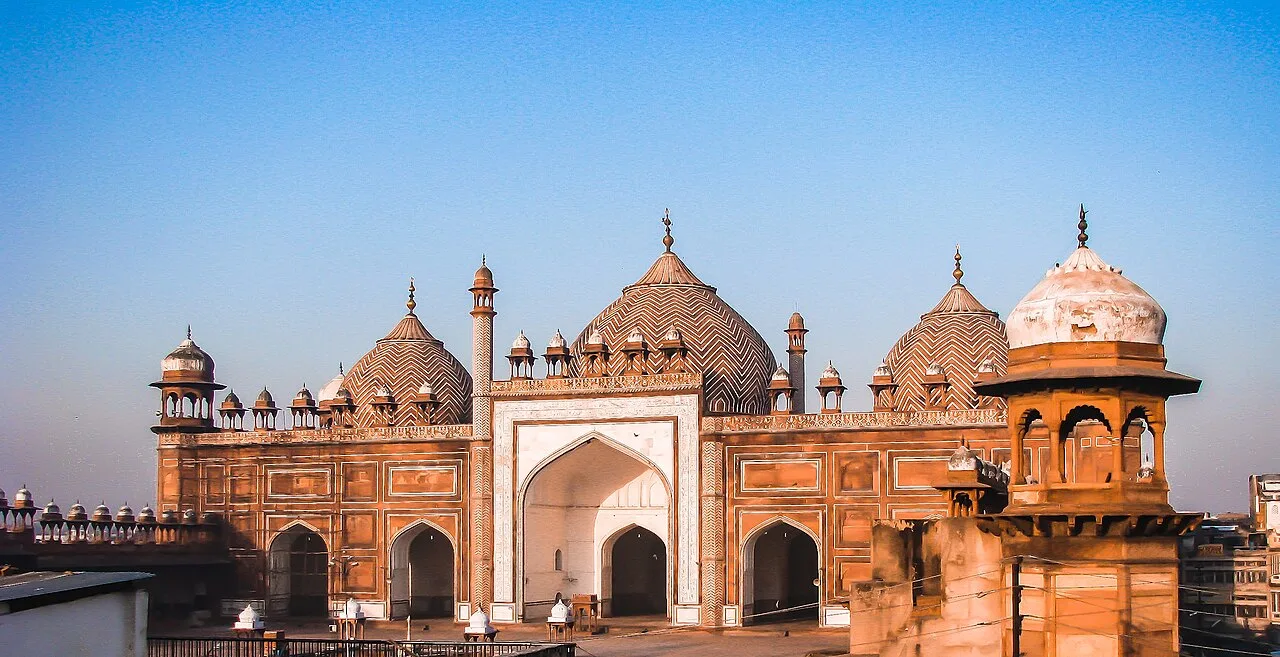
Jama Masjid is a seventeenth-century mosque in Agra, built by Jahanara Begum during Shah Jahan’s reign. Visitors come to see the city’s principal mosque, situated near Agra Fort.

Map

Kaimganj on the map

  1. 1Etawah Safari Park
  2. 2Bateshwar Temples, Agra
  3. 3Chini Ka Rauza
  4. 4Mehtab Bagh
  5. 5Itmad Ud Daulah
  6. 6Taj Mahal
  7. 7Agra Fort
  8. 8Jama Masjid, Agra

Uttar Pradesh

Other cities to explore