Ghumoopedia — Explore, Discover, Experience
Sign in
Bateshwar Temples, Agra, near Fatehabad

City guide · Uttar Pradesh

Fatehabad

Fatehabad, also called Sindoorpuram since a name change in 2025, is a small town in Agra district, about 35 kilometres south-east of Agra on the route towards Etawah. Its importance lies chiefly in its place in Mughal history and its position on regional roads.

Famous for

  • Aurangzeb-era history
  • Battle of Samugarh
  • Badshahi Bagh
  • Scindia-era association
  • Agra–Etawah road link

Why Fatehabad matters

Fatehabad, also called Sindoorpuram since a name change in 2025, is a small town in Agra district, about 35 kilometres south-east of Agra on the route towards Etawah. Its importance lies chiefly in its place in Mughal history and its position on regional roads. The town is associated with the events surrounding the Battle of Samugarh, in which Aurangzeb defeated his brother Dara Shikoh in 1658. The nearby Badshahi Bagh is a point of interest for visitors exploring this history.

Fatehabad is not a large destination with a developed sightseeing circuit, but it can suit travellers interested in the lesser-visited places around Agra. Its local bazaars and everyday town life offer a contrast to Agra’s busier tourist areas, while the road connections make it a practical stop for journeys through the district. The name Samugarh also survives in accounts of the area’s past. Visitors should treat Fatehabad primarily as a historical and regional stop, rather than expect a major shopping or resort destination.
Famous for: crafts, trade & products

Fatehabad is not widely known for a particular textile, handicraft, GI-tagged product or large-scale industry. Its strongest identity is historical: the town’s association with Aurangzeb and the Battle of Samugarh gives it more significance to history-minded visitors than to specialist shoppers. The nearby Badshahi Bagh is another local point of interest.

The town’s shops and markets mainly serve residents and people from surrounding settlements, with everyday groceries, clothing, household goods and food rather than a nationally recognised signature product. Travellers looking for Agra’s better-known crafts and specialist shopping will find a wider choice in Agra itself, rather than in Fatehabad. There is no single named market or craft quarter that visitors need to seek out here. For a visit, the most distinctive local experience is to combine a look around the town with its historical connections and nearby sites, then use Agra for more extensive shopping. As with any small-town market, stock and opening patterns vary, so it is best to regard local shopping as practical rather than a dedicated craft-buying excursion.

History

The settlement was historically known as Samugarh. In 1658, Aurangzeb defeated his brother Dara Shikoh in the Battle of Samugarh, a contest for the Mughal throne. Aurangzeb subsequently established or renamed the town as Fatehabad, commemorating his victory. Badshahi Bagh, a few kilometres from the town, is associated with this period. The place name Samugarh remains closely linked to accounts of the battle.

In a later chapter, Fatehabad was associated with Daulatrao Scindia, the Maratha ruler of Gwalior, during his reign from 1794 to 1827; the town is described as having served as a stable. Under British rule it remained within the wider administrative orbit of Agra rather than becoming a major colonial centre. Its modern role has centred on local services and road connections, including links along State Highways 2 and 62. In 2025, the town was renamed Sindoorpuram, though Fatehabad remains familiar in travel references and local usage.

Food, festivals & culture

Everyday life reflects the wider culture of the Agra region. Hindi is the main language used in public life, with Urdu also heard; local speech may carry features associated with Braj and neighbouring western Uttar Pradesh. Meals are typical of the region, with wheat breads, lentils, seasonal vegetables and snacks available in local eateries. Agra’s celebrated petha is familiar across the district, but Fatehabad is not especially known as a food destination or for a distinctive local sweet.

Holi, generally celebrated in spring, and Diwali, in autumn, are important parts of the annual calendar. Navratri and Dussehra are also observed, while Eid brings together Muslim families and communities. Religious life is expressed through local Hindu temples and mosques, though no single major pilgrimage site defines the town. Devotional songs and familiar North Indian folk forms are part of community and festival gatherings; there is no widely recognised local dance tradition that visitors should expect as a regular performance. The town’s cultural interest is therefore best encountered through its neighbourhoods, places of worship and festival-time street life.

Visiting the city

The cooler months, roughly October to March, are generally the most comfortable for exploring; summer afternoons can be very hot, while monsoon travel may bring rain. The nearest airport is Agra Airport (Kheria), and Agra Cantt is the main railway station commonly used for onward travel. From Agra, Fatehabad is reached by road towards Etawah. State Highways 2 and 62 serve the area, and local buses, shared vehicles and auto-rickshaws can help with short journeys; confirm local availability on arrival.

Explore the town centre and its local bazaar for everyday activity, then visit Badshahi Bagh, around three kilometres away. Mohanpur, just north of Fatehabad along Yamuna Road, is another nearby area. A bypass and maintained roads make road travel through town relatively straightforward, but visitors should arrange onward transport for less central sites.

Trips from the city

Nearest places to visit from Fatehabad

Our closest destination guides, by straight-line distance.

Bateshwar Temples, Agra

26 km away · Agra district

Bateshwar Temples, Agra

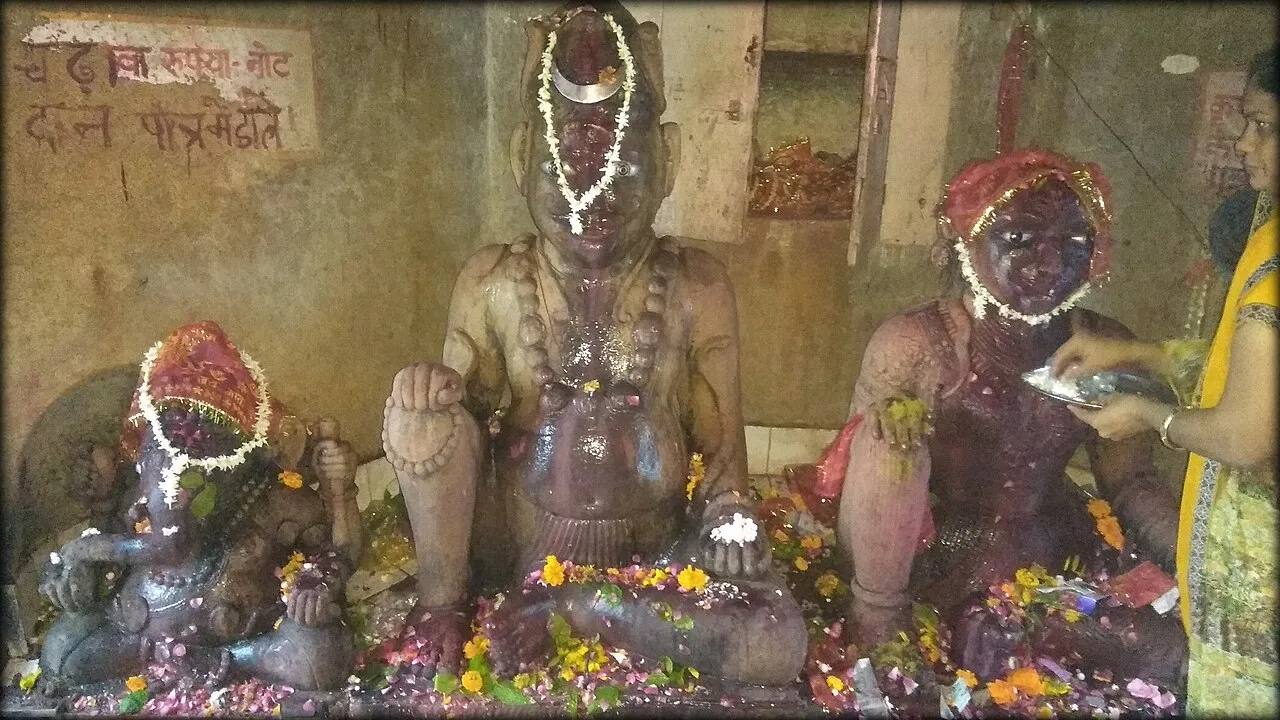
Bateshwar is a village in Uttar Pradesh’s Agra district, known as a spiritual centre for Hindus and Jains, with 101 Shiva temples and an annual fair.

Mehtab Bagh

31 km away · Agra district

Mehtab Bagh

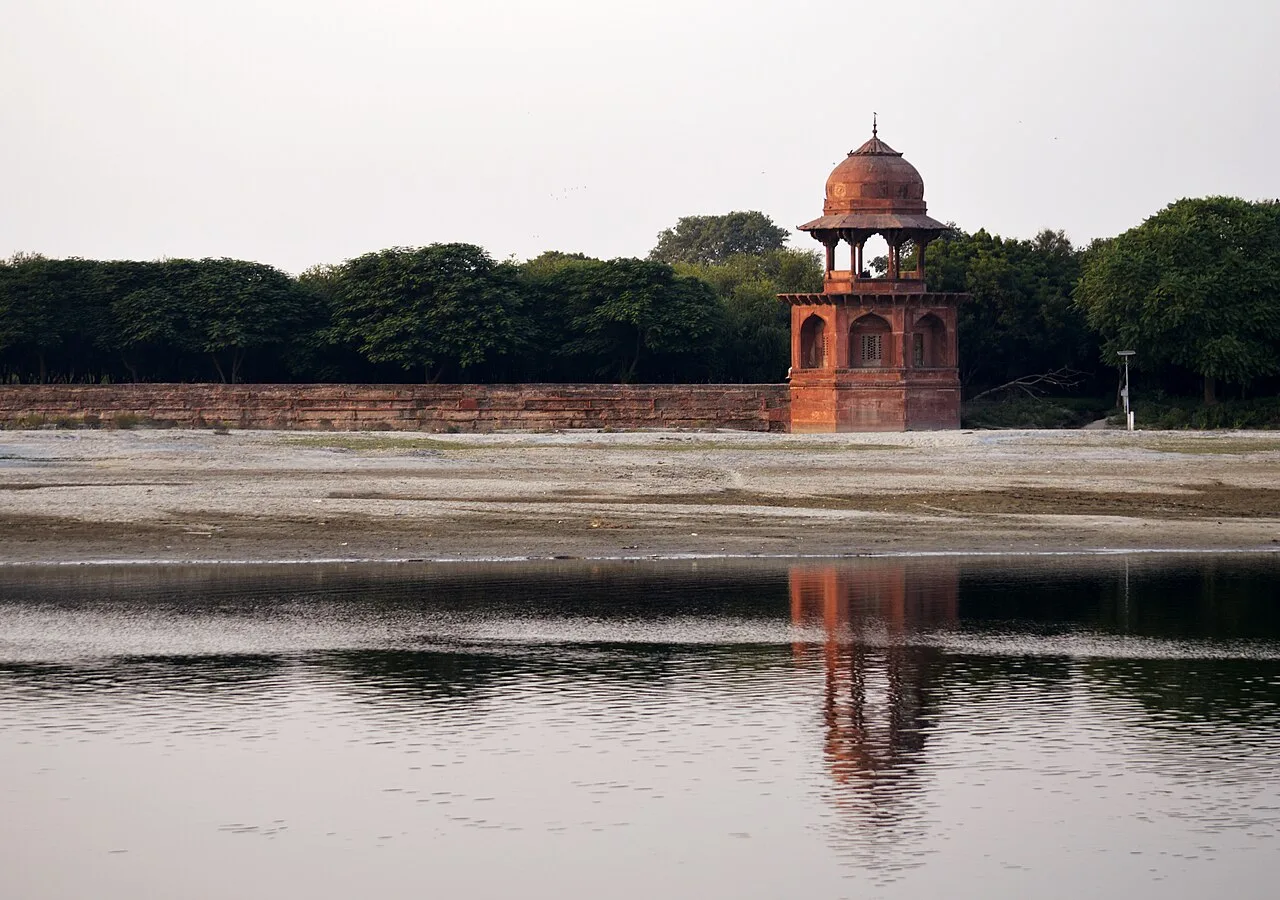
Mehtab Bagh is a square charbagh garden in Agra, Uttar Pradesh, across the Yamuna from the Taj Mahal. Visitors come to see its carefully aligned setting opposite the monument.

Taj Mahal

31 km away · Agra district

Taj Mahal

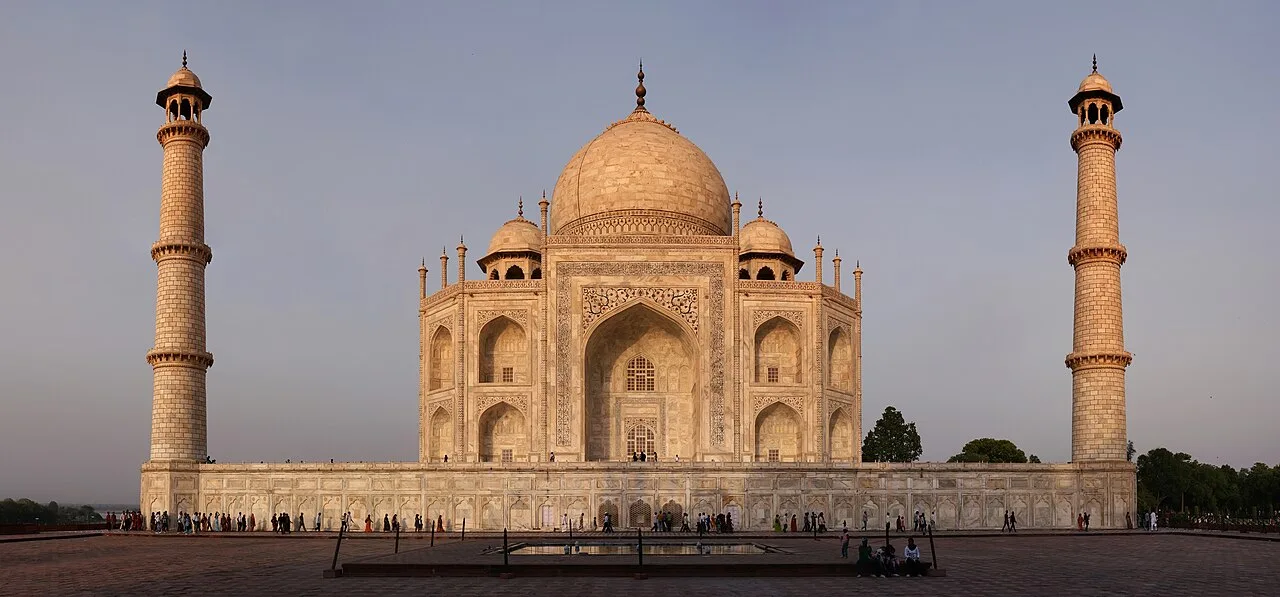
The Taj Mahal is a marble tomb complex in Agra, built for Mumtaz Mahal and Shah Jahan. Visitors come to see its Mughal architecture, gardens and memorials.

Agra Fort

33 km away · Agra district

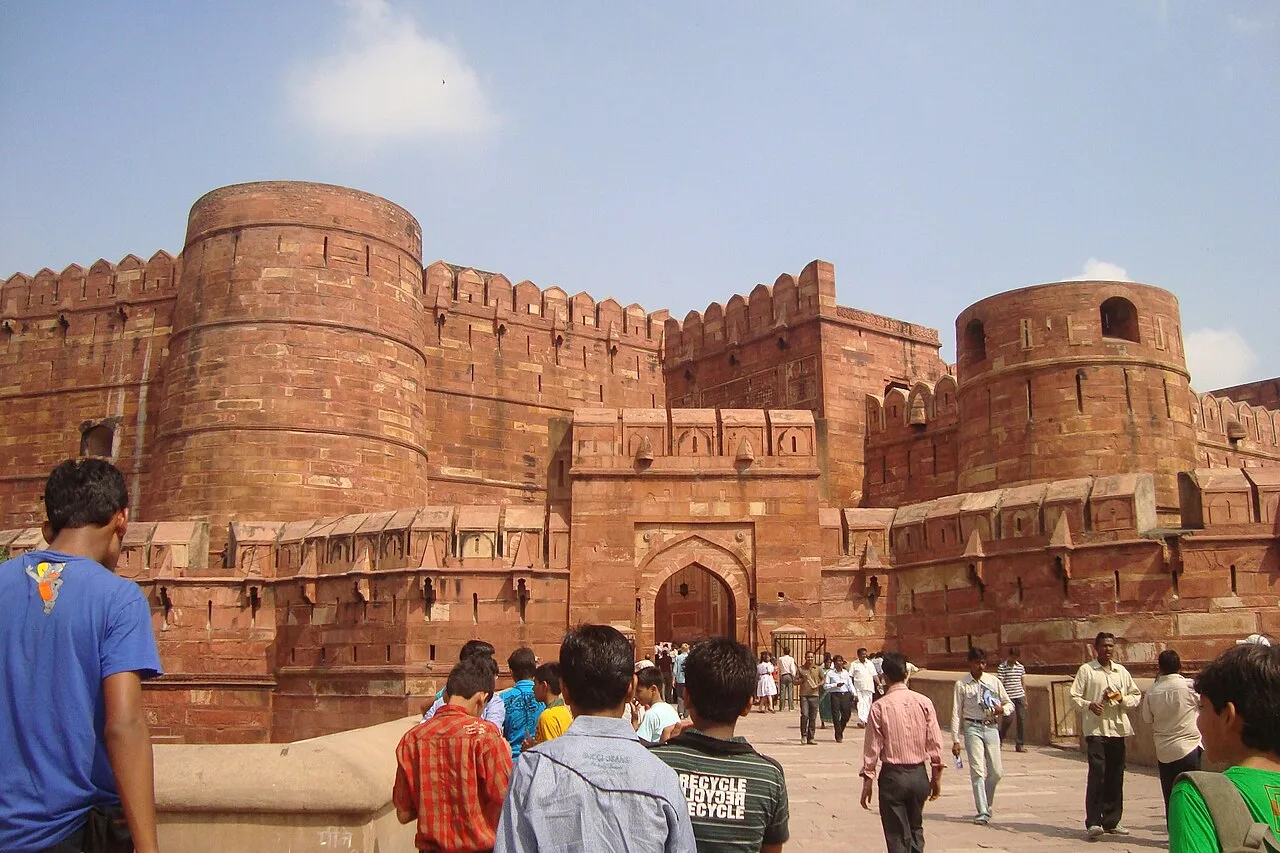
Agra Fort

Agra Fort is a major Mughal-era stronghold in Agra, rebuilt by Akbar and later expanded by Shah Jahan. Visitors come to see its palaces, mosques and historic gateways.

Chini Ka Rauza

33 km away · Agra district

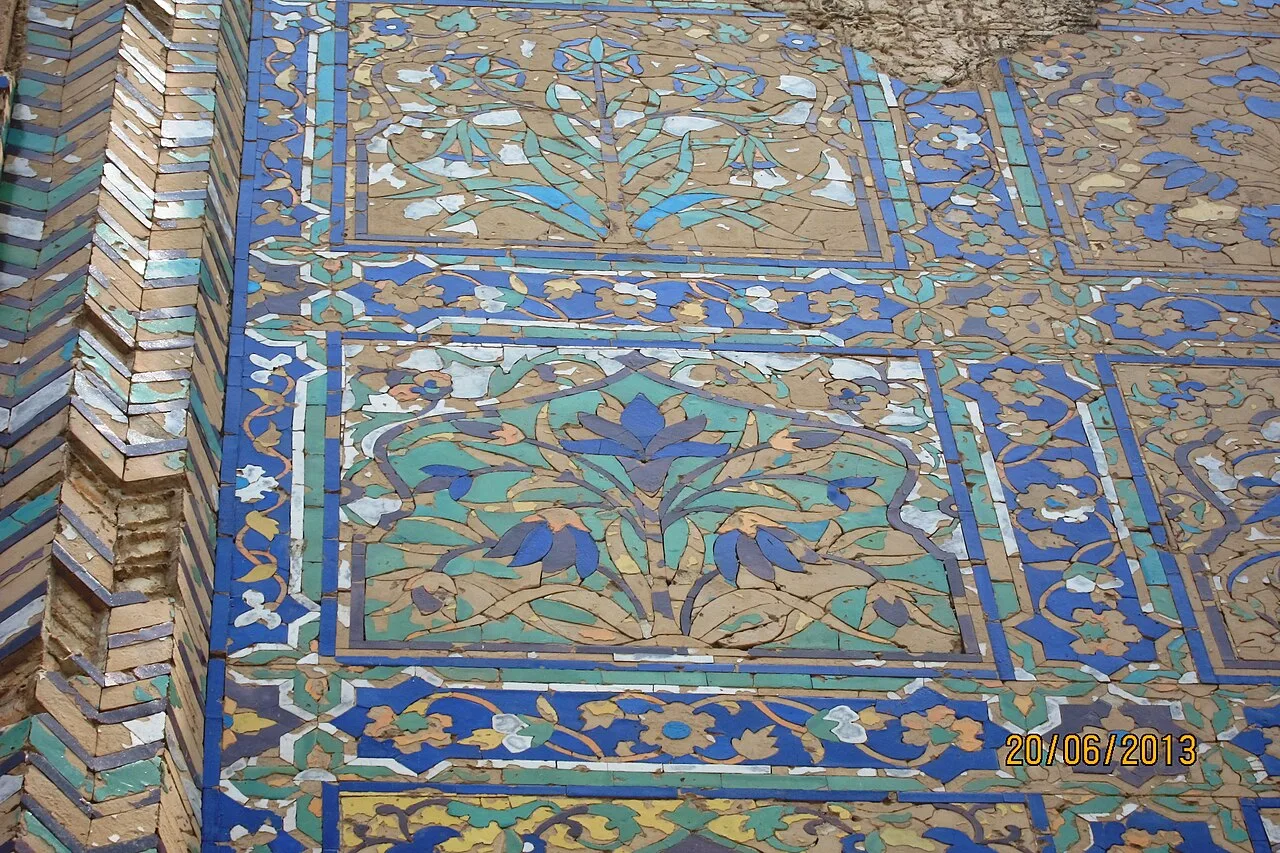
Chini Ka Rauza

Chini Ka Rauza is a funerary monument in Agra, built in 1635 for Afzal Khan Shirazi, a scholar, poet and Shah Jahan’s grand vizier. Visitors come to see its glazed tiles and learn about its history.

Itmad Ud Daulah

33 km away · Agra district

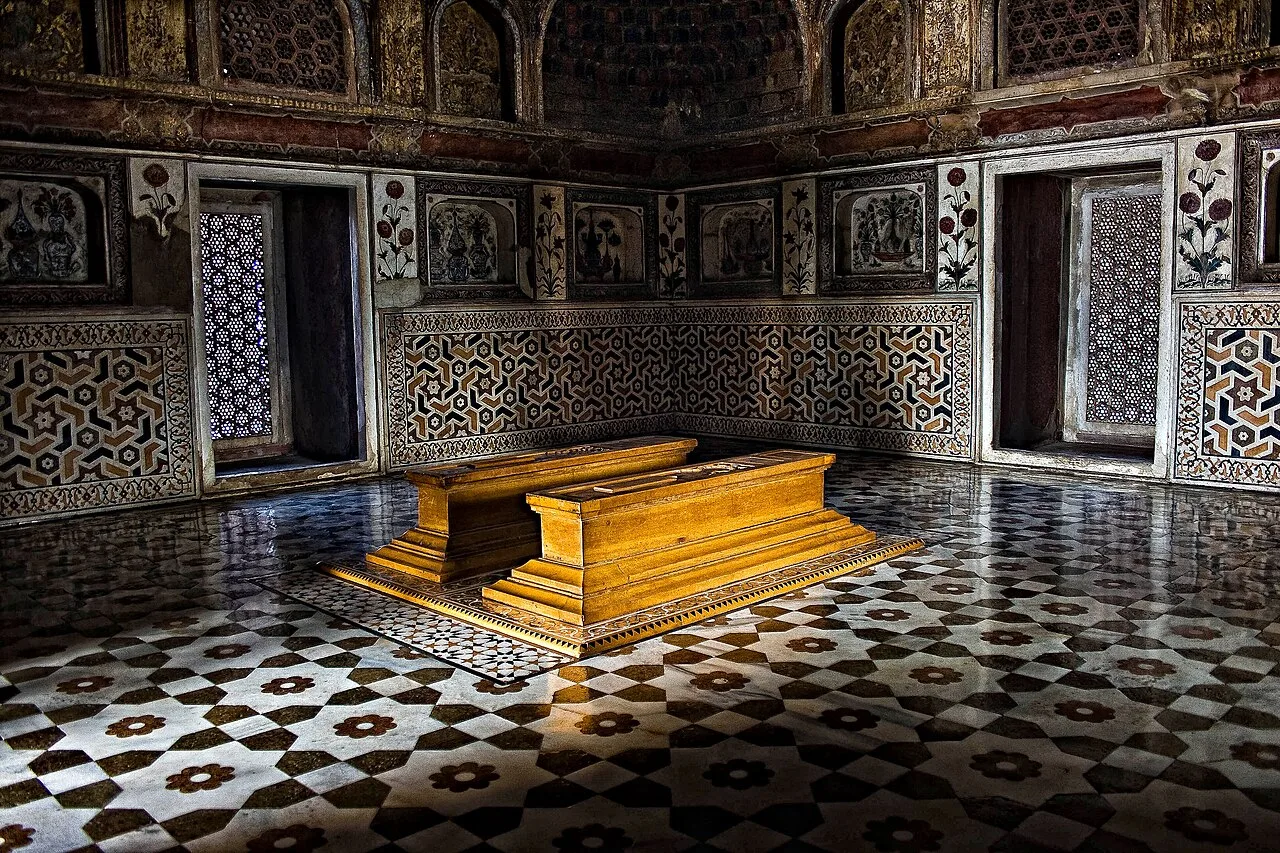
Itmad Ud Daulah

A Mughal marble mausoleum in Agra, Itmad Ud Daulah attracts visitors for its garden setting, intricate decoration and place in the evolution of Mughal architecture.

Jama Masjid, Agra

33 km away · Agra district

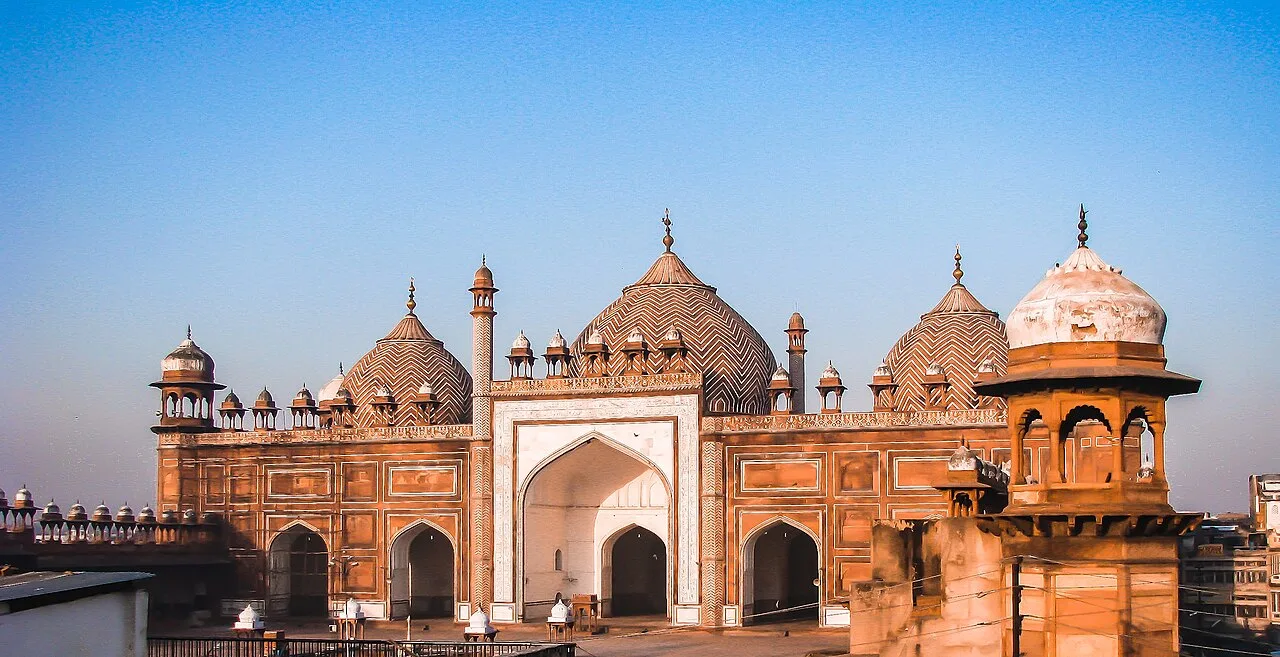
Jama Masjid, Agra

Jama Masjid is a seventeenth-century mosque in Agra, built by Jahanara Begum during Shah Jahan’s reign. Visitors come to see the city’s principal mosque, situated near Agra Fort.

39 km away · Agra district

Guru ka Taal Gurdwara

Guru ka Taal Gurdwara, near Sikandra in Agra, is a Sikh pilgrimage site honouring the ninth Guru, Tegh Bahadur. People visit to remember his martyrdom and the defence of religious freedom.

Map

Fatehabad on the map

  1. 1Bateshwar Temples, Agra
  2. 2Mehtab Bagh
  3. 3Taj Mahal
  4. 4Agra Fort
  5. 5Chini Ka Rauza
  6. 6Itmad Ud Daulah
  7. 7Jama Masjid, Agra
  8. 8Guru ka Taal Gurdwara

Uttar Pradesh

Other cities to explore