Ghumoopedia — Explore, Discover, Experience
Sign in
Chandra Prabha Wildlife Sanctuary, near Kopaganj

City guide · Uttar Pradesh

Kopaganj

Kopaganj is a town and nagar panchayat in Mau district, in eastern Uttar Pradesh. Its importance comes chiefly from its role as a local market and service centre for nearby settlements, as well as its place within Mau district’s textile economy.

Famous for

  • Mau-region textile weaving
  • Powerloom cloth trade
  • Local market activity
  • Eastern Uttar Pradesh culture

Why Kopaganj matters

Kopaganj is a town and nagar panchayat in Mau district, in eastern Uttar Pradesh. Its importance comes chiefly from its role as a local market and service centre for nearby settlements, as well as its place within Mau district’s textile economy. Weaving and powerloom production are associated with the wider Mau region, giving the town a practical connection to cloth making and trade rather than to a single celebrated monument or tourist attraction.

Visitors generally come for local business, family connections or as part of a journey through the Mau area. The town’s bazaars offer a sense of everyday life in eastern Uttar Pradesh, while nearby Mau provides larger transport and commercial facilities. Kopaganj is not widely known as a destination with a formal sightseeing circuit, so it suits travellers interested in regional markets and ordinary town life. Its setting, at a modest elevation in the Gangetic plains, also makes it a convenient base for short local trips rather than a hill or nature retreat.
Famous for: crafts, trade & products

Kopaganj is best understood in the context of Mau district’s textile trade. The wider area has a substantial weaving and powerloom tradition, producing everyday fabrics and clothing for regional markets. This does not mean every textile sold locally is made in Kopaganj, and the town is not especially associated with a separately documented, GI-tagged product. Its connection is to the broader network of makers, traders and buyers across the district.

For visitors, the town’s central bazaar is the most practical place to browse ordinary clothing, household goods and locally traded textiles. Ask shopkeepers about the origin of a particular fabric if you are looking for locally produced goods; stock may include items sourced from elsewhere. Workshops and production sites are places of work, not necessarily visitor attractions, so it is best to seek permission before entering. Mau town has a wider range of commercial services and can be useful for comparing products. Kopaganj’s appeal lies in seeing a working market town and its links to a regional textile economy, rather than in a distinct luxury craft quarter or a named specialty market.

History

Kopaganj’s history is tied to the growth of market settlements in eastern Uttar Pradesh. Its position among villages and agricultural communities helped it serve as a place for exchange and everyday services. The wider Mau region developed a strong textile economy, and weaving and powerloom work became important parts of local livelihoods and commerce. The town’s identity today reflects this mix of market activity and regional industry more than a single royal foundation or celebrated historic monument.

During British rule, the area formed part of the eastern districts of the North-Western Provinces and later the United Provinces. Local life remained closely connected to agriculture, trade and small-scale production; a detailed, widely established account of Kopaganj’s own colonial-era administration is limited. In modern times, improved road and rail links and the growth of Mau as a district centre have strengthened Kopaganj’s connection to regional markets. Mau district was established as a separate district in 1988, bringing Kopaganj into its present administrative setting. The town continues to function as a local centre within that wider district network.

Food, festivals & culture

Kopaganj shares the everyday culture of eastern Uttar Pradesh. Hindi is widely used, alongside Bhojpuri in informal conversation; Urdu is also spoken in the region. Food is typical of the eastern Gangetic plain, with home-style rice and lentils, seasonal vegetables, roti and familiar snacks such as kachori, samosa and jalebi available in local markets. These are regional favourites rather than dishes uniquely identified with Kopaganj.

Hindu festivals such as Holi, Diwali, Navratri and Chhath are observed, while Eid and Muharram are important occasions for Muslim residents. Their timing follows the Hindu lunar calendar or the Islamic calendar, so dates vary from year to year. Local worship takes place in neighbourhood temples and mosques, which are community spaces as well as places of prayer. Family gatherings, devotional singing and seasonal observances shape much of the town’s public cultural life. Music and dance are commonly encountered through festivals and private celebrations; there is no widely established, town-specific performance tradition that defines Kopaganj. Visitors should dress respectfully at places of worship and follow local customs.

Visiting the city

The cooler months, broadly from October to March, are usually the most comfortable time to visit. Summers can be very hot, while the monsoon brings rain and humid conditions. The nearest major airport is Gorakhpur Airport; Varanasi’s Lal Bahadur Shastri International Airport is another option, depending on route and onward connections. Mau Junction is the main railway station for regional travel, while Kopaganj also has local rail access.

Auto-rickshaws and other local shared or hired vehicles are practical for short journeys; confirm the destination before setting out. The central bazaar is the easiest area to explore on foot and offers a glimpse of everyday commerce. The town’s neighbourhood streets and market approaches are useful for observing local life, but Kopaganj has no well-established visitor district or formal sightseeing circuit. Mau town can be included for broader shopping and transport connections. Allow time for traffic and check current travel connections before departure.

Trips from the city

Nearest places to visit from Kopaganj

Our closest destination guides, by straight-line distance.

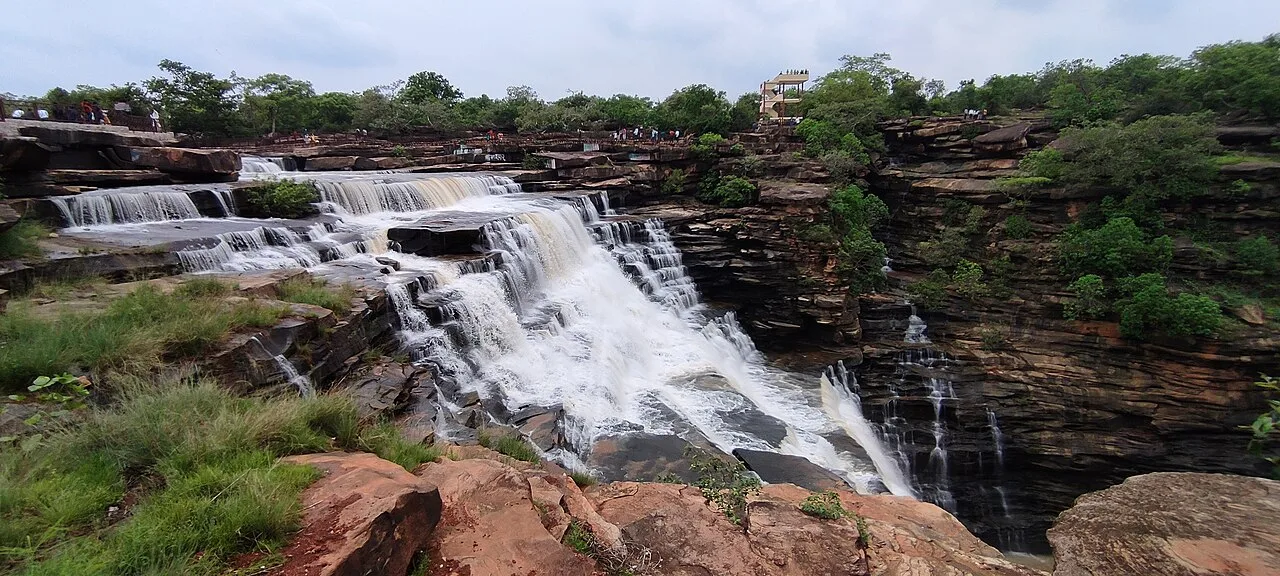
Chandra Prabha Wildlife Sanctuary

46 km away · Chandauli district

Chandra Prabha Wildlife Sanctuary

In Uttar Pradesh’s Chandauli district, Chandraprabha is a wildlife sanctuary in central India. Visitors come to explore the sanctuary, which lies around 70 kilometres from Varanasi.

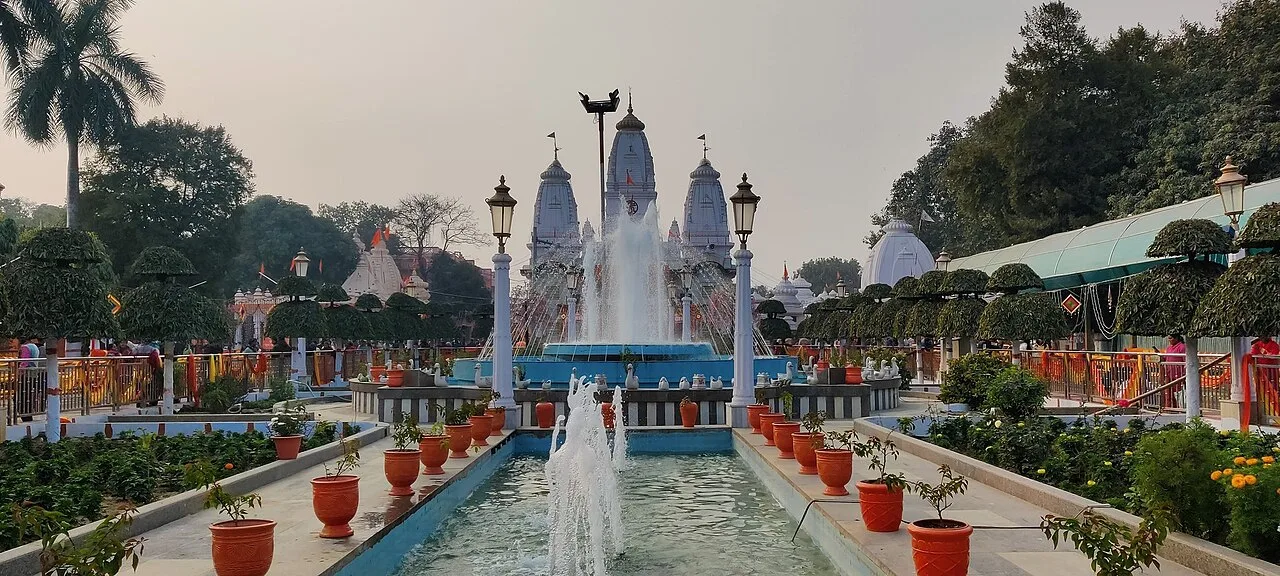
Gorakhnath Math

86 km away · Gorakhpur district

Gorakhnath Math

Gorakhnath Math is a Hindu temple and Nath monastic centre in Gorakhpur, Uttar Pradesh. People visit for its religious role and the cultural and social activities held on its premises.

Kushinagar Buddhist Site

86 km away · Kushinagar district

Kushinagar Buddhist Site

The Kushinagar Buddhist Site is a pilgrimage destination associated with Gautama Buddha’s parinirvana. Visitors come to this Uttar Pradesh town because of its importance in Buddhist belief.

Dhamek Stupa

89 km away · Varanasi district

Dhamek Stupa

Dhamek Stupa is a large Buddhist monument at Sarnath in Uttar Pradesh, associated with the Buddha’s first teaching and visited as an important pilgrimage place.

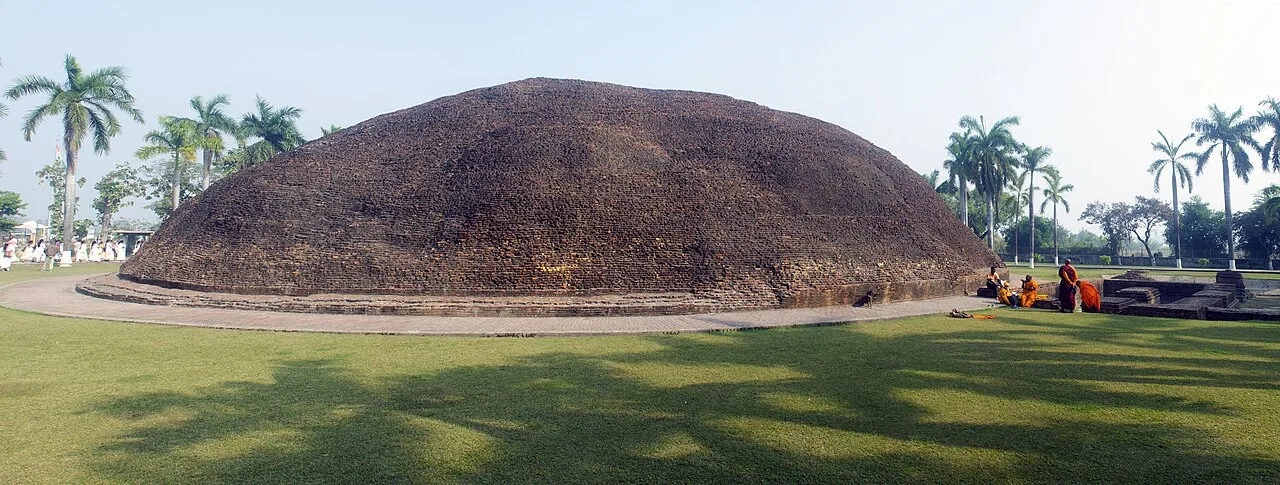
Chaukhandi Stupa

90 km away · Varanasi district

Chaukhandi Stupa

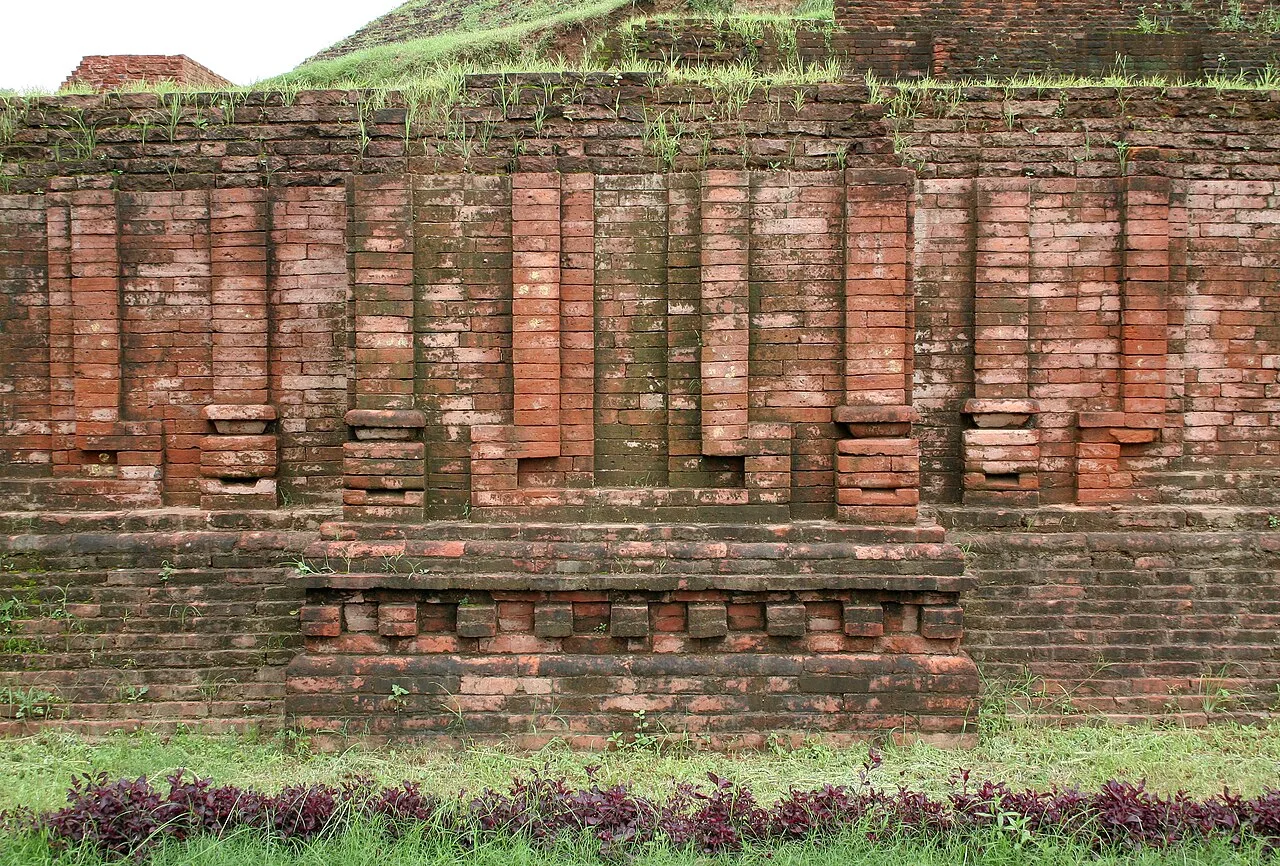
Chaukhandi Stupa is a Buddhist monument at Sarnath in Uttar Pradesh’s Varanasi district. Visitors come to see this nationally important site, recognised by the Archaeological Survey of India in 2019.

Sarnath Buddhist Site

90 km away · Varanasi district

Sarnath Buddhist Site

Sarnath is a Buddhist pilgrimage town near Varanasi, remembered as the place where Gautama Buddha first taught after his enlightenment. Visitors come to see its important religious and historical associations.

Atala Mosque

92 km away · Jaunpur district

Atala Mosque

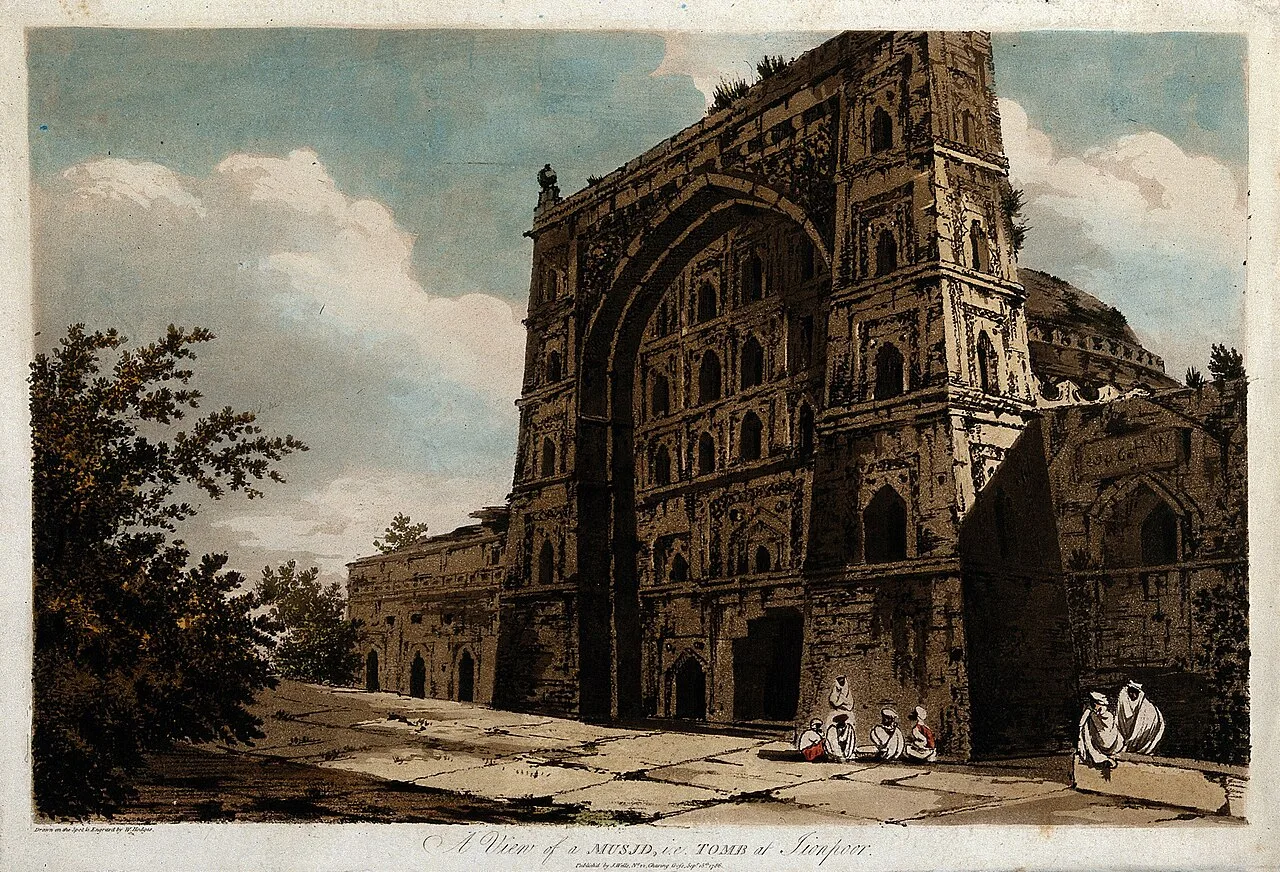
Atala Mosque, a 15th-century place of worship in Jaunpur, Uttar Pradesh, is visited by those wishing to see a historic mosque near the city’s Shahi Qila and Jama Mosque.

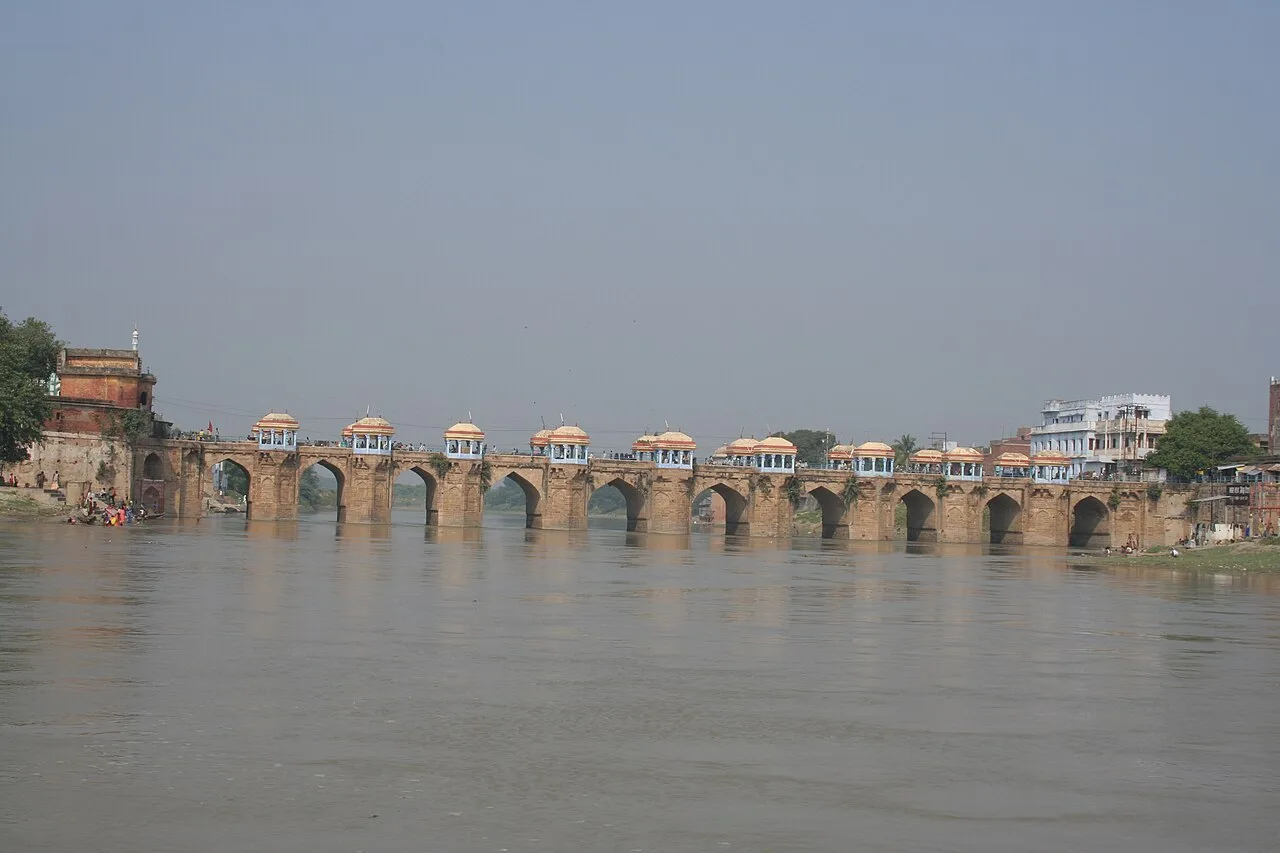
Shahi Bridge

93 km away · Jaunpur district

Shahi Bridge

Shahi Bridge is a 16th-century crossing over the Gomti in Jaunpur, Uttar Pradesh. Visitors come to see the historic bridge, which is also known by several other names.

Map

Kopaganj on the map

  1. 1Chandra Prabha Wildlife Sanctuary
  2. 2Gorakhnath Math
  3. 3Kushinagar Buddhist Site
  4. 4Dhamek Stupa
  5. 5Chaukhandi Stupa
  6. 6Sarnath Buddhist Site
  7. 7Atala Mosque
  8. 8Shahi Bridge

Uttar Pradesh

Other cities to explore