Ghumoopedia — Explore, Discover, Experience
Sign in
Chota Imambara, near Sandila

City guide · Uttar Pradesh

Sandila

Sandila is a tehsil headquarters in Hardoi district, Uttar Pradesh, positioned between Hardoi and Lucknow. Its roads and railway connection make it a regional centre for trade, travel and services.

Famous for

  • Sandila laddus
  • Shitala Mata Mandir
  • Zardozi embroidery
  • Beedi production
  • Sandila Industrial Area

Why Sandila matters

Sandila is a tehsil headquarters in Hardoi district, Uttar Pradesh, positioned between Hardoi and Lucknow. Its roads and railway connection make it a regional centre for trade, travel and services. The town is especially known for its laddus, a popular local sweet, and for traditional work such as zardozi embroidery and beedi production. Its industrial area is another part of Sandila’s present-day identity, with manufacturing and food businesses among the enterprises based there.

Visitors may come for Shitala Mata Mandir, associated in local tradition with the Vedic sage Shandilya, or to experience the town’s food and everyday market life. Sandila also has a layered history, reflected in nearby mounds and ruined fortifications linked to the Arkvanshi rulers. It was the home of Begum Aizaz Rasul, a member of the Constituent Assembly that drafted India’s Constitution. Sandila is not a large sightseeing destination, but its religious associations, local products and place in the region give it distinct interest.
Famous for: crafts, trade & products

Sandila’s best-known local product is its laddu, often bought as a sweet or gift. Traditional livelihoods also include beedi-making and zardozi, the decorative embroidery worked with metallic thread. These products are associated with the town’s local trade; visitors can ask in central bazaar shops about sweets and locally made goods. Sandila is not principally known for a particular GI-tagged product, and visitors should not assume that every item sold as local has a protected geographical indication.

The Sandila Industrial Area adds a modern manufacturing dimension. Businesses and facilities associated with the area include Pepsi, ITC, Haldiram’s, paint companies such as Berger Paints and British Paints, and Webley & Scott. This is an industrial zone rather than a visitor-oriented shopping district, so access and public-facing facilities may vary. For everyday purchases, the town’s bazaars are the more practical places to explore; for sweets, look for established local confectioners. Zardozi is a specialist craft, so availability and choice may vary between shops and workshops.

History

Local tradition links Sandila’s name and religious past to the sage Shandilya, and identifies the town as his place of meditation. The Shandilya Ashram is traditionally associated with Shitala Mata Mandir on the western side of town. From the early thirteenth century, Sandila became a centre of Arkvanshi, or Suryavanshi, Rajput power. In the later fourteenth century, forces sent by Sultan Firoz Shah Tughlaq captured the town and surrounding territory after fighting with the Arkvanshis. Ruined fortifications on nearby mounds, including sites associated with Garhi Jindor and Malhaiyya Garhi, are reminders of this period. Sandila subsequently came under the Delhi Sultanate.

Under British rule, Sandila’s municipality was established in 1868. In the twentieth century, Begum Aizaz Rasul, who lived in Sandila after her marriage, became the only Muslim woman in the Constituent Assembly. Today the town combines its role as a tehsil centre with rail, road and industrial links.

Food, festivals & culture

Sandila’s signature food is its laddu, made and sold by local sweet shops. Everyday North Indian dishes are also widely available, though recipes and menus vary by establishment. Hindi and Urdu are used in town, while Awadhi speech and expressions are part of the wider regional culture. Zardozi embroidery and the town’s small-scale production traditions contribute to its working identity alongside modern industry.

Shitala Mata Mandir is an important place of worship, with local tradition connecting it to the sage Shandilya. Hindu festivals such as Navratri, usually observed in spring and autumn, and Diwali in autumn are marked in the area; Eid celebrations are part of the town’s Muslim life. The precise scale and customs of observance vary between communities and neighbourhoods. Folk music and dance belong to the wider Awadh region, but Sandila is better known for its religious associations and food than for a distinct named performance tradition. Visitors can find a sense of local life in the temple area and the busy bazaars.

Visiting the city

The cooler months, roughly October to March, are generally the most comfortable time to visit. Sandila lies about 50 kilometres from Lucknow and from Hardoi, making either a useful point of onward travel. The nearest major airport is Chaudhary Charan Singh International Airport in Lucknow. Sandila railway station serves the town on the broad-gauge rail line; check current services before travelling.

Auto-rickshaws and local road transport are practical for getting around, while walking works well for short trips in the central area. Explore the town’s bazaars for sweets and daily life, and visit Shitala Mata Mandir on the western side. Nearby historic mounds and fort remains may be difficult to interpret or access, so ask locally before setting out. The industrial area is primarily for business, not casual sightseeing.

Trips from the city

Nearest places to visit from Sandila

Our closest destination guides, by straight-line distance.

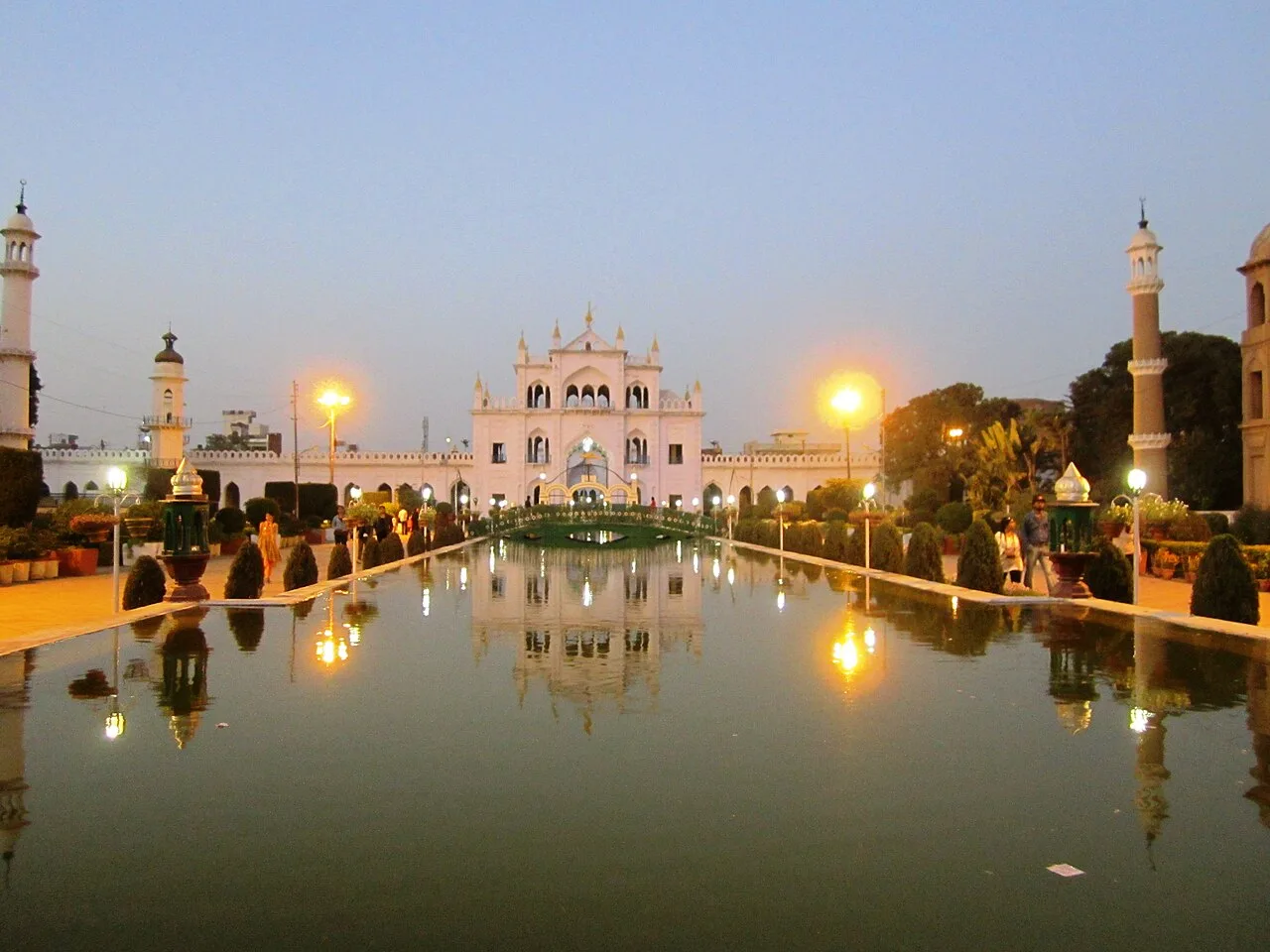
Chota Imambara

44 km away · Lucknow district

Chota Imambara

Chota Imambara, also called Imambara Hussainabad Mubarak, is a Shia religious hall and mausoleum in Lucknow. Visitors come to see its decorated interiors, calligraphy and distinctive ceremonial features.

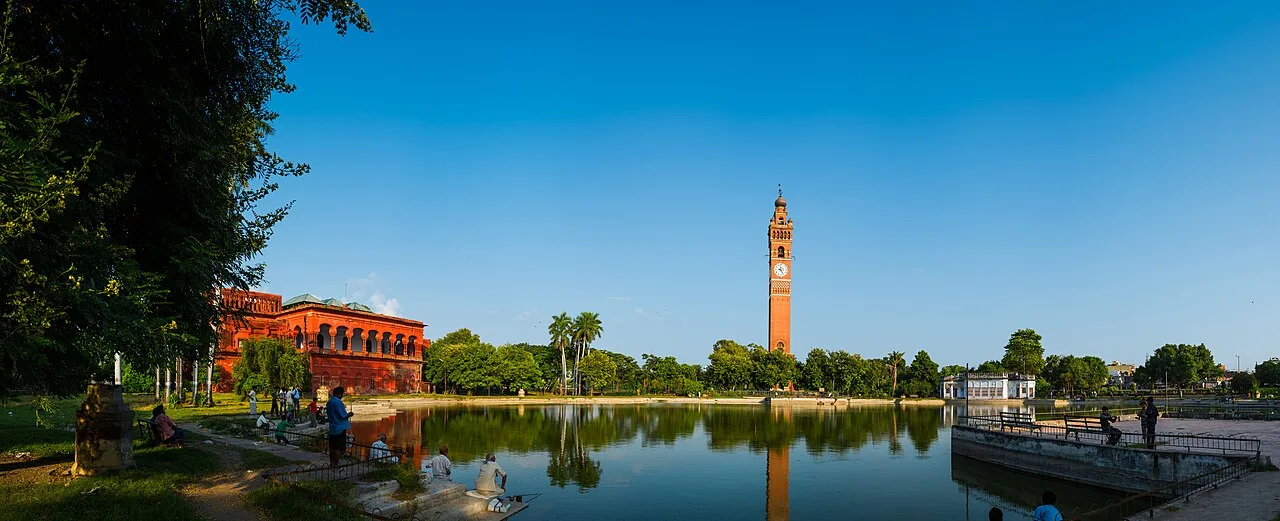
Husainabad Clock Tower

44 km away · Lucknow district

Husainabad Clock Tower

Husainabad Clock Tower is a historic structure in Lucknow, Uttar Pradesh, built to commemorate an official’s arrival. Visitors come to see its combination of Mughal and Victorian architectural features.

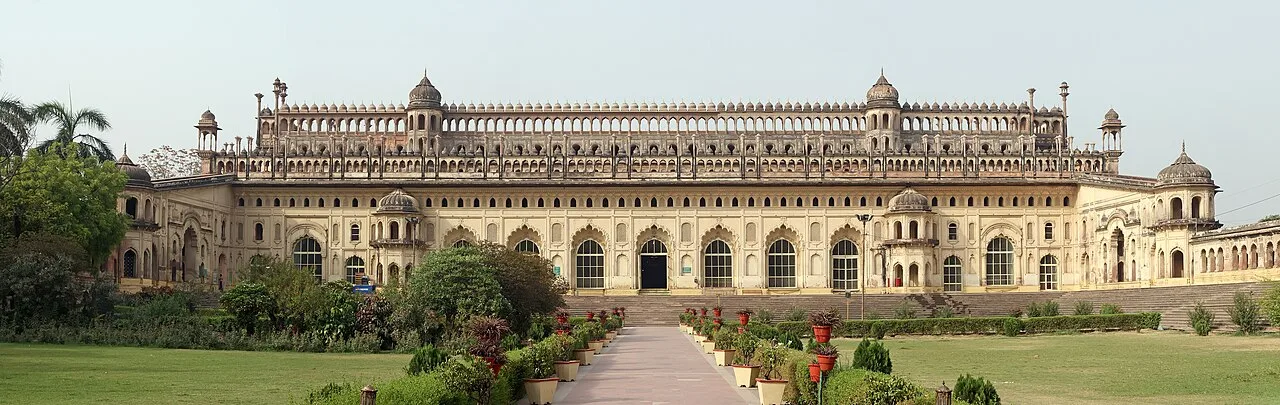
Bara Imambara

45 km away · Lucknow district

Bara Imambara

Bara Imambara, also known as the Asafi Imambara, is a religious complex in Lucknow. Visitors come to see its imambara and mosque and its status as a nationally important monument.

Rumi Darwaza

46 km away · Lucknow district

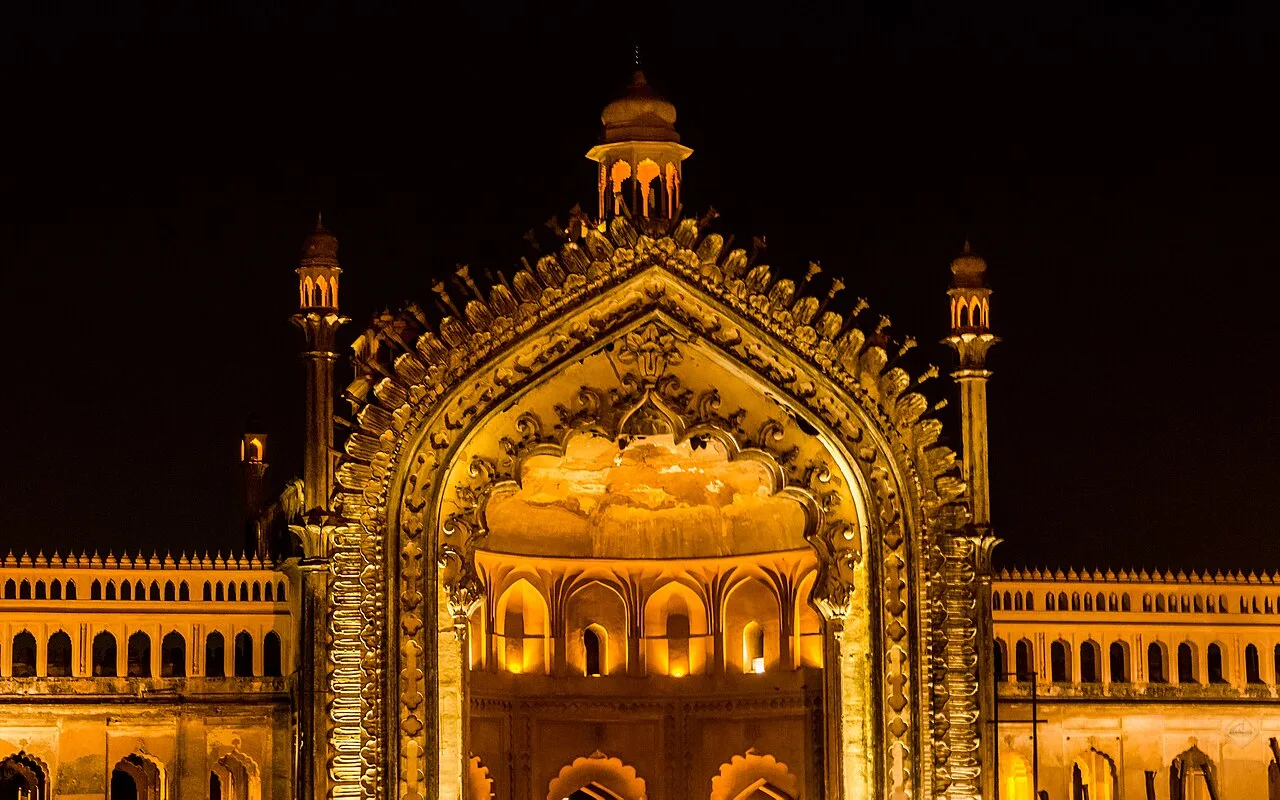
Rumi Darwaza

Rumi Darwaza is an 18th-century gateway in Lucknow, known for its Awadhi design and links to the city’s past. Visitors come to see its architecture and historic setting.

The Residency, Lucknow

47 km away · Lucknow district

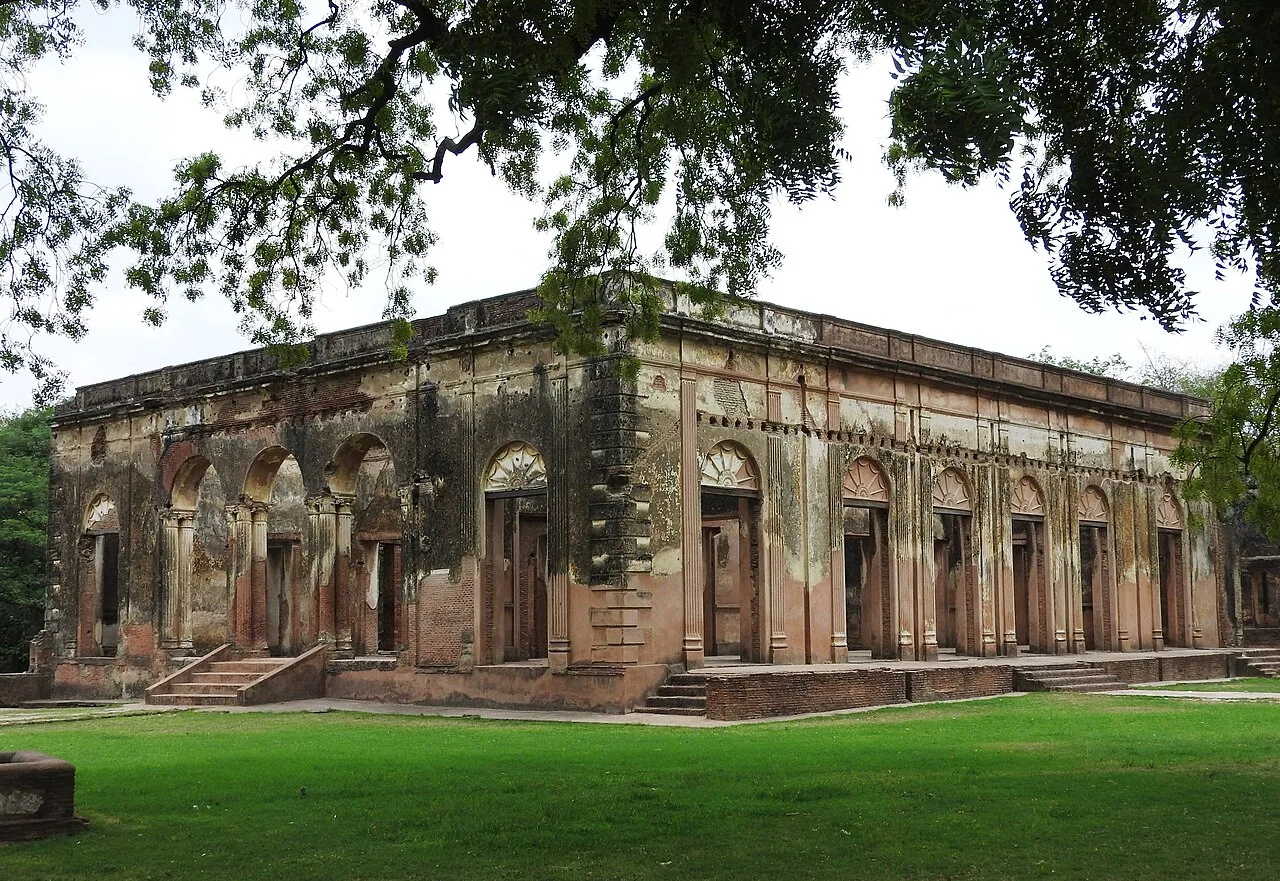
The Residency, Lucknow

The Residency is a collection of buildings in Lucknow associated with the British representative at the Nawab of Awadh’s court. Visitors can explore its former residential role and its setting near other landmarks.

Hazratganj Market

49 km away · Lucknow district

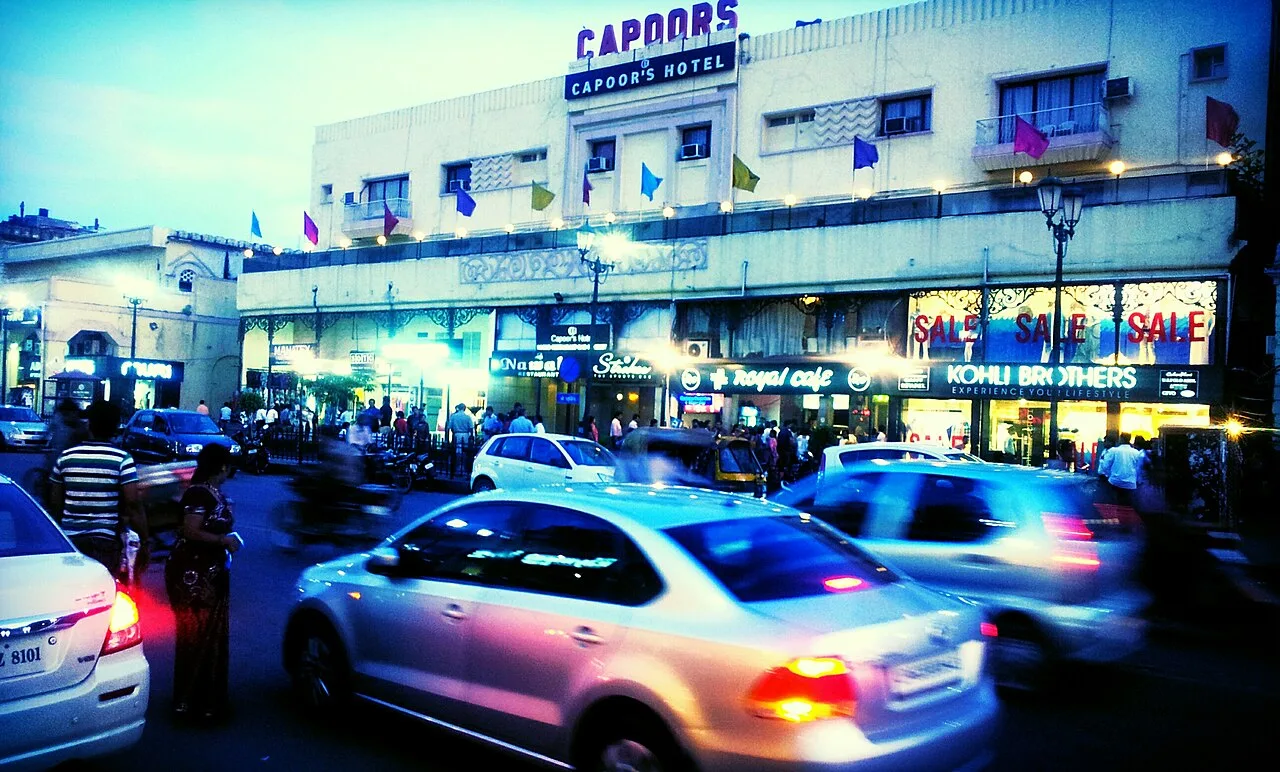
Hazratganj Market

Hazratganj Market is a commercial and shopping area in Lucknow, Uttar Pradesh. Visitors come for its bazaars, retail and dining options, entertainment venues and access to the metro.

Lucknow Zoo (Nawab Wajid Ali Shah Prani Udyan)

50 km away · Lucknow district

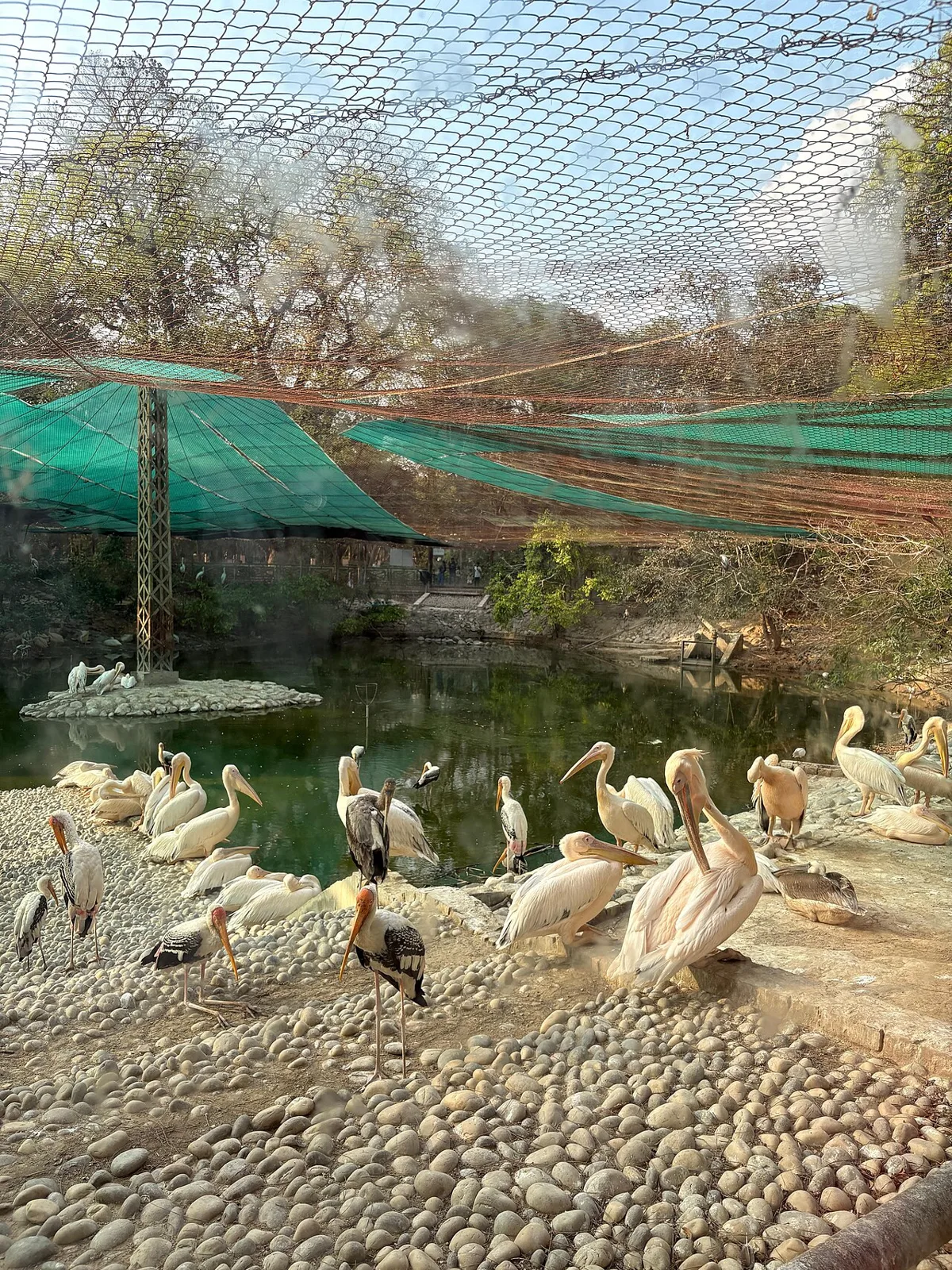
Lucknow Zoo (Nawab Wajid Ali Shah Prani Udyan)

Lucknow Zoo, also called Nawab Wajid Ali Shah Prani Udyan, is a large zoological garden in Uttar Pradesh’s capital, known for its history and its connection to a royal visit.

State Museum, Lucknow

50 km away · Lucknow district

State Museum, Lucknow

Lucknow’s State Museum is a cultural institution in Uttar Pradesh’s capital. Visitors come to see collections ranging from prehistoric objects and coins to paintings, manuscripts and textiles.

Map

Sandila on the map

  1. 1Chota Imambara
  2. 2Husainabad Clock Tower
  3. 3Bara Imambara
  4. 4Rumi Darwaza
  5. 5The Residency, Lucknow
  6. 6Hazratganj Market
  7. 7Lucknow Zoo (Nawab Wajid Ali Shah Prani Udyan)
  8. 8State Museum, Lucknow

Uttar Pradesh

Other cities to explore