Ghumoopedia — Explore, Discover, Experience
Sign in
Jhansi Fort, near Moth

City guide · Uttar Pradesh

Moth

Moth is a small town and nagar panchayat in Jhansi district, in the Bundelkhand region of Uttar Pradesh. Its importance is chiefly local: it serves nearby villages with everyday shopping, public services and connections to larger centres, including Jhansi.

Famous for

  • Bundelkhand regional character
  • Jhansi district market town
  • Moth railway station
  • Rural trade and services
Plan a tripHotels near Moth

Why Moth matters

Moth is a small town and nagar panchayat in Jhansi district, in the Bundelkhand region of Uttar Pradesh. Its importance is chiefly local: it serves nearby villages with everyday shopping, public services and connections to larger centres, including Jhansi. Rather than being a major tourist destination, Moth offers a glimpse of life in a smaller Bundelkhand town, where the market, transport links and surrounding agricultural landscape shape daily activity.

Visitors may use Moth as a quiet stop while travelling through the district or as a base for exploring the wider Jhansi region. Jhansi’s historic sites and transport connections are accessible on a broader regional itinerary. Moth itself is not widely associated with a nationally recognised monument, craft or signature product, so expectations are best set around local markets and ordinary town life rather than a major sightseeing circuit. Its appeal lies in its regional setting and its role as a practical centre for the surrounding countryside.
Famous for: crafts, trade & products

Moth is best understood as a local service and trading town, not as a specialist manufacturing or craft destination. There is no widely established signature textile, saree, handicraft or GI-tagged product associated with the town. Its shops and market areas mainly serve residents and people from nearby villages, with everyday goods, household supplies and farm-related needs forming part of local trade. For a visitor, the central market is the most useful place to browse and get a sense of the town’s commercial life.

The wider Bundelkhand region has varied craft and food traditions, but these should not be mistaken for products made specifically in Moth. Travellers looking for a broader selection of branded goods, specialist shopping or larger institutions will generally find more options in Jhansi. In Moth, ask locally about seasonal market activity and small producers, as availability can vary. The railway station and main town streets are practical landmarks for orienting yourself, rather than dedicated shopping attractions.

History

Moth’s recorded local history is less prominent in popular accounts than that of Jhansi, and a detailed sequence of town-specific rulers or monuments is not firmly established. Its past is best considered within the wider history of Bundelkhand, a region shaped by successive local kingdoms, including Chandela and Bundela powers, and later by changing Maratha and British influence. Jhansi became a major centre in these regional struggles, especially during the uprising of 1857–58; that history gives context to the district but should not be treated as a specific account of Moth.

Over time, Moth developed as a settlement serving the surrounding rural area. Modern roads, rail connections and local administration strengthened its role as a small commercial and service centre. Today it is governed as a nagar panchayat within Jhansi district. Its growth has been practical and regional rather than based on a large royal complex, major colonial institution or industrial boom, and its contemporary identity remains closely tied to nearby villages and Jhansi.

Food, festivals & culture

Everyday culture in Moth reflects the Bundelkhand setting. Hindi is widely used, while Bundeli speech is common across the region and may be heard in informal conversation. Home cooking and small eateries typically draw on north Indian staples such as roti, lentils, seasonal vegetables and grain-based dishes. Visitors may find familiar sweets and snacks at local shops, but Moth is not especially known for a distinct signature dish; what is available can depend on the season and the individual vendor.

Holi in spring and Diwali in autumn are widely celebrated, alongside Navratri and Dussehra. Religious observances are centred on neighbourhood shrines and temples, as well as household worship; ask locally for directions to specific places, since there is no single major pilgrimage site that defines the town. Folk music and performance traditions of Bundelkhand are part of the broader cultural landscape, though public programmes in Moth may be occasional and locally organised. Festival dates follow the Hindu calendar and change from year to year.

Visiting the city

The cooler months, roughly from October to March, are generally the most comfortable time to visit. Summers in Bundelkhand can be very hot, while the monsoon brings rain and greener countryside. Moth has its own railway station; Jhansi Junction is the region’s main rail hub for broader connections. The nearest airport with regular commercial services is generally Gwalior Airport, also known as Rajmata Vijaya Raje Scindia Airport; check current routes before planning around it.

Local movement is easiest by auto-rickshaw, taxi or other locally available transport, with buses and shared vehicles connecting nearby settlements. In town, explore the central market and the streets around the station for a simple introduction to everyday life. Moth is compact, and its outskirts offer views of the surrounding rural landscape. For major historic attractions, plan a separate visit to Jhansi rather than expecting a large sightseeing circuit within Moth.

Trips from the city

Nearest places to visit from Moth

Our closest destination guides, by straight-line distance.

Jhansi Fort

48 km away · Jhansi district

Jhansi Fort

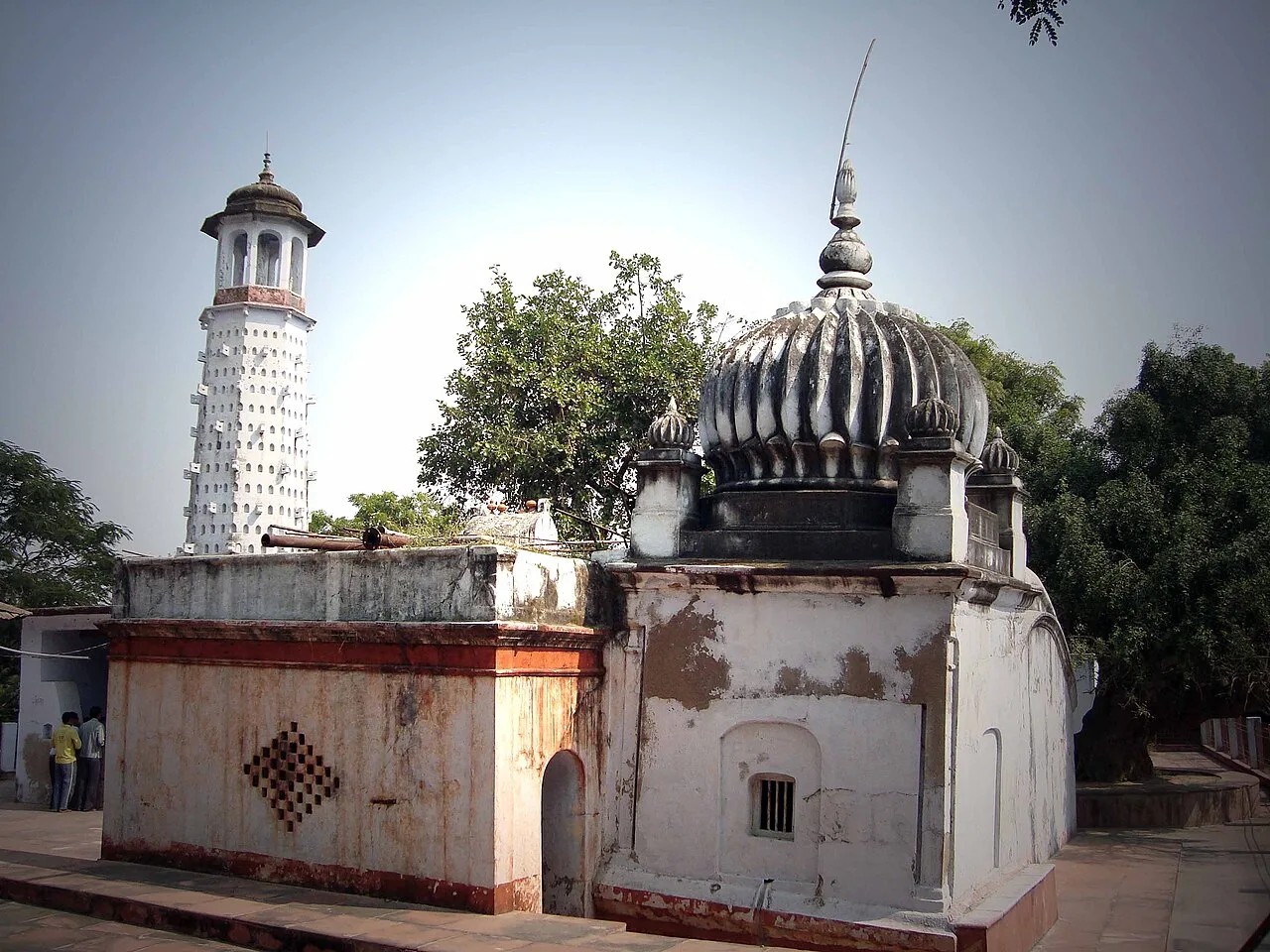
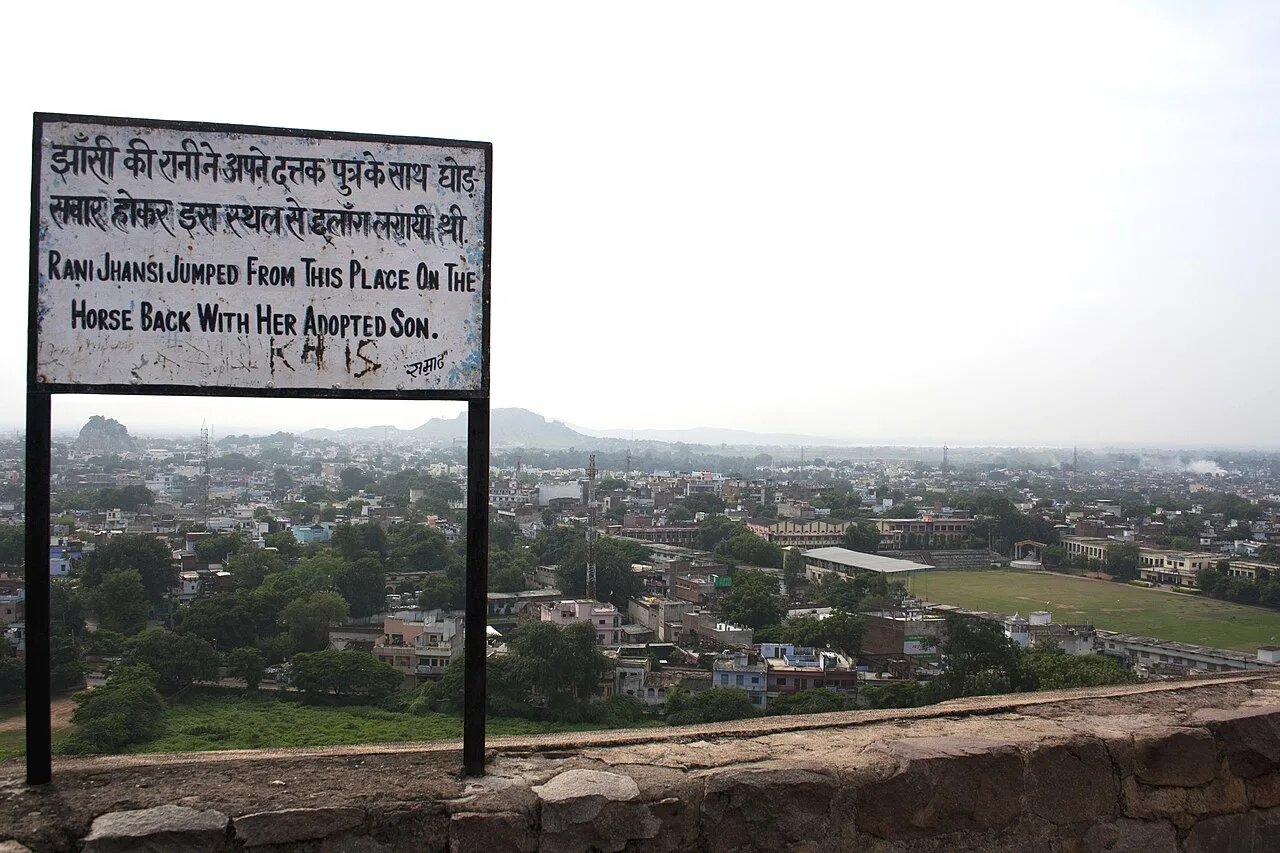
Jhansi Fort is a historic stronghold on Bangira in Jhansi, Uttar Pradesh. Visitors can explore its links to the Karhade Brahmin rulers and the town’s later British-era history.

Etawah Safari Park

116 km away · Etawah district

Etawah Safari Park

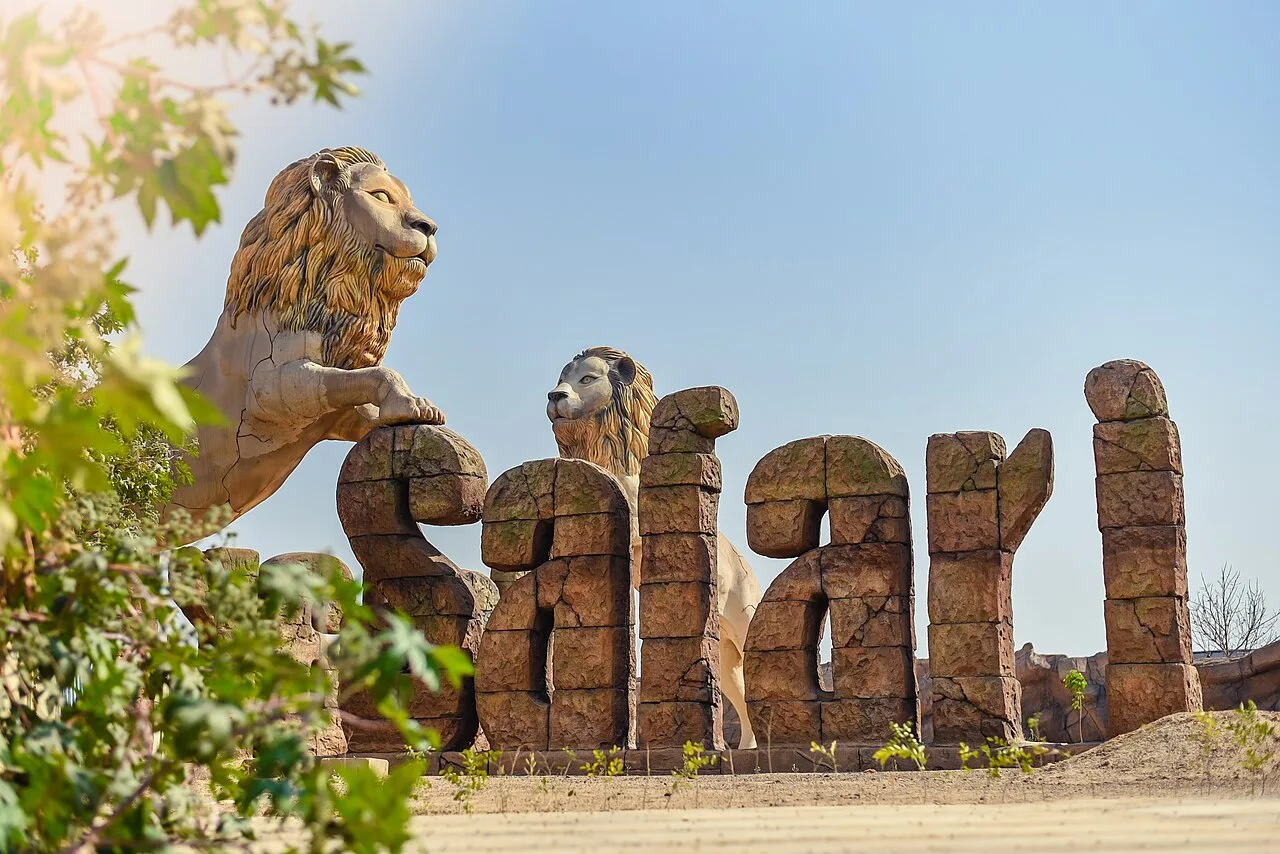
A wildlife attraction in Etawah district, Uttar Pradesh, the park draws visitors for its vehicle-based safari experiences, Asiatic lion breeding centre and visitor centre.

Bateshwar Temples, Agra

141 km away · Agra district

Bateshwar Temples, Agra

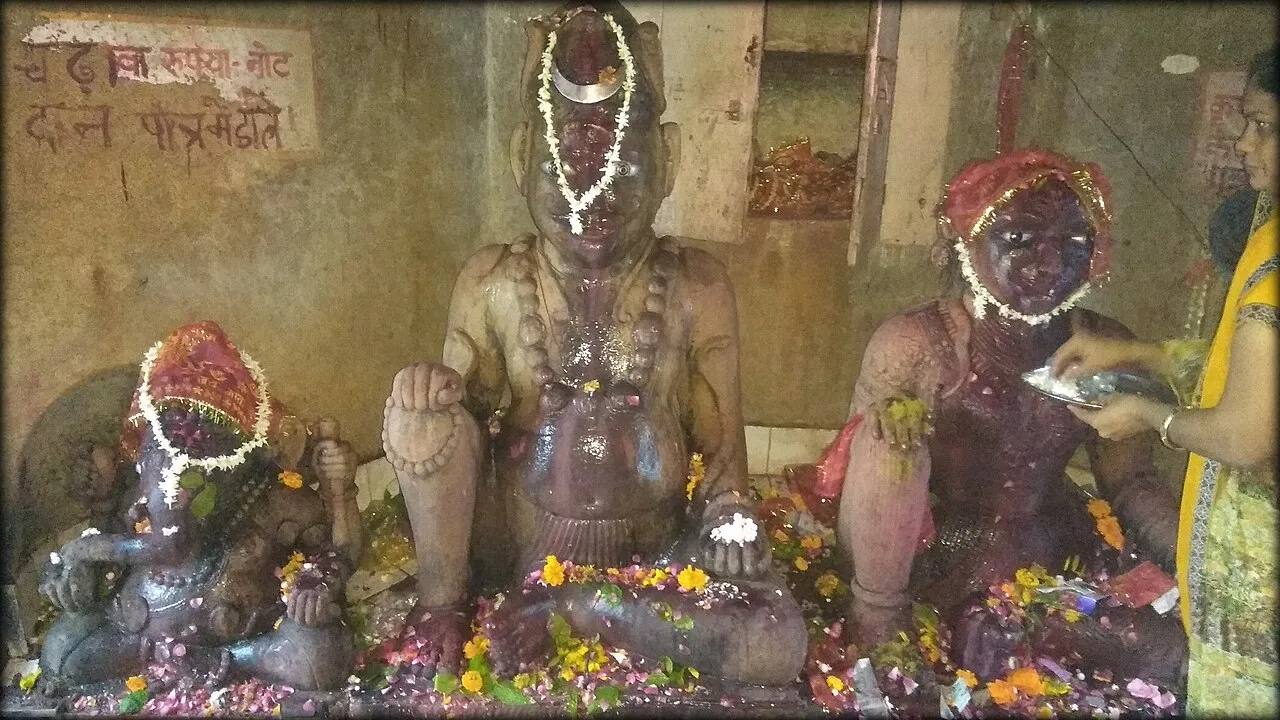
Bateshwar is a village in Uttar Pradesh’s Agra district, known as a spiritual centre for Hindus and Jains, with 101 Shiva temples and an annual fair.

Dashavatara Temple

151 km away · Lalitpur district

Dashavatara Temple

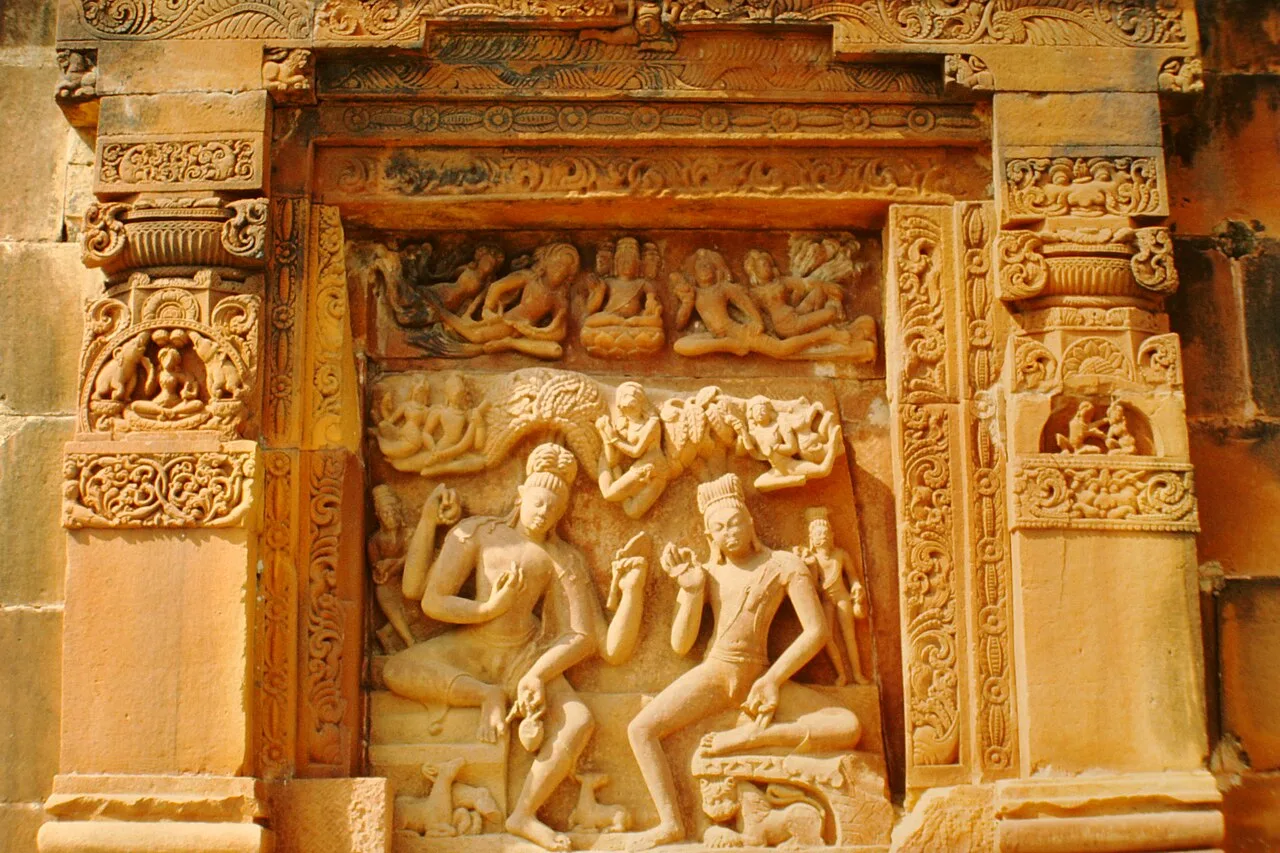
The Dashavatara Temple is a Gupta-period shrine to Vishnu at Deogarh, Uttar Pradesh. Visitors come to study its early stone architecture and carved narratives, which illuminate the development of northern Indian temple design.

JK Temple

159 km away · Kanpur Nagar district

JK Temple

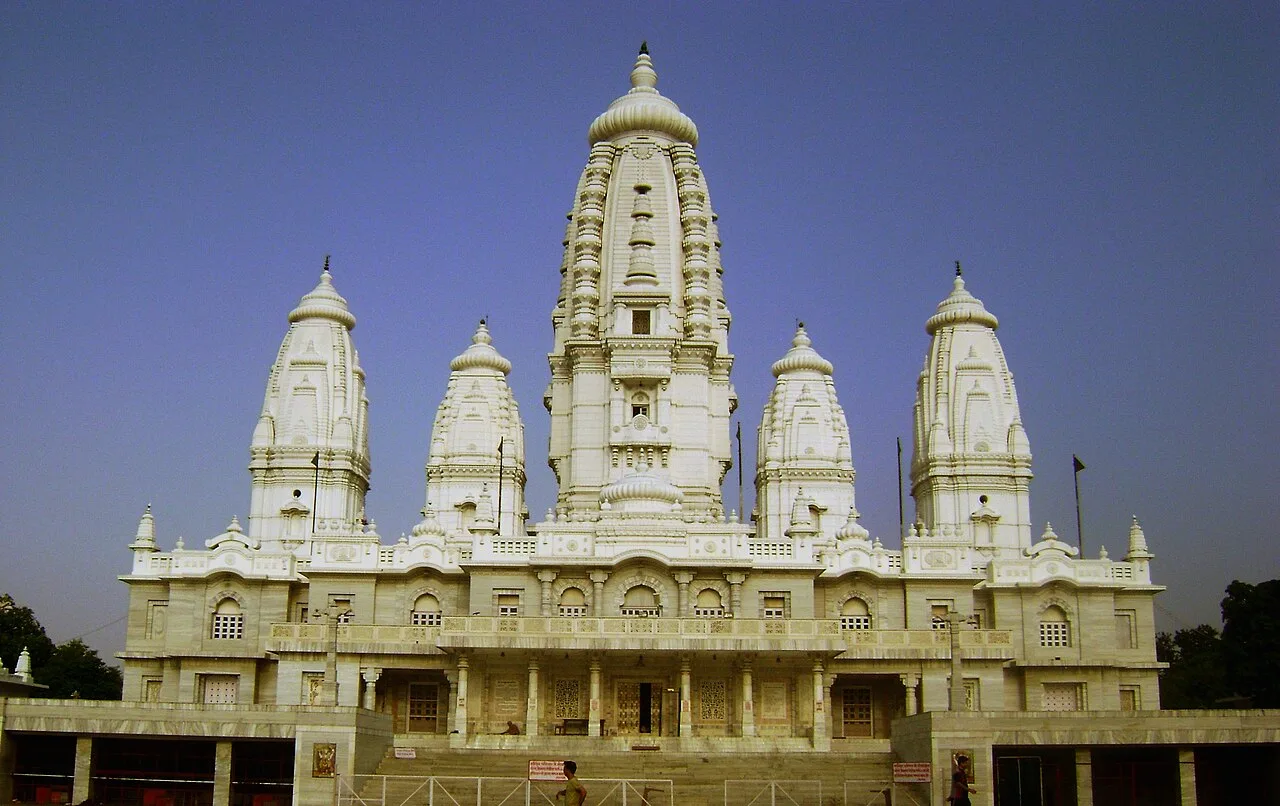
Known also as the Juggilal Kamlapat Temple and Radhakrishna Temple, this Hindu place of worship in Kanpur draws visitors for its combination of traditional and modern architectural features.

Bithoor Ghats

165 km away · Kanpur Nagar district

Bithoor Ghats

Bithoor Ghats are part of Bithoor, a town in Uttar Pradesh beside the Ganges. People visit for its importance as a Hindu pilgrimage centre and its connection with Nana Sahib and the 1857 uprising.

Kalinjar Fort

174 km away · Banda district

Kalinjar Fort

Travellers visit Kalinjar for its extensive fortifications, its association with Chandela rule and its long religious history, including sacred structures dating to the Gupta period.

Mehtab Bagh

185 km away · Agra district

Mehtab Bagh

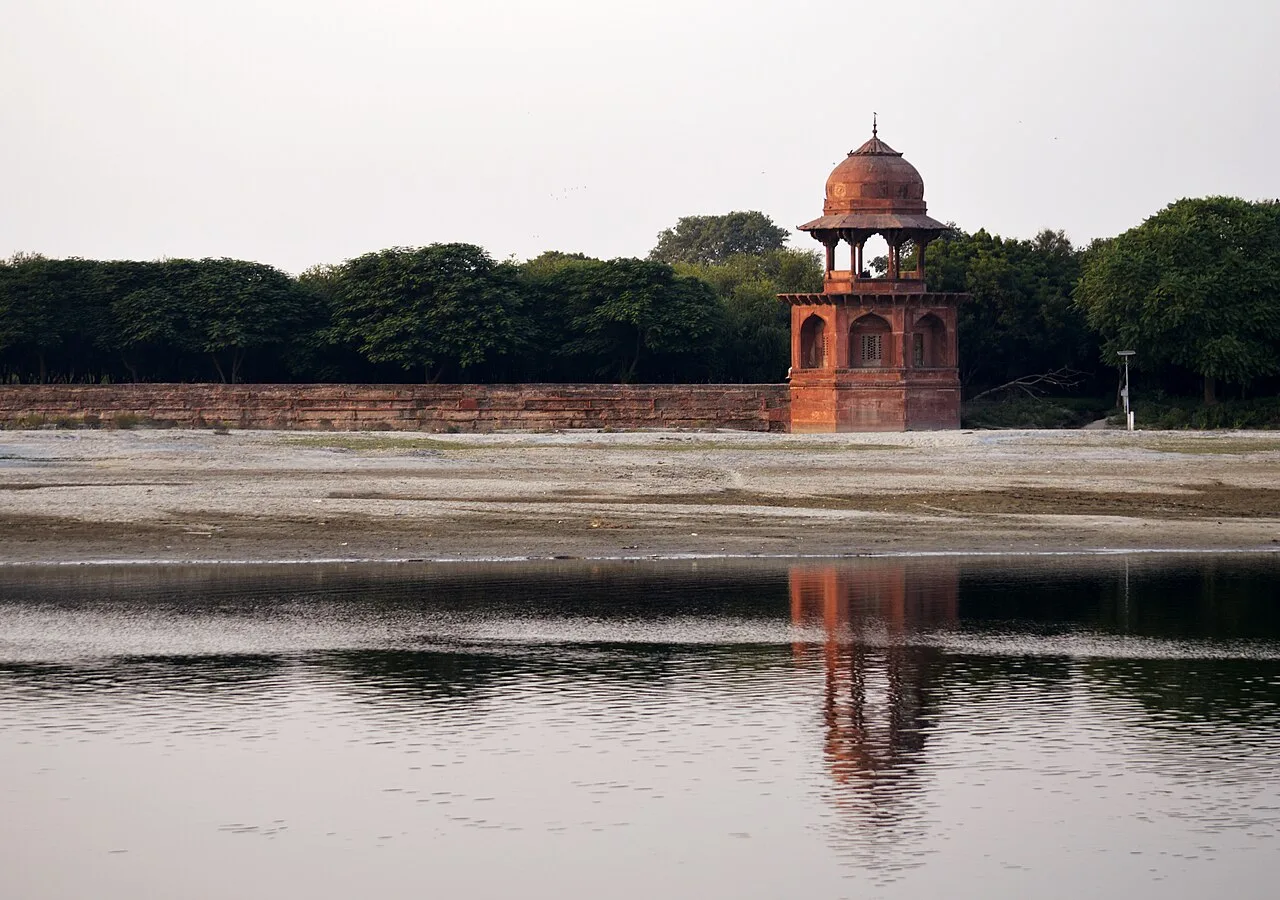
Mehtab Bagh is a square charbagh garden in Agra, Uttar Pradesh, across the Yamuna from the Taj Mahal. Visitors come to see its carefully aligned setting opposite the monument.

Map

Moth on the map

  1. 1Jhansi Fort
  2. 2Etawah Safari Park
  3. 3Bateshwar Temples, Agra
  4. 4Dashavatara Temple
  5. 5JK Temple
  6. 6Bithoor Ghats
  7. 7Kalinjar Fort
  8. 8Mehtab Bagh

Uttar Pradesh

Other cities to explore