Ghumoopedia — Explore, Discover, Experience
Sign in

City guide · Uttar Pradesh

Bansi

Bansi is a regional town in Siddharthnagar district, eastern Uttar Pradesh, set beside the Rapti River. Its importance comes from its role as a local centre for surrounding communities and as one of the district’s assembly constituencies.

Famous for

  • Rapti River setting
  • Magh Mela
  • Narkatha palace
  • Access to Lumbini
  • Siddharthnagar regional centre

Why Bansi matters

Bansi is a regional town in Siddharthnagar district, eastern Uttar Pradesh, set beside the Rapti River. Its importance comes from its role as a local centre for surrounding communities and as one of the district’s assembly constituencies. Shops and everyday services draw residents from nearby settlements, while the river gives the town a distinctive setting.

The month-long Magh Mela is Bansi’s best-known annual gathering, bringing visitors from the surrounding area during late winter. The town is also a possible base for a journey to Lumbini in Nepal, traditionally associated with the birth of Gautama Buddha; the international border is nearby, though travellers should check current crossing requirements before setting out. Narkatha, associated with a local palace, is another point of interest in the area. Bansi is not primarily known as a major craft or industrial destination; its appeal lies in its regional role, seasonal fair, riverbank location and connections to nearby places.
Famous for: crafts, trade & products

Bansi is best understood as a local market and service centre rather than a destination with a widely recognised textile, handicraft or industrial speciality. Its shops serve residents of the town and nearby villages, with everyday groceries, clothing, household goods and seasonal items forming the practical focus of trade. Visitors can look around the central commercial streets for ordinary local shopping and refreshments.

No signature craft, GI-tagged product or distinctive manufactured good is firmly associated with Bansi. Agricultural produce from the surrounding region is part of everyday commerce, but the town is not especially known for a particular crop or branded food product. The Magh Mela is the most visible occasion for temporary stalls and fairground trade, where visitors may find snacks, household items and seasonal merchandise; selections vary from year to year. For specialised handicrafts or a broader range of branded goods, travellers may need to look to larger regional centres. The palace at Narkatha is a local landmark, not a commercial institution or a regular shopping venue.

History

Bansi’s setting beside the Rapti has shaped its identity as a settlement and local centre in the eastern Uttar Pradesh plains. Its recorded public profile is chiefly administrative and regional; detailed accounts of the town’s early rulers and stages of growth are not widely established. Narkatha, near Bansi, is associated with a palace and a local royal lineage, but visitors should not assume that the property is open to the public.

Under British rule, the area formed part of the colonial administrative landscape of what is now eastern Uttar Pradesh. In modern times, Bansi has served the surrounding region through local government, commerce and representation in the Uttar Pradesh Legislative Assembly. The town lies within Siddharthnagar district, which was formed in 1988 from territory that had been part of Basti district. Its municipal administration and constituency role reflect its continuing importance to nearby communities, while the annual Magh Mela sustains a longstanding pattern of regional gathering and exchange.

Food, festivals & culture

Bansi’s food culture reflects everyday eastern Uttar Pradesh cooking rather than a widely documented signature cuisine. Visitors are likely to find familiar North Indian meals such as dal, rice, roti and seasonal vegetables, along with snacks and sweets sold in local shops. Puri-kachori, samosa, chaat and jalebi are common regional choices, though individual menus and availability vary.

The Magh Mela is the town’s major annual gathering, held over a month in the late-winter season and drawing people from surrounding areas. Holi and Diwali are widely observed, while Eid is marked by the town’s Muslim community; religious calendars also shape smaller local observances. Hindi is widely used, alongside local eastern Uttar Pradesh speech varieties, and Urdu is also heard. Devotional singing and regional folk music are part of seasonal and religious life. Temples and mosques serve local worshippers, while the Rapti riverbank is an important feature of the town’s setting. Bansi is not especially known for a distinct classical dance or music tradition.

Visiting the city

October to March is generally the most comfortable period to visit; late winter also coincides with the Magh Mela. The nearest airport is Gorakhpur Airport. Siddharthnagar railway station, at Naugarh, is a nearby railhead; check the onward road connection when planning travel. Local movement is mainly by road, with shared or hired vehicles useful for reaching nearby places. The town centre and market streets offer a sense of daily life, while the Rapti riverbank is worth exploring. Narkatha is a nearby point of interest, but confirm access to the palace before visiting. Lumbini in Nepal can be considered as a separate excursion; check current border-crossing requirements and documentation before travel. Roads and river conditions may be affected by monsoon weather.

Trips from the city

Nearest places to visit from Bansi

Our closest destination guides, by straight-line distance.

Gorakhnath Math

61 km away · Gorakhpur district

Gorakhnath Math

Gorakhnath Math is a Hindu temple and Nath monastic centre in Gorakhpur, Uttar Pradesh. People visit for its religious role and the cultural and social activities held on its premises.

Ayodhya Old Town

84 km away · Ayodhya district

Ayodhya Old Town

Ayodhya Old Town is the historic centre of a city in Uttar Pradesh, associated with early Buddhist and Jain traditions and the Hindu epic Ramayana. Visitors come chiefly for its religious importance and links to Rama.

Hanuman Garhi

84 km away · Ayodhya district

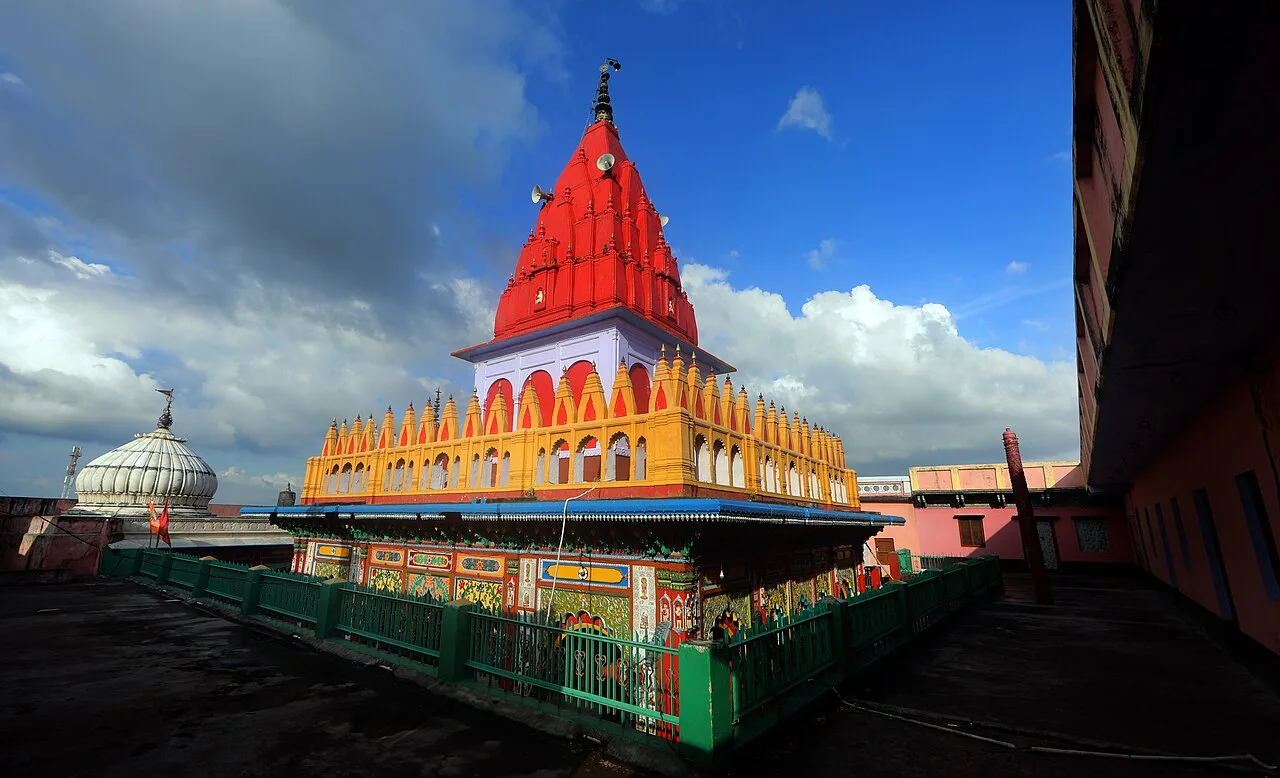
Hanuman Garhi

Hanuman Garhi is a Hindu shrine to Hanuman in Ayodhya, Uttar Pradesh. People visit to worship there, and it is counted among the city’s important temples.

Kanak Bhawan

84 km away · Ayodhya district

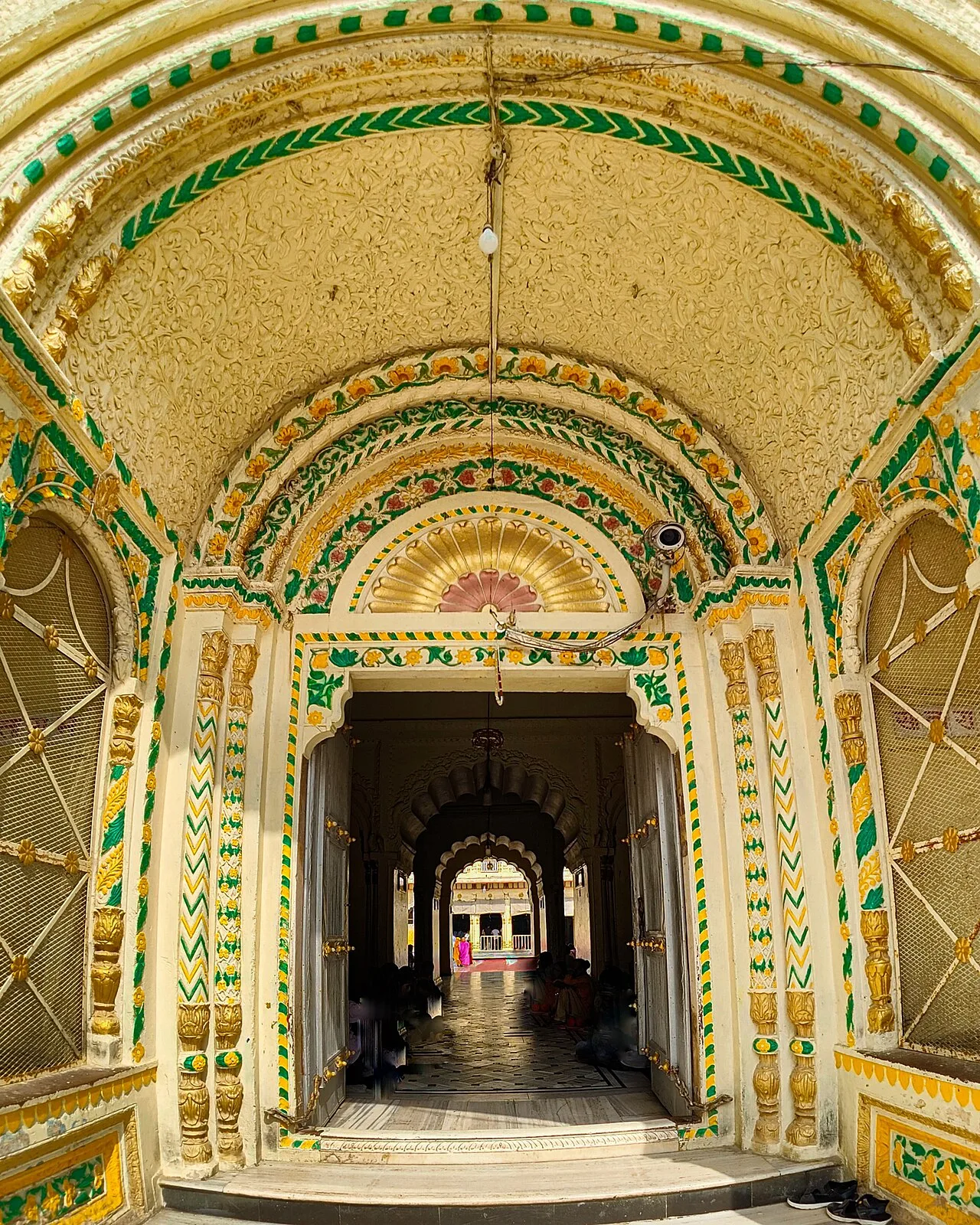
Kanak Bhawan

Kanak Bhawan is an Ayodhya temple linked to the stories of Rama and Sita, whose images are enshrined there. Visitors come to see the shrine and learn its traditional history.

Ram Mandir

85 km away · Ayodhya district

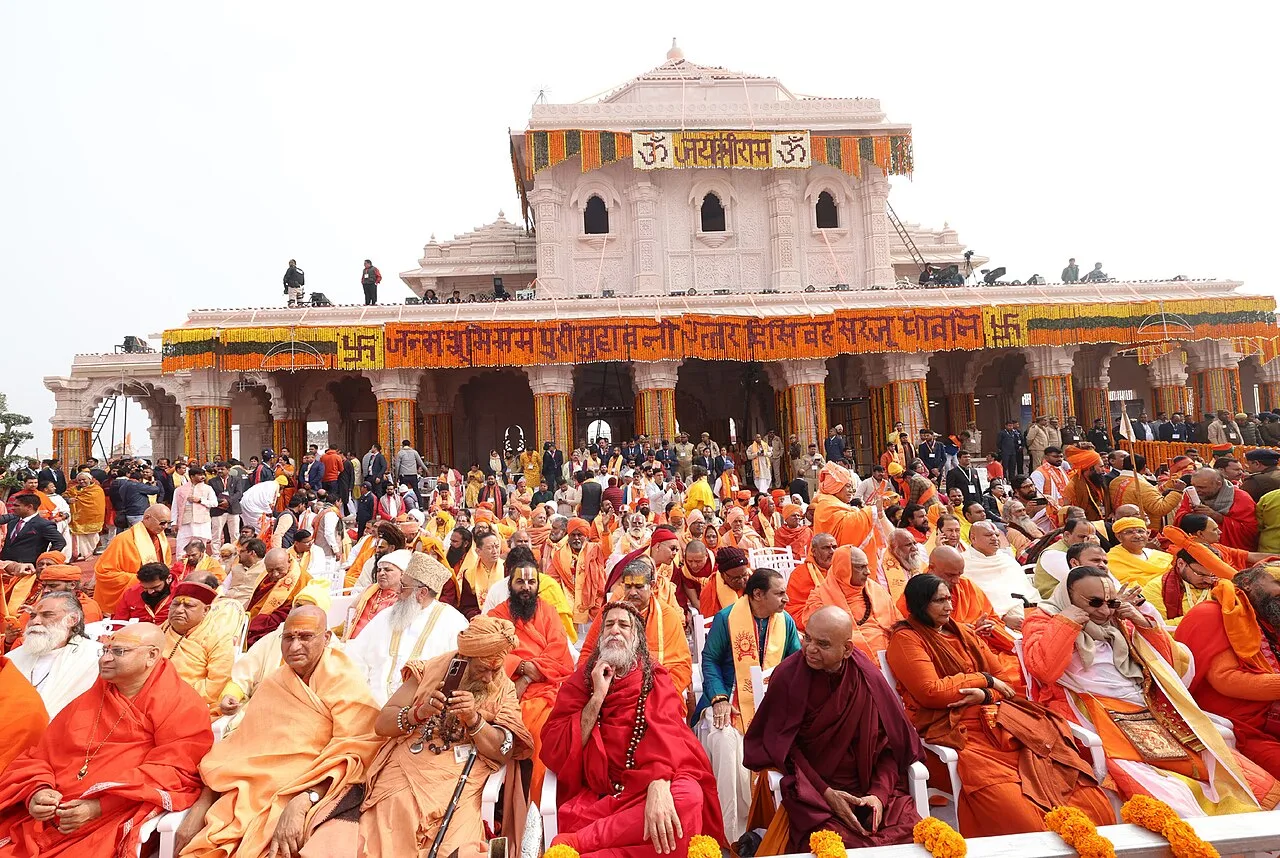
Ram Mandir

Ram Mandir is a Hindu temple complex in Ayodhya, Uttar Pradesh. Visitors come to worship at a place many Hindus regard as the birthplace of Rama.

Shravasti Buddhist Site

95 km away · Shravasti district

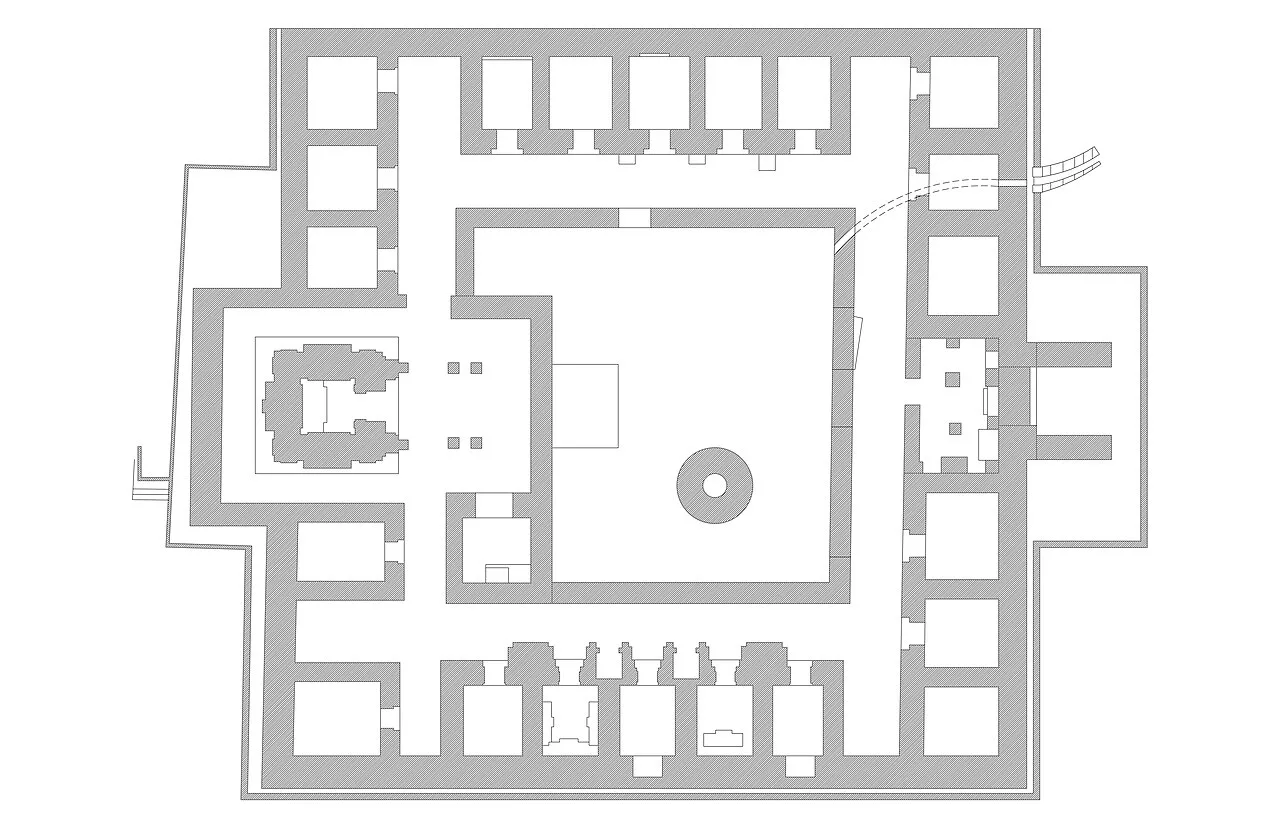
Shravasti Buddhist Site

Shravasti is an ancient town and Buddhist archaeological site in Uttar Pradesh, known for its links to the Buddha’s teachings, disciples and miracles, as well as its importance to other religions.

Jetavana

96 km away · Shravasti district

Jetavana

Jetavana is a Buddhist monastic site near ancient Savatthi, in Uttar Pradesh’s Shravasti district. Visitors explore its close association with the Buddha, who stayed there and delivered many teachings.

Kushinagar Buddhist Site

106 km away · Kushinagar district

Kushinagar Buddhist Site

The Kushinagar Buddhist Site is a pilgrimage destination associated with Gautama Buddha’s parinirvana. Visitors come to this Uttar Pradesh town because of its importance in Buddhist belief.

Map

Bansi on the map

  1. 1Gorakhnath Math
  2. 2Ayodhya Old Town
  3. 3Hanuman Garhi
  4. 4Kanak Bhawan
  5. 5Ram Mandir
  6. 6Shravasti Buddhist Site
  7. 7Jetavana
  8. 8Kushinagar Buddhist Site

Uttar Pradesh

Other cities to explore